Essential Basement Mold Prevention NJ Techniques
If you’re looking for basement mold prevention NJ, you’re in the right place. This guide helps you improve your basement’s air quality and reduce mold risk.The air quality in your basement, often overlooked, profoundly impacts your family’s health, the structural integrity of your home, and the comfort of your living spaces below ground.
Often, subpar basement air quality originates from moisture issues, fostering mold growth, high humidity, pollutant buildup, and even radon. Addressing these concerns is key to alleviating respiratory irritants and preventing costly structural damage.
This comprehensive guide empowers homeowners like you with practical strategies to identify root causes, spot warning signs, and implement integrated solutions—including advanced dehumidification, strategic ventilation, robust waterproofing, radon-aware enhancements, and effective air filtration—to reclaim a healthy, breathable basement environment.
You’ll gain valuable insights into optimal humidity levels, learn to select the ideal dehumidification system for your needs, explore various ventilation options, and understand how professional waterproofing and encapsulation fundamentally transform your basement’s moisture dynamics.
Our article delves into the causes and detection of air quality issues, offers step-by-step guidance on humidity control, compares ventilation solutions, details waterproofing options (including crucial radon-resistant upgrades), outlines effective mold prevention and remediation, and explains how air purifiers integrate into a holistic strategy.
According to the US EPA guide on mold & moisture, controlling humidity is vital. We’ve included practical checklists, insightful comparison tables, and clear next steps, empowering you to take immediate action and confidently determine when professional expertise is your best course.
Unraveling the Mystery: What's Really Causing Poor Air Quality in Your Basement?
Subpar basement air quality often stems from a combination of culprits: persistent moisture intrusion, unchecked biological growth, insufficient airflow, and the unwelcome entry of various pollutants. Moisture, for instance, provides the perfect breeding ground for mold spores, while stagnant air allows volatile organic compounds (VOCs) to accumulate, and foundation vulnerabilities can invite radon and other soil gases into your home.
These mechanisms often create a synergistic effect: elevated relative humidity (RH) significantly increases the potential for condensation, which in turn provides the liquid water essential for microbial growth, and limited ventilation then prevents the crucial dilution of these airborne contaminants.
A strategic approach begins with recognizing these fundamental root causes: first, eliminate water intrusion; next, meticulously control humidity; and finally, ensure proper ventilation and air filtration.
Grasping the intricate pathways of moisture and pollutants is a critical first step before you can effectively choose the right dehumidification, waterproofing, or ventilation solutions for your home.
The Silent Threat: How High Humidity Undermines Your Basement's Air Quality
When humidity levels in your basement climb too high, the relative humidity (RH) surpasses safe thresholds. An RH consistently above 55% actively promotes rampant mold growth and dust mite proliferation. For optimal health and to effectively curb microbial activity, your basement’s RH should ideally remain between 30–50%.
This elevated RH inevitably leads to condensation on cooler surfaces—think windows, pipes, and concrete walls—creating a perfect breeding ground for mold on porous materials and generating those tell-tale musty, unpleasant odors.
Beyond comfort, high humidity also contributes to a pervasive stuffiness and accelerates the corrosion of metal systems throughout your home, directly linking poor air quality to your home’s long-term structural durability.
Consequently, reducing RH is a fundamental and primary control action. Consistently monitoring RH in various basement locations is crucial to verify that your interventions are truly effective and maintaining desired levels.
The Perennial Problem: Why Do Mold and Mildew Thrive in Basements?
Mold and mildew flourish where an unholy trinity of moisture, organic substrate, and moderate temperatures converge. Basements, unfortunately, often provide this ideal environment with leaks, damp concrete, absorbent cardboard, drywall, and stored fabrics, all supplying the perfect nutrients and moisture for spores to colonize.
Mold spores are virtually everywhere, so any visible growth is a clear indicator of persistent or recurring moisture problems, not just an isolated contamination issue.
The presence of visible mold almost always signifies ongoing airborne spore release, dramatically increasing indoor allergen loads and posing a significant health risk to your family.
Therefore, identifying and definitively eliminating the moisture source—be it groundwater intrusion, plumbing leaks, or persistent condensation—is the non-negotiable first step before any cleaning or remediation can truly be effective.
The Silent Accomplice: How Poor Ventilation Worsens Basement Air Problems
Inadequate ventilation effectively traps humid, stale air, allowing pollutants like VOCs, CO₂, and microbial fragments to concentrate to unhealthy levels. This critical lack of consistent air exchange drastically reduces dilution and prolongs the very conditions that are most favorable for mold growth and persistent odors.
Furthermore, the stack effect and subtle pressure imbalances can inadvertently draw these basement pollutants into your upper living spaces, demonstrating how basement ventilation profoundly impacts your entire home’s indoor air quality.
Implementing mechanical or well-designed passive ventilation strategies are powerful tools that increase crucial air changes, effectively helping to control both humidity and pollutant concentrations, especially when integrated with robust moisture control measures.
Thus, enhancing airflow is an integral and complementary tactic alongside effective dehumidification and comprehensive waterproofing solutions.
Compelling research consistently underscores the crucial role mechanical ventilation plays in effectively managing indoor air quality within basement environments, directly influencing both pollutant exposure and vital air circulation.
The Effect of Mechanical Ventilation on Basement Indoor Air Quality
Indoor air quality (IAQ) in confined environments such as bank vaults and basements is affected by multiple factors, notably ventilation systems. Substandard air quality in basements can result in considerable challenges due to pollutant exposure. This study investigates the influence of mechanical ventilation on IAQ within a basement setting.
Numerical analysis on mechanical ventilation impact on indoor air quality in a basement, BE Anyaegbuna, 2024
Beyond Moisture: What Role Do Radon and Other Hidden Pollutants Play in Your Basement's Air Quality?
Insidious radon and other indoor pollutants, such as VOCs and combustion gases, often infiltrate basements through subtle foundation cracks, compromised joints, and sub-slab pathways. These pose distinct and serious health risks that unfortunately compound existing moisture-related problems.
Radon, a colorless and odorless gas, is a silent killer that frequently accumulates in below-grade spaces and is directly linked to an increased lung cancer risk at elevated concentrations. Crucially, testing remains the *only* reliable way to determine its levels in your home.
Beyond radon, combustion appliances, improperly stored chemicals, and various off-gassing materials contribute significantly to VOCs, which can irritate occupants and noticeably degrade the perceived air quality in your basement.
Therefore, proactively addressing pollutant entry points and diligently testing for radon are non-negotiable elements of any thorough basement air-quality plan, and these often integrate seamlessly with comprehensive waterproofing and sealing strategies.
The intricate movement of air and moisture within basements is a critical factor, especially when considering radon mitigation systems, as these solutions can profoundly impact the overall moisture dynamics within the entire space.
Basement Ventilation Air and Moisture Dynamics During Radon Mitigation
This study investigated the movement and origins of basement ventilation air and moisture during active soil depressurization (ASD) radon mitigation. It was observed that radon mitigation systems resulted in modest reductions in basement moisture levels. Comprehending the interaction between basement air and outdoor air moisture is critical for managing indoor air quality.
Movement and sources of basement ventilation air and moisture during ASD radon control, 2009
Decoding Your Basement: What Are the Common Signs of Poor Air Quality?
The telltale signs of poor basement air quality often manifest as sensory clues and visible indicators, all pointing to underlying moisture issues, biological growth, or pollutant accumulation. Recognizing these warnings early on is crucial, enabling targeted diagnostics and ultimately more cost-effective repairs.
Typical indicators range from persistent musty odors and visible mold growth or discoloration to noticeable condensation on surfaces and even occupant symptoms like worsening allergies or respiratory issues.
Collectively, these signs pave the way for your next steps: precise moisture mapping, diligent humidity monitoring, and ultimately, targeted remediation or essential system upgrades.
Below, we’ve outlined specific detection strategies designed to empower homeowners like you to confidently confirm and localize these pervasive problems.
Pinpointing the Problem: How Can You Detect Musty Basement Smells and Odors?
Musty odors are almost always a clear signal of microbial growth or persistent dampness. You can often pinpoint their source through a meticulous systematic inspection and simple moisture checks: carefully follow the odor to its strongest point, thoroughly inspect behind stored items, check your HVAC returns, and utilize a moisture meter on any suspect surfaces.
Immediate steps include thoroughly drying affected areas, briefly increasing ventilation to help confirm the source, and employing an activated-carbon purifier for temporary, diagnostic odor reduction.
However, if those musty smells stubbornly return after drying, it’s a strong indicator of hidden moisture or a more significant structural intrusion that absolutely requires further professional diagnosis.
Persistent or widespread odors unequivocally necessitate a professional inspection to uncover any concealed and elusive sources.
The Unmistakable Warning: What Does Visible Mold Growth Reveal About Your Air Quality?
Visible mold is a direct indicator of an active moisture source and a highly probable elevated airborne spore load. Any visible colonization must be treated as critical evidence of ongoing moisture problems, never merely a cosmetic issue.
While small, isolated patches might be effectively addressed with controlled cleaning using appropriate PPE and antimicrobial cleaners, larger or recurrent growth absolutely demands expert professional remediation to safely contain spores and permanently correct the underlying moisture pathways.
Indispensable post-cleaning verification and rigorous humidity control are absolutely necessary to prevent any future recurrence.
Grasping that visible mold is merely a symptom of systemic moisture issues guides your strategy, helping you prioritize comprehensive waterproofing and effective humidity control solutions.
The Unseen Connection: How Are Allergies and Respiratory Issues Linked to Your Basement Air?
The array of basement pollutants—including pervasive mold spores, dust mites, and volatile organic compounds (VOCs)—can significantly trigger and exacerbate allergies and respiratory conditions by dramatically increasing indoor allergen and irritant levels. Occupants often report worsened nasal congestion, persistent coughing, or aggravated asthma symptoms with increased exposure.
Particularly sensitive individuals frequently react more quickly, making their personal reports crucial insights and valuable diagnostic clues for identifying underlying issues.
Proactive measures like testing for airborne particulate counts or conducting specialized allergy-focused inspections can help quantify the risk and effectively guide targeted interventions.
For persistent health impacts, medical consultation is strongly advised to complement ongoing remediation and source control efforts.
Uncovering the Truth: What Do Condensation and Dampness Reveal About Your Basement's Conditions?
Condensation appearing on windows, pipes, or walls is an unmistakable sign of either high local relative humidity (RH) or thermal bridging, where warm, moist air makes contact with cold surfaces. Repeated condensation strongly indicates inadequate dehumidification, critical insulation gaps, or persistent airflow problems.
Conversely, damp patches and efflorescence provide clear evidence of water migration through masonry or elevated groundwater pressure, unequivocally suggesting deeper structural moisture pathways.
Effectively addressing condensation demands a dual approach: both significant humidity reduction and targeted thermal fixes, such as improved insulation or specialized surface finishes designed to eliminate cold spots.
Carefully detecting specific patterns of dampness informs your strategy, helping you prioritize whether localized repairs, comprehensive dehumidification, or robust waterproofing solutions are truly needed.
Mold-Free Basement Air: Proven Strategies for Healthier Homes
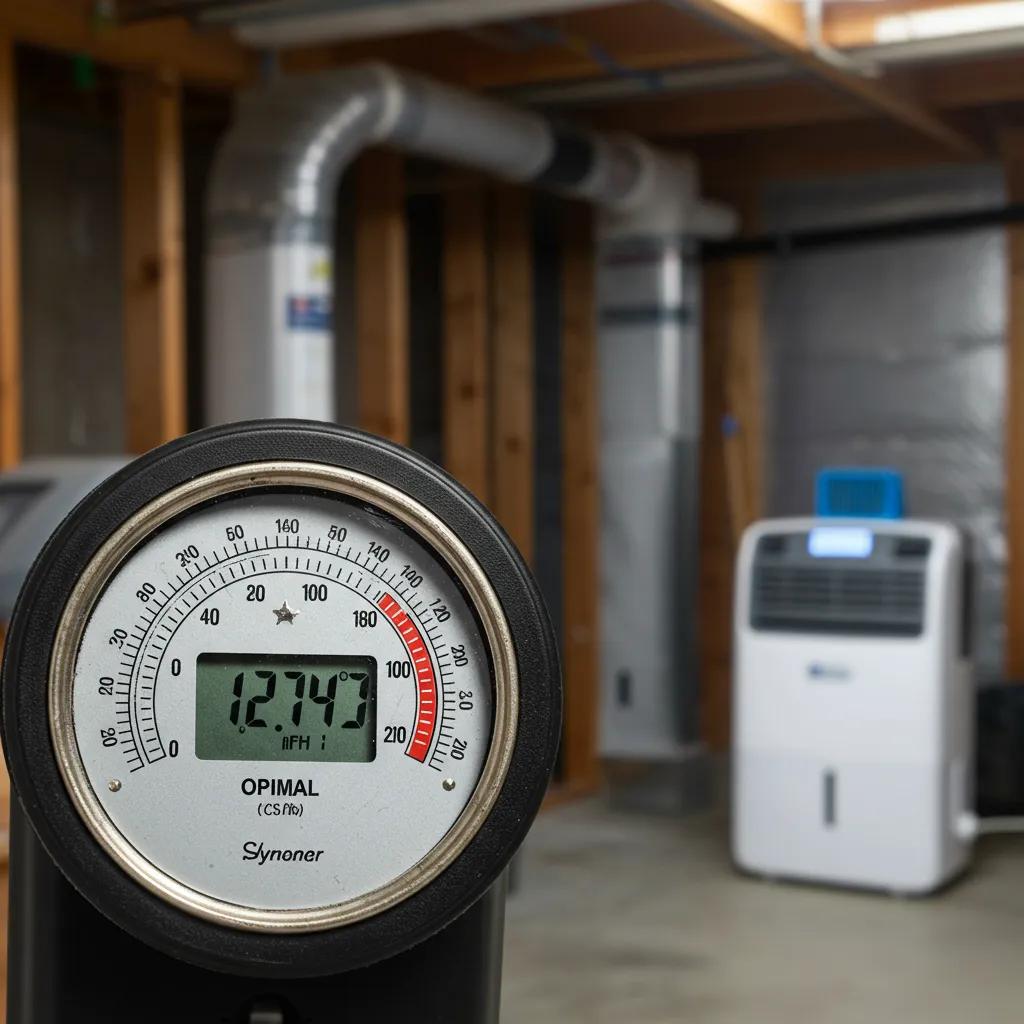
Controlling your basement’s humidity is the cornerstone of reducing microbial growth, significantly lowering condensation risk, and dramatically improving occupant comfort by consistently maintaining relative humidity (RH) within recommended targets. Truly effective humidity control integrates diligent monitoring, appropriately sized dehumidifiers, precise drainage control, and complementary measures like professional encapsulation.
The ingenious mechanism is simple: dehumidifiers actively extract water vapor from the air, effectively lowering the RH to a level that inhibits both mold and dust mite reproduction, while simultaneously reducing condensation on cool surfaces.
Essential practical steps include setting precise RH targets, strategically placing hygrometers for accurate readings, ensuring proper condensate routing, and intelligently combining mechanical control with necessary structural fixes.
To help you make an informed decision, here’s a clear comparison of common dehumidifier types.
| Dehumidifier System Type | Key Characteristics | Typical Impact on Relative Humidity (RH) |
|---|---|---|
| Portable Dehumidifiers | Offers flexibility and mobility, typically with lower capacity (measured in pints/day), and often requires manual drainage or a separate pump. | Effectively lowers RH in smaller, localized areas; ideal for short-term or temporary moisture control. |
| High-Capacity Whole-Basement Dehumidifiers | Designed for permanent installation, offering continuous, robust operation with a convenient direct drain option. | Consistently maintains stable RH across large basement areas, effectively preventing recurrent humidity spikes. |
| Whole-Home Integrated Dehumidification | Seamlessly integrates with your existing HVAC system, providing centralized control for balanced humidity management. | Achieves balanced RH throughout your entire home, requiring professional ducting and precise HVAC coordination. |
This comparison clearly illustrates that larger, professionally installed systems are the definitive choice for consistent, long-term RH control in finished or expansive basements, whereas portable units are best suited for targeted spot control and temporary moisture challenges.
Selecting the optimal system critically depends on your basement’s size, its finishing level, and the overall moisture load it experiences.
The Non-Negotiable: Why Dehumidification Systems Are Essential for Basement Humidity Control
Dehumidifiers actively transform your basement environment by extracting airborne water vapor and condensing it into a drainable reservoir or a routed drain. By effectively lowering the relative humidity (RH), they render the space inhospitable to both mold and dust mites.
Professionally installed high-capacity systems are specifically designed to handle continuous moisture loads and large volumes, ensuring your RH remains unwaveringly within the recommended 30–50% range. This proactive control effectively prevents repeated condensation and the formation of unpleasant odors.
While portable units can address smaller or intermittent problems, they often have inherent limitations and struggle to maintain stable RH levels in larger or consistently damp basements.
Therefore, selecting the appropriate system, coupled with ensuring proper drainage and diligent maintenance, is paramount for long-term effectiveness and to proactively avoid secondary issues such as standing condensate.
Achieving the Ideal: Best Practices for Maintaining Optimal Basement Humidity Levels
To maintain optimal basement humidity, implement meticulous practices: strategically place hygrometers in multiple locations, set your dehumidifier’s RH setpoints precisely between 30–50%, and perform routine maintenance, including regular filter cleaning and thorough condensate routing checks.
Dynamic seasonal adjustments are crucial: as outdoor humidity rises in summer, your systems may require longer runtimes, while winter conditions can introduce different condensation patterns, necessitating careful ventilation tuning.
Vigilantly inspect dehumidifier drains, condensation pans, and any condensate pumps on a regular basis to proactively prevent overflow and inhibit microbial growth within these critical drain components.
Monitoring humidity trends with a simple data log provides valuable insights, helping to confirm your system is consistently delivering targeted RH reduction and informing whether additional, comprehensive measures like encapsulation are truly needed.
Having explored dehumidification selection and upkeep, it’s clear that homeowners facing persistent or large-scale humidity issues will significantly benefit from professional installation for lasting peace of mind.
For situations demanding continuous, robust control and superior capacity, our professional Basement Dehumidification System Installation provides high-capacity dehumidifiers engineered specifically for challenging basement conditions, complete with proper drain routing and strategic placement to consistently sustain optimal RH targets over the long term.
The Transformative Power: How Crawl Space Encapsulation Regulates Basement Moisture
Crawl space encapsulation employs an impermeable, continuous vapor barrier, meticulously sealed vents, and either conditioned air or dedicated dehumidification to effectively block ground moisture and dramatically lower the overall moisture load that constantly feeds into your basement environment.
By definitively stopping soil moisture from migrating upward, encapsulation stabilizes relative humidity (RH) swings in connected basement spaces and can significantly decrease the runtime demand on your dehumidifiers.
This comprehensive sealing and insulating of the crawl space offers a dual benefit: it not only improves your HVAC system’s efficiency but also substantially reduces the unwelcome import of soil gases into your entire home.
When synergistically combined with a properly sized dehumidifier, encapsulation creates a far more stable interior moisture regime, proactively preventing mold growth and persistent odors.
Effectively managing moisture in basements, particularly in colder climates, is paramount. Strategies such as professional encapsulation and proper ventilation are absolutely key to preventing structural degradation and ensuring superior indoor environmental quality.
Moisture Management Strategies for Habitable Basements in Cold Climates
This study examined moisture control strategies for habitable basements situated in cold climates. Principal factors affecting moisture conditions encompassed thermal bridging, building envelope airtightness, and ventilation systems. Mitigating these elements is imperative for the prevention of moisture-induced degradation in basements and for the assurance of superior indoor environmental quality.
Moisture control strategies of habitable basements in cold climates, T Kvande, 2020
Strategic Airflow: What Ventilation Solutions Truly Improve Basement Air Quality?
Strategic ventilation dramatically improves basement air quality by increasing crucial air changes, effectively diluting pollutants and humidity, and actively disrupting stagnant pockets where mold spores and VOCs tend to concentrate. The most suitable ventilation choices are dynamic, varying significantly based on your basement’s intended use, its specific moisture load, and your overall energy considerations.
From simple exhaust fans to sophisticated mechanical supply or balanced systems, and advanced energy-recovery ventilators (ERVs/HRVs), each option presents distinct advantages and trade-offs concerning airflow, energy impact, and overall suitability for below-grade spaces.
A synergistic approach, pairing robust ventilation with comprehensive moisture control and expert waterproofing, consistently yields the most reliable outcomes. This is because ventilation actively dilutes and exchanges air, while other measures definitively halt moisture ingress at its source.
For a clear overview, the table below compares common ventilation approaches specifically tailored for basements.
| Ventilation System Option | Typical Airflow (Cubic Feet per Minute) | Energy Consumption Impact | Optimal Suitability for Basements |
|---|---|---|---|
| Dedicated Exhaust Fan | 50–200 CFM (Cubic Feet per Minute) | Generally low to moderate | Excellent for targeted spot moisture and odor removal in specific areas. |
| Mechanical Supply Ventilation | 100–300 CFM (Cubic Feet per Minute) | Moderate | Effectively helps to pressurize the basement and dilute airborne pollutants. |
| Energy Recovery Ventilator (ERV) / Heat Recovery Ventilator (HRV) | 50–250 CFM (Cubic Feet per Minute) | Higher initial energy use, but recovers energy for efficiency. | Ideal for balanced, energy-efficient conditioned ventilation throughout the space. |
Optimizing Airflow: How Do Exhaust Fans and Mechanical Ventilation Enhance Circulation?
Exhaust fans rapidly expel stale, humid air by creating negative pressure that efficiently pulls air out of your basement. This makes them highly effective for targeted use in bathrooms, laundry areas, or for temporary drying needs.
Conversely, mechanical supply or balanced ventilation systems introduce consistent, controlled rates of fresh air, effectively diluting contaminants and maintaining stable pressure relationships with the rest of your home.
The nuances of energy consumption and noise levels vary significantly: while high-capacity fans can be louder and increase energy use, balanced systems and advanced ERVs/HRVs typically provide quieter, far more energy-efficient air exchanges.
Ultimately, selecting the right system aligns with your specific goals, whether that’s targeted spot dehumidification, continuous fresh air circulation, or highly energy-aware ventilation.
An Unexpected Synergy: Can Crawl Space Encapsulation Improve Basement Ventilation?
Crawl space encapsulation fundamentally alters your home’s pressure and airflow dynamics by significantly reducing the baseline moisture load entering the structure. This, in turn, can make your ventilation systems far more effective by decreasing the sheer volume of humid air that constantly needs to be exchanged.
Once encapsulation is expertly installed, your ventilation systems face a dramatically reduced moisture source, allowing them to optimize their performance by focusing primarily on exchanging indoor pollutants rather than constantly battling persistent soil moisture.
It’s an important consideration, however, that sealing the crawl space can alter existing house pressure relationships, sometimes necessitating a recalibration of mechanical ventilation systems to maintain desired airflows.
Ultimately, encapsulation and ventilation form a powerful partnership: sealing the moisture source profoundly enhances the performance and efficiency of active airflow systems.
A Holistic Approach: What Are the Benefits of Combining Ventilation with Waterproofing?
A synergistic strategy combining ventilation and waterproofing addresses both the root cause and the lingering symptoms. Waterproofing definitively halts water entry into your home’s structure, while ventilation actively removes any residual moisture and airborne pollutants, culminating in a truly comprehensive improvement in air quality.
For instance, a powerful combination of an interior drainage system paired with continuous mechanical ventilation will not only prevent standing water but also rapidly dilute any transient VOCs or odors that might linger after remediation.
This integrated approach significantly reduces long-term maintenance needs, dramatically lowers the risk of mold, and demonstrably improves occupant health, offering lasting peace of mind.
Indeed, implementing both measures together is consistently far more effective than attempting to address only ventilation or waterproofing in isolation.
Having thoroughly explored ventilation strategies, homeowners facing persistent moisture challenges should absolutely consider robust structural interventions for ultimate protection.
Crawl Space Encapsulation seamlessly complements ventilation by definitively stopping ground moisture entry and creating a far more stable, controlled environment for your airflow systems to operate with peak efficiency.
The Foundational Solution: How Basement Waterproofing Prevents Mold and Elevates Air Quality
Professional waterproofing provides a proactive defense, preventing source-level moisture intrusion that fuels mold growth and elevated humidity. By expertly sealing or diverting water away from your foundation, waterproofing fundamentally eliminates the conditions that enable microbial colonization and pollutant accumulation.
The tailored mechanism varies by approach—interior drainage systems expertly manage water that reaches the foundation, exterior membranes proactively prevent groundwater contact, and specialized sealants effectively resist surface moisture—each yielding distinct and significant air-quality benefits.
Selecting the appropriate waterproofing method hinges on critical considerations such as the specific water source, your basement’s construction, and whether you also desire integrated radon-resistant upgrades.
For an insightful overview, the table below compares common waterproofing strategies and their direct impacts on air quality.
| Waterproofing Approach | Primary Function | Installation Considerations |
|---|---|---|
| Interior Drainage System & Sump Pump | Effectively manages groundwater that has already entered the basement interior. | Requires moderate interior work; expertly manages water *after* it enters the foundation. |
| Exterior Waterproofing Membrane | Proactively prevents groundwater from reaching the foundation wall. | Requires exterior excavation; definitively prevents water ingress at its source. |
| Foundation Sealants & Crack Repair | Addresses surface seepage and minor, localized leaks. | Low-impact installation; most effective for minor, localized moisture issues. |
The Ultimate Defense: Why Waterproofing Your Foundation Is Key to Moisture Control?
Foundation waterproofing fundamentally addresses the primary pathways that allow groundwater and soil moisture to infiltrate your interior spaces—namely, through cracks, porous masonry, and under hydrostatic pressure. By doing so, it definitively removes the root cause of countless basement moisture problems.
Proactively blocking or diverting this water profoundly reduces persistent dampness, which in turn dramatically decreases both mold growth potential and long-term humidity loads within your basement.
Truly effective waterproofing serves as an essential complement, reducing over-reliance on mechanical dehumidification alone and consistently stabilizing interior conditions for lasting comfort.
Addressing these critical foundation-level pathways is non-negotiable for achieving lasting and significant air-quality improvement.
The Mechanisms of Protection: How Does Waterproofing Stop Water Intrusion and Mold Growth?
Expertly designed waterproofing techniques, such as interior drainage systems, efficiently capture and route water to a sump pump *before* it can ever contact finished surfaces. Concurrently, exterior membranes and proper grading proactively prevent groundwater from even reaching your foundation walls.
These critical interventions fundamentally transform the moisture balance of your basement, effectively lowering relative humidity (RH) and definitively eliminating those recurring wet spots where mold would otherwise flourish.
Once water intrusion is definitively stopped, airborne spore loads typically dramatically decrease as colonized materials dry out and professional remediation is performed.
Combining robust waterproofing with meticulous post-installation drying and continuous dehumidification significantly expedites your basement’s air-quality recovery.
Dual Protection: What Are Radon-Resistant Waterproofing Upgrades and Their Benefits?
Radon-resistant waterproofing upgrades seamlessly integrate advanced sealing techniques, meticulous sub-slab preparation, and thoughtful provision for future active depressurization systems. This comprehensive approach simultaneously reduces gas entry and significantly improves overall moisture control.
These crucial measures—including expertly sealing slab penetrations and creating conditioned sub-slab spaces—fortify your basement by reducing both radon and water pathways into the environment.
The significant benefit is twofold: enhanced occupant safety stemming from reduced radon entry, coupled with dramatically improved air quality achieved through lower moisture migration.
Intelligently considering radon-resistant options during your waterproofing installation creates a unified, powerful defense against multiple below-grade hazards, offering unparalleled peace of mind.
Having detailed the profound benefits of waterproofing, it’s important to note that professional intervention is consistently the most reliable path to implementing truly comprehensive solutions for lasting results.
Our professional services include expertly designed Basement Waterproofing and Radon-resistant waterproofing upgrades that meticulously address both water and gas entry points through a fully coordinated, integrated approach.
Proactive Protection: What Are Effective Mold Prevention and Remediation Strategies for Basements?
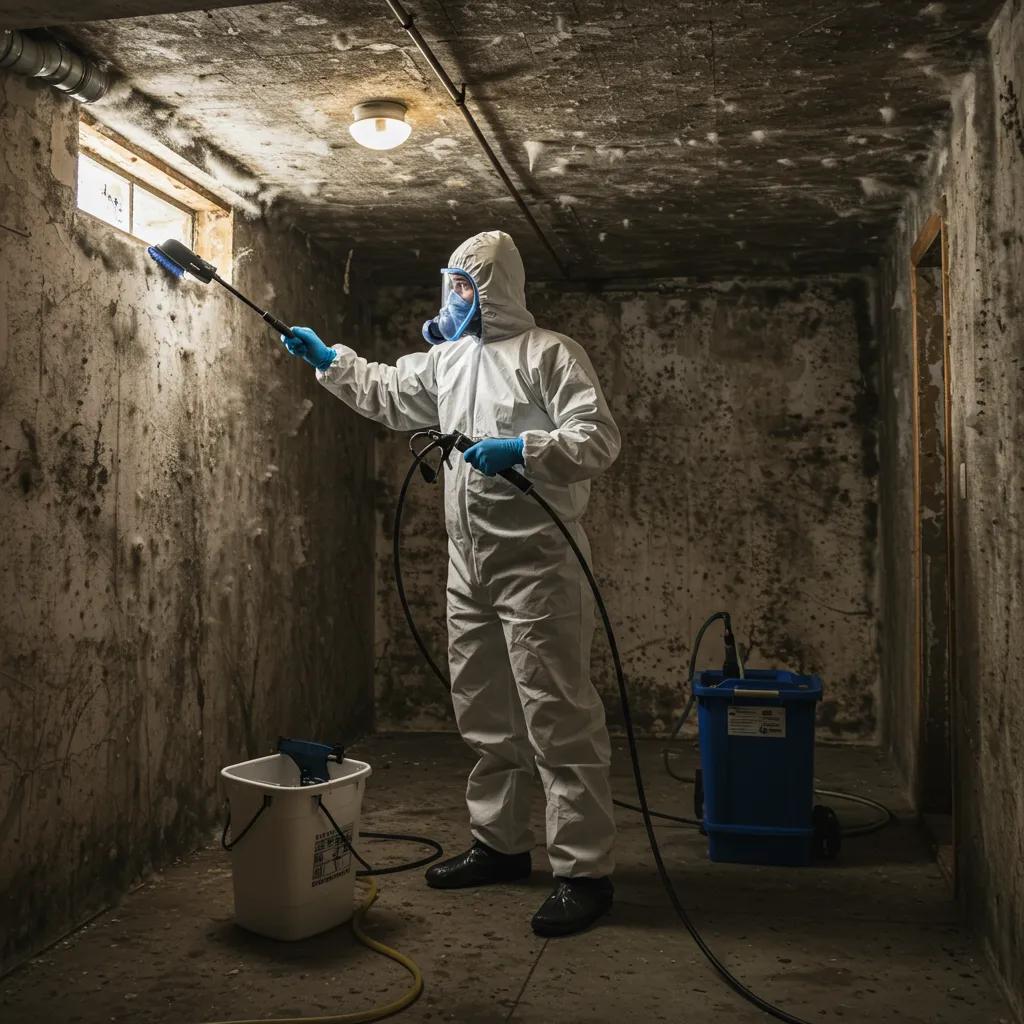
Truly effective mold prevention involves a holistic combination of rigorous source control, meticulous moisture management, intelligent material choices, and consistent routine inspections—all designed to minimize the conditions that support microbial growth. Remediation, conversely, focuses on safely removing active colonization through stringent containment and specialized cleaning protocols.
The dual approach is clear: remediation actively reduces airborne spores through professional containment and advanced HEPA filtration, while prevention definitively eliminates the moisture and organic food sources that would otherwise allow for regrowth.
Strategies vary significantly by scope: while small, isolated patches might sometimes be addressed by diligent homeowners, extensive contamination or elusive hidden growth unequivocally demands expert professional services.
The following essential list outlines core prevention and remediation steps every homeowner should diligently follow.
- **Eliminate All Moisture Sources:** Promptly repair any leaks, significantly improve your exterior and interior drainage, and rigorously control relative humidity (RH) with effective dehumidification.
- **Utilize Mold-Resistant Materials:** Opt for and install moisture-tolerant finishes and meticulously sealed surfaces, especially in areas prone to dampness.
- **Implement Routine Inspections:** Conduct thorough checks after every storm, diligently inspect all drains and sump pumps, and consistently monitor your dehumidifier’s performance.
The Transformative Impact: How Does Professional Mold Remediation Improve Indoor Air Quality?
Professional mold remediation is a meticulous process that dramatically reduces airborne spore loads through rigorous containment, specialized negative-pressure enclosures, and advanced HEPA air filtration. It also safely removes contaminated materials using industry best practices to stringently limit cross-contamination.
This comprehensive remediation also encompasses targeted cleaning, judicious antimicrobial treatments where appropriate, and crucial clearance testing to definitively confirm reduced airborne spores.
For extensive or complex infestations, our professionals provide safe, efficient removal and seamlessly coordinate with essential drying and waterproofing measures to proactively prevent any recurrence.
Thus, truly effective remediation holistically restores air quality while simultaneously addressing the fundamental underlying moisture drivers.
Smart Choices: What Mold-Resistant Materials Can Help Prevent Future Growth?
Mold-resistant materials—including specialized mold-treated drywall, impermeable closed-cell insulation, expertly sealed concrete, and durable water-tolerant flooring—fortify your basement by reducing substrate susceptibility to microbial colonization. They achieve this by limiting organic food sources and actively preventing moisture penetration.
Furthermore, finishes such as high-quality mold-inhibiting paints and meticulously sealed joints create a critical barrier, significantly reducing adhesion and growth potential on all surfaces.
Making these wise material choices in finished basements and utility areas is a sound investment that dramatically lowers long-term remediation needs and significantly improves overall indoor air resilience.
The intended function of the space—whether it will be a conditioned living area or simply storage—dictates the selection of appropriate finishes.
Stay Vigilant: How Often Should Basements Be Inspected and Maintained for Mold?
Your basement should undergo meticulous checks seasonally and immediately following any major weather events. These focused inspections should include dehumidifier drains, sump pumps, HVAC returns, and all visible surfaces for any signs of dampness or microbial growth.
Homeowners should diligently perform basic checks monthly during high-humidity seasons and consistently verify their dehumidifier’s performance.
Professional inspections are strongly advised whenever persistent odors, recurrent visible mold, or unexplained health symptoms manifest.
Establishing a proactive maintenance cadence is invaluable, as it catches potential problems early, significantly reducing both the scope and the cost of any necessary remediation.
If remediation proves to be beyond your DIY scope, our professional Mold Remediation services are available to expertly handle and remove significant infestations, and to seamlessly coordinate with comprehensive waterproofing and dehumidification efforts to definitively prevent recurrence.
Elevating Your Air: How Can Air Purifiers and Filtration Systems Enhance Basement Air Quality?
Air purifiers and advanced filtration systems significantly improve basement air quality by actively removing particulate matter, airborne spores, and many odor-causing VOCs from the air stream. It’s crucial to remember they do not remove moisture or radon, so they perform optimally as a complementary solution *after* primary moisture control measures are firmly established.
High-efficiency HEPA filters expertly capture particulates, including microscopic fungal fragments, while activated carbon effectively adsorbs many unpleasant odors and volatile organic compounds (VOCs).
Seamlessly integrating purifiers into your basement strategy dramatically reduces airborne triggers and perfectly complements both dehumidification and ventilation efforts, especially in finished living areas.
Below, you’ll find our expert guidance and practical recommendations for optimal air purifier selection and deployment.
Choosing Wisely: What Types of Air Purifiers Are Ideal for Basement Environments?
HEPA air purifiers are highly recommended for their exceptional ability to capture particulates and mold spores, while units featuring activated carbon layers are essential for effectively addressing odors and VOCs. For maximum versatility in finished basements, combined HEPA+carbon units are often the most effective choice.
Always choose units precisely rated for your basement’s specific room volume (considering CADR and room coverage) and ensure strategic placement where airflow efficiently moves air through the purifier, directly impacting occupants’ breathing zones.
Diligent maintenance—including timely filter replacement and regular pre-filter cleaning—is absolutely critical for sustained, optimal performance.
A fundamental truth: when moisture issues persist, purifiers alone cannot prevent mold growth; comprehensive source control must always be addressed first.
The Synergistic Relationship: How Do Air Purifiers Complement Dehumidification and Ventilation?
Air purifiers expertly remove airborne particulates, while dehumidifiers meticulously address the moisture that enables mold growth, and ventilation systems efficiently exchange indoor and outdoor air to dilute contaminants. Together, this powerful trio significantly reduces both the sources and the airborne presence of pollutants.
The optimal strategy involves correct sequencing: prioritize moisture control first, then effectively utilize ventilation and filtration to polish air quality and remove any residual spores and VOCs.
For finished basements, combining all three systems creates an unparalleled healthy, comfortable, and truly inviting environment suitable for any occupancy.
A clear understanding of each system’s distinct role ensures the most efficient and strategic allocation of your budget and effort.
Optimal Timing: When Should You Consider Installing an Air Purifier in Your Basement?
Consider installing an air purifier at strategic times: when occupants experience persistent allergies or odors, as you finish a basement for new living space, or after remediation to further reduce airborne spores during re-occupancy. Purifiers are especially beneficial in bedrooms or frequently occupied living areas.
If relative humidity (RH) and primary moisture sources remain unresolved, it’s critical to prioritize comprehensive dehumidification and waterproofing *before* installing a purifier, thereby preventing repeated contamination of its filters.
Ultimately, an air purifier serves as the ultimate layer of defense, significantly improving comfort and reducing particulate exposure once all structural and moisture issues have been expertly addressed.
Your Trusted Partner: Why Choose Effective Basement Solutions for Superior Air Quality in New Jersey Homes?
Effective Basement Solutions offers unparalleled local expertise, specializing in comprehensive basement waterproofing, advanced dehumidification, meticulous crawl space encapsulation, and expert mold remediation for New Jersey homeowners. We provide fully coordinated services that precisely address moisture, elevate air quality, and integrate crucial radon-aware upgrades.
Our unwavering commitment to quality and accountability is ensured by our dedicated in-house trained crews—never subcontractors—who meticulously handle every aspect of your installation and remediation projects.
Our comprehensive suite of services includes expert Basement Dehumidification System Installation, robust Basement Waterproofing, meticulous Crawl Space Encapsulation, professional Mold Remediation, and essential Radon-resistant waterproofing upgrades—each meticulously designed to function as a vital component of an integrated, holistic moisture and air-quality strategy.
Homeowners requiring these coordinated, expert interventions are invited to request a free, no-obligation inspection and estimate to thoroughly evaluate their specific conditions and discover our precisely recommended solutions.
Unmatched Assurance: What Experience and Guarantees Does Effective Basement Solutions Offer?
Effective Basement Solutions stands as a premier information and service hub, with our robust capabilities detailed in local listings. Our key guarantees include an industry-leading 30-year transferable warranty and a reassuring 12-month mold-free certificate offered with qualifying work, providing unparalleled homeowner assurance long after our interventions are complete.
These comprehensive guarantees underscore our documented service scopes, reinforcing long-term performance expectations specifically related to our expert waterproofing and mold remediation services.
We encourage homeowners to confidently evaluate these superior service-level features when comparing professional options for truly comprehensive basement air-quality work.
Uncompromising Quality: How Do Our In-House Crews Ensure Superior Basement Air Solutions?
Our dedicated in-house trained crews deliver consistent, superior workmanship and direct accountability because the same expert team meticulously plans, installs, and follows through on every project, never relying on external subcontractors. This ensures a seamless, high-quality experience from start to finish.
This rigorous internal control significantly reduces coordination delays, meticulously preserves the highest installation standards for critical systems like dehumidifiers, drainage, and encapsulation, and greatly simplifies both warranties and any necessary follow-up service.
For homeowners, having a single, highly trained crew streamlines communication and provides peace of mind, ensuring your integrated solutions operate precisely as designed for optimal performance.
This proven operational model guarantees predictable, superior project outcomes for all your basement air-quality improvements.
Your First Step to a Healthier Home: How Can You Schedule a Free Basement Air Quality Inspection?
To initiate your complimentary inspection and estimate, homeowners can simply reach out to Effective Basement Solutions using our published phone number. This free inspection is designed to thoroughly evaluate your basement’s specific conditions and provide precisely integrated solutions for comprehensive moisture control, strategic ventilation, advanced dehumidification, robust waterproofing, or expert remediation.
During this comprehensive inspection, our expert technicians meticulously assess all sources of moisture and pollutants, accurately measure relative humidity (RH) and visible conditions, and clearly outline prioritized, actionable steps tailored to your home.
Scheduling an inspection offers a clear, seamless transition from your initial homeowner diagnosis to professional, expert implementation, especially when issues extend beyond the scope of DIY remedies.
Your Questions Answered: Frequently Asked Questions
What are the specific health risks associated with poor basement air quality?
Poor basement air quality can unfortunately lead to a range of serious health issues, with respiratory problems being particularly prevalent. Pervasive mold spores, dust mites, and volatile organic compounds (VOCs) can significantly exacerbate allergies and asthma, triggering symptoms such as persistent coughing, sneezing, and difficulty breathing. Furthermore, long-term exposure to elevated levels of radon, a common and dangerous basement pollutant, is directly linked to lung cancer. Therefore, ensuring excellent air quality is absolutely crucial for the well-being of all occupants, especially those with pre-existing conditions or heightened sensitivities.
How frequently should I inspect my basement for potential moisture issues?
We strongly advise you to meticulously inspect your basement for any moisture issues at least seasonally, and always after significant weather events like heavy rainfall or snowmelt. Your regular checks should encompass looking for any visible signs of dampness, potential mold growth, and verifying the optimal functionality of your dehumidifiers and sump pumps. Implementing monthly checks during high-humidity seasons can be instrumental in catching problems early, thereby preventing costly repairs and mitigating health risks associated with prolonged moisture exposure.
What are the definitive signs that my basement requires professional intervention?
Definitive signs that your basement likely requires professional intervention include persistent musty odors, any visible mold growth, frequent and noticeable condensation on surfaces, and consistently elevated humidity levels exceeding 50%. Furthermore, if occupants experience worsening allergies or respiratory issues, this often indicates deeper underlying air quality problems. Should your DIY efforts fail to resolve these persistent issues, consulting a professional is essential to secure targeted, lasting solutions and ensure comprehensive remediation.
Is a standard air purifier sufficient for my basement?
While a standard air purifier can certainly contribute to improving air quality, it’s absolutely essential to select one specifically designed for the unique challenges of basement environments. HEPA filters are highly effective for capturing mold spores and fine particulates, while activated carbon filters are invaluable for tackling odors and VOCs. However, remember that air purifiers are meant to *complement*, not replace, fundamental moisture control measures such as dehumidification and ventilation. Addressing the root moisture issues first is crucial to prevent your air purifier from becoming overwhelmed by contaminants.
What immediate steps should I take if I discover mold in my basement?
If you discover mold in your basement, your immediate and most critical first step is to identify and definitively eliminate the moisture source that is fueling its growth. For small, isolated patches, you may attempt to clean the area yourself using appropriate protective gear and effective antimicrobial cleaners. However, for larger infestations, or if the mold stubbornly returns, it is always best to consult a professional mold remediation service. Our experts can ensure safe, thorough removal and help implement lasting measures to prevent any future growth.
What are the most effective ways to improve ventilation in my basement?
Improving ventilation in your basement can be achieved through several highly effective methods, including installing dedicated exhaust fans, implementing advanced mechanical ventilation systems, or incorporating energy recovery ventilators (ERVs). These systems are designed to significantly increase air changes, effectively dilute pollutants, and reduce humidity. It’s crucial to balance ventilation with robust moisture control to avoid inadvertently introducing humid outdoor air during high-humidity seasons. Consulting a professional can provide tailored guidance to determine the absolute best ventilation strategy for your specific basement conditions.
What is the transformative role of encapsulation in comprehensive basement moisture control?
Crawl space encapsulation involves meticulously sealing the crawl space with a robust vapor barrier and expertly insulating it to definitively prevent ground moisture from infiltrating your basement. This transformative process dramatically reduces humidity levels and stabilizes the overall moisture environment, making it significantly easier for dehumidifiers and ventilation systems to maintain optimal air quality. Encapsulation also profoundly improves energy efficiency by reducing the load on your HVAC systems, establishing itself as an invaluable strategy for truly comprehensive moisture control in basements.
Eliminating the Unpleasant: How Do I Get Rid of That Musty Smell in My Basement?
To definitively eliminate a persistent musty smell, you must first identify its underlying moisture source, rigorously reduce humidity, and thoroughly clean or remove any moldy materials. Begin by pinpointing the exact origin of the odor, then diligently dry the affected area with powerful fans and dehumidifiers. Meticulously clean non-porous surfaces with a suitable detergent and appropriate antimicrobials, and responsibly discard any heavily contaminated porous items.
Utilize strategic ventilation to effectively flush out transient odors, and consider a high-performance HEPA + carbon purifier for any lingering smells *after* primary moisture control has been firmly established.
Should these odors stubbornly persist or return, a professional assessment is strongly recommended to uncover any elusive hidden moisture or deeper structural issues.
Optimal Airflow: What Is the Best Way to Ventilate a Basement?
The optimal ventilation approach is highly dependent on your basement’s intended use and its specific moisture levels. For intermittent dampness, high-capacity exhaust fans are excellent for targeted spot ventilation. However, for finished living spaces, continuous mechanical supply or balanced systems featuring ERVs/HRVs are significantly preferable.
Crucially, avoid inadvertently introducing humid outdoor air during high-humidity seasons unless it is precisely balanced with effective dehumidification to prevent exacerbating moisture problems.
Proper ventilation design meticulously considers CFM (Cubic Feet per Minute) requirements, overall energy impact, and seamless interaction with your existing HVAC system. Our professionals can expertly size systems to meet your targeted air changes for optimal performance.
The Truth About Dehumidifiers: Do They Really Improve Basement Air Quality?
Absolutely—dehumidifiers are highly effective. They actively lower relative humidity (RH), which directly and significantly reduces both mold growth potential and the condensation that causes those pervasive musty odors. They are particularly effective when humidity is the primary driver of subpar air quality.
However, it’s important to understand their limitations: dehumidifiers alone cannot stop external water intrusion or repair structural leaks. Therefore, pairing them with comprehensive waterproofing, advanced drainage solutions, or professional encapsulation is often absolutely necessary for resolving persistent problems.
Our professionally installed systems offer continuous, robust control and superior capacity, making them ideal for finished or high-moisture-load basements.
Definitive Action: How Do I Stop Mold in My Basement?
To definitively stop mold, you must first eliminate its moisture source, thoroughly dry and meticulously clean all affected areas, replace or expertly repair any contaminated building materials as needed, and consistently maintain relative humidity (RH) between 30–50% with effective dehumidification and improved drainage.
While small, isolated patches might be managed with controlled DIY cleaning, widespread or recurrent mold unequivocally requires professional Mold Remediation and comprehensive waterproofing to address the fundamental root causes.
Consistent ongoing inspection and diligent maintenance are crucial to prevent recurrence once expert remediation and robust moisture-control measures have been successfully implemented.
Protecting Your Home: How Can I Test for Radon in My Basement?
To protect your home, test for radon using certified short-term kits or professional testing services to accurately measure concentrations over an appropriate time period, always following EPA-aligned protocols. If elevated levels are detected, effective mitigation options include expertly sealing entry points and installing advanced sub-slab depressurization systems.
Intelligently integrating radon-resistant waterproofing upgrades during your waterproofing projects can significantly simplify future mitigation efforts and simultaneously reduce both gas and moisture pathways into your home.
Crucially, testing remains the *only* reliable way to determine radon levels and should be an integral part of any comprehensive basement air-quality plan.
Your Path to a Healthier Basement: Our Conclusion
Elevating your basement’s air quality is absolutely essential for enhancing your family’s health and preserving the long-term integrity of your home. This is achieved through a combination of highly effective strategies, including advanced dehumidification, strategic ventilation, and robust waterproofing.
By proactively addressing all moisture sources and intelligently implementing air purification, homeowners can dramatically reduce mold growth and eliminate airborne pollutants.
Taking these proactive, decisive steps not only cultivates a healthier, more comfortable living environment but also significantly increases the longevity and value of your entire home.
Don’t wait—contact us today to schedule your complimentary, no-obligation inspection and discover the tailored, lasting solutions that will transform your basement’s air quality.

xdjz0y