Sump Pump Cycling & Mechanical Reliability: Managing Continuous Saturation

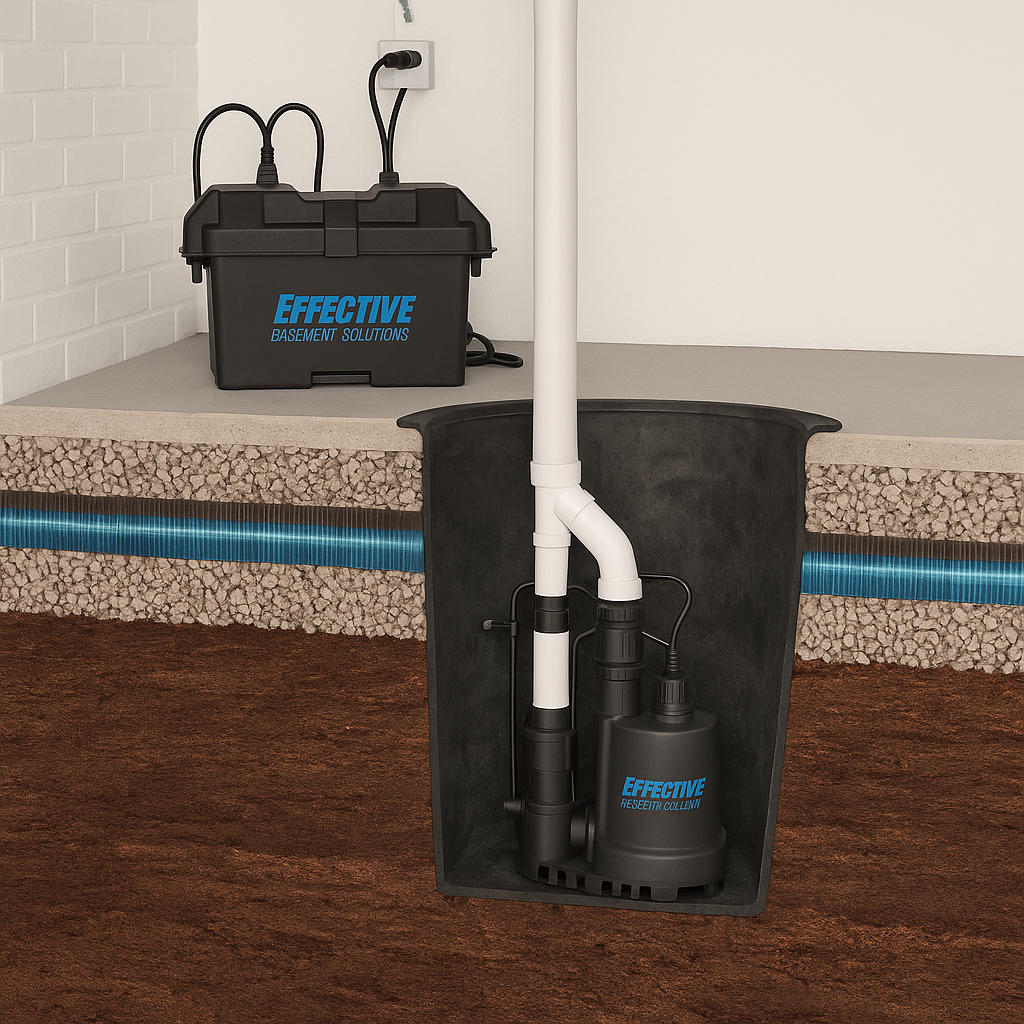
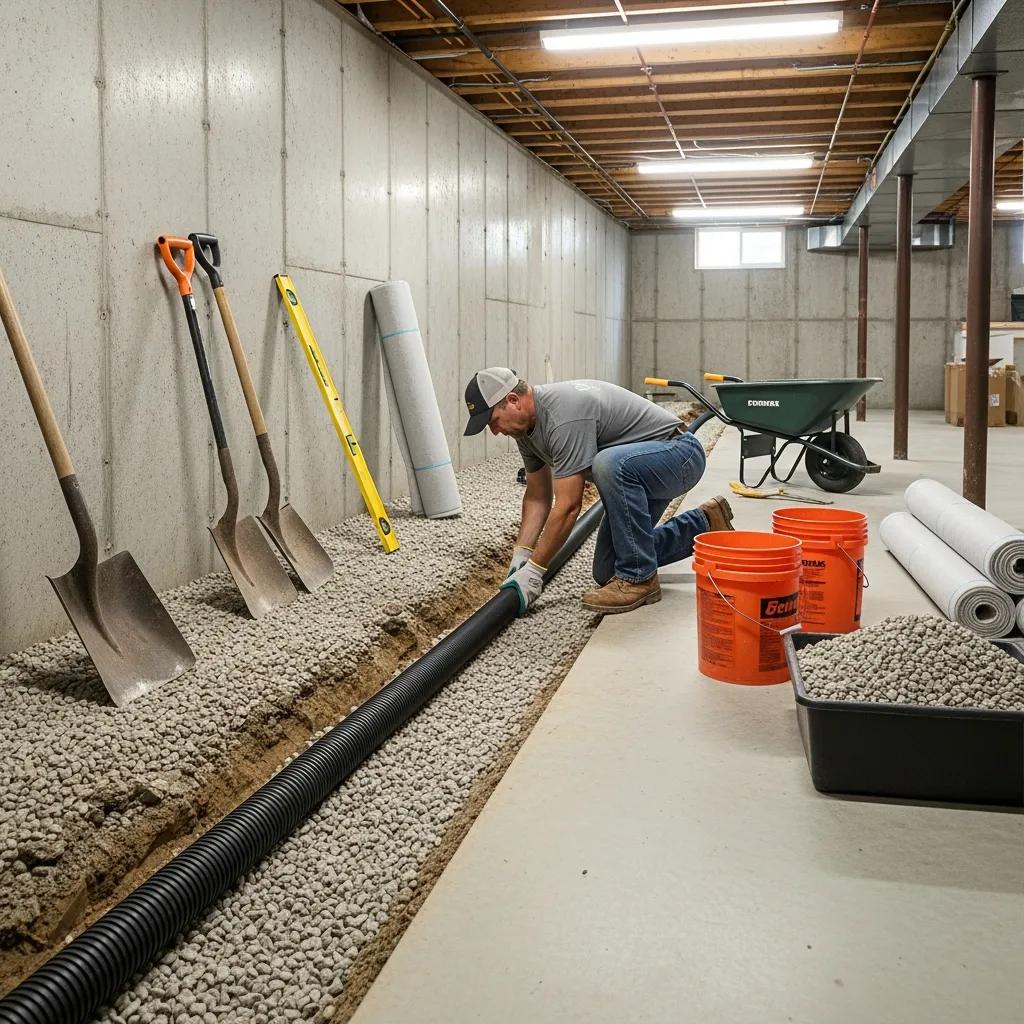
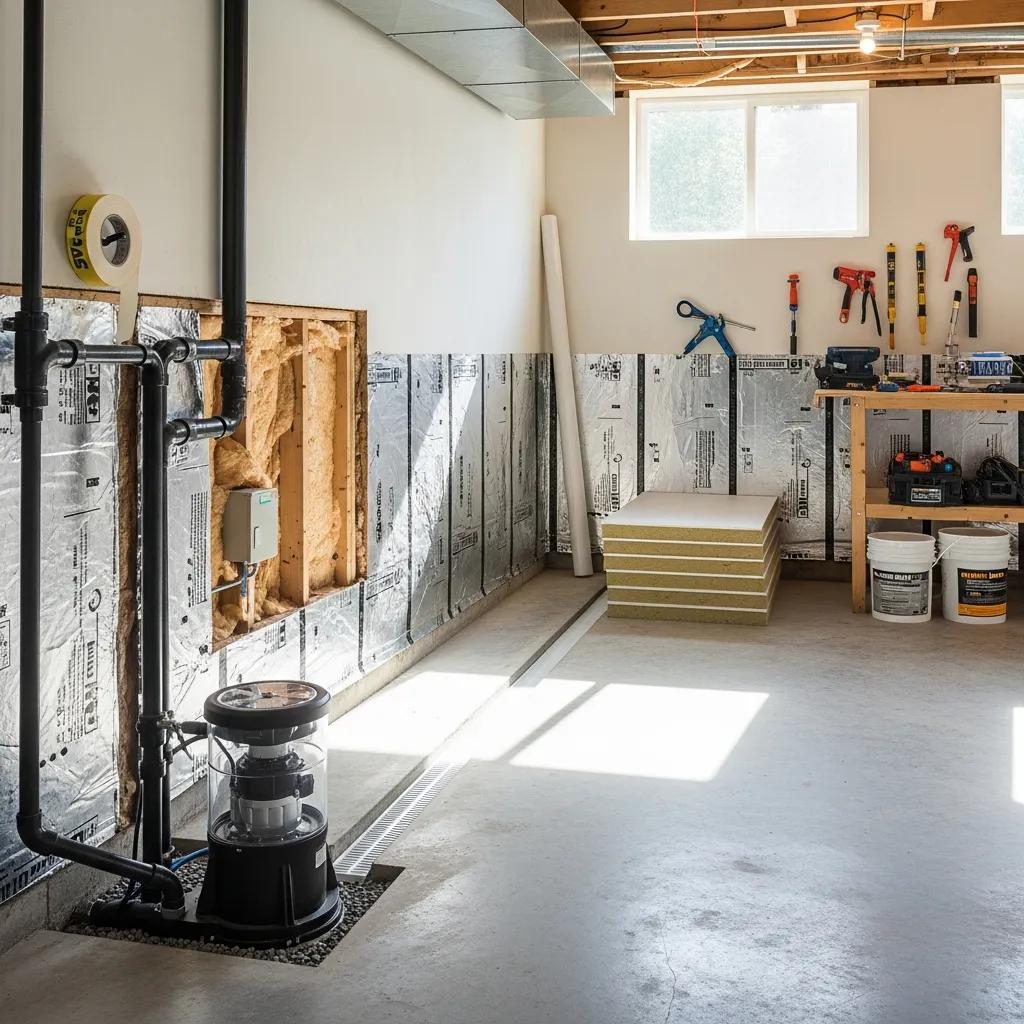
High-frequency sump pump cycling is a technical indicator of chronic environmental saturation. In landscapes where the groundwater elevation remains perpetually near the foundation footer, the mechanical relief system is subjected to continuous operational stress, leading to accelerated pump fatigue and increased failure risk. Groundwater Recharge and Pump Fatigue In municipalities like Chatham, where properties sit […]

Frost Heave and Seasonal Foundation Movement: Thermal Physics of Seepage

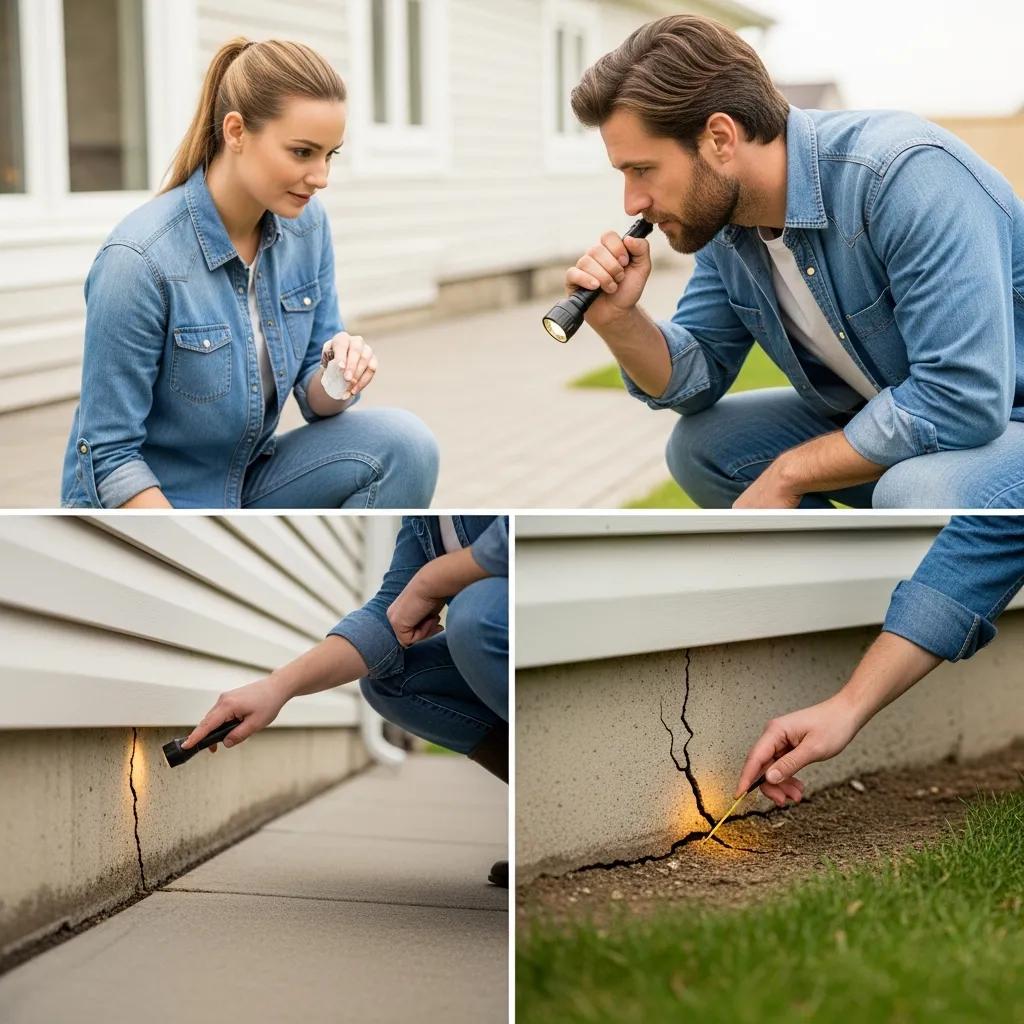
Frost heave and seasonal expansion cycles represent a significant structural threat to foundations in northern New Jersey. This behavior is driven by the thermal expansion of moisture trapped within the soil’s pore spaces. As groundwater freezes, it expands by approximately 9%, exerting immense lateral force against the foundation envelope. Thermal Expansion and Lateral Loading In […]

Difference Between Flooding and Hydrostatic Pressure: Entry Mechanics Explained

Distinguishing between surface flooding and hydrostatic pressure is critical for engineering an effective mitigation strategy. While both involve water, their entry mechanisms and structural impacts are governed by entirely different physical laws. Surface flooding is a transient, high-volume event, whereas hydrostatic pressure is a persistent, weight-driven subsurface force. Runoff Convergence vs. Subsurface Loading Surface flooding […]

Capillary Moisture Migration: Understanding Sub-Slab Vapor Drive

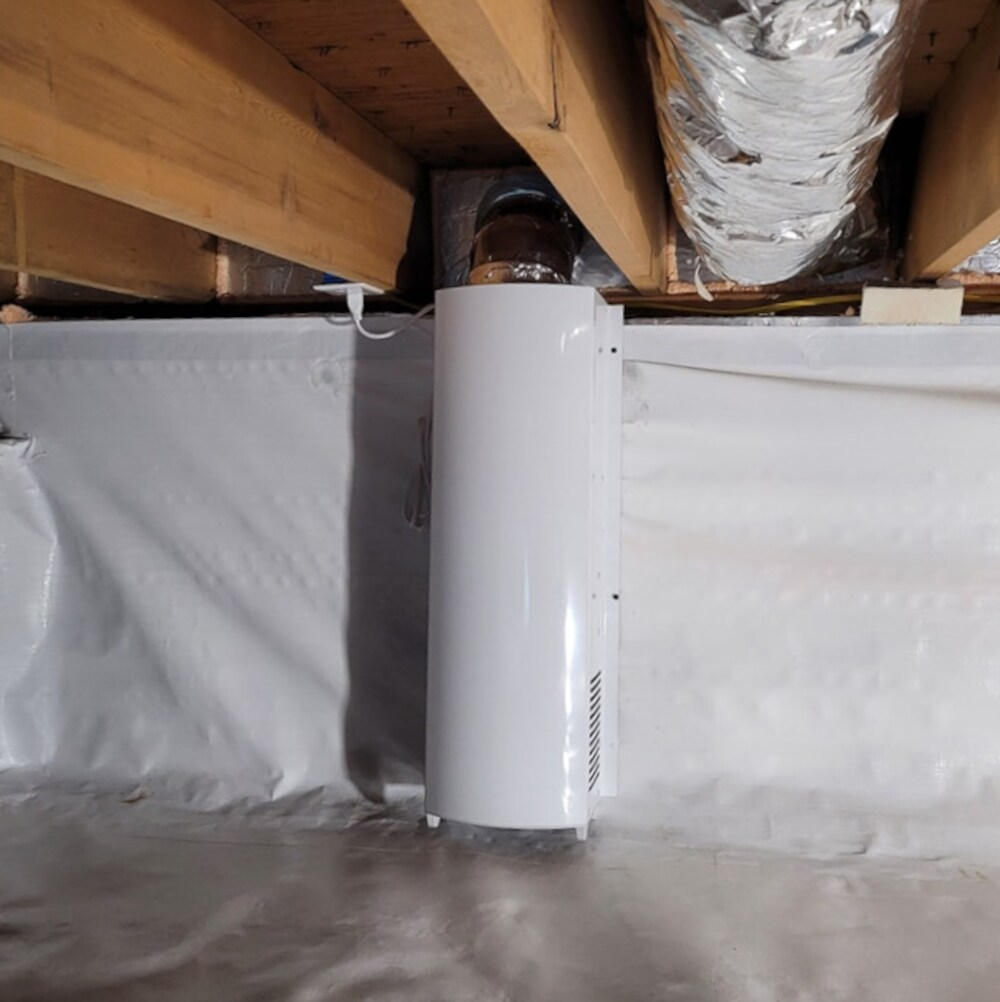
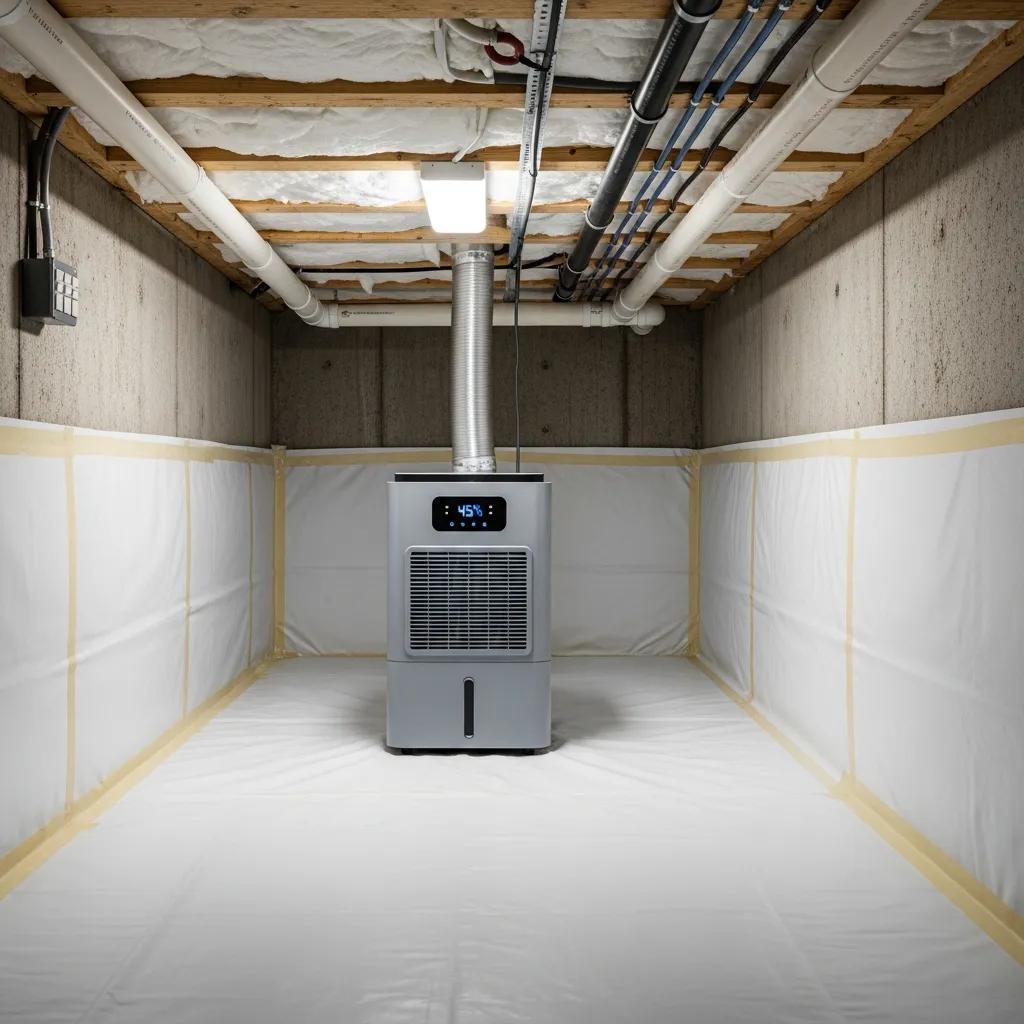
Capillary moisture migration, often referred to as “wicking,” is the process by which liquid water or vapor travels through the microscopic pores of concrete. This behavior is responsible for the “invisible” dampness that destroys finished basements, even when no standing water is present. Concrete as a Hard Sponge Concrete is naturally porous. Through capillary action, […]

Wall-Floor Joint Seepage: Neutralizing Cove Joint Intrusion

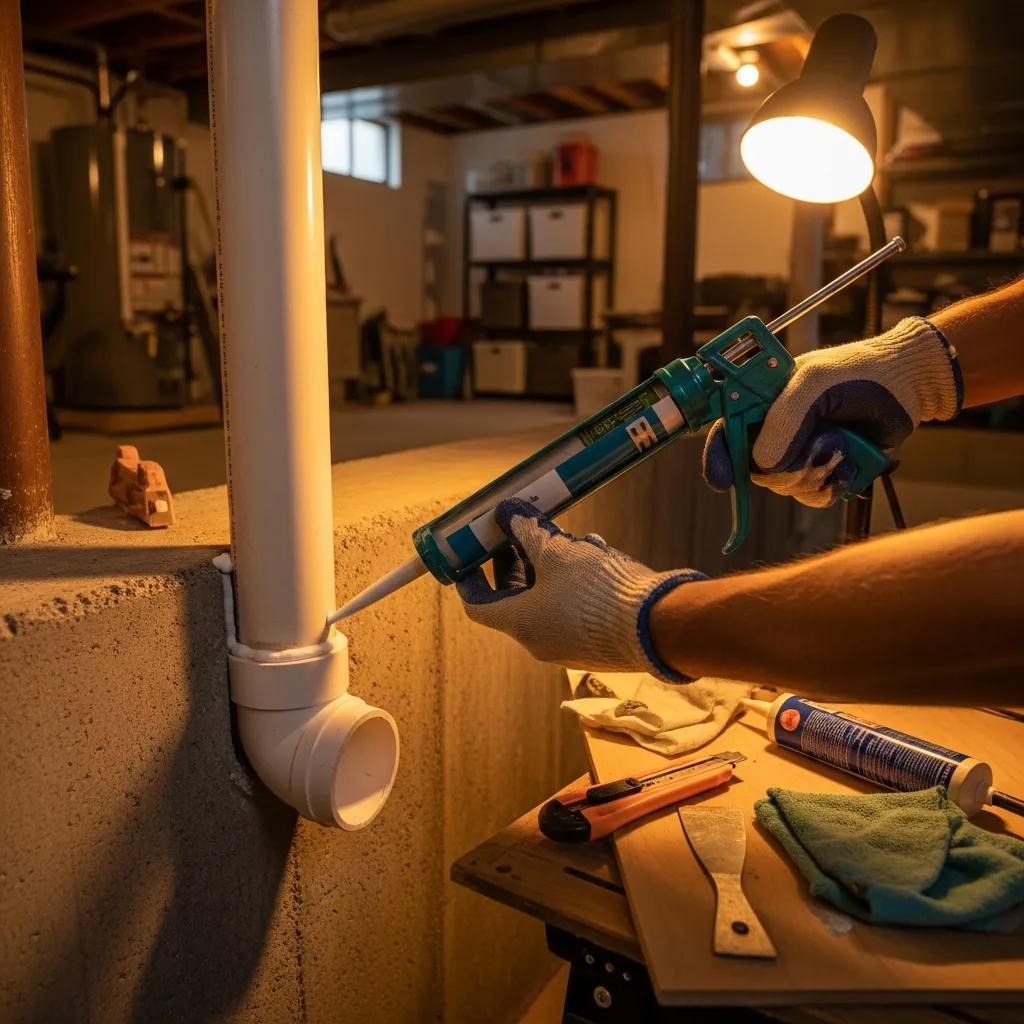
The cove joint—the point where the foundation wall meets the floor slab—is the most vulnerable entry point for water in any basement. Because the wall and floor are poured separately, a cold joint is created that lacks a watertight bond, providing a natural path for seepage. The Cove Joint Failure Mechanism When hydrostatic pressure builds […]

Hydrostatic Pressure Physics: Foundation Seepage Mechanics

Hydrostatic pressure is the primary force behind most basement water intrusion in New Jersey. It occurs when groundwater accumulates around a foundation, exerting a physical, weight-driven force against the walls and floor. Unlike surface flooding, which is a temporary event, hydrostatic pressure is a continuous environmental load that targets structural vulnerabilities. The Physics of Groundwater […]

Morristown Freeze-Thaw Drainage Failure & Seasonal Foundation Movement Management

Morristown properties, situated in a terrain defined by significant elevation changes and severe seasonal temperature swings, face a specific structural threat: freeze-thaw drainage failure. Unlike the chronic groundwater elevation in Chatham or the surface convergence in Springfield, Morristown’s environmental profile is driven by frost expansion and seasonal foundation movement. At Effective Basement Solutions, we specialize […]

Montclair Mixed-Foundation Transitions & Structural Moisture Transfer Management

Montclair properties, often featuring historic cores with modern additions, present a unique structural challenge: mixed-foundation transitions. Unlike the uniform hydrostatic loading seen in Livingston or the shallow water table behavior in Chatham, Montclair’s environmental profile is defined by structural moisture transfer between disparate foundation materials. At Effective Basement Solutions, we specialize in engineering localized relief […]

Springfield Stormwater Runoff Concentration & Surface Water Convergence Management

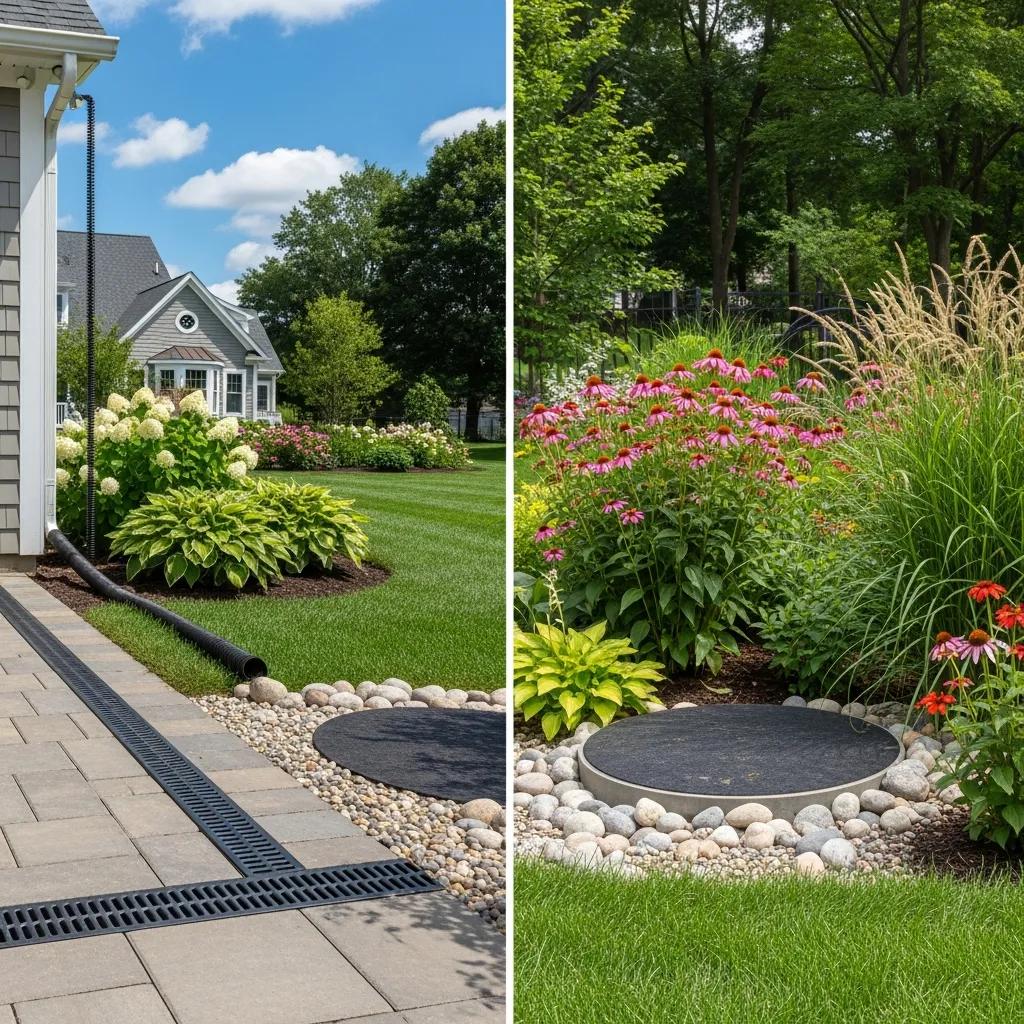
Springfield properties, characterized by dense residential development and significant hardscape coverage, face a specific environmental challenge: stormwater runoff concentration. Unlike the chronic groundwater elevation seen in Chatham or the vapor drive of Madison, Springfield’s profile is defined by surface water convergence. Grading patterns and roadway runoff often concentrate massive volumes of water toward foundation walls […]

Chatham Shallow Water Table Management & Chronic Sump System Saturation

Chatham properties, particularly those located in lower-elevation residential pockets and near local tributaries, contend with a chronic environmental challenge: a shallow water table. Unlike the intermittent runoff seen in Maplewood or the vapor-heavy profile of Madison, Chatham’s geology is defined by elevated groundwater that maintains continuous pressure beneath basement slabs and footings. At Effective Basement […]