
6 Warning Signs Your Foundation Needs Repair: Essential Foundation Repair Signs Every New Jersey Homeowner Should Know
A home’s foundation is critical to its overall stability and safety. As homeowners, recognizing the early signs of foundation problems can save significant costs and prevent extensive damage. This guide details the six warning signs that indicate your foundation might need repair. Identifying these early symptoms can not only enhance your home’s structural integrity but also ensure a safe living environment. To effectively combat foundation issues, understanding the signs and taking timely action is vital. You will discover key indicators of foundation damage, how basement waterproofing and crawl space encapsulation can help, and the importance of professional inspections.
What Are the First Signs of Foundation Damage to Watch For?
Identifying early symptoms of foundation damage is crucial for protecting your home. Homeowners should be aware of several key indicators that can signal foundation troubles. Prompt detection not only aids in maintaining your property’s value but also allows for timely interventions.
- Foundation Cracks: Large or wide cracks in the foundation, especially if they are horizontal, commonly indicate significant movement.
- Floor Slopes: If the floors of your home start to slope or feel uneven, it might be a clear sign of foundational issues.
- Wall Cracks: Vertical cracks in the walls or excessive nail pops can indicate shifting in the structure.
- Windows and Doors Misalignment: Difficulty in opening or closing windows and doors may suggest the foundation is settling unevenly.
- Bowing Walls: Basement or crawl space walls that appear to bow inward are signs of excessive pressure, often from soil expansion or water intrusion.
- Moisture Issues: Signs of water damage, mold, or dampness can highlight underlying foundation problems.
These signs should not be ignored, as they signify potential safety and structural compromises that need addressing.
How to Identify Foundation Cracks: Types and Risk Levels Explained
Foundation cracks come in various types, each indicating different levels of risk. Vertical cracks are often less serious and may be common in older homes due to settling. In contrast, horizontal cracks suggest more significant issues, such as soil displacement or hydrostatic pressure. Homeowners should visually inspect their foundations at least once a year to assess for cracks and seek professional evaluations when unusual patterns or significant cracks are noted.
Can Basement Water Damage Indicate Underlying Foundation Problems?
Water damage in basements is a serious concern that can also imply foundational issues. Water intrusion points can stem from inadequate drainage systems or poor construction practices that allow moisture to seep into the foundation. Signs that water may be affecting your foundation include:
- Damp Walls: Moisture buildup or stains on walls can suggest water ingress.
- Pooling Water: Puddles found near the foundation after rainstorms can signal drainage issues that may compromise the structure.
- Mold Growth: A musty odor or visible mold can indicate excess moisture affecting both your home and health.
Homeowners are encouraged to regularly check their basements for these signs and to consult professionals when necessary.
How Does Basement Waterproofing Help Prevent Foundation Repair Needs?
Basement waterproofing plays a vital role in preventing long-term foundational damage. By effectively sealing a basement, homeowners can minimize the risk of water damage and the structural issues it causes. Proper waterproofing involves creating barriers that prevent water from entering through walls and floors, helping to maintain a dry and stable basement environment.
What Techniques Are Used in Basement Waterproofing to Stop Water Intrusion?
Effective waterproofing involves multiple strategies and methods, each tailored to address specific problems. Here are some standard techniques used to prevent water intrusion:
| Technique | Description | Benefit |
|---|---|---|
| Interior Sealants | Applied to walls to prevent moisture seepage | Provides a barrier against water exposure |
| Exterior Drainage Systems | Systems installed around the foundation to redirect water | Reduces pressure on foundation walls |
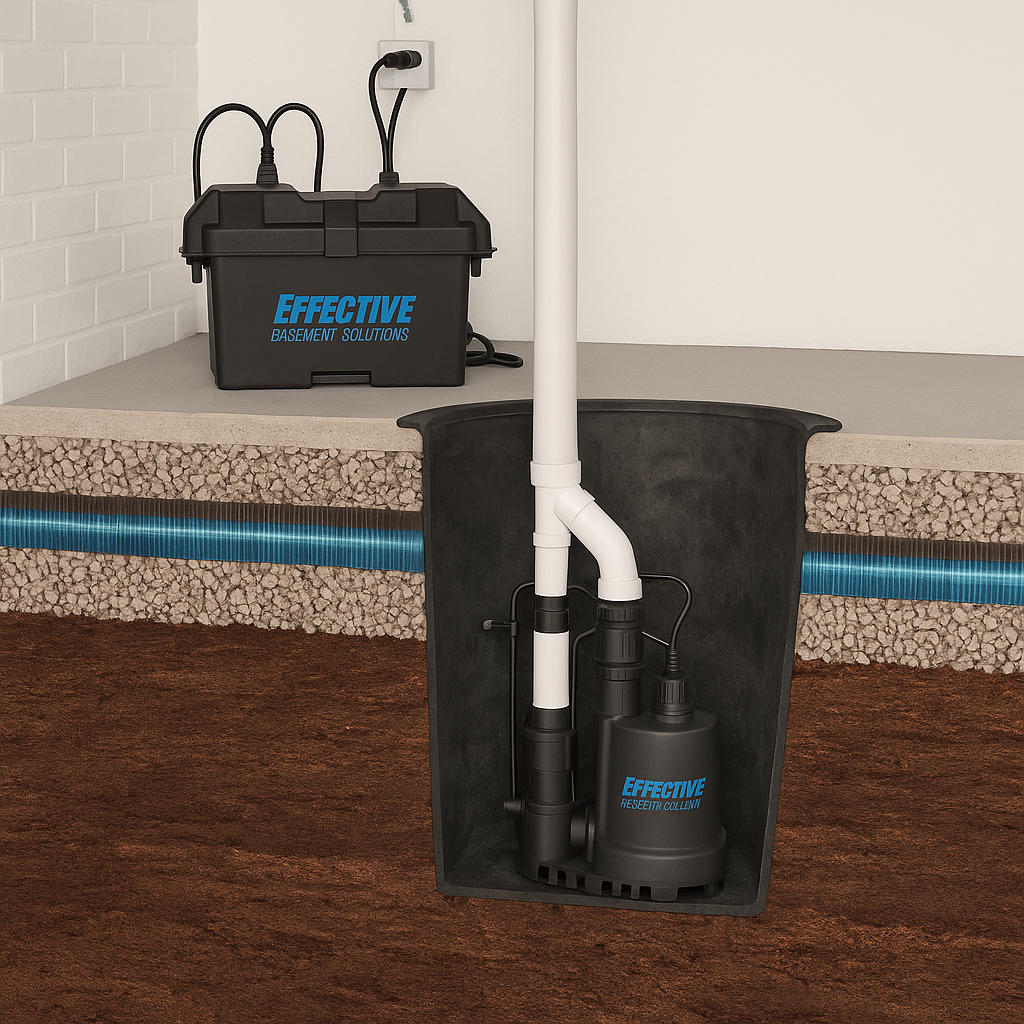
| Sump Pumps | Pumps that remove accumulated water from basements | Prevents flooding and water-related damage |
Implementing these strategies effectively can safeguard against many foundation issues.
What Are the Benefits of Investing in Professional Basement Waterproofing Services?
Investing in professional basement waterproofing services offers several advantages for homeowners looking to protect their foundations: Expert assessment, long-term savings, and increased home value are just a few. Professionals can assess unique risks and recommend appropriate solutions tailored to specific issues. Proper waterproofing can prevent more expensive foundation repairs down the line, making it a wise financial decision. A properly maintained basement adds to the overall value and livability of a home, appealing to potential buyers.
These benefits underline the importance of choosing professional services over fixes to ensure effective results.
In What Ways Can Crawl Space Encapsulation Reduce Moisture and Protect Foundations?
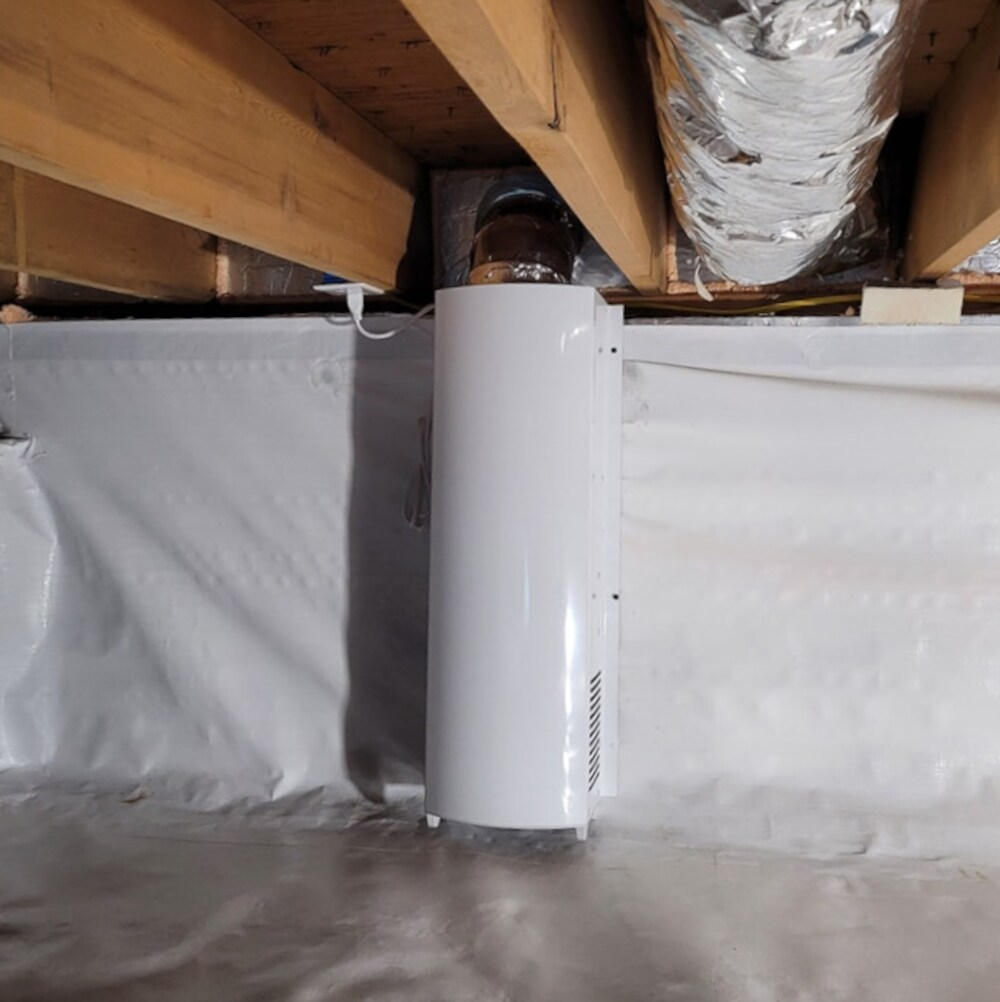
Crawl space encapsulation serves as an effective moisture control strategy that protects your foundation by sealing off the area beneath your home. Typically involving the installation of a vapor barrier, this process can significantly enhance the integrity of your foundation by preventing moisture accumulation and associated mold growth.
What Are the Main Benefits of Crawl Space Encapsulation for Moisture Control and Mold Prevention?

Crawl space encapsulation offers multiple benefits:
- Mold Prevention: By creating a dry environment, encapsulation minimizes the risk of mold development, which can negatively affect indoor air quality.
- Energy Efficiency: A sealed crawl space can improve energy efficiency in the home, reducing heating and cooling costs.
- Structural Stability: Moisture control prevents deterioration of the wood and foundation, ensuring the house remains structurally sound.
This method is particularly beneficial for New Jersey homeowners seeking to combat humidity’s effects on their properties.
How Does the Crawl Space Encapsulation Process Work from Inspection to Installation?
The crawl space encapsulation process involves several steps:
- Initial Inspection: A thorough evaluation identifies current conditions and moisture sources.
- Preparation: Cleaning and drying the crawl space are essential to prepare for effective encapsulation.
- Installation of Vapor Barrier: A high-quality vapor barrier is installed across the entire crawl space floor and walls.
- Sealing Vents: All vents and openings are sealed to eliminate possible moisture entry points.
- Final Assessment: A post-installation check ensures the space is effectively sealed against moisture.
Investing in this method ensures peace of mind and long-lasting protection for your home.
When Should Homeowners Consider Installing a Sump Pump System?
Homeowners should consider installing a sump pump system if they frequently experience basement flooding or water intrusion. Sump pumps are particularly beneficial in areas prone to heavy rainfall, helping to keep basements dry and secure.
What Types of Sump Pumps Are Best for New Jersey Basements?
Several sump pump types can effectively protect New Jersey basements:
- Submersible Sump Pumps: Ideal for deeper basements, these pumps operate underwater and are often quieter.
- Pedestal Sump Pumps: Positioned above the pit, they are easier to access for maintenance but may be less powerful.
- Battery Backup Sump Pumps: A great option for areas subject to power outages, ensuring continued operation even when the power goes out.
Selecting the right type can significantly enhance basement protection.
How Should Sump Pump Installation and Maintenance Be Handled to Prevent Basement Flooding?
Proper installation and regular maintenance are essential for optimal functioning of sump pumps:
- Installation: Engage qualified professionals for installation, ensuring the pump is positioned correctly in the sump pit.
- Routine Checks: Cleaning the pump and checking the discharge line should be done periodically to ensure functionality.
- Monitoring System Functionality: Regular testing of the sump pump, especially before heavy rains, will help avoid failures during critical times.
Following these practices will help protect your foundation from water damage.
How Can Effective Moisture Control Solutions Prevent Mold Growth and Structural Damage?
Effective moisture control solutions are essential for maintaining a healthy home environment. High moisture levels can promote mold growth, leading to health issues and structural problems. Implementing moisture control strategies helps maintain ideal humidity levels, ensuring that the foundation remains stable and safe.
Why Is Moisture Monitoring Crucial for Early Detection of Foundation Problems?
Moisture monitoring is vital for identifying potential foundation issues before they escalate into more severe problems. By actively tracking moisture levels, homeowners can take proactive measures to mitigate risks. Various moisture monitoring systems are available, alerting homeowners to conditions that may lead to foundation distress and the associated costs of foundation repairs.
What Are Practical Moisture Control Techniques for New Jersey Homeowners?
New Jersey homeowners can employ several practical moisture control techniques:
- Dehumidifiers: These devices can help reduce humidity levels, maintaining a balanced environment.
- Proper Landscaping: Ensuring adequate grading and drainage directs water away from the foundation.
- Regular Inspections: Conducting home inspections regularly can pinpoint potential moisture-related issues early.
These techniques guarantee a robust foundation and peace of mind against moisture-related challenges.
Why Are Professional Inspections Vital for Early Foundation Repair?
Professional inspections are crucial for identifying foundation issues early. Experts have the necessary tools and expertise to detect subtle signs that might go unnoticed by homeowners. Regular inspections can save significant repair costs and enhance the life of your foundation.
What Does a Comprehensive Foundation Inspection Include?
A comprehensive foundation inspection will typically cover:
- Visual Assessment: The inspector evaluates both the interior and exterior for visible signs of damage.
- Crack Measurements: Measuring the width of cracks to assess movement levels.
- Soil Evaluation: Analyzing surrounding soil conditions to identify drainage or moisture issues.
- Recommendations: Providing actionable insights on necessary repairs and preventive measures.
These components ensure homeowners are well-informed about their foundation’s condition.
How Do Early Repairs Save Homeowners Money and Prevent Extensive Damage?
Addressing foundation problems early can significantly reduce repair costs. Homeowners can avoid extensive damage that results from neglecting even minor issues. Statistics show that timely intervention can save homeowners up to 30% in repair expenses when compared to delayed responses. Therefore, maintaining regular check-ups on your foundation is not just an expense; it’s an investment in your property’s future stability.