
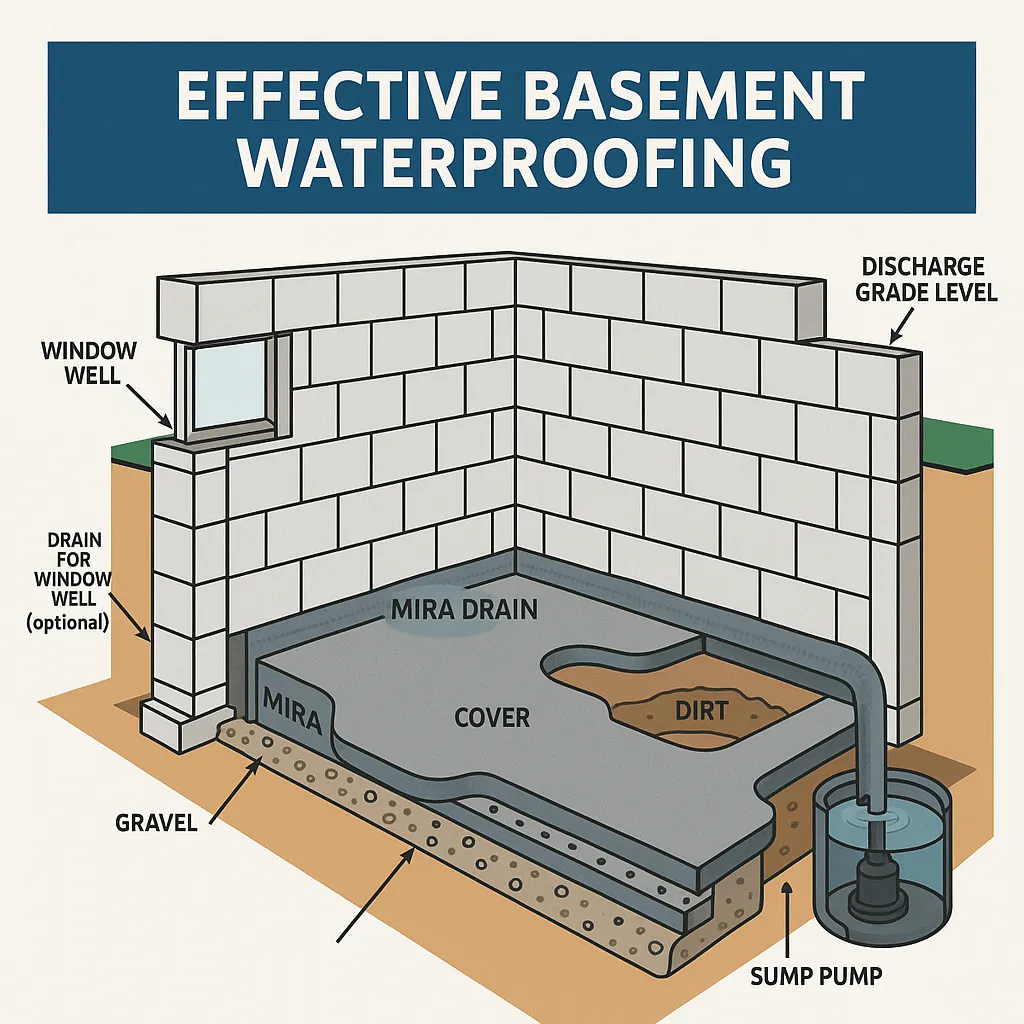
Basement Waterproofing — Basking Ridge, NJ | Effective Basement Solutions
Basement waterproofing protects Basking Ridge homes from water damage, mold, and costly structural problems. This guide explains why basements leak, which waterproofing options work best, and how to choose the right solution for your house. Many homeowners struggle with moisture control, which can lead to rotted materials, foundation issues, and health concerns. Learning what causes water intrusion and how to stop it will help you keep your basement dry and your home safe.
What Causes Basement Water Intrusion in Basking Ridge Homes?
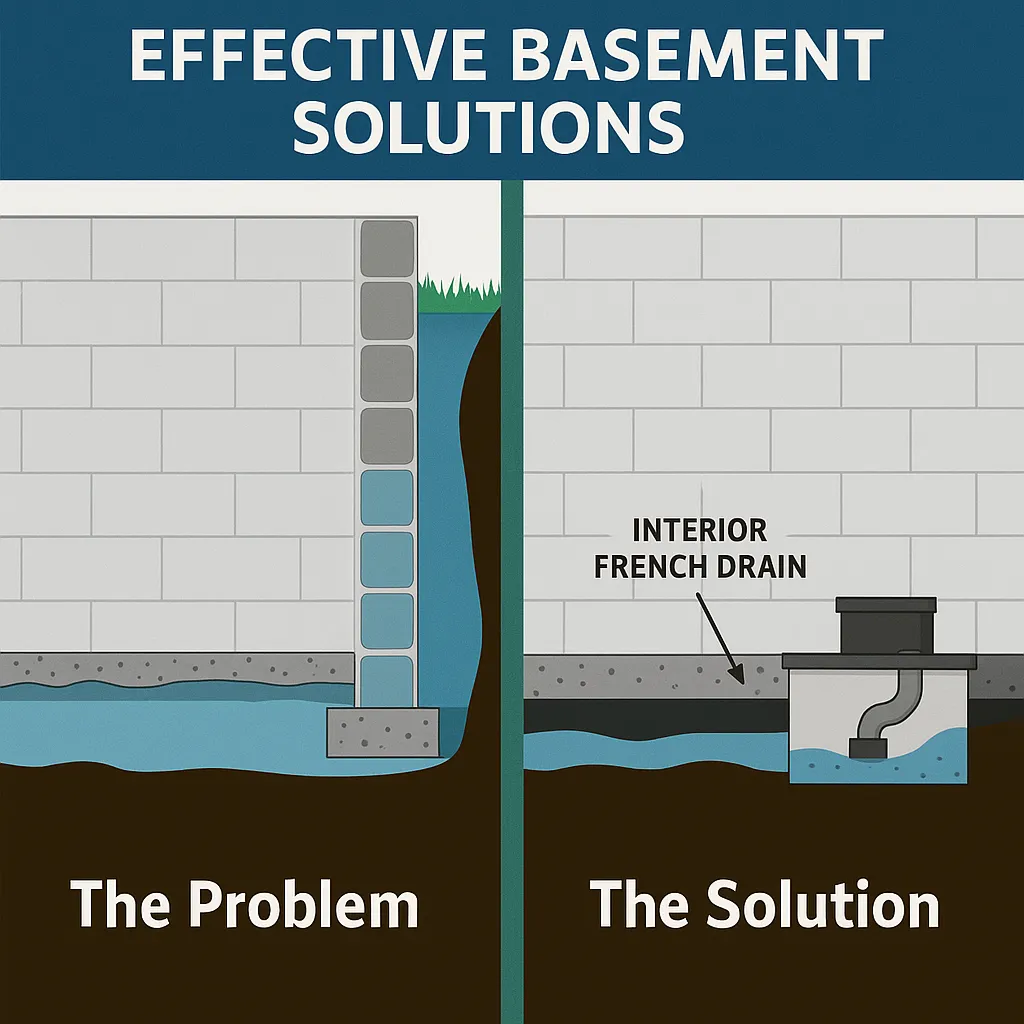
Water gets into basements for a few predictable reasons. Hydrostatic pressure from saturated soil pushes water toward and through foundation walls. Over time, settling or shifting soil can create cracks and gaps that let water in. Poor grading around the house lets water pool near the foundation instead of draining away. Spotting these issues early makes prevention and repair much easier and more effective.
Seasonal patterns and simple maintenance items often influence how and when water appears. Heavy spring rains, blocked gutters, or downspouts that discharge too close to the foundation increase the risk of seepage. Underground issues such as old utility lines or failing exterior drains can contribute as well. Regular exterior checks and small corrective steps can prevent many common intrusion scenarios before they become larger problems.
How Do Foundation Cracks Lead to Basement Leaks?
Cracks act as direct pathways for water. They can appear from hydrostatic pressure, freeze-thaw cycles, or soil movement. As water pushes against the foundation, small fissures can grow into larger openings, making leaks worse. Repairing cracks quickly and addressing the surrounding drainage will stop new damage and limit long-term repairs.
When evaluating cracks, professionals distinguish cosmetic, hairline cracks from structural movement that may need reinforcement. Assessment typically includes measuring crack width, observing seasonal changes, and checking interior signs such as efflorescence or recurring damp spots. Repair options range from epoxy injections for narrow structural cracks to targeted sealing combined with improved exterior drainage for less severe openings.
Which Basement Waterproofing Methods Are Best for Basking Ridge Properties?
Several proven methods help keep basements dry in our local climate. The right choice depends on your home’s condition and the source of the water.
- Sump Pump Installation : A sump pump removes collected water from a pit and pumps it away from the home, preventing basement flooding.
- French Drain Installation : A French drain collects groundwater and redirects it away from the foundation, easing hydrostatic pressure.
- Crawl Space Encapsulation : Sealing and insulating the crawl space stops moisture from entering the living areas and controls humidity.
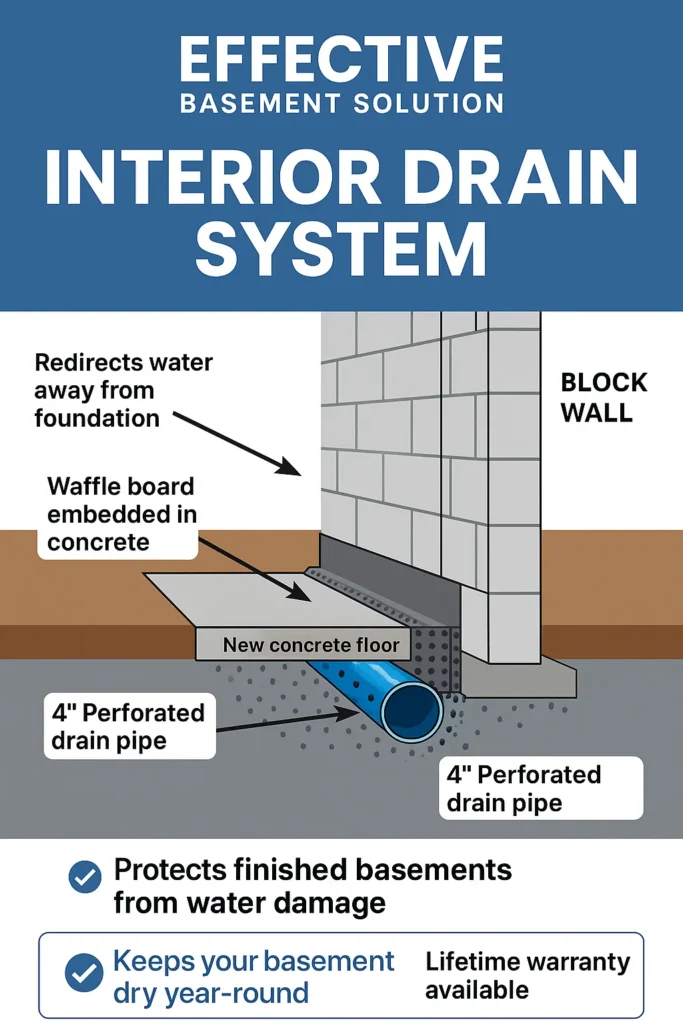
These solutions can be combined and customized to match your property’s needs for long-term protection.
Choosing which methods to deploy usually follows an inspection that identifies the water entry points and underlying causes. For example, interior drains and a sump pump are often a practical solution when water is already entering the basement, while exterior membranes and drainage are preferred when you can stop water before it reaches the foundation. Integrating crawl space encapsulation can improve overall humidity control and reduce mold risk in adjacent areas.
What Are the Differences Between Interior and Exterior Waterproofing?
Interior and exterior waterproofing solve different parts of the problem. Understanding the difference helps you pick the right approach.
- Interior Waterproofing : Involves sealing cracks, installing interior drains, and applying coatings. It’s often faster and less expensive, and it manages water that has already reached the basement.
- Exterior Waterproofing : Requires excavating around the foundation to install membranes and exterior drains. It’s more invasive but prevents water from reaching the foundation at all.
Advances in membranes and barrier materials have improved exterior systems, making them more reliable for long-term protection.
Deciding between interior and exterior approaches depends on access, budget, landscape constraints, and whether the issue stems from groundwater pressure or surface runoff. Exterior work is usually more permanent for problems caused by groundwater, while interior systems are effective when cost, landscaping, or built structures limit excavation. A technician can help weigh the trade-offs and propose a phased plan when immediate full excavation is not practical.
Basement Waterproofing Barriers & Watertight Membranes
Research and product development have produced a range of commercial waterproofing barriers and watertight membrane systems designed specifically for exterior foundation protection.
Citation: Relief of hydrostatic pressure to maximise the occupancy of underground spaces, 2016
How Do Basement Sealing Products Prevent Moisture?
Sealing products block moisture by filling cracks and forming a continuous waterproof layer on walls and floors. Common options include epoxy injections for structural cracks and waterproof coatings for broader protection. When used as part of a complete system, these products significantly lower the chance of water intrusion and related damage.
Selecting the right sealing product depends on the substrate, crack size, expected movement, and whether the goal is cosmetic or structural. Some coatings are breathable to allow trapped moisture to escape, while specialty epoxies and polyurethane injections provide rigid structural repair. Contractors will match materials to the application to avoid trapping moisture behind an impermeable surface where it could cause secondary problems.
How Does Sump Pump Installation Protect Basements from Flooding?
A properly installed sump pump senses rising water in the sump pit and pumps it away from the house before it can cause flooding. This active protection reduces the risk of mold and structural damage that follows persistent moisture. For many homeowners, a sump pump is an essential layer of defense.
Placement and discharge details affect performance. Discharge lines should lead away from the foundation to a location where water cannot re-enter the soil around the house. A check valve prevents backflow into the pit, and routing above frost depth or adding insulation/heat tracing in exposed runs helps prevent seasonal freezing. Proper installation also considers where the pump sits in the pit and how easily it can be serviced.
What Types of Sump Pumps Are Recommended for Basking Ridge Homes?
Different homes call for different pumps. Common recommendations include:
- Submersible Sump Pumps : Installed under the water line in the pit; best for heavy water flow and quieter operation.
- Pedestal Sump Pumps : Mounted above the pit; easier to service and suitable for lighter water conditions.
- Battery Backup Pumps : Provide emergency pumping during power outages and are strongly recommended where storms or outages are a concern.
Additional selection criteria include pump capacity, motor horsepower, float switch type, and the expected inflow rate during peak events. A contractor will size the pump to handle the worst-case inflow, including allowance for debris and inflow patterns. When backup systems are included, consider battery run time and whether a water-powered backup or generator support is appropriate for your property.
How Is Sump Pump Maintenance Performed to Ensure Reliability?
Regular checks keep a sump pump dependable. Inspect the power connection, clear debris from the pit, test the float switch, and run the pump periodically. Replace backup batteries every few years and test the backup system regularly. Routine maintenance extends pump life and reduces surprise failures.
A short seasonal checklist helps: verify the discharge line is clear, inspect the check valve for proper function, lift the float to confirm the pump starts, and listen for unusual noises during operation. If your pump cycles frequently, have a technician check for excessive inflow, improper pit size, or a failing float switch. Early attention to small issues prevents costly emergency replacement and basement damage.
What Basement Drainage Solutions Are Effective in Basking Ridge NJ?
Good drainage stops water from building up around your foundation. Effective options include:
- French Drains : Capture groundwater and route it away from the foundation to reduce pressure on walls.
- Interior Drainage Systems : Installed along the basement perimeter to collect seepage and feed it to a sump pump.
- Exterior Drainage Systems : Installed outside the foundation to intercept water before it reaches the walls.
How Do Interior and Exterior Drainage Systems Differ?
The main difference is where they stop the water. Interior systems collect water after it enters and move it to a pump; they’re less disruptive to install. Exterior systems keep water away from the foundation in the first place and are typically better for properties with high groundwater or heavy runoff.
- Interior Drainage Systems : Best for managing water that seeps through walls or floors; often quicker and cost-effective for existing basements.
- Exterior Drainage Systems : Best for preventing water from reaching the foundation; ideal for high-risk sites or new builds.
A complete surface-to-subsurface approach often combines gutter maintenance, downspout extensions, improved grading, and an interior or exterior drain to manage both roof runoff and groundwater. Regrading soil to slope away from the foundation and installing splash blocks or daylighting discharge lines reduces the volume reaching the foundation and complements underground drainage work.
What Are the Key Components of a Basement Drainage System?
A well-planned drainage system includes a few core parts:
- Perforated Pipe : Collects groundwater and routes it toward the sump or discharge point.
- Sump Pit : Where collected water gathers before being pumped out.
- Discharge Line : Carries water away from the foundation so it doesn’t return to the house.
These components work together to manage water and protect the basement from flooding.
How Can Mold Prevention and Remediation Protect Your Basement?
Controlling moisture is the best way to prevent mold. Good ventilation, dehumidifiers, and fixing leaks quickly keep mold from taking hold. If mold is already present, professional remediation removes contaminated materials and treats surfaces so your basement is safe to use again.
Early detection includes visual checks, sniff tests for musty odors, and monitoring humidity levels. Small, isolated mold can sometimes be managed with targeted cleaning and drying, but widespread contamination or mold on structural materials usually requires professional remediation to remove and replace affected materials and to address the moisture source so the problem does not return.
What Are the Health Risks of Basement Mold in NJ Homes?
Basement mold can trigger coughing, sneezing, itchy eyes, and skin irritation—especially for people with asthma or allergies. Long-term exposure can worsen respiratory conditions. That’s why preventing moisture and addressing mold promptly matters for your family’s health.
If occupants experience persistent symptoms or if visible mold covers a large area, consult a remediation professional. They will evaluate the extent, recommend containment and removal procedures, and outline follow-up measures such as drying, sealing, and humidity control to prevent recurrence.
Why Choose Effective Basement Solutions for Waterproofing in Basking Ridge?
Choosing Effective Basement Solutions means working with experienced technicians who tailor plans to each property. We focus on clear communication, reliable workmanship, and warranties that protect your investment. Our goal is practical, long-lasting results so your basement stays dry and usable.
Our process emphasizes a clear scope, transparent materials selection, and straightforward timelines. We document recommendations and provide written estimates so you understand the work to be completed and the warranty or service commitments that accompany the installation. Local experience helps when addressing common regional soil and weather conditions.
What Free Inspection Services Do We Offer to NJ Homeowners?
Effective Basement Solutions provides free on-site inspections for NJ homeowners. During the visit, we assess conditions, identify water sources, and recommend targeted fixes. This no-cost evaluation gives you the information needed to make an informed decision about protecting your basement.
A typical inspection includes an interior and exterior walkthrough, checking grading, gutters, downspout locations, visible foundation cracks, and basement finishing that may hide moisture. Technicians may use moisture meters, visual inspection tools, and camera access where applicable. After the visit you receive a clear explanation of causes and a recommended plan with options that prioritize the most effective and economical steps.
What Are the Costs and Financing Options for Basement Waterproofing in Basking Ridge?
Costs vary with the scope of work and the solutions chosen. Effective Basement Solutions offers financing options to spread the cost of necessary repairs and upgrades. Discussing budget and priorities with our team helps find a plan that fits your needs without sacrificing quality.
Key cost drivers include whether interior or exterior work is needed, the extent of drainage installation, any structural repairs, and finishing work in the basement. Financing can take the form of payment plans or third-party financing to help homeowners invest in long-term protection while managing short-term budgets. We discuss options during the estimate so you can choose a path that meets both performance and financial needs.
How Is Basement Leak Repair Priced in Basking Ridge NJ?
Pricing depends on the leak’s severity and the repair method—simple epoxy crack repairs cost less than full-system waterproofing. Getting multiple quotes and a clear scope of work ensures you understand what’s included and helps you compare value, not just price.
When comparing quotes, ask for details about materials, warranty terms, expected timelines, and whether the price includes site restoration like landscaping or concrete repair. A written scope that lists exclusions and post-installation maintenance helps avoid surprises and makes it easier to compare competing proposals on a like-for-like basis.
How Do Foundation Waterproofing Contractors in NJ Address Structural Issues?
Contractors use crack repair, reinforcement, and drainage improvements to stabilize foundations and stop water intrusion. The right combination of structural repair and waterproofing keeps the foundation sound and prevents future leaks.
Structural situations sometimes require engineered solutions, permits, or coordination with foundation specialists. Contractors will advise when an engineer’s assessment is appropriate and follow local code requirements for repairs that affect load-bearing walls or underpinning. Proper documentation and permits protect homeowners and ensure the work meets building standards.
How Does Foundation Waterproofing Prevent Future Water Damage?
Foundation waterproofing seals entry points and relieves hydrostatic pressure so water can’t force its way into the basement. Addressing both the symptoms and the root causes reduces the chance of repeat problems and protects your home over the long term.
Frequently Asked Questions
What are the signs that my basement may need waterproofing?
Look for water stains, peeling paint, musty odors, visible mold, and higher indoor humidity. Exterior signs include standing water near the foundation or new cracks in the foundation walls. If you see any of these, schedule an inspection to find the source before damage spreads.
How long does the basement waterproofing process take?
Timelines vary by solution: a localized repair or interior system can take a few days, while full exterior excavation may take longer. Typical residential projects often finish within several days to a week, depending on size and complexity. We’ll provide a schedule based on your specific plan.
Can I waterproof my basement myself, or should I hire a professional?
DIY fixes can help for minor issues, but professionals are recommended for lasting solutions. Experienced contractors diagnose root causes, use the right materials, and install systems that meet code and stand up to local conditions. Professional work often saves time and money over the long run.
Simple maintenance tasks such as keeping gutters clear and redirecting downspouts away from the foundation are appropriate DIY measures. For system installations, structural cracks, or extensive drainage work, professional assessment and installation avoid common pitfalls that lead to recurring leaks.
What maintenance is required after waterproofing my basement?
Keep sump pumps clean and tested, clear drainage paths, and monitor for new leaks or moisture. Maintain gutters and downspouts so water moves away from the foundation. Periodic professional inspections are a good idea to make sure systems continue to perform.
A routine schedule—inspecting pumps and pit seasonally, checking discharge lines after storms, and confirming that grading and landscaping have not changed—helps preserve performance. Replace worn components promptly and document maintenance to support any warranty coverage.
Are there any warranties or guarantees for waterproofing services?
Many reputable companies provide warranties covering workmanship and materials for a set time. Review the warranty terms carefully so you know what’s covered and how long the protection lasts. Ask for details before work begins.
How can I prepare my basement for waterproofing?
Clear out furniture and stored items so contractors have access. Point out any known leaks, and if possible, clear the exterior around the foundation. Keeping gutters clean and making sure downspouts move water away from the house also helps streamline the process.
If excavation is required, plan to move items away from exterior walls and cover remaining belongings to protect them from dust. Ask the contractor about expected site disruptions and coordinate any necessary temporary relocation of surface features such as sprinkler heads or potted plants.
Conclusion
Investing in basement waterproofing protects your home from water damage and mold while preserving its value and safety. By identifying the causes of water intrusion and using proven methods like sump pumps and drainage systems, you can reduce risk and avoid costly repairs. Schedule a free inspection with our team to get a tailored plan that fits your home and budget. Trust Effective Basement Solutions for dependable, long-term protection.