

NJ Winter Prep: Basement Waterproofing & Foundation Care
Winterizing your home in New Jersey demands more than sealing doors and stocking up on salt – your basement and foundation face unique risks from freezing temperatures, melting snow, and saturated soil. In this guide, you’ll discover proactive measures to prevent frozen pipes, advanced waterproofing techniques, foundation crack repair strategies, effective basement insulation, humidity control for mold prevention, a comprehensive winter maintenance checklist, and the benefits of working with Effective Basement Solutions. By addressing each of these themes, you’ll protect your property from costly damage and gain peace of mind as temperatures drop.
How Can You Prevent Frozen Pipes in Your New Jersey Basement and Crawl Space?
Frozen pipes occur when water inside plumbing drops below freezing, expands, and ruptures pipes, leading to leaks and structural damage. This phenomenon is most common in unheated basements or crawl spaces where exterior walls allow cold air to chill pipes. Understanding the causes of pipe freezing sets the stage for targeted prevention that safeguards your home.
An Investigation into Freezing and Bursting Water Pipes in Residential Construction
Research indicates that pipe bursting occurs not simply from ice growth pushing against pipe walls, but when freezing temperatures create ice blockages, and further ice growth applies dangerously high pressures to a confined water volume. This phenomenon is preventable, with placement of pipes in conditioned, heated spaces being a principal strategy.
This research provides a scientific understanding of how pipes freeze and burst, directly supporting the article’s section on preventing frozen pipes and the importance of temperature control.
Why Are Basement and Crawl Space Pipes Vulnerable to Freezing in Winter?
Basement and crawl space pipes run along exterior walls or through uninsulated joists, where cold air infiltration can rapidly drop water temperature below 0 °C. The freeze–thaw cycle in these areas exerts force on pipe walls, causing micro-fractures that worsen over repeated cold snaps. Recognizing these vulnerabilities highlights the need for insulation, temperature control, and sealing air leaks to maintain pipe integrity.
What Are the Best Methods to Insulate Exposed Pipes Effectively?
To insulate exposed pipes effectively, choose materials and methods that maintain consistent temperatures and prevent ice formation:
Before installing any insulation, inspect pipes for corrosion and leaks to ensure a solid base layer of protection.
| Insulation Material | Mechanism | Benefit |
|---|---|---|
| Foam Sleeves | Wraps around the pipe exterior | Provides continuous thermal barrier |
| Fiberglass Wraps | Fiberglass mat with moisture guard | Resists condensation and heat loss |
| Self-regulating Heat Tape | Regulates heat output with temperature changes | Prevents freeze regardless of ambient temperature |
Selecting the right insulation material reduces heat loss and stops water from freezing, keeping plumbing functional throughout bitter cold.
How Should Outdoor Faucets and Irrigation Systems Be Winterized?
- Shut off the interior valve feeding outdoor spigots and open the external faucet to drain residual water.
- Disconnect and store garden hoses to avoid trapped water expanding inside the spigot.
- Blow out irrigation lines with compressed air or follow manufacturer instructions for draining sprinkler systems.
Completing these steps prevents burst outdoor lines and avoids foundation seepage when spring frost melts.
How Does Maintaining Indoor Temperature Help Prevent Frozen Pipes?
Keeping your basement and adjacent living areas at a minimum of 12 °C (55 °F) ensures pipe water remains above freezing point. Opening cabinet doors beneath sinks allows warmer house air to circulate around plumbing. By sustaining steady indoor temperatures and utilizing programmable thermostats, you mitigate cold spots and protect vulnerable pipe segments.
What Emergency Steps Should You Take If Pipes Freeze?
- Locate the frozen section by feeling for ice-blocked segments and reduced water flow.
- Apply gentle heat with a hair-dryer or heat lamp, starting nearest the faucet and moving toward the blockage.
- Keep the faucet open to allow melted water to escape and relieve pressure.
- Shut off the main water valve if you observe cracking noises or leaks, then contact a licensed plumber for professional thawing and inspection.
Timely emergency response minimizes water damage and lays groundwork for permanent freeze-prevention measures.
What Are the Most Effective Winter Basement Waterproofing Solutions for New Jersey Homes?
Winter basement leaks result from melting snow and ice saturating soil around foundations, increasing hydrostatic pressure and forcing groundwater through cracks and porous walls. Proactive waterproofing methods manage both external and internal water pathways, safeguarding basements from seasonal flooding and mold risks.
How Does Melting Snow and Ice Cause Basement Leaks in Winter?
Snowmelt can raise soil moisture to saturation, creating hydrostatic pressure against foundation walls. As temperature fluctuates, freeze-thaw cycles enlarge capillaries in concrete, allowing water intrusion. Recognizing this process highlights the importance of diverting meltwater and reinforcing wall integrity before peak thaw periods.
How Can Hydrostatic Pressure Be Managed to Protect Your Basement?
Managing hydrostatic pressure relies on two core strategies:
- Exterior Drainage Improvement
Ensure soil grading slopes away from your foundation by at least 5 cm per meter, directing water runoff. - Interior Drainage Systems
Install a perimeter drain channel along the base of walls to capture groundwater and channel it to a sump pump.
By combining exterior grading with interior collection, you intercept water before it reaches vulnerable wall sections.
Why Is Sump Pump Maintenance Critical During Winter?
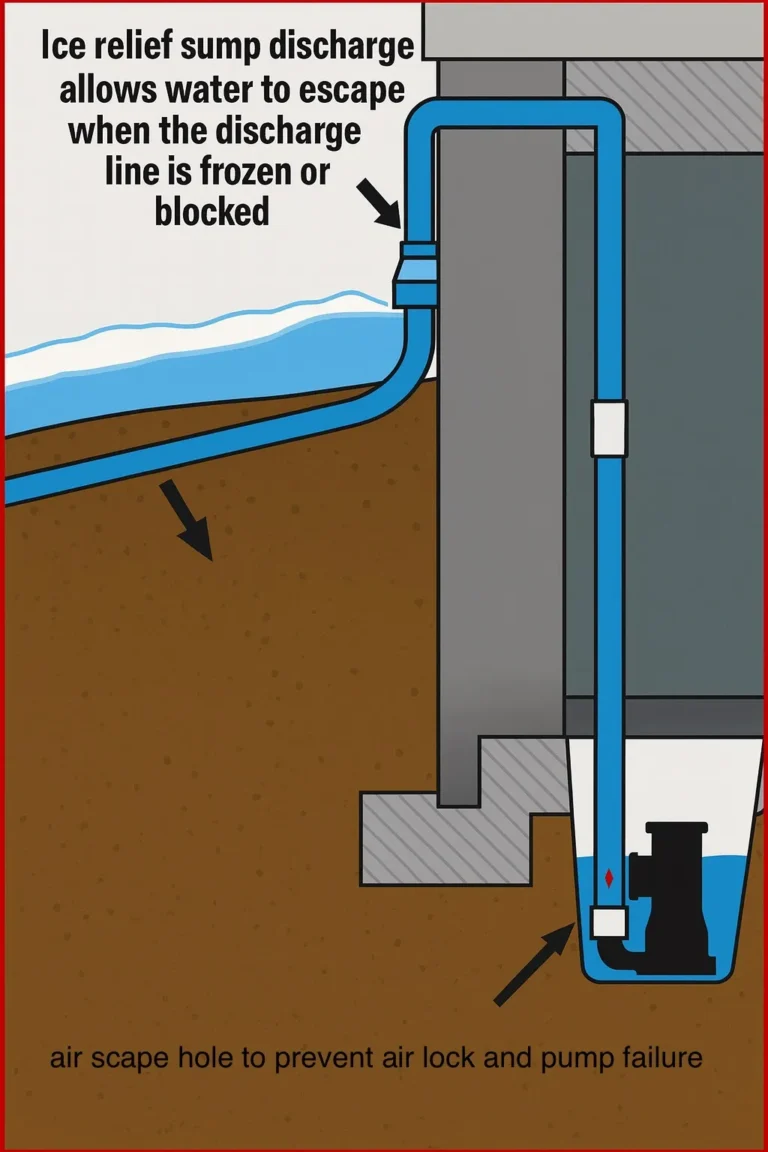
A functioning sump pump removes accumulated water collected by interior drains, preventing basement flooding when ground saturation peaks. Winter maintenance includes:
- Testing pump activation by pouring bucket water into the sump pit.
- Checking backup battery or generator systems.
- Inspecting discharge lines for ice blockages.
Regular maintenance ensures uninterrupted operation and reduces water damage risk during thaws.
How Do Exterior Drainage Systems Like Gutters and Grading Prevent Water Intrusion?
Effective gutters and downspouts capture roof runoff and direct it at least 2 m from the foundation. Paired with proper soil grading, this prevents pooling and reduces hydrostatic stress on foundation walls. Sealing gutter joints and installing downspout extensions ensures meltwater follows the intended path away from your basement.
What Interior Drainage Solutions Help Keep Basements Dry in Winter?
Interior drainage systems work below the slab to channel seepage to a sump pit:
- Perimeter tile drains installed under the concrete slab edge.
- French drains tied into sump pump systems.
- Waterproof sealants on walls and floors to block micro-cracks.
Combining these methods creates a fail-safe network that removes water before it causes damage.
How Can You Protect and Repair Foundation Cracks During New Jersey Winters?
Foundation cracks develop when freeze-thaw stresses open existing fissures and hydrostatic pressure pushes water through them, jeopardizing structural stability. Prompt winter repairs use materials suited to cold conditions and preventative measures to avoid new damage.
What Impact Does the Freeze-Thaw Cycle Have on Foundation Cracks?
When water in soil or micro-cracks freezes, it expands by about 9 percent, exerting pressure on concrete and widening cracks. Thawing contracts material, but repeated cycles accelerate deterioration. Understanding this effect reveals why early crack sealing is vital before spring moisture increases.
How Can Existing Foundation Cracks Be Sealed Effectively in Winter?
Cold-weather crack sealing relies on fast-setting polyurethane or epoxy injections:
- Clean and dry the crack interior with compressed air.
- Inject sealant under pressure to fill voids and bond edges.
- Monitor cure time, which can be as low as one hour in dry winter air.
These materials maintain adhesion and flexibility at low temperatures, restoring wall integrity until permanent exterior fixes can be applied.
What Preventative Measures Reduce New Foundation Damage in Cold Weather?
- Maintain consistent exterior grading and clear drainage channels.
- Keep gutters clean to avoid ice dams that direct meltwater toward walls.
- Install waterproof membranes on exposed exterior walls if accessible.
These precautions minimize water entry points and reduce stress on foundation elements.
Are Foundation Repairs Safe and Effective During Winter Months?
Yes, winter foundation repairs using specialized cold-curing sealants are both safe and reliable. Colder air actually slows moisture infiltration during application and allows technicians to identify cracks more visibly against frost-free concrete. Timely winter interventions prevent spring thaw damage and expensive structural issues.
How Does Insulating Your Basement Improve Winter Energy Efficiency and Moisture Control in New Jersey?
Basement insulation reduces heat loss through concrete walls and floors, creating a warmer interior and lowering energy bills. At the same time, proper insulation and vapor barriers prevent moisture condensation and mold growth in cold-season environments.
What Types of Basement Insulation Are Best for Winter Protection?
Choosing the right insulation material balances thermal performance with moisture resistance.
| Insulation Type | R-Value per Inch | Moisture Profile |
|---|---|---|
| Rigid Foam Board | R-5 | Closed-cell barrier against water vapor |
| Spray Foam | R-6 to R-7 | Fills gaps and blocks airflow |
| Fiberglass Batts | R-3.5 | Requires vapor retarder |
Rigid foam board offers continuous coverage and blocks moisture migration, making it ideal for basement walls.
How Can Sealing Gaps and Cracks Reduce Heat Loss and Dampness?
Air leaks around rim joists, window frames, and pipe penetrations allow cold air in and warm air out. Sealing these gaps with foam sealant and caulk:
- Prevents convective heat loss.
- Blocks humid indoor air from condensing on cold surfaces.
- Lowers overall heating demand and reduces mold risk.
Sealing works hand in hand with insulation for maximum efficiency.
Why Are Vapor Barriers Essential for Basement Moisture Control?
A vapor barrier on warm-side surfaces stops moisture from moving into cool structural elements where it condenses. Installed between framing and insulation, membrane barriers:
- Maintain relative humidity below 50 percent.
- Prevent mold colonies from forming behind finishes.
- Protect insulation efficacy by keeping it dry.
Effective vapor control is the foundation of a healthy, mold-resistant basement.
Field Monitoring and Hygrothermal Modeling of Interior Basement Insulation Systems
Studies on interior basement insulation systems in cold climates have linked them to moisture accumulation, damage, and mold growth within vulnerable assembly portions. Research suggests that while summertime inward vapor drive occurs, an interior vapor control layer can reduce moisture transmission from the interior in winter, though wintertime condensation on above-grade portions remains a concern.
This research directly supports the article’s discussion on basement insulation, its impact on moisture control, and the importance of vapor barriers for preventing condensation and mold growth.
How Do Upgraded Basement Windows Contribute to Energy Savings?
Heat-loss through single-pane basement windows can account for up to 15 percent of total energy drain. Replacing them with double- or triple-glazed units featuring low-emissivity coatings:
- Reduces thermal bridging.
- Improves indoor comfort and natural light.
- Complements wall insulation by closing another avenue of energy loss.
Window upgrades complete the envelope-sealing strategy for a fully winterized basement.
What Are the Best Practices for Winter Mold Prevention and Humidity Control in New Jersey Basements?
Winter basements often experience high humidity as warm indoor air meets cold concrete surfaces, creating condensation pockets that feed mold. Proactive humidity management and ventilation disrupt mold growth, preserving indoor air quality and building health.
What Causes Increased Basement Dampness and Mold Growth in Winter?
Cold wall surfaces cause moisture in warm indoor air to condense, raising relative humidity. Poor ventilation traps stale, moist air and limits evaporation. Combined with soil moisture intrusion, these conditions foster mold expansion on walls, floors, and stored items.
How Can Dehumidifiers Help Maintain Optimal Basement Humidity Levels?
A dehumidifier set to maintain 30–50 percent relative humidity actively removes moisture from the air:
- Collects condensate in a reservoir or pumps it to a drain.
- Reduces mold-friendly environments on surfaces.
- Improves perceived comfort and reduces musty odors.
Using a basement-rated unit ensures continuous moisture control throughout freezing and thawing periods.
Why Is Proper Ventilation Crucial for Mold Prevention?
Controlled ventilation exchanges stale indoor air with drier exterior air when conditions allow:
- Use heat-recovery ventilators to warm intake air in cold months.
- Open vents or windows briefly on mild days to equalize humidity.
- Keep attic and crawl space vents clear of snow and ice obstructions.
Well-managed air exchange breaks the condensation cycle and inhibits mold spores from settling.
How Can Homeowners Identify and Address Early Signs of Mold?
Early detection prevents widespread infestation:
- Visually inspect corners, behind storage, and around windows for discoloration.
- Smell musty odors that signal hidden colonies.
- Apply EPA-approved mold-kill solutions on minor patches, then monitor humidity and ventilation to prevent recurrence.
Prompt action on initial growth reduces remediation costs and health risks.
What Should New Jersey Homeowners Include in Their Winter Home Maintenance Checklist?
A thorough winter checklist ensures no critical task is overlooked, safeguarding your basement, foundation, and overall energy efficiency.
Which Basement and Foundation Tasks Are Essential for Winter Readiness?
- Inspect and test sump pump function and backup power.
- Check foundation walls for new cracks or water stains.
- Verify interior and exterior drainage channels are clear of debris.
Completing these foundational tasks lays the groundwork for safe, dry winter living.
How Should Gutters, Downspouts, and Drainage Systems Be Maintained for Winter?
- Clean gutters of leaves and sediment before first freeze.
- Ensure downspout extensions direct water at least 2 m from your foundation.
- Install gutter guards or heat cables to prevent ice dams.
These measures keep meltwater flowing away and reduce hydrostatic load on your walls.
What Plumbing Preparations Prevent Winter Water Damage?
- Drain irrigation lines and disconnect hoses.
- Insulate exposed pipes and verify interior shut-off valves operate smoothly.
- Schedule a professional plumbing inspection to test for hidden leaks.
Proactive plumbing care minimizes the chance of burst pipes and emergency repairs.
How Can Weather Stripping and Insulation Improve Overall Home Protection?
- Seal doors, windows, and rim joists with high-quality weather stripping.
- Add insulation to attics and crawl spaces to complement basement measures.
- Install foam gaskets behind outlet covers on exterior walls.
An airtight, well-insulated envelope prevents heat loss and keeps moisture at bay throughout your home.
Why Choose Effective Basement Solutions for Your New Jersey Winter Home Preparation?
Effective Basement Solutions offers local expertise and comprehensive winter home protection tailored to New Jersey’s unique climate. Our services span preventative waterproofing, foundation crack repair, pipe freeze-prevention, insulation upgrades, and mold remediation to deliver end-to-end peace of mind.
What Local Expertise Does Effective Basement Solutions Offer for NJ Winters?
With years of experience serving New Jersey homeowners, our technicians understand regional freeze-thaw dynamics and soil conditions. This deep local knowledge ensures we recommend the most effective materials, drainage strategies, and repair methods for lasting results.
How Do Their Services Prevent Costly Winter Basement and Foundation Damage?
By combining proactive interventions—such as exterior grading corrections, sump pump installations, and crack sealing—with moisture control and insulation upgrades, we mitigate the root causes of leaks, structural damage, and mold proliferation. Clients save thousands in avoided repairs and insurance claims.
What Free Consultation Options Are Available for Winter Preparation?
Homeowners can request a no-obligation, on-site winter readiness assessment. During this consultation, our experts identify vulnerabilities, recommend tailored solutions, and provide transparent cost estimates. This service establishes a clear roadmap for winter protection.
How Have NJ Homeowners Benefited from Effective Basement Solutions' Winter Services?
Numerous clients report zero winter basement leaks and reduced energy bills after implementing our full-suite winterization package. Testimonials praise our rapid response, professional workmanship, and the long-term durability of our installations.
Preparing your basement and foundation now prevents emergency repairs and preserves home value. By following these winterization strategies and partnering with Effective Basement Solutions, you’ll enjoy a dry, energy-efficient, and secure basement throughout New Jersey’s coldest months. Contact us today to schedule your free winter preparation consultation.
