
What is Hydrostatic Pressure in Basements? Understanding Causes, Effects, and Waterproofing Solutions for NJ Homeowners
Hydrostatic pressure is a critical concept for homeowners, particularly those with basements, as it directly impacts the integrity of their homes. This pressure arises from the weight of water in the soil surrounding a basement, which can lead to significant water intrusion and structural damage if not properly managed. In this article, we will explore the causes and effects of hydrostatic pressure, as well as effective waterproofing solutions tailored for homeowners in New Jersey. Understanding these elements is essential for preventing costly repairs and ensuring a safe living environment.
Homeowners often face challenges related to basement water problems, especially in areas with high groundwater levels or poor drainage systems. This article will delve into the mechanisms behind hydrostatic pressure, its impact on basement structures, and the best practices for waterproofing. We will also discuss how Effective Basement Solutions can assist in addressing these issues through professional services. By the end of this guide, readers will have a comprehensive understanding of hydrostatic pressure and the steps they can take to protect their homes.
Causes of Hydrostatic Pressure
Hydrostatic pressure in basements is primarily caused by several environmental factors that contribute to water accumulation in the soil. Understanding these causes is crucial for homeowners looking to mitigate the risks associated with basement water intrusion.
What Causes Hydrostatic Pressure in Basements?
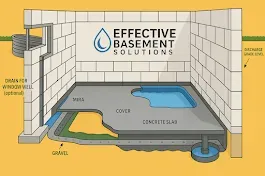
The primary causes of hydrostatic pressure include saturated soil, a high water table, and poor drainage systems. When the soil around a basement becomes saturated due to heavy rainfall or melting snow, the water content increases, leading to higher hydrostatic pressure. Additionally, a high water table can exacerbate this issue, as it raises the level of groundwater, further increasing the pressure on basement walls. Poor drainage systems, whether due to design flaws or blockages, can prevent water from being effectively diverted away from the foundation, contributing to the problem.
How Does Groundwater and Soil Saturation Create Hydrostatic Pressure?
Groundwater and soil saturation create hydrostatic pressure by increasing the weight of the water exerted on the basement walls. As the soil becomes saturated, it retains more water, which adds to the overall pressure. This pressure can lead to water seeping through cracks in the foundation or walls, resulting in moisture problems within the basement. Homeowners should be aware of these conditions, especially during periods of heavy rainfall or rapid snowmelt, as they can significantly increase the risk of water intrusion.
What NJ-Specific Environmental Factors Increase Hydrostatic Pressure Risks?
In New Jersey, specific environmental factors can heighten the risks associated with hydrostatic pressure. The state’s varied topography, combined with its climate, can lead to significant rainfall and snow accumulation. Areas with clay soil are particularly susceptible, as clay retains water more effectively than sandy soils. Additionally, urban development can lead to increased runoff and reduced natural drainage, further exacerbating hydrostatic pressure issues in basements.
Effects of Hydrostatic Pressure
The effects of hydrostatic pressure on basements can be severe, leading to various structural and health-related issues. Understanding these effects is essential for homeowners to take proactive measures in protecting their properties.
How Does Hydrostatic Pressure Affect Basement Foundations?
Hydrostatic pressure can have detrimental effects on basement foundations, leading to cracks and structural damage. As the pressure builds, it can cause walls to bow or crack, compromising the integrity of the foundation. Over time, this can result in significant repair costs and may even necessitate foundation replacement if not addressed promptly.
What Are Common Signs of Basement Water Intrusion Caused by Hydrostatic Pressure?
Homeowners should be vigilant for signs of basement water intrusion, which may include dampness, mold growth, and visible water stains on walls or floors. Other indicators include musty odors and the presence of efflorescence, a white, powdery substance that forms when water evaporates from the surface of walls. Recognizing these signs early can help homeowners take action before more extensive damage occurs.
How Does Hydrostatic Pressure Lead to Foundation Wall Cracks and Structural Damage?
As hydrostatic pressure increases, it exerts force on the foundation walls, leading to cracks and potential structural damage. These cracks can allow water to enter the basement, creating a cycle of moisture problems that can worsen over time. If left untreated, the structural integrity of the home may be compromised, leading to costly repairs and safety concerns.
Waterproofing Solutions for Homeowners in New Jersey
To combat the effects of hydrostatic pressure, homeowners in New Jersey can implement various waterproofing solutions. These methods are designed to prevent water intrusion and protect the integrity of the basement.
What Are the Best Basement Waterproofing Solutions for Hydrostatic Pressure?
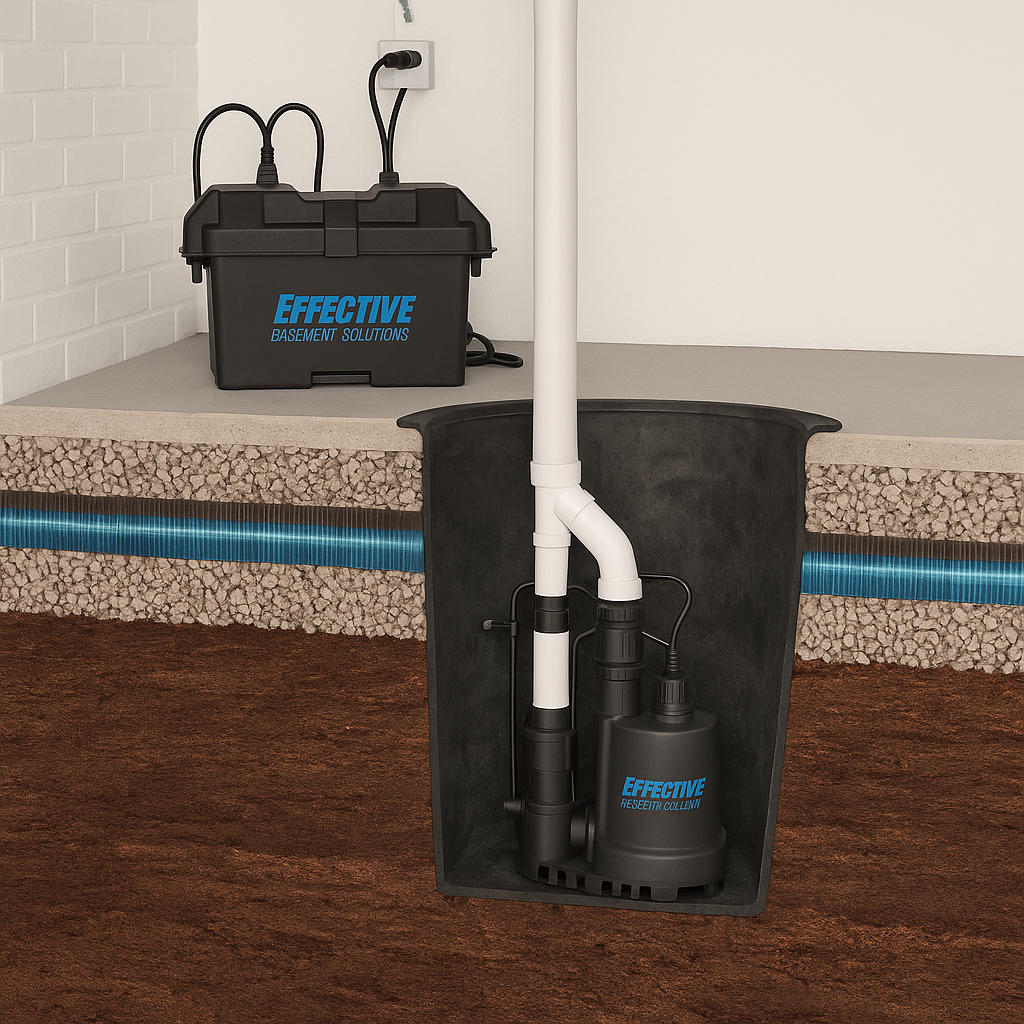
Effective waterproofing solutions for hydrostatic pressure include interior drainage systems, sump pump installation, and French drains. Interior drainage systems collect water that seeps into the basement and direct it to a sump pump, which then removes the water from the home. French drains, installed outside the foundation, help redirect water away from the basement, reducing the risk of hydrostatic pressure buildup.
How Do Interior and Exterior Waterproofing Systems Work to Relieve Hydrostatic Pressure?
Interior waterproofing systems work by managing water that enters the basement, while exterior systems focus on preventing water from reaching the foundation. Interior systems typically involve the installation of drainage tiles and sump pumps, which work together to keep the basement dry. Exterior systems, such as French drains and waterproof membranes, create a barrier that prevents water from accumulating around the foundation, effectively reducing hydrostatic pressure.
What Role Do Sump Pumps and Foundation Drainage Solutions Play in Basement Moisture Control?
Sump pumps and foundation drainage solutions are critical components of an effective waterproofing strategy. Sump pumps actively remove water that accumulates in the basement, while foundation drainage systems help divert water away from the home. Together, these solutions work to maintain a dry basement environment, preventing the damaging effects of hydrostatic pressure.
How Can NJ Homeowners Detect and Prevent Basement Flooding from Hydrostatic Pressure?
New Jersey homeowners can take several proactive steps to detect and prevent basement flooding caused by hydrostatic pressure. Regular inspections of the basement for signs of moisture, maintaining gutters and downspouts to ensure proper drainage, and landscaping to direct water away from the foundation are all effective strategies. Additionally, homeowners should consider scheduling a professional waterproofing inspection to identify potential vulnerabilities in their basements.
What Are the Benefits of a Free Waterproofing Inspection in NJ?
A free waterproofing inspection offers homeowners the opportunity to assess their basement’s vulnerability to hydrostatic pressure without any financial commitment. During the inspection, professionals can identify potential issues and recommend appropriate solutions, helping homeowners make informed decisions about their waterproofing needs. This proactive approach can save homeowners significant costs in the long run by preventing water damage and structural issues.
Which Maintenance Practices Help Control Basement Moisture and Mold Risks?
Regular maintenance practices are essential for controlling basement moisture and mold risks. Homeowners should ensure that gutters and downspouts are clear of debris, check for cracks in the foundation, and monitor humidity levels within the basement. Additionally, using dehumidifiers can help maintain optimal moisture levels, reducing the likelihood of mold growth and water intrusion.
What Are the Costs and Benefits of Basement Waterproofing Services in New Jersey?
The costs of basement waterproofing services in New Jersey can vary significantly based on the specific solutions implemented and the size of the basement. However, investing in waterproofing can provide significant long-term benefits, including increased property value, improved air quality, and reduced risk of structural damage. Homeowners should weigh these benefits against the initial costs to determine the best course of action for their homes.
How Much Does Basement Waterproofing Typically Cost in NJ?
Basement waterproofing costs in New Jersey typically range from $1,500 to $10,000, depending on the extent of the work required. Factors influencing the cost include the size of the basement, the type of waterproofing system installed, and any necessary repairs to existing damage. Homeowners should obtain multiple quotes from reputable contractors to ensure they receive a fair price for the services.
What Are the Long-Term Benefits of Investing in Professional Waterproofing?
Investing in professional waterproofing offers numerous long-term benefits, including enhanced home safety, increased property value, and reduced maintenance costs. A well-waterproofed basement can provide additional living space, improve air quality by preventing mold growth, and protect the foundation from water-related damage. These advantages make waterproofing a wise investment for homeowners concerned about hydrostatic pressure.
What Are the Latest Innovations in Waterproofing Technologies for Hydrostatic Pressure?
Recent innovations in waterproofing technologies include advanced materials and systems designed to enhance water resistance and durability. For example, new waterproof membranes and drainage systems are engineered to provide superior protection against hydrostatic pressure. Additionally, smart sump pumps equipped with monitoring technology can alert homeowners to potential issues before they escalate, ensuring timely intervention.
How Can Homeowners Request a Free Basement Waterproofing Inspection for Hydrostatic Pressure Issues in NJ?
Homeowners interested in addressing hydrostatic pressure issues can request a free basement waterproofing inspection from Effective Basement Solutions. This inspection will provide valuable insights into the condition of the basement and recommend tailored solutions to mitigate water intrusion risks. By taking this proactive step, homeowners can protect their investments and ensure a safe living environment.