
New Jersey Basement Waterproofing & Foundation Repair Cost Guide
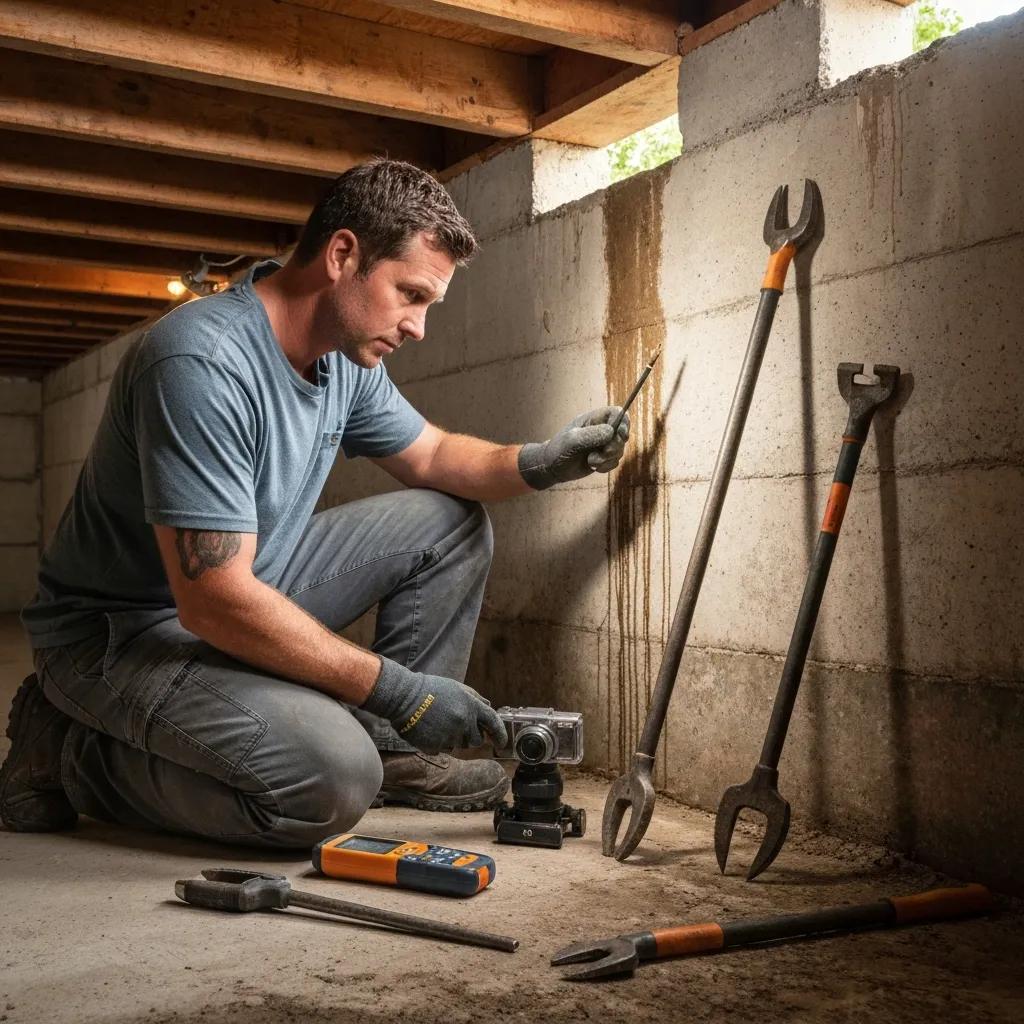
Basement and foundation repair cost questions are among the first things homeowners ask when they notice water, cracks, or musty odors, and this guide gives clear, local New Jersey context to set accurate expectations. You will learn typical price ranges for common services like basement waterproofing, sump pump and French drain installation, foundation crack repair and structural reinforcement, crawl space encapsulation, dehumidification, and mold remediation. Understanding these costs helps homeowners match symptoms—such as bowing walls or persistent dampness—to likely solutions and realistic budgets, and it also explains the main variables that change a quote. The guide maps repair methods to cost ranges, compares options like carbon fiber straps versus steel I-beams, and shows how soil type, accessibility, and permits influence final pricing. Read on for EAV-style cost tables, concise lists that highlight what each price typically includes, and practical next steps for getting an accurate, no-pressure estimate from a licensed, in-house crew.
What Are the Average Costs for Basement Waterproofing Services in New Jersey?
Basement waterproofing cost in New Jersey depends on the method and severity: interior waterproofing systems, exterior excavation and membrane fixes, sump pump installations, and French drains all fall into distinct price bands based on access and hydrostatic pressure. Interior solutions typically address water that enters through cracks or under floors by diverting it to a sump pump, producing a cost-effective option for many homes. Exterior systems tackle the source by excavating and installing membranes and exterior drainage, which is more invasive but sometimes necessary for high water tables or recurring saturation. Recognizing how each approach works helps homeowners select the right scope of work and anticipate the elements that will appear on a detailed estimate.
| Service | Typical Cost Range (USD) | What’s Included |
|---|---|---|
| Interior waterproofing (drainage + sump) | $2,500 – $8,000 | Trench along interior perimeter, drainage pipe, connection to sump, labor and cleanup |
| Exterior waterproofing (excavation + membrane) | $8,000 – $25,000+ | Excavation, membrane/rigid drain, exterior French drain, backfill, landscape repair |
| Sump pump installation (basic) | $700 – $4,000 | Pump, basin, float switch, discharge piping, basic testing |
| Sump pump with battery backup | $800 – $3,000 | Primary pump, battery backup unit, transfer switch, installation and testing |
| Interior French drain installation | $4,000 – $12,000 | Perimeter channel, perforated pipe, aggregate, connection to sump |
This comparison shows interior approaches are usually less costly up-front while exterior work can deliver longer-term control for worst-case conditions. Understand that quoted ranges vary with basement size, soil conditions, and whether a battery backup or dehumidification is added to the system.
For homeowners ready to translate these ranges into a precise price for their property, a free, no-pressure inspection by a licensed, in-house crew is the best next step. Effective Basement Solutions offers free inspections and estimates in New Jersey, using their in-house team to evaluate conditions and recommend tailored options without subcontractors or sales pressure.
How Much Does Interior vs. Exterior Basement Waterproofing Cost?
Interior and exterior waterproofing address the same problem—water intrusion—but work by different mechanisms: interior systems manage water once it enters, while exterior systems stop water before it reaches the foundation. Interior waterproofing typically ranges from lower to mid-tier costs because it avoids excavation and focuses on channeling water to a sump pump; it’s effective for localized seepage and when exterior access is limited. Exterior waterproofing is more expensive due to excavation, membrane materials, and landscape restoration, yet it is the preferred long-term fix when hydrostatic pressure or widespread soil saturation is the root cause. Choosing between them depends on the symptom pattern, soil and water table observations, and long-term property goals.
Signs that favor exterior work—such as persistent seepage after heavy rainfall or visible exterior drainage issues—should prompt a structural assessment, while isolated interior dampness or small leaks may be resolved cost-effectively with interior methods. The next step is to compare the true lifecycle cost of each option, weighing initial outlay against expected durability and maintenance needs.
A Comparative Analysis of Waterproofing Methodologies: Cost, Durability, and Application Simplicity
This research aims to evaluate various waterproofing techniques by assessing parameters including cost-effectiveness, longevity, and ease of implementation. The paper details a comparative investigation into both traditional and contemporary waterproofing approaches.
Comparative study of conventional and modern waterproofing techniques, AN Ghadge, 2016
What Is the Cost Range for Sump Pump Installation and Maintenance?
Sump pump installation costs vary by pump type, basin size, discharge requirements, and whether a battery backup is included; basic pedestal or midline pumps cost less initially, while submersible models and backup systems increase the price. Basic installations typically fall between $700 and $4,000 for a single pump with standard discharge piping routed away from the foundation, while adding a professionally integrated battery backup or a higher-capacity pump can push the cost into the $800–$3,000 range depending on battery size and transfer systems. Annual maintenance typically involves inspection, cleaning, and float testing and usually represents a modest recurring cost but significantly extends pump lifespan and reliability. Regular maintenance summary and system testing reduce the likelihood of pump failure during heavy rainfall, which is a key factor in protecting basements from flooding.
Consider battery-powered backups or dual-pump systems in regions prone to power outages or rapid water rise; these options increase resilience but also add to upfront costs. After deciding on pump capacity and backup strategy, homeowners should schedule a professional installation and a plan for periodic testing to preserve system value.
How Much Does Foundation Crack Repair and Structural Reinforcement Cost in NJ?
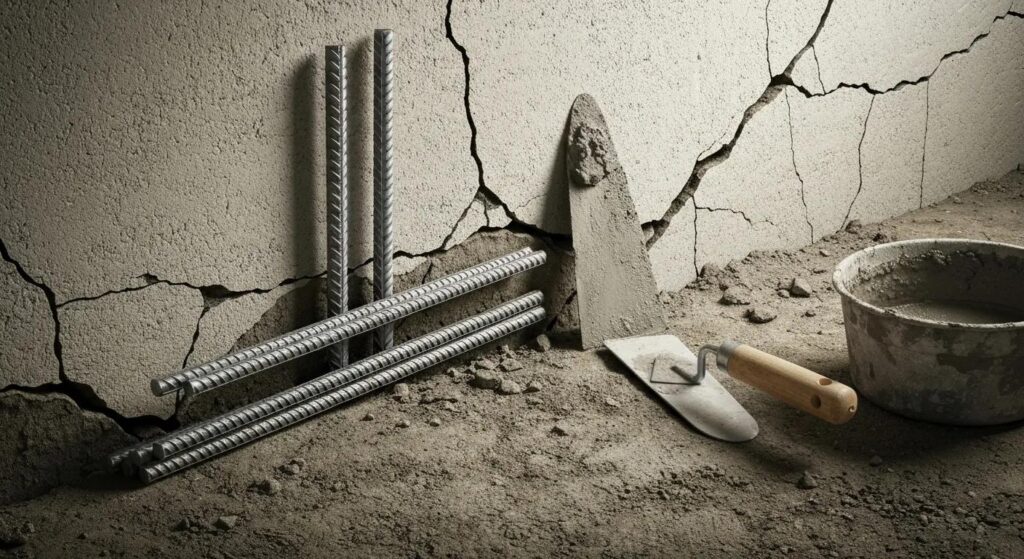
Foundation crack repair and structural reinforcement costs depend on whether cracks are cosmetic, actively leaking, or signs of structural movement; remedies range from crack injection to reinforcement with carbon fiber or steel I-beams, to underpinning for settlement. Minor crack injection and sealing is typically the most affordable option and addresses water entry and small structural concerns, whereas reinforcing bowed walls or correcting settlement can require more substantial interventions. Comparing methods by purpose clarifies which approach matches your home’s symptoms and budget without overspending on unnecessary work. Homeowners who understand the trade-offs between short-term sealing and long-term structural reinforcement are better positioned to prioritize repairs and plan financing.
| Repair Method | Typical Cost Range (USD) | Best For / Limitations |
|---|---|---|
| Crack injection (epoxy or polyurethane) | $300 – $1,500 per crack | Best for hairline to moderate non-structural cracks; fast, minimally invasive |
| Carbon fiber straps (interior) | $600 – $3,000 per wall | Best for shallow bowing or flexing walls; low profile, limited to certain loads |
| Steel I-beams (interior) | $1,200 – $6,000 per wall | Best for severe bowing needing rigid support; more invasive and visible |
| Piering/underpinning | $5,000 – $25,000+ | Required for settlement or bearing failure; addresses vertical movement long-term |
This table demonstrates that minor repairs are affordable but may not prevent future structural movement, while heavier reinforcement or underpinning increases cost but offers durable correction. Consider lifecycle cost—initial expense versus future repair avoidance—when choosing a solution.
If the signs on your property suggest structural reinforcement rather than a simple seal, request a free, no-pressure inspection so a licensed, in-house crew can assess settlement, bowing, and load issues and recommend an appropriate, tailored approach.
What Are Typical Prices for Minor vs. Major Foundation Crack Repairs?
Minor repairs such as epoxy or polyurethane injection typically cost a few hundred to a couple thousand dollars depending on crack length and access, and they work by filling voids and preventing water migration. These treatments are efficient for non-structural cracks and for stopping moisture that contributes to mold and musty odors. basement waterproofing services.
Major repairs—those addressing significant movement, foundation separation, or widespread bowing—can escalate into several thousand to tens of thousands of dollars when underpinning, piering, or structural reinforcement is required. The determining factors for pricing include the number of affected areas, ease of access for equipment, and whether masonry must be rebuilt or replaced.
Crack Repair Methodologies: Epoxy Injection and Grouting Techniques
This paper examines prevalent crack repair methodologies, with a specific emphasis on epoxy injection and grouting. The study elaborates on the application of the Portland cement grouting technique for crack remediation at a designated site.
Causes, Prevention & Repair of Cracks, T Khan, 2020
How Do Carbon Fiber Straps and Steel I-Beams Compare in Repair Costs?
Carbon fiber straps and steel I-beams both address wall movement but differ in cost, installation impact, and long-term performance: carbon fiber is less invasive and typically costs less up-front, while steel I-beams provide rigid support for more severe conditions at higher cost. Carbon fiber strap installations generally range from several hundred to a few thousand dollars per wall and are installed internally with minimal disruption, making them suitable for walls with moderate inward movement. Steel I-beams can run higher per wall—often into the low thousands—because they require anchoring, floor and ceiling interfacing, and sometimes cosmetic repair after installation, but they deliver a strong, permanent brace for heavier lateral loads. Expected lifespan and maintenance needs vary: carbon fiber resists corrosion and is low-maintenance, while steel requires attention to potential rust control in damp environments.
Choosing between them depends on measured deflection, load expectations, and homeowner preferences about interior appearance and long-term durability; an inspection will determine which option balances cost and structural safety for your situation.
What Are the Costs and Benefits of French Drain Installation in New Jersey?
French drain systems relieve hydrostatic pressure and divert groundwater away from foundations, reducing seepage, hydrostatic-driven cracks, and mold risk; costs vary whether the drain is installed interior to the basement or exterior around the foundation. Interior French drains channel water under the slab to a sump pump and are typically less disruptive and less expensive than full exterior drainage, although they manage water after it breaches the foundation perimeter. Exterior French drains require excavation and landscape restoration but can be the most effective defense against saturated soils and recurrent exterior seepage. Quantifying the long-term savings—by comparing avoided structural repairs, reduced mold remediation, and preserved home value—helps homeowners justify the investment when serious water intrusion is present.
Owners should weigh short-term disruption against long-term protection: while exterior work is costlier up-front, it often lowers cumulative repair costs over years in poorly drained or high water-table areas. The next section explains interior vs exterior cost differences and disruption considerations so you can choose the right path for your property.
How Much Does Interior French Drain Installation Cost Compared to Exterior?
Interior French drain installation typically falls in the $4,000 to $12,000 range depending on basement size and complexity and focuses on channeling water to a sump pump without exterior excavation. Exterior French drains, which involve excavation, new perimeter drains, and landscape repair, commonly range from $8,000 to $25,000 or more depending on soil conditions and site constraints. Interior systems are faster to install and less disruptive to landscaping, whereas exterior systems can resolve the root cause of seepage and reduce hydrostatic pressure directly against the foundation. Property layout, driveway or hardscape proximity, and local soil saturation levels guide which approach is both feasible and cost-effective.
What Long-Term Savings and Protection Does a French Drain Provide?
A properly installed French drain reduces hydrostatic pressure, prevents recurring water intrusion, and lowers the likelihood of mold remediation or structural repairs—creating measurable long-term savings compared to repeated spot fixes. Over time, protecting the foundation and interior finishes preserves property value and reduces insurance-related headaches tied to water damage. Maintenance is minimal—periodic inspection of discharge points and sump function—so ongoing costs are typically lower than repeated emergency repairs and mold cleanup. Effective installation choices also improve indoor air quality and energy efficiency by keeping basement spaces dry and reducing moisture-driven heat loss.
When comparing costs, consider both avoided repair scenarios and the intangible benefits such as odor elimination, better storage usability, and improved living conditions; these factors often tip the balance toward investing in a comprehensive drainage solution.
How Much Does Crawl Space Encapsulation and Moisture Control Cost in NJ?
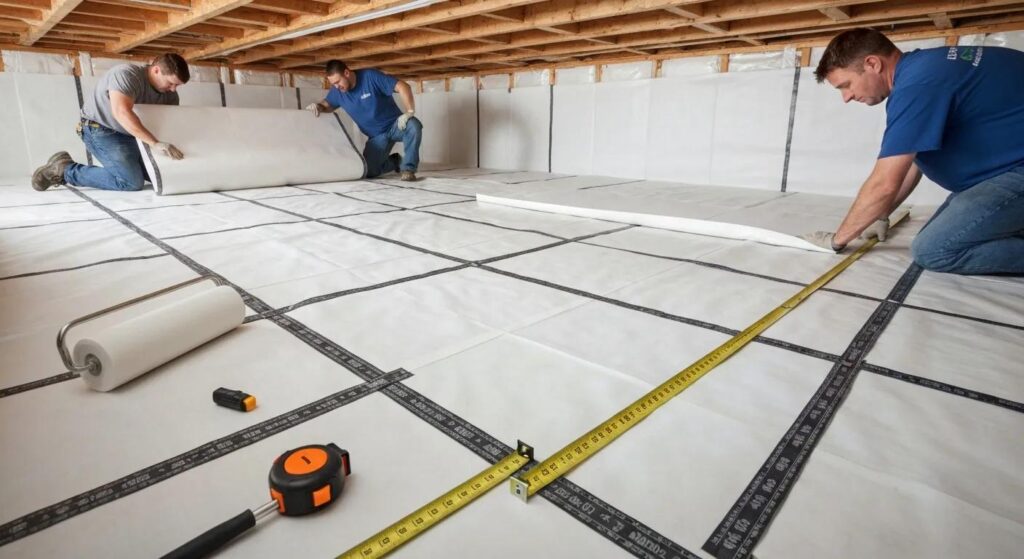
Crawl space encapsulation seals the underfloor area with a durable vapor barrier, installs drainage where needed, and often pairs with a dehumidification system to control humidity—all of which protect structural members and improve indoor air quality. Typical crawl space encapsulation projects include vapor barrier installation, sealing of vents and penetrations, and may add drainage or a small sump depending on moisture sources. Dehumidification units vary from portable to whole-home installed systems, and equipment selection influences both installation cost and ongoing energy use. By reducing humidity, encapsulation prevents rot, mold growth, and insulation degradation, delivering long-term structural and health benefits for the home.
The next subsections break down vapor barrier and drainage pricing and explain how dehumidification ties into total system cost and expected health outcomes.
What Is the Price Range for Crawl Space Vapor Barriers and Drainage Systems?
Crawl space vapor barrier installation often ranges by square footage and access difficulty, with many projects priced per project rather than strictly per square foot; typical residential encapsulation can range from $2,000 to $10,000 depending on scope and whether drainage or sump work is required. A basic encapsulation includes vapor barrier material, sealing seams and penetrations, and taping at foundation walls, while full encapsulation adds insulation, support repairs, and drainage systems that increase cost. Accessibility—such as low clearance or obstructed joists—raises labor intensity and drives up pricing. Add-on repairs like replacing rotten joists or addressing insect damage will further increase the total.
How Does Crawl Space Dehumidification Impact Repair Costs and Home Health?
Adding a dehumidifier reduces relative humidity, prevents mold growth, and preserves wood structures, which can lower future repair costs related to rot and insulation failure, while also improving household air quality. Installed whole-home dehumidifiers cost more up-front than portable units but offer automated control and consistent humidity reduction for the long term, and operational energy costs will vary with unit efficiency and local climate. Health benefits include reduced allergen loads and musty odors, which can be particularly important for households with asthma or allergies. Investing in a properly sized, energy-efficient unit paired with encapsulation creates a comprehensive moisture-control strategy that reduces total lifecycle costs for the home.
Ask inspectors for modeled humidity reduction expectations and estimated operational costs so you can compare initial investment versus ongoing savings in repair avoidance and health-related benefits.
What Are the Typical Mold Remediation Costs for Basements in New Jersey?
Mold remediation costs vary by contamination severity, affected square footage, and whether underlying moisture sources require repair; small, surface-level remediation may be modest, while widespread or hidden mold and associated structural repairs raise costs substantially. Professional remediation follows steps—inspection and testing, containment and removal, cleaning and antimicrobial treatment, and repair of damaged materials—each adding to the total depending on extent. Testing can help quantify the problem but is not always necessary for visible, localized mold; larger or hidden infestations benefit from testing to direct scope. Addressing the moisture source alongside remediation is essential to prevent recurrence and avoid repeated spending on cleanup.
Below is an enumerated list that outlines remediation steps and why each contributes to cost, helping homeowners understand where dollars are spent during a professional remediation project.
- Inspection and testing to determine scope and organism types.
- Containment to prevent spread during removal.
- Removal and cleaning of contaminated materials and surfaces.
- Post-cleaning verification and repairs to address moisture sources.
How Do Mold Removal Costs Vary by Severity and Area Size?
Small mold jobs—surface cleaning of a few square feet—may cost a few hundred to a couple thousand dollars depending on material removal and labor, whereas large-scale remediation involving replacement of drywall, insulation, or structural members can escalate into the thousands or tens of thousands. Hidden mold behind walls or under slabs increases inspection and abatement time, adding to labor and disposal fees, and may require paired repairs such as insulation replacement or drywall touch-ups. Costs also reflect containment measures and disposal of contaminated materials to prevent cross-contamination in the home. A clear repair plan that includes moisture-source correction (like a French drain or sump pump upgrade) is often necessary to ensure remediation is a one-time expense rather than a recurring cost.
What Are the Health and Structural Benefits of Professional Mold Remediation?
Professional mold remediation reduces airborne spore counts, eliminates musty odors, and removes reservoirs that can trigger allergies or respiratory symptoms, delivering measurable improvements in indoor air quality. Structurally, removing mold-damaged materials and repairing moisture pathways prevents ongoing rot and decay that can weaken framing and finishes over time. The combined health and structural benefits often offset remediation costs by avoiding chronic health care impacts, continued property deterioration, and recurring cleanup bills. Choosing professional remediation ensures containment and proper disposal, reducing the risk of cross-contamination and secondary growth in other parts of the home.
Plan remediation together with waterproofing or encapsulation efforts to ensure that cures are durable and to protect the investment you make in returning the home to a safe, dry condition.
What Factors Influence Basement and Foundation Repair Costs in New Jersey
Repair quotes vary because each property has a unique mix of soil conditions, access, damage severity, materials, and local permitting requirements; these primary factors determine labor, equipment needs, and the overall scope a contractor must price. In New Jersey, soil types like clay can increase the need for underpinning or exterior drainage, while tight urban lots raise access challenges that lengthen project time and cost. Material choices—stainless versus standard components, heavy-duty membranes versus basic liners—also shift estimates, as do labor rates for licensed crews and any required permits or inspections. Understanding these drivers helps homeowners evaluate bids and ask targeted questions that reveal whether estimates are comparable.
The following EAV-style table breaks down major attributes and their typical impact on cost so you can quickly see how each factor translates into dollars on a quote.
| Attribute | How It Affects Cost | Example/Range |
|---|---|---|
| Soil type | Determines need for piering/underpinning or extensive exterior work | Clay soils can increase costs by 20–50% over sandy soils |
| Accessibility | Affects labor time and equipment needs | Limited access may double labor hours and require special equipment |
| Severity of damage | Dictates repair scope from injection to full underpinning | Minor cracks versus structural settlement can move costs from hundreds to tens of thousands |
| Materials selected | Higher-spec materials raise material line items | Corrosion-resistant steel or heavy membranes increase material costs |
| Permits & inspections | Add fixed fees and time to project | Local permit fees vary; contractor time for compliance adds cost |
This breakdown clarifies how quotes differ and why line-item comparisons matter when reviewing multiple bids for the same problem.
How Do Location, Soil Type, and Accessibility Affect Repair Pricing?
Location drives costs through regional labor rates, local regulations, and site-specific challenges such as high water tables found in parts of New Jersey; soil type further influences structural remedies because expansive clays or saturated soils increase the likelihood of underpinning or exterior drainage solutions. Accessibility—narrow setbacks, proximity to utilities, or landscaping that must be protected—adds labor time and may require specialized machinery, which increases the invoice. Urban properties often face higher permit complexity and restricted staging areas that lengthen timelines and add coordination costs. Assessing location, soil, and access early clarifies expected logistical costs and helps homeowners compare realistic bids.
A well-documented inspection report that ties these site attributes to recommended methods will reduce surprises and ensure the chosen remedy aligns with both technical needs and budget constraints.
What Role Do Materials, Labor, and Permits Play in Final Repair Costs?
Materials typically account for a substantive portion of the line items—higher-quality membranes, corrosion-resistant fasteners, or heavy-duty pumps cost more but often last longer and reduce lifecycle expenses—while labor is the largest variable because licensed crews, specialized skills, and time on site drive hour-based charges. Permit fees and inspection costs are additional, often non-negotiable items that reflect municipal requirements and can vary across New Jersey municipalities; these expenses should appear as separate line items on estimates. Specialized equipment rental or subcontractor work (although some contractors use in-house crews to avoid subcontractor markups) can increase the total as well. Transparent quotes will break down material, labor, permit, and disposal costs to help homeowners understand where dollars are allocated.
- Labor: Labor typically represents the largest variable in a repair estimate.
- Materials: Higher-grade materials increase upfront costs but reduce maintenance.
- Permits: Permit fees and inspections are required local expenses and add to total project cost.
For homeowners seeking a precise, no-pressure quote that reflects these attributes, Effective Basement Solutions provides free inspections performed by licensed, in-house crews who explain costs and options without subcontractor markup.
