
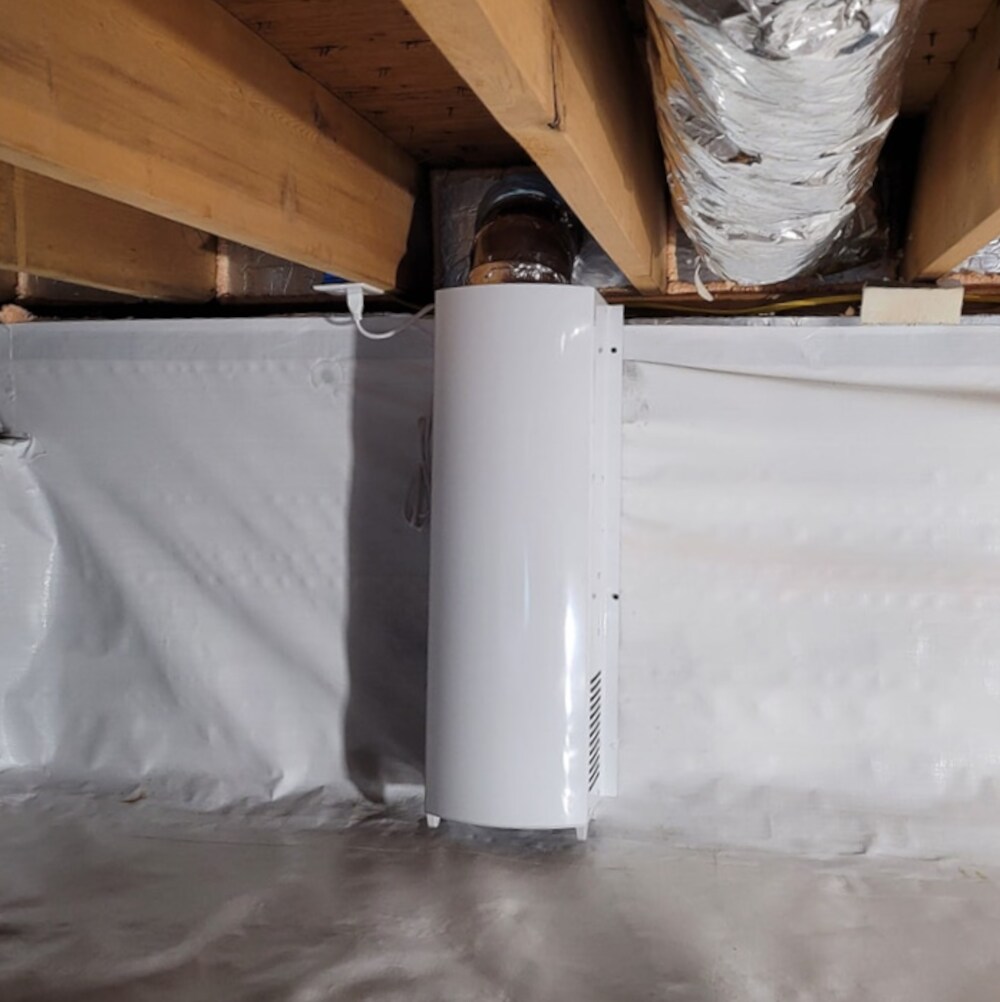
Crawl Space Encapsulation in New Jersey: Complete Guide to Benefits, Costs, and Solutions for Homeowners
Crawl space encapsulation transforms damp, mould-prone underfloor areas into sealed, energy-efficient zones by installing a heavy-duty vapour barrier, insulation and humidity control. In humid New Jersey climates, up to 40 percent of indoor air originates in the crawl space, so trapping moisture at the source directly improves air quality, reduces energy waste and protects your home’s structure. This guide explains the key benefits of encapsulation, how to recognise when your crawl space needs attention, the typical costs and return on investment, and the step-by-step installation process used by specialists such as Effective Basement Solutions. You will also discover optimal insulation choices, expert mould removal strategies and whether a DIY approach is feasible or professional installation is the safer option.
New Jersey Crawl Space Encapsulation: Benefits, Costs & Solutions
Crawl space encapsulation is a comprehensive solution that seals your home’s subfloor with a reinforced vapour barrier and integrates insulation and dehumidification to form a dry, stable environment. This process prevents damp air from entering living spaces, conserves conditioning energy and halts wood decay at the joists. Homeowners experience improved health, lower energy bills, enhanced structural longevity and fewer pest intrusions.
Encapsulation delivers primary advantages across four critical areas:
- Indoor air quality and comfort
- Energy efficiency and cost reduction
- Mould inhibition and pest deterrence
- Foundation protection and structural integrity
These benefits work in concert to elevate home performance and value, creating a healthier living environment. Understanding how encapsulation drives each outcome clarifies its role as a vital home upgrade.
How Does Encapsulation Improve Indoor Air Quality and Home Comfort?
Encapsulation improves indoor air quality by blocking ground moisture and soil gases from rising through floor gaps. A sealed vapour barrier combined with a dehumidifier stops musty odours and airborne spores from circulating into your living areas. Residents report fewer allergy triggers and a more consistent temperature during summer and winter, thus enhancing overall home comfort.
In What Ways Does Crawl Space Encapsulation Enhance Energy Efficiency?
Encapsulation enhances energy efficiency by eliminating unconditioned air infiltration under the floor. Insulating foundation walls and sealing vents reduce heat loss in winter and heat gain in summer, lowering heating and cooling loads by up to 20 percent. This translates into measurable monthly savings on utility bills.
Research indicates that closing crawl space vents can lead to significant energy savings, with measured penalties for leaving them open during winter.
Energy Savings from Crawl Space Ventilation: Measured Penalties and BenefitsWhile there is no convincing technical basis for current code requirements for crawl space ventilation, most building regulations still mandate operable vents and the practice is well established among builders and architects. Although the evidence against venting is compelling to many, if not most, within the research community, builders and code officials apparently wish to see empirical data. In this research project, weekly energy consumption for space heating was measured for a 1150 square foot home in a climate with 5900 heating degree days. The house was constructed to meet the 1992 Model Energy Code, and the perimeter of the crawl space was insulated with R-10 foamboard. The supply ducts of the gas-fired, forced-air system are located in the crawl space and were meticulously sealed and pressure tested. Employing a ‘flip-flop’ research design, with the crawl space vents open one year and closed the next, the ‘energy penalty’ resulting from leaving crawl space vents open during winter was measured. This measured penalty, or conversely, the savings from closing and insulating the vents, was 21% (12 MMBtu/yr) in the second year of the research. Savings were 32% (19 MMBtu/yr) in the most recent winter, during which the crawl space access cover was insulated and rendered airtight in addition to closing and insulating the vents.Measured energy penalties from crawl space ventilation., Unknown Author, 1998
How Does Encapsulation Prevent Mould Growth and Pest Infestations?
By maintaining subfloor humidity below 55 percent, encapsulation prevents the damp conditions mould needs to thrive and denies pests such as termites and rodents the moisture they seek. A continuous barrier stops wood rot and insect entry points, contributing to long-term crawl space health.
How Does Encapsulation Protect Structural Integrity and Foundation Health?
Encapsulation safeguards structural integrity by keeping moisture off joists and support beams, preventing warping and decay that cause sagging floors. Stable humidity levels reduce soil pressure variations around foundation walls, minimising cracks and settlement that lead to costly repairs.
Studies comparing ventilated and sealed crawl spaces have consistently shown that sealed configurations offer superior moisture management and energy performance.
Energy and Moisture Performance: Ventilated versus Sealed Crawl SpacesThis study compared the energy and moisture performance of ventilated versus sealed crawl spaces in the Southern United States. The findings indicated that sealed crawl spaces, even those with minimal insulation, demonstrated superior performance in terms of energy savings and moisture management when contrasted with ventilated crawl spaces. The research also underscored the significance of appropriate insulation installation methodologies for achieving optimal performance.A Field Study Comparison of the Energy and Moisture Performance Characteristics of Ventilated Versus Sealed Crawl Spaces in the South, Unknown Author, 2005
This thorough understanding of encapsulation benefits leads us to identifying when your home truly needs this solution.
What Are the Typical Signs You Need Crawl Space Encapsulation in Your New Jersey Home?
Recognising early warning signs of crawl space issues can save thousands in repair costs. High humidity, visible mould and pest evidence indicate moisture control failure under your home. Addressing these symptoms promptly with encapsulation prevents deeper damage.
What Are the Common Symptoms of Moisture and Mould in Crawl Spaces?
Common symptoms include damp insulation hanging from joists, dark staining on wood surfaces, white mineral deposits on concrete and a persistent musty odour in adjacent rooms. These indicators reveal chronic condensation and fungal growth that compromise air quality.
How Can You Detect Pest Infestations and Structural Damage?
Look for droppings, gnaw marks on wood, disturbed insulation and insect frass around floorboards. Sagging or spongy areas in the subfloor and rusted support piers signal moisture-related decay that invites pests and undermines structural stability.
How Do High Energy Bills Indicate Crawl Space Issues?
Unexpected spikes in heating or cooling costs often trace back to unsealed crawl spaces where conditioned air escapes into the ground and outside air infiltrates the home. Encapsulation restores envelope continuity, helping to stabilise energy consumption.
Beyond energy savings, conditioning the crawl space can also provide additional living space and improve the efficiency of your HVAC system by situating it within the conditioned envelope.
Advantages of Conditioned Crawl Spaces: Storage and HVAC EfficiencyAs an additional benefit, the conditioned crawl space can be utilised for storage, and it may also serve as the location for the HVAC system. This presents a significant advantage as it means the HVAC system will be situated within the conditioned envelope of the dwelling, thereby enhancing its efficiency and reducing energy expenditure.Home Improvement Expert Checklist: Vented to Unvented Crawl Space, L Burkett, 2019
Identifying these signs clarifies whether your property requires professional assessment and encapsulation.
How Much Does Crawl Space Encapsulation Cost in New Jersey and What Is the Return on Investment?
Crawl space encapsulation costs typically range from $5,000 to $15,000 depending on size, existing damage and chosen components. Investing in encapsulation yields an average energy saving of 15–20 percent and can increase home resale value by up to 10 percent. Warranties of 10–20 years further protect your investment.
What Factors Influence the Cost of Crawl Space Encapsulation?
Cost drivers include crawl space square footage, extent of pre-installation repairs, vapour barrier thickness, insulation type and the addition of a dehumidifier or drainage system. Local labour rates and access challenges also affect the final estimate.
How Does Encapsulation Provide Long-Term Savings and Home Value Increase?
Encapsulation reduces moisture-driven deterioration, cutting foundation repair costs. Energy savings compound year after year, and buyers value moisture-protected homes, making encapsulated properties more marketable and commanding higher offers.
Are There New Jersey-Specific Incentives or Energy Efficiency Programs Available?
Several state and utility programs offer rebates for energy-efficient home improvements, including insulation upgrades and dehumidifier installation. Homeowners can offset part of their encapsulation expense through these local incentives.
| Cost Factor | Description | Impact on Budget |
|---|---|---|
| Square Footage | Total crawl space area to be sealed and insulated | Major cost contributor |
| Pre-Installation Repairs | Mould remediation, joist replacement, drainage fixes | Increases initial expense |
| Material Quality | Barrier thickness, insulation R-value, dehumidifier efficiency | Affects longevity and savings |
These cost considerations form the basis for understanding the financial commitment and long-term advantages of encapsulation.
What Is the Step-by-Step Crawl Space Encapsulation Process for New Jersey Homes?
Encapsulation follows a standard procedure: inspection, cleaning, repairs, barrier installation, insulation and humidity control. Each stage ensures a durable, watertight result tailored to local climate conditions.
What Happens During the Initial Inspection and Preparation?
For more details on professional waterproofing and moisture-control systems, visit our Basement Waterproofing Services page to learn how New Jersey homeowners prevent water damage, improve air quality, and protect foundations.
For reliable information on indoor air quality, humidity, and mold prevention, check out the U.S. Environmental Protection Agency (EPA) – A Brief Guide to Mold, Moisture, and Your Home . This federal resource explains how moisture control and proper ventilation protect homes from structural and health issues.
Certified technicians assess moisture levels, structural integrity, and pest activity. They measure crawl space dimensions, identify decay or mold hotspots, and map drainage needs before developing a customized encapsulation plan.
How Are Repairs and Cleaning Conducted Before Encapsulation?
Technicians remove debris, disinfect surfaces, remediate mould infestations and replace damaged wood members. Any standing water is pumped out and drainage channels or sump pumps are installed if necessary.
What Are the Key Components Installed: Vapour Barrier, Insulation, and Dehumidifier?
A reinforced polyethylene vapour barrier is adhered to floor and walls, followed by rigid or spray foam insulation on foundation walls. An industrial-grade dehumidifier maintains relative humidity below 55 percent.
| Component | Role | Benefit |
|---|---|---|
| Vapour Barrier | Blocks ground moisture | Prevents mould and rot |
| Insulation | Thermal barrier on walls or floor | Stabilises temperature, reduces energy loss |
| Dehumidifier | Controls subfloor humidity | Maintains dry environment |
These installed components form an integrated system that keeps your crawl space dry and efficient.
How Is the Crawl Space Sealed and Maintained Post-Installation?
Final sealing of seams and vents ensures complete isolation from outside air. Homeowners receive maintenance tips such as periodic filter changes, humidity monitoring and annual professional inspections to preserve barrier integrity and performance.
Understanding this detailed process highlights why professional installation delivers consistent, long-term results.
What Are the Best Crawl Space Insulation Options for New Jersey Homes?
Selecting the right insulation material is crucial for maximising thermal performance and moisture control. Two primary options—rigid foam and spray foam—offer distinct advantages depending on budget and access.
How Do Rigid Foam and Spray Foam Insulation Compare?
Rigid foam panels provide high R-values per inch and are cost-effective for DIY installations, but require precise cutting and sealing. Closed-cell spray foam adheres directly to walls, filling cracks and forming an additional vapour barrier, though it carries higher material and labour costs.
| Insulation Type | R-Value per Inch | Advantages | Considerations |
|---|---|---|---|
| Rigid Foam | R-5 to R-6.5 | Economical, moisture resistant | Requires tight panel fitting |
| Closed-Cell Spray Foam | R-6 to R-7.5 | Seamless seal, air barrier | Higher installation cost |
Each option fits specific project requirements, balancing performance and budget constraints.
Where Should Insulation Be Installed in the Crawl Space?
Insulation is most effective on foundation walls rather than under the floor joists, as wall insulation stabilises subfloor temperature and prevents condensation on joists. In colder zones, adding under-floor insulation can further reduce heat loss.
How Does Insulation Work Together with Vapour Barriers and Dehumidifiers?
When properly combined, insulation minimises thermal bridges, the vapour barrier stops moisture ingress and the dehumidifier regulates humidity. This three-pronged approach creates a controlled subfloor environment that outperforms any single measure alone.
These insulation strategies optimise energy savings and interior comfort in New Jersey homes.
How Can Crawl Space Mould Removal and Prevention Be Effectively Managed in New Jersey?
Effective mould management begins with controlling moisture sources and removing fungal growth before it spreads. A proactive encapsulation system prevents recurrence by addressing underlying conditions.
What Causes Mould Growth in Crawl Spaces and How Is It Identified?
Mould thrives where water intrusion, poor ventilation and organic debris coincide. Visible black or green patches on wood, powdery white growths on concrete and a pungent musty smell identify an active infestation that requires prompt remediation.
What Are Professional Mould Remediation Techniques?
Experts isolate the area, apply antimicrobial treatments, remove contaminated materials and use HEPA filtration to capture airborne spores. Safe disposal of mould-damaged insulation and wood prevents cross-contamination.
How Does Encapsulation Prevent Future Mould Problems?
By sealing off external moisture sources, reducing humidity with a dehumidifier and covering soil with a durable barrier, encapsulation eliminates the damp conditions mould requires to regrow. Regular inspections ensure long-term protection.
These mould control measures, combined with encapsulation, form a resilient defence for New Jersey crawl spaces.
Should New Jersey Homeowners Choose DIY or Professional Crawl Space Encapsulation?
While DIY encapsulation kits exist, professional installation ensures complete moisture control, warranty coverage and compliance with local building codes. Evaluating the complexity and risks helps determine the best approach for your home.
What Are the Risks and Challenges of DIY Encapsulation?
DIY attempts can leave gaps in seams, improper barrier adhesion and inadequate dehumidifier sizing, resulting in persistent dampness and potential structural damage. Inaccurate measurements and lack of mould remediation expertise also compromise outcomes.
What Are the Benefits of Hiring Professional Crawl Space Experts?
Certified professionals offer precise site assessments, high-quality materials, expert sealing techniques and manufacturer warranties. Their experience with local conditions ensures a durable encapsulation system that meets performance guarantees.
How to Select a Trusted Crawl Space Encapsulation Contractor in New Jersey?
Choose a contractor with local licensing, insurance, positive customer reviews and clear warranties. Verify experience with regional soil conditions, ask for project references and confirm they employ certified mould remediation and structural repair technicians.
Opting for professional encapsulation minimises uncertainty and ensures lasting protection under your home.
Homeowners ready to safeguard their foundation and improve comfort are encouraged to contact Effective Basement Solutions for a free consultation and detailed project estimate.
