
The Impact of Tie Rod Leaks on Poured Concrete Foundations
Tie Rod Leaks in NJ Poured Foundations—Causes and Repairs
New poured concrete foundations sometimes leak through small, hidden metal pins called tie rods or snap ties, producing localized seepage that can appear soon after construction. This article explains what tie rods and snap ties are, how they function during forming, and precisely why the leftover holes or corroding pins become pathways for water in a poured concrete foundation. By understanding the mechanisms—failed patching, corrosion-driven expansion, hydrostatic pressure, and New Jersey’s freeze-thaw cycles—homeowners gain the ability to spot early signs, choose the right repair method, and prioritize durable prevention. You will learn to differentiate tie rod leak patterns from other foundation issues, weigh injection versus exterior excavation, and plan maintenance that reduces mold risk and structural escalation. The article maps the problem (what tie rods are), the mechanisms (how they leak), the symptoms (common signs in NJ basements), repair options (epoxy, polyurethane, swell plugs, external waterproofing), prevention best practices (grading, French drains, proper sealing), why a specialist like Effective Basement Solutions can help, and short FAQs to guide immediate next steps. Throughout, targeted terms such as tie rod leak, snap tie leak, foundation snap tie rust, and poured concrete foundation leak are used to help homeowners and local contractors quickly find actionable guidance.
What Are Tie Rods and Snap Ties in Poured Concrete Foundations?
Tie rods and snap ties are temporary metal connectors used to hold wood or metal formwork steady while poured concrete cures, and they leave small penetrations in the finished wall when removed or snapped off. These devices create defined holes or recesses where the tie passed through the form; those passageways are often patched on-site but remain potential weak points that interact with groundwater and hydrostatic pressure. Recognizing that tie rod holes are a normal part of the forming process explains why repeated, patterned seepage often aligns with the original tie spacing rather than random cracking. Understanding these components clarifies why some new poured concrete foundations leak through tie rod locations and sets the stage for diagnostic and repair strategies homeowners should prioritize.
What Is the Purpose and Construction of Tie Rods in Foundations?
Tie rods serve to clamp opposing forms together so the fluid concrete keeps the intended wall thickness and alignment while it cures, and they are usually made from galvanized steel or similar metals designed for temporary use. The rod spans the wall thickness, and after cure, crews either withdraw the rod or cut it flush; the leftover opening is then filled with patch material or a snap tie cap. Although patching is standard, differences in material compatibility, improper compaction, or incomplete filling can leave micro-voids that water later exploits. Inspecting these patched locations reveals their construction origin: orderly, evenly spaced holes often in rows, which is a diagnostic clue pointing to tie rod-related leakage rather than random concrete hairline cracks.
How Do Snap Ties Differ from Traditional Tie Rods?
Snap ties are designed to break off flush with the concrete surface, leaving a smaller residual hole than older removable tie rod systems, and this design reduces but does not eliminate the leak risk. The snap mechanism leaves behind a cylindrical recess that builders typically fill with hydraulic cement or mortar and sometimes cap with a plastic cover; however, rapid shrinkage, incomplete fill, or cap displacement under hydrostatic pressure can create a persistent micro-pathway. Compared with traditional tie rods that pull through and leave larger holes, snap ties present a smaller target but can be harder to inspect visually because the residual cavity is compact and sometimes obscured by finishing. Knowing the type used in a wall helps a homeowner and technician predict patch behavior and select appropriate repair materials and injection strategies.
How Do Tie Rods Cause Basement Leaks in New Poured Concrete Foundations?
Tie rod holes become leak pathways when the original patch or the metal element itself changes state under environmental stressors, and the combination of chemical corrosion and physical pressure creates a route for water migration. Corrosion of the metal pin can expand surrounding material and create micro-cracks, while hydrostatic pressure from saturated soil forces water toward the point of least resistance—the patched tie rod hole. In new poured concrete foundations, the initial patching can fail quickly if materials shrink, were poorly installed, or if the site’s drainage burdens the wall before full cure. Understanding these mechanisms is essential to choosing between injection repairs and more invasive external sealing, because the underlying cause—failed patch vs active corrosion vs exterior source—changes the appropriate remedy.
Why Do Tie Rod Holes Leak Despite Initial Patching?
Initial patch failures commonly come from shrinkage of hydraulic cement, incomplete compaction within the recess, or poor adhesion to a damp, newly poured substrate, and workmanship errors accelerate that breakdown. Builders sometimes apply a quick mortar plug while forms are still being removed, and that plug can settle, crack, or separate as the wall cures and moisture equilibrates. Additionally, if groundwater pressure acts on the wall during early weeks, it can force water through tiny imperfections before the patch fully bonds, creating a legacy leak that appears soon after occupation. A careful inspection looks for concentric ring patterns, cap displacement, or voids behind the patch as signs it was a patch-quality issue rather than an entirely new structural crack.
What Role Does Corrosion and Hydrostatic Pressure Play in Tie Rod Leaks?
Corrosion of exposed tie rod metal changes geometry and volume, often expanding and fracturing adjacent concrete or patch material, while hydrostatic pressure exerts a continuous driving force that seeks any pathway through the wall. As steel oxidizes, rust occupies more volume than the original metal, exerting tensile stresses against the surrounding patch and creating micro-separations—this is especially problematic where the patching compound does not chemically bond to both metal and concrete. Hydrostatic pressure, defined as the force exerted by standing water in the soil, concentrates against low spots and openings such as tie rod holes and will drive dissolved minerals and moisture through even hairline channels. Recognizing this double action—chemical expansion and physical forcing—helps explain why some tie rod leaks worsen over time rather than heal.
How Do Freeze-Thaw Cycles and Ground Movement Affect Tie Rod Leak Formation?
Freeze-thaw cycles and seasonal ground movement create repetitive expansion and contraction that pries apart marginal patches and widens micro-pathways in the wall where tie rods were sealed. In New Jersey’s climate, surface and sub-surface moisture freeze in winter, increasing volume and exerting stress on patch interfaces; spring thaw then allows water to exploit newly opened voids under hydrostatic load. Ground settlement, seasonal rain events, and lateral soil pressure shifts add shear forces that can loosen patch material, detach caps, or introduce fresh stresses on the interface between patch and wall. Homeowners should inspect tie rod locations after harsh winters and after major storms, because those events often precede the first visible signs of leakage.
What Are the Common Signs of Tie Rod Leaks in New Jersey Basements?
Detecting tie rod leaks early relies on pattern recognition: these leaks typically present as a linear, repeated series of small wet spots or rust streaks aligned at regular spacing corresponding to form ties. Visual cues include round damp stains, rusty-colored streaks where iron oxidation leaches minerals, white mineral efflorescence around patched holes, and intermittent dripping when groundwater levels rise. Tie rod leaks are usually concentrated along horizontal rows or at predictable mid-wall heights rather than at random diagonal or vertical crack patterns, offering a diagnostic distinction from slab or control joint leaks. Early recognition lets homeowners schedule targeted repairs—often less disruptive injections—before wider hydrostatic-driven failure or mold growth occurs.
How to Recognize Visual Signs Like Rust Stains and Water Trails?
Rust stains appear as reddish-brown streaks that often originate at a point source and trail downward with gravity, indicating a metallic source near or in the wall; water trails may appear as darker, mineral-streaked channels that vary with humidity and soil moisture. Photographs taken over several days can show whether the spot enlarges with rain or remains steady, helping distinguish active seepage from historical staining. Mineral deposits—white, powdery efflorescence—suggest long-term water movement through the wall carrying dissolved salts, and small, round damp spots at consistent spacing are highly suggestive of tie rod holes rather than random cracks. Documenting each sign with date-stamped photos and noting weather conditions improves diagnosis and supports a repair decision that matches the underlying mechanism.
Where Are Tie Rod Leaks Typically Located on Basement Walls?
Tie rod leaks tend to follow the original tie layout: neat, evenly spaced points often centered along the interior face or a few feet above the footing, frequently in a horizontal row where formwork was clamped. These locations correspond to where forms required the most clamping pressure, and they may cluster near corners or at level changes where extra ties were used. Leaks near the footing-wall junction can indicate a combination of tie rod failure and poor exterior grade or drainage at the base of the foundation, which increases hydrostatic stress. Mapping these locations against construction records or visible form lines helps confirm the tie rod hypothesis and guides technicians toward targeted injection or external remediation rather than wholesale wall replacement.
Different repair approaches address distinct causes and homeowner priorities. Below is a comparative EAV table designed to help homeowners weigh injection versus external sealing and other common options for tie rod holes.
This table compares the main repair options for tie rod leaks by permanence, cure time, cost range, and typical suitable situations.
| Repair Method | Key Attribute | Typical Value / Suitable Situation |
|---|---|---|
| Epoxy Injection | Permanence | Long-term structural bonding; best for dry/old gaps |
| Polyurethane Injection | Reaction to Water | Excellent for active leaks; expands to seal flowing water |
| Swell Plugs / Mechanical Caps | Ease & Speed | Quick local seal for small voids or to test patch integrity |
| External Excavation & Membrane | Permanence & Scope | Best when exterior source or repeated failures require full reseal |
This comparison shows that epoxy is chosen for structural gap filling while polyurethane is preferred for active seepage; external work is the most disruptive but often the most permanent when exterior conditions demand it. The selection should match whether the leak is isolated, active, or symptomatic of a larger exterior drainage problem.
What Are the Most Effective Repair Methods for Tie Rod Leaks in Poured Concrete Foundations?
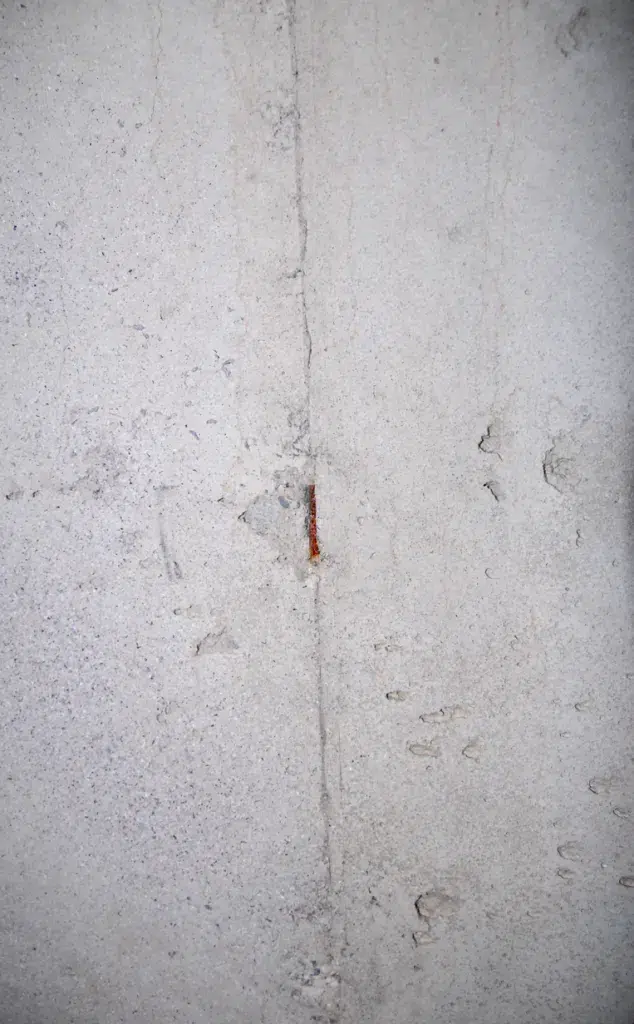
Effective repairs target both the pathway and the driving force: options range from interior injections of epoxy or polyurethane, to mechanical swell plugs and full exterior excavation with membrane re-application. Epoxy injection is used when the goal is structural bonding of a dry or intermittently damp void, providing a rigid, long-lasting seal that restores concrete continuity. Polyurethane resin injection reacts with water to expand and seals active flows quickly, creating a flexible, water-tight barrier suitable for pressing hydrostatic conditions. Mechanical solutions, like swell plugs or threaded caps, provide localized containment while broader exterior membranes, coupled with proper drainage, address the source of pressure and ensure longer-term durability. Selecting the right method depends on whether the leak is active, the condition of the patch, presence of corrosion, and exterior drainage status.
How Does Epoxy and Polyurethane Injection Repair Tie Rod Leaks?
Epoxy injection involves injecting low-viscosity epoxies into voids to fill gaps and bond the concrete back together, making it ideal for structural defects where water intrusion is intermittent or minimal. The process begins with surface preparation, placement of injection ports, and controlled resin delivery under pressure until the void is filled; cured epoxy restores compressive and tensile properties and resists further water ingress when the source is not active. Polyurethane injection differs because the resin reacts with moisture and expands, sealing actively flowing leaks by forming an elastic, water-repellent foam that conforms to irregular voids. Polyurethane is often the first choice where water is present during repair, while epoxy is favored for permanent structural bonding where dryness or moisture control can be ensured. Both methods require experienced technicians to select ports, pressures, and material grades appropriate for tie rod hole geometry and groundwater conditions.
The following EAV table compares injection and external sealing parameters to help homeowners decide which approach matches their situation.
| Approach | Characteristic | Best Use Case |
|---|---|---|
| Epoxy Injection | Cure Behavior | Structural restoration when leak is inactive or slow |
| Polyurethane Injection | Water-Activated Seal | Active, flowing leaks requiring rapid containment |
| Swell Plug / Cap | Installation Speed | Temporary or small-void fixes pending broader remediation |
| External Membrane & Drainage | Long-Term Durability | Repeated failures or exterior source of water pressure |
This comparison highlights that injection methods vary by activity level of the leak, while external membrane solutions target the root cause by removing soil contact and adding drainage. The clear takeaway is to match the method to leak activity and exterior conditions to maximize longevity.
After discussing technical options, homeowners seeking professional assessment and repair can request a no-pressure, free consultation and inspection from qualified local specialists. Effective Basement Solutions offers basement waterproofing and foundation repair services across New Jersey with licensed, in-house crews and no subcontractors; their team performs interior injections, mechanical sealing, and broader waterproofing including interior drainage systems and sump pump installation. For homeowners unsure which method suits their foundation snap tie rust or tie rod hole leak repair, scheduling a free inspection allows technicians to diagnose active seepage versus patch failure and recommend a tailored plan that balances permanence, disruption, and budget. This professional bridge from diagnosis to repair ensures the selected method matches the specific tie rod leak mechanism discovered during inspection.
How Can New Jersey Homeowners Prevent Tie Rod Leaks in New Concrete Foundations?
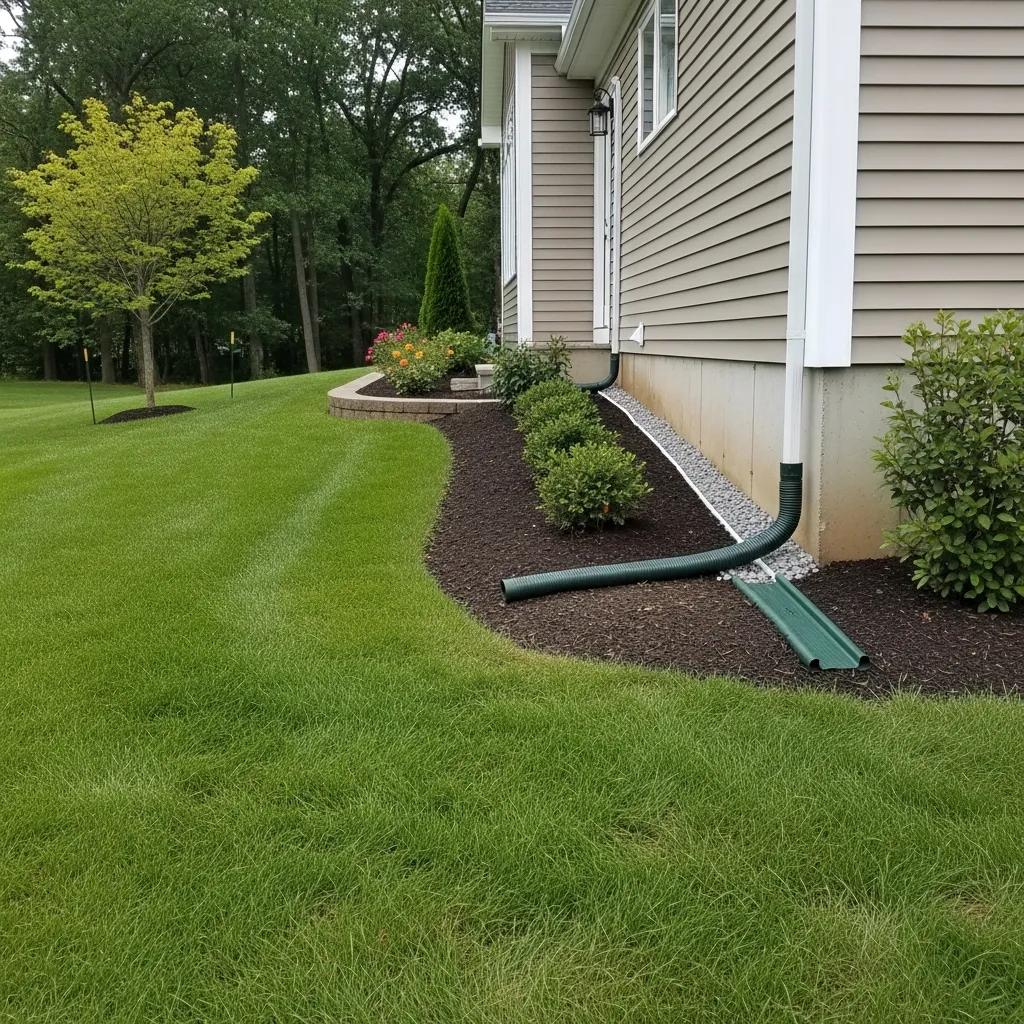
Prevention combines correct construction techniques at the tie rod stage and thoughtful site management afterward: proper sealing of tie rod holes, adequate exterior grading, and reliable drainage systems reduce hydrostatic pressure and the chance that patches will fail. During construction, using compatible patch materials, ensuring compaction within the recess, and employing membranes or flashings at key transitions helps create a durable barrier. Post-construction, consistent grading away from the foundation, maintained gutters and downspouts, and French drain installation in problem yards lower the water table and the hydrostatic loads pushing against tie rod patches. A preventive mindset—inspecting after winters or heavy rains and addressing emerging staining—reduces the probability of early leaks becoming persistent problems.
What Are Best Practices for Proper Tie Rod Installation and Sealing?
Best practices include using appropriate patch materials specified for bonding to cured concrete, applying hydraulic cement that is properly compacted and cured, and documenting tie locations for quality assurance and future inspection. Contractors should verify adhesion on a damp substrate, finish patches flush and compactly, and consider additional sealing such as polymer-modified mortars or local membrane wraps where groundwater is expected. Builders also should avoid leaving cavities or voids and should protect patched areas from early freeze-thaw by controlling moisture exposure during curing. Inspecting documented tie rod locations after the first winter and addressing any minor separation early prevents progressive water ingress and long-term repair escalation.
Below is a prevention EAV table comparing common preventative measures by benefit and when to use them.
| Preventive Measure | Attribute | Benefit / When to Use |
|---|---|---|
| Proper Tie Rod Sealing | Material & Technique | Reduces direct penetration; use at time of pour |
| Exterior Grading | Surface Slope | Lowers soil saturation near wall; use after landscaping |
| French Drain Installation | Subsurface Drainage | Diverts groundwater away from foundation; for high water tables |
| Gutter & Downspout Maintenance | Runoff Control | Prevents concentrated surface flow at foundation base; ongoing maintenance |
This table shows that combining correct sealing with drainage upgrades offers layered protection, and that measures should be matched to local site conditions. Regular maintenance of these systems is essential to keep hydrostatic pressure at bay.
Homeowners concerned about persistent groundwater or unsure which prevention mix they need can request a free consultation and assessment from specialists experienced with New Jersey soils and seasonal patterns. Effective Basement Solutions provides exterior drainage evaluation, French drain installation, sump pump systems, and tailored waterproofing plans aimed at reducing hydrostatic pressure and preventing tie rod hole failures. Their licensed, in-house crew evaluates grading, guttering, and existing patch quality to recommend a prevention roadmap with minimal disruption and long-term protection—ideal for new construction warranties or recent homebuyers wanting to avoid early leaks.
Why Choose Effective Basement Solutions for Tie Rod Leak Repair in New Jersey?
Effective Basement Solutions focuses on basement waterproofing and foundation repair services in New Jersey, bringing licensed, in-house crews without subcontractors to every project to maintain accountability and consistent workmanship. This company emphasizes interior drainage expertise and custom waterproofing solutions tailored to local soils and seasonal hydrostatic patterns, offering services such as French drain installation, sump pump installation with battery backup, structural reinforcement, crawl space encapsulation, and dehumidification systems. Their approach centers on diagnosing the leak mechanism, recommending minimally invasive injections when appropriate, and escalating to exterior reseal or reinforcement only when necessary—balancing cost, permanence, and homeowner disruption. Choosing a firm with licensed technicians who directly perform the work reduces coordination errors and helps ensure that patching, injection, or exterior sealing is executed to the required standard.
What Expertise and Experience Does Effective Basement Solutions Offer?
The company’s service scope covers interior drainage systems, epoxy and polyurethane injection repairs for tie rod leaks, French drains, sump pumps, and structural reinforcement technologies suited to compromised walls. Their team works with homeowners to identify whether a poured foundation leak is due to patch failure, corrosion of tie rods, or exterior drainage problems, then applies targeted methods to stop active seepage and strengthen foundation performance. Because the crews are in-house and licensed, the company can maintain quality control through the project lifecycle—from diagnosis and material selection to execution and follow-up. This integrated service set helps homeowners move from problem identification toward a durable repair plan without engaging multiple subcontracted trades.
How Do Licensed In-House Professionals Ensure Quality Repairs?
In-house crews bring direct accountability: technicians trained by the company execute the repair protocols, follow documented procedures for injection ports or excavation, and remain on-site to verify cure and performance rather than passing responsibility to a subcontractor. This structure supports consistent workmanship, clearer communication with homeowners, and tighter control over warranties and follow-up service. Licensed professionals also apply recognized material standards, choose appropriate epoxy or polyurethane formulations for specific leak dynamics, and coordinate complementary measures like interior drainage or dehumidification to maximize long-term success. The practical benefit is fewer coordination errors and a streamlined path from diagnosis to durable repair.
What Warranty and Customer Satisfaction Guarantees Are Provided?
The company emphasizes workmanship and customer satisfaction while offering warranties aligned with the services provided and tailored to the repair type, and homeowners are invited to request a free consultation and inspection to review options. Warranty terms vary by service—interior injection, mechanical sealing, and exterior membrane work each have different scopes—and the company communicates expected outcomes and service coverage during the consultation. Emphasizing a no-pressure approach, the team provides repair recommendations that match the homeowner’s risk tolerance and budget while documenting expected performance and follow-up steps. Homeowners seeking a free inspection can schedule an assessment to understand the likely warranty coverage and the recommended sequence of work for tie rod leak resolution.
What Are Frequently Asked Questions About Tie Rod Leaks in Poured Concrete Foundations?
This FAQ section answers common homeowner concerns concisely, providing direct guidance and encouraging a free consultation when site-specific details are needed. Each answer focuses on the homeowner’s immediate decision-making needs: understanding cause and prevalence, timelines and cost drivers, and the risks of delaying repairs. The format below is optimized for quick reading and for use as a resource when preparing for an inspection or comparing repair proposals.
What Causes Tie Rod Leaks and How Common Are They in New Foundations?
Tie rod leaks are caused primarily by failed patching, corrosion of embedded metal, and hydrostatic pressure exploiting micro-pathways; in new poured foundations, poor patch technique and early exposure to groundwater increase early occurrence. While not ubiquitous, tie rod-related seepage is common enough to merit inspection of every new poured wall where groundwater is present or exterior drainage is unaddressed. Early detection and targeted injection often resolve isolated tie rod leaks before they escalate into larger moisture issues. For a precise assessment, schedule a free consultation and inspection to determine prevalence and best corrective action.
How Long Does Tie Rod Leak Repair Take and What Is the Cost Range?
Repair time varies by method: interior injections for a few tie rod holes often complete within a day or two including setup and cure monitoring, while external excavation and membrane installation can take several days to a week depending on site complexity. Cost depends on the number of penetrations, severity of hydrostatic pressure, and whether complementary drainage or reinforcement is needed; small injection repairs are typically less expensive than excavation but may be inappropriate when exterior conditions are the root cause. A professional inspection provides a site-specific timeline and a tailored cost estimate; homeowners are encouraged to use the company’s free consultation to get a precise scope and quote.
Can Tie Rod Leaks Lead to Structural Damage or Mold Growth?
Prolonged water intrusion through tie rod holes can raise interior humidity, encourage mold growth in susceptible areas, and, under sustained hydrostatic pressure, contribute to wider concrete degradation or crack propagation that could affect structural integrity over time. Mold risks increase where moisture contacts organic materials, insulation, or stored items, creating health concerns and remediation costs. Prompt remediation of tie rod leaks reduces both mold and progressive structural risks; addressing drainage and installing interior systems like French drains and sump pumps further mitigates recurrence. If you observe persistent dampness or suspect mold, arrange a free inspection to evaluate remediation and prevention needs.
How Do Basement Waterproofing and Structural Reinforcement Address Tie Rod Leaks?
Basement waterproofing and structural reinforcement work together to both stop water entry at tie rod locations and preserve the wall’s load-bearing capacity if corrosion or movement has compromised integrity. Interior waterproofing solutions—such as an interior French drain coupled with a sump pump and dehumidification system—manage water that finds its way inside and reduce hydrostatic pressure behind the wall. Structural reinforcements, including carbon fiber straps or steel bracing, are applied when repairs reveal wall bowing, persistent cracking, or other signs that the wall needs supplemental support. Combining waterproofing with reinforcement is often the most effective long-term strategy for homes where tie rod leaks are symptomatic of broader moisture and structural issues.
What Interior Waterproofing Solutions Are Effective for Tie Rod Leak Prevention?
Interior drainage systems, including channel drains or interior French drains, route water entering through tie rod holes to a dedicated sump basin, where a properly sized sump pump expels it safely away from the foundation. Dehumidifiers reduce indoor humidity, limiting mold growth and moisture-related degradation of finishes, while battery backup pumps protect against failure during power outages. These systems do not remove the exterior water source but dramatically reduce interior effects and protect living space while exterior solutions are planned or executed. For many New Jersey homes with high water tables, combining injection repair at tie rod holes with an interior drainage strategy provides immediate relief and long-term resilience.
How Does Structural Reinforcement Support Foundation Integrity After Tie Rod Repairs?
When tie rod leaks coincide with wall movement, reinforcement methods like carbon fiber straps, steel push-pier systems, or bracketed braces restore or preserve wall alignment and prevent future cracking. Carbon fiber straps attach to the interior face to resist inward bowing without invasive excavation, whereas steel solutions provide higher-force resistance when the wall has significant lateral displacement. Reinforcement decisions rely on measured deflection, crack patterns, and soil load analysis; technicians often recommend combining reinforcement with drainage upgrades to eliminate the driving hydrostatic pressure. Reinforcement supports the repaired wall, ensuring that injection or patching work remains effective by preventing re-opening of sealed pathways.
Common homeowner actions that help long-term performance:
- Keep gutters and downspouts clear and directed away from foundation edges.
- Maintain a minimum slope away from the foundation where possible.
- Schedule a post-winter inspection of tie rod patch lines for early signs of separation.
When to call a professional:
- If you see repeated wet spots along a row of tie rod locations.
- If dampness is accompanied by new wall cracks, bulging, or musty odors.
- If surface grading or neighbor drainage appears to concentrate water at your foundation.
These actionable tips reduce immediate risk while enabling professionals to design targeted interventions that resolve the cause rather than just the symptom. For a free consultation and inspection tailored to New Jersey soil and seasonal conditions, homeowners can contact Effective Basement Solutions to evaluate tie rod leak risks and recommended repairs.
Inspection Checklist Summary:
- Photograph and date all suspicious spots after heavy rain.
- Note locations relative to footing and form lines.
- Monitor whether staining fluctuates with groundwater or stays constant.
This checklist helps homeowners gather the evidence technicians use to recommend injection versus excavation and to document improvements after repairs. Ending here, remember that early action prevents escalation: book a free consultation if you suspect tie rod leaks in your poured foundation.
