
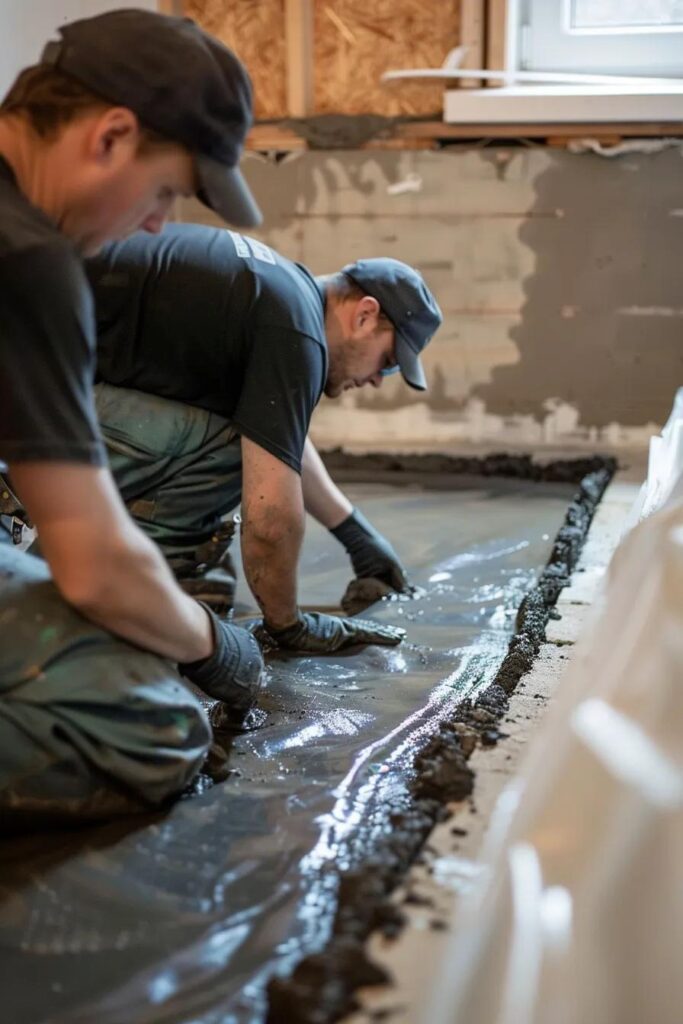
Basement Waterproofing & French Drain Installation in Red Bank NJ: Complete Solutions to Prevent Water Damage
Basement waterproofing and French drain installation protect homes by redirecting groundwater, relieving hydrostatic pressure, and removing infiltrating moisture before it damages structure or indoor air quality. This article explains what causes basement water problems in Red Bank NJ, how professional waterproofing systems work, and why French drains and sump pumps are central to reliable protection. Homeowners will learn to recognize warning signs, compare interior and exterior French drains, estimate local cost drivers, and understand complementary services like crawl space encapsulation and dehumidification. The goal is practical: provide the technical background and actionable steps needed to make informed decisions and to request a free inspection from Effective Basement Solutions when you’re ready. Throughout, the content emphasizes local soil and weather factors, system mechanics, maintenance best practices, and how a licensed in-house crew delivers tailored, long-term protection for Red Bank homes.
What Causes Basement Water Problems in Red Bank NJ?
Basement water problems in Red Bank NJ stem from a combination of hydrostatic pressure, local soil conditions, and surface drainage failures that force groundwater toward foundation walls and into basements. Hydrostatic pressure forms when seasonal groundwater rises or after heavy rainfall, pushing water through cracks, joints, and porous materials; this pressure is a primary mechanism that leads to seepage and pooling. Poor grading, clogged or disconnected downspouts, and shallow foundation footings exacerbate the problem by allowing surface water to accumulate near the foundation. Understanding these root causes helps homeowners prioritize interventions that stop water at its source and manage groundwater before it becomes an indoor problem.
How Do Red Bank’s Soil and Weather Conditions Affect Basement Moisture?
Red Bank’s soil composition and coastal-influenced weather patterns significantly influence basement moisture behavior, with fine-grained soils like silts and clays retaining water and raising local water tables after storms. Clay soils expand when wet and transmit hydrostatic pressure to foundation walls, while sandy layers allow quicker drainage but can create perched water tables that move laterally toward structures. Seasonal storm events and nor’easters can produce rapid groundwater rise and prolonged saturated soils, increasing the risk of seepage and basement flooding. Mapping these conditions to a home’s foundation type helps inspectors determine whether interior drainage, exterior excavation, or combined approaches will most effectively control moisture.
What Are the Common Signs of Basement Water Intrusion and Flooding?
Recognizing early signs of basement water intrusion lets homeowners act before structural damage or mold growth becomes widespread, with symptoms ranging from visible water to subtle indicators like efflorescence and musty odors. Visible signs include standing water, damp spots on floors or walls, and active drips during or after rainfall events. More insidious indicators are white mineral deposits (efflorescence), peeling paint, warped flooring, and persistent musty scents that suggest chronic moisture and potential mold. Structural warning signs include foundation cracks, bowed or bulging walls, and separation at wall-floor joints; documenting these observations and contacting a professional inspector early reduces repair scope and cost.
Early signs homeowners should monitor:
- Visible pooling or persistent damp patches on basement floors or at wall bases.
- White powdery deposits (efflorescence), peeling paint, or bubbling drywall finishes.
- Musty odors, mold spots, or increased humidity and HVAC strain.
Early detection and documentation allow faster, more targeted repairs and often reduce long-term remediation costs.
Complete Basement Waterproofing & French Drain Systems in Red Bank NJ
Professional basement waterproofing protects a home by combining moisture-management systems that intercept groundwater, redirect flow, and remove collected water safely away from the foundation. Interior drainage systems gather seepage at the wall-floor junction and channel it to a sump pit, while exterior waterproofing prevents water from reaching the foundation at its source. Sump pump integration actively removes water collected by drainage systems and discharges it away from the structure, and mechanical controls like dehumidifiers manage residual humidity to preserve air quality. A coordinated approach that matches local soil, foundation type, and basement usage offers the most durable protection against both acute flooding and chronic moisture problems.
What Interior Drainage Systems Are Used to Stop Basement Leaks?
Interior drainage systems, such as interior French drains and channel-style WaterGuard systems, collect infiltrating water at the base of walls and convey it to a sump pit where it can be pumped away, offering an effective solution when exterior excavation is impractical. These systems typically include a perforated pipe set in a bed of clean gravel or a molded channel placed under the basement floor, filter fabric to prevent silt ingress, and a sump pit connected to a discharge line. The assembled system reduces hydrostatic pressure at the wall-floor junction and minimizes visible seepage, while periodic maintenance—cleaning the pit, testing the pump, and checking discharge routing—ensures long-term reliability. For finished basements, interior systems allow targeted intervention with less disruption to landscaping and exterior features.
How Do Customized Waterproofing Solutions Address Red Bank’s Unique Challenges?
Customized waterproofing solutions begin with a thorough inspection that assesses soil, grade, foundation condition, and patterns of moisture entry, enabling selection of interior, exterior, or hybrid systems that match the property’s needs. In Red Bank, where variable soil layers and coastal storm impacts are common, solutions often combine interior perimeter drains with sump pumps and targeted exterior grading or downspout rerouting to manage both groundwater and surface runoff. Adding vapor barriers and dehumidification addresses indoor air quality and long-term moisture control for finished spaces. Custom plans prioritize durable materials and installation methods that account for local environmental stressors and homeowner use cases, reducing the likelihood of recurring issues.
Key customization steps professionals use: services
- Comprehensive site assessment to identify entry points and soil behavior.
- System selection that balances invasiveness, cost, and effectiveness for the home.
- Integration of drainage, pumping, and humidity control for complete protection.
Tailored systems limit unnecessary work and deliver predictable, long-term performance.
What Are the Benefits of French Drain Installation in Red Bank NJ?

A French drain reduces basement moisture by collecting and diverting groundwater away from foundations, lowering hydrostatic pressure and preventing seepage, mold growth, and structural damage. By installing a perforated pipe within a gravel trench (exterior) or a channel system behind interior walls, the system captures lateral groundwater flow and routes it to a gravity outlet or a sump pump, depending on site conditions. Benefits include improved basement dryness, lower humidity, protection of finishes and stored belongings, and preservation of foundation integrity that contributes to long-term home value. For many Red Bank properties, combining a French drain with a sump pump and dehumidifier provides resilient protection during heavy seasonal rains.
What Is the Difference Between Interior and Exterior French Drains?
Choosing between interior and exterior French drains depends on excavation impact, cost, access to grading, and the root cause of infiltration; each approach has distinct trade-offs in performance and disruption. Exterior French drains intercept water before it reaches the foundation, requiring excavation alongside the footing and providing robust prevention but at higher cost and landscaping impact. Interior drains are installed under slab edges or behind wall finishes, are less disruptive, and effectively manage existing seepage by collecting water already inside the basement. Maintenance, lifecycle, and ease of repair differ: exterior systems often require less interior upkeep but more initial work, while interior systems are serviceable without major exterior disturbance.
Introductory comparison of interior vs exterior French drain features:
| Approach | Typical Placement | Cost/Disruption | Best Use-case |
|---|---|---|---|
| Interior French Drain | Inside basement, along wall-floor junction | Lower interior disruption; moderate cost | When exterior excavation is impractical or finished landscaping must be preserved |
| Exterior French Drain | Outside along foundation footing | Higher disruption; higher cost due to excavation and restoration | When preventing water at source is a priority and full excavation is feasible |
| Perimeter Hybrid | Combination interior tie-ins and limited exterior grading | Balanced disruption; tailored cost | When soils and grade require a mixed approach for optimal drainage |
How Does a French Drain Redirect Groundwater and Reduce Hydrostatic Pressure?
A French drain redirects groundwater by creating a low-resistance path that collects subsurface water and conveys it away from the foundation, thereby lowering hydrostatic pressure against foundation walls. The system’s perforated pipe collects water that moves through the surrounding gravel, with filter fabric preventing sediment from clogging flow paths; water then travels by gravity or is routed to a sump where a pump discharges it beyond the property line or to an approved outlet. By reducing the upward and lateral force exerted by saturated soils, French drains protect against slow seepage, active leaks, and the progressive movement that can warp walls and damage finishes. Proper design accounts for local water table behavior and ensures the discharge route remains effective in heavy storms.
French drain mechanics summarized:
- Collection: Perforated pipe gathers subsurface water.
- Filtration: Gravel and filter fabric maintain flow and prevent clogging.
- Conveyance: Gravity or pump transport removes water away from the foundation.
Effective conveyance lowers hydrostatic pressure and protects foundation materials over time.
How Much Does French Drain Installation Cost in Red Bank NJ?
Typical French drain installation costs in Red Bank NJ vary by scope, system type, and site access, with local per-linear-foot estimates and total project ranges influenced by excavation depth, soil conditions, and landscaping restoration needs. As a starting context, interior French drains generally cost less than full exterior excavations due to reduced earthmoving and surface restoration, but final pricing depends on factors such as cutting through concrete slab, the need to reroute utilities, and whether a sump pump tie-in is required. Major cost drivers include labor intensity, linear footage of drainage required, complexity of slab or foundation work, permitting, and the need to restore landscaping or hardscapes. Getting a tailored estimate through an on-site inspection eliminates most uncertainties and identifies the most cost-effective system for your home.
What Factors Influence the Price of French Drain Systems?
Costs rise or fall based on materials, labor, site complexity, and add-ons; understanding each factor helps homeowners prioritize investments that deliver the best long-term value. Materials include perforated pipe, gravel, filter fabric, and any concrete or channel systems, while labor covers excavation, pipe bed installation, and restoration. Accessibility and whether installers must cut through slab or navigate finished basements dramatically affect time and cost; complex foundations, shallow utilities, or steep grades increase complexity. Additional costs arise from tying into a sump pump system, installing a battery backup, and repairing landscaping or driveways after excavation. Permits and inspections can also add time and modest fees to the project budget.
| Cost Factor | Typical Impact | Typical Range/Relative Effect |
|---|---|---|
| Linear footage (pipe & trench) | Directly proportional to materials and labor | High |
| Accessibility & slab cutting | Adds labor/time and restoration costs | High |
| Sump pump tie-in & discharge | Requires additional equipment and labor | Medium to High |
| Soil conditions & unexpected obstructions | May increase excavation effort or require specialized techniques | Medium to High |
| Landscaping/hardscape restoration | Restores appearance after exterior work | Medium |
This breakdown shows how each element contributes to the total estimate and where homeowners can expect the greatest cost variation.
After explaining cost drivers and providing local context, homeowners often benefit from a free, on-site estimate to confirm scope and pricing. Effective Basement Solutions offers free inspections that evaluate soil conditions, foundation access, and system options to produce a tailored cost estimate for Red Bank properties. Requesting a free inspection removes guesswork by delivering a site-specific plan and written quote that account for local soil and grading realities.
Why Is Sump Pump Installation Essential for Basement Waterproofing in Red Bank NJ?
Yes — sump pump installation is essential in many Red Bank basements because a sump pump actively removes collected groundwater from a sump pit, preventing pooling and enabling French drains and interior systems to function effectively during heavy or prolonged storms. Without a reliable sump pump, collected water has no controlled exit path and may overflow interior drains or saturate the floor slab. A properly configured sump pump system, often paired with battery backup, ensures that collected water is transferred off-site even during storm-driven power outages, reducing the risk of catastrophic flooding. Regular inspection and maintenance reinforce this critical role and prolong pump service life.
What Types of Sump Pumps Are Best for New Jersey Homes?
Selecting the right sump pump type hinges on flow requirements, pit size, noise tolerance, and flood risk; common options include submersible, pedestal, and combination systems, plus battery backup units for storm resilience. Submersible pumps sit within the sump pit, offering high flow capacity and quiet operation suitable for basements with high water loads, while pedestal pumps place the motor above the pit for easier access but generate more noise. Combination systems integrate features like built-in alarms or dual pumps to meet varying risk profiles. Battery backup systems are strongly recommended where power outages coincide with storms, providing crucial operation continuity for pump systems when municipal power fails.
Comparison of common sump pump types:
| Pump Type | Characteristic | Recommendation/Use-case |
|---|---|---|
| Submersible | High flow; quiet; sits in pit | Best for high-flow situations and finished basements |
| Pedestal | Motor above pit; easier servicing | Suitable for lower flow needs and easy maintenance preference |
| Dual/Combination | Primary + backup pump or multi-stage | Recommended for high-risk basements or critical storage areas |
| Battery Backup | Operates during power outage | Essential in storm-prone areas to prevent pump failure during outages |
How Does Regular Sump Pump Maintenance Prevent Basement Flooding?
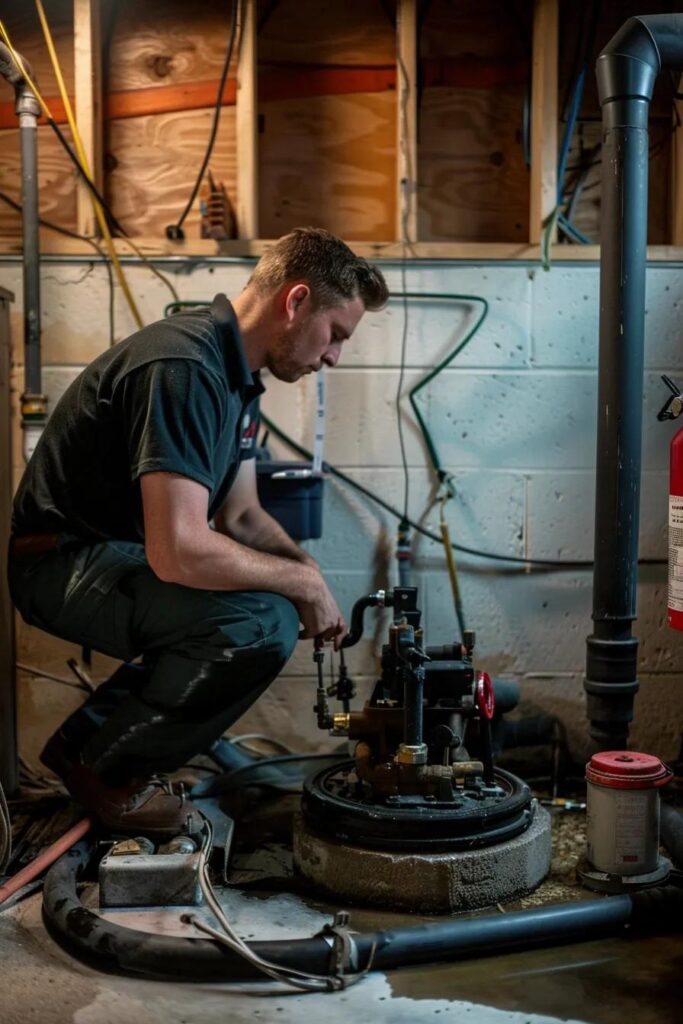
Routine sump pump maintenance maintains reliability by identifying wear, testing float switches, and ensuring discharge lines and check valves function—preventing failures that lead to flooding. Annual service typically includes cleaning the sump pit, running the pump to verify flow and discharge, inspecting electrical connections, and testing any battery backups and alarms. Homeowners should look for warning signs such as unusual noises, rapid cycling, slow discharge, or visible leaks at the discharge line; addressing these early reduces emergency repair costs. Scheduling regular professional checks ensures the pump is sized correctly and that any sediment or mechanical wear is remedied before it compromises performance.
Simple homeowner maintenance checklist:
- Inspect and clear debris from the sump pit at least annually.
- Test the pump and float switch by pouring water into the pit to confirm operation.
- Check battery backup systems and test alarms to ensure they function during outages.
How Can Basement Leak Repair and Wet Basement Solutions Save Your Red Bank Home?
Effective leak repair and wet basement solutions halt ongoing damage, preserve structural integrity, and mitigate mold and indoor air quality issues, saving homeowners money long-term by avoiding emergency remediation. Repair techniques target both the symptoms and causes of leakage: interior drainage channels address active seepage, crack injection seals water pathways, and structural reinforcement like carbon fiber straps correct wall movement that can worsen leaks. Combining drainage solutions with vapor barriers, dehumidification, and targeted repairs eliminates entry points, controls interior moisture, and prevents the cascade of issues that follow chronic dampness. Prioritizing interventions based on inspection findings yields the most economical and durable outcomes.
What Are Effective Methods for Foundation Crack Repair in Red Bank NJ?
Foundation crack repair options include epoxy or polyurethane injections, carbon fiber reinforcement, helical anchors, and grout-based techniques, selected based on whether the crack is active, structural, or primarily a water pathway. Epoxy injections restore structural integrity by bonding concrete, making them suitable for non-moving cracks that require strength restoration, while polyurethane foams expand and seal actively leaking cracks by filling voids and blocking water. Carbon fiber straps and anchors provide stabilization for bowing or flexing walls by restraining movement, and underpinning or helical anchors may be necessary where foundation settlement or lateral soil pressures threaten long-term performance. Matching the method to the crack’s behavior and the local soil forces ensures long-term success.
How Do Wall Seepage Solutions Prevent Mold and Structural Damage?
Wall seepage solutions combine sealing, drainage, and environmental control to stop moisture entry and eliminate the microbial growth that follows persistent dampness, forming a comprehensive prevention strategy. Interior approaches include installing drainage channels, applying appropriate wall sealants where suitable, and adding vapor barriers to interrupt moisture migration; meanwhile, drainage and sump systems remove collected water that would otherwise saturate finishes. Dehumidifiers maintain relative humidity levels that inhibit mold growth, and targeted remediation removes existing mold safely. By layering strategies—stop entry, manage water, and control humidity—homeowners protect both structural elements and indoor air quality.
Layered prevention approach:
- Stop entry with sealants and crack repair.
- Manage water with drains and pumps.
- Control humidity with dehumidifiers and ventilation.
What Additional Moisture Control Services Enhance Basement Waterproofing in Red Bank NJ?
Complementary moisture control services like crawl space encapsulation and basement dehumidification extend protection beyond direct drainage to control vapor transmission, improve HVAC efficiency, and reduce whole-house moisture loads. Crawl space encapsulation installs vapor barriers, seals vents, and integrates drainage to prevent upward moisture migration that affects basement humidity; this reduces the load on dehumidifiers and lessens mold risk. Dehumidifiers sized to basement area and moisture load maintain target relative humidity ranges and prevent condensation on cold surfaces. Battery backup systems and monitoring technologies enhance resilience, ensuring systems remain effective during storms and power interruptions.
How Does Crawl Space Encapsulation Improve Basement Dryness?
Crawl space encapsulation reduces vapor transmission and air exchange between the crawl space and conditioned areas, cutting a common pathway for moisture that can migrate into basements and living spaces. The process installs durable vapor barriers on the floor and walls, seals vents and openings, and often includes insulating rim joists to stabilize temperatures and reduce condensation. This treatment improves HVAC efficiency by reducing latent loads and lowers the risk of mold and rot in framing members while complementing foundation drainage systems by keeping subsurface moisture separated from living spaces. When combined with proper drainage and dehumidification, encapsulation contributes to predictable indoor humidity control.
Why Are Basement Dehumidifiers Important for Mold Prevention and Air Quality?
Basement dehumidifiers maintain relative humidity within recommended ranges—typically 30–50%—to slow mold growth, reduce odors, and protect finishes and stored items from corrosion or decay. Proper sizing is critical: units must handle the basement’s square footage and moisture load, including occasional surges after storms; undersized units struggle to maintain desired RH and may cycle excessively. Maintenance consists of regular filter changes, clearing condensate lines, and seasonal checks to ensure coils and fans function efficiently. Dehumidifiers work synergistically with drainage and encapsulation to provide an environment that is hostile to mold and supportive of healthy indoor air quality.
Dehumidifier selection tips:
- Choose a unit rated for the basement’s square footage and expected moisture load.
- Ensure proper drainage for condensate, preferably to a sump pit or drain.
- Schedule filter and coil maintenance to maintain performance.
Why Choose Effective Basement Solutions for Basement Waterproofing & French Drain Installation in Red Bank NJ?
Effective Basement Solutions provides licensed, in-house crews that deliver consistent workmanship, a free inspection process to develop tailored plans for Red Bank homes, and warranty-backed outcomes that support long-term protection and homeowner peace of mind. Employing an in-house crew—rather than subcontractors—ensures direct training, accountability, and continuity from inspection through installation and follow-up, which supports higher quality control and faster resolution of any post-installation issues. The company’s free inspection helps homeowners understand site-specific drivers such as soil, grading, and access constraints, producing customized recommendations that balance effectiveness, disruption, and cost. Warranties and documented long-term protection options provide an added layer of confidence in system durability and service responsiveness.
How Does Our Licensed In-House Crew Ensure Quality and Reliability?
A licensed in-house crew maintains direct control over installation standards, materials selection, and on-site supervision, reducing variability that can occur when multiple subcontractors are used across a project. Direct employment facilitates consistent training on waterproofing methods, alignment with manufacturer specifications, and hands-on knowledge transfer among crew members, which translates to predictable workmanship and simplified communication for homeowners. License verification and adherence to local codes ensure installations meet regulatory expectations, while in-house management streamlines scheduling and ongoing service. This level of oversight supports durable outcomes and clearer accountability if warranty service is required. basement waterproofing services
What Warranty and Long-Term Protection Do We Offer for Your Basement?
High-quality waterproofing projects typically include system and workmanship warranties that cover installed components and provide a process for claims and follow-up service; homeowners should request warranty details during their inspection to understand coverage and duration. Warranties may address installed drainage systems, sump pump components, and the workmanship that ensures proper system function, with terms and conditions provided in writing after an on-site evaluation. Homeowners are encouraged to register equipment, follow recommended maintenance protocols, and keep documentation to support warranty claims. Discussing warranty specifics at the inspection stage clarifies expectations and adds confidence in long-term protection.
What to ask about warranty during inspection:
- Which components are covered and for how long.
- Warranty claim process and expected response times.
- Maintenance responsibilities required to keep the warranty valid.
Clear warranty terms reduce future uncertainty and demonstrate the provider’s commitment to long-term performance.
How Can You Schedule a Free Basement Waterproofing Inspection in Red Bank NJ?
Scheduling a free basement waterproofing inspection is a straightforward three-step process designed to get a trained inspector to your property, evaluate conditions, and deliver a customized written estimate and recommended plan. First, request a free inspection by contacting Effective Basement Solutions—this initial step initiates a no-cost, no-obligation site visit to document water entry points and assess soil, grading, and foundation conditions. Second, prepare the home by noting areas of concern, clearing access to the basement and any affected exterior locations, and gathering past documentation such as photos or previous repair records. Third, review the inspector’s findings and the written estimate they provide, then select timing and scope for work if you choose to proceed.
What Should You Expect During a Professional Basement Inspection?
During a professional inspection, the technician performs a visual assessment of interior walls and floors, measures moisture levels, examines exterior grading and downspouts, and inspects existing drainage and sump systems; the process typically includes photographic documentation and a written estimate. The inspector identifies active seepage points, foundation cracks, and any conditions that affect accessibility or complexity, and they evaluate soil behavior and potential discharge routes. Homeowners receive a clear outline of recommended repairs or system installations, an itemized estimate, and an approximate timeline for permitting and work. The inspector also advises on immediate containment measures and maintenance steps to mitigate near-term risk before permanent work begins.
How Does Early Detection Save Money and Prevent Damage?
Early detection saves money by reducing the scope and invasiveness of repairs: addressing localized seepage or a single crack is far less costly than full flood remediation, structural reinforcement, or extensive mold abatement after prolonged moisture exposure. Small interventions—such as sealing a leak, installing an interior drain, or adding a sump pump—stop progressive damage that would otherwise require substantial demolition and restoration. Early action preserves home value, simplifies insurance interactions, and minimizes health risks associated with mold. Requesting a free inspection at first signs of moisture is the most cost-effective path to long-term protection and peace of mind.
To schedule your free inspection, request a free inspection by calling 1-800-957-0075 or by using the company’s Google Business Profile or website contact form to arrange a convenient time. Request a free inspection and an in-house licensed crew will evaluate your property, deliver a tailored plan, and provide a written estimate with warranty options and recommended maintenance.
Quick scheduling checklist:
- Call 1-800-957-0075 to speak with scheduling staff and request a free inspection.
- Prepare interior and exterior access points and any photos or notes about leaks.
- Review the written estimate and warranty options provided after the inspection.

rl2sw8
0s32k8