
Comprehensive Mold Remediation Services: Expert Solutions and Costs for New Jersey Homeowners
Professional mold remediation NJ homeowners trust starts with identifying hidden moisture and eliminating toxic spores. Basement mold threatens structural safety and indoor air quality, but expert remediation restores a healthy, dry home while preventing future contamination.Basement mold poses serious risks to property integrity and indoor air quality, affecting thousands of New Jersey homeowners each year. This guide reveals how professional mold remediation restores healthy living spaces, outlines clear detection signs, demystifies the full remediation process, compares local costs, and advises on DIY versus expert solutions. You will learn about prevention strategies—such as waterproofing and dehumidification—and discover why Effective Basement Solutions offers unmatched expertise and free assessments. From identifying visible growth to scheduling your consultation, this article maps every step to keep your basement safe, dry and mould-free.
What Is Mold Remediation and Why Is It Essential for New Jersey Homes?
Mold remediation is the systematic removal and prevention of fungal growth in damp environments, specialising in health-preserving restoration of basements and crawl spaces. By inspecting moisture sources, containing active infestations and sanitising affected materials, remediation halts structural decay and protects indoor air quality. New Jersey’s humid summers and ageing foundations make remediation vital to prevent respiratory issues and costly water damage.
Professional intervention ensures thorough diagnosis of hidden colonies, targeted removal of spores and implementation of moisture control measures tailored to local building conditions. This critical service restores peace of mind for homeowners concerned about persistent musty odours, deteriorating finishes or allergy symptoms linked to untreated mould.
How Does Mold Affect Basements and Indoor Air Quality?
Mould colonies release volatile organic compounds and microscopic spores that aggravate asthma and allergies when inhaled. In basements, elevated humidity and poor ventilation accelerate fungal proliferation on porous surfaces such as drywall and lumber. Over time, unchecked growth degrades insulation, weakens structural framing and spreads spores throughout ductwork, undermining whole-house air quality. Recognising these impacts underscores the necessity of comprehensive remediation.
Research indicates that the presence of mould, water damage, or musty odours are more reliable indicators of potential health risks than current quantitative measurements alone.
Indicators of Mould and Moisture for Health Risk Assessment in Dwellings…, water damage, visible mould or mould odours, or a history of water damage provide more reliable indicators of dampness- or mould-related health risks than do current quantitative …Respiratory and allergic health effects of dampness, mold, and dampness-related agents: a review of the epidemiologic evidence, MJ Mendell, 2011
What Are the Common Types of Mold Found in New Jersey Basements?
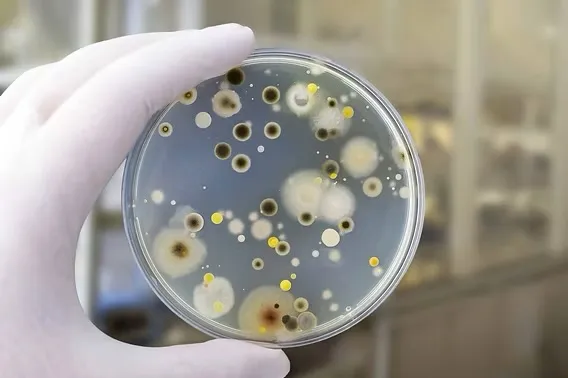
New Jersey basements harbour several fungi species—each posing distinct health and material risks.
| Species | Surface Colour | Health Concern |
|---|---|---|
| Stachybotrys chartarum (Black Mold) | Dark green to black | Linked to severe respiratory irritation |
| Aspergillus | Greenish-yellow | Can trigger asthma attacks |
| Penicillium | Blue-green | Causes allergic sinusitis |
| Cladosporium | Olive-green | Provokes coughing and wheezing |
Why Professional Mold Remediation NJ Is Essential for Health and Safety
Professional remediation employs containment barriers, negative-pressure air machines and HEPA filtration to prevent spore migration during removal. Technicians use EPA-approved antimicrobial treatments to disinfect surfaces and certify that indoor air meets health standards before reoccupation. This rigorous approach minimises cross-contamination risks and ensures lasting protection—far beyond what DIY kits or amateur methods provide.
What Are the Clear Signs of Mold Requiring Remediation in Your Home?
Visible colonies, persistent musty odours and unexplained health symptoms signal the need for prompt mould remediation. Early detection prevents extensive property damage, reduces remediation costs and safeguards family welfare.
How to Identify Visible Mold and Musty Odours in Basements and Crawl Spaces
Look for fuzzy or slimy patches in corners, behind appliances and around leaking pipes. Musty odours in enclosed spaces indicate active fungal metabolism. Document areas of discoloration—brown, black or green—and monitor whether stains expand over days. Such tangible signs guide professionals to target hotspots during inspection and removal.
What Health Symptoms Indicate Mold Exposure?
Symptoms often mimic common allergies but persist despite seasonal changes:
- Chronic sneezing or nasal congestion
- Persistent dry cough or throat irritation
- Skin rashes or itchy eyes
- Headaches and unexplained fatigue
Recognising a pattern of symptoms intensifying at home and easing when away is a strong indicator of indoor mould presence.
When Should You Schedule a Mold Inspection?
Learn more about our basement waterproofing NJ solutions that prevent mold recurrence.
Arrange a professional assessment when you notice any of these signs, especially after flooding or prolonged humidity above 60%. Seasonal checks—early spring and late autumn—catch growth before extremes of heat or cold afflict foundations. Immediate inspection prevents small colonies from requiring major structural repairs.What Is the Step-by-Step Basement Mold Remediation Process?
Effective remediation follows a structured five-stage sequence to eliminate existing mould and prevent recurrence. Each stage combines specialised equipment and industry-approved treatments designed for New Jersey’s unique climate and building styles.
- Inspection identifies fungal hotspots and moisture sources.
- Containment uses barriers and negative air pressure to isolate the work area.
- Removal physically extracts contaminated materials.
- Drying reduces humidity to inhibit new growth.
- Prevention implements long-term moisture control solutions.
How Is a Professional Mold Inspection Conducted?
A technician begins with a visual survey of walls, floors and ceilings, augmented by moisture meters and thermal imaging to detect hidden damp zones. Air and surface samples confirm species type and spore concentration, guiding the scope of remediation efforts. This thorough assessment defines precise containment and removal strategies aligned with local building codes.
What Containment Methods Prevent Mold Spread During Removal?
Technicians erect airtight plastic barriers over doors and vents, create negative-pressure zones with HEPA-filtered exhaust fans and seal off HVAC ducts. These controls capture airborne spores and prevent them from migrating into living spaces, maintaining clean air beyond the treatment area.
How Are Mold Removal and Cleaning Performed Safely?
Remediation specialists remove porous materials—such as drywall, insulation and carpet—to eliminate deep-rooted colonies. Non-porous surfaces are scrubbed with antimicrobial solutions and HEPA-vacuumed to eradicate residual spores. Protective gear and strict decontamination protocols protect both technicians and household occupants throughout the process.
Why Is Drying and Moisture Control Vital After Mold Removal?
Reducing interior humidity below 50% halts spore germination and fungal metabolism. High-capacity dehumidifiers and industrial air movers extract residual moisture from structural cavities. This crucial drying phase prevents new mould colonisation, ensuring that removed fungi do not return to affected surfaces.
How Do Professionals Prevent Mold Recurrence Long-Term?
For additional homeowner guidance, visit the EPA mold cleanup and prevention resource .
Preventive strategies include exterior waterproofing membranes, interior drain-tile systems and automated sump pumps to redirect groundwater away from foundations. Installing whole-house dehumidifiers and improving ventilation maintains balanced humidity levels. These solutions address root causes, delivering enduring protection against basement dampness and mould proliferation.How Much Does Professional Mold Removal Cost in New Jersey?
Professional mould remediation pricing varies by infestation size, mould type, accessibility of affected areas and required prevention measures. Average projects range from modest repairs of small areas to comprehensive basement overhauls involving structural drying and waterproofing. Transparent cost estimates build homeowner trust and allow informed budgeting for lasting solutions.
The aftermath of significant weather events, such as Hurricane Floyd, has highlighted specific regional challenges and common locations for mould growth in homes, particularly in areas like New Jersey.
New Jersey Mould Remediation and Health Risks Following Hurricane Floyd… of respondents from Bound Brook, New Jersey, a community that … risk factors for mould-related symptoms. Exposure during … locations for mould were the basement and the bathroom. …Residential flood damage after hurricane Floyd, mold, household remediation, and respiratory health, Unknown Author, 2013
What Factors Influence Mold Remediation Pricing?
Key cost drivers include:
- Infestation Extent: Larger or hidden colonies require more labour and materials.
- Mold Type: Toxic species demand specialised handling and disposal.
- Moisture Mitigation: Waterproofing or dehumidification adds preventive value.
- Accessibility: Crawl spaces and under-slab areas incur additional effort.
Understanding these variables helps homeowners anticipate price ranges and customise service levels to suit their budget and risk tolerance.
How Does Basement Mold Remediation Cost Compare to Other Areas?
Basement remediation typically involves more extensive containment, drying and structural repair than attic or bathroom treatments.
| Treatment Area | Average Cost Estimate | Typical Scope |
|---|---|---|
| Small Bathroom | £500–£1,200 | Surface cleaning, sealing |
| Attic or Crawl Space | £1,200–£2,500 | Insulation removal, ventilation upgrades |
| Full Basement | £2,500–£6,000 | Structural drying, waterproofing, decontamination |
Are Free Consultations and Detailed Assessments Available?
Yes, leading providers offer complimentary, on-site consultations that include moisture scans, spore testing and written recommendations. These assessments identify underlying water intrusion points and outline custom remediation plans—ensuring no hidden costs emerge during or after the project.
Basement Mold Remediation in NJ: Expert Process & Cost Guide
For small, non-toxic patches under 1 m², homeowners can apply over-the-counter cleaners and ensure thorough drying. However, any larger or hostile-species infestation demands professional expertise to protect health and structural integrity. Investing in certified remediation prevents inadequate DIY attempts from spreading spores and escalating repair expenses.
The understanding of mould’s adverse health effects in buildings has a long history, with early research dating back over 25 years and focusing on ventilation systems and the impact of airborne spores from disturbed mouldy materials.
Mould Remediation in Buildings: Historical Health Effects and DetectionThe association of microbial growth within buildings with adverse health effects was recognised in Europe and North America more than 25 years ago (Arnow et al. 1978, Morey et al. 1984, Samson 1985, Hunter et al. 1988). Many of these early studies focused attention on mechanical ventilation and air conditioning systems as a source of the moisture and microbial problems associated with adverse health effects. Emphasis in most early studies was placed on identifying the types and concentrations of microorganisms, including moulds, found in the air and on surfaces of water-damaged building materials. It was also shown that disturbance of mouldy materials resulted in elevated counts of airborne spores (Hunter et al. 1988).Mold remediation in North American buildings, Unknown Author, 2011
What Are the Risks of DIY Mold Removal for Large or Toxic Mold?
Attempting large-scale DIY removal without containment can disperse spores throughout the home, increasing exposure and risk of new colonies forming. Handling toxic black mould without proper respiratory protection and disposal procedures may provoke severe health reactions and legal compliance issues under New Jersey mould regulations.
Which Mold Removal Tasks Can Homeowners Safely Perform?
Homeowners may safely clean small, non-porous surfaces with detergent solutions, scrub visible stains and keep humidity under 50% using portable dehumidifiers. Simple maintenance—like fixing leaks and improving ventilation—also contributes significantly to controlling minor mould growth before it requires professional mitigation.
How to Find Certified Black Mold Removal Specialists in New Jersey
Seek technicians certified by the Institute of Inspection, Cleaning and Restoration Certification (IICRC) or the Indoor Air Quality Association. Verify local business accreditation and read customer reviews to confirm consistent success in complex basement restorations. Certified specialists adhere to industry-accepted safety standards and deliver documented clearance testing to verify safe reoccupation.
What Are the Best Strategies for Preventing Mold Growth in Basements?
Long-term mould prevention hinges on controlling moisture sources, maintaining balanced humidity and conducting routine inspections. Proactive waterproofing, reliable dehumidification and regular structural maintenance disrupt the moisture-mold cycle. By integrating these strategies, homeowners secure a dry, healthy environment and avoid costly remedial interventions.
How Does Basement Waterproofing Help Stop Mold?
Waterproofing applies specialized membranes or sealants to foundation walls, blocking soil-borne moisture from entering living spaces. Combined with interior drainage channels, these barriers redirect groundwater into sump systems, effectively lowering basement humidity and eliminating the damp conditions mould requires to thrive.
What Role Do Dehumidification Systems Play in Mold Prevention?
High-capacity dehumidifiers continuously extract moisture from basement air, maintaining relative humidity between 30–50%. Consistent dehumidification prevents condensation on cold surfaces and inhibits spore germination, safeguarding stored belongings and structural elements against fungal damage.
How Can Regular Maintenance Reduce Mold Risks?
Periodic checks of plumbing fixtures, sump pumps and window seals identify leaks before they escalate. Clearing gutters and grading soil away from foundations prevents water pooling against basement walls. These routine tasks preserve dry conditions and minimise hidden moisture that fuels mould growth.
What Local New Jersey Regulations Affect Mold Prevention?
New Jersey mandates prompt remediation of toxic mould infestations in rental properties and requires licensed contractors for extensive treatments. Homeowners benefit from adhering to state guidelines on moisture control and disposal of contaminated materials, ensuring safety compliance and property value protection.
Why Choose Effective Basement Solutions for Mold Remediation in New Jersey?
Effective Basement Solutions merges deep basement-specific expertise with a full suite of moisture control and mould mitigation services. Our holistic approach addresses root causes—combining waterproofing, sump pump installation and dehumidification—to deliver lasting results. With free consultations and transparent pricing, we earn homeowner trust through reliability and measurable success.
What Unique Expertise Does Effective Basement Solutions Offer?
Our certified technicians specialise exclusively in subterranean environments, applying proprietary moisture mapping and advanced negative-pressure remediation protocols. This focus on basement dynamics yields more efficient mould removal and faster drying times than general restoration firms.
How Do Transparent Processes Build Homeowner Trust?
We provide detailed work scopes, cost breakdowns and regular progress updates. Pre- and post-remediation air testing results are documented for customer review, ensuring every stage meets rigorous health and safety standards. Transparent communication removes uncertainty throughout the project.
What Do Customer Testimonials and Case Studies Reveal?
Homeowners consistently cite our ability to diagnose hidden leaks, complete remediation with minimal disruption and prevent recurrence. Case studies demonstrate average basement humidity reductions of 40% and zero repeat infestations within 12 months—evidence of our comprehensive, science-driven methods.
How to Request a Free Mold Remediation Consultation Today
Contact our friendly project coordinators to schedule a no-obligation, on-site assessment. We will inspect moisture sources, perform spore sampling and deliver a personalised remediation plan with transparent pricing—ensuring you regain a healthy, dry basement without surprises.
Mould remediation transforms hazardous, damp basements into safe, durable living spaces by coupling expert removal techniques with proactive moisture control measures. Effective Basement Solutions brings specialised knowledge, clear communication and industry-leading protocols to every New Jersey home. Schedule your free consultation to secure professional protection against mould, safeguard indoor air quality and restore your property’s value today.
