
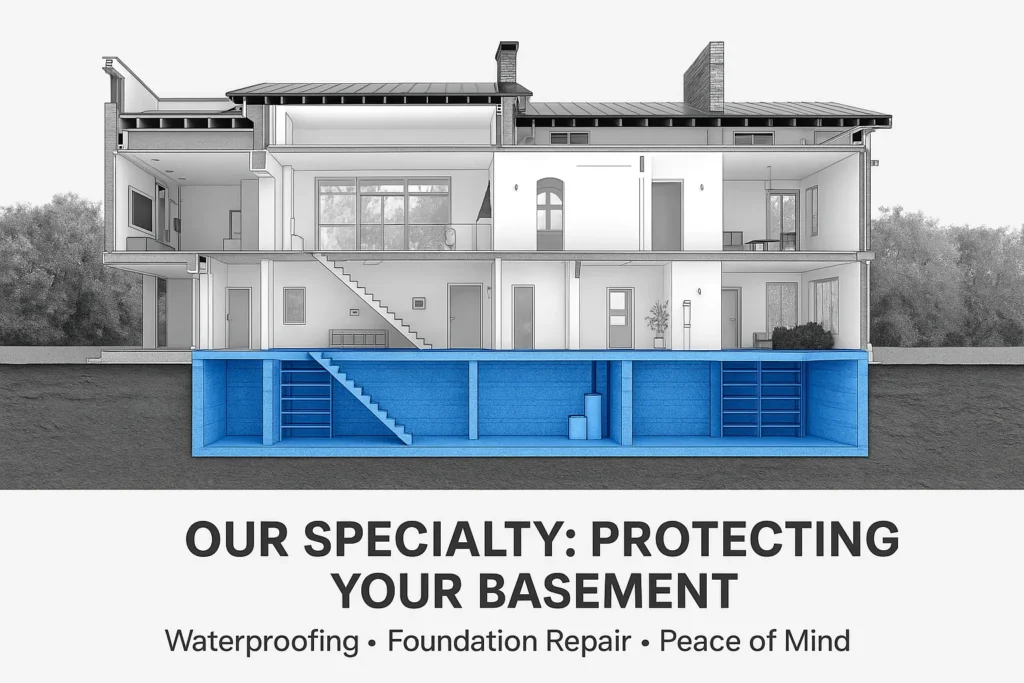
Essex County basement waterproofing Your Local Basement Waterproofing Solution in NJ: Expert Services and Trusted Repairs
Does your Essex County basement struggle with damp walls, visible seepage, or recurring mold? Effective Waterproofing specializes in local basement waterproofing that solves water intrusion, foundation cracks, and indoor air quality concerns while building lasting structural stability. In this guide, you will discover the most common basement water problems in Essex County NJ, explore the leading interior and exterior waterproofing systems, understand how foundation crack repair enhances stability, learn why local expertise matters, compare cost factors, review best practices for mold remediation, and identify the towns we serve. By the end, you’ll have a clear roadmap to protect your home and schedule a free consultation with the trusted local experts at effectivewaterproofing.com.
What Are the Most Common Basement Water Problems in Essex County NJ?
Basement water problems in Essex County often begin with hydrostatic pressure pushing groundwater through foundation walls, resulting in dampness, leaks, and structural stress. Homeowners face moisture accumulation, condensation on cold surfaces, and occasional flooding during heavy rain or spring thaws. These conditions undermine drywall, flooring, and support beams, increasing the risk of costly repairs and poor indoor air quality. Understanding these issues is the first step toward selecting the right waterproofing solution.
Local soil composition and seasonal rainfall patterns exacerbate seepage by saturating perimeter soils and pressuring below-grade walls. In some cases, older homes lack adequate drainage systems, allowing water to pool around the foundation. Interior condensation and rising damp can promote efflorescence, paint peeling, and warped floorboards. Recognizing these patterns highlights the urgency of comprehensive waterproofing strategies that address both external drainage and internal moisture management.
What Signs Indicate a Leaky or Wet Basement?
A leaky or wet basement displays musty odors, visible water stains along walls and floor junctures, and white, powdery efflorescence where minerals deposit. Homeowners may notice peeling paint, warped wood trim, or persistent condensation on pipes and windows. These symptoms signal ongoing moisture intrusion that can compromise structural elements and foster microbial growth if left unaddressed.
Signs of Basement Leaks: Musty Odors, Water Stains, and Efflorescence
Musty odors emerge when mold and mildew consume organic dust in damp air, alerting occupants to hidden moisture. Water stains appear as darker patches on concrete or drywall, marking active seepage. Efflorescence shows as crystalline salt deposits that form when moisture evaporates, leaving minerals behind. Early detection of these indicators guides targeted investigation and remediation efforts. Recognizing these symptoms leads naturally into understanding their root causes.
What Causes Basement Water Intrusion and Dampness?
Basement water intrusion stems from hydrostatic pressure, foundation cracks, poor exterior grading, and ineffective gutter systems that allow runoff to pool. Over time, soil saturation creates upward pressure that forces moisture through concrete, mortar joints, and cove joints. Inadequate exterior waterproofing exacerbates seepage, while interior condensation can arise from high humidity and lack of ventilation.
Seasonal freeze–thaw cycles can widen tiny cracks, amplifying water entry points. Faulty downspouts deposit rainwater too close to the foundation, increasing infiltration risk. Once moisture enters, rising damp elevates humidity levels, damaging finishes and encouraging microbial growth. Addressing these causes requires a combination of exterior drainage improvements, interior barrier systems, and climate control solutions.
How Does Basement Water Lead to Mold and Health Risks?
Basement water creates an environment conducive to mold spores that thrive in dark, humid conditions. Extended dampness promotes black mold, Aspergillus, and Cladosporium species, which release allergens and mycotoxins into indoor air. Breathing contaminated air can trigger respiratory irritation, allergic reactions, and exacerbate asthma in sensitive individuals.
Unchecked mold growth not only degrades wood joists and fiberglass insulation but also impairs indoor air quality. By controlling moisture sources through effective waterproofing, homeowners can prevent microbial colonization and associated health risks. This focus on air quality seamlessly transitions into exploring the most effective waterproofing solutions for Essex County homes.
Top Basement Waterproofing Solutions for Essex County Homes
Selecting the right basement waterproofing system involves balancing interior and exterior approaches to manage groundwater and humidity. Interior waterproofing methods like French drains and sump pump systems capture seepage at the source, directing water to a discharge point. Exterior systems rely on sealants, drainage membranes, and graded backfill to shield foundation walls from hydrostatic pressure before it reaches the basement.
Crawl space encapsulation adds a vapor barrier and dehumidifier to prevent rising moisture under homes, complementing basement solutions. Integrating multiple methods ensures a holistic defense against leaks, dampness, and mold. The combination of these techniques offers Essex County homeowners durable protection and peace of mind.
How Does Interior Waterproofing Protect Your Basement?
Interior waterproofing creates a controlled pathway for intruding water, channeling it away from walls and floors to a sump basin. By installing a perimeter French drain beneath the concrete slab, water collects in a hidden trough before flowing into a sump pump pit. An automatic pump then expels the water safely away from the home’s foundation.
Interior systems also include wall-mounted sealants and drainage boards that intercept moisture at the source. Combined, these measures reduce hydrostatic pressure on walls, maintain dry living spaces, and prevent damage to finishes. Effective Waterproofing custom-installs these solutions to match each basement’s configuration, ensuring reliable performance.
Interior Waterproofing Techniques: French Drains and Interior Drainage Systems
French drains consist of perforated pipe wrapped in filter fabric set in gravel to capture seepage. Interior drainage systems use channel inserts along the foundation perimeter to guide water to the sump pit. Both options sit beneath the floor slab, making them invisible once complete. These systems address active leaks and rising damp by intercepting moisture before it affects walls and floors.
What Are the Benefits of Exterior Waterproofing Systems?
Exterior waterproofing shields foundation walls with waterproof membranes, cementitious coatings, and drainage boards that block water entry. By excavating around the foundation and applying a durable barrier, this method prevents hydrostatic pressure from forcing moisture inward. Backfilling with coarse aggregate ensures rapid water dispersal away from the wall.
Exterior systems reduce long-term maintenance by eliminating the primary source of leaks and protecting the foundation structure. They also stabilize soil conditions and improve landscaping drainage. For homes in Essex County prone to high groundwater tables, exterior waterproofing offers the most robust defense against seepage and frost damage.
Exterior Waterproofing Materials: Sealants and Drainage Solutions
Waterproof membranes are flexible sheets adhered to foundation walls to create a watertight envelope. Cementitious coatings bond to concrete surfaces, forming a seamless barrier against water entry. Perimeter drainage boards guide water downward to footing drains, enhancing soil drainage. Together, these materials address both liquid penetration and capillary action in masonry walls.
How Do Sump Pump Installations Prevent Basement Flooding?
A sump pump installation protects basements by automatically removing accumulated water before it reaches critical levels. When interior drains channel seepage into a sump basin, a float-activated pump discharges water outside the foundation perimeter. This system handles heavy infiltration from storms or plumbing leaks, reducing flood risk.
| Component | Specification | Benefit |
|---|---|---|
| Sump Basin | Polyethylene or plastic | Durable, corrosion-resistant housing |
| Submersible Pump | 1/3 to 1 HP motor | Efficient water removal |
| Check Valve | Inline non-return valve | Prevents backflow into basin |
| Discharge Piping | Rigid PVC | Reliable surface discharge |
| Battery Backup | Lead-acid or lithium option | Operation during power outages |
A reliable sump pump system ensures continuous water removal even during heavy rain events, safeguarding finished basements and stored belongings.
What Is Crawl Space Encapsulation and Why Is It Important?
Crawl space encapsulation involves installing a heavy-duty vapor barrier on floors and walls, sealing vents, and insulating rim joists. This enclosure prevents ground moisture from entering the crawl space, reducing humidity levels and condensation. Adding a dehumidifier maintains optimal moisture control, protecting wood framing and insulation.
Encapsulated crawl spaces eliminate musty odors, reduce energy costs, and prevent pest intrusion. By controlling the sub-floor environment, this method complements basement waterproofing efforts and enhances overall home health. Effective Waterproofing designs tailored encapsulation systems that address each property’s unique layout and moisture profile.
How Can Foundation Crack Repair Improve Basement Stability in Essex County?
Foundation cracks compromise structural integrity by allowing water ingress and shifting soil to destabilize walls. Repairing these cracks restores load-bearing capacity, seals entry points, and prevents further deterioration. Techniques like epoxy injection bond masonry and concrete surfaces, eliminating leaks and reinforcing weakened areas.
Proper crack repair also realigns bowed walls, preventing progressive movement that could lead to costly rebuilding. By addressing both cosmetic and structural issues, homeowners secure long-term stability and protect their investment. Foundation repair is an essential complement to waterproofing, ensuring that all potential water pathways are sealed.
What Are the Signs of Foundation Damage Needing Repair?
Foundation damage often manifests as horizontal or stair-step cracks in masonry, uneven interior floors, and drywall bulges. Gaps around window frames, misaligned doors, and sagging joists indicate movement in the foundation walls. In severe cases, bowing walls or vertical cracks wider than 3 mm require immediate attention to prevent collapse.
Visible water seepage through these cracks accelerates deterioration. Recognizing these warning signs early allows targeted repair before structural damage spreads. Effective Waterproofing technicians evaluate each symptom to recommend the most appropriate remediation method for lasting stability.
Which Repair Methods Are Used for Foundation Cracks?
Repair methods for foundation cracks include epoxy or polyurethane injections that seal and bond the fracture, carbon fiber reinforcement strips that stabilize bowed walls, and steel wall anchors that restore alignment. Underpinning with helical piers transfers structural loads to deeper, stable soil layers. Each technique addresses specific crack types and load conditions.
Foundation Repair Technologies: Carbon Fiber Reinforcement and Wall Stabilization
Carbon fiber straps are bonded to interior walls to counteract lateral soil pressure and prevent further bowing. Wall anchors connect steel rods from the interior wall to exterior plates, gradually pulling walls back to plumb. These engineered solutions reinforce foundations while maintaining existing finishes. Combining these methods with waterproofing creates a comprehensive defense against water damage and structural failure.
How Does Foundation Repair Prevent Further Basement Water Issues?
Sealing foundation cracks eliminates primary entry points for groundwater and isolates hydrostatic pressure. Restoring wall stability reduces movement that can widen gaps over time. When integrated with interior or exterior waterproofing systems, crack repair ensures that both structural integrity and moisture resistance remain intact.
By combining crack injection, reinforcement, and drainage improvements, Effective Waterproofing delivers a holistic solution that prevents future leaks. This synergy between foundation repair and waterproofing maximizes long-term performance and protects indoor air quality.
Why Choose a Local Basement Waterproofing Company in Essex County NJ?
Local expertise in basement waterproofing translates into faster response times, in-depth knowledge of regional soil conditions, and familiarity with Essex County building codes. A nearby service provider can monitor weather patterns and adapt installation schedules to seasonal trends, minimizing project delays. This geographic focus ensures tailored solutions that match local site challenges.
Working with a local company also fosters transparent communication and accountability. Homeowners benefit from face-to-face consultations and on-site inspections, eliminating guesswork and ensuring that recommendations align with each property’s unique requirements. Local professionals build trust through community reputation and proven track records.
What Makes Effective Waterproofing Your Trusted Local Expert?
Effective Waterproofing delivers proven methodologies, from detailed moisture assessments to precision-engineered installations, backed by customer-first service. Our team holds specialized training in advanced materials and follows strict quality protocols for all interior and exterior work. By focusing exclusively on Essex County homes, we guarantee prompt service and a deep understanding of regional construction challenges.
How Does Local Knowledge Improve Waterproofing Results?
Familiarity with Essex County’s clay soils and seasonal groundwater fluctuations allows for accurate system design and material selection. Local technicians can anticipate drainage issues related to nearby development and tree roots, preventing future failures. This insight streamlines project planning, minimizes excavation surprises, and optimizes long-term performance.
What Customer Testimonials Support Our Service Quality?
Feedback from homeowners across Newark, Montclair, and Livingston highlights our professionalism, punctuality, and reliable results. Clients praise clear project explanations, respectful work practices, and the lasting dryness achieved in previously troubled basements. These consistent endorsements demonstrate our commitment to quality and local homeowner satisfaction.
How Much Does Basement Waterproofing Cost in Essex County NJ?
Basement waterproofing costs in Essex County range based on system complexity, accessibility, and soil conditions. Interior-only solutions typically start lower, while full exterior excavations involve higher labor and material expenses. Crawl space encapsulation and foundation crack repair add to project scope but deliver comprehensive protection against moisture and structural damage.
Additional factors include required drainage improvements, sump pump capacity, and warranty offerings. Although budgets vary, investing in professional waterproofing reduces future repair expenses, preserves property value, and prevents health-related issues from mold and damp. Understanding cost drivers empowers homeowners to make informed decisions.
What Factors Influence Basement Waterproofing Prices?
Several factors determine pricing: basement size, number of active leaks, foundation depth, and wall condition. Complex soil drainage issues, landscaping restoration after excavation, and the choice between interior or exterior systems also affect total cost. Additional services such as crawl space encapsulation, dehumidifier installation, and foundation repair increase project scope.
How Can You Get a Free Waterproofing Estimate or Consultation?
Free Consultation Process: What to Expect During Your Inspection
Effective Waterproofing’s free consultation begins with a visual assessment of interior and exterior conditions, including moisture readings and structural evaluation. Our technician documents leak sources, measures wall thickness, and checks sump pump performance. You then receive a detailed proposal outlining recommended methods, timeline, and transparent pricing—enabling you to approve or adjust the scope before work begins.
Are There Warranty and Guarantee Options Available?
Professional waterproofing projects often include transferable warranties on labor and materials. Effective Waterproofing stands behind installations with service guarantees that cover leaks and system performance for a specified period. These assurances bolster homeowner confidence and reflect our commitment to long-term quality.
What Are the Best Practices for Mold Remediation in Essex County Basements?
Mold remediation combines accurate detection, safe removal, and preventative measures to restore healthy indoor air quality. The process begins with thorough mold testing using air sampling and surface swabs to identify species and concentration levels. Qualified technicians then contain affected areas, remove contaminated materials, and apply antimicrobial treatments to inhibit regrowth.
Preventing future mold relies on controlling moisture sources through proven waterproofing systems and humidity management. By linking remediation to basement waterproofing, homeowners achieve a comprehensive strategy that protects both structure and occupant health.
How Is Mold Detected and Tested in Basements?
Certified mold inspectors use specialized kits and instruments to collect air and surface samples from multiple locations. Analysis in independent laboratories identifies mold species, concentration, and potential health hazards. Visual inspection of hidden cavities, insulation, and carpet backing reveals signs of fungal colonization that may otherwise go unnoticed.
What Are Effective Mold Removal and Prevention Methods?
Mold Remediation Tools: Air Quality Improvement and Dehumidifiers
High-efficiency particulate air (HEPA) filtration units remove spores from circulation, while industrial-grade dehumidifiers maintain relative humidity below 50 percent. Safe mold removal involves controlled demolition of affected drywall, scrubbing with EPA-registered biocides, and sealing surfaces with antimicrobial coatings. Combining these tools with comprehensive waterproofing prevents moisture resurgence and ensures healthier air.
How Does Waterproofing Improve Indoor Air Quality?
By eliminating water ingress, waterproofing stops the primary driver of mold growth and excess humidity. Dry basements maintain balanced humidity levels, reducing the need for constant dehumidification. Improved air quality alleviates allergy symptoms and protects HVAC systems from microbial contamination. This structural approach to moisture control safeguards both health and home infrastructure.
Which Essex County NJ Towns Do We Serve for Basement Waterproofing?
Effective Waterproofing proudly serves homeowners across the full span of Essex County, including Newark, Montclair, Bloomfield, West Orange, Livingston, and Montclair. Our service area extends to Caldwell, Fairfield, Nutley, Millburn, Maplewood, and beyond—ensuring local families benefit from reliable waterproofing and foundation solutions.
What Are the Key Areas Covered in Essex County?
- Newark
- Montclair
- Bloomfield
- West Orange
- Livingston
- Millburn
- Maplewood
- Nutley
- Caldwell
Efficient route planning and regional focus allow us to respond swiftly to service requests throughout these communities.
How Do We Provide Emergency Waterproofing Services?
When sudden storms or plumbing failures threaten basement flooding, our rapid-response team deploys emergency sump pump units and temporary water diversion measures. We stabilize the situation, then follow up with permanent waterproofing solutions. This urgent service framework prevents extensive damage and restores safety in critical timeframes.
Effective Waterproofing combines deep local expertise, proven methodologies, and transparent service guarantees to deliver complete basement protection in Essex County. Our systematic approach addresses every aspect of moisture control, foundation stability, and indoor air quality for lasting peace of mind.
Schedule your free consultation today by calling or visiting effectivewaterproofing.com—let our local experts safeguard your home against water damage.
