
How to Identify Basement & Foundation Problems Early in NJ Homes
Identifying foundation problems early can save homeowners thousands in repairs and protect property value. This guide reveals a complete foundation problems checklist to spot issues such as cracks, settlement, and dampness before they escalate. You will learn how to recognize common signs of structural damage, detect water intrusion in basements, understand underlying causes, inspect sagging floors and troubled crawl spaces, and decide when to call in professional diagnostics. Along the way, discover how Effective Basement Solutions applies expert diagnostics, local New Jersey expertise, and preventative strategies to safeguard your home.
What Are the Common Signs of Foundation Problems?
Foundation problems manifest through visible cracks, uneven surfaces, and shifting structural elements. Recognizing these warning signals enables prompt intervention, preserving integrity and avoiding costly repairs. Below are the key indicators to watch for before moving on to crack types.
Which Types of Foundation Cracks Should You Look For?
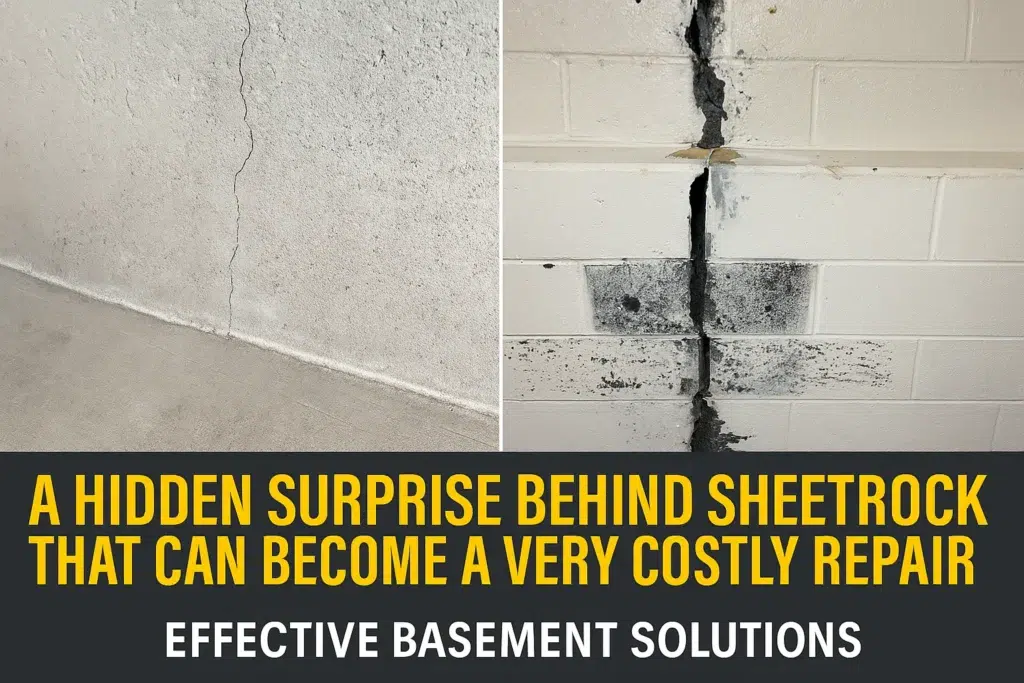
- Vertical Cracks occur when concrete shrinks or settles uniformly; they are usually minor but worth monitoring.
- Horizontal Cracks develop under soil pressure and often indicate serious lateral stress.
- Stair-Step Cracks trace mortar joints in block walls and point to differential settlement.
- Hairline Cracks are narrow surface fissures that often result from minor shrinkage.
These crack types each warrant unique attention, guiding homeowners in assessing severity and planning corrective measures. Recognizing patterns lays the groundwork for understanding settlement and movement.
How Can You Recognize Signs of Foundation Settlement and Movement?
Foundation settlement and movement show through uneven floors, sticking doors, and misaligned windows. Floors might slope or feel spongy, doors jam in their frames, and gaps can appear around window sills. Chimneys may lean outward, and exterior walls can bow or bulge. These settlement indicators reveal how soil compaction, erosion, and moisture cycles exert uneven load on your foundation. Tracking these movement signs helps pinpoint areas requiring reinforcement or underpinning before cracks widen.
What Are the Visible Indicators of Structural Damage in Basements?
Structural damage in basements presents as bowed walls, cracked drywall, and misaligned support beams.
- Bowing Walls create inward curves in basement walls due to hydrostatic pressure.
- Cracked Drywall often appears near corners or above windows, reflecting shifts in the underlying frame.
- Chimney Cracks signal foundation differential movement affecting brickwork.
Observing these signs alongside foundation cracks ensures a complete assessment of stability. Detecting wall deformations early guides targeted repairs and reinforces basement safety.
When Are Foundation Cracks a Serious Concern?
Foundation cracks become critical when they exceed 3 mm in width, show active water seepage, or progress rapidly over weeks. Wide cracks compromise structural integrity, while leak-through cracks invite moisture and mold. If you notice cracks growing or new patterns emerging, the severity demands professional evaluation. Monitoring crack width, moisture presence, and advancement speed differentiates minor shrinkage from hazardous failure, forming a proactive maintenance approach.
How Do You Detect Basement Water Leaks and Dampness Early?
Basement water intrusion undermines concrete and invites mold growth. Detecting leaks and dampness at an early stage prevents health hazards and preserves your home’s structure. The following subsections detail signs, causes, risks, and differentiation of moisture issues.
What Are the Key Signs of Basement Water Intrusion?
Basement water intrusion reveals itself through puddles on the floor, discolored stains on walls, and a persistent musty odor. White, powdery efflorescence may coat masonry surfaces, and paint or plaster can bubble or peel. Visible mold spots often appear in corners or behind stored items. These moisture symptoms indicate water entry points requiring prompt sealing and drainage improvement.
How Can You Identify Common Causes of Basement Leaks?
Multiple factors drive basement leaks, including foundation cracks, poor surface grading, and blocked gutters. Plumbing leaks behind walls or under slabs can mimic groundwater intrusion. Leaky window wells and damaged sump pump systems also contribute to moisture accumulation. Assessing these root causes allows you to implement targeted solutions such as crack injection, improved exterior drainage, and sump pump upgrades.
What Health Risks Are Associated with Basement Dampness?
Basement dampness fosters mold and mildew growth that release spores and allergens into indoor air. Prolonged exposure can trigger respiratory irritation, aggravate asthma, and cause persistent sinus issues. High humidity encourages dust mites and bacterial proliferation, undermining overall home health. Mitigating damp conditions through effective waterproofing and dehumidification preserves air quality and safeguards family well-being.
How to Differentiate Between Minor Moisture and Serious Water Damage?
Minor moisture manifests as occasional condensation or small damp patches that dry quickly. Serious water damage shows persistent pooling, structural wood rot, or extensive mold colonization. Inspect for warped floorboards, rust on metal fixtures, and musty odors that linger after drying. Evaluating moisture patterns and their impact on materials helps prioritize simple humidity control versus comprehensive waterproofing and foundation repair.
What Are the Main Causes of Foundation Cracks and Structural Problems?
Foundation cracks stem from soil movement, hydrostatic pressure, landscaping issues, and environmental factors. Understanding these causes equips homeowners to address the underlying issue rather than just the symptom, preventing recurrence and protecting property value.
How Does Soil Settlement and Expansion Affect Your Foundation?
Soil settlement occurs when poorly compacted or organic-rich soils compress under load, causing the foundation to sink unevenly. Expansive clay soils in New Jersey absorb water, swell in wet months, and shrink in dry spells, exerting cyclical forces on concrete footings. Freeze-thaw cycles further destabilize soils near the surface. These soil-driven dynamics undermine foundation uniformity and trigger cracks, calling for soil stabilization or underpinning solutions.
What Role Does Hydrostatic Pressure Play in Foundation Damage?
Hydrostatic pressure builds when groundwater accumulates around the foundation and pushes inward against basement walls and floors. Saturated soils act like a sponge, transferring water pressure that leads to bowing walls and cracking slabs. Without proper perimeter drainage and waterproof coatings, this pressure erodes mortar joints and floods below-grade spaces. Installing drainage tiles, French drains, or sump pumps relieves hydrostatic forces and preserves structure.
How Can Poor Drainage and Landscaping Contribute to Problems?
Surface water pooling near your home due to improper grading, clogged gutters, or compacted soil undermines the foundation over time. Rainwater directed toward the house undermines soil stability and leads to water infiltration. Overgrown landscaping and mulched beds adjacent to the foundation can trap moisture against walls. Correcting grading, extending downspouts, and redesigning planting beds promotes positive drainage and reduces foundation stress.
Can Tree Roots and Environmental Factors Cause Foundation Movement?
Tree roots seek moisture and can grow into foundation joints, prying apart block walls and lifting slabs. Tree removal may leave voids that shift soil and create settlement zones. Environmental factors such as droughts, heavy rains, and seasonal temperature swings alter soil moisture content, amplifying settlement or heave. Root barriers, controlled watering, and strategic planting distances mitigate these risks and protect foundation stability.
How to Identify Sagging Floors and Uneven Surfaces in Your Home?
Sagging floors and uneven surfaces signal underlying structural weakness that compromises safety and resale value. Spotting these issues early enables timely joist reinforcement or foundation underpinning to restore a level living environment.
What Are the Signs of Sagging or Uneven Floors?
Sagging floors present as visible dips or slopes underfoot, bouncy areas when walking, and gaps forming under baseboards. Doors and windows may stick or fail to latch properly as floor planes shift. Cracks radiating from corners of interior walls can accompany deflection in the ceiling below. These signs pinpoint localized joist or support beam damage demanding inspection and reinforcement.
What Causes Sagging Floors and Structural Weakness?
Moisture-induced wood rot, termite damage, and compromised floor joists allow beams to bend under load. Foundation settlement reduces support at key points, transferring weight to weakened framing. Inadequate original construction, undersized joists, or lack of mid-span supports exacerbate deflection over time. Addressing these causes involves joist sistering, beam replacement, and foundation stabilization to restore floor integrity.
How Do Sagging Floors Affect Home Safety and Value?
Uneven flooring creates trip hazards, misaligned fixtures, and impaired structural performance that can void insurance claims. Buyers recognize floor deflection as a major defect, reducing offers and prolonging resale timelines. Professional floor leveling and subfloor reinforcement improve safety, compliance with building codes, and overall property valuation by eliminating visible flaws and restoring confidence in home stability.
What Are the Common Crawl Space Problems and How Can You Spot Them?
Crawl spaces often hide moisture and pest issues that compromise framing, energy efficiency, and indoor air quality. Early detection preserves structural members and reduces utility costs.
What Are the Signs of Crawl Space Moisture and Mold?
High humidity, standing water under the floor, and a musty odor indicate crawl space moisture. Insulation that appears wet, sagging, or covered in black or green mold reflects persistent dampness. Condensation on ductwork and visible fungal growth on joists confirm that humidity control and waterproofing are required to prevent structural decay and indoor air contamination.
How Do Crawl Space Issues Affect Your Home’s Structure and Air Quality?
Excess moisture in crawl spaces leads to wood rot, joist decay, and weakened floor support above. Airborne mold spores and allergens migrate through floorboards into living areas, impairing occupant health. High humidity increases energy costs as HVAC systems work harder to regulate indoor comfort. Encapsulation, dehumidification, and improved ventilation restore structural integrity and protect air quality.
What Are the Indicators of Crawl Space Structural Damage?
Sagging floor sections, uneven subfloor panels, and pest infestation signs such as termite holes point to crawl space damage. Cracked piers or displaced support columns reveal foundation settlement under the crawl space. Insulation that has fallen away from floor joists or plastic sheeting that tears indicate inadequate protective measures. Detecting these faults prompts timely pier installation and encapsulation to stabilize the substructure.
How Can Homeowners Perform a Basic Inspection to Identify Basement and Foundation Issues?
A structured self-inspection empowers homeowners to map symptoms, assess severity, and decide when to seek professional help. Follow this interactive checklist for an initial diagnostic overview.
Below is a simple foundation and basement inspection checklist to guide your assessment.
| Inspection Area | What to Look For | Action Threshold |
|---|---|---|
| Wall Cracks | Pattern, width, moisture seepage | Cracks >3 mm or wet cracks require specialist review |
| Floor Level | Sloping, bouncy spots | Any noticeable dip or bounce warrants further evaluation |
| Window and Door Operation | Sticking, gaps around frames | Misalignment beyond 5 mm signals structural shift |
| Moisture Indicators | Efflorescence, mold, damp patches | Persistent dampness or mold colonization |
| Drainage and Gutters | Pooling water, clogged downspouts | Water pooling within 1 m of foundation |
| Crawl Space Condition | Wet insulation, standing water, mold | Standing water or rot indicates urgent intervention |
This checklist helps you prioritize concerns and prepare documentation for professional diagnostics.
How to Use an Interactive Checklist to Diagnose Basement Water Problems?
Begin by mapping each symptom to its likely cause—foundation cracks point to structural entry points, while pooling suggests drainage failure. Rate severity on a scale from minor (cosmetic) to major (structural) and compile photographic evidence. Prioritize issues that combine structural signs with moisture for immediate attention. This methodical approach ensures you capture the full scope of problems before consulting a specialist.
When Should You Call a Professional for a Detailed Inspection?
If you encounter wide cracks, significant settlement, active leaks, or mold infestations, schedule an expert foundation and basement inspection. Professional diagnostics employ moisture meters, laser levels, and soil analysis to pinpoint root causes. Early involvement of specialists from Effective Basement Solutions combines local expertise and preventative focus to deliver a tailored repair plan and waterproofing strategy.
What Are the Next Steps After Identifying Basement and Foundation Problems?
Once you’ve documented symptoms and severity, a structured repair pathway safeguards your home. Partnering with experienced professionals ensures thorough solutions, from diagnostics to remediation and ongoing maintenance.
How Does a Professional Foundation and Basement Inspection Work?
A comprehensive inspection begins with a visual survey of cracks, bowing walls, and water stains. Technicians then use precise instruments—laser levels to measure settlement, moisture probes to detect hidden leaks, and camera inspections for drainage systems. Results yield a detailed report including cause analysis, recommended repairs, and cost estimates. This data-driven approach prevents guesswork and prioritizes interventions by severity.
What Solutions Are Available for Common Basement and Foundation Issues?
Repair options span crack injection, wall anchoring, underpinning, and internal drainage systems.
- Crack Injection uses epoxy or polyurethane to seal fissures and restore slab continuity.
- Wall Anchoring installs steel plates and soil anchors to stabilize bowed walls.
- Underpinning with helical piers transfers load to stable soil strata, correcting settlement.
- Interior Drainage Channels and sump pumps remove water before hydrostatic pressure builds.
Combining these methods with dehumidification and exterior grading creates a comprehensive waterproofing solution customized for New Jersey conditions.
How Can Early Detection Prevent Costly Structural Damage?
Early detection and intervention stop minor disturbances from evolving into major failures. Addressing small cracks, moisture spots, and joist deflection within months of appearance reduces repair complexity by up to 70 percent. Preventative focus not only lowers costs but also preserves home equity and ensures safety. Investing in timely diagnostics and repairs by local experts safeguards your property long term and delivers peace of mind.
Detecting basement and foundation issues early lays the foundation for a structurally sound, healthy home. By combining systematic self-inspection with professional diagnostics and tailored solutions, New Jersey homeowners can prevent minor signs from ballooning into major repairs. Rely on expert guidance to protect your investment and maintain a safe living environment through every season.
