
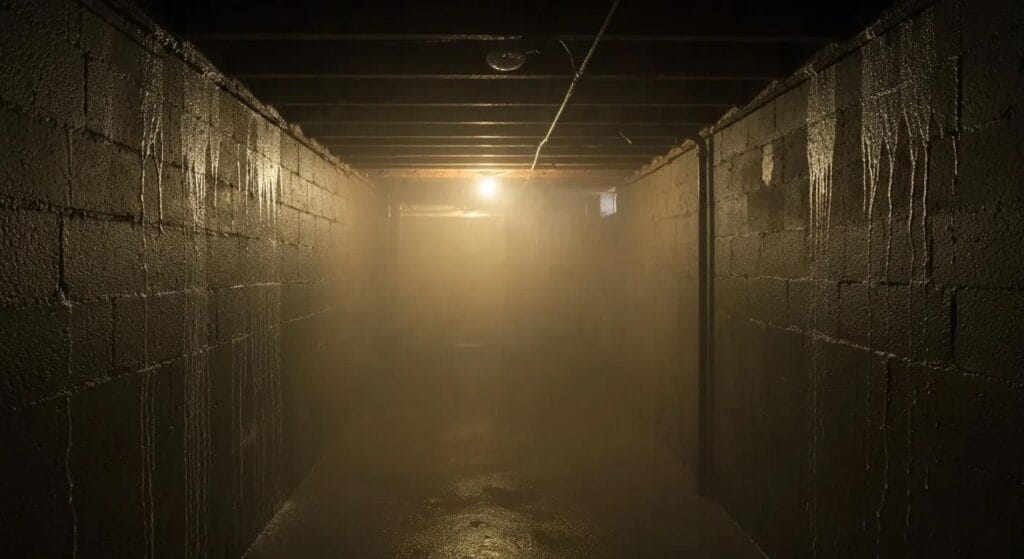
ÒØExpert Solutions for Waterproof Basement Walls in New Jersey: Comprehensive Basement Waterproofing and Foundation Protection
When it comes to maintaining a dry and healthy home, waterproofing basement walls is crucial, particularly in areas like New Jersey where moisture levels can fluctuate significantly. Homeowners often face challenges with water intrusion, mold growth, and structural integrity issues resulting from damp basements. This is where expert solutions for waterproof basement walls come into play. Professional teams specializing in basement waterproofing utilize advanced techniques and high-quality materials to provide comprehensive solutions that effectively protect your home’s foundation. Whether you’re dealing with cracks, leaks, or moisture buildup, these experts can assess your specific situation and implement tailored strategies to keep your basement dry and functional.
In addition to immediate waterproofing solutions, investing in professional services also ensures long-term protection for your home. Experts in the field employ a combination of interior and exterior waterproofing techniques, such as applying sealants, installing drainage systems, and using sump pumps to manage water flow. These methods not only prevent water from entering your basement but also help maintain the structural integrity of your home’s foundation by reducing hydrostatic pressure from the surrounding soil. With a focus on both existing problems and future prevention, comprehensive basement waterproofing in New Jersey equips homeowners with peace of mind, knowing their investment is safeguarded against the damaging effects of water intrusion and damp conditions.
New Jersey homeowners face basement water intrusion on average 117 days per year, increasing risks of mold, structural damage, and indoor air quality issues. In this guide on waterproof basement walls NJ, you’ll discover the root causes and warning signs, explore interior and exterior waterproofing strategies, assess foundation repair techniques, learn how crawl space encapsulation blocks moisture, tackle water damage and mold remediation, and understand cost factors with ROI insights. Backed by Effective Basement Solutions’ proven methods, this article equips you to protect your home and request a free consultation.
Basement Waterproofing & Foundation Protection for New Jersey Homes
Basement water problems in New Jersey arise when groundwater, surface runoff, or condensation infiltrates foundation walls, leading to dampness, stains, and structural issues. Because heavy rainfall, freeze–thaw cycles, and high water tables exert constant pressure on concrete walls, moisture easily finds cracks or porous surfaces. For example, a Highland Park basement showed efflorescence and peeling paint after spring storms, indicating long-term water intrusion.
Basement water problems in New Jersey are a prevalent concern for homeowners, primarily caused by the infiltration of groundwater, surface runoff, or condensation through foundational walls. This unwanted moisture can manifest as dampness, unsightly stains, and, ultimately, significant structural issues if left unaddressed. The region’s climatic conditions, particularly the heavy rainfall common in the spring and the freeze-thaw cycles experienced throughout the winter months, create a consistent strain on concrete foundations. As the water table rises, it exerts pressure against basement walls, making it easier for moisture to penetrate through even the smallest cracks or porous surfaces.
A prime example of these issues can be observed in Highland Park, where a local basement exhibited clear signs of water intrusion, including efflorescence and peeling paint after a series of spring storms. Efflorescence, a powdery white substance left behind as water evaporates, signals the presence of moisture that has seeped through the walls. This not only indicates potential long-term water intrusion but also presents a warning sign for homeowners to address the root cause of the problem. Ignoring such symptoms can lead to mold growth, deterioration of building materials, and increased repair costs down the line. Therefore, it is crucial for homeowners in New Jersey to be aware of these signs and take proactive measures to safeguard their basements from water damage.
A prime example of the challenges homeowners face with water intrusion can be observed in Highland Park, New Jersey. Recently, a local basement exhibited clear signs of distress after a series of spring storms, including efflorescence and peeling paint. Efflorescence is characterized by a powdery white substance that forms when moisture seeps through walls, evaporates, and leaves behind mineral deposits. This phenomenon is not just an aesthetic concern; it serves as a crucial indicator of underlying moisture issues that may be compromising the integrity of the structure. Homeowners must recognize that such symptoms are red flags, signaling the need for immediate attention to prevent further complications.
Ignoring these signs can have significant implications for the health of a home and its occupants. Left unaddressed, moisture intrusion can lead to mold growth, which poses health risks and can exacerbate existing respiratory issues. Additionally, it can cause deterioration of building materials, leading to structural instability and eventually escalating repair costs. For homeowners in New Jersey, being vigilant about the signs of water damage—such as efflorescence—is essential. Taking proactive measures to address these issues not only protects the integrity of the home but can also save significant time and money in the long run. Investing in proper drainage solutions, sealing potential vulnerabilities, and regularly inspecting basements can go a long way in safeguarding against the adverse effects of water intrusion.
How Does New Jersey’s Climate Affect Basement Waterproofing Needs?
New Jersey’s climate features over 47 inches of rainfall annually and freeze–thaw cycles that expand soil around foundations. Saturated clay soils increase hydrostatic pressure, while frequent precipitation keeps basement walls under constant moisture stress. Urban areas with poor drainage exacerbate runoff, so homes in Newark or Camden require robust waterproofing strategies to manage shifting soils and prevent leaks.
New Jersey Climate Overview
New Jersey’s climate is characterized by an average annual precipitation ranging from 40 to 51 inches, with many areas receiving between 43 and 47 inches. The state experiences measurable precipitation on approximately 120 days per year, and its diverse climate includes freeze-thaw cycles that impact soil around foundations.
This information directly supports the article’s discussion on how New Jersey’s climate, including heavy rainfall and freeze-thaw cycles, contributes to basement water problems.
What Are the Key Signs of Water Intrusion and Wet Basement Walls?
Recognizing early signs of moisture intrusion helps homeowners act before damage escalates. Common indicators include:
- Visible efflorescence (white, powdery mineral deposits) on wall surfaces.
- Peeling or bubbling paint and flaking concrete.
- Musty odors or mold spots along floor-to-wall joints.
- Puddles or damp patches after heavy rainfall.
These symptoms often precede structural issues, guiding the selection of targeted waterproofing solutions in subsequent sections.
How Does Hydrostatic Pressure Cause Basement Wall Damage?
Hydrostatic pressure occurs when groundwater accumulates against basement walls and floors, exerting lateral force that can crack or bow concrete slabs. Over time, this pressure forces water through hairline fissures, enlarging gaps and undermining structural integrity. Understanding hydrostatic dynamics is essential before installing drainage systems and foundation reinforcement methods described below.
Understanding Hydrostatic Pressure and Its Impact on Basements
Hydrostatic pressure occurs when water accumulates in the soil surrounding a foundation, exerting lateral force against basement walls and floors. This pressure can lead to significant structural damage, including cracks and bowing walls, and facilitates water intrusion, creating damp spots and promoting mold growth.
This research explains the mechanics and consequences of hydrostatic pressure, a key cause of basement wall damage discussed in the article.
What Interior Basement Waterproofing Solutions Are Effective for NJ Homes?
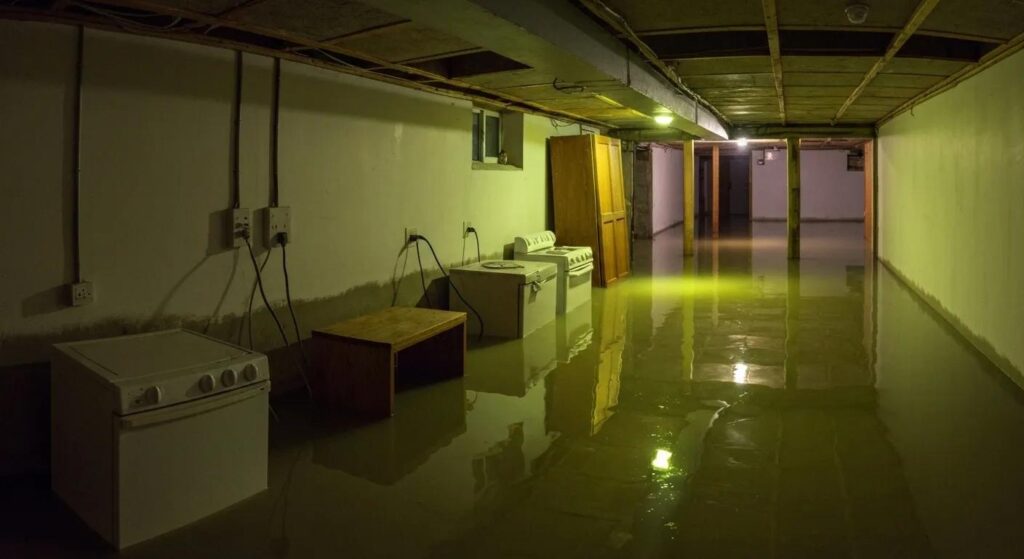
Interior basement waterproofing focuses on capturing and redirecting infiltrating water before it reaches the living space. By installing drain channels, sump pumps, sealants, and dehumidifiers, homeowners create a defense system that addresses existing leaks and prevents future moisture buildup. For example, a French drain retrofit in a Hoboken basement eliminated standing water within days of completion.
How Do French Drain Systems Work to Prevent Basement Flooding?
A French drain system uses perforated pipe set in a gravel-filled trench beneath the basement slab to collect groundwater and channel it toward a sump pit. Trenches are sloped gently to ensure continuous flow, while gravel filters sediment, preventing pipe clogging. This interior drainage network reduces hydrostatic pressure by diverting water away from vulnerable wall joints.
What Are the Benefits of Sump Pump Installation and Battery Backup Systems?
High-capacity sump pumps eject collected water from the sump pit to an exterior discharge location, ensuring basements stay dry even under heavy inflow. Battery backup systems maintain operation during power outages, preventing flood risk when storms disable the main grid.
| Pump Type | Feature | Benefit |
|---|---|---|
| Submersible Sump Pump | Fully submerged for quiet operation | Reliable water removal |
| Pedestal Sump Pump | Motor stays above water level | Easier maintenance and longer lifespan |
| Battery Backup Unit | Operates during power loss | Continuous protection in storms |
Submersible pumps excel in quiet performance, while pedestal models offer simplified upkeep. A battery backup ensures uninterrupted operation, preparing homes for NJ’s storm-related outages.
How Do Basement Wall Sealants and Vapor Barriers Prevent Moisture?
Epoxy or polyurethane sealants penetrate concrete pores, forming a waterproof barrier that resists water vapor transmission. Applied to interior walls and floors, these coatings seal capillary cracks and prevent dampness from migrating into the living area. Vapor barrier sheets installed against wall studs add a secondary layer, reducing humidity and protecting finishes from mold and mildew.
How Can Dehumidification Systems Improve Basement Air Quality?
Basement dehumidifiers extract excess moisture from the air, maintaining relative humidity below 50% to inhibit mold growth and reduce musty odors. A properly sized unit for a 1,000-square-foot basement will run continuously during humid months, safeguarding indoor air quality and complementing drainage and sealant solutions.
What Exterior Waterproofing Methods Protect Basement Walls in New Jersey?
Exterior waterproofing creates an impermeable shield on the outer surface of foundation walls, preventing water from entering the masonry or concrete. This method addresses moisture at its source by improving yard grading, installing membranes, and guiding runoff away from the foundation. A Montclair home benefited from exterior membranes that eliminated seepage during spring thaws.
How Do Exterior Drainage Systems and Grading Redirect Water Away from Foundations?
Regrading soil around the foundation to slope away from the house by at least six inches over the first ten feet ensures surface water flows downhill. Coupled with gutter downspout extensions and exterior drain tiles, this system channels runoff into safe discharge areas, relieving pressure on basement walls.
What Role Do Foundation Waterproofing Membranes Play in Moisture Prevention?
Adhesive-applied membranes bond to the exterior concrete surface, forming a continuous barrier that blocks water infiltration. These products expand and contract with temperature changes, maintaining adhesion and preventing cracks that could allow moisture entry. Proper backfill and compaction reinforce the membrane’s durability.
How Does Landscape Drainage Impact Basement Waterproofing Effectiveness?
Incorporating swales, rain gardens, and French drains within the landscape design captures and disperses water before it reaches foundation walls. Strategic planting of water-tolerant species in low areas reduces soil saturation, while permeable pavers and gravel beds enhance infiltration control, extending the life of waterproofing membranes.
How Can Foundation Repair Services Address Basement Wall Cracks and Structural Issues in NJ?
Foundation repair restores structural integrity to basements affected by cracks, bowing, or settlement, preventing further water intrusion and safety hazards. Techniques such as epoxy injections, carbon fiber straps, and steel I-beams stabilize walls and halt movement. After evaluating a cracked Wall Township foundation, repair crews used carbon fiber reinforcement to straighten the wall and stop leak progression.
What Are the Best Techniques for Basement Wall Crack Repair?
Professional crack repair methods seal gaps and strengthen weakened concrete. Common approaches include:
- Epoxy injection to bond and fill cracks from within.
- Polyurethane foam injection for active water-bearing fissures.
- Hydraulic cement patching for non-structural hairline cracks.
These solutions stop water flow and prepare the surface for sealants or coatings.
How Do Carbon Fiber Straps and Steel I-Beams Reinforce Bowed Basement Walls?
Exterior reinforcement methods provide long-term support for walls under lateral soil pressure.
| Reinforcement Method | Application Area | Primary Benefit |
|---|---|---|
| Carbon Fiber Straps | Interior wall face | High tensile strength with minimal excavation |
| Steel I-Beams | Along wall footings | Robust support for severe bowing |
| Wall Anchors | Exterior soil side | Adjustable pressure relief over time |
When Is Foundation Settlement Repair Necessary for NJ Homes?
Settlement repair becomes essential when uneven soil compaction or erosion causes foundation movement, leading to misaligned doors and windows, sloping floors, or visible cracks. Underpinning techniques such as helical piers or push piers transfer loads to stable strata, restoring level support and preventing further settlement.
How Does Crawl Space Encapsulation Help Prevent Moisture and Mold in New Jersey Basements?
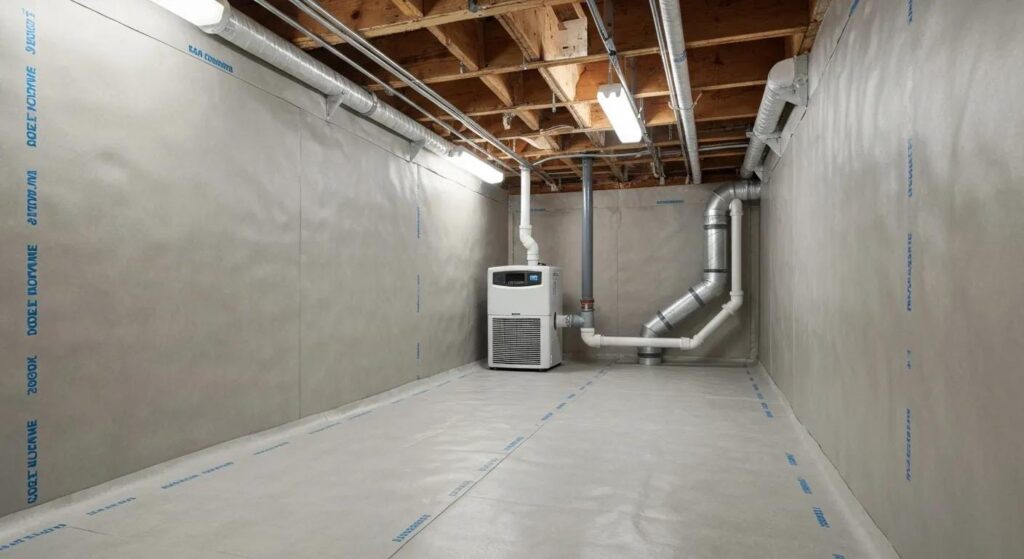
Crawl space encapsulation seals the dirt floor and walls of crawl spaces, creating a controlled environment that stops moisture infiltration and reduces humidity levels. By installing vapor barriers and conditioning systems, this service prevents mold growth and protects subfloor materials. A fenced Shorewood crawl space saw humidity drop from 80% to 45% after encapsulation, eliminating mold risk.
Crawl Space Encapsulation Solves Common Issues for Homeowners
A field study by Advanced Energy found that sealed crawl spaces effectively maintain wood moisture thresholds below 12%, significantly reducing the likelihood of mold and insect infestations. This approach is considered more effective than traditional crawl space ventilation, which can increase humidity levels.
This research provides evidence for the effectiveness of crawl space encapsulation in controlling moisture and preventing mold, directly supporting the article’s section on crawl space benefits.
What Is Crawl Space Encapsulation and How Does It Work?
Encapsulation involves covering the crawl space floor and foundation walls with thick, puncture-resistant polyethylene liners. All vents are sealed, and insulation is added behind wall liners. This creates a continuous moisture barrier that blocks ground vapor and airborne humidity from entering the living areas above.
How Do Vapor Barriers and Drainage Systems Control Crawl Space Moisture?
A perforated drain pipe installed beneath the liner collects any groundwater and routes it to a dedicated sump pump. The vapor barrier prevents soil moisture from rising, while drainage channels intercept infiltration at vulnerable points. Together, they maintain a dry substructure and protect joists, insulation, and ductwork from rot.
What Are the Benefits of Crawl Space Waterproofing for Indoor Air Quality?
Encapsulated crawl spaces reduce airborne mold spores and allergens that can migrate into the home’s HVAC system. Lower humidity levels preserve insulation effectiveness, prevent musty odors, and contribute to healthier, more energy-efficient living spaces.
What Are the Best Solutions for Basement Water Damage and Mold Remediation in NJ?
Basement water damage restoration and mold remediation services repair affected areas, remove contaminated materials, and prevent recurrence through moisture control strategies. Timely intervention stops structural decay and protects family health. After a flood in Cherry Hill, restoration crews replaced water-damaged drywall, applied antimicrobial treatments, and installed a dehumidifier to keep mold at bay.
How Can You Identify and Address Basement Mold Growth Early?
Early detection of mold helps avoid costly remediation and health risks. Look for:
- Dark or discolored patches on walls and joists.
- Musty odors behind finished walls.
- Allergy-like symptoms when in the basement.
What Are Effective Basement Flood Cleanup and Restoration Methods?
Flood cleanup follows a structured process:
- Water Extraction – Industrial pumps remove standing water quickly.
- Drying and Dehumidification – Fans and dehumidifiers eliminate residual moisture.
- Material Removal – Damaged drywall, insulation, and flooring are replaced.
- Disinfection and Sealing – Antimicrobial treatments and sealants prevent mold and mildew growth.
Thorough drying and antimicrobial sealing prevent hidden moisture pockets that could fuel future mold colonies.
How Does Moisture Control Improve Indoor Air Quality and Family Health?
Maintaining basement humidity below 50% disrupts mold life cycles and reduces airborne allergens, supporting respiratory health. Clean, dry environments prevent dust mite proliferation and alleviate asthma or allergy symptoms for sensitive individuals.
How Much Does Basement Waterproofing Cost in New Jersey and What Is the ROI?
Basement waterproofing costs in New Jersey typically range from $2,600 to $10,400, influenced by method complexity, basement size, and soil conditions. Investing in waterproofing yields an average ROI of 30% by increasing resale value and reducing future repair expenses. For instance, a $6,500 French drain and sump pump installation in Princeton boosted the home’s value by over $1,900.
What Factors Affect the Cost of Basement Waterproofing in NJ?
Several variables influence project pricing:
- Extent of Water Damage – Active leaks and wall cracks require more labor and materials.
- Waterproofing Method – Interior drainage systems cost less than full exterior excavation.
- Basement Size and Accessibility – Larger or hard-to-reach spaces increase labor time.
- Soil Type and Water Table Depth – Clay soils and high water tables demand advanced drainage solutions.
How Does Waterproofing Increase Home Value and Provide Long-Term Savings?
Waterproofed basements add usable living space, improve curb appeal, and reassure buyers about structural integrity. Eliminating moisture and mold risks lowers maintenance costs, reduces insurance premiums, and prevents property value loss from foundation damage.
How Can Homeowners Get a Free Basement Waterproofing Estimate in New Jersey?
Effective Basement Solutions offers no-obligation, on-site evaluations across New Jersey counties. Certified technicians assess water intrusion sources, recommend tailored interior or exterior systems, and provide detailed estimates at no cost, empowering homeowners to make informed decisions.
Protecting basement walls from water intrusion and structural damage demands an integrated approach combining drainage, sealants, reinforcement, and moisture control. By understanding causes—from hydrostatic pressure to climate impacts—and applying proven interior and exterior solutions, New Jersey homeowners safeguard their property’s value and health. Effective Basement Solutions’ expertise and tailored services deliver lasting protection and peace of mind. Reach out today to schedule your free consultation and secure a dry, healthy basement for years to come.
