
Basement Waterproofing in Clark, NJ: Proven Water Intrusion Solutions
Basement water intrusion in Clark, NJ is common — but it’s fixable. Left unchecked, it can harm your home’s structure, lower indoor air quality, and reduce property value. This guide breaks down how leaks form in Clark’s soils and climate, explains the most effective interior and exterior waterproofing systems, outlines cost drivers, and walks you from inspection to installation so you can make clear, confident decisions. You’ll learn how hydrostatic pressure, foundation cracks, and poor grading cause seepage and mold, and which solutions — interior French drains, sump pumps, exterior membranes, foundation repair, crawl space encapsulation, and mold remediation — address each problem. We focus on what matters locally in Clark, NJ: maintenance priorities, realistic expectations from professional assessments, and how to get a free consultation and estimate tailored to your property.
What Are the Most Common Basement Water Problems in Clark, NJ?
In Clark, basement water issues usually come from a combination of surface runoff, groundwater pressure, and aging foundation details that let moisture into living areas. The main drivers are hydrostatic pressure pushing water through concrete and cracks, poorly graded lots channeling surface water toward foundations, and high indoor humidity causing condensation. Typical signs include visible seepage, damp or discolored walls, efflorescence, musty odors, and recurring mold — all of which point to both water and air‑quality concerns. Identifying the underlying cause lets you choose targeted fixes that stop the source, relieve pressure, and protect finishes and structure. The sections below define hydrostatic pressure and the crack types that most commonly lead to leaks so you can match symptoms to solutions.
Basement waterproofing services in Clark typically fall into these practical categories:
- Hydrostatic Pressure: Groundwater buildup pushes against foundation walls and forces moisture through pores and cracks.
- Foundation Cracks and Joints: Vertical, horizontal, and stair‑step cracks allow water to enter and can signal structural movement.
- Surface Runoff / Grading Issues: Poor roof drainage or low lot grading directs rainwater toward the foundation.
- Window Well & Penetration Leaks: Failed window wells, utility entries, and pipe penetrations create focused leak points.
Each category points to different corrective steps — grading fixes, drains, or structural repair — and diagnosing the dominant cause is the first step to a lasting solution.
How Does Hydrostatic Pressure Cause Basement Water Intrusion?
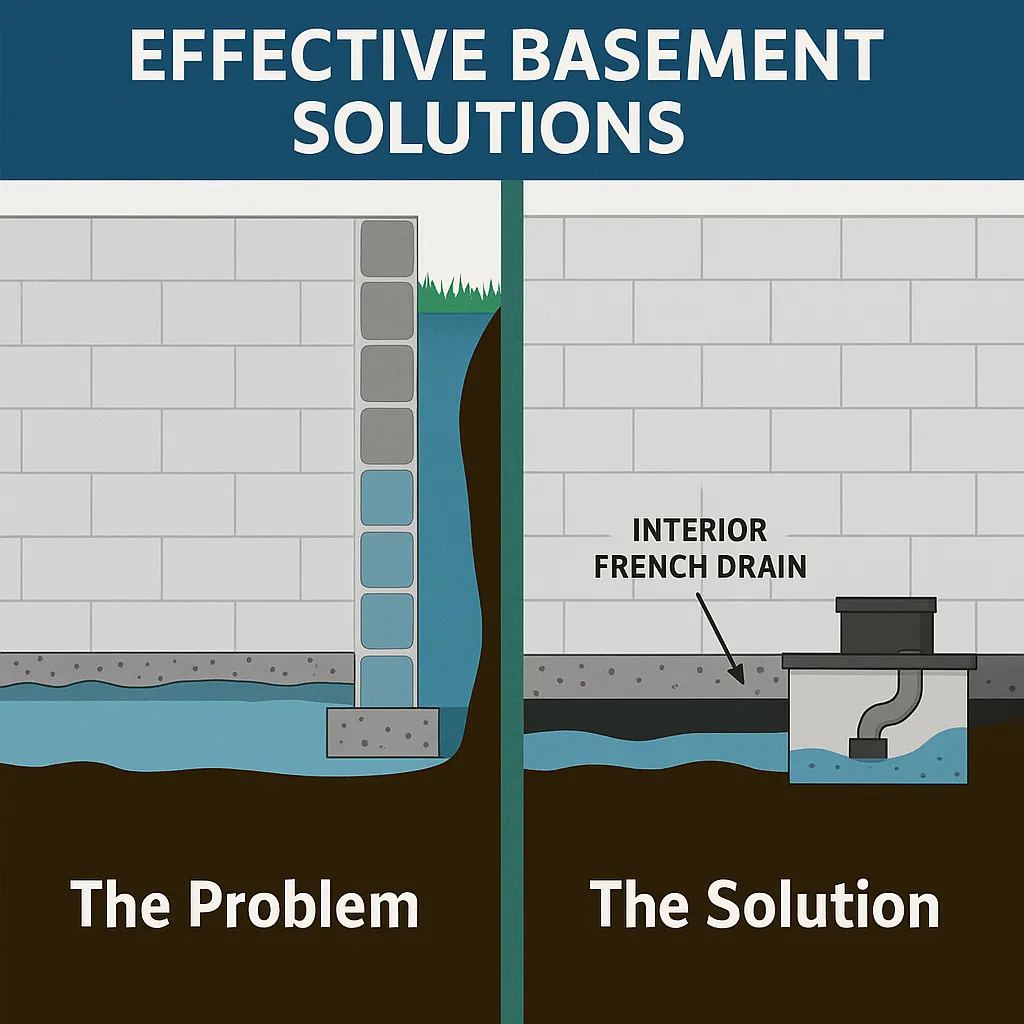
Hydrostatic pressure is the force groundwater exerts on buried foundation walls and footings. After heavy rain in Clark, NJ, the local water table can rise and push water into any available pathway — porous concrete, mortar joints, and cracks. If that pressure isn’t relieved, minor seepage becomes ongoing leaks that accelerate efflorescence and mold growth and create health and cosmetic problems. Relieving hydrostatic pressure is a priority: interior French drains and exterior drainage systems collect and redirect water to a sump, reducing the driving force for infiltration and protecting the structure.
What Foundation Cracks and Leaks Lead to Basement Flooding?
Cracks differ in pattern and urgency. Hairline shrinkage cracks rarely breach waterproofing. Vertical cracks can allow gravity‑driven seepage. Stair‑step cracks often point to settlement or frost action, and horizontal cracks are a red flag for lateral pressure and possible structural failure. Repair urgency depends on the crack type: horizontal or bowed walls need professional structural repair, while isolated vertical cracks may be sealed and monitored after drainage improves. Warning signs that a crack needs structural attention include progressive widening, visible bowing, or changes after heavy rainfall; dampness without movement usually signals a moisture‑control issue. Immediate mitigation—redirecting water, installing an interior drain, or sealing non‑structural cracks—reduces near‑term risk while a full inspection determines long‑term repairs.
Which Basement Waterproofing Solutions Are Most Effective in Clark, NJ?
Effective waterproofing matches the system to the root cause: interior French drains and sump pumps relieve hydrostatic pressure; exterior membranes and corrected grading stop groundwater contact; foundation repairs address structural entry points; crawl space encapsulation controls sub‑slab moisture; and mold remediation restores safe indoor air after contamination. Each approach has tradeoffs in disruption, lifespan, and cost; professional installation, scheduled maintenance, and clear warranties are essential for reliable performance. For many Clark homes, an interior drainage system paired with a dependable sump pump offers a durable, minimally disruptive defense. Exterior solutions are reserved for chronic high water tables or when interior measures can’t stop infiltration. Read on for a concise comparison that helps homeowners choose the right mix for their property.
Below is a compact comparison of basement waterproofing services to help homeowners weigh effectiveness, disruption, and typical use cases in Clark.
| Solution | Key Characteristic | Best Use Case |
|---|---|---|
| Interior French Drain | Collects seepage at the footing and channels it to a sump | Basements with active seepage where exterior grades are generally stable |
| Sump Pump System | Pumps collected water away from the foundation discharge point | Homes prone to standing water or seasonal groundwater rise |
| Exterior Waterproofing Membrane | Blocks groundwater at the outside wall surface | Properties with a high water table or repeated interior seepage |
| Foundation Repair (piering/straps) | Stabilizes loads and seals major structural cracks | Bowing walls, significant settlement, or horizontal cracking |
| Crawl Space Encapsulation | Creates a sealed vapor barrier and conditioned subfloor space | Homes with damp crawl spaces affecting HVAC and structure |
| Mold Remediation | Removes contamination and treats airborne spores | Post‑intrusion areas with visible mold or compromised air quality |
This comparison shows interior systems are often the first line of defense, while exterior membranes and structural repairs address more severe, site‑wide issues. Professional installation and warranty coverage improve outcomes and longevity.
How Does Interior French Drain Installation Prevent Water Intrusion?
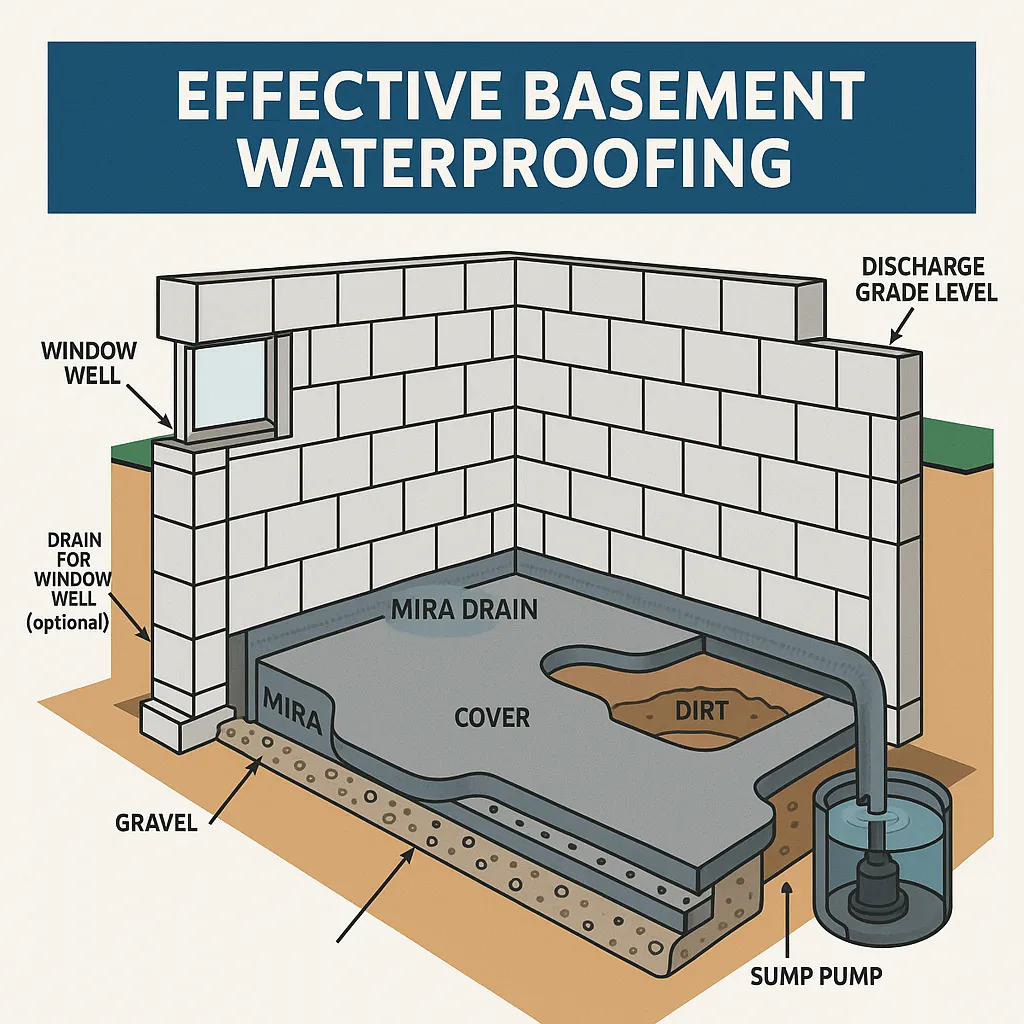
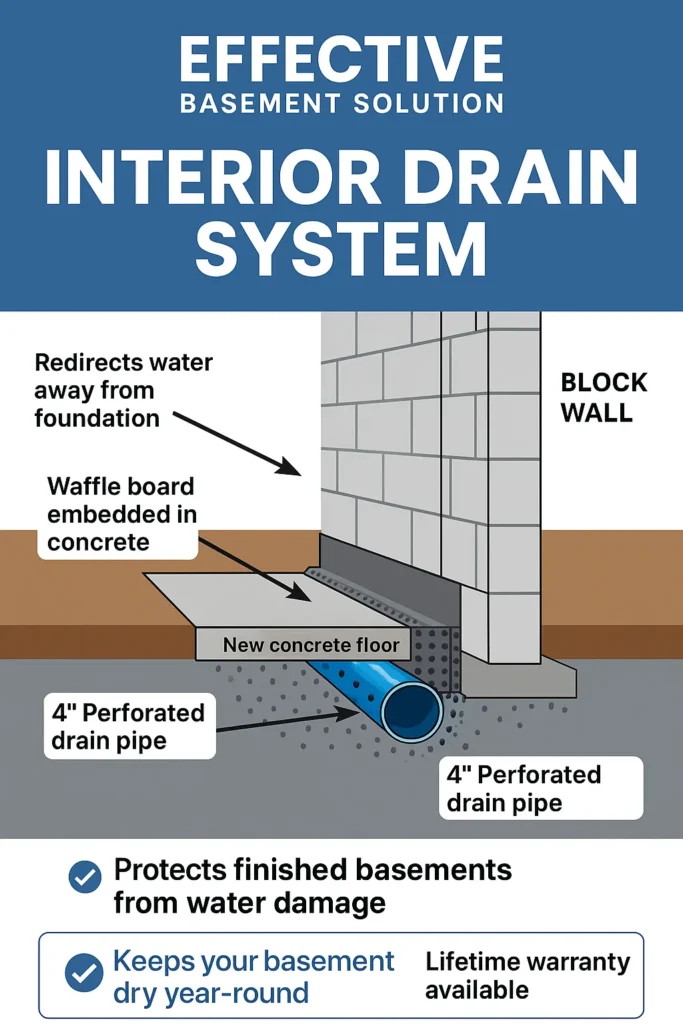
An interior French drain is a channel cut along the basement perimeter that captures water seeping through walls or beneath the slab and carries it to a sump basin. Components — perforated pipe, aggregate, filter fabric, and a covered trench — collect and transport water efficiently, relieving hydrostatic pressure at the wall. Installation normally involves removing a narrow concrete trench, placing the drain against the footing, and tying it to a sump pump that discharges away from the house. This approach minimizes exterior disturbance while providing a reliable internal path for groundwater. Expect periodic sump maintenance and available warranties on workmanship and materials; professional installation ensures proper slope, filtration, and connection to backup power if needed.
What Are the Benefits of Sump Pump Installation and Maintenance?
Sump pumps remove water collected by perimeter drains or natural seepage, preventing standing water and reducing flood risk during storms or high groundwater events. Common types include utility, pedestal, and submersible pumps, each with different flow capacities and service needs; battery backups are recommended in Clark to protect against power loss. Regular maintenance — quarterly checks, float testing, debris removal, and occasional professional service — keeps pumps reliable. Correct pump sizing, properly sloped discharge piping, and a documented maintenance plan with warranty coverage ensure the sump remains an effective part of your waterproofing system.
Below is an equipment comparison to help homeowners choose the right sump pump type.
| Pump Type | Typical Flow Rate | Battery Backup Available |
|---|---|---|
| Utility Pump | Moderate — suited for light duty | Sometimes |
| Pedestal Pump | Lower power, easier to service | Rare |
| Submersible Pump | High flow, quieter operation | Often available |
Submersible pumps are commonly chosen for homes with frequent heavy inflow, while pedestal or utility pumps may be adequate for lower‑risk situations. Selecting the right pump should follow a site inspection and consultation.
When Is Exterior Waterproofing Necessary for Basements?
Exterior waterproofing is appropriate when groundwater consistently reaches foundation walls or when repeated interior fixes don’t stop infiltration. Signs include saturated soil at the footing, ongoing exterior seepage, or a persistently high water table. Exterior systems require excavation to apply membranes, drainage boards, and external French drains that intercept water before it contacts the wall — offering long‑term performance where interior solutions fall short. The tradeoffs are higher upfront cost and more landscaping disruption, but exterior work often reduces future maintenance and fixes site‑wide drainage defects that interior systems cannot. Choose exterior waterproofing after a thorough diagnostic inspection that evaluates soil percolation, grading, and how often the property floods in Clark’s climate.
How Does Foundation Repair Restore Basement Integrity?
Foundation repair addresses the causes of movement and cracking with solutions like epoxy or urethane injections, carbon fiber straps, helical anchors, or piering systems that transfer loads to stable soil. Unlike cosmetic crack sealing, structural repairs stabilize loads and correct wall deflection so waterproofing measures can work as intended. Repair choices depend on crack patterns, wall movement, and soil conditions; a professional assessment will determine whether anchors or underpinning are required versus simpler injections. Warranties and monitoring plans help homeowners assess repair durability and ensure moisture‑control measures remain effective after stabilization.
What Are the Advantages of Crawl Space Encapsulation?
Crawl space encapsulation seals the subfloor cavity with a continuous vapor barrier, sealed seams, and often a dehumidifier to control relative humidity and reduce moisture transfer into the home. Encapsulation prevents ground moisture from fueling mold, improves HVAC efficiency by stabilizing underfloor air, and protects joists and framing from rot and pests. Typical components include a heavy polymer vapor barrier, sealed vents or closed venting strategy, taped or foamed rim‑joist seals, and mechanical dehumidification when necessary. Regular inspections of seals and dehumidifier maintenance preserve performance and ensure encapsulation complements any basement waterproofing work.
How Is Basement Mold Remediation Performed and Why Is It Important?
Mold remediation starts with a detailed inspection to identify affected materials, spore concentrations, and moisture sources, then proceeds with containment, removal or cleaning of contaminated surfaces, HEPA vacuuming, and HVAC cleaning as needed. Remediation matters because mold spores and fragments can worsen respiratory problems, trigger allergies, and lower indoor air quality; simply killing mold without fixing moisture sources invites recurrence. Effective remediation always pairs removal with moisture control — waterproofing, drainage, and dehumidification — to prevent regrowth and protect health and property value. Homeowners should receive a written scope of work, clearance testing, and post‑remediation monitoring recommendations to confirm mold does not return after waterproofing.
How Much Does Basement Waterproofing Cost in Clark, NJ?
Costs in Clark, NJ vary based on the chosen system, site access, soil conditions, and any structural repairs required. Interior solutions like a French drain plus sump typically carry a lower upfront price than full exterior excavation and membrane installation, but lifecycle costs and maintenance matter when comparing value. Key cost drivers include square footage of the affected area, intensity of hydrostatic pressure, presence of structural damage, landscape restoration after excavation, and electrical upgrades for pumps and backups. For accurate budgeting, get a professional inspection and a free written estimate that spells out scope, materials, warranties, and recommended maintenance so you can compare short‑term price and long‑term protection.
The table below summarizes typical cost ranges and the main drivers that affect pricing in Clark.
| Solution | Typical Cost Range (Clark, NJ) | Key Cost Drivers |
|---|---|---|
| Interior French Drain + Sump | Moderate | Access to foundation, concrete removal, sump size |
| Exterior Membrane & Drainage | Higher | Excavation depth, landscaping and hardscape restoration |
| Foundation Repair (localized) | Variable | Extent of structural work, need for underpinning |
| Crawl Space Encapsulation | Moderate | Crawl space area, dehumidifier capacity |
| Mold Remediation | Low–Moderate | Extent of contamination, HVAC and material replacement |
What Factors Influence Basement Waterproofing Costs?
Price depends on technical and local variables: the scope of intrusion, site access, soil type, footing depth, existing structural cracks, local labor rates, permits, and restoration needs. Pre‑existing damage raises both repair and waterproofing costs — for example, active foundation movement usually requires stabilization before water‑control systems will be fully effective. Homeowners should also plan for lifecycle expenses: pump replacement, dehumidifier service, and routine warranty maintenance. A clear, professional inspection with an itemized estimate and options helps identify the most cost‑effective measures that address the dominant water source.
How Do Interior vs. Exterior Waterproofing Costs Compare?
Interior waterproofing (French drains and sump pumps) generally costs less up front and disrupts landscaping less, but it requires ongoing maintenance and may be less suitable for very high water tables. Exterior waterproofing carries higher installation costs because of excavation and landscape restoration but creates a direct barrier at the wall and can reduce long‑term moisture loads. When comparing costs, include lifecycle and resale considerations: a higher initial investment in exterior work can prevent repeated interior fixes and better protect the foundation. The right choice depends on measurable site conditions uncovered during inspection — grading, water table level, and seepage patterns provide objective guidance.
Why Should Clark, NJ Homeowners Choose Local Basement Waterproofing Experts?
Local waterproofing experts know Clark’s rainfall patterns, soil behavior, and common foundation types, so they recommend solutions that address root causes rather than just symptoms. Local teams understand permitting and code expectations, which reduces the risk of mis‑specified systems, and documented warranties backed by local service increase long‑term confidence. Warranties differ — product guarantees vs. workmanship assurances — so ask how long coverage lasts and what it includes. Free consultations and on‑site inspections from local specialists let homeowners compare options without obligation and get a proposal tailored to Clark‑specific conditions and performance needs.
Below are the local factors and homeowner questions to prioritize when vetting proposals:
- What is the local soil type here (clay versus sandy), and how does it affect infiltration?
- How have recent storms affected this property and neighboring lots?
- What warranty types and durations do you provide for labor and materials?
What Local Climate and Soil Conditions Affect Waterproofing Needs?
Clark’s seasonal rainfall and local soil drainage control how quickly water accumulates near foundations and how long hydrostatic pressure persists after storms. Heavy clay soils hold water and transmit pressure to foundations longer than sandy soils, and poor lot grading can funnel surface runoff to walls. Frost depth and freeze‑thaw cycles can also worsen cracks and joint separation over time. These local factors guide system selection: interior drainage can be adequate in moderate conditions, while exterior membranes or structural work may be necessary where soils and grading create chronic hydrostatic loads.
What Warranties and Guarantees Ensure Long-Term Protection?
Warranties generally fall into product coverage for materials (membranes, pumps) and workmanship guarantees for installation. Typical terms include multi‑year product warranties and workmanship assurances that define remedies for covered failures. Ask for written warranty terms, note exclusions, and confirm claim procedures. Make sure warranty registration is handled at installation and understand any maintenance obligations required to keep coverage valid. A clear written warranty paired with a documented maintenance schedule increases the odds that your waterproofing investment performs long term.
How Can Free Consultations Help Homeowners Make Informed Decisions?
A free consultation usually includes a visual inspection, moisture mapping, crack documentation, and a discussion of practical solution options with estimated costs and timelines. Expect a written deliverable — photos, diagnostic notes, a recommended scope, and warranty outlines — that lets you compare proposals side‑by‑side. Ask contractors to explain tradeoffs between interior and exterior approaches for your site, expected disruption, maintenance needs, and phased options. A transparent consultation reduces uncertainty and produces a recommendation that balances technical needs with your budget.
What Is the Step-by-Step Basement Waterproofing Process in Clark, NJ?
A proper waterproofing project follows a clear sequence: inspection and diagnosis, proposal and scope selection, permitting if needed, installation, functional testing, cleanup, and warranty registration. This flow ensures diagnosis drives the solution — repairing structural issues before installing drainage when necessary — and testing verifies system performance before final acceptance. Timelines depend on scope: interior drain and sump installations often take days; exterior excavations and membranes can take several days to weeks depending on restoration; and structural piering varies with complexity. Knowing each phase helps homeowners prepare, coordinate access, and plan for landscaping or interior restoration.
How Is a Professional Basement Inspection Conducted?
A professional inspection includes a visual check of walls and floors, exterior grading review, moisture mapping with meters, crack classification, and evaluation of existing drainage and HVAC impacts. Inspectors document findings with photos and notes, identify the primary water entry mechanisms, and recommend a prioritized set of solutions with timelines and cost estimates. The inspection report should list immediate mitigation steps, long‑term repair options, and whether structural evaluation is required. A written inspection with diagnostic data gives homeowners the information needed to compare offers and choose solutions that address root causes.
What Are the Typical Installation and Repair Steps?
Steps vary by system but typically include site protection, targeted demolition (concrete channels for interior drains or excavation for exterior membranes), placement of drainage components, pump and electrical hookups, backfill and restoration, and final testing of flow and pump operation. Quality checks include verifying slope to the sump, confirming filter fabric prevents clogging, pressure‑testing discharge lines, and ensuring crack repairs are watertight before closing. Final walkthroughs document completed work, explain homeowner maintenance tasks, and register warranties. A follow‑up inspection date helps confirm systems perform through the first critical seasons after installation.
Frequently Asked Questions
What are the signs that my basement needs waterproofing?
Look for visible seepage, damp or discolored walls, musty odors, recurring mold, or efflorescence (white powder on walls). High indoor humidity or persistent condensation on windows also indicate moisture problems. Early detection through regular checks lets you address issues before they become costly repairs.
How long does the basement waterproofing process take?
Timelines depend on scope. Interior work like a French drain and sump pump usually takes a few days. Exterior waterproofing with excavation and membrane installation can take several days to weeks, depending on restoration and weather. Structural repairs add time. A site inspection gives the most accurate timeline for your project.
Can I waterproof my basement myself?
Some homeowners try DIY fixes, but long‑lasting waterproofing usually requires professional diagnosis and installation. DIY methods often miss the root cause and can lead to repeated problems. Professionals bring the right tools, local knowledge, and warranties that protect your investment.
What maintenance is required after waterproofing?
Regular maintenance is important: test and clean sump pumps, clear gutters and downspouts, check discharge lines, and inspect interior drains for debris. Monitor basement humidity and run a dehumidifier when needed. Periodic professional inspections help catch issues early and preserve warranties.
How can I choose the right waterproofing solution for my basement?
Start with a professional inspection to identify the water source, soil type, and existing drainage. From there, weigh options — interior French drains, sump systems, exterior membranes, or structural repairs — against cost, disruption, and long‑term effectiveness. A trusted local contractor will lay out pros, cons, and lifecycle expectations to help you choose the best solution.
What should I expect during a professional basement inspection?
An inspection includes visual checks, moisture mapping, crack classification, and grading review. You should receive photos, diagnostic notes, and a written recommendation with timelines and cost estimates. This report is your tool for comparing proposals and selecting a targeted solution.
Are there any health risks associated with basement water intrusion?
Yes. Persistent moisture promotes mold, which can worsen respiratory issues and allergies and reduce indoor air quality. Standing water can also attract pests and bacteria. Prompt waterproofing and remediation protect both your home and your household’s health.
How Do I Stop Water from Coming Into My Basement Permanently?
Permanently stopping water starts with diagnosing the main source: relieve hydrostatic pressure, repair structural cracks, and correct grading and roof drainage that channel water to the foundation. Short‑term fixes like temporary grading or sandbags reduce immediate risk, but durable solutions usually combine an interior drain and sump pump, exterior drainage or membranes where needed, and targeted foundation repair for structural leaks. Long‑term success depends on regular maintenance (pump checks, dehumidification), written warranties, and sometimes phased work that tackles the worst failures first. A professional inspection will identify the most cost‑effective, permanent strategy for your property.
Is Basement Waterproofing Worth the Investment in Clark, NJ?
Yes. Waterproofing protects structural components, prevents expensive mold remediation, and preserves or improves resale value by eliminating chronic moisture issues. The return comes from avoided repairs, healthier indoor air, and functional finished space. Choose solutions matched to local soil and drainage conditions and backed by warranties and maintenance plans to maximize long‑term value. A free estimate that compares lifecycle costs and expected outcomes can clarify the best option for your home.
What Is an Interior French Drain and How Does It Work?
An interior French drain is a channel installed at footing level that captures water seeping through walls or beneath slabs and routes it to a sump basin for removal. It uses perforated pipe, aggregate, and filter fabric to relieve hydrostatic pressure and keep water out of finished spaces. Tied to a sump pump that discharges away from the foundation, it resolves many seepage problems with minimal exterior disruption. Professional installation and a maintenance plan support long‑term reliability and are commonly covered by workmanship warranties.
How Can I Prevent Basement Mold Growth After Waterproofing?
Prevent mold by fully drying affected materials, controlling humidity with dehumidifiers, ensuring good ventilation, and replacing or cleaning contaminated porous materials. Steps include completing structural and drainage repairs, keeping indoor relative humidity under 50%, following remediation recommendations for porous materials, and scheduling periodic moisture checks. For previously contaminated homes, ask for post‑remediation clearance testing and documented moisture control steps to confirm mold won’t return. If mold persists, bring in remediation specialists to locate hidden moisture sources and verify remediation completeness.
Free consultation invitation and next steps:
- Schedule a free on‑site consultation and inspection to pinpoint the source of basement moisture.
- Receive a written estimate with recommended solutions, timelines, and warranty details.
- Compare proposals focused on long‑term structural protection and mold prevention.
These steps help Clark homeowners move from diagnosis to durable protection with informed choices and documented guarantees that preserve property value and indoor health.
Conclusion
Protecting your Clark, NJ home from basement water intrusion preserves structural integrity, improves indoor air quality, and safeguards property value. By understanding the causes and choosing the right combination of waterproofing, repairs, and maintenance, you can prevent costly damage and health risks from mold. Start with a professional inspection and free consultation to get recommendations tailored to your home — then pick the solution that delivers reliable, long‑term protection.

fav2gd