
Essential Basement Waterproofing Strategies for Summit, NJ Homes
Basement waterproofing is the process of preventing water intrusion and managing groundwater so a home’s lowest level stays dry, healthy, and structurally sound. Summit, NJ homeowners face specific moisture risks from regional soil types and seasonal rainfall patterns, and understanding those local drivers helps prevent mold, foundation damage, and lost property value. This guide explains common basement water problems in Summit, NJ, shows which waterproofing and foundation solutions work best here, and outlines crawl space encapsulation and dehumidification strategies to improve indoor air quality and energy efficiency. You will also find clear guidance on foundation repair options, realistic cost factors for typical jobs, and how to arrange a site inspection to get an accurate, written estimate. Read on for practical checklists, comparison tables, and step-by-step explanations that make choosing the right approach straightforward for Summit homeowners.
What Are the Common Basement Water Problems in Summit, NJ?
Basement water problems in Summit, NJ typically stem from hydrostatic pressure, poor surface drainage, and soil movement, each of which forces water through joints, cracks, and porous concrete. Hydrostatic pressure occurs when groundwater rises and pushes against foundation walls and slabs, increasing seepage risk and accelerating efflorescence and staining. Recognizing these mechanisms helps homeowners prioritize solutions that address the source rather than just the symptoms, which preserves structural integrity and indoor air quality. The next section provides an actionable checklist homeowners can use to spot early signs and decide when to call a professional.
Basement water problems in Summit typically include:
- Wet or discolored floors and walls that indicate seepage or capillary action.
- Musty odors and visible mold growth caused by persistent humidity.
- Efflorescence (white mineral deposits) showing water migrating through concrete.
- Bowing or cracking walls that suggest long-term hydrostatic pressure or settlement.
These common conditions point to different causes and solutions, so identifying the dominant problem early determines whether interior drainage, exterior excavation, or structural reinforcement is required.
How Can You Identify Signs of a Wet or Leaky Basement in Summit?
Homeowners can identify a wet or leaky basement by performing a few visual and simple physical checks that reveal moisture sources and urgency. Start with a visual survey: look for water stains, peeling paint, warped trim, and white powdery efflorescence along walls and floors, then sniff for persistent musty odors that signal mold or mildew growth. Use simple tests such as a tissue or chalk on a suspicious spot to see if moisture appears over 24–48 hours, and check window wells and sump areas after heavy rain to observe direct inflow. Document findings with photos and timestamps during an inspection so a contractor can correlate symptoms with weather and drainage conditions. If you see structural cracks, active pooling, or health symptoms like persistent allergy flares, schedule a professional inspection promptly to determine the appropriate remediation.
What Causes Foundation Cracks and Mold Growth in Summit Basements?
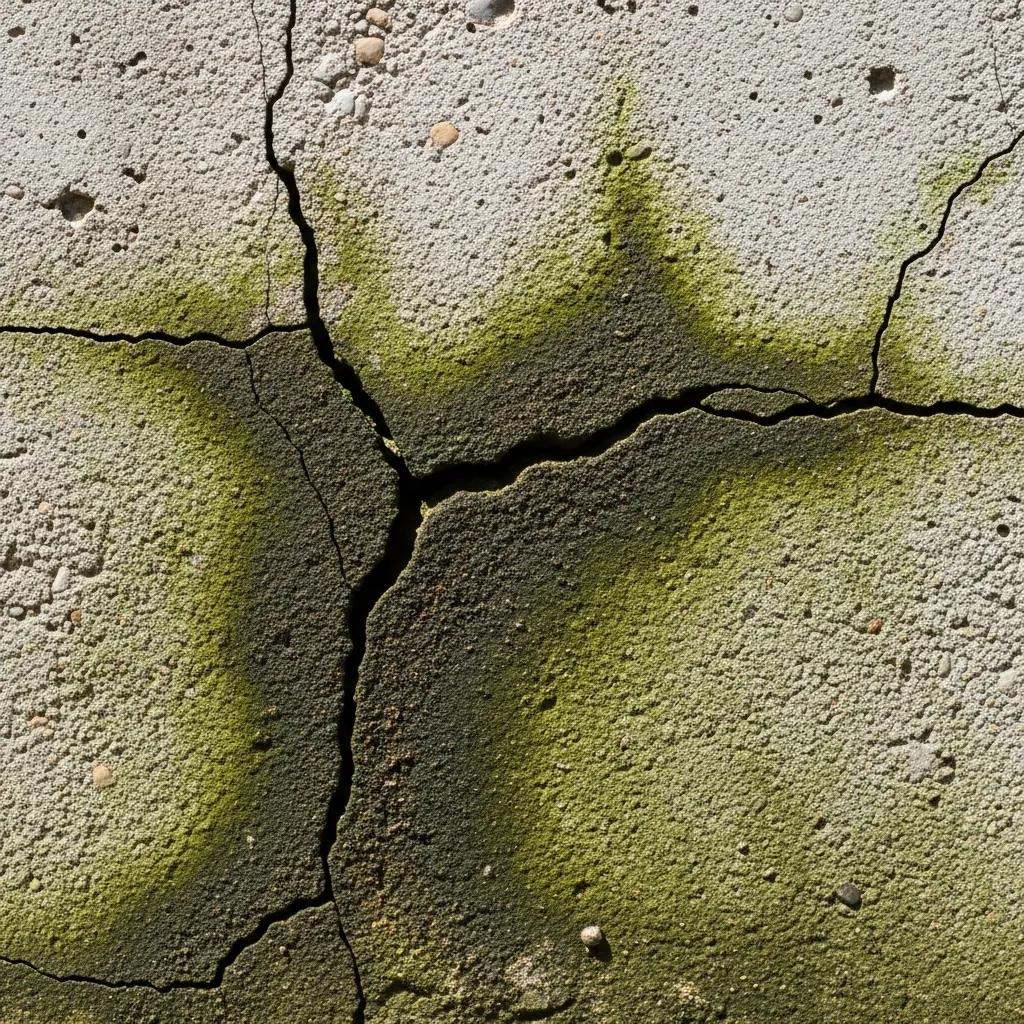
Foundation cracks and mold growth in Summit basements typically arise from combined effects of soil type, freeze-thaw cycles, and uncontrolled moisture, which together cause pressure and degradation. Clay-rich soils common in parts of New Jersey expand when wet and contract when dry, imposing lateral forces on foundation walls that produce hairline to structural cracks over time. Once moisture penetrates through cracks or porous block, relative humidity increases and mold can colonize organic materials within weeks, compounding indoor air quality issues. Addressing both the physical crack through appropriate repair and the moisture source through drainage or waterproofing is essential to prevent recurrence and to protect occupant health; the next section discusses specific waterproofing solutions that stop water before it damages the foundation.
Leaking Basements: Causes, Remediation, and Ramifications: A Case Study
A cursory review of local Yellow Pages listings under ‘Waterproofing Contractors’ readily illustrates the widespread prevalence of leaking basements in the United States. This study examines the causes, financial implications, and mitigation strategies associated with this issue, drawing upon a detailed case history. The findings indicate that basement failures are typically systemic, involving multiple contributing factors. However, a particularly significant factor is the deterioration and subsequent loss of functionality of downspout drainage systems over time. This is exacerbated by suboptimal design choices that result in walls incapable of withstanding the lateral loads imposed by hydrostatic pressure development. Remedial measures encompass proactive maintenance and structural reinforcement of walls. Nevertheless, enhanced public awareness regarding the causes and associated liabilities is paramount. This awareness can be most effectively fostered through increased scrutiny during property transfer processes.
The Leaking Basement Epidemic–Causes, Cures and Consequences
Which Basement Waterproofing Solutions Are Best for Summit, NJ Homes?
Choosing the right waterproofing solution for a Summit home depends on the water source, foundation type, and site conditions; common approaches include interior drainage systems, French drains, sump pumps with battery backup, and exterior membranes. Interior drainage systems redirect groundwater entering at the base of walls into a sump pit where a pump removes it, making this method effective for active seepage without full excavation. Exterior membranes and proper grading control water before it reaches the foundation but require excavation and are most useful where hydrostatic pressure originates outside the foundation. Balancing invasiveness, long-term performance, and maintenance needs helps homeowners select the most cost-effective strategy for their property and risk profile.
The table below compares primary waterproofing methods by suitability, advantages, and common limitations for Summit homes.
| Solution | Characteristic | Typical Advantage |
|---|---|---|
| Interior drainage & sump pump | Low excavation, directs water to sump | Effective for active seepage and easier access for maintenance |
| Interior French drain | Installed at footing level inside | Relieves hydrostatic pressure, minimizes exterior work |
| Exterior membrane & excavation | Full exterior waterproof barrier | Best for preventing groundwater entry before it reaches foundation |
| Battery backup pump | Secondary power source for sump | Keeps pump operational during outages and storms |
This comparison shows interior systems are often preferred for retrofit situations in Summit because they control water cost-effectively while interior excavation is less disruptive than exterior excavation. Understanding these trade-offs leads to system-specific details about sump pumps and French drains that follow.
How Does Sump Pump Installation Prevent Basement Flooding in Summit?
A sump pump prevents basement flooding by collecting groundwater in a sump pit and actively discharging it away from the home, reducing hydrostatic pressure at the foundation and stopping active seepage. Submersible and pedestal pumps are the common types; submersible models sit inside the pit and are quieter, while pedestal pumps have a motor above the pit and are easier to service. Given Summit’s occasional heavy storms, a battery backup pump is a valuable addition because it keeps the system operational during power outages and storm events when municipal power may fail. Regular maintenance—annual testing, float inspection, and cleaning the pit—ensures reliable operation and extends pump life, and monitoring pump capacity helps match pump horsepower to expected inflow during peak events.
What Are the Benefits of French Drain Systems for Summit Basements?
French drain systems work by channeling water away from the foundation using perforated pipe surrounded by gravel or drainage matting, thereby reducing the hydrostatic pressure that causes seepage and structural strain. Interior French drains capture water at the footing level and redirect it to a sump pump, making them an effective retrofit solution that addresses water already entering the structure. Exterior French drains intercept water before it reaches the foundation but require excavation and careful grading; they are most appropriate where property access and budget allow full perimeter work. Long-term benefits include reduced basement humidity, lower mold risk, and decreased pressure on foundation walls; maintenance typically involves ensuring surface drains and gutters remain clear so the system can function as designed.
For Summit homeowners who want an accurate, site-specific plan, Effective Basement Solutions offers free inspections to evaluate whether sump pumps, interior drainage, or exterior membranes are the best match for your home’s conditions and long-term protection. Their licensed, in-house crew assesses water sources, recommends durable materials such as drainage matting and high-capacity sump pumps, and provides written options with no sales pressure. Requesting a free inspection connects homeowners with a local specialist who documents findings and outlines maintenance expectations, which helps you choose the most appropriate waterproofing system with confidence.
How Does Crawl Space Waterproofing Improve Summit NJ Home Health and Energy Efficiency?

Crawl space waterproofing, often achieved through encapsulation, vapor barriers, and targeted dehumidification, reduces moisture transfer into the living space and improves HVAC efficiency by stabilizing the home’s internal humidity. Encapsulation seals vents, installs a durable vapor barrier across the ground and walls, and includes insulation at the rim joist, which reduces air infiltration and heat loss. By lowering relative humidity, encapsulation plus a properly sized dehumidifier reduces mold risk and the migration of damp air into the floor cavity, improving indoor air quality and decreasing energy bills due to reduced load on heating and cooling systems. The next paragraphs describe encapsulation components and how dehumidifiers complement the sealed environment to maintain healthy humidity levels year-round.
Crawl space encapsulation components and outcomes:
- Vapor Barrier Installation: Durable plastic sheeting covers the crawl space floor and walls to block ground moisture.
- Sealing and Insulation: Sealing vents and insulating rim joists prevent cold air entry and reduce thermal bridging.
- Drainage and Moisture Control: Interior drainage or sump solutions handle any standing water before sealing.
Encapsulation reduces pest entry, stabilizes subfloor conditions, and sets the stage for energy-efficient HVAC operation in Summit homes by preventing humid air from entering conditioned spaces.
What Is Crawl Space Encapsulation and How Does It Work?
Crawl space encapsulation is a multi-step process that installs a continuous vapor barrier on the ground and walls, seals vents and penetrations, and adds insulation and conditioned air control to create a dry, sealed environment. The membrane typically overlaps seams and is mechanically fastened to prevent tears and maintain a continuous barrier against ground moisture and soil gases. Sealing rim joists and insulating reduces convective heat losses and air movement into the house, which improves comfort and reduces HVAC runtime. Encapsulation also includes steps to address existing water entry—such as adding an interior drainage path or a small sump—so the system functions reliably; the next section explains how dehumidification integrates with encapsulation to control humidity.
How Do Dehumidifiers Enhance Air Quality in Summit Basements?
Dehumidifiers maintain relative humidity in basement and crawl space environments below mold-favorable thresholds, typically targeting 50% or lower to prevent fungal growth and dust mite proliferation. Energy-efficient, properly sized dehumidifiers remove gallons of water per day and can be ducted or portable depending on the layout; correct sizing depends on basement square footage, ceiling height, and expected moisture loads. Integration with encapsulation is important because a sealed environment lets the dehumidifier control a smaller, defined volume of air, improving efficiency and reducing runtime. Regular maintenance—filter cleaning, condensate pump checks, and seasonal inspections—keeps the system performing; homeowners should monitor humidity digitally to detect changes that might signal new water intrusion.
What Should You Know About Foundation Repair and Structural Reinforcement in Summit, NJ?
Foundation repair and structural reinforcement restore the load-bearing capacity of walls and slabs affected by settlement, cracking, or bowing, and they must be selected to match the severity and root cause of the damage. Options range from non-invasive carbon fiber straps to steel I-beam bracing and underpinning for settled footings, each with different invasiveness, cost, and timeline characteristics. Effective repair plans pair moisture control with structural fixes because unresolved water pressure will undermine even well-executed reinforcement. The table below compares common reinforcement methods by invasiveness, typical cost bracket, and suitability for Summit conditions.
| Reinforcement | Invasiveness | Suitability / Time to Complete |
|---|---|---|
| Carbon fiber straps | Low | Best for minor to moderate wall bowing; quick installation |
| Steel I-beam bracing | Moderate | Effective for heavier lateral loads; moderate installation time |
| Underpinning (piers) | High | Necessary for severe settlement; longest timeline but high stability |
Choosing the correct method involves assessing whether cracks are structural, the presence of ongoing water pressure, and soil conditions; a site inspection determines which technique yields lasting results.
How Are Foundation Cracks Repaired to Prevent Further Damage?
Foundation crack repair methods include epoxy injection for structural, stable cracks and polyurethane sealants for actively leaking cracks, each addressing different priorities—structural bonding versus water stopping. Epoxy injection restores concrete continuity in non-active cracks to regain strength, while polyurethane foams expand to seal water-bearing cracks and block infiltration under hydrostatic pressure. For significant movement or wall bowing, carbon fiber reinforcement or steel bracing may be required in addition to crack sealing to stabilize loads. Successful repair couples the chosen repair material with measures that control external water, because sealing a crack without addressing its hydraulic cause often leads to repeat failures.
When Is Structural Reinforcement Necessary for Summit Basements?
Structural reinforcement becomes necessary when inspection reveals wall movement, recurring wide cracks, or significant settlement that indicates the foundation can no longer carry lateral or vertical loads safely. Indicators include progressive widening of cracks, measurable bowing of walls, doors and windows binding, or repeated flooding that undermines footings. Engineers and experienced contractors evaluate load paths and soil behavior to recommend solutions such as carbon fiber straps for moderate issues or underpinning for compromised footings. Reinforcement planning typically includes sequencing: stop the water source first, then install reinforcement to stabilize the structure and prevent future deterioration.
How Much Does Basement Waterproofing Cost in Summit, NJ?
Basement waterproofing costs in Summit, NJ vary widely based on the chosen method and site conditions; typical ranges provide a starting point, but a free on-site inspection delivers the only accurate written estimate. For many homes, interior drainage with a sump pump is more economical than full exterior excavation, while foundation underpinning or major structural reinforcement increases costs substantially. Labor access, soil conditions, and the extent of structural repairs are the primary price drivers that can double or triple baseline estimates. The EAV table below lays out common cost drivers and how each typically impacts the final price so homeowners can prioritize interventions and budget realistically.
| Cost Factor | Typical Range / Impact | Effect on Total Price |
|---|---|---|
| Extent of damage | Minor repairs to major structural work | Major driver—large increases for structural fixes |
| Square footage / perimeter length | Small basements vs large/perimeter runs | Linear increases with size and excavation needs |
| Soil type and drainage needs | Clay soils vs freely draining soils | Clay increases complexity and cost |
| Access and excavation difficulty | Easy access vs restricted properties | Restricted access raises labor/time costs |
| Permits and local inspections | Varies by project | Adds modest, but required, administrative costs |
Understanding these drivers helps homeowners evaluate bids and plan for contingencies; the next subsection lists practical steps to reduce surprises during quoting and construction.
What Factors Influence Basement Waterproofing Prices in Summit?
Key cost drivers include the extent of water damage and structural repair needs, accessibility for excavation or interior work, local labor rates, permit requirements, and materials selected such as heavy-duty membranes or high-capacity sump pumps. Projects that require underpinning or steel bracing represent the high end of the cost scale because they involve engineered solutions and longer timelines. Homeowners can moderate costs by addressing surface drainage, cleaning gutters, and ensuring downspouts direct water away from foundations before major work begins. Preparing the property for inspection—clearing access to the basement perimeter and documenting recurring water events—helps contractors give more precise estimates and reduces the chance of surprise charges later.
Common homeowner prep steps to lower estimate surprises:
- Clear access: Remove stored items near perimeter walls to allow measurement and inspection.
- Document issues: Keep photos or notes of when and where water enters to show patterns.
- Address surface drainage: Correct gutters and downspouts if they concentrate water near the foundation.
Implementing these steps reduces unknowns and supports accurate budgeting for the chosen waterproofing scope.
Are Free Inspections Available for Summit Homeowners?
Free inspections are available from some local providers and they offer the best way to convert typical ranges into a precise, site-specific quote that accounts for soil, grading, and visible damage patterns. A typical free inspection includes a visual assessment of interior and exterior drainage, testing for active leaks, measuring cracks and wall movement, and documenting findings with photos and notes to create a recommended-treatments list. After the inspection, homeowners receive a written estimate that outlines recommended systems, timelines, and warranty options so they can compare solutions objectively. Scheduling a free inspection helps homeowners move from general cost ranges to a clear plan tailored to their Summit property and risk tolerance.
Effective Basement Solutions offers free inspections for Summit homeowners to evaluate moisture sources, structural concerns, and recommended interventions; their licensed in-house crew performs the assessment, documents findings, and provides written options without sales pressure. To get an accurate price, arrange a free inspection so a specialist can analyze site-specific conditions and prepare a transparent estimate.
Why Choose Effective Basement Solutions for Basement Waterproofing in Summit, NJ?
Effective Basement Solutions positions itself as a local lead generation and information hub that connects Summit homeowners with licensed in-house crews delivering basement waterproofing, French drain installation, sump pump installation, crawl space encapsulation, dehumidification systems, and structural reinforcement. Their unique value propositions include using a licensed, in-house crew with no subcontractors, providing free inspections, and focusing on long-term protection and structural safety with clean workmanship and high-quality materials. These attributes benefit homeowners by improving quality control, ensuring accountability for workmanship, and simplifying communication during a project. The following bullets summarize why those business practices matter to a homeowner choosing a contractor.
Reasons this approach benefits Summit homeowners:
- Licensed, in-house crew ensures consistent workmanship and direct accountability for quality.
- Free inspections provide a no-obligation path to accurate, site-specific recommendations.
- Focus on long-term protection and high-quality materials reduces the chance of repeat repairs.
What Makes Our Licensed In-House Crew the Best Choice in Summit?
A licensed, in-house crew offers direct control over training, scheduling, and quality assurance, which reduces variability compared with subcontractor-based models and enhances accountability across every job phase. When a single employer maintains installation standards and warranty follow-up, homeowners experience clearer communication, predictable timelines, and consistent workmanship practices. For Summit properties where local soil and drainage behavior matter, in-house teams familiar with regional patterns can apply proven techniques like interior drainage combined with high-capacity sump pumps and drainage matting. Pairing these crew advantages with free inspections and transparent proposals helps homeowners select solutions based on performance and long-term protection rather than pressure-based sales.
How Do Our Long-Term Warranties and No Sales Pressure Policy Benefit You?
Long-term warranties transfer risk away from the homeowner by guaranteeing that installed systems will perform over time, which is particularly important for complex installations like interior drainage or structural reinforcement where failures are costly. A no sales pressure policy ensures homeowners receive objective, prioritized recommendations—repair the moisture source first, then address structure—allowing time to compare options and ask questions. Warranty terms combined with a consultative approach give homeowners confidence that the recommended solution was chosen for technical fit and durability rather than quick sales. To learn site-specific warranty details and how they apply to your property, request a free inspection to receive documentation and next steps from the licensed team.
This article has covered the most important local considerations for Summit, NJ homeowners—from recognizing wet basement signs and matching solutions to local soil and weather, to understanding foundation reinforcement and cost drivers—and provided practical steps to get a tailored inspection and estimate from a licensed in-house crew.
