
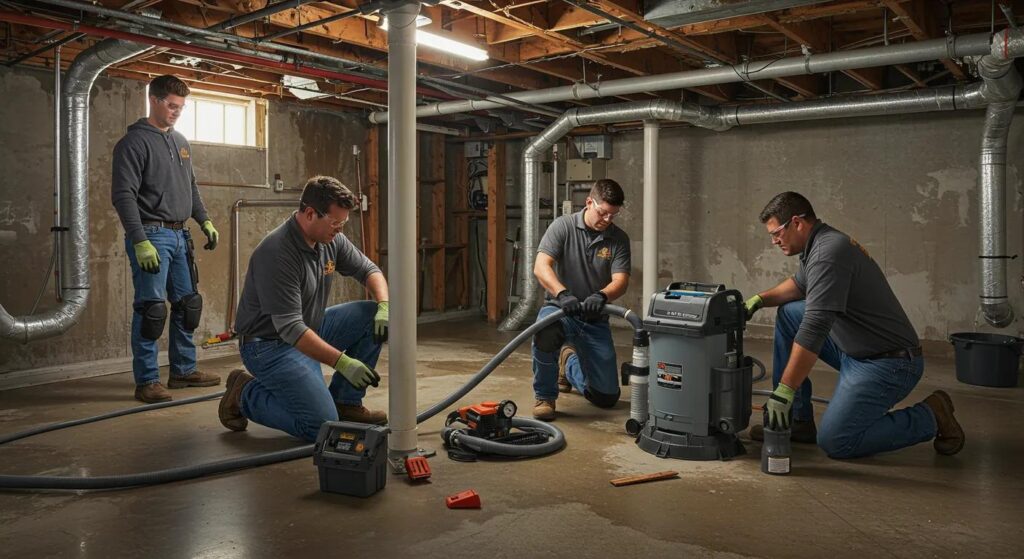
Drainage solutions chatham nj Comprehensive Drainage Solutions for Homes in Chatham NJ: Protect Your Basement and Foundation
Effective drainage solutions for homes in Chatham NJ are essential to prevent basement flooding, foundation settlement, and indoor air quality problems. With heavy rainfall, clay-rich soils and seasonal snowmelt, many local properties face persistent water intrusion that leads to mold, dampness and structural damage. Homeowners seeking reliable basement protection turn to specialists like Effective Basement Solutions for free consultations and tailored waterproofing estimates. In this guide you will discover the common drainage challenges in Chatham, how core systems such as French drains and sump pumps work, the roles of exterior and interior drainage, yard-level water management techniques, and when foundation drainage repair becomes necessary. By exploring each solution’s definition, mechanism and specific benefit, you can make informed decisions to safeguard your home’s foundation, indoor environment and long-term value.
What Are the Common Drainage Challenges for Homes in Chatham NJ?
Chatham’s drainage challenges stem from its combination of heavy annual precipitation—averaging 50 inches—and impervious clay soils that impede natural water absorption. Seasonal snowmelt and runoff often accumulate against foundations, raising hydrostatic pressure that forces moisture through basement walls and floors. Effective Basement Solutions identifies three primary risk factors affecting local properties: soil composition, grading deficiencies and outdated drainage systems.
Clay-rich soils retain water around the foundation, increasing the risk of basement seepage and dampness.
Improper yard slope can channel surface water toward the house rather than away from it.
Lastly, outdated or clogged exterior gutters and downspouts exacerbate pooling near foundation walls. Recognising these challenges lays the groundwork for targeted drainage solutions that protect structural integrity and indoor air quality.
How Does Chatham’s Climate and Soil Affect Home Drainage?
Chatham’s humid continental climate produces frequent heavy showers and rapid snowmelt, overwhelming soils that lack permeability. Clay particles swell when wet, reducing pore space and preventing water infiltration. As rainfall accumulates, hydrostatic pressure builds against basement walls, driving moisture through cracks and porous block joints. This mechanism explains why many homes experience recurring damp patches even with basic gutter systems in place.
What Basement Water Problems Do Chatham Homeowners Face?
Basement water problems in Chatham range from minor seepage to significant standing water incidents after storms. Common issues include:
- Water pooling along perimeter walls, leading to efflorescence and deteriorating masonry.
- Rising moisture levels that encourage mold growth within 24–48 hours of leakage.
- Foundation wall weeping tiles overwhelmed by groundwater, resulting in basement flooding.
These failure modes illustrate why interior and exterior drainage solutions must work in concert to manage both surface runoff and sub-slab water infiltration.
How Can Poor Drainage Impact Your Home’s Foundation and Indoor Air Quality?
Poor drainage undermines foundation stability by allowing water to erode soil support, leading to cracks, misalignment and settlement. As foundation cracks widen, indoor humidity climbs, fostering mold spores and musty odours that degrade air quality and pose health risks. Effective basement drainage buffers your home against structural damage while promoting a dry, healthy living environment.
How Do French Drains Solve Basement Water Issues in Chatham, NJ?
See the US EPA’s guide to mold & moisture for more information. A French drain is a subsurface trench filled with gravel and a perforated pipe designed to intercept and redirect groundwater away from a home’s foundation. By capturing water before it reaches basement walls, the system alleviates hydrostatic pressure and prevents wall seepage. For Chatham homeowners, French drains offer a low-maintenance solution that enhances foundation care and prolongs structural lifespan.
What Is a French Drain and How Does It Work?
A French drain consists of a sloped trench lined with geotextile fabric, a perforated pipe and aggregate material. Gravity guides subsurface water into the pipe, which then channels it to a safe discharge point such as a storm drain or dry well. This mechanism prevents groundwater from accumulating around the foundation and seeping through masonry joints.
What Are the Benefits of French Drains for Chatham Homes?
- Basement Flooding Prevention – intercepts groundwater before it contacts walls
- Foundation Protection – reduces hydrostatic pressure that can cause cracks
- Yard Health Improvement – diverts excess moisture to prevent soil erosion
Each benefit demonstrates how an effective groundwater diversion system supports structural integrity and curb appeal.
What Is the French Drain Installation Process in Chatham NJ?
- Site assessment and soil evaluation
- Trench excavation along the foundation perimeter
- Geotextile fabric lining to prevent soil migration
- Placement of perforated pipe and gravel backfill
- Connection to an appropriate discharge location
This sequence ensures precise alignment and optimal flow characteristics, offering long-term performance in local clay soils.
When Should You Consider French Drain Installation?
Consider a French drain when you observe persistent basement dampness, visible cracks in foundation walls or pooling soil adjacent to your home. Early installation upon first signs of hydrostatic pressure buildup can save thousands in future foundation repair costs.
Why Are Sump Pump Systems Essential for Basement Waterproofing in Chatham NJ?
Yes, sump pump systems are essential because they actively remove accumulated groundwater that interior drainage channels collect, preventing basement flooding after heavy rains. In a region with high water tables and substantial runoff, sump pumps provide a mechanical safeguard that complements passive systems like French drains for comprehensive basement waterproofing.
What Types of Sump Pumps Are Available for Chatham Homes?
| Pump Type | Power Source | Backup Duration |
|---|---|---|
| Primary Submersible | Household electricity | Continuous |
| Battery Backup | Rechargeable battery | 8–12 hours |
This comparison makes clear why combining a primary pump with a battery backup ensures reliable operation during power outages or extended storms.
After selecting the appropriate pump type, homeowners benefit from continuous groundwater removal and enhanced foundation protection.
How Do Sump Pumps Protect Basements from Water Damage?
Sump pumps activate when interior drainage channels channel seepage into a collection basin. The pump then evacuates water through discharge piping away from the foundation. This mechanism stops water accumulation at the source, preserving dry basement floors and reducing humidity levels that cause mold formation.
What Is the Installation Process for Sump Pump Systems in Chatham NJ?
- Cutting and excavating a basin at the lowest basement point
- Positioning the pump and connecting power supply
- Linking interior drain tile or channel drains into the basin
- Running discharge piping to a safe outlet
Each step is performed by certified technicians who ensure code compliance and optimal pump performance under local conditions.
What Exterior Drainage Solutions Protect Your Chatham NJ Home’s Foundation?
Exterior drainage systems manage surface water before it reaches the foundation, reducing the load on subsurface drains and sump pumps. Properly configured grading, catch basins and downspout extensions work together to channel rainwater away from vulnerable walls, minimizing soil saturation and foundation stress.
How Does Proper Grading and Landscaping Improve Drainage?
Proper grading establishes a gentle slope away from your home’s foundation—typically a minimum 5% grade for the first 10 feet. This incline prevents ponding along basement walls and guides rainwater toward designated drainage points. Landscaping features such as swales and berms reinforce this slope, ensuring surface water disperses without eroding soil near the foundation.
What Role Do Catch Basins and Downspout Extensions Play?
Catch basins collect surface runoff from patios and driveways, channeling it into underground pipes. Downspout extensions connect gutter spouts to these basins or lead rainwater directly into vegetated areas. Together, these components intercept roof and surface water at multiple points, keeping soil around your foundation drier and more stable.
How Can Exterior Drainage Prevent Foundation Damage?
By diverting rainfall and runoff away from the structure, exterior drainage mitigates the risk of soil expansion and contraction cycles that crack masonry. Consistent moisture management reduces lateral pressure on foundation walls, preventing settlement and preserving structural integrity over time.
How Do Interior Drainage Systems Help Manage Basement Water in Chatham NJ?
Interior drainage systems capture water that penetrates foundation walls or rises through concrete slabs and direct it to a sump pump. These systems offer a concealed, efficient solution for homes where exterior excavation is impractical or where complementary protection is required for comprehensive basement waterproofing.
What Are Basement Drainage Channels and Wall Cavity Systems?
Basement drainage channels are narrow, slotted troughs installed along the perimeter of the floor slab. They collect seepage from walls and floor joints, directing it beneath the slab to a sump pit. Wall cavity systems install interior weeping tiles behind foundation walls, intercepting moisture before it enters living spaces.
How Do Interior Drainage Solutions Complement Exterior Systems?
While exterior systems handle surface runoff, interior systems address residual groundwater that penetrates foundation materials. This integrated approach ensures both above-grade and below-grade water sources are managed, creating a dry basement environment even under extreme weather conditions.
What Yard Drainage Solutions Are Effective for Chatham NJ Properties?
Yard drainage solutions manage overland flow and excess moisture in landscape areas, preventing water from pooling against your home. Techniques such as swales, dry wells and rain gardens restore natural infiltration and beautify your property while protecting the foundation.
How Do Swales and Dry Wells Manage Surface Water?
Swales are shallow, vegetated channels that convey surface water to a collection point. Dry wells are underground aggregate-filled pits that allow stormwater to percolate into subsurface soils. Together, they reduce runoff volume, encourage natural groundwater recharge and relieve pressure on foundation drains.
What Are Rain Gardens and How Do They Help Drainage?
Rain gardens are shallow depressions planted with native, water-tolerant species that absorb and filter stormwater. They slow down runoff, enhance soil infiltration rates and trap pollutants before water reenters the groundwater system. This ecological solution simultaneously addresses drainage and supports local biodiversity.
When Is Foundation Drainage Repair Necessary for Chatham NJ Homes?
Foundation drainage repair becomes necessary when existing drainage systems fail due to age, damage or evolving site conditions. Signs such as recurring basement leaks, horizontal cracks or uneven floors indicate that drainage capacity has been compromised and professional intervention is required.
How Do Foundation Cracks Affect Drainage and Structural Integrity?
Foundation cracks act as entry points for groundwater, exacerbating interior seepage and undermining the load-bearing capacity of walls. Unchecked, these fissures widen under fluctuating moisture levels, leading to settlement, bowing walls and potential structural failure.
What Waterproofing Membranes Are Used in Foundation Repair?
Advanced waterproofing membranes, such as high-density polyethylene sheets and liquid-applied polymer coatings, adhere to exterior wall surfaces to create a continuous barrier. These membranes block moisture ingress and protect masonry from freeze-thaw cycles, extending the service life of repaired foundations.
How Does Effective Basement Solutions Provide Long-Term Foundation Drainage Repair?
Effective Basement Solutions employs a three-step repair protocol: thorough crack sealing with structural epoxy, application of factory-tested waterproofing membranes and integration of interior or exterior drainage enhancements. This holistic method restores drainage capacity, reinforces structural stability and includes transferable warranties that give homeowners lasting peace of mind.
Maintaining effective drainage is the cornerstone of foundation care for Chatham NJ residences. By combining French drains, sump pumps, exterior grading, interior channels and yard-level solutions, you can create a resilient system that keeps basements dry and foundations sound. Early intervention upon signs of moisture or cracks saves repair costs and preserves indoor air quality. Reach out for a free drainage consultation to explore tailored options and protect your home’s value for years to come.
