
Common Questions About French Drains: FAQ Guide
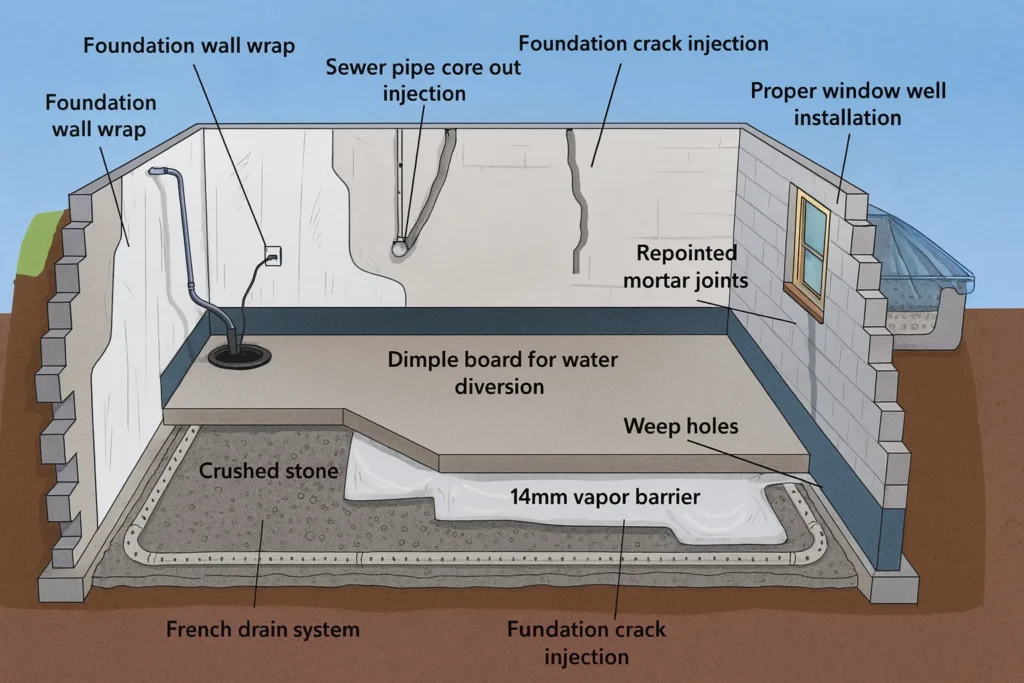
Basement Waterproofing FAQ: Expert Answers to Common Homeowner Questions in New Jersey
Persistent dampness, mould growth and wall fissures in a basement often signal underlying water ingress that can undermine structural integrity and indoor air quality. This comprehensive guide addresses everything from identifying early warning signs to selecting and budgeting for French drains, exploring advanced waterproofing methods, tackling mould remediation and outlining the process and guarantees you can expect from Effective Basement Solutions. Read on to discover how to detect moisture issues, understand their root causes, evaluate drainage systems, compare costs, prevent health risks and secure long-term peace of mind for your New Jersey home.
What Are the Common Signs of Basement Water Damage?
Visible deterioration and sensory clues in a basement often point to persistent moisture intrusion that, if unchecked, can escalate into costly repairs and health hazards. Recognising these warning signs early ensures timely intervention that preserves both property value and indoor comfort.
How Can I Recognize Mold, Dampness, and Musty Smells in My Basement?
Mould colonies typically appear as fuzzy patches or discoloured spots on walls and flooring, often accompanied by a dank, earthy odour. High humidity levels encourage spore proliferation on organic surfaces, compromising air quality and triggering allergic reactions. Inspect corners and near any standing water, as these areas foster damp conditions where fungal growth thrives, and address ventilation deficiencies to reduce spore concentrations.
What Foundation and Wall Cracks Indicate Water Ingress?
Hairline fissures narrower than 1 mm may allow capillary moisture, while cracks wider than 3 mm often permit visible water seepage during heavy rain. Vertical cracks commonly result from settlement, whereas zigzag patterns and horizontal splits indicate hydrostatic and lateral pressures acting on foundation walls. Monitoring crack width and moisture stains over time helps gauge urgency and guides repair methods.
How Does Efflorescence Signal Basement Moisture Issues?
Efflorescence appears as white, powdery mineral deposits on masonry surfaces when groundwater evaporates beneath plaster or concrete. Rising damp carries soluble salts to the surface, where crystallisation leaves behind visible residues. Persistent efflorescence warns of chronic moisture migration through porous materials and highlights areas where waterproof barriers have failed.
When Should I Be Concerned About Standing Water or Flooding?
Even shallow puddles signify insufficient drainage or overwhelmed perimeter systems that require immediate attention. Standing water can erode foundation soils, distort structural elements and accelerate mould growth within 24–48 hours. Any accumulation after routine rainstorms or plumbing leaks demands rapid assessment of hydrostatic pressure sources and remediation planning.
The recognition of these signs lays the groundwork for understanding the forces that drive water into basements and informs the selection of targeted solutions.
What Causes Basement Leaks and Water Problems?
Basement leaks arise from a combination of geological forces, material vulnerabilities and environmental conditions that exert pressure on foundation assemblies. Identifying these driving factors enables the design of precise interventions that prevent recurrence.
How Does Hydrostatic Pressure Lead to Basement Water Ingress?
Hydrostatic pressure develops when groundwater rises against the exterior of basement walls and floors, forcing moisture through microscopic pores and cracks. This persistent force can dislodge soil particles, undermine backfill stability and create pathways for water entry. Relieving hydrostatic pressure with subsurface drains or barrier membranes reduces water migration and safeguards interior spaces.
What Role Does Lateral Pressure Play in Foundation Cracks?
Soil expansion during saturation exerts lateral pressure on foundation walls, causing inward bowing and separation along mortar joints. Clay-rich soils common in New Jersey amplify this effect after heavy rainfall. Reinforcing walls with interior drainage channels or exterior reinforcement systems redistributes lateral loads and prevents further cracking.
How Do Poor Drainage and Soil Conditions Affect Basement Leaks?
Compacted or poorly graded backfill impedes surface runoff, directing water toward foundation bases. Heavy clay soils retain moisture, prolonging saturation periods and raising groundwater tables against basement walls. Correcting grading, installing French drains and ensuring adequate soil permeability divert runoff away and alleviate long-term leak sources.
Can Heavy Rainfall and New Jersey Weather Patterns Increase Basement Flooding?
Intense storms and rapid snowmelt events can overwhelm municipal storm sewers and elevate local groundwater levels. Seasonal fluctuations in precipitation in New Jersey create cyclical pressure spikes against foundation walls. Incorporating both interior sump pump systems and exterior drainage measures offers a dual-layer defence tailored to regional climate patterns.
How Do Foundation Cracks Allow Water to Enter Basements?
Cracks serve as direct conduits for moisture under pressure, with widening channels accelerating infiltration rates. Once initiated, these openings compromise waterproof coatings and corrode embedded steel reinforcements. Sealing cracks through epoxy injections or polyurethane foam restores structural integrity and blocks further water ingress, complementing drainage installations.
Understanding these causal forces equips homeowners to choose solutions—such as interior perimeter drains or exterior waterproofing membranes—that address both symptoms and sources of moisture intrusion.
What Is a French Drain and How Does It Work for Basement Waterproofing?
A French drain is a subsurface drainage system that intercepts and channels groundwater away from foundation perimeters, alleviating hydrostatic pressure and preventing seepage. By combining perforated piping, filtration media and gravity-driven flow, it offers a reliable barrier against moisture accumulation and supports long-term basement dryness.
What Are the Key Components of a French Drain System?
An effective French drain comprises:
- A perforated pipe that collects entering water along the foundation footing.
- A layer of clean gravel that surrounds the pipe, promoting free water movement.
- A geotextile fabric wrap that filters fine soil particles and prevents clogging.
These elements work in concert to capture, channel and discharge groundwater before it reaches interior spaces.
How Does a French Drain Divert Groundwater Away from Foundations?
As soil moisture accumulates, water enters the perforations and travels through the gravel envelope. Gravity guides collected water along the installed slope toward a designated discharge point—often a sump pit or exterior daylight outlet—where a pump or gravity discharge removes it from the property. This mechanism continuously relieves hydrostatic load on basement walls.
What Is the Difference Between Interior and Exterior French Drains?
Interior and exterior installations share core components but differ in placement and excavation requirements:
| Drain Location | Installation Depth | Typical Cost Range | Best Use Case |
|---|---|---|---|
| Interior Perimeter | Below slab level | $1,500–$3,500 | Retrofit in existing basements |
| Exterior Trench | Along foundation | $2,500–$5,500 | New construction or major repointing |
Interior systems minimise yard disruption, while exterior drains protect the foundation before moisture reaches the wall assembly.
Which French Drain Type Is Best for My New Jersey Home?
Homes with finished or occupied basements often benefit from interior perimeter drains, as they install without extensive landscaping removal. Exterior systems perform best when wall excavation and membrane renewal are feasible. Local soil composition, foundation depth and flood risk guide the optimal choice—and a free site assessment ensures the right solution for each property.
Evaluating drain type leads naturally into cost considerations and long-term value for maintaining a dry basement environment.
How Much Does French Drain Installation Cost in New Jersey?
Investing in a French drain yields substantial benefits in property protection, air quality and resale value. Understanding cost factors clarifies budgeting and highlights the long-term savings of professional waterproofing.
What Factors Influence the Price of French Drain Systems?
Several variables determine installation expense:
- Length of drain required along the foundation perimeter
- Depth of excavation needed to reach footing level
- Soil type and the need for soil import or export
- Labour complexity and site accessibility
- Integration with sump pump or daylight discharge assemblies
Accurate estimates reflect these parameters and ensure transparent pricing.
How Does Interior vs. Exterior Installation Affect Cost?
Interior drainage typically incurs lower excavation and landscaping costs but requires careful slab cutting and restoration. Exterior systems involve deeper trenching and reinstatement of hardscape or greenery, driving material and labour expenses higher. Comparing both approaches in a detailed site quote clarifies investment and expected outcomes.
What Is the Long-Term Value of Professional French Drain Installation?
Professional installation delivers:
- Certified waterproofing standards with manufacturer warranties
- Reduced risk of foundation settlement and mould remediation costs
- Enhanced indoor air quality and reduced energy use for dehumidification
- Increased home value through documented waterproofing credentials
These benefits translate into lifetime savings and peace of mind.
Are Free Consultations Available to Get Accurate Cost Estimates?
Effective Basement Solutions offers complimentary, on-site assessments tailored to each property’s conditions. A certified technician evaluates soil composition, foundation condition and existing drainage to deliver a precise quotation, ensuring homeowners know exactly what to expect before commencing work.
Armed with cost clarity, many homeowners explore additional waterproofing methods for comprehensive protection.
What Basement Waterproofing Solutions Are Available?
A complete basement defence strategy often combines multiple systems—ranging from cavity drainage and sump pumps to wall coatings and crack repair—to address both overt leaks and invisible moisture migration. Integrating complementary technologies ensures robust, long-lasting results.
What Are the Different Types of Basement Waterproofing Systems?
| System Type | Application | Benefit | Typical Lifespan |
|---|---|---|---|
| Type A (Barrier) | Exterior membrane seal | Blocks water before wall contact | 20–30 years |
| Type B (Structural) | Integral wall joints | Reinforces concrete against pressure | 30–40 years |
| Type C (Drainage) | Interior cavity channels | Relieves hydrostatic pressure inside | 25–30 years |
Combining structural and barrier approaches with interior drainage delivers layered defence.
How Do Sump Pumps Work and What Are Their Benefits?
A sump pump sits in a recessed pit to collect groundwater from perimeter drains and slab sumps. When water reaches a set level, an automatic float switch activates the pump, expelling water through discharge piping to a safe location. This mechanism prevents flooding, limits mould growth and supports efficient humidity control.
What Are Foundation Crack Repair Options and Their Effectiveness?
Crack repair methods include low-viscosity epoxy injections that restore structural continuity and hydrophobic polyurethane foams that expand to fill voids and stop water passage. Epoxy offers rigid reinforcement, while foam provides flexible sealing in active cracks. Selecting the appropriate material addresses both stability and waterproofing needs.
How Do Basement Wall Sealants and Coatings Prevent Water Damage?
Crystalline or elastomeric coatings penetrate concrete pores to form a crystalline barrier or flexible membrane that repels water. These surface treatments improve moisture resistance and inhibit capillary action. Regular inspections and re-application every five to ten years maintain continuous protection.
With structural defences in place, controlling biological growth becomes the next priority for healthy indoor environments.
How Can I Prevent and Remove Mold in My Basement?
Mould prevention hinges on eliminating excess moisture and interrupting spore colonisation through humidity control, targeted remediation and ongoing maintenance. Addressing root causes ensures enduring indoor air quality improvements.
What Causes Mold Growth in Basements?
Persistent dampness from leaks, condensation or high humidity fosters fungal proliferation on wood, drywall and carpeting. Poor ventilation traps moisture-laden air, while organic debris serves as a nutrient source. Identifying and correcting water intrusion points deprives mould of necessary conditions.
What Are the Health Risks Associated with Basement Mold?
Common risks include:
- Allergic reactions such as sneezing, coughing and skin irritation
- Respiratory issues ranging from mild asthma triggers to severe sinus infections
- Mycotoxin exposure that can induce headaches, fatigue and neurological symptoms
Mitigating these hazards requires professional assessment and thorough remediation.
How Is Mold Remediation Performed Effectively?
Remediation steps involve:
- Containing affected areas to prevent spore spread.
- Removing and disposing of contaminated materials.
- Cleaning surfaces with antimicrobial agents.
- Drying and dehumidifying to inhibit regrowth.
Certified technicians follow industry protocols to restore safe conditions and recommend preventive measures.
What Steps Can I Take to Control Basement Humidity and Ventilation?
Effective strategies include:
- Installing energy-efficient dehumidifiers with automatic drainage
- Integrating air exchange fans or heat-exchange ventilators
- Sealing rim joists and foundation penetrations to block drafts
- Ensuring gutter downpipes and grading direct runoff away
Combining mechanical and passive methods maintains relative humidity below 60 percent, deterring mould resurgence.
Having explored problem signs, causes and solutions, the next focus is understanding how a reputable provider structures its process and support guarantees.
What Should I Expect from Effective Basement Solutions’ Process and Guarantees?
Choosing a certified waterproofing partner ensures transparent procedures, robust warranties and supportive financing that align with homeowner expectations and local regulations in New Jersey.
What Happens During a Free Basement Waterproofing Consultation?
A trained technician conducts:
- A visual inspection of interior and exterior foundation elements
- Moisture mapping using infrared and hygrometer readings
- Soil and slope analysis around perimeter
- Discussion of findings, system recommendations and cost estimate
This comprehensive survey informs a customised plan that addresses site-specific conditions.
What Warranty and Service Guarantees Does Effective Basement Solutions Offer?
Guarantees include:
- A minimum 25-year transferable waterproofing warranty
- Manufacturer-backed product warranties on membranes and pumps
- Annual maintenance inspections for the first three years
- Prompt response to any service requests under warranty coverage
These assurances underscore a commitment to long-term performance.
Why Choose Effective Basement Solutions for Basement Waterproofing in New Jersey?
Key advantages include:
- Decades of regional expertise with thousands of successful installations
- Certified technicians trained in the latest waterproofing standards
- Proprietary soil-resistant drainage methods tailored to New Jersey geology
- Fully licensed and insured operations that adhere to local building codes
Local knowledge and proven methodologies translate into reliable dry basements and satisfied homeowners.
Are Financing Options Available for Basement Waterproofing Projects?
Flexible payment plans and low-interest financing help spread the investment over manageable terms. Customised options, including deferred payment schedules, empower homeowners to secure essential waterproofing without upfront budget constraints.
With clear insights into processes and protections, you can move forward confidently toward a permanently dry, healthy basement.
A well-executed waterproofing strategy not only preserves the integrity of your home but also enhances living conditions and property value. By recognising warning signs, understanding causal forces, selecting appropriate drainage systems, budgeting accurately and partnering with a trusted local expert, New Jersey homeowners can safeguard their basements against water damage and mould for decades to come.
