
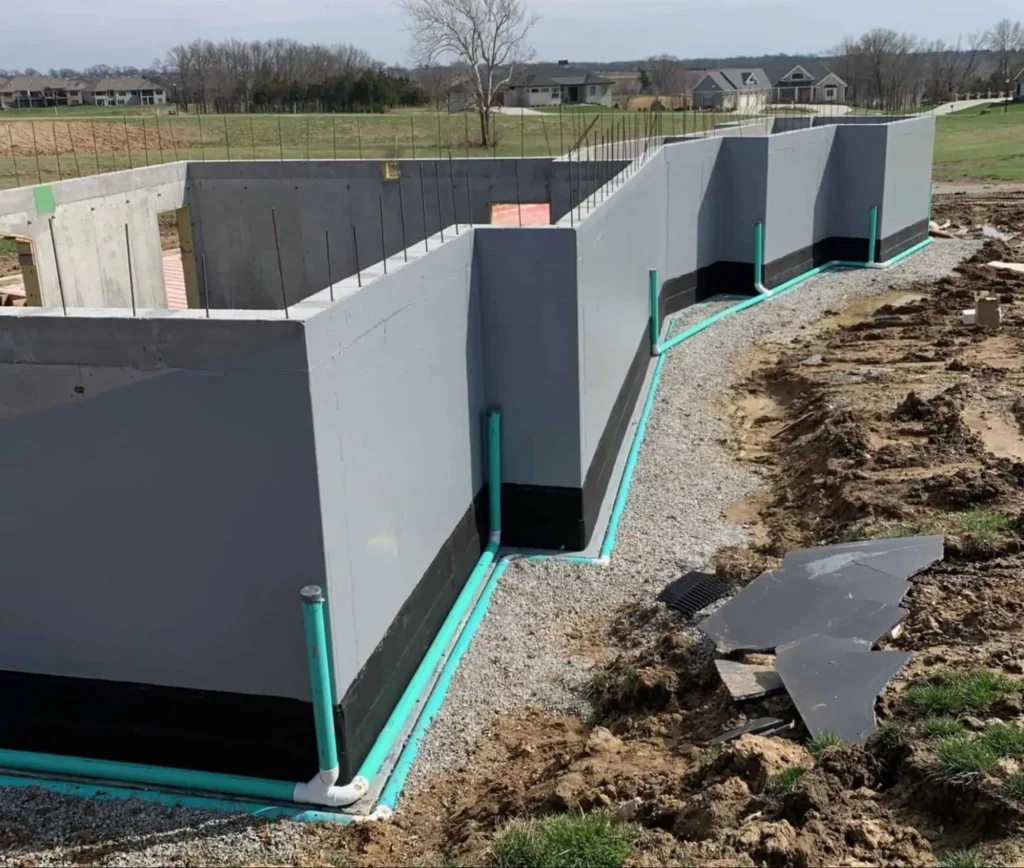
Essential Foundation Maintenance Tips to Prevent Costly Repairs
Basement water ingress, mould growth and structural settlement affect more than half of New Jersey’s older homes. This guide delivers actionable foundation maintenance tips, from spotting early cracks to scheduling advanced repairs, so you preserve stability and protect property value year-round. You will learn how to recognise warning signs, conduct a DIY inspection, apply preventative measures, compare repair methods, integrate waterproofing and encapsulation, understand local costs and seasonal care tasks. As a trusted local specialist, Effective Basement Solutions brings over a decade of expertise in foundation repair, basement waterproofing and crawl space encapsulation to help you request a free consultation when professional support is needed.
What Are the Common Signs of Foundation Problems Every Homeowner Should Know?
Foundation problems emerge through visible and sensory clues that signal structural shifts or moisture intrusion. Early detection prevents minor hairline cracks from evolving into major structural damage. For example, identifying fissures in concrete or noticing misaligned openings can avert costly underpinning later.
How to Identify Different Types of Foundation Cracks and Their Severity
Foundation cracks are fissures in concrete surfaces caused by soil movement, hydrostatic pressure or drying shrinkage. Hairline cracks often result from normal settling and pose minimal risk, while horizontal or stair-step cracks indicate serious soil pressure or structural settlement.
| Crack Type | Cause | Severity |
|---|---|---|
| Hairline Vertical | Settling or shrinkage | Low – cosmetic only |
| Horizontal Wall | Lateral soil pressure | High – structural |
| Stair-Step | Frost heave or differential settling | Medium – monitor |
| Diagonal Slab | Uneven load distribution | Medium to high |
Understanding crack characteristics guides your decision on DIY sealing versus professional underpinning.
What Do Uneven Floors and Sticking Doors Indicate About Your Foundation?
Uneven floors and doors or windows that stick reveal foundation settlement or lateral movement under load. When floor joists tilt or walls shift, interior elements lose alignment and require adjustment.
- Floors that slope or sag often result from soil consolidation beneath footings.
- Doors that bind in their frames indicate frame distortion linked to wall movement.
- Windows failing to latch correctly point to twisting in structural supports.
Recognising these misalignment cues helps you diagnose whether simple shimming or expert realignment is necessary to restore stability.
How Can Basement Moisture and Musty Smells Signal Foundation Issues?
Basement dampness and musty odours stem from water penetration through cracks, joint gaps or inadequate drainage around the foundation. Persistent moisture promotes mould growth and accelerates concrete deterioration.
- Puddles or wet spots on the slab surface indicate leaks along foundation walls.
- Mold colonies on walls or carpets signal high humidity from water seepage.
- Mildew odours often accompany micro-cracks allowing moisture ingress.
Detecting these moisture indicators prompts you to inspect drainage systems, check sealants and consider interior or exterior waterproofing solutions.
How Can Homeowners Perform a DIY Foundation Inspection Checklist Effectively?
A DIY foundation inspection is a systematic survey of structural and moisture-related cues around your home. By following a clear checklist, you ensure no critical sign is overlooked and you gather evidence to support professional recommendations if advanced repair is needed.
What Are the Step-by-Step Actions for a Thorough Foundation Inspection?
Begin by examining exterior walls and grading, then move indoors to assess structural alignment and moisture. A consistent routine uncovers subtle warning signs before they escalate.
- Walk the perimeter and observe soil slope, ensuring it directs water away from footings.
- Inspect all foundation walls for surface cracks, noting type and length.
- Check interior floor level with a straightedge or marble test to detect sagging.
- Operate every door and window to reveal sticking or misalignment.
- Scan basement walls and floor for damp spots or efflorescence.
- Document findings with photos and notes for comparison over time.
Performing these actions every season builds a record of changes and empowers timely intervention.
Which Tools and Visual Aids Help Spot Foundation Damage Early?
Handheld instruments and simple visual aids enhance your ability to detect subtle foundation shifts and moisture ingress.
- A laser level or straightedge reveals floor unevenness within millimetres.
- Crack gauges or transparent rulers measure width changes over time.
- Moisture meters detect elevated dampness levels behind wall finishes.
- High-resolution smartphone photos provide date-stamped visual records.
Equipping yourself with these tools speeds up assessments and supports clear communication with specialists when seeking professional evaluation.
When Should You Call a Professional After a DIY Inspection?
You should schedule a professional assessment when signs point to structural instability or persistent moisture despite DIY fixes. Critical triggers include:
- Horizontal or stair-step cracks wider than 3 mm in wall surfaces.
- Floor slopes exceeding a 2 cm drop over a 2 m span.
- Recurring basement leaks after improving grading and sealing.
- New or worsening misalignment in doors, windows or load-bearing walls.
Engaging experts from Effective Basement Solutions at this stage ensures accurate diagnosis, tailored repair strategies and long-term guarantees.
What Are the Best Preventative Foundation Maintenance Tips to Protect Your Home?
Preventative care focuses on controlling soil moisture, water flow and load distribution around the foundation. Proper routines deliver stability, minimise hydrostatic pressure and extend service life without invasive repairs.
How Does Proper Drainage Prevent Foundation Damage?
Effective drainage systems divert surface and subsurface water away from foundations, reducing hydrostatic pressure against walls and footings.
| Drainage Solution | Mechanism | Benefit |
|---|---|---|
| Grading Adjustments | Slope soil away from foundation | Limits surface runoff |
| French Drains | Perforated pipe collects subsurface water | Prevents water accumulation near walls |
| Gutter Extensions | Channel roof runoff away from base | Stops water pooling at base |
| Interior Drainage Mat | Directs seepage to sump pump | Controls basement moisture |
Maintaining clear gutters, redirecting downspouts and inspecting French drain outlets each autumn ensures your drainage remains effective.
Why Is Managing Soil Moisture Critical for Foundation Stability?
Soil moisture fluctuations cause expansion and contraction cycles that stress foundations. Clay-rich soils magnify these movements, leading to settlement cracks or heaving.
- Consistent irrigation patterns near the foundation prevent abrupt moisture shifts.
- Deep-rooted trees planted at a safe distance avoid uneven water uptake that dries soil unevenly.
- Perimeter moisture barriers maintain a uniform dampness level to stabilise soil volume.
Balanced soil moisture reduces pressure differentials, maintaining the uniform support your foundation requires.
How Can Landscaping Choices Help Prevent Foundation Problems?
Thoughtful landscaping integrates with maintenance strategy by controlling water flow and root growth around the structural base.
- Plant shrubs and trees at least 3 m from foundation walls to avoid root intrusion.
- Use gravel beds or permeable pavers adjacent to walls to encourage proper drainage.
- Install mulch layers to moderate evaporation and maintain consistent soil moisture.
- Avoid heavy landscape features on compacted soil near footings to minimise added load.
Integrating these landscaping measures preserves soil conditions and complements structural upkeep practices.
What Are the Most Effective Foundation Repair Methods for Homeowners?
When maintenance alone cannot resolve damage, targeted repair techniques restore integrity and prevent further movement. Choosing the right method depends on crack severity, soil conditions and load requirements.
How Do Epoxy Injection and Carbon Fibre Straps Repair Foundation Cracks?
Epoxy injection and carbon fibre reinforcement address crack sealing and wall stabilization through advanced materials.
- Epoxy injection fills voids in hairline and medium cracks, bonding concrete edges and restoring load capacity.
- Carbon fibre straps adhere to interior walls to resist lateral bowing, providing high-strength reinforcement with minimal excavation.
Combining these techniques stops water intrusion and stabilises walls, offering a durable solution without extensive demolition.
When Is Underpinning or Helical Pier Installation Recommended?
Underpinning and helical pier systems support foundations showing significant settlement or voids beneath footings.
- Underpinning extends footings to deeper, load-bearing strata using reinforced concrete sections.
- Helical piers screw into stable soil layers and attach to footing brackets, transferring loads below problem zones.
These methods suit structures with uneven settlement or void formation detected during professional evaluation.
What Are the Benefits of Professional Foundation Repair Services?
Engaging certified specialists delivers precision, guarantees and long-term performance that DIY methods cannot match.
- Expert assessments diagnose root causes, matching solutions to soil, moisture and structural conditions.
- Licensed installation teams apply industry-approved standards and materials, ensuring code compliance.
- Warranties on workmanship and materials protect homeowners from future repair costs.
Professional service from Effective Basement Solutions combines local soil expertise with proven techniques to secure foundations for decades.
How Can Basement Waterproofing and Crawl Space Repairs Support Foundation Health?
Integrating basement waterproofing and crawl space encapsulation with foundation care stops moisture-driven soil pressure and preserves structural elements below grade.
What Basement Waterproofing Systems Prevent Water Damage?
Interior and exterior waterproofing systems intercept water before it invades living spaces and undermines footings.
- Interior drainage channels route seepage to sump pumps, controlling hydrostatic pressure.
- Exterior membrane coatings seal wall exteriors against groundwater infiltration.
- Drainage mats combined with perimeter drains ensure continuous flow away from the foundation.
Employing these systems in tandem blocks moisture paths and reduces concrete stress cycles.
How Does Crawl Space Encapsulation Improve Foundation Longevity?
Encapsulation creates a sealed environment under the house floor, controlling humidity and preventing soil-borne moisture fluctuations.
- A heavy-duty vapour barrier lines crawl space walls and floors, stopping ground moisture.
- Insulated panels regulate temperature, reducing freeze-thaw cycles on footings.
- Dehumidifiers maintain optimal humidity levels to protect beams, joists and subflooring.
This comprehensive approach stabilises subsurface conditions, complementing above-ground waterproofing and foundation care.
What Are the Signs That Basement Waterproofing or Crawl Space Repair Is Needed?
Visible and environmental indicators reveal when waterproofing or encapsulation becomes essential to foundation health.
- Persistent damp spots or mould on crawl space walls despite ventilation.
- Sump pump cycling frequently during light rainfall, suggesting poor drainage.
- Rust or rot on floor joists and beams in crawl space.
- Bowing or bowed walls in the basement indicating hydrostatic stress.
Addressing these signs with targeted systems protects foundations from moisture-driven damage.
What Are the Typical Foundation Repair Costs and Contractor Selection Tips in New Jersey?
Understanding regional pricing benchmarks and vetting contractors ensures transparent budgeting and reliable workmanship for foundation restoration in New Jersey.
How Much Does Foundation Repair Usually Cost in New Jersey?
Foundation repair costs vary by method, extent of damage and local labour rates. The following ranges reflect typical investments as of October 2025.
| Repair Method | Cost Range (USD) |
|---|---|
| Crack Injection | $250 – $800 |
| Carbon Fibre Wall Straps | $800 – $1,500 |
| Helical Pier Installation | $1,500 – $4,000 per pier |
| Underpinning Sections | $2,500 – $15,000 |
Accurate quotes depend on soil tests, site access and the number of stabilization points required.
What Should Homeowners Look for When Choosing a Foundation Repair Contractor?
Selecting a qualified specialist involves verifying credentials, track record and service warranties.
- Confirm licensure and relevant professional certifications.
- Request detailed estimates that break down labour, materials and permits.
- Review local case studies or testimonials showcasing before-and-after results.
- Ensure clear warranty terms on both workmanship and materials.
A transparent contractor partnership guarantees accountability and lasting results.
How Do Local Soil and Weather Conditions Affect Repair Needs in New Jersey?
New Jersey’s diverse soil compositions—from clay-rich inland terrains to sandy coastal sediments—create variable foundation stresses.
- Clay soils expand when wet and contract during drought, causing cyclic movement.
- Sandy or silty soils near coastlines can erode under heavy rain, undermining footings.
- Freeze-thaw cycles in winter introduce frost heave risks on poorly drained sites.
Customized repair strategies account for these environmental factors to deliver stable foundations.
How Should Homeowners Conduct Seasonal Foundation Maintenance for Long-Term Protection?
Seasonal maintenance aligns foundation care with natural weather cycles, ensuring year-round defence against water and settlement issues.
What Foundation Maintenance Tasks Are Essential in Spring and Summer?
In warmer months, focus on drainage, moisture control and preventive inspections.
- Clean gutters and downspouts to ensure water flows freely.
- Check exterior grading and add soil where erosion has created low spots.
- Inspect foundation walls for new cracks or shifting patterns.
- Flush interior drain systems and test sump pump operation.
- Clear vegetation from within 3 m of foundation walls to allow airflow.
These tasks set the stage for stable soil moisture and controlled runoff.
How to Prepare Your Foundation for Fall and Winter Conditions?
As temperatures drop and rainfall increases, proactive measures prevent freeze-thaw damage and ice-damming.
- Extend downspouts at least 1.5 m from foundation to avoid water pooling.
- Seal minor cracks with polymer-modified sealant before moisture penetration.
- Insulate exposed pipes and install heat tape on vulnerable exterior drains.
- Apply waterproof exterior coatings to low-lying foundation sections.
- Schedule a professional assessment to verify drainage and waterproofing systems.
Preparing your foundation for colder months minimises frost heave and ice-related stress.
Why Is Regular Foundation Inspection Important Throughout the Year?
Ongoing monitoring detects emerging issues while they remain minor, reducing repair complexity and expense.
Regular inspections affirm that drainage, soil moisture and structural elements perform as intended. Consistent oversight ensures that seasonal tasks and professional interventions work in concert to maintain foundation integrity and safeguard home value over decades.
Effective foundation maintenance combines vigilant inspection, targeted preventative measures and expert repair methods. By applying these essential tips—from recognising early warning signs to selecting certified contractors in New Jersey—you preserve structural stability and reduce long-term costs. Seasonal routines and integrated waterproofing support soil conditions, while professional services from Effective Basement Solutions deliver tailored solutions backed by warranties. For personalised advice or to request a free consultation, reach out to the foundation care specialists dedicated to protecting your home’s most critical asset.
