
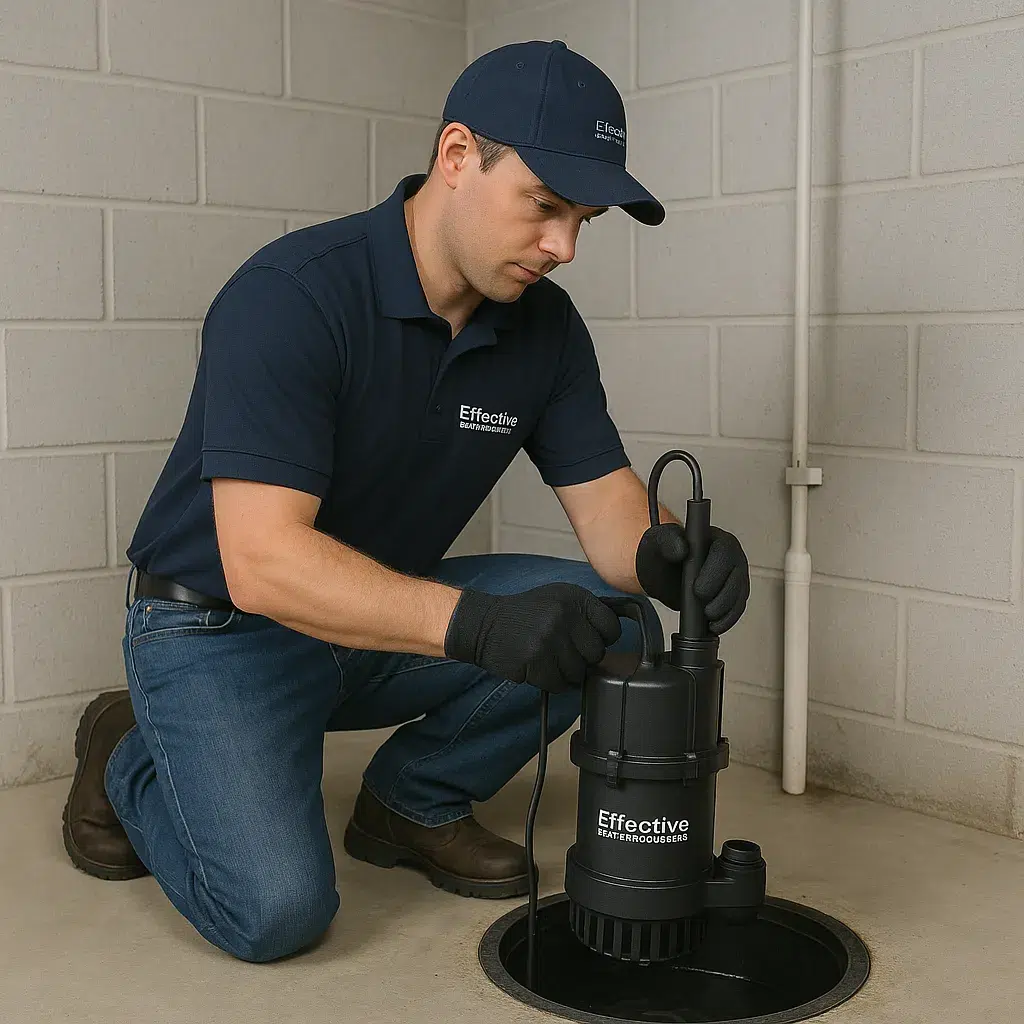
Sump Pump Installation NJ – Your Basement's Best Defense Against Water
Basement flooding and persistent water intrusion are major concerns for New Jersey homeowners. A professionally installed sump pump system offers the most reliable protection against these risks. This guide will walk you through how sump pump systems work, why they’re essential for NJ homes facing heavy rain and high groundwater, and how expert installation safeguards your foundation and indoor air quality. You’ll learn about common local causes of basement water issues, our step-by-step installation process, how to choose the right pump and backup, signs that indicate repair or replacement, and clear cost factors to help you plan. We’ll also compare submersible, pedestal, battery backup, and water-powered options, provide maintenance tips, and explain when to call the pros. Read on for practical advice, helpful comparisons, and a clear overview of what to expect from an expert installation in New Jersey.
Why New Jersey Homes Absolutely Need a Reliable Sump Pump System
A sump pump system works by collecting groundwater or surface runoff and efficiently redirecting it away from your home’s foundation. This crucial process reduces hydrostatic pressure and prevents water from building up in your basement or crawl space. In New Jersey, we frequently experience coastal storms, heavy seasonal rainfall, and often deal with poor lot drainage and high water tables. These factors significantly increase the likelihood of basement leaks and flooding. That’s why a dependable water management system is non-negotiable. Installing a correctly sized sump pump dramatically lowers the risk of mold growth, costly damage to finished basements, and foundation deterioration, all while improving indoor air quality and boosting your home’s resale value. In the following sections, we’ll dive into common NJ basement water problems, the mechanics of sump pumps, and why professional installation is key to long-term performance.
What Basement Water Problems Are Most Common in New Jersey?
New Jersey basements frequently battle seasonal flooding from intense storms, surface runoff that overwhelms yard grading, and seepage through tiny cracks in foundation walls and floors. These issues often worsen due to high groundwater levels, especially in low-lying areas. Hydrostatic pressure can force water directly through concrete and mortar, leading to damp walls, efflorescence (white mineral deposits), and musty odors – all clear signs of excessive moisture and potential mold growth. Finished basements are particularly vulnerable, as water intrusion can ruin flooring, drywall, electrical systems, and stored items. Repeated wet/dry cycles also accelerate structural decline. Understanding these local causes of water entry empowers homeowners to prioritize effective drainage solutions, proper sump pump capacity, and robust backup strategies.
How Does a Sump Pump Protect Your Basement from Flooding and Water Damage?
A sump pump actively prevents basement flooding by gathering incoming water in a dedicated sump pit and then pumping it through a discharge pipe, safely away from your foundation. This process effectively stops moisture from entering your living spaces. When water in the basin reaches a specific level, a float switch or electronic sensor activates the pump motor. The pump then moves the water past a check valve and out to a safe discharge point, which in turn lowers the local groundwater pressure. This continuous removal of water minimizes the time your walls and floors remain wet, significantly reducing mold growth, material degradation, and corrosion to mechanical systems. Proper discharge routing and a fully functional check valve are absolutely critical to prevent water from flowing back into the pit and ensure your system delivers the protection it’s designed for.
Why Is Professional Sump Pump Installation Essential for NJ Homeowners?
Professional installation guarantees correct basin placement, accurate pump sizing, proper discharge routing, and full compliance with local codes and permit requirements. All these factors are vital for long-term reliability and ensuring your warranty remains valid. Our licensed technicians meticulously assess site-specific conditions — including soil type, foundation structure, and proximity to sewer lines — to design an installation that minimizes backflow risks and prevents accidental drainage onto neighboring properties. Professionals also rigorously test the system under realistic conditions and thoroughly document the work. This documentation is invaluable for future maintenance planning and for supporting any warranty claims. Investing in expert installation significantly reduces the chance of malfunction during severe weather, providing invaluable peace of mind that directly translates into fewer emergency repairs and lower long-term costs.
Our Step-by-Step Process for Sump Pump Installation in NJ
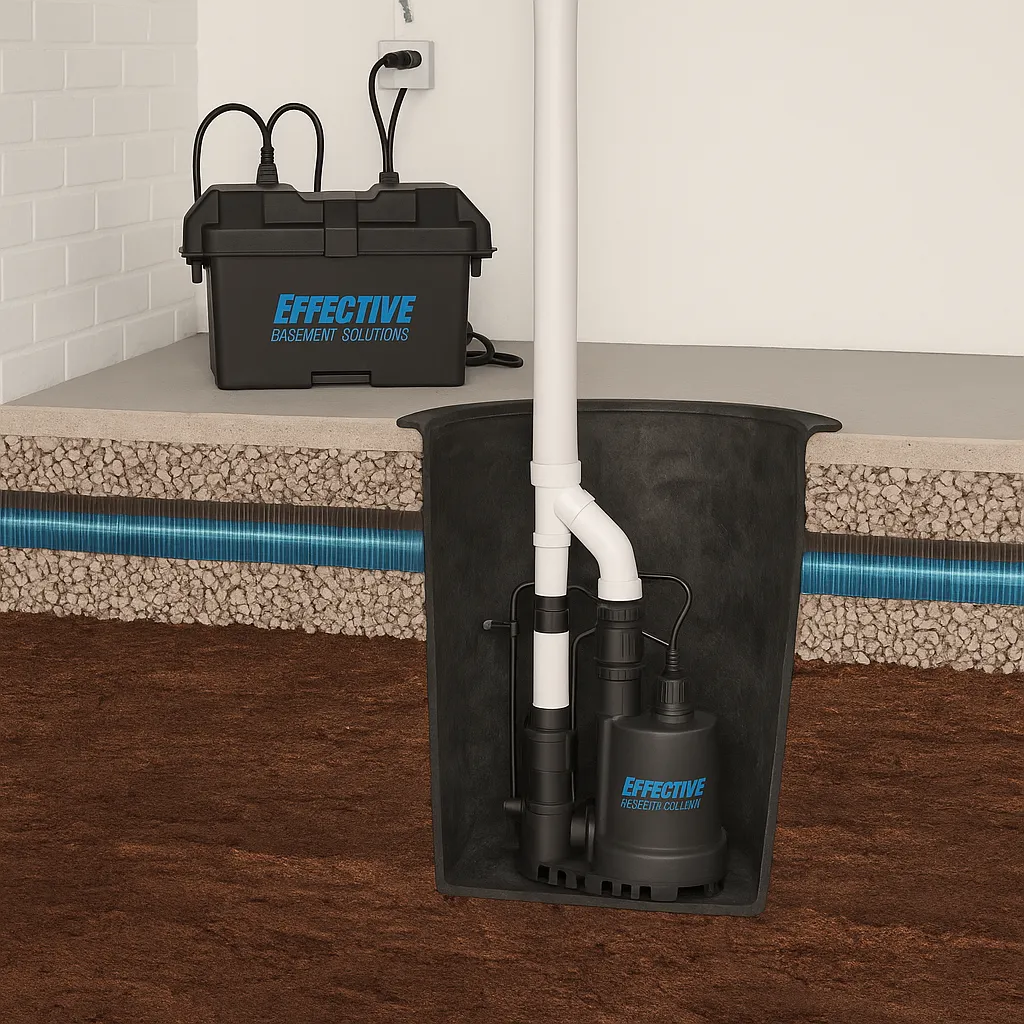
Our professional sump pump installation follows a clear, proven sequence: a thorough site assessment, precise pit excavation, secure basin and pump placement, expert discharge routing with check valve installation, and comprehensive final testing with a homeowner walkthrough. Our technicians start by carefully inspecting your basement for water entry points, calculating the necessary pump capacity, and identifying the ideal basin location to efficiently capture water. After excavation, the basin is securely set on a stable stone bed for optimal drainage and support. Piping and valves are installed to code, and wiring and switches are safely connected to power sources. The installation concludes with full-system testing and clear instructions for homeowners on routine checks. Below, you’ll find detailed stages and what each involves, helping you understand the workflow and timeline before scheduling your service.
How Our Experts Assess Your Basement's Sump Pump Needs
During our initial assessment, our technicians meticulously check for visible leaks, floor and wall cracks, existing drainage systems, and historical water patterns. This helps us pinpoint the root causes of your water issues and design a precise, targeted solution. We measure your basement floor slope, identify any plumbing or utility obstacles, and evaluate access for excavation and equipment staging. We also estimate the ideal pump capacity by reviewing past water levels or known drainage rates. Our inspectors consider power availability for both primary and backup units and determine if French drain integration or other drainage improvements are needed to reduce water inflow. To help us provide the most accurate written estimate, we recommend documenting any past floods and ensuring easy access to your basement before our visit.
Key Installation Steps: Pit Excavation, Pump Placement, and Discharge
The installation begins with carefully cutting or removing floor material to create a stable sump pit, sized to handle your anticipated water inflow and pump displacement. A durable basin is then installed, resting on compacted stone for optimal drainage and support. The pump is precisely positioned inside the basin, ensuring correct float switch clearance and mounted to prevent debris interference. A crucial check valve is installed on the discharge line to prevent backflow and protect the pump motor from unnecessary cycling. Discharge piping is then routed to a safe outfall above ground or to an approved drainage connection, with careful consideration for slope and freeze protection to prevent line blockages during harsh NJ winters. Proper backfill, floor patching, and sealing around the basin complete the structural work, preparing the system for commissioning and testing.
How Our In-House Crews Ensure Top Quality and Lasting Durability
Our in-house crews deliver consistently high-quality workmanship because the same trained teams follow standardized installation procedures, use only approved, high-quality materials, and adhere to strict quality-control checklists. Every step is documented for comprehensive warranty support. By using dedicated technicians instead of subcontractors, we simplify communication, ensure clear accountability for workmanship, and often reduce the need for rework, as our crews are thoroughly trained on company-specific standards and common local conditions. Consistent parts sourcing and the use of manufacturer-recommended components significantly increase system longevity and simplify future service, as our technicians are intimately familiar with the installed models. This operational continuity improves installation predictability and helps homeowners fully understand their warranty implications and maintenance expectations.
What Testing and Final Checks Do We Perform After Installation?
After installation, our technicians conduct a comprehensive commissioning sequence. This includes filling the basin to activate the float switch, verifying the pump’s discharge rate, observing the check valve’s operation, and confirming that the discharge path effectively clears water. If a battery backup system is installed, our crew performs a simulated power-loss test to confirm automatic switchover and measure runtime. We also meticulously inspect battery connections and charging systems for proper function. Our technicians thoroughly check all electrical wiring, including GFCI protection where applicable, and provide clear explanations of routine homeowner checks, such as clearing debris from the pit and periodic battery tests. A detailed homeowner walkthrough documents the system’s operational status, provides essential maintenance recommendations, and outlines next steps for scheduled service or warranty registration.
Which Sump Pump Types Are Best Suited for New Jersey Basements?
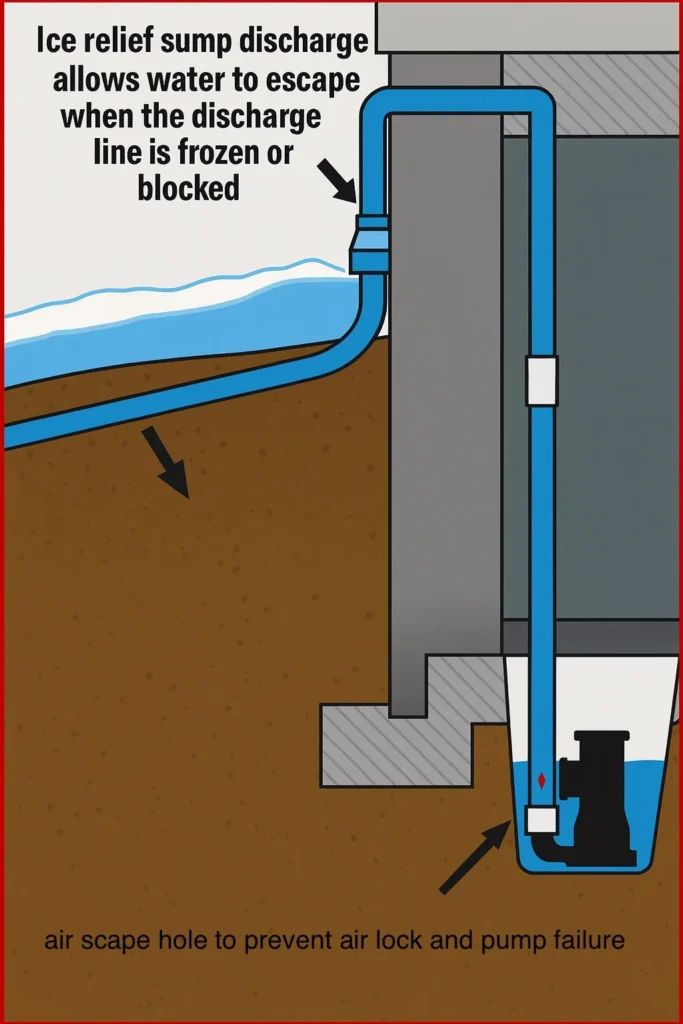
Different sump pump types are designed to suit various basement needs. Choosing the right one depends on factors like water volume, available space, noise preference, and your home’s risk of power outages. Submersible pumps are installed directly in the sump basin, handle higher water flows quietly, and are a popular choice for finished basements. Pedestal pumps, with their motor positioned above the basin, offer easier servicing and are often preferred for low-volume or debris-prone environments. Backup options, including battery backup and water-powered units, provide crucial redundancy during storms and power failures. Pairing a reliable primary pump with a backup significantly reduces the risk of catastrophic flooding during severe weather. The table below compares common pump types and their key attributes to help you make an informed decision.
| Pump Type | Key Feature | Ideal For |
|---|---|---|
| Submersible Sump Pump | Installed inside the basin, high pumping capacity (GPH), quiet operation | Finished basements and areas with heavy water inflow |
| Pedestal Sump Pump | Motor sits above the basin, easier access for maintenance, lower initial cost | Unfinished basements and situations with less debris |
| Battery Backup Sump Pump | Provides power during outages, runtime varies by battery size | Homes in storm-prone or frequent power outage areas |
| Water-Powered Backup Pump | Uses municipal water pressure, no battery needed | A secondary option where municipal pressure allows; note potential for high water usage |
Features and Benefits of Our Primary Sump Pumps
Primary sump pumps come in two main designs: submersible units, which operate fully submerged in the pit, and pedestal units, with the motor positioned above the pit. Each design offers distinct advantages depending on your specific installation needs. Submersible pumps are typically quieter and can handle larger debris and higher flow rates, making them an excellent choice for finished basements or properties with a history of significant water inflow. Pedestal pumps keep the motor out of the water, simplifying access for routine maintenance and potentially reducing replacement costs, which can be appealing for unfinished basements with less frequent use. Selecting the right primary pump involves carefully evaluating your expected water volume, noise sensitivity, and ease of maintenance access.
How Battery Backup Sump Pumps Protect Your Home During Power Outages
Battery backup systems are designed to automatically activate when grid power is lost, ensuring your sump pump remains operational during storms – which often bring the heaviest rainfall and power interruptions. This makes them absolutely essential for minimizing flood risk during outages. Battery runtime depends on the pump’s power draw and the battery’s capacity; systems are typically sized to provide several hours of protection under moderate inflow, with higher-capacity batteries or redundant systems extending runtime for prolonged storms. Regular testing and adherence to battery replacement schedules are crucial to ensure your system is always ready. Homeowners should also expect periodic maintenance to confirm charger function and battery health. In many cases, combining a battery backup with a reliable primary pump significantly reduces the chance of catastrophic basement flooding.
Pros and Cons of Water-Powered Sump Pumps
Water-powered backup pumps utilize municipal water pressure to remove sump water and require no battery. However, their use may not be permitted or practical everywhere due to local municipal restrictions or concerns about high water usage. Their primary advantage is uninterrupted operation, completely independent of electrical power systems, making them an attractive option where electricity reliability is a concern and water consumption is acceptable. Drawbacks include potentially high water usage during extended events, reduced effectiveness in areas with low municipal water pressure, and limitations where local codes restrict discharge to sewer or storm systems. A professional assessment is vital to determine if a water-powered backup is a suitable secondary protection method for your specific New Jersey property.
How to Choose the Right Sump Pump for Your NJ Home
Selecting the ideal sump pump begins with a thorough assessment of your basement’s water profile. This includes typical inflow rates, past flood history, and your home’s susceptibility to power outages. This diagnosis will then guide your choices for pump capacity, backup system selection, and discharge routing. Consider submersible pumps for high-flow, finished basements and pedestal units for simpler, less-used spaces. Prioritize a battery backup system if power outages frequently coincide with heavy rain. Also, factor in maintenance accessibility, warranty terms, and compatibility with French drain systems if you’re integrating multiple drainage solutions. When in doubt, a professional inspection will provide precise pump sizing and a tailored recommendation that expertly balances upfront cost with long-term protection.
When to Consider Sump Pump Repair or Replacement in NJ
Timely repair or replacement is crucial to prevent escalating damage to your basement and foundation, significantly reducing the risk of costly emergency remediation after a pump failure. Homeowners should actively monitor for warning signs such as continuous running, frequent cycling, strange noises, reduced water discharge, or a complete failure to start during tests. These signals often point to an impending failure or clogged components. The average lifespan of a pump varies with usage and maintenance, so older units with persistent problems are often more expensive to maintain than to replace with a modern, higher-capacity system that includes reliable backup protection. The following points will help homeowners prioritize service actions and make the smart choice to replace when it improves reliability and lowers lifetime costs.
- Learn common maintenance actions and quick checks to spot problems early.
- Understand when to prioritize replacement over recurrent repairs or declining performance.
- Consider valuable upgrades like battery backup or French drain connections during replacement.
What Are the Common Signs Your Sump Pump Needs Repair?
Several operational symptoms clearly indicate that your sump pump needs repair: the pump runs continuously without lowering the water level, the motor produces grinding or rattling noises, or the unit cycles on and off rapidly. Each of these symptoms points to a specific failure mode, such as jammed impellers, worn bearings, or float-switch malfunctions. Another critical sign is visible leakage around the basin or discharge line, which could indicate failed seals or a blocked discharge preventing effective drainage. Homeowners can perform simple checks like confirming the power supply, clearing debris from the pit, and testing the float to isolate the issue before calling a professional. When these quick checks don’t resolve the problem, prompt service significantly reduces the chance of complete failure during a storm.
How Long Does a Sump Pump Typically Last in New Jersey?
The service life of a sump pump depends on its usage frequency, water quality, and consistent maintenance. Many pumps operate reliably for several years under normal conditions, while heavy-use or debris-laden environments can shorten their lifespan. Regular maintenance — including cleaning the pit, inspecting the float, and occasional bench-testing of backup systems — significantly extends operational life and improves reliability during peak events. When a pump experiences recurrent failures or shows signs of motor wear and diminished flow despite repairs, replacement is often the more economical choice to restore dependable protection. Planning for replacement *before* a catastrophic failure preserves your property value and drastically reduces the risk of emergency water damage.
Why Timely Repair or Replacement Is Crucial to Prevent Damage
Delaying repair or replacement dramatically increases the probability of basement flooding, mold development, and structural or mechanical damage that typically costs far more to fix than preventive service. A properly functioning sump system reduces long-term repair costs by preventing repeated exposure of materials to moisture and by limiting mold colonization, which directly impacts indoor air quality. Proactive replacement decisions also offer an excellent opportunity to upgrade to systems with backup power, improved capacity, or enhanced warranty coverage that better match your home’s evolving risk profile. Therefore, regular inspections and scheduled maintenance represent a highly effective risk-management strategy for New Jersey homeowners.
How Much Does Sump Pump Installation Cost in New Jersey?
Sump pump installation costs vary based on the pump type, excavation complexity, labor, materials, and optional add-ons like a battery backup or French drain integration. Understanding these factors helps homeowners budget realistically. Common cost drivers include the price of the pump unit itself, the depth and difficulty of pit excavation, any necessary plumbing and electrical work, and the inclusion of redundant backup systems, which increase both parts and labor costs. Below is a detailed breakdown table that maps key cost factors to contractor actions and their typical impact on price, helping homeowners compare scenarios and prioritize their investments.
| Component | Contractor Action | Cost Impact |
|---|---|---|
| Pump Unit | Selection and installation of primary pump (submersible/pedestal) | Moderate to high, depending on capacity needs |
| Pit Excavation | Cutting floor, excavating, setting basin, backfilling, and patching | High for deep or challenging access areas |
| Discharge Line | Installation of piping, check valve, and routing to safe outfall | Moderate; freeze protection adds to the cost |
| Battery Backup | Installation of backup unit, battery, and charger | Moderate to high, depending on battery size and capacity |
| French Drain Tie-in | Excavation of perimeter, piping, and connection to sump basin | High due to extensive labor and excavation requirements |
What Factors Influence Your Basement Sump Pump Cost in NJ?
Major cost drivers for your sump pump installation include the specific pump type and capacity needed to handle typical water inflow, the complexity of excavation in finished or constrained basements, and the extent of plumbing and electrical work required to safely route discharge and meet local codes. Optional systems, such as battery backups, water-powered backups, and integrating a French drain, will add to material and labor costs but also significantly boost protection and resilience. Local permitting requirements, access for equipment, and the need to repair or refinish floors after installation further influence the final price. Our transparent estimates clearly enumerate these factors, allowing homeowners to make informed trade-offs between upfront cost and long-term value.
How to Get a Free, No-Obligation Sump Pump Estimate
Our professional free inspection process typically begins with scheduling a convenient site visit. During this visit, our technicians thoroughly document your basement conditions, identify water entry points, and assess access constraints before providing a written, no-obligation estimate. This estimate clearly outlines recommended components and costs. You can expect our inspector to measure and photograph the area, identify any potential permit or discharge constraints, and recommend options for primary and backup systems with clear explanations of the trade-offs. Effective Basement Solutions proudly offers complimentary inspections and written estimates for New Jersey basements, ensuring homeowners receive transparent information before making any decisions. To request your inspection, simply contact us by phone or use our online consultation channels to arrange a convenient visit and receive your detailed proposal.
Are There Additional Costs for Battery Backup or French Drain Integration?
Yes, adding a battery backup system includes the cost of the backup pump, battery, charger, and installation labor, plus ongoing battery replacement costs over time. However, this investment provides critical protection during power outages, especially when storms are most severe. French drain integration requires excavation along the foundation perimeter, piping, and a secure tie-in to the sump basin, which increases both labor and material costs. When properly installed, a French drain substantially reduces surface and subsurface water inflow. While these add-ons do increase the initial outlay, they often significantly lower long-term risk and potential remediation costs by enhancing water management and system redundancy. Homeowners should carefully weigh the upfront expense against the potential cost of a single severe flooding event.
Why Choose Effective Basement Solutions for NJ Sump Pump Installation
Effective Basement Solutions specializes in comprehensive basement waterproofing and foundation repair across New Jersey. We proudly offer in-house crews, free inspections, and detailed written estimates to guide homeowners toward the ideal protection strategy for their properties. Our company is committed to consistent workmanship, achieved by using trained in-house teams who follow documented procedures and source only reliable, high-quality materials. This approach fully supports our warranty coverage and ensures predictable, lasting outcomes. Effective Basement Solutions also provides a robust 30-year transferable warranty and a 12-month mold-free certificate, offering long-term protection and immediate reassurance for homeowners concerned about indoor air quality after remediation or installation. Below are the core value propositions that homeowners consistently consider when choosing a trusted provider.
- Benefit from our in-house installation teams for consistent quality and accountability.
- Receive free inspections and no-obligation written estimates for transparent decision-making.
- Gain peace of mind with our long transferable warranty and a mold-free certificate, protecting your home’s value and air quality.
What Experience and Credentials Does Effective Basement Solutions Bring?
Effective Basement Solutions operates as a dedicated New Jersey-based specialist in basement waterproofing and foundation repair. We pride ourselves on our dedicated in-house crews and our unwavering commitment to comprehensive home protection solutions. Our company provides free inspections and estimates, empowering homeowners to fully understand their specific risks and the recommended mitigation measures before making any decisions. These core service elements — our local focus, expert in-house teams, and complimentary evaluations — are designed to support homeowners who need tailored sump pump systems that perfectly align with New Jersey’s unique weather and site conditions. Relying on specialists who are intimately familiar with local drainage challenges significantly increases the likelihood that your chosen solution will perform reliably when you need it most.
How Our 30-Year Transferable Warranty and Mold-Free Certificate Benefit You
Our 30-year transferable warranty provides homeowners with long-term assurance that covered workmanship or components are backed by robust recovery options. The transferability of this warranty also significantly increases your property’s value proposition when it comes time to sell. Furthermore, our 12-month mold-free certificate offers immediate reassurance that any basement moisture issues were thoroughly addressed and that no mold regrowth was detected at the time of issuance. This can greatly reassure both potential buyers and current occupants about your home’s indoor air quality. Together, these powerful protections reduce homeowner risk and support resale value by documenting professional remediation and the proven effectiveness of our installed systems. Understanding the terms and any registration requirements is essential to fully leverage these valuable warranty protections.
What Do NJ Homeowners Say About Our Sump Pump Services?
Customer satisfaction is a crucial trust signal for homeowners when selecting a waterproofing partner. While specific testimonials are featured on our company’s own channels, many homeowners consistently highlight our responsiveness, clear estimates, and the long-term peace of mind they gain when evaluating providers. Summaries of our service outcomes frequently emphasize reduced basement moisture, fewer emergency callouts during storms, and the invaluable protection offered by our combined primary-plus-backup systems in preventing flood damage. Prospective clients are encouraged to request references or documented case studies during their free inspection to validate the perfect fit for their property and risk profile.
How Our Free Inspections and Estimates Work
Our free inspection process typically begins with scheduling a convenient site visit. During this visit, a skilled technician meticulously inspects visible water entry points, measures your basement’s geometry, and assesses drainage and power reliability for backup systems. Following this thorough inspection, the homeowner receives a written, no-obligation estimate that clearly outlines recommended components, the full scope of installation, and all cost factors, with clear explanations of optional upgrades like battery backup or French drain integration. This transparent process empowers homeowners to compare options and fully understand the value of their investment versus potential risks. To arrange your inspection, simply call Effective Basement Solutions at the provided contact number to schedule a visit and receive your detailed proposal.
Frequently Asked Questions About Sump Pumps
What kind of maintenance do sump pumps in New Jersey need?
Regular maintenance is absolutely essential to ensure your sump pump’s reliability and long life. Homeowners should inspect the pump and pit at least once a year, checking for any debris, clogs, and confirming proper operation. Key steps include cleaning the sump pit, testing the float switch, and making sure the discharge line is completely clear. Additionally, battery backups must be tested regularly to confirm they’ll function during power outages. Scheduling professional maintenance every few years can also help catch potential issues before they lead to a critical failure.
Can I install a sump pump myself, or should I hire a professional?
While some homeowners might consider a DIY installation, we highly recommend hiring a professional for sump pump installation. Professionals ensure full compliance with local codes, proper sizing, and optimal placement – all of which are critical for effective operation. They also possess the expertise to assess site-specific conditions, such as soil type and drainage patterns, which can significantly impact performance. A professional installation minimizes the risk of future problems and ensures that your warranties remain valid, providing invaluable peace of mind for homeowners.
What should I do if my sump pump fails during a storm?
If your sump pump fails during a storm, your first step is to check for power supply issues, such as tripped circuit breakers or blown fuses. If the pump is running but not discharging water, inspect the discharge line for clogs. If the pump is completely non-functional, consider using a portable pump as a temporary solution until professional repairs can be made. It’s absolutely crucial to have a backup system in place, such as a battery backup pump, to prevent flooding during power outages.
How can I tell if my sump pump is working correctly?
To determine if your sump pump is functioning properly, perform a simple test by pouring water into the sump pit. The pump should activate when the water level rises and efficiently discharge the water through the discharge line. Listen for any unusual noises, such as grinding or rattling, which could indicate mechanical issues. Additionally, check for any leaks around the pump or discharge line. Regular inspections and maintenance are key to ensuring your sump pump operates effectively when you need it most.
What are the benefits of having a battery backup sump pump?
A battery backup sump pump provides critical protection during power outages, which often coincide with the most severe storms. This system ensures your primary pump continues to operate, preventing basement flooding precisely when you need it most. Battery backups can also extend the overall lifespan of your primary pump by reducing wear during peak usage. Furthermore, they offer invaluable peace of mind, knowing your home is protected even when the power is out, making them a wise investment for homeowners in flood-prone areas.
How do I know if I need to upgrade my sump pump?
Consider upgrading your sump pump if you notice signs of reduced performance, such as frequent cycling, unusual noises, or a failure to start during tests. If your home has experienced increased flooding or water intrusion, a higher-capacity pump may be necessary. Additionally, if your current pump lacks a backup system and you live in an area prone to power outages, upgrading to a model with a battery backup will significantly enhance your home’s flood protection. Regular inspections can help identify when an upgrade is truly warranted.
What is the average lifespan of a sump pump?
The average lifespan of a sump pump typically ranges from 5 to 10 years, depending on usage, maintenance, and environmental conditions. Pumps that experience heavy use or are exposed to debris-laden water may have shorter lifespans. Regular maintenance, such as cleaning the sump pit and testing the pump, can significantly extend its operational life. Homeowners should actively monitor for signs of wear and consider replacement if the pump frequently malfunctions or shows reduced performance, ensuring continuous, reliable protection against flooding.
How Much Does Sump Pump Installation Cost in NJ?
Sump pump installation costs in New Jersey vary based on the pump type, excavation complexity, and optional additions like backups or French drain work. Homeowners should expect a range tied to these factors, rather than a single, fixed price. Key influencers include the primary pump’s capacity, whether your basement is finished and requires floor repair, and if a battery backup or discharge routing with freeze protection is necessary. A free, no-obligation estimate, provided after an on-site inspection, will clearly outline the cost for your specific property and present options to match your budget and risk tolerance. Please refer to the cost breakdown table above for a detailed look at component-level impacts on the overall price.
Who Installs Sump Pumps Professionally in New Jersey?
Licensed basement waterproofing contractors and plumbing professionals are typically the experts who install sump pumps. Homeowners should always verify that providers use in-house crews, offer written estimates, and provide comprehensive warranty coverage for both workmanship and parts. When selecting a contractor, confirm that the installer thoroughly documents the scope of work, clearly explains maintenance needs, and clarifies whether they handle permits and discharge routing in compliance with local regulations. Choosing a firm with extensive experience in New Jersey’s unique drainage conditions significantly increases the chance that your system will perform reliably under regional weather patterns. Effective Basement Solutions proudly offers in-house crews and free inspections to guide you through this crucial selection process.
How Long Does a Sump Pump Last, and When Should It Be Replaced?
A sump pump’s lifespan depends on its workload, consistent maintenance, and the environment it operates in, with heavy-use systems typically requiring earlier replacement than lightly used units. Consistent maintenance and periodic testing are key to extending its operational life. You should consider replacing a pump when you observe recurrent failures, significantly reduced discharge performance, or when repairs become frequent and costly relative to the price of a new unit. Upgrading to models with higher capacity or adding reliable backups can be a smart long-term investment, especially if your area experiences frequent storms or power outages. Regular inspection schedules and preventive maintenance are your best defense against emergency replacement.
Do I Need a Permit to Install a Sump Pump in NJ?
Permit requirements for sump pump installation vary by local municipality in New Jersey. Some jurisdictions do require permits for plumbing or structural work that alters drainage or discharge paths. Professional installers typically advise on and obtain any required permits as part of their comprehensive service. Before beginning any work, it’s crucial to confirm with your installer or local building department whether permits, inspections, or discharge approvals are needed to ensure full compliance and protect your warranty. Experienced contractors proactively plan for these variables during the free inspection and include permit-related actions in their written estimates to avoid any surprises. Working with a professional simplifies navigating complex permit processes and local regulations.
What Is the Best Sump Pump Type for NJ Basements?
The best sump pump for a New Jersey basement truly depends on your expected water volume, noise tolerance, and risk of power outages. Many homeowners find that a high-capacity submersible primary pump, paired with a reliable battery backup, offers the most comprehensive protection. Submersible pumps handle higher flows quietly and are ideal for finished basements, while pedestal units may be better suited for low-flow, unfinished spaces where easy servicing is a priority. If power outages are common during storms, adding a battery backup substantially reduces flood risk. Integrating a French drain can also significantly reduce water inflow to the basin. A professional sizing and inspection will provide a tailored recommendation that expertly balances capacity, budget, and your specific redundancy needs.
Conclusion: Secure Your Home with Expert Sump Pump Installation
Investing in professional sump pump installation in New Jersey is the smartest way to safeguard your home against flooding and water damage, ensuring a dry, healthy, and safe living environment. By understanding the various pump types and their unique benefits, homeowners can make informed decisions that not only enhance property value but also significantly improve indoor air quality. Don’t wait for the next storm to strike; schedule your free inspection today to assess your basement’s specific needs. Trust Effective Basement Solutions to provide reliable, long-lasting protection for your most valuable asset – your home.
