How to Choose the Best Basement Waterproofing Company in NJ for Reliable Protection
Basement waterproofing protects your home from water intrusion, mold, and structural damage by managing groundwater and controlling interior moisture before it compromises foundation integrity. This guide explains how waterproofing works, why New Jersey’s climate and soil make timely action critical, and how to evaluate systems and contractors so you hire the right team for lasting protection. You will learn to recognize early warning signs of basement water problems, compare interior and exterior solutions like French drains and membranes, and understand when foundation repair or structural reinforcement is necessary. The article also walks through contractor vetting—licensing, warranties, and in-house crews—plus cost drivers, financing considerations, and complementary services such as crawl space encapsulation and dehumidification. Throughout, practical checklists, EAV comparison tables, and red-flag indicators help you make informed choices specific to New Jersey conditions and common county-level soil challenges. Read on to map risks to solutions and finish ready to request a professional inspection or estimate.
Why Is Basement Waterproofing Essential for NJ Homeowners?
Basement waterproofing prevents water infiltration that leads to mold growth, deteriorating building materials, and foundation damage by controlling hydrostatic pressure and directing water away from the structure. In New Jersey, high seasonal rainfall combined with clay-rich soils and variable grading increases the likelihood of basement seepage and recurring moisture problems, so timely waterproofing preserves indoor air quality and structural safety. Effective waterproofing reduces long-term repair costs by addressing root causes—drainage, pressure, and material vulnerability—rather than repeatedly patching symptoms. Understanding local risk factors helps homeowners choose the most appropriate system, which we’ll contrast in the next section to match solutions to specific site conditions and damage patterns.
What Unique Challenges Does New Jersey’s Soil and Climate Present?
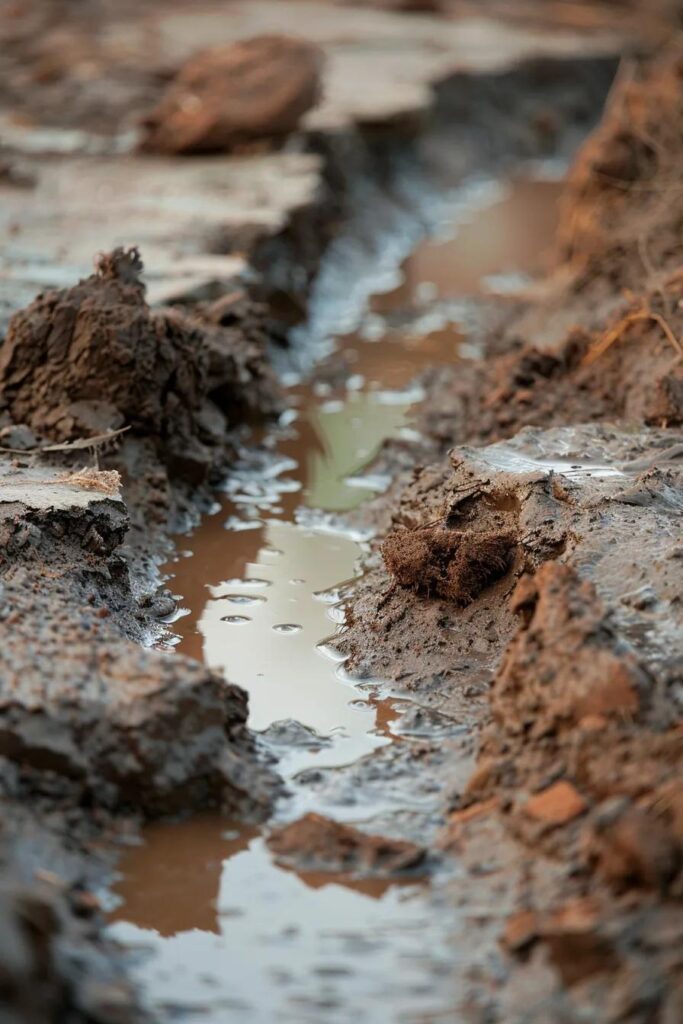
New Jersey’s climate features frequent heavy rainfall events and seasonal storms that raise groundwater levels and increase surface runoff, placing repeated stress on foundations. Many NJ soils contain high-clay content or fine silts that retain water and transmit hydrostatic pressure to basement walls and floors, which forces moisture through cracks and porous materials. Local grading, older stormwater systems, and lot-specific runoff paths further influence how water accumulates near foundations, making site evaluation essential before selecting a solution. Recognizing these environmental drivers leads directly to understanding visible signs of water problems and which mitigation approaches will perform reliably under local conditions.
External Foundation Wall Waterproofing: A Step-by-Step Guide
The first step in waterproofing any foundation wall is external waterproofing. This is done by applying a waterproofing membrane to the exterior of the foundation wall. The membrane is typically made of a rubberized asphalt or a polyurethane material. The membrane is applied to the wall in a continuous sheet, and it is sealed at all seams. The membrane is then covered with a layer of gravel or crushed stone to protect it from damage.
An Analysis of Waterproofing Systems and Materials, 2008
What Are the Common Signs of Basement Water Problems in NJ?
Homeowners can spot early indicators that water is compromising basement health by watching for physical, environmental, and functional signs that signal intrusion or ongoing moisture control failures. Common cues include visible wall or floor cracks with dampness, efflorescence or white mineral deposits on masonry, persistent musty odors indicating mold growth, rust stains near floor drains or joints, and intermittent pooling or active seepage during storms. Monitoring sump pump activity, unexpected humidity spikes, and blistering or peeling paint also reveals chronic moisture that requires professional assessment. Detecting these signs early enables targeted interventions that stop deterioration and reduce the need for extensive foundation repair.
- Common signs to watch for include:
Visible damp spots or pooling water on floors or at wall bases.
White powdery efflorescence on masonry indicating groundwater migration.
Persistent musty odors or visible mold growth on walls and stored items.
These warning signs help prioritize inspection and treatment; if you notice multiple indicators, arrange a professional assessment promptly so technicians can diagnose whether interior systems, exterior measures, or structural work are required.
How to Choose the Best Basement Waterproofing Company in NJ
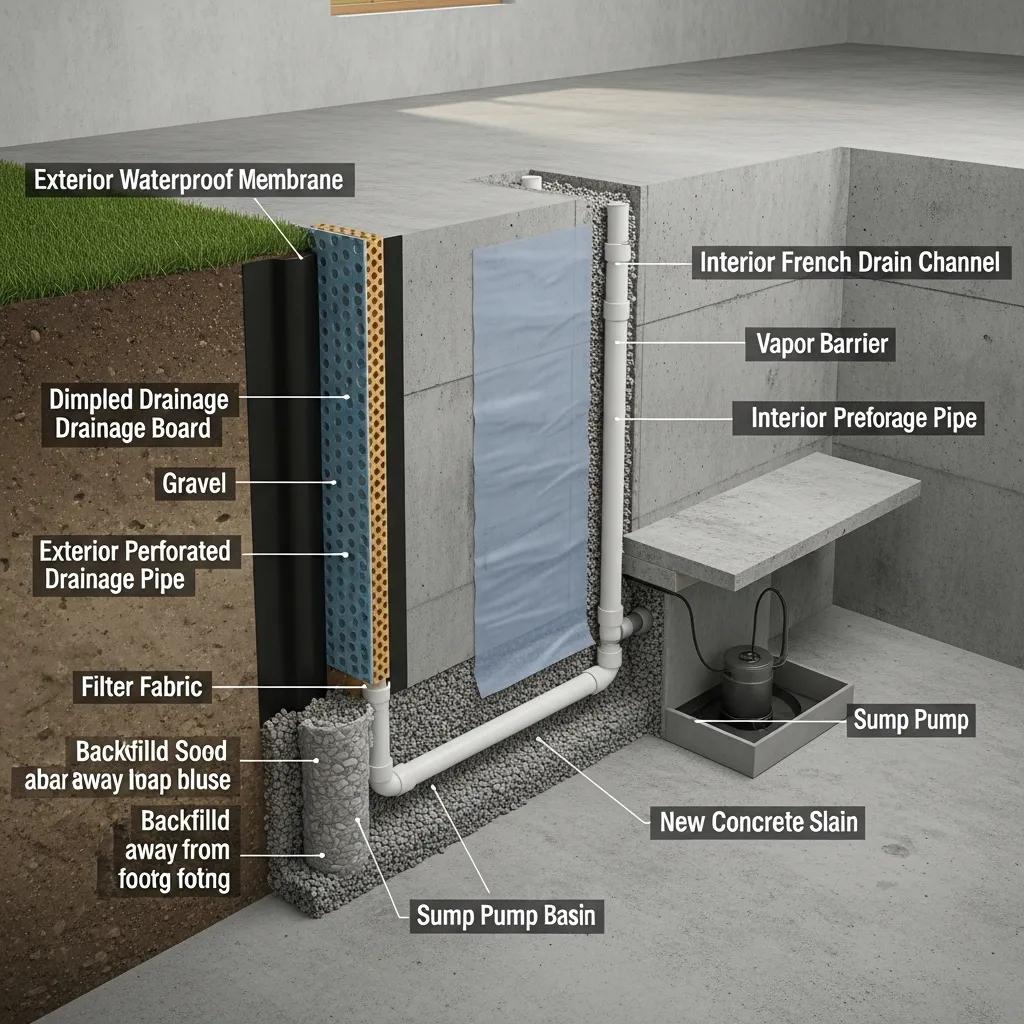
Basement waterproofing solutions fall into three primary categories—interior systems, exterior systems, and foundation/structural repair—each addressing different mechanisms of water entry and levels of damage. Interior systems (for example, French drains paired with sump pumps) manage water that has already penetrated or enters via floor or wall joints by collecting and redirecting it to a pumping point. Exterior solutions, such as excavation with waterproof membranes and exterior French drains, stop water before it reaches the foundation and are appropriate for persistent exterior seepage or perched water tables. Foundation repair and structural reinforcement address movement, bowing, or large cracks where waterproofing alone won’t restore structural stability. Choosing among these approaches depends on hydrostatic pressure, soil saturation, wall condition, and disruption tolerance.
| System Type | Typical Installation | Best-for Scenarios |
|---|---|---|
| Interior French drain + sump pump | Trench along footing, perforated pipe, sump basin, pump | Intermittent seepage, finished basements, quick install |
| Exterior membrane + drainage | Excavation, applied membrane, exterior drainboard | Chronic exterior seepage, saturated soils, full remediation |
| Foundation repair (anchors, straps) | Wall reinforcement or underpinning, structural stabilization | Bowing walls, large cracks, settlement-related movement |
This table clarifies trade-offs between disruption, cost, and long-term effectiveness so homeowners can match site conditions to system selection.
How Do Interior Waterproofing Systems Like French Drains and Sump Pumps Work?
Interior systems collect water that reaches the basement interior and channel it to a controlled discharge point, usually a sump basin where a pump then expels water away from the foundation. A typical interior French drain consists of a shallow trench cut along the perimeter floor, a perforated pipe embedded in gravel, and a conduit into the sump pit; the system relies on gravity and capillary flow to direct water into the drain. Sump pumps remove collected water and often include battery backup to maintain protection during power outages—an important consideration in NJ storms. Regular maintenance—testing the pump, inspecting check valves, and clearing debris—keeps interior systems functional and reduces the risk of repeated interior flooding.
Many New Jersey homeowners prefer interior systems when interior finishes prevent easy exterior excavation; they are cost-effective and less disruptive while providing robust protection when properly installed and maintained.
When Should You Consider Exterior Waterproofing and Foundation Repair?
Exterior waterproofing addresses water before it contacts the foundation by excavating to the footing, installing a continuous waterproof membrane or drainboard, and placing exterior drains to route water away from the structure. Consider exterior work when seepage originates from saturated soils outside the foundation, when water tracks down over the wall from poor grading, or when recurring interior fixes fail to stop moisture under hydrostatic pressure. Foundation repair is necessary when structural indicators—such as bowing walls, large horizontal cracks, or settlement—suggest that the integrity of the foundation has been compromised and stabilization is required alongside waterproofing. Exterior remediation is more disruptive and costly but frequently provides the most permanent resolution when exterior conditions are the root cause.
Before selecting exterior excavation or structural repair, homeowners should obtain to-scale evaluations and documented repair plans estimating both scope and expected outcomes; this ensures waterproofing aligns with structural needs and long-term protection goals.
How Do You Choose the Right Basement Waterproofing Contractor in NJ?
Choosing a contractor requires verifying licensing and insurance, confirming crew composition (in-house versus subcontractors), reviewing documented warranties, and comparing line-item estimates to ensure transparency. A qualified contractor will explain the cause of moisture—hydrostatic pressure, drainage, or structural failure—then recommend a targeted solution with clear scope, materials, and warranty terms. Requesting references, recent project photos, and case-study summaries helps validate workmanship quality and outcome consistency. Comparing multiple estimates and asking the right questions reduces the risk of low bids that omit critical components or provide non-transferable warranties; prepare a shortlist and use the checklist below to vet candidates thoroughly.
Key qualities to evaluate are summarized in the checklist that follows.
- Verified Licensing and Insurance: Ensure the contractor holds required state or local licenses and carries liability and workers’ compensation insurance.
- In-House Licensed Crews: Prefer companies that use their own licensed teams rather than subcontractors for better accountability.
- Documented Warranties: Look for both product and workmanship warranties, ideally transferable to future homeowners.
- Transparent Estimates: Request detailed line-item bids that separate materials, labor, excavation, and cleanup.
Using this checklist helps homeowners filter providers quickly; next, prepare focused questions to ask during on-site estimates so you can compare responses consistently.
What Key Qualities Should You Look for in a Licensed Waterproofing Company?
Prioritize contractors who demonstrate licensing and insurance, clear responsibility for crews, and warranties that cover workmanship and products so you can enforce remedies if issues arise. In-house licensed crews typically provide consistent workmanship and make warranty enforcement and follow-up service straightforward; in contrast, widespread use of subcontractors can complicate accountability. Quality providers also use materials meeting local standards and are prepared to explain technical choices—membrane types, pump capacities, and drainage configurations—based on site evaluation. Verify references, ask for recent photos of similar NJ projects, and ensure estimates include pre- and post-installation checks to confirm performance.
These contractor attributes reduce risk and support long-term protection; once you understand qualities to expect, compile specific questions for each estimate visit.
Which Questions Should You Ask Before Hiring a Basement Waterproofing Expert?
Before hiring, ask direct questions that reveal process, timeline, materials, warranty specifics, crew composition, permit responsibility, and cleanup plans so you can compare proposals on equal footing. Example questions include: What methods do you recommend and why? Will your crew be company employees or subcontractors? What are the exact warranty terms and is it transferable? Do you handle permits and inspection coordination? How will you manage surface grading and exterior drainage? What is the expected disruption and cleanup protocol? Asking these questions during estimates helps homeowners identify red flags—vague timelines, lack of documentation, or refusal to provide warranty details—and ensures contractors articulate predictable outcomes and maintenance expectations.
- What methods and materials will you use and why?
- Is your crew in-house and licensed?
- What warranties do you provide and are they transferable?
- Who handles permits and post-installation inspections?
Comparing answers to these questions clarifies which contractors are transparent and which may leave critical items vague.
What Factors Influence Basement Waterproofing Cost in NJ?
Basement waterproofing cost depends primarily on system type, site conditions, access, soil composition, required structural repairs, and material choices; labor rates and permit requirements also influence final estimates. Interior systems tend to cost less than full exterior excavation, but expenses increase when foundation repair, underpinning, or extensive grading is required. Contractors calculate bids by estimating labor hours, materials, excavation depth, disposal, pump and electrical work, and necessary permits, then add overhead and contingency for unexpected conditions. Understanding these drivers enables homeowners to compare line-item estimates and evaluate long-term value rather than choosing solely on price, which can lead to incomplete fixes and higher lifetime costs.
Below is an EAV-style cost driver table outlining common factors and sample impacts on price.
| Cost Factor | How It Affects Price | Example Impact or Range |
|---|---|---|
| System Type | Interior vs exterior vs structural repair determines materials and labor | Interior drains: lower; exterior excavation: higher |
| Soil & Access | Clay soils/limited access increase excavation time and machinery needs | Adds several hundred to several thousand dollars |
| Pump & Electrical | Higher capacity pumps and battery backup increase equipment cost | Pump + backup adds mid-range equipment cost |
| Permits & Cleanup | Local permits and disposal of excavated material add fees | Variable by municipality; plan for extra line items |
How Is the Cost of Basement Waterproofing Calculated?
Contractors calculate cost by summing material expenses, labor hours, equipment rental, excavation and disposal, permits, and contingency for unforeseen conditions; structural repair components such as anchors or underpinning add substantial cost. For example, a small interior French drain with a sump pump may remain in the lower cost band because it avoids excavation, while exterior membrane installation with deep excavation and regrading sits at the high end due to labor and disposal. Requesting a line-item estimate that separates these categories allows you to spot omissions or lowball pricing that may exclude essential steps. Comparing bids on consistent scopes of work—same pump capacity, same membrane type, same cleanup—ensures apples-to-apples evaluation.
Understanding calculation methods reduces surprises and empowers you to negotiate acceptable timelines, scope, and warranty terms rather than only the bottom-line price.
What Financing Options and Warranties Should You Expect?
Many homeowners finance waterproofing through contractor payment plans, home improvement loans, or personal financing; responsible contractors will outline available options or coordinate third-party financing without pressuring unnecessary upgrades. Expect to see product warranties that cover materials and manufacturer defects, plus workmanship warranties that guarantee installation quality for a set period; transferable warranties that move with the property add resale value. Read warranty documents closely to confirm coverage duration, what triggers a voided warranty (alterations, lack of maintenance), and procedures for filing claims. Prioritize contractors offering clear, written warranties and reasonable financing that align payments with project milestones.
- Typical warranty and financing points to verify:
Warranty length for workmanship and product coverage.
Whether the warranty is transferable to a future homeowner.
Available payment plans or third-party financing options.
Clear warranty documentation and transparent financing preserve both protection and budget predictability.
How Does Effective Basement Solutions Stand Out as a Trusted NJ Waterproofing Partner?
Effective Basement Solutions provides a statewide New Jersey service focused on basement waterproofing, drainage, and foundation repair with in-house licensed crews, free inspections, and an emphasis on long-term protection and structural safety. Their model of using company-employed licensed teams—rather than subcontractors—supports consistent workmanship, easier warranty enforcement, and direct accountability for project outcomes. Offering free inspections statewide helps homeowners identify underlying causes and receive tailored recommendations before committing to a full scope of work, which aligns with best-practice vetting steps homeowners should require during estimates. For homeowners seeking local expertise and coordinated solutions covering interior systems, exterior drainage, and structural reinforcement, Effective Basement Solutions positions itself as a single point of responsibility for design, installation, and follow-up.
If you want to schedule a no-cost inspection or discuss specific system options, Effective Basement Solutions can be reached by phone at +18009570075 to arrange an assessment and estimate.
What Are the Benefits of Using an In-House Licensed Crew for Waterproofing?
In-house licensed crews provide consistent training, direct oversight, and clear lines of responsibility for workmanship, which reduces the coordination and quality risks associated with subcontractor-heavy models. When crews are employees of the company, warranty claims and follow-up services are handled internally, simplifying communications and accelerating remediation if issues arise. Licensed in-house teams are also more likely to adhere to company standards for materials and installation protocols that meet local codes, providing predictable performance across projects. This accountability contributes to better long-term outcomes and makes it easier for homeowners to verify credentials, ask targeted questions during estimates, and rely on documented warranty coverage.
Understanding the distinction between in-house crews and subcontractors helps homeowners prioritize providers who can truly guarantee consistent, enduring protection.
What Do NJ Homeowners Say About Their Basement Waterproofing Experience?
Homeowners commonly report outcomes focused on improved dryness, reduced mold and musty odors, and greater peace of mind when projects include both proper drainage and structural stabilization where needed. Aggregated homeowner themes emphasize the importance of clear communication during the estimate process, documented warranties, and visible evidence of workmanship—such as photos of before and after conditions—that support confidence in long-term performance. Requesting references and recent project documentation allows prospective clients to confirm that solutions delivered align with promises made during sales conversations. These patterns reinforce the value of selecting contractors who prioritize measurable outcomes and transparent processes.
Requesting project photos and asking for references helps validate providers’ claims and supports decisions based on documented results rather than solely on cost.
What Additional Services Complement Basement Waterproofing in New Jersey?
Complementary services such as crawl space encapsulation, dehumidification, and structural reinforcement enhance the long-term performance of waterproofing systems by controlling moisture sources, stabilizing indoor environments, and addressing foundation movement as necessary. Crawl space encapsulation creates a sealed subsystem that prevents ground moisture and conditioned air exchange, improving HVAC efficiency and reducing mold risk in adjacent living spaces. Dehumidification manages relative humidity levels to prevent condensation and microbial growth in basements and crawl spaces, while structural reinforcement—anchors, carbon fiber straps, or underpinning—restores wall alignment and resists ongoing pressures that waterproofing alone cannot resolve. Coordinating these services with a waterproofing plan produces holistic results that protect indoor air quality and structural longevity.
| Service | Benefit | When to Choose |
|---|---|---|
| Crawl Space Encapsulation | Reduces ground moisture, improves air quality | Persistent crawl space humidity or HVAC efficiency concerns |
| Dehumidification System | Controls humidity, prevents mold | High relative humidity despite waterproofing |
| Structural Reinforcement | Stabilizes walls/foundation, prevents movement | Bowing walls, large cracks, or settlement signs |
How Do Crawl Space Encapsulation and Dehumidification Improve Basement Health?
Crawl space encapsulation installs a vapor barrier on soil and walls, seals vents, and often includes insulation to create a controlled environment that stops ground moisture from entering the home’s air stream. Paired with properly sized dehumidifiers, encapsulation reduces relative humidity, inhibits mold growth, and can improve HVAC efficiency by preventing moisture-laden air from being drawn into living spaces. Maintenance typically involves periodic inspections of the vapor barrier and dehumidifier filters and monitoring humidity levels seasonally to ensure performance. When integrated with basement waterproofing, encapsulation and dehumidification produce a comprehensive moisture-control strategy that addresses both external water entry and internal humidity dynamics.
Combining encapsulation with dehumidification is especially effective when basements are finished or when homeowners are sensitive to indoor air quality issues, as these services control multiple moisture pathways.
When Is Structural Reinforcement Necessary for Foundation Issues?
Structural reinforcement becomes necessary when inspection reveals wall bowing, large horizontal or stair-step cracks, or differential settlement that indicates the foundation is moving or losing lateral support. Repair methods include wall anchors, carbon fiber straps, and underpinning or pier systems that restore alignment, resist lateral pressure, and stabilize bearing elements; the chosen method depends on the severity of movement and site-specific constraints. Structural work must be coordinated with waterproofing so that drainage and pressure mitigation reduce loads on repaired elements, ensuring repairs are durable. If you observe measurable wall displacement or cracks wider than hairline measurements, consult a qualified specialist to determine whether reinforcement should precede or accompany waterproofing.
Addressing structural issues concurrently with waterproofing prevents repeated failure cycles and provides a more permanent solution to moisture- and movement-related damage.
Procuring Basement Waterproofing: A 2022 Market Guide for Contractors
Having stated this, we write this as a provider within the market (specifically as contractors who design and install waterproofing systems), and so clearly it could be argued that we write this paper with a bias towards the systems we are most familiar with. However, the intention is to provide an objective overview of the waterproofing market in 2022, to assist clients in making informed decisions when procuring basement waterproofing services.
Procuring basement waterproofing in 2022: A data-driven guide to the waterproofing market, 2022
Comparative Waterproofing Techniques for Basements: Pros and Cons
The study is to compare the different waterproofing techniques by considering their properties, advantages, and disadvantages. The waterproofing system is basically used for basements, and it is applied to the walls and floors to prevent water from entering the basement. The waterproofing system is applied to the walls and floors to prevent water from entering the basement.
Comparative study of conventional and modern waterproofing techniques, AN Ghadge, 2016
