
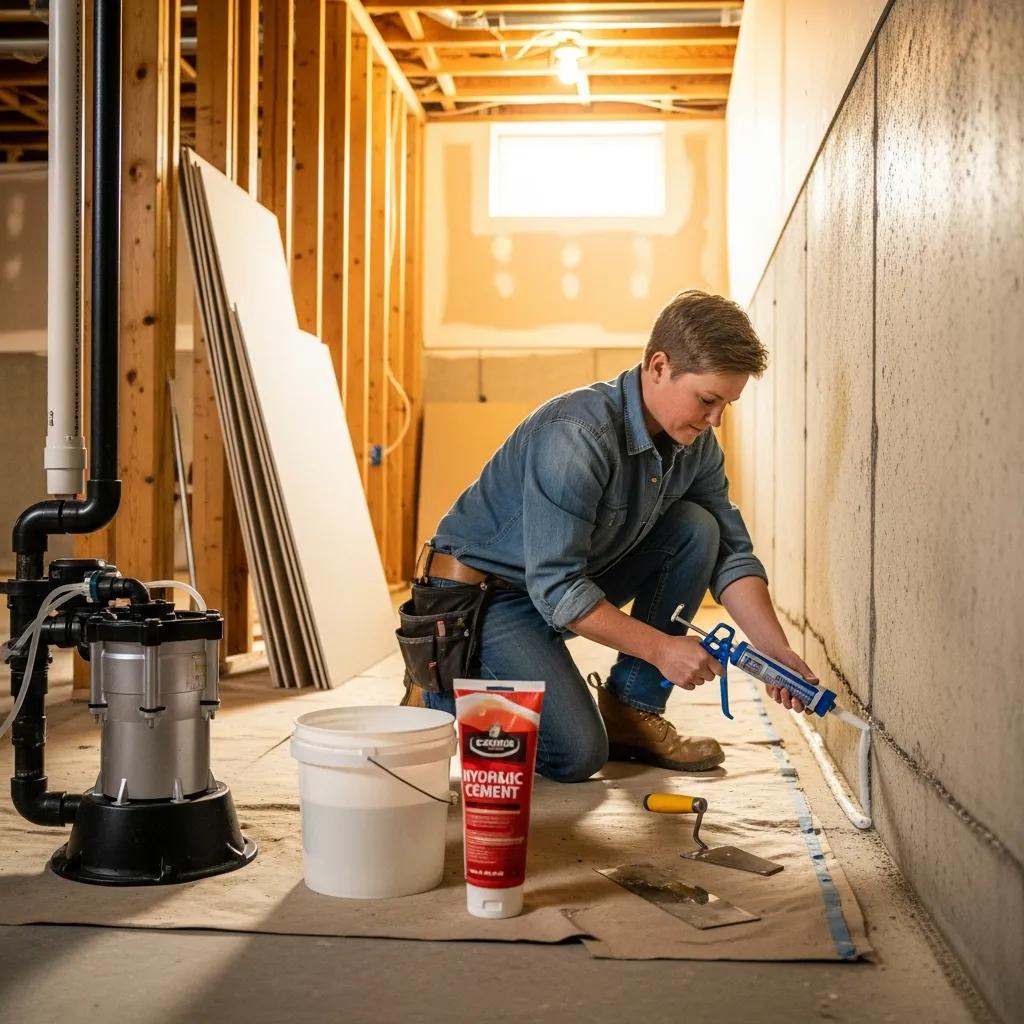
5 Effective DIY Basement Waterproofing Strategies to Fix a Wet Basement Yourself
A “wet basement” means recurring moisture, seepage, or visible water inside the lower level of your home that results in musty odors, efflorescence, or standing water. This article teaches five practical DIY waterproofing strategies—diagnosis, crack repair materials, exterior drainage fixes, interior systems like sump pumps and humidity control, and long-term maintenance—that let homeowners stop leaks and limit damage. Understanding the root cause matters: condensation behaves differently than active leaks driven by hydrostatic pressure, and choosing the wrong fix wastes time and money. You’ll learn clear diagnostic steps, tool and material comparisons for crack repair, how to install basic exterior drainage (including a DIY French drain), interior measures you can safely do yourself, and a seasonal maintenance calendar to keep the basement dry. The guidance emphasizes diagnostic-first decisions, cost-aware material choices, and safety; it also explains when a professional assessment or free consultation is the right next step. Read on for actionable checklists, comparison tables, and step-by-step instructions that use common tools and products to stop basement water problems.
How Do You Diagnose the Source of a Wet Basement?
Diagnosing a wet basement starts with identifying whether moisture is from condensation, plumbing, surface runoff, or subsurface seepage driven by hydrostatic pressure. Hydrostatic pressure occurs when groundwater pushes against foundation walls or floors, forcing water through cracks or porous concrete; understanding that mechanism helps prioritize interior versus exterior fixes. A methodical diagnostic sequence—visual inspection, timing analysis, simple tests, and tracing water entry—reduces unnecessary repairs and points to the correct DIY strategy. Begin with observational patterns, then use controlled tests to confirm sources, and document findings for later follow-up or a professional consultation if needed. The next subsection lists common causes and the signs that differentiate them to guide those tests.
What Are the Common Causes of Basement Moisture?
Basement moisture arises from several distinct causes that require different solutions: condensation, surface runoff, subsurface seepage, plumbing leaks, and foundation cracks. Condensation typically forms on cold walls or pipes and is tied to high indoor humidity and poor ventilation, whereas surface runoff and poor grading send rainwater toward the foundation and create perimeter leaks. Subsurface seepage and hydrostatic pressure push groundwater through porous concrete or weak joints, producing persistent dampness or active weeps; plumbing leaks, by contrast, are localized and often show plumbing-specific stains or pooling. Spotting efflorescence (white mineral deposits) suggests groundwater movement, while seasonal timing—only after heavy rain versus year-round dampness—helps distinguish causes and directs whether to focus on exterior drainage, interior sealing, or HVAC dehumidification.
How Can You Perform Simple DIY Tests to Identify Basement Leaks?
Simple DIY tests help confirm the moisture source before committing to repairs and can be done with household items and a helper. Perform a foil condensation test by taping aluminum foil to an interior wall for 24 hours; if condensation appears on the foil rather than the wall, condensation is likely the cause. Use a hose test outside: run a garden hose along the foundation in 10–15 minute increments to simulate heavy rain and watch for interior damp spots to identify vulnerable exterior sections. Inside, trace water stains and use a chalk or pencil line at the highest visible dampness to see if the level rises over time, which indicates active seepage or hydrostatic pressure. These tests reduce guesswork and inform whether to prioritize exterior grading, targeted crack repair, or improved humidity control.
What Are the Best DIY Tools and Materials for Basement Crack Repair?
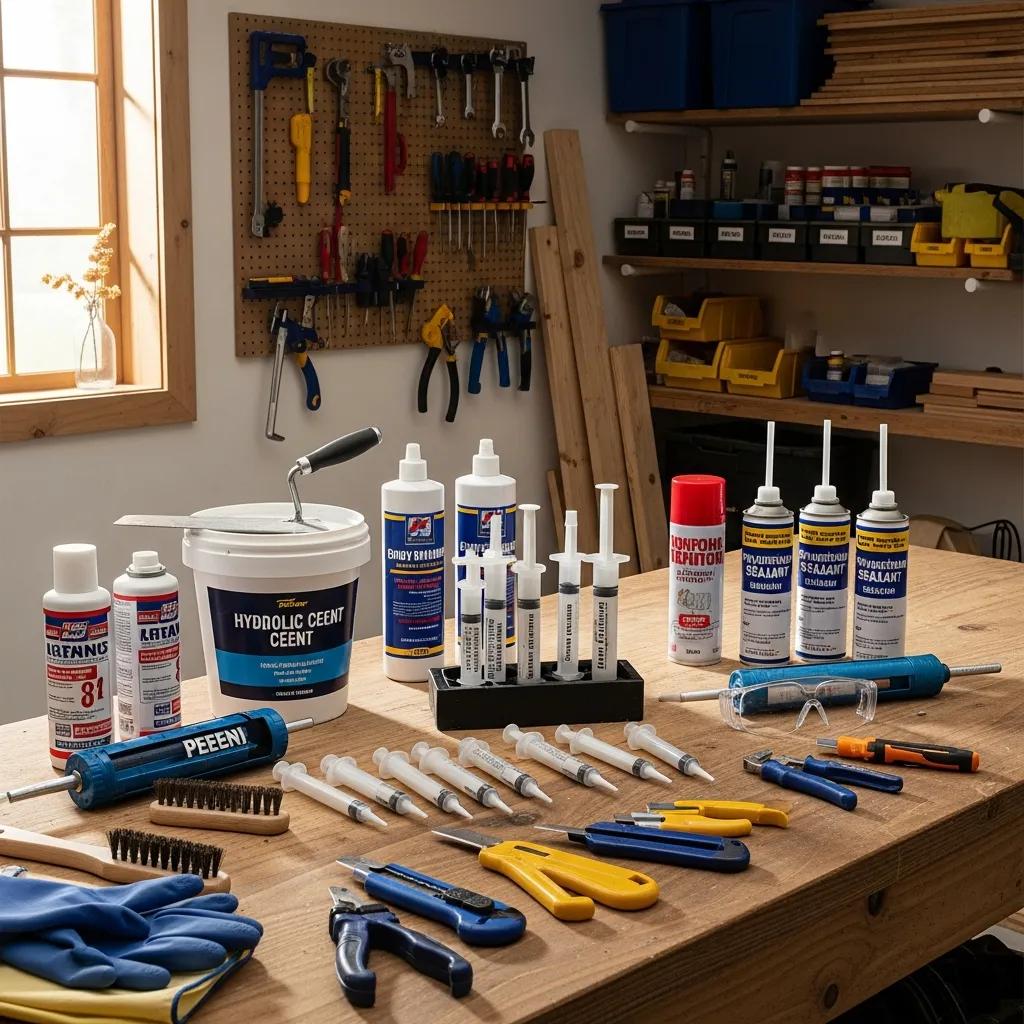
For effective DIY crack repair, choose materials based on crack type (hairline, structural, or actively leaking) and expected movement; tools should enable proper cleaning and application. Hydraulic cement is designed to stop active leaks quickly by expanding as it sets, while epoxy injection kits bond and restore structural continuity for non-active structural cracks. Polyurethane foam sealants are flexible and excellent for dynamic cracks that move with temperature or settling. Proper tools include a grinder or masonry chisel to open and clean the crack, a wet/dry vacuum, a caulk gun for cartridges, gloves and eye protection, and a wire brush or compressed air for dust removal. Selecting the right product reduces repeat failures and ensures a durable repair that integrates with other waterproofing measures; the next subsections compare these materials and explain coating choices for ongoing protection.
Before the comparison table below, note: this table helps you weigh cost, difficulty, best use case, and cure time so you can pick the right material for your specific crack situation.
| Material / Product | Cost Range | Difficulty | Best Use | Typical Cure/Set Time |
|---|---|---|---|---|
| Hydraulic cement | $10–$30 per tube | Moderate | Active leaks, quick patch | Sets in 5–10 minutes |
| Epoxy injection kit | $40–$150 per kit | Higher | Structural bonding, dry cracks | Cures 4–24 hours |
| Polyurethane foam sealant | $8–$40 per cartridge | Easy–Moderate | Moving cracks, flexible seal | Expands and sets in 20–60 minutes |
| Waterproofing paint / cementitious sealer | $20–$60 per gallon | Easy | Moisture control on sound walls | 24–48 hours to full cure |
This comparison clarifies that hydraulic cement is fastest for active leaks, epoxy restores strength for structural repairs, and polyurethane handles movement; coatings help with low-pressure dampness but won’t stop hydrostatic pressure.
Which Sealants and Hydraulic Cements Are Most Effective for Cracks?
Hydraulic cement excels at stopping active leaks because it expands as it hydrates, which plugs water pathways rapidly, while epoxy systems excel at structurally bonding a crack for long-term stability. For hairline non-leaking cracks, epoxy injection fills voids and restores tensile strength, making it appropriate when structural integrity is a concern. Polyurethane foams are the best choice where some flexibility is required because they remain elastic and accommodate slight movement without re-cracking. Always prepare the crack by widening to a V-groove if needed, cleaning to sound material, and following manufacturer instructions for mixing and application to ensure adhesion and longevity.
How Do You Choose Waterproofing Paints and Concrete Sealers?
Waterproofing paints and concrete sealers reduce moisture migration through porous concrete and are chosen by permeability rating, VOC content, and substrate compatibility. Coatings with low vapor permeability can limit dampness but are not a substitute for repairs where hydrostatic pressure is present; they perform best on mostly dry or intermittently damp surfaces. Evaluate application ease—roll-on or trowel-applied cementitious coatings often fill hairline pores, but surface prep (cleaning, etching, and crack repairs) is critical for adhesion. When applying, follow recommended thickness, allow full cure time, and pair coatings with other measures like exterior drainage or interior perimeter drains for comprehensive protection.
5 Proven DIY Basement Waterproofing Strategies to Stop Moisture

Exterior waterproofing targets water before it reaches the foundation by controlling runoff and groundwater with grading adjustments, gutters and downspouts, downspout extensions, and subsurface drains like French drains. Proper exterior measures reduce hydrostatic pressure and keep soil moisture away from the foundation, which in turn minimizes interior seepage and the need for interior patches. Implementing these strategies often involves earth-moving, so DIYers should evaluate soil type, slope, and property obstructions before digging. The following subsections explain practical grading and landscaping fixes and provide a step-by-step DIY French drain guide to redirect surface and shallow subsurface water effectively.
Before the comparison table below, note: this table contrasts common exterior strategies so you can choose the most cost-effective combination for surface runoff versus subsurface seepage.
| Strategy | Cost Range | Labor Level | Effectiveness (Surface Runoff / Subsurface Seepage) |
|---|---|---|---|
| Regrading soil away from foundation | $50–$300 (DIY soil) | Moderate | High / Low |
| Gutters & downspouts + extensions | $50–$300 | Low–Moderate | High / Low |
| French drain (perimeter) | $500–$2,000+ | High | Medium / High |
| Downspout underground drainage | $200–$800 | Moderate | High / Medium |
This comparison shows that simple grading and properly functioning gutters are high-impact, low-cost first steps, while French drains handle persistent subsurface seepage but are more labor-intensive.
What Is the Role of Proper Grading and Landscaping in Waterproofing?
Proper grading ensures land slopes away from the foundation so rainwater flows downhill instead of accumulating at the sill, and a general recommendation is roughly a 6-inch drop over the first 10 feet away from the foundation where feasible. Landscaping choices should avoid mulched beds or raised soil flush against foundation walls that trap moisture; instead, use shallow swales, berms, or permeable beds positioned away from the house. Plant selection matters: choose deep-rooting plants at a safe distance to avoid root pressure near the foundation and use groundcovers that reduce erosion without holding water next to walls. Simple corrective actions—adding soil to low spots, compacting gently, and installing small surface drains—often reduce the most common sources of basement water.
How Do You Install a DIY French Drain to Redirect Water?
A DIY French drain involves trenching along the problem area, installing filter fabric, placing a layer of gravel, laying a perforated pipe with the holes down and sloping toward a safe discharge, and backfilling with gravel and soil—proper slope is key, commonly 1% (1 ft drop per 100 ft) or as achievable. Start by planning the route to a legal and safe discharge point (not your neighbor’s yard) and call utility locators before digging. Use 4–6 inch perforated drain pipe, wrap with filter fabric to prevent silt clogging, and cover with coarse gravel before restoring surface material. Common pitfalls include inadequate slope, poor fabric overlap, and discharging to a place that causes other drainage problems; heavy equipment or professional help may be necessary for deeper systems or complex terrain.
What Interior Waterproofing Solutions Can You Apply Yourself?
Interior waterproofing options you can DIY include sealing foundation cracks from inside, applying waterproof coatings, installing or upgrading a sump pump system, and controlling humidity with appropriately sized dehumidifiers and ventilation. These methods reduce visible moisture and help prevent mold growth, but their effectiveness depends on diagnosing the root cause first—coatings and interior drains manage water that has already breached the exterior defenses, while sump pumps remove collected groundwater. When taking on interior work, prioritize safety (electrical components near water), proper pit and pump sizing, and compatibility of materials to avoid trapping moisture. The next subsections explain interior crack sealing, sump pump installation basics, and humidity control tactics homeowners can implement.
How Do You Seal Foundation Cracks and Basement Walls from Inside?
Sealing foundation cracks from the inside requires preparing the surface, selecting the correct material for the crack type, and applying in a way that ensures adhesion and flexibility where needed. Begin by cleaning the crack with a wire brush and wet/dry vacuum, widen to a V-groove if manufacturer instructions require, and ensure the substrate is free of loose particles and oil. For active leaks use hydraulic cement applied and tamped firmly into the opening; for non-active or structural cracks consider epoxy injection after following kit instructions. After curing, monitor the repair through seasonal cycles and maintain documentation of the location and repair method to assess long-term performance and the need for future interventions.
How Do You Install and Maintain a Sump Pump System?
Installing a sump pump involves excavating a sump basin in the lowest interior point, ensuring the pit is level and stable, placing a submersible or pedestal pump that matches the expected water volume, and routing discharge away from the foundation with a check valve to prevent backflow. Submersible pumps are quieter and sit in the pit, while pedestal pumps have the motor above the basin; choose based on space and expected load. Include a battery backup or water-powered backup if power outages are common in your area, and install a screened external termination point that keeps discharge away from the house. Monthly testing (pour-in test) and annual inspection of float switches, wiring, and check valves help ensure reliable operation during heavy rains.
How Can You Control Basement Humidity and Prevent Mold Growth?
Controlling humidity combines dehumidifier selection, ventilation, insulation, and routine cleaning to prevent condensation and mold; aim to keep relative humidity below 50% to inhibit mold growth. Choose a dehumidifier sized for basement square footage and expected moisture load—manufacturers rate units by pints/day—place the unit where airflow is unobstructed, and empty or plumb the condensate to a drain. Improve ventilation by using exhaust fans or bringing conditioned air into the space, and insulate cold water pipes and walls prone to condensation. For mold, clean small areas with detergent and a non-bleach antimicrobial if needed, dry thoroughly, and address the moisture source rather than just treating visible mold to prevent recurrence.
What Are the Essential Long-Term Maintenance Tips for a Dry Basement?
Long-term basement dryness relies on a simple maintenance calendar: monthly visual checks, quarterly system tests, and annual exterior inspections and preventive tasks. Regular attention to gutters, downspouts, sump pump functionality, interior coatings, and dehumidifier servicing prevents small issues from becoming major leaks or structural problems. Maintaining documentation of inspections and any repairs helps trace recurring problems and guides future interventions; when in doubt, schedule targeted diagnostics to pinpoint subsurface issues. The following subsections provide an inspection cadence and best practices for gutters and sump pump testing to help you design a seasonal plan that fits your climate and property.
Before the maintenance table below, this table provides actionable tasks, recommended frequency, required tools, and time estimates so you can plan routine upkeep.
| Task | Recommended Frequency | Tools Needed | Estimated Time |
|---|---|---|---|
| Visual basement inspection (look for damp spots, efflorescence) | Monthly | Flashlight, notebook | 10–20 minutes |
| Sump pump test (pour-in test, float operation) | Quarterly | Bucket, helper | 15–30 minutes |
| Gutter cleaning and downspout check | Annually (or twice in fall/spring) | Ladder, gloves, scoop | 1–3 hours |
| Dehumidifier filter/maintenance | Quarterly | Vacuum, replacement filter | 15–30 minutes |
How Often Should You Inspect and Maintain Your Basement Waterproofing?
A practical inspection cadence includes monthly visual checks for new damp spots, quarterly functional tests of mechanical systems like the sump pump and dehumidifier, and annual exterior reviews of grading, gutters, and downspouts. Monthly inspections are quick and reveal early warning signs such as fresh efflorescence, paint blistering, or new odors, which should trigger more detailed investigation. Quarterly tasks like sump pump pour-in tests, float switch checks, and dehumidifier filter changes ensure systems respond when storms occur; document results and any anomalies for trend tracking. Annual exterior maintenance—regrading low spots, clearing gutters, and inspecting downspout routing—prevents most water entry pathways and reduces pressure on interior systems.
What Are the Best Practices for Gutter Cleaning and Sump Pump Testing?
Gutter cleaning and sump pump testing follow safety-first procedures and consistent checklists to avoid accidents and missed issues. For gutters, use a stable ladder, gloves, and a scoop to remove debris, flush downspouts with a hose to confirm clear flow, and ensure downspout extensions discharge at least several feet from the foundation; maintain records of when gutters were cleaned. For sump pumps, perform a pour-in test by adding water to the pit until the float engages, listen for motor operation, and confirm discharge flow; inspect the check valve and electrical connections while power is on and test any battery backup. Replace worn floats or failing check valves promptly to avoid pump short-cycling or backflow.
When Should You Consider Professional Help Beyond DIY Repairs?
DIY repairs are effective for many common moisture problems, but persistent, recurring, or structural issues indicate the need for professional assessment to diagnose complex causes and perform permanent corrective work. Key red flags include repeated failures after repairs, horizontal or stepped foundation cracks, visible wall bowing, widespread mold, and flooding that overwhelms DIY systems; these symptoms suggest foundation stabilization, exterior excavation, or specialized drainage work. Professionals offer advanced diagnostics like soil profile assessment and hydrostatic analysis, and they can design permanent exterior waterproofing, drainage re-routing, or foundation repair solutions. If you encounter these red flags, you can request a free consultation to get advanced diagnostics and next-step recommendations before committing to large repairs.
What Signs Indicate That DIY Solutions Are Not Enough?
Certain clear symptoms indicate that DIY measures are unlikely to be sufficient and professional intervention is recommended: large horizontal cracks, bowing or leaning walls, persistent flooding despite multiple fixes, and structural settlement or misaligned doors. These signs point to load-bearing or hydrostatic issues that require engineered solutions such as wall anchors, piers, or exterior excavation, which go beyond patching and coatings. Repeated failures of sump pumps or interior patches after major storms also signal that subsurface water control is inadequate and a comprehensive plan is needed. Recognizing these indicators early reduces long-term damage and helps professionals scope appropriate corrective measures.
How Can You Access Free Consultations for Advanced Basement Repairs?
When preparing for a professional consultation, gather clear photos of problem areas, a history of when leaks occur (after rain, seasonally, or continuously), and notes on previous repairs and system tests to help the assessor focus diagnostics efficiently. A useful checklist for the appointment includes documented leak timing, locations of efflorescence or visible cracks, sump pump make/model and test results, and any exterior observations about grading or gutter performance. During the consultation, ask what diagnostic steps they will take, expected timelines for repairs, and whether they provide written estimates and warranties. If you need in-depth diagnostic work or major corrections, requesting a free consultation allows you to compare professional scopes and pick an approach that balances permanence and cost-effectiveness.
For readers who prefer professional support after attempting DIY steps, you can request a free consultation to review your diagnostics, get advanced testing, and receive a written plan for repairs or maintenance; this helps homeowners decide whether to move forward with large exterior or foundation interventions.
