
Why Encapsulate Your Crawl Space? Key Benefits and Solutions for New Jersey Homeowners
Crawl space encapsulation is a targeted moisture-control strategy that seals the crawl space with a continuous vapor barrier, manages subsurface water, and conditions the air to protect a home’s structure and indoor environment. Many New Jersey homeowners face recurring moisture, mold, pest, and energy-loss problems that trace back to an unsealed crawl space, and encapsulation provides a practical engineering solution that reduces humidity, stops vapor migration, and stabilizes floor temperatures. This article explains how crawl space encapsulation works, the core components involved, and the measurable benefits for indoor air quality, energy efficiency, and structural protection. For additional insight on New Jersey waterproofing advantages, see this detailed waterproofing guide. You will also find specific guidance on common problems encapsulation solves, transparent cost factors and expected savings in New Jersey, a simple self-assessment checklist to decide if encapsulation is right for your home, and guidance on selecting a qualified provider. Throughout, keywords like crawl space encapsulation, crawl space moisture control solutions, mold prevention crawl space New Jersey, and crawl space insulation are used to make the guide directly actionable for local homeowners.
What Is Crawl Space Encapsulation and How Does It Work?
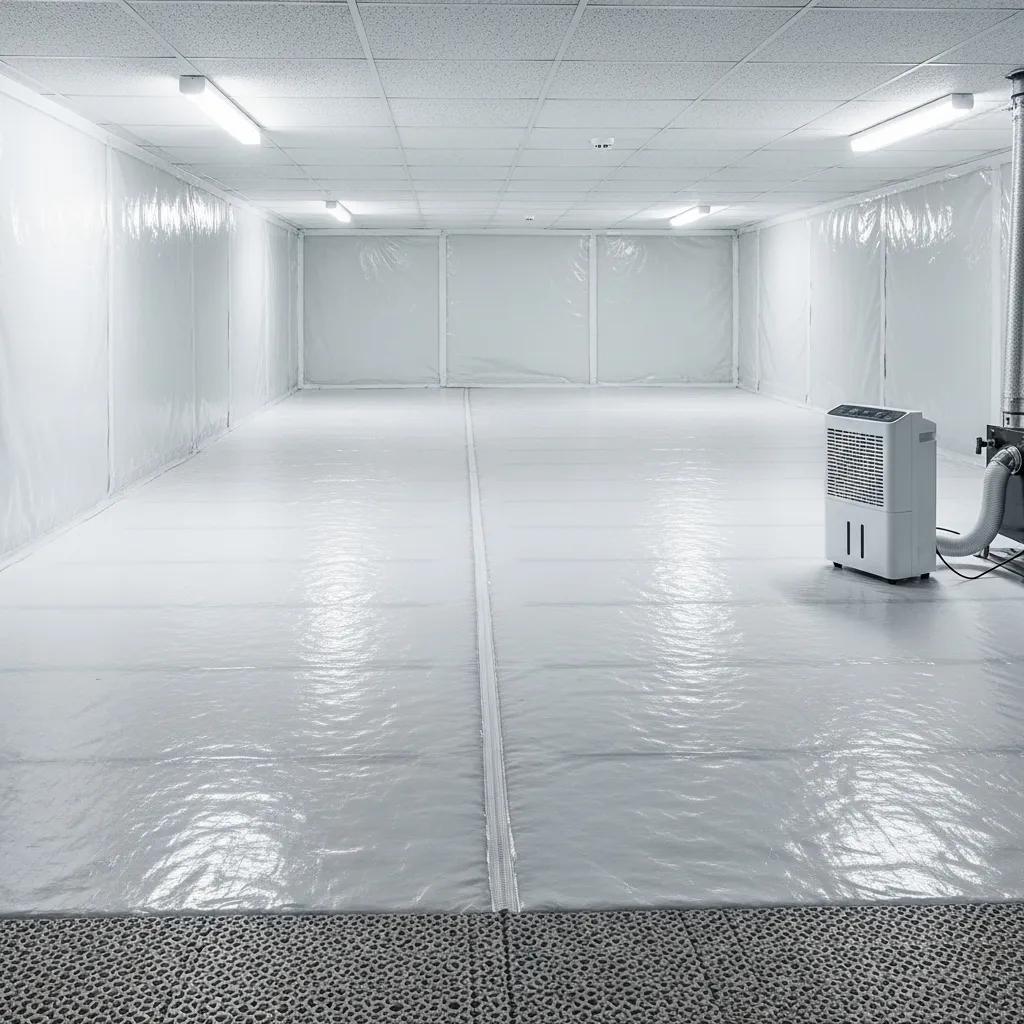
Crawl space encapsulation is a systems-based approach that isolates the crawl space from ground moisture and exterior air, creating a sealed, conditioned zone under the floor that reduces humidity and prevents vapor-driven damage. The mechanism works by installing a durable vapor barrier across floors and walls, routing liquid water away via drainage matting or drains, sealing vents and penetrations, and often adding a dehumidifier and insulation to maintain low relative humidity and consistent temperatures. This integrated pathway—barrier, drainage, sealing, and conditioning—blocks three major moisture routes: bulk water, capillary rise from soil, and water vapor diffusion, producing a drier microclimate that prevents mold growth and wood decay. Understanding the step-by-step installation process clarifies why each component matters and how they interact to create long-term protection and energy performance gains for New Jersey homes.
The encapsulation process typically follows a clear sequence that verifies conditions, removes sources of water, installs barriers and drainage, seals openings, and adds mechanical humidity control to stabilize the space. This stepwise approach is designed to identify pre-existing damage that requires repair, such as insulation replacement or structural remediation, before final sealing and conditioning; that order prevents locking in moisture or concealing deterioration. The combination of passive components (barrier, matting) with active controls (dehumidifier, conditioned air) turns the crawl space from an uncontrolled risk into a managed part of the home building envelope. Below is a concise process list homeowners can use to understand the main phases of an encapsulation project.
- Inspect and document the crawl space condition with moisture readings and photos.
- Repair or replace damaged insulation, joists, or mechanical elements as needed.
- Install drainage matting or channeling for liquid water management.
- Lay a continuous vapor barrier over floors and up walls, sealing seams and penetrations.
- Seal vents and openings; add insulation and a dehumidifier or conditioned air solution.
This staged process keeps water out and humidity down, and the next section breaks down the main components—what each one is, what it does, and typical materials and specifications.
What Are the Main Components of Crawl Space Encapsulation?
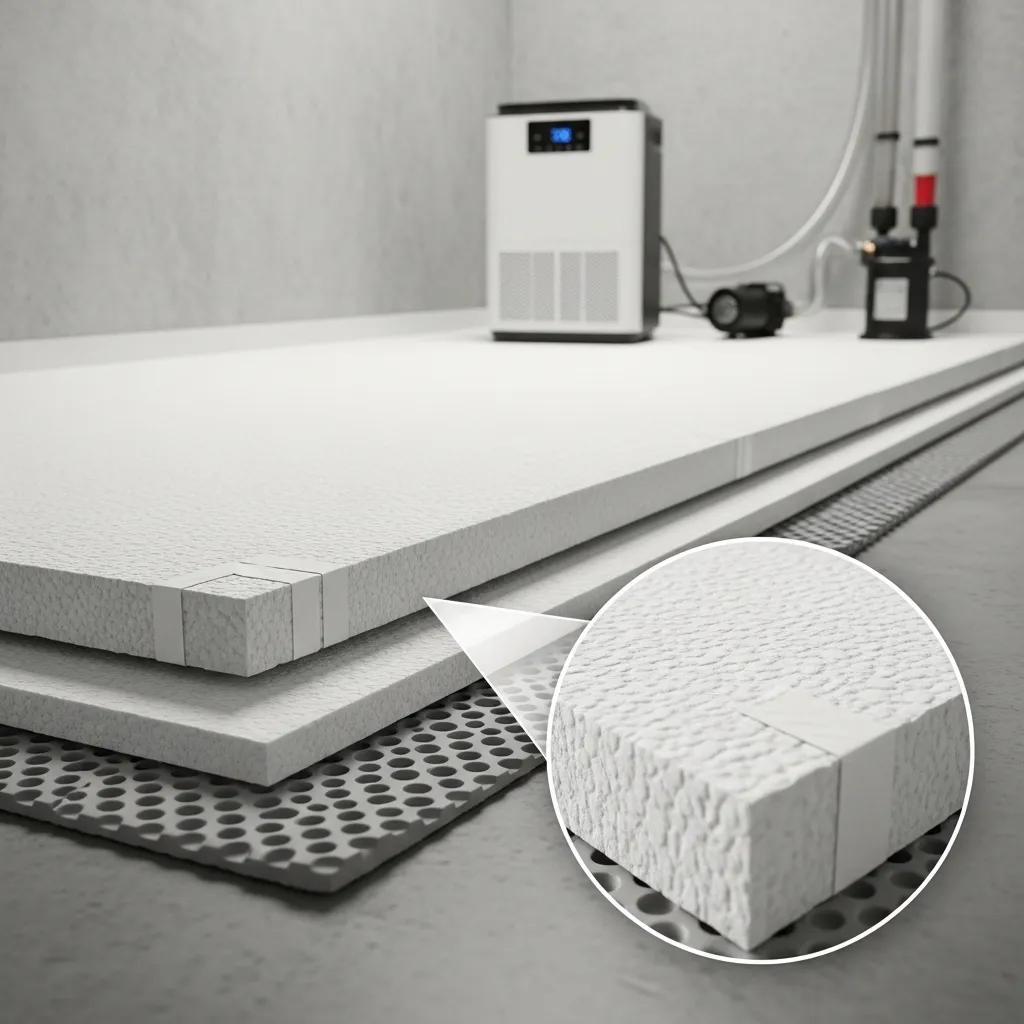
Core components of encapsulation work together to control moisture: the vapor barrier stops vapor migration, drainage matting redirects liquid water, sealants close airflow paths, dehumidifiers control humidity, and insulation reduces conductive heat loss. The vapor barrier is usually a thick polyethylene or reinforced liner placed over the soil and up the foundation walls, with seams welded or taped and penetrations sealed to create an impermeable surface. Drainage matting or channeling sits beneath the barrier in some systems or along perimeter drains to move bulk water away, while mechanical dehumidification keeps relative humidity below mold-friendly thresholds. These components form a layered defense where each element supports the others by addressing a different part of the moisture equation.
| Component | Function | Typical Material / Specification |
|---|---|---|
| Vapor barrier | Blocks ground vapor migration and isolates soil from air | 20–30 mil reinforced polyethylene, taped seams |
| Drainage matting | Channels liquid water to perimeter drains | HDPE matting or corrugated channels |
| Sealants and air-sealing | Prevents convective airflow and pest entry | Polyurethane caulk, foam gaskets |
| Dehumidifier | Controls relative humidity to <60% | Commercial crawl space dehumidifier sized to volume |
| Insulation | Reduces heat transfer to floor system | Closed-cell spray or rigid foam on walls; controlled R-value |
This component breakdown demonstrates how each part contributes to a stable, dry crawl space, and understanding materials helps homeowners evaluate proposals and specifications from contractors.
How Does Encapsulation Prevent Moisture and Mold?
Encapsulation interrupts the three principal moisture pathways—surface water, capillary water, and vapor diffusion—so that the crawl space remains below the moisture thresholds that support mold and wood rot. Mold typically colonizes when relative humidity consistently exceeds about 60% and organic materials stay damp; encapsulation reduces available moisture by blocking vapor, redirecting liquid water, and maintaining active dehumidification. The vapor barrier reduces sorption and vapor migration, drainage matting avoids pooling and standing water, and a dehumidifier lowers ambient humidity so spores cannot germinate or proliferate. Together these measures change the crawl space microclimate from a wet, biologically active environment into a controlled, maintenance-friendly space.
Because condensation often forms when warm, humid air contacts cool surfaces, insulating foundation walls and sealing air leaks reduces the temperature differentials that create condensation events. That reduction in thermal bridging and uncontrolled airflow works with dehumidification to keep surfaces dry and within safe moisture ranges. The next section examines the measurable homeowner benefits of encapsulation tailored to New Jersey’s climate and housing stock.
After this technical explanation, consider that many professional installers package these components together—vapor barrier, drainage matting, and airtight sealing—as an encapsulation system installed by licensed in-house crews. Effective Basement Solutions, for example, specifies these core elements as part of an industry-standard encapsulation approach and offers consultations to match system scope to home conditions, with licensed teams handling installation and quality control.
Crawl space encapsulation is a targeted moisture-control strategy that seals the crawl space with a continuous vapor barrier, manages subsurface water, and conditions the air to protect a home’s structure and indoor environment. For a detailed explanation and local service options in New Jersey, visit our crawl space encapsulation service page. Many New Jersey homeowners face recurring moisture, mold, pest, and energy-loss problems that trace back to an unsealed crawl space, and encapsulation provides a practical engineering solution that reduces humidity, stops vapor migration, and stabilizes floor temperatures. This article explains how crawl space encapsulation works, the core components involved, and the measurable benefits for indoor air quality, energy efficiency, and structural protection. You will also find specific guidance on common problems encapsulation solves, transparent cost factors and expected savings in New Jersey, a simple self-assessment checklist to decide if encapsulation is right for your home, and guidance on selecting a qualified provider. Throughout, keywords like crawl space encapsulation, crawl space moisture control solutions, mold prevention crawl space New Jersey, and crawl space insulation are used to make the guide directly actionable for local homeowners.
What Are the Top Benefits of Crawl Space Encapsulation for New Jersey Homes?
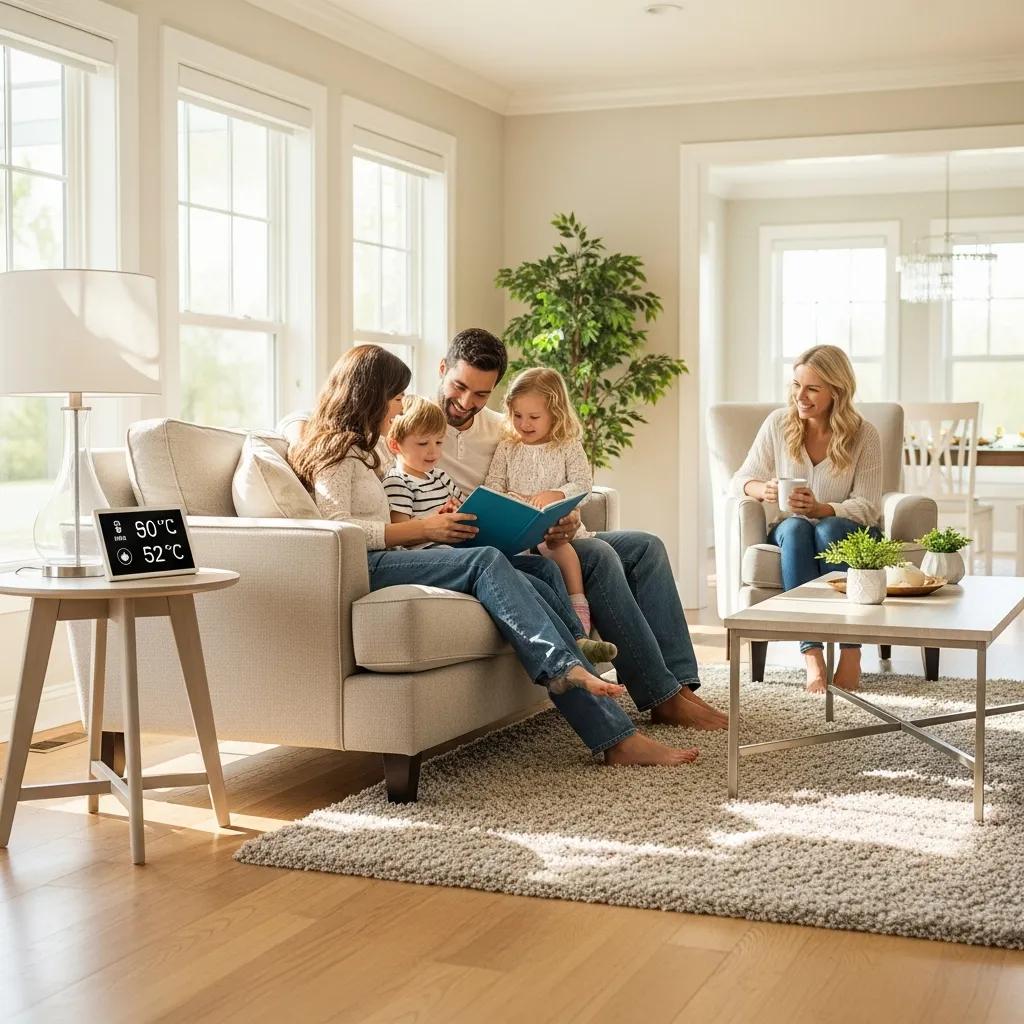
Encapsulation delivers multiple, measurable benefits for homeowners: improved indoor air quality, reduced energy bills, structural protection from wood rot and corrosion, pest deterrence, and increased resale appeal. By reducing humidity and stopping vapor and soil gases from entering the home, encapsulation lowers allergen and mold spore transfer into living spaces, which can translate to better respiratory outcomes for occupants. The energy benefit comes from stabilizing floor temperatures and reducing HVAC load through effective insulation and reduced convective losses, which studies and field reports show can produce noticeable savings on heating and cooling bills in climates with humid summers and cold, damp winters like New Jersey’s. Structurally, drier wood framing and joists experience far lower rates of decay, reducing long-term maintenance and repair costs.
Encapsulation also reduces pest attractants—moisture and organic debris—and eliminates persistent musty odors that indicate ongoing microbial activity, improving comfort and marketability. The following table compares key benefit areas, attributes homeowners can measure, and typical outcomes they might expect after a professional encapsulation.
| Benefit Area | Measurable Attribute | Typical Outcome / Value |
|---|---|---|
| Indoor Air Quality | Reduced airborne mold spores and allergens | Fewer allergy triggers; noticeable odor reduction |
| Energy Efficiency | Lower HVAC runtime, stabilized floor temps | Up to ~10–15% energy savings (varies by home) |
| Structural Protection | Moisture content of joists and subfloor | Reduced wood rot risk and fewer repairs |
| Pest Control | Decreased pest habitat and moisture | Fewer infestations and less baiting needed |
| Resale Value | Marketability and inspection reports | Better buyer confidence and perceived value |
To summarize, encapsulation improves health, comfort, and asset protection; homeowners who prioritize indoor air quality and long-term maintenance often see the greatest return. For those who want local expertise, Effective Basement Solutions provides free inspection and consultation and applies New Jersey–specific solutions for moisture, mold, structural protection, and energy efficiency—homeowners can request a free inspection to get a tailored plan after reading the expected benefits.
How Does Encapsulation Improve Indoor Air Quality and Health?
Encapsulation reduces the migration of soil gases, mold spores, and moisture into the conditioned living space, which directly lowers exposure to common indoor allergens and microbial volatile organic compounds linked to musty odors and respiratory irritation. When the crawl space is sealed and dehumidified, fewer spores become airborne and cross-contaminate ductwork or floor cavities; this change often correlates with symptom reduction for occupants with asthma or allergies. Simple measurements—such as pre- and post-encapsulation relative humidity and particle counts—can document improvements, and many homeowners report reduced smells and fewer pest signs after encapsulation. The health benefit is therefore a function of reduced exposure pathways, and continued maintenance (periodic dehumidifier service and barrier inspections) preserves those gains.
How Does Crawl Space Insulation Boost Energy Efficiency and Lower Bills?
Insulation strategies in encapsulated crawl spaces focus on insulating the foundation walls and controlling conductive heat flow rather than insulating the floor cavity in ways that trap moisture; this approach keeps the crawl space within the thermal envelope and reduces heat loss through the floor. Using closed-cell foam or rigid foam on walls with an appropriate R-value reduces seasonal thermal swings and keeps the HVAC system from compensating for cold floors in winter or warm air infiltration in summer. The result is reduced runtime for heating and cooling equipment and improved floor comfort, which homeowners perceive as energy savings and better indoor comfort. When combined with reduced air leakage and active humidity control, these measures create a more efficient and durable envelope that supports lower operating costs over time.
What Common Crawl Space Problems Does Encapsulation Solve?
Encapsulation addresses a range of common crawl space issues by eliminating the environmental causes that create them: mold and dampness from vapor and standing water, wood rot from prolonged moisture exposure, pest attraction from humidity and debris, and musty odors that migrate into living areas. The problem-solution mapping below clarifies how encapsulation targets each condition and why addressing moisture sources is the cornerstone of durable repairs. This framing helps homeowners prioritize encapsulation when multiple symptoms are present and shows how the same system can solve several problems simultaneously.
- Mold and dampness: Sealing vapor pathways and adding dehumidification reduces relative humidity and removes conditions that support fungal growth.
- Wood rot and structural decay: Drying and maintaining low moisture levels preserve joists and subfloor materials, preventing progressive deterioration.
- Pest presence and odors: Sealing and drying reduce attractants, lower pest harborages, and eliminate microbial odors at their source.
This mapping shows encapsulation’s broad remedial reach, and the following subsections explain the technical thresholds and pest interactions that make encapsulation an effective preventive strategy.
How Does Encapsulation Prevent Mold, Dampness, and Wood Rot?
Encapsulation prevents mold and wood rot by lowering relative humidity and removing continuous wetting cycles that allow fungi and decay organisms to develop. Wood decay organisms typically require prolonged moisture exposure above approximately 20%–25% moisture content and conditions that let organic matter remain damp; encapsulation reduces both the frequency and duration of wetting by removing vapor and liquid water sources. By controlling humidity with a dehumidifier and sealing vapor entry points, surfaces remain below mold-friendly thresholds and cannot support sustained fungal growth. Over time, this shift in microclimate halts active mold colonization and reduces the likelihood of structural compromise, protecting both indoor health and long-term home value.
Can Encapsulation Help with Pest Control and Musty Odors?
Encapsulation reduces the environmental attractants that draw pests—moisture, warm sheltered spaces, and organic debris—by sealing entry points and lowering humidity, making the crawl space less hospitable to rodents, insects, and other nuisance pests. When moisture is controlled and the barrier eliminates soil-contact food sources, pest populations decline and pest control treatments become more effective and less frequent. Musty odors, which are by-products of microbial metabolism, diminish as mold activity drops; sealing also prevents those odors from migrating into living spaces. Together, these effects improve comfort and reduce ongoing pest and odor management costs, creating a cleaner, more stable environment under the home.
How Much Does Crawl Space Encapsulation Cost in New Jersey? What Should Homeowners Expect?
Typical crawl space encapsulation cost varies widely based on square footage, access complexity, pre-existing repairs, and chosen materials; homeowners should expect a range rather than a fixed price until a professional inspection assesses site-specific conditions. Major cost drivers include the crawl space area to be covered, the height and accessibility of the space, whether damaged insulation or framing requires replacement, the quality and thickness of the vapor barrier, and whether a commercial-grade dehumidifier and drainage solutions are necessary. The value proposition must consider both upfront costs and long-term savings from reduced energy use, avoided structural repairs, and improved indoor air quality; warranties and maintenance plans add further value by protecting that investment. The table below simplifies cost-influencing components with approximate impact notes to help homeowners understand estimates they may receive.
| Component | Cost Influence | Notes / Typical Impact |
|---|---|---|
| Square footage | High | Larger areas require more material and labor |
| Access complexity | High | Tight access increases labor time and specialty equipment |
| Pre-existing damage | Medium–High | Structural or insulation repairs add scope and cost |
| Material quality | Medium | Thicker barriers and commercial dehumidifiers raise costs |
| Drainage needs | Medium | Perimeter drains or sump integration increase scope |
After reviewing cost factors, homeowners should seek a free inspection to get an accurate, site-specific estimate. Effective Basement Solutions highlights the importance of a free inspection to identify required repairs and sizing for dehumidification; their licensed in-house crews provide estimates that reflect actual scope, not rough averages, which helps homeowners budget accurately.
What Factors Influence the Cost of Crawl Space Encapsulation?
Key variables that influence price include the crawl space’s square footage and height, how easy it is to access the area, the presence of standing water or active leaks that require drainage work, the need to repair or replace insulation and framing, and the performance level of materials chosen. For example, smaller, accessible crawl spaces with minimal repairs typically require only barrier installation and a modest dehumidifier, while larger or flood-prone spaces may need drainage matting, perimeter drains, or more robust mechanical systems. Labor rates for licensed crews and regional market conditions in New Jersey also affect the estimate, and homeowners should request a breakdown of labor, materials, and recommended warranties to compare bids effectively. Scheduling a free inspection will reveal which combination of these factors applies to a given home and yield a reliable estimate rather than a speculative range.
Are There Long-Term Savings and Warranty Benefits?
Long-term savings come in the form of reduced energy bills, fewer structural repairs, lower pest-control costs, and improved indoor air quality that can lower health-related expenses; these savings often accumulate over several years and vary by home. Warranties and maintenance agreements protect that value by ensuring the barrier remains intact, seams remain sealed, and dehumidifiers are serviced, which prevents small issues from becoming costly repairs. Homeowners should seek warranties that cover workmanship and ask about recommended maintenance intervals for dehumidifiers and periodic inspections of the barrier; these protections extend the useful life of the system and preserve ROI. Factoring in energy savings, avoided repair costs, and warranty protection clarifies the long-term financial case for encapsulation.
Is Crawl Space Encapsulation Right for Your New Jersey Home? How to Identify the Need
Crawl space encapsulation is generally recommended when homeowners observe persistent signs of moisture, mold, musty odors, pest activity, or seasonal humidity issues that affect living spaces or when energy bills and floor comfort suggest heat loss through the crawl space. The decision relies on an observable checklist and simple humidity measurements taken with a hygrometer; if relative humidity in the crawl space or adjacent living areas repeatedly exceeds 60% during the humid months, encapsulation is often warranted. New Jersey’s climate—humid summers and periodic heavy precipitation—raises the likelihood that untreated crawl spaces will experience recurring moisture problems, so local conditions favor proactive encapsulation in many cases. The checklist and climate context below help homeowners determine next steps and whether to request a professional inspection for a definitive recommendation.
- Visible mold on joists, subfloor, or foundation materials.
- Persistent musty odors inside the home or in return vents.
- High relative humidity readings (>60%) in crawl space or ductwork.
- Pest signs such as droppings, nests, or increased insect presence.
- Uneven or cold floors and unexplained increases in energy bills.
This checklist helps homeowners prioritize encapsulation but remember that only a professional inspection can confirm structural concerns and final scope, which is why the next subsection outlines practical indicators and measurement tips to guide decisions.
What Signs Indicate Your Crawl Space Needs Encapsulation?
Clear indicators include visible mold or mildew, chronic dampness or standing water, musty odors indoors, documented humidity readings above recommended thresholds, pest activity, and HVAC or floor comfort issues that trace to the crawl space. Homeowners can use a simple hygrometer to log relative humidity across seasons and check for patterns; repeated peaks above roughly 60% indicate an uncontrolled moisture source requiring remediation. Visual inspection for damaged insulation, sagging vapor barriers, or wood discoloration also signals the need for professional evaluation. If several of these signs are present, scheduling a free inspection will produce a tailored scope and cost estimate that identifies underlying causes rather than just treating symptoms.
How Does New Jersey’s Climate Affect Crawl Space Moisture Problems?
New Jersey’s humid summer months and variable precipitation patterns, including heavy rains and coastal humidity in some regions, increase the risk of both vapor-driven moisture and episodic bulk water intrusion into crawl spaces. Seasonal freeze-thaw cycles and spring snowmelt can also alter groundwater levels and create capillary pressure that forces moisture upward into soils beneath homes. These regional patterns mean that crawl spaces which seem dry in winter may exhibit high humidity and condensation in summer, so encapsulation strategies must account for year-round conditions rather than a single-season snapshot. Localized solutions—appropriate barrier thickness, drainage planning, and correctly sized dehumidification—ensure the system performs across New Jersey’s climatic cycles.
Why Choose Effective Basement Solutions for Crawl Space Encapsulation in New Jersey?
Effective Basement Solutions focuses on crawl space encapsulation as a primary service offering tailored to New Jersey conditions, emphasizing licensed, in-house crews, New Jersey–specific solutions for moisture and mold, and a free inspection and consultation to match system scope to each home’s needs. Their approach centers on applying industry-standard components—vapor barriers, drainage matting, and airtight sealing—installed by trained, licensed teams who manage quality control and reduce the chance of subcontracting errors. The free inspection and consultation is designed to provide homeowners with photo-documented assessments, moisture readings, and a clear scope of work, enabling accurate estimates and recommendations without obligation. For New Jersey homeowners seeking a single trusted contact for encapsulation and related moisture-control services, this combination of local expertise, licensed crews, and a no-cost inspection streamlines evaluation and decision-making.
How Do Licensed In-House Crews Ensure Quality and Reliability?
Licensed in-house crews maintain consistent workmanship standards through direct training, internal quality checkpoints, and accountability that reduces variability common with subcontracted labor. Having a dedicated team means project managers can enforce material specifications—such as barrier thickness and seam sealing methods—and follow standardized installation sequences that protect against errors like trapping pre-existing moisture. Homeowners should expect documented inspections, moisture readings, and photos at key stages of the work to verify performance; this transparency supports reliability and long-term satisfaction. A licensed in-house crew also simplifies communication and warranty responsibility, since the same organization that estimates the work is responsible for delivering and standing behind it.
What Free Inspection and Consultation Services Are Offered?
A proper free inspection and consultation includes a visual assessment of the crawl space, moisture and humidity measurements, photo documentation of problem areas, identification of any necessary repairs (insulation, joist damage, drainage), and a written estimate with recommended materials and mechanical systems. During the consultation homeowners receive an explanation of options—barrier types, drainage solutions, dehumidifier sizing—and an outline of warranties and maintenance recommendations so they can compare value across proposals. Effective Basement Solutions specifically offers this no-cost inspection and consultation as the first step to determine scope and provide a realistic estimate, helping homeowners make informed decisions without pressure. To schedule an evaluation or to ask questions about encapsulation specifics, homeowners can contact the company directly by phone at +18009570075.
