
Your Guide to Foundation Inspection: Uncover Hidden Cracks
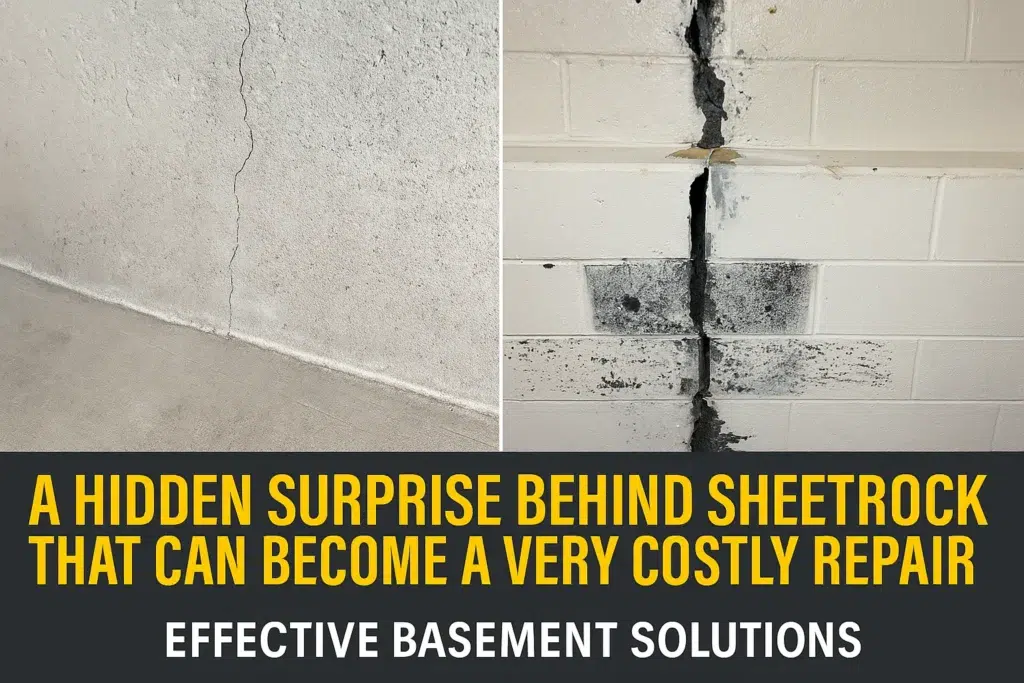
Inspecting Your Foundation: A Complete Guide to Signs, Causes, Costs, and Repair Methods
Inspecting your foundation begins with recognizing subtle warning signs before structural damage escalates, saving you thousands in repairs and preserving your home’s integrity. Effective Basement Solutions combines expert foundation inspection services with homeowner education to pinpoint issues like cracking, settling, or water intrusion and recommend targeted solutions. In this guide, you will discover how to identify common foundation problems, understand their root causes, learn what to expect during a professional inspection, explore the most effective repair methods, compare typical costs in New Jersey, and adopt preventive maintenance practices. By following these steps, you will gain the confidence to request a free consultation and safeguard your property against future foundation damage.
What Are the Common Signs of Foundation Problems?
Recognizing foundation distress early enables timely intervention and prevents subsidence, bowing walls, or uneven floors that compromise safety. Common signs of foundation problems manifest both inside and outside the home, and learning to spot them can prompt a comprehensive foundation inspection before minor issues become major repairs.
How to Identify Different Types of Foundation Cracks
Foundation cracks vary by orientation and severity, each indicating distinct structural stresses. Vertical cracks typically result from concrete shrinkage and can often be sealed with epoxy injection, restoring wall integrity. Horizontal cracks signal lateral pressure from soil or hydrostatic forces and often require more extensive reinforcement to prevent wall bowing. Stair-step cracks follow mortar joints in brick or block walls, reflecting differential settlement that demands underpinning to stabilize the foundation.
Detecting crack patterns early helps determine the most appropriate repair method, guiding homeowners toward cost-effective solutions before walls shift further into misalignment.
What Do Sticking Doors and Windows Indicate About Your Foundation?
Sticking doors and windows often reveal uneven settling that distorts frames and sashes. When foundation movement causes one side of the frame to drop or rise, hardware binds and openings become difficult to operate. This functional impairment not only signals underlying foundation shifts but also allows drafts and moisture infiltration that accelerate deterioration.
Addressing frame misalignment through a professional foundation inspection clarifies whether shim adjustments suffice or underpinning is required to realign the entire structure.
How to Spot Uneven Floors and Sloping Surfaces in Your Home
Floors that dip, slope, or develop tripping hazards indicate foundation settlement or heaving. A spirit level placed across floorboards can reveal deviations as small as a few millimeters, while persistent gaps under baseboards reinforce concerns about subsiding concrete slabs or pier-and-beam support failures. Uneven flooring not only disrupts interior finishes but also alters load distribution, increasing stress on walls and framing.
Correcting subfloor anomalies through slab jacking or underpinning improves structural balance and restores level surfaces, preventing further wall cracking or door binding.
What Exterior Signs Reveal Foundation Damage?
Exterior indicators of foundation distress include visible gaps at the base of siding, separation between brick veneer and window frames, and tilting chimneys. Soil erosion around footing perimeters can expose foundation walls, while pooling water highlights inadequate drainage that erodes soil support. Early detection of exterior symptoms often precedes interior manifestations, enabling targeted waterproofing or drainage solutions before structural repair is necessary.
Observing these clues outside your home prompts a timely foundation inspection that evaluates both waterproofing needs and structural stability.
How Do Chimney Cracks and Sinking Ground Signal Foundation Issues?
Cracks in masonry chimneys typically run diagonally or appear at the crown, reflecting differential settlement between the chimney’s base and surrounding slab. Similarly, sunken soil near foundations or patios reveals soil compaction changes, erosion, or nearby tree root activity undermining support. Recognizing these signs encourages a holistic inspection of foundation perimeter conditions, leading to combined crack repair and soil stabilization measures that protect both chimney and structural footings.
What Causes Foundation Damage and How Does It Affect Your Home?
Foundation damage arises from environmental forces, material shortcomings, and biological intrusions that alter soil support and load-bearing capacity. Understanding these causes clarifies why basement waterproofing and proper grading complement structural repairs, protecting against recurring issues.
How Does Soil Movement and Expansive Clay Impact Foundations?
Expansive clay soils in New Jersey absorb moisture and swell in wet conditions, then contract during droughts, creating cyclical heaving and settlement. This movement exerts upward and lateral forces on foundation walls and slabs, leading to cracks and misalignment. Soil testing during a foundation inspection identifies clay content and guides the choice of soil stabilization techniques, such as moisture barriers or under-slab drainage systems, to mitigate expansion and contraction.
Effective soil management reduces repeat repairs by maintaining consistent moisture levels around the foundation.
What Role Does Water Damage and Hydrostatic Pressure Play in Foundation Problems?
Hydrostatic pressure develops when groundwater accumulates against foundation walls, driving moisture through pores and cracks and accelerating deterioration. Poor surface grading, clogged gutters, or defective downspouts compound water infiltration risks, causing basement dampness, mold growth, and undermining concrete strength. Installing interior drain tiles and sump pump systems during basement waterproofing relieves hydrostatic pressure and diverts water away from footings, preserving both foundation integrity and indoor air quality.
Combining structural crack repair with waterproofing ensures a comprehensive solution to water-related foundation damage.
How Can Tree Roots and Environmental Factors Cause Structural Issues?
Tree roots seek moisture and often infiltrate foundation joints or pier-and-beam crawl spaces, displacing soil and exerting point loads that crack footings. Seasonal freeze-thaw cycles exacerbate these stresses by alternating soil expansion and contraction around root zones. Awareness of surrounding vegetation during a foundation inspection enables targeted root barrier installation and foundation reinforcement to prevent future intrusion.
Proactive tree root management protects foundation supports while preserving healthy landscaping.
How Do Freeze-Thaw Cycles and Droughts Affect Foundation Stability?
Repeated freeze-thaw cycles generate frost heave, lifting shallow foundations when soil moisture freezes, then leaving voids upon thawing. Conversely, extended droughts shrink clay soils, creating gaps beneath slabs that lead to subsidence. Both extremes disrupt soil support and increase risk of differential settlement. Integrating moisture regulation strategies—such as perimeter irrigation systems and soil amendments—maintains more stable conditions and reduces freeze-thaw damage.
How Is a Professional Foundation Inspection Conducted?
A professional foundation inspection combines visual evaluation, diagnostic testing, and structural analysis to deliver an accurate assessment of foundation health. Certified inspectors and structural engineers perform measurements, photo documentation, and soil sampling to formulate a repair plan and waterproofing strategy tailored to each home.
What to Expect During a Certified Structural Engineer's Foundation Inspection
During a structural engineer’s foundation inspection, you will see floor level surveys, wall straightness checks, and moisture readings taken at multiple points. Engineers use laser levels, crack width gauges, and soil penetrometers to quantify movement and soil bearing capacity. This data generates a detailed inspection report with recommended interventions—ranging from epoxy injection to underpinning—that address structural and hydrological concerns in one cohesive plan.
Comprehensive testing ensures repair proposals align with long-term stability goals.
How to Perform a DIY House Foundation Inspection Checklist
Homeowners can initiate a preliminary inspection using a simple checklist: examine interior walls for new cracks, test door and window operation, inspect exterior grading and gutters for proper drainage, and monitor basement moisture levels. Photograph any anomalies and record measurements to compare against professional findings. While a DIY review offers early warning, only a certified inspection confirms severity and prescribes engineered solutions.
DIY efforts complement expert evaluations by documenting progressive changes over time.
When Should You Call a Structural Engineer for Foundation Issues?
You should call a structural engineer when cracks exceed 3 mm in width, doors remain persistently misaligned after seasonal adjustments, or basement walls begin to bow inward. Significant slope changes in floors or visible soil erosion at footings also warrant professional assessment. Early engagement of an engineer ensures that underlying causes—such as hydrostatic pressure or expansive clays—are accurately diagnosed and addressed before repair costs escalate.
Timely intervention by a qualified engineer protects your home’s structural integrity and resale value.
How to Understand Your Foundation Inspection Report
A foundation inspection report outlines observed problems, root causes, recommended repair methods, and cost estimates. It will include photographic evidence, soil analysis data, and prioritized action items. Reviewing the report with the inspector clarifies technical terms—such as “underpinning” or “carbon fiber reinforcement”—and ensures that proposed timelines and warranties align with your expectations for both structural repair and basement waterproofing services.
Clear interpretation of this report empowers you to make informed decisions and request a free consultation.
What Are the Most Effective Foundation Crack Repair Methods?
Repair methods vary by crack orientation, severity, and underlying cause, offering homeowners tailored solutions that restore structural soundness and prevent future water intrusion. Understanding the mechanisms behind each technique helps select the optimal approach for lasting results.
How Does Epoxy Injection Repair Vertical and Horizontal Cracks?
Epoxy injection repairs both vertical and horizontal cracks by injecting a high-strength resin under low pressure, which bonds crack faces and restores concrete continuity. The mechanism seals pathways for water infiltration while reinforcing the wall’s load-bearing capacity. Benefits include minimal excavation, swift curing times, and a structural bond that often exceeds the original concrete strength.
Selecting epoxy injection for hairline to moderate cracks provides a durable solution that integrates seamlessly with basement waterproofing measures.
What Are the Benefits of Polyurethane and Carbon Fibre Reinforcement?
Polyurethane injection expands upon contact with moisture to seal active leaks and flex with minor foundation movement, making it ideal for waterproofing applications. Carbon fibre reinforcement uses high-tensile strips bonded to walls to counteract lateral soil pressure, increasing wall stiffness without extensive underpinning. Both methods improve foundation resilience—polyurethane for hydrological protection, carbon fibre for structural reinforcement—and can be combined for comprehensive crack control.
Choosing these advanced techniques extends wall life and reduces the need for invasive excavations.
How Does Underpinning Stabilize Sinking Foundations?
Underpinning stabilizes sinking foundations by extending load-bearing elements deeper into stable soil strata. Techniques include mass concrete pads, driven piles, and resin injection piers. Each approach redistributes structural loads away from weak, expansive soils to competent sublayers, halting settlement and realigning structural elements.
Implementing underpinning alongside drainage improvements addresses both geotechnical and hydrological factors for complete foundation rehabilitation.
What Are the Differences Between Mass Concrete, Piling, and Resin Injection Underpinning?
| Underpinning Type | Load Transfer Method | Installation Impact | Typical Depth Achieved |
|---|---|---|---|
| Mass Concrete | Cast-in-place pads | Moderate excavation | 1.2–2 m |
| Piling (Steel or Helical) | Driven or helical shafts | Minimal surface footprint | 3–6 m |
| Resin Injection Piers | Expanding polyurethane | No heavy equipment | 0.5–3 m |
How Does Basement Waterproofing Protect Your Foundation?
Basement waterproofing systems—such as interior drainage channels, sump pumps, and exterior membrane installations—prevent water from reaching foundation walls. By controlling hydrostatic pressure and directing water away from footings, waterproofing preserves concrete strength and inhibits mold growth. When combined with crack repairs and structural reinforcement, these measures ensure a dry, stable basement and extend the lifespan of foundation repairs.
What Soil Stabilization and Crawl Space Repair Techniques Are Available?
Soil stabilization techniques include lime or cement injection to improve subgrade strength, and moisture-regulating membranes to maintain consistent soil moisture. Crawl space repairs often involve encapsulation, insulation, and installation of structural piers to support floor joists. These methods collectively reduce soil movement and protect wooden substructures from moisture damage, contributing to overall foundation health.
How Much Does Foundation Inspection and Repair Cost in New Jersey?
Foundation inspection and repair costs in New Jersey reflect local soil conditions, labor rates, and the complexity of required interventions. Understanding average pricing and influencing factors helps homeowners plan budgets and explore financing options.
What Are the Average Foundation Inspection Costs in New Jersey?
A comprehensive foundation inspection by a certified engineer typically ranges from $350 to $700, depending on property size and required diagnostics. This fee covers visual surveys, soil testing, moisture readings, and a detailed report with repair recommendations. Investing in a professional assessment ensures accurate diagnoses and tailored repair proposals.
Which Factors Affect Foundation Repair Pricing?
Key factors influencing repair costs include crack size and orientation, soil type, water table depth, chosen repair method, and required excavation. Projects requiring underpinning or extensive waterproofing can exceed $10,000, while minor epoxy injections and interior drainage installations often cost between $1,000 and $3,500. Site accessibility and seasonal conditions also affect labor and material expenses. For more information, basement waterproofing nj is a key consideration.
What Financing Options Are Available for Foundation Repairs?
Various financing options—such as home equity lines of credit, contractor payment plans, and specialized home improvement loans—enable homeowners to spread repair costs over time. Many providers offer interest-free periods or low-rate financing for qualified customers. Exploring these options reduces immediate financial burden and accelerates foundation rehabilitation.
How Can Preventative Measures Reduce Future Foundation Repair Costs?
Implementing proper surface grading, extending downspouts, installing gutter guards, and applying exterior waterproof coatings can reduce water exposure and soil movement. Regular maintenance inspections catch minor cracks before they expand. By investing in these preventative measures and scheduling annual foundation check-ups, homeowners minimize the likelihood of major repairs and control long-term expenses.
How to Maintain Your Foundation and Prevent Future Damage
Ongoing foundation maintenance combines routine inspections, moisture control, and landscape management to preserve structural stability and protect against new damage.
What Are the Best Practices for Foundation Maintenance?
Best practices include maintaining consistent soil moisture through soaker hoses, cleaning gutters seasonally, inspecting interior and exterior walls for new cracks, and monitoring basement humidity levels with dehumidifiers. Keeping nearby vegetation trimmed and soil graded away from the foundation reduces root pressures and water accumulation that threaten stability.
How Does Proper Drainage and Basement Waterproofing Prevent Damage?
Proper drainage—achieved by sloping soil away from the home, extending downspouts, and installing French drains—diverts surface water before it can infiltrate foundation walls. Basement waterproofing systems further control hydrostatic pressure and maintain a dry environment, reducing freeze-thaw damage and mold risk. Together, these measures preserve concrete integrity and interior comfort.
When Should You Schedule Regular Foundation Inspections?
Homeowners should schedule professional foundation inspections every three to five years, or sooner after significant weather events, major landscaping changes, or noticeable interior or exterior shifts. Regular evaluations allow early detection of settlement, cracking, or moisture issues, enabling timely interventions that protect property value and safety.
How Can Homeowners Monitor Soil and Environmental Changes Affecting Foundations?
Monitoring soil moisture involves visual inspections for pooling water, using moisture sensors near footings, and observing plant health around the foundation. Seasonal soil surveys, including measuring crack widths and floor levels, help track incremental changes. Homeowners who document these metrics can share accurate data with inspectors for targeted maintenance plans.
What Are Frequently Asked Questions About Inspecting Your Foundation?
A clear understanding of common concerns helps homeowners prepare for inspections and recognize when to seek professional help. The following topics address early warning signs, decision triggers, crack severity classifications, and inspection processes—all without relying on generic Q&A formats.
What Are the Early Warning Signs of Foundation Problems?
Early warning signs include hairline cracks in drywall, diagonal cracks above windows, doors that stick or refuse to close properly, uneven or sloping floors, and exterior gaps between siding and masonry. These symptoms signal foundation movement that requires prompt evaluation to prevent escalation.
How Do You Know When to Call a Structural Engineer?
You should call a structural engineer when cracks exceed 3 mm in width, interior gaps widen over seasons, walls begin bowing inward, or doors and windows remain misaligned despite adjustments. Soil erosion, persistent basement dampness, or new settlement near footings also indicate the need for professional expertise.
What Are the Most Common Foundation Crack Types and Their Severity?
The most common crack types are vertical hairline cracks (low severity), horizontal or stepped cracks (moderate to high severity), and diagonal cracks at corners (variable severity depending on width). Severity increases with crack width, length, and active water leakage, guiding repair urgency and method selection.
How Long Does a Foundation Inspection Take?
A typical foundation inspection takes two to four hours, including visual surveys, measurement collection, soil testing, and moisture assessments. The final report is usually delivered within one week, providing sufficient time for data analysis and preparation of customized repair recommendations.
Can I Inspect My Foundation Myself Before Calling a Professional?
Yes, homeowners can perform a preliminary inspection by checking wall cracks, testing door and window operation, measuring floor slopes with a level, and observing exterior grading and drainage. Document findings with photos and measurements to inform conversations with structural engineers and streamline their evaluation process.
Protecting your home’s foundation begins with informed observation, timely professional evaluation, and appropriate intervention. By recognizing warning signs, understanding causes, engaging certified inspectors, selecting effective repair methods, and maintaining preventative measures, you ensure lasting structural integrity and peace of mind. Reach out for a free consultation today and take the first step toward a safe, sound foundation.
