
Effective Foundation Crack Repair in NJ - Protect Your Home
Foundation Crack Repair in NJ: Keep Your Basement Stable
Cracks in a New Jersey foundation can mean anything from normal settling to serious structural trouble. Knowing what to look for is the first step toward protecting your basement and the rest of the house. This guide walks through common crack patterns, why they form in NJ soils and weather, which repairs actually stop the problem, and realistic cost expectations for durable work. You’ll see how hydrostatic pressure, expansive clay, and settlement create typical crack types, how fixes like epoxy or polyurethane injection, carbon fiber reinforcement, steel I-beams, and foundation piers address those causes, and which waterproofing upgrades help prevent repeat issues. We include practical identification tips, side-by-side method and cost comparisons, and clear next steps for getting a free inspection so you can assess risk and plan repairs with confidence.
Common Types of Foundation Cracks in New Jersey Homes
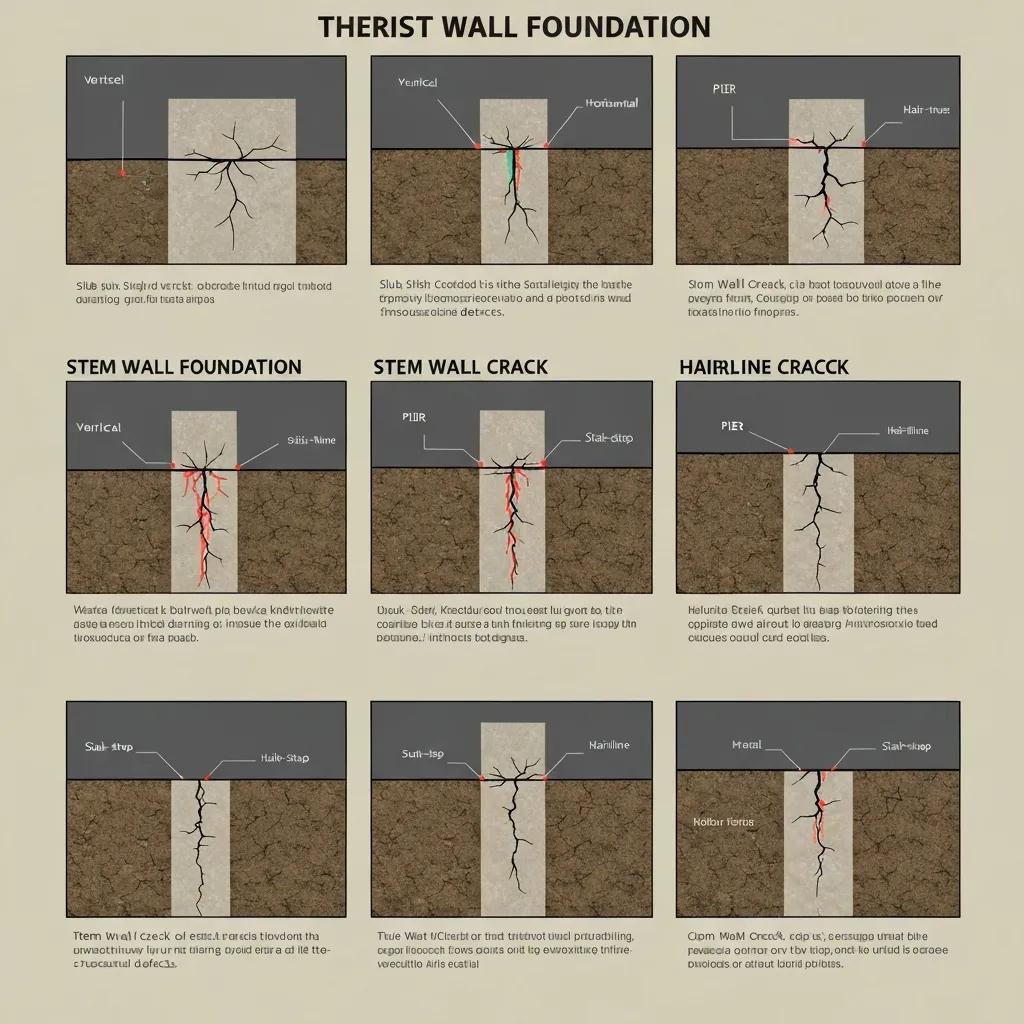
In New Jersey, cracks most often show up as vertical, horizontal, stair-step, or hairline patterns — each pointing to different causes and urgency. Vertical cracks typically come from settlement or concrete shrinkage and may only need monitoring or sealing. Horizontal cracks often signal lateral pressure from groundwater and need prompt structural review. Stair-step cracks run along masonry joints and suggest differential movement in block or brick walls. Hairline cracks are usually cosmetic but can let in moisture, so seal them if dampness appears. Knowing these differences helps homeowners prioritize inspections and the right fixes.
How to Identify Vertical, Horizontal, Stair-Step, and Hairline Cracks
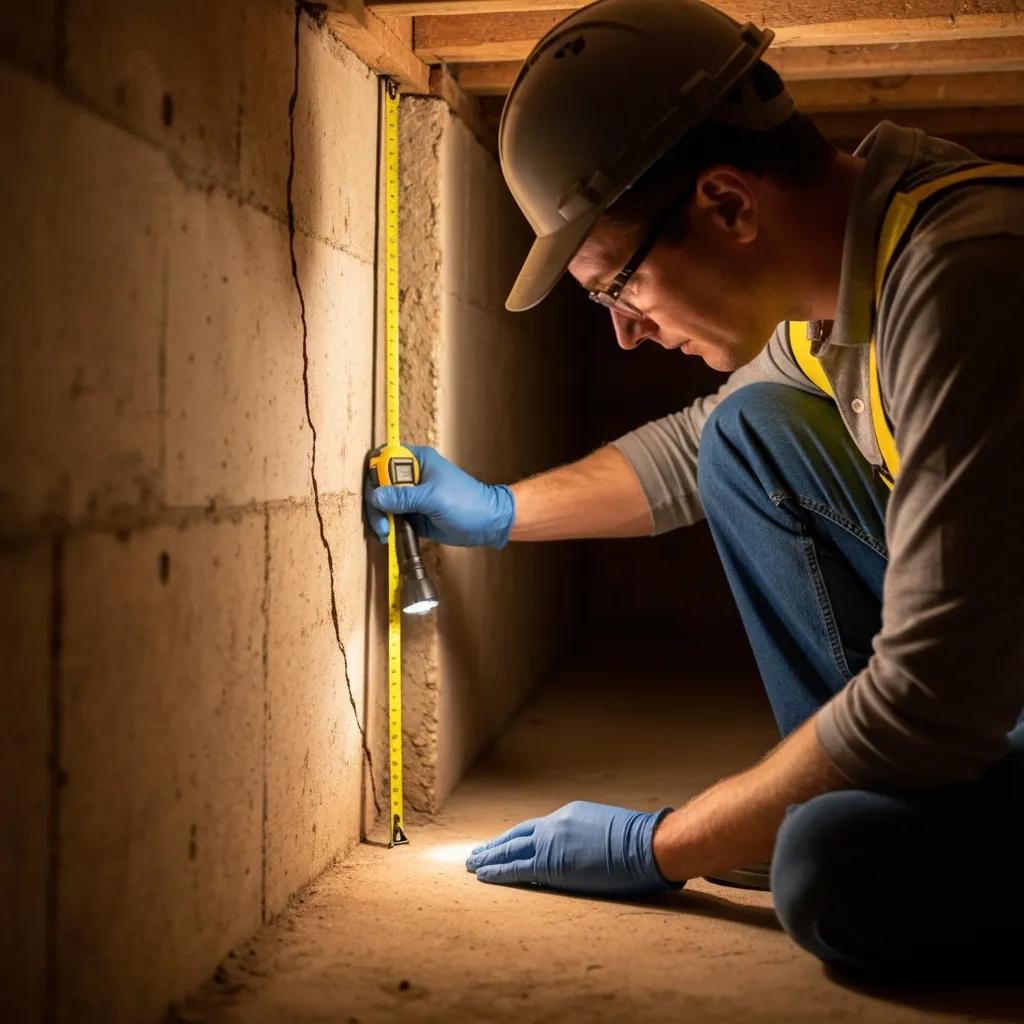
Orientation, width, and location tell you a lot about a crack’s severity. Use a ruler or crack gauge to measure width and note whether the crack is vertical, horizontal, diagonal, or follows mortar joints in a stair-step pattern. Cracks wider than about 1/8 inch or any that are widening should be evaluated by a pro. Check both interior and exterior faces when possible and look for related signs like bowed walls, doors that stick, or uneven floors. Take dated photos with a ruler in frame to track change — that record helps technicians assess urgency during a free inspection.
What Different Crack Types Say About Foundation Health
Crack patterns point to likely causes and therefore to the most effective repairs — cosmetic patching rarely solves a structural problem. Horizontal cracks and bowed walls usually mean lateral load from groundwater or soil pressure and often require both structural reinforcement and drainage fixes. Stair-step cracks point to block settlement or failing mortar and commonly need underpinning or pier solutions. Isolated vertical cracks from shrinkage may only need injection or sealing if dry. If you see widening gaps, active leaks, or ongoing movement, schedule a professional evaluation before problems escalate.
What Causes Foundation Cracks in NJ and How They Affect Your Home
Foundation cracks in New Jersey arise from several interacting causes: hydrostatic pressure, expansive soils, settlement, and concrete curing or shrinkage. Each mechanism affects foundations and indoor conditions differently. Hydrostatic pressure from heavy rain or a high water table pushes walls inward, producing horizontal cracks and seepage. Expansive soils — common in parts of NJ — swell when wet and shrink when dry, causing diagonal and stair-step cracking and sometimes warping floors or misaligned doors. Settlement, whether uniform or differential, produces vertical or stepped cracks as footings shift. Left unchecked, these issues lead to moisture, mold risk, and lower resale value, so timely diagnosis and targeted repair matter.
How Hydrostatic Pressure Damages Foundations
Hydrostatic pressure is the hidden force that pushes saturated soil and groundwater against foundation walls. As soil soaks up water from heavy rain or poor site drainage, lateral pressure increases and basement walls can flex inward, crack, and begin to leak. Fixing only the visible crack without addressing the groundwater lets the problem return. Durable solutions pair structural reinforcement with drainage — interior or exterior French drains, sump pumps, and grading fixes — to stop the source of the pressure and protect your living spaces. basement waterproofing services.
The Role of Expansive Soils and Settlement
Expansive clays and soil settlement create cyclic and uneven movement that stresses foundations. Clay soils swell when wet and pull away as they dry, which cracks masonry and strains footings; tree roots and poor drainage make that worse. Settlement happens when supporting soils compress or voids form under footings, producing vertical or stair-step cracks. Differential settlement is especially harmful because it shifts load paths and can damage structural members. Long-term fixes target stabilization — piers, helical piles, or underpinning — and correct surface grading and drainage to stop recurring movement.
| Cause | Mechanism | Effect on Foundation | Mitigation |
|---|---|---|---|
| Hydrostatic pressure | Saturated soil pushing laterally on walls | Horizontal cracks, wall bowing, seepage | Improve site drainage; install French drain and sump pump |
| Expansive soils | Cyclic swelling and shrinking of clay | Stair-step/diagonal cracks, heaving | Stabilize soils, regrade, use piers or underpinning |
| Settlement | Soil compression or voids beneath footings | Vertical cracks, uneven floors, misaligned doors | Install foundation piers, underpinning, redistribute loads |
The table shows how causes create distinct effects and why repairs must address both structural stress and site drainage. That understanding lets homeowners ask focused questions during inspections and compare repair proposals that combine structural and waterproofing work.
Most Effective Foundation Crack Repair Methods for New Jersey
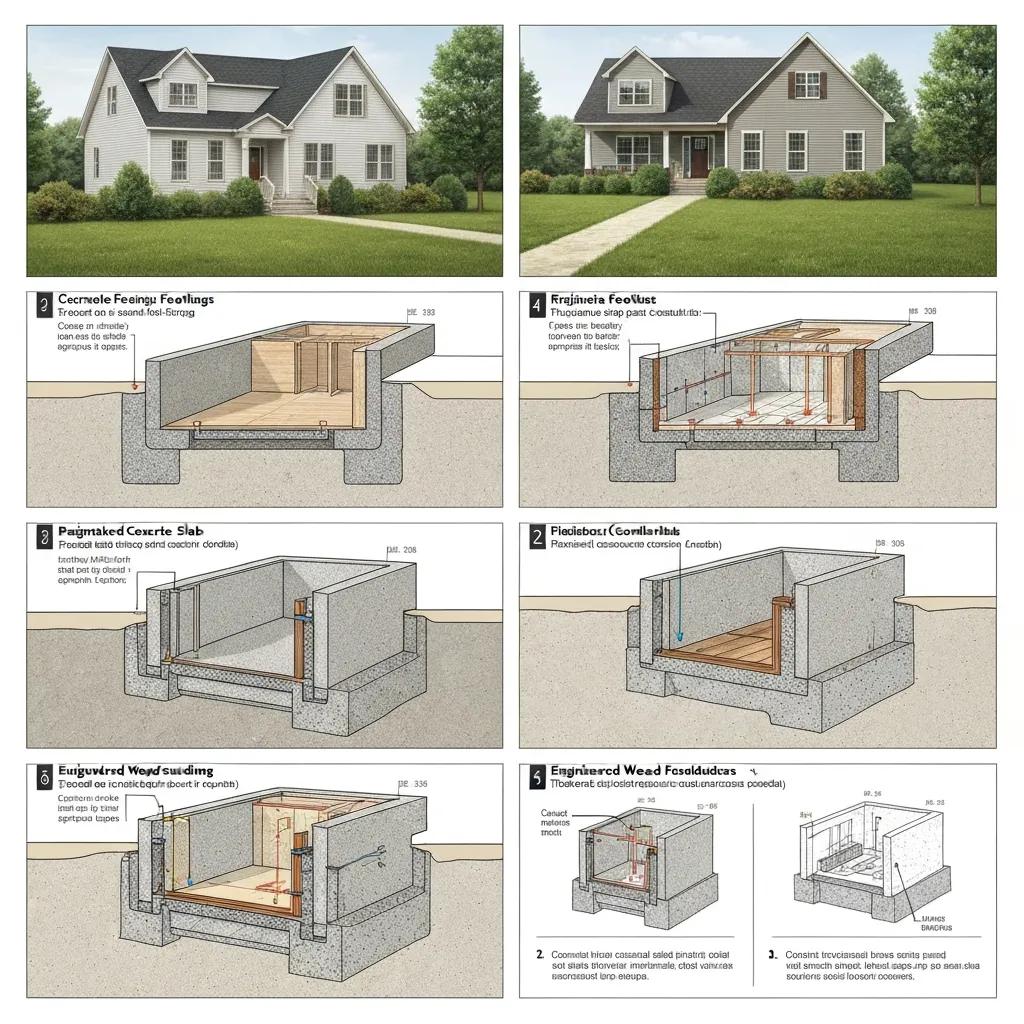
Effective repairs pair structural fixes with waterproofing, chosen for the crack type, soil conditions, and whether water is present. Epoxy injection restores structural continuity in dry cracks; polyurethane injections expand to seal active leaks; carbon fiber straps restrain bowed walls with little excavation; steel I-beams deliver rigid internal bracing; and foundation piers (helical or driven) transfer loads to deeper, stable soil and can lift settled foundations. The right approach depends on diagnosing whether hydrostatic pressure, settlement, or shrinkage caused the crack — and drainage work like French drains or sump pumps is often needed to prevent recurrence. Below is a practical comparison to help match methods to conditions and expected benefit.
This comparison highlights common repairs and their typical uses for New Jersey homes.
| Method | Method Description | Best For (crack types/conditions) | Typical Benefit |
|---|---|---|---|
| Carbon fiber wall reinforcement | High-tensile straps bonded to the wall surface | Bowing or block walls needing inward restraint | Strong lateral support with minimal excavation |
| Epoxy injection | Rigid resin injected into dry cracks to bond concrete | Dry structural vertical or diagonal cracks | Restores strength and load transfer |
| Polyurethane injection | Expanding, flexible resin that seals active leaks | Cracks with active water infiltration | Stops leaks, fills voids, tolerates slight movement |
| Steel I-beam bracing | Steel posts or beams installed to resist lateral loads | Severe lateral pressure or imminent wall failure | Immediate bracing and long-term restraint |
| Foundation piers/underpinning | Helical or driven piers transferring loads to deeper soils | Differential settlement and sinking foundations | Stabilizes and can lift the foundation back to grade |
Combining structural repairs with drainage correction generally delivers the longest-lasting results in New Jersey. After reviewing options, get a targeted diagnosis that recommends the least-invasive solution that reliably addresses root causes.
How Carbon Fiber Reinforcement Helps Bowing Walls
Carbon fiber straps bond to the wall and resist inward movement, reducing bowing with a low-profile installation that preserves usable basement space. Installation includes surface prep, epoxy bonding of straps, and anchor points to distribute loads to stable structure. Carbon fiber adds tensile strength masonry lacks and usually requires less disruption and cost than full exterior excavation. Because the straps resist corrosion and sit flush to the wall, they’re a practical long-term restraint for many block or concrete walls under lateral soil pressure.
When to Use Epoxy vs. Polyurethane Injection
Pick epoxy when the crack is dry and you need to restore structural continuity — epoxy cures rigidly and can re-establish load transfer. Choose polyurethane when water is present; its expanding, flexible chemistry seals active leaks and fills voids while allowing minor movement. Sometimes both are used along a single crack where conditions change. The key is diagnosing moisture and movement before selecting the injection system.
How Steel I-Beams and Foundation Piers Stabilize Basements
Steel I-beams give internal bracing to stop inward movement and carry lateral loads to the slab or supporting members, while foundation piers underpin footings and transfer vertical loads to competent soils below. I-beams work well when walls bow but footings remain stable; they provide mechanical restraint with limited exterior work. Helical or driven piers bypass weak near-surface soils and allow crews to lift and level settled footings. Often, combining bracing with piers achieves both immediate stabilization and long-term correction of settlement-related cracking.
How Much Does Foundation Crack Repair Cost in New Jersey?
Cost depends on repair method, damage extent, accessibility, site conditions, and whether drainage upgrades are needed. Simple interior sealing or polyurethane injection for a single leak is at the low end. Carbon fiber, steel bracing, and foundation piers carry higher labor and material costs and often require engineering. Finished basements, landscaping, and exterior excavation add to price. Because site-specific factors dominate, an on-site inspection that documents conditions and recommends a scope is the only way to get an accurate estimate. Below is a comparative cost guide and next-step advice for New Jersey homeowners.
| Repair Approach | Typical Cost Range (NJ) | Cost Drivers | Notes / Next Steps |
|---|---|---|---|
| Interior crack seal/injection | Lower–mid range | Number of cracks, access, dry vs. leaking | Schedule an inspection to confirm suitability |
| Polyurethane injection (active leak) | Lower–mid range | Leak severity, number of ports | Often paired with interior drainage systems |
| Epoxy injection (structural) | Mid range | Structural evaluation, crack length and number | Requires dry conditions or prep work |
| Carbon fiber reinforcement | Mid–high range | Wall length, anchor needs, finishes | Minimal excavation; pairs well with drainage fixes |
| Steel I-beam bracing | Mid–high range | Number of beams, anchoring and access | Provides immediate lateral restraint; interior work |
| Foundation piers / underpinning | High range | Depth required, soil type, access, pier count | Engineering assessment recommended |
These ranges clarify typical cost drivers, but site conditions determine final pricing. Schedule a free inspection to get a written proposal with scope, timeline, and warranty details so you can weigh upfront cost against long-term protection.
Factors That Influence Foundation Repair Costs in NJ
Primary cost drivers include the repair method, the number and width of cracks, wall condition (bowing versus hairline), needed drainage upgrades, and site accessibility — finished basements and landscaping increase labor. Soil type and whether engineering or permits are required also raise complexity and price. Active water intrusion often adds immediate waterproofing work like French drains and sump pumps. When comparing bids, homeowners should examine scope, materials, warranty terms, and whether the contractor uses a licensed in-house crew rather than subcontracting critical work.
How to Get a Free Foundation Crack Repair Estimate
A free on-site inspection starts with a visual review of visible cracks, measurements and photos, a drainage assessment, and sometimes non-invasive diagnostics. The inspector will explain likely causes, recommend repair options, and deliver a written estimate and timeline. Expect documentation — photos, notes on crack patterns, moisture readings when relevant — and a proposal that lists methods, alternatives, expected lifespan, and warranty options. A no-obligation inspection turns rough price ranges into a tailored quote you can use to plan repairs or financing.
Why Choose Effective Basement Solutions for Foundation Crack Repair in NJ?
Effective Basement Solutions combines dedicated waterproofing and structural foundation services across New Jersey with a licensed, in-house crew, free inspections, and comprehensive plans built for long-term protection. We pair structural work — carbon fiber straps, steel I-beams, underpinning — with drainage systems like French drains and sump pumps to address root causes instead of masking symptoms. Because our technicians are licensed and employed directly by us, you get consistent workmanship, clear communication, and accountability from inspection through warranty-backed completion. If you want a focused evaluation that balances structure and waterproofing, a free inspection gives a written plan and estimate specific to your home.
Why Our Licensed In-House Crew Matters
An in-house, licensed crew gives better quality control, continuity, and accountability than a model that relies mainly on outside subcontractors — and that matters for complex foundation work. Our teams build institutional knowledge of local soils and climate, receive standardized training on materials like carbon fiber and injection resins, and simplify scheduling and post-job support. Licensing ensures work follows applicable codes and standards, and a single accountable crew lowers the risk of coordination errors that delay timelines or affect warranties. That consistency improves the odds the repair plan is carried out correctly from assessment through final inspection.
How Our Free Inspections and Warranties Protect Your Investment
Free inspections give a no-obligation diagnosis that documents crack patterns, moisture conditions, and likely causes — then delivers a clear report and recommended scope before you commit. Inspections usually include photos, measured documentation, and repair recommendations that address both structural needs and complementary waterproofing, followed by a written estimate with timeline and warranty choices. Warranties shift some long-term risk away from the homeowner by guaranteeing workmanship and, where applicable, material performance. Pairing a transparent inspection report with a solid warranty helps homeowners focus on long-term value rather than the lowest short-term price.
Frequently Asked Questions
What are the signs that my foundation may need repair?
Look for visible cracks in walls or floors, doors or windows that stick, gaps around trim, and sloping or uneven floors. Water pooling near the foundation or basement dampness are also red flags that point to drainage or structural issues. Early detection makes repairs simpler and less expensive.
How can I prevent foundation cracks from occurring?
Prevent issues by keeping water away from the foundation: maintain gutters and downspouts, grade soil to slope away from the house, and avoid overwatering close to the foundation. Limit large trees near foundations and repair broken irrigation to reduce soil moisture swings. Consistent site drainage and vegetation control significantly lower the risk of foundation movement.
Are there any DIY methods for minor foundation crack repairs?
For hairline or small non-structural cracks, homeowners can use concrete patching compounds or sealants. Clean the crack first to remove debris. Wider or structural cracks, or any leak that returns, should be evaluated by a professional — DIY fixes can hide ongoing movement and lead to costlier repairs later.
How long does it take to repair foundation cracks?
Simple interior sealing can take a few hours. Structural repairs — carbon fiber, steel bracing, or underpinning — generally take days and sometimes longer depending on access, weather, and whether drainage work is added. Your inspector will provide a timeline with the written estimate.
What should I expect during a foundation inspection?
The inspector will visually assess visible cracks, measure widths, document patterns with photos, and check drainage and signs of water intrusion. They may use moisture meters or levels for accuracy. After the visit you’ll get a written report outlining causes, recommended repairs, alternatives, timelines, and warranty options.
Is it necessary to hire a professional for foundation repairs?
For anything beyond minor cosmetic cracks, hire a professional. Contractors diagnose root causes, select appropriate structural and waterproofing solutions, and ensure work meets local codes. Professionals also provide warranties and coordinate any required engineering or permits.
What are the long-term effects of ignoring foundation cracks?
Unaddressed cracks can lead to progressive structural damage, increased water intrusion, mold growth, and falling property value. Over time you may see worsening cracks, bowed walls, and more expensive repairs. Prompt evaluation and targeted repair protect safety and reduce lifetime costs.
Can Foundation Cracks Be Repaired from the Inside?
Yes — interior repairs can stop leaks and restore some structural continuity, but they’re limited when external causes like hydrostatic pressure or soil settlement are driving movement. Injection systems from the inside work well for dry or leaking cracks and are minimally invasive. However, interior-only fixes won’t remove lateral soil pressure or correct settlement; visible bowing or ongoing movement usually requires exterior or structural work such as bracing or piers. A professional inspection will determine whether an interior repair alone is sufficient or if combined measures are needed for a durable solution.
How Long Do Foundation Crack Repairs Last?
Longevity depends on the chosen method, quality of installation, and whether the underlying cause is fixed. When repairs are paired with drainage correction, many last decades. Epoxy injections, properly installed carbon fiber straps, and correctly driven piers can provide long-term stabilization. Repairs that only seal without addressing hydrostatic pressure or settlement are more likely to fail. Regular checks of drainage systems and prompt attention to new movement extend the life of any repair.
What Should You Do If Water Is Leaking Through Foundation Cracks?
If water is actively leaking, act quickly: document the leak with photos, move valuables out of the way, and contain water with buckets or towels while you arrange an emergency assessment. Accurate photos and notes help technicians scope damage and recommend immediate mitigation. Contact a licensed inspection service right away — they can advise whether a polyurethane injection, temporary interior drainage, or more extensive structural work is needed. Fast triage plus a targeted long-term plan reduces damage, protects indoor air quality, and lowers total repair cost over time.
Conclusion
Knowing what causes foundation cracks and how to read their patterns is key to protecting your New Jersey home. Choosing the right repair — from injection to carbon fiber to piers — and pairing it with proper drainage can stop problems for good. Schedule a free inspection to get a customized recommendation, a clear written estimate, and warranty options so you can protect your investment and your peace of mind. Start today with an expert evaluation tailored to your foundation’s condition.
