
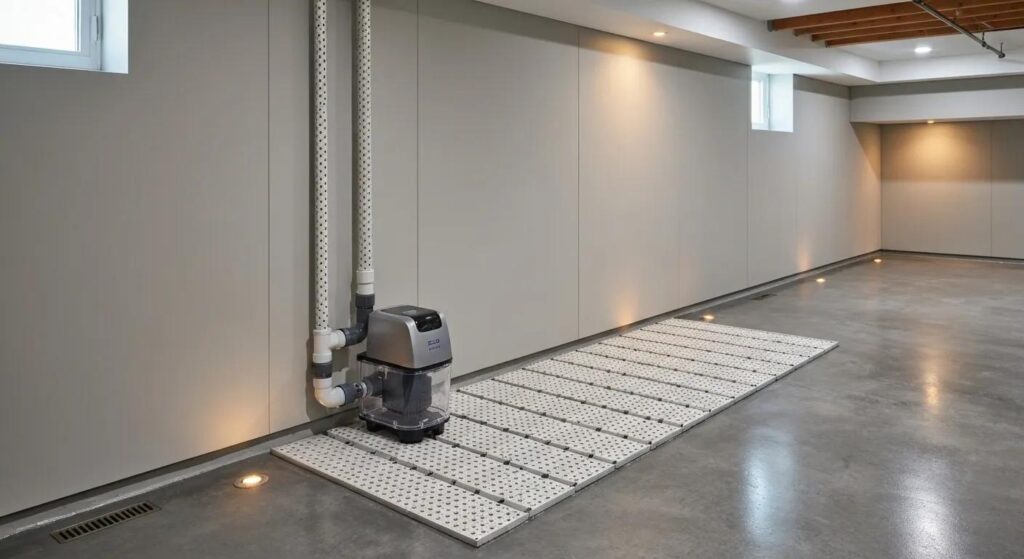
Basement Waterproofing in Essex County NJ: Protect From Water Damage
Basement moisture and flooding are common in Essex County, NJ. Seasonal storms, shifting soils, and long humid stretches create conditions where water finds a way in. This guide helps you spot risks early, compare practical solutions, and take the right next steps before damage spreads. You’ll learn how to recognize the first signs of moisture and structural stress, weigh interior versus exterior waterproofing, understand what drives cost, and find financing options. If you’re worried about mold, foundation cracks, or recurring dampness, timely waterproofing protects your indoor air, stops structural decline, and preserves property value. Request a free inspection to get a prioritized action plan. Throughout this guide we link cause and solution (drainage redirects groundwater → barriers block vapor → dehumidifiers lower humidity) so you understand how each measure cuts mold risk and relieves hydrostatic pressure in Essex County homes.
What Are the Common Signs of Basement Water Damage in Essex County?
Basement water problems show up in visible and sensory ways. Catching problems early usually reduces repair size and cost. Look for staining, peeling paint, salt-like efflorescence, and slow seepage on walls or floors. Smell for musty odors and notice persistent dampness — those point to high humidity and possible mold. Structural cues like hairline or widening foundation cracks, bowing walls, or new settlement indicate hydrostatic pressure or undermined footings and need prompt assessment. Spotting these signs leads to targeted diagnostics — moisture mapping and foundation surveys — that reveal whether drainage, interior systems, or structural reinforcement is the right fix.
Water intrusion often starts small and worsens if the root cause isn’t fixed. Track patterns after heavy storms or seasonal changes to prioritize work. Early action focuses on blocking water paths and lowering humidity before mold takes hold or movement accelerates. The next section explains how to identify mold, dampness, and musty smells and when to call a pro.
How to Identify Mold, Dampness, and Musty Odors in Your Basement
You can spot mold and excess moisture with a few simple checks before calling an expert. Scan for discolored patches, fuzzy growth, or staining on walls, insulation, and stored items. Measure relative humidity with a hygrometer — readings consistently above 50% create favorable conditions for mold. Short-term steps include improving ventilation, running a dehumidifier to bring humidity into the 30–50% range, and removing wet materials to slow spread. If mold covers a large area, has soaked into structural materials, or people in the home have symptoms, book a professional inspection with moisture mapping and remediation recommendations; that prepares your basement for effective waterproofing.
Environmental Control of Fungal Allergens: Moisture Management in Basements
Because our knowledge of mold allergens is incomplete, practical moisture-control measures are the best defense for people with mold sensitivities. The primary strategy is to prevent water entry from rain and groundwater through thoughtful building design. Proper HVAC design and maintenance also matter. Regular upkeep of plumbing, appliances, and showers can prevent damaging leaks. Controlling indoor humidity and vapor prevents condensation on surfaces or inside small spaces like attics, bedrooms, basements, and under carpeting. While abatement studies are limited, existing evidence shows these steps reduce mold exposure.
When Should You Be Concerned About Foundation Cracks and Hydrostatic Pressure?
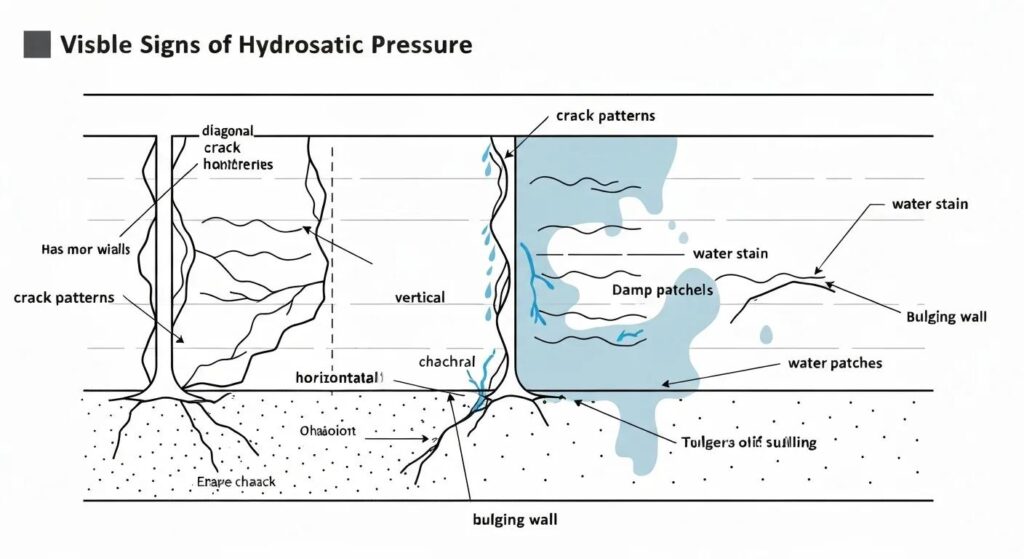
Not every crack is an emergency, but some patterns demand quick attention and structural review. Small shrinkage cracks under 1/8″ that are stable and dry can be monitored. Widening cracks, horizontal or stepped cracks in masonry, or cracks tied to active leaks suggest structural movement or hydrostatic pressure. Signs of pressure include bowing walls, sudden leaks during storms, or water pooling at wall bases — groundwater pushing in and accelerating damage. When you see these patterns, a professional assessment should include soil and drainage checks and a plan that may combine reinforcement with waterproofing to relieve pressure and stabilize the foundation.
Which Basement Waterproofing Services Are Available in Essex County NJ?
Waterproofing professionals use multiple, complementary approaches to address different entry points and causes of basement moisture. Core services include interior drainage systems that collect and move water, sump pump installation to eject collected groundwater, exterior excavation and membrane work for major seepage, crawl space encapsulation to stop vapor intrusion, dehumidification to control humidity, and structural reinforcement for wall movement. In short: sump pump prevents flooding → French drain redirects groundwater away from foundations → encapsulation blocks soil vapor and improves indoor air. The right combination depends on the water source, soil saturation, and whether structural repairs are needed.
Below is a quick comparison to help homeowners match symptoms to solutions, followed by common service types.
| Service | Typical Use Case | Main Benefit |
|---|---|---|
| Interior Basement Waterproofing (drain + sump) | Chronic seepage through the floor or base of walls | Catches water early and channels it to a sump for removal |
| Sump Pump Installation (with battery backup options) | Periodic flooding or a high groundwater table | Pumps water out to prevent standing water and damage |
| French Drain Installation (interior/exterior) | Groundwater flowing laterally against the foundation | Redirects that water away from the foundation perimeter |
| Crawl Space Encapsulation | Vapor and moisture intrusion under the home | Stops soil vapor, lowers humidity, and improves air quality |
| Dehumidification Systems | Persistent high humidity and mold risk | Maintains target humidity to inhibit mold growth |
| Structural Reinforcement | Bowing walls or progressive cracking | Restores alignment and prevents further movement |
These services are often combined for stubborn problems. Match the primary symptom to the targeted system, then add environmental controls for long-term stability.
Installation quality matters: licensed crews and proper materials make a difference. Effective Basement Solutions offers free inspections and uses an in-house team to assess and recommend the right package — a local, licensed approach that helps ensure coordinated work and clear warranties.
How Does Basement Waterproofing Prevent Flooding and Mold Growth?
Waterproofing cuts off the paths water and moisture use to enter and stay in basements. Interior drains capture infiltrating water and route it to a sump pump for removal; exterior systems intercept groundwater before it reaches the foundation. Vapor barriers and encapsulation stop soil moisture from turning into indoor humidity, and continuous dehumidification keeps relative humidity in a range that discourages mold. Together these measures reduce the moisture available for mold and relieve hydrostatic pressure that causes leaks and structural stress.
Understanding how these systems work helps you choose between interior and exterior approaches. The next section covers sump pumps and battery backups during storms and power outages.
What Are the Benefits of Sump Pump Installation and Battery Backup Systems?
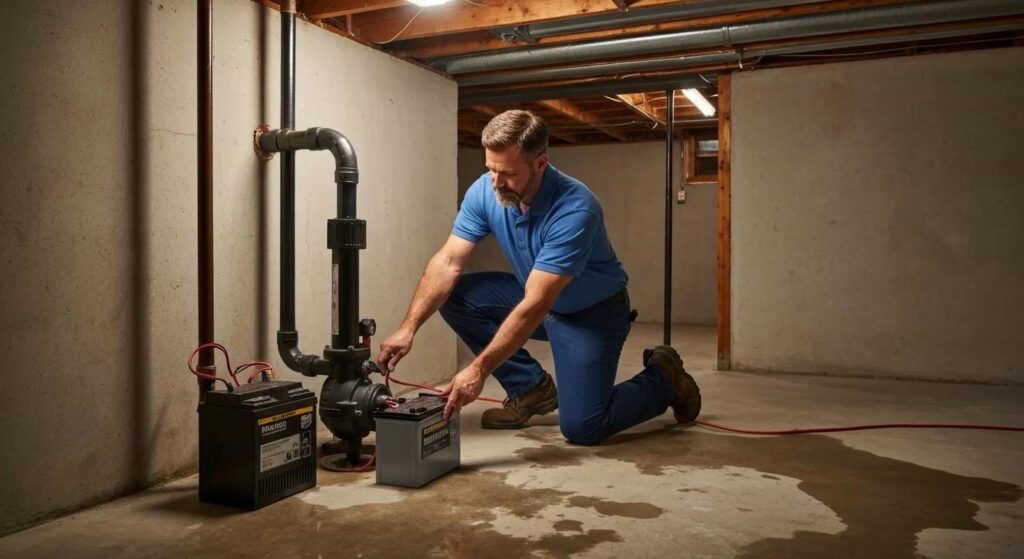
A properly sized sump pump is a frontline defense against basement flooding — especially in Essex County, where heavy rain and high groundwater are common. Sump pumps remove collected water and discharge it away from the foundation, preventing standing water and saturated walls. Battery backups keep pumps running during power outages — exactly when you need them most — and reduce flood risk when the grid fails. Regular maintenance — check float switches, test activation, and keep discharge lines clear — keeps the system reliable and extends its life.
When evaluating options, consider pump capacity vs. expected inflow and the added protection of a battery backup. The next section explains how French drains and crawl space encapsulation add preventive protection.
How Do French Drain Systems and Crawl Space Encapsulation Protect Your Essex County Home?
French drains and crawl space encapsulation tackle groundwater and vapor at their source to protect foundation integrity and indoor air quality. A French drain gives groundwater a low-resistance path away from the foundation, reducing pressure and seepage. Encapsulation seals the crawl space to stop vapor migration and stabilize humidity. Both reduce long-term moisture exposure to structural elements, lower mold risk, and help HVAC systems run more efficiently by improving the building envelope. Choose the right approach based on whether the main issue is lateral groundwater, poor grading, or subsurface vapor; the following sections break down each system and typical scenarios.
What Is a French Drain and How Does It Redirect Groundwater Away from Foundations?
A French drain is a trench filled with clean rock and a perforated pipe that collects groundwater and moves it away from the foundation, relieving hydrostatic pressure and stopping lateral seepage. Interior French drains sit at the base of foundation walls and channel water to a sump pump; exterior French drains intercept groundwater before it reaches the foundation face. Typical installation includes trenching, geotextile fabric to prevent clogging, clean aggregate, and a perforated pipe sized for expected flow. On properties with a high water table or poor surface drainage, pairing a French drain with a sump pump and proper grading offers a robust defense against foundation moisture.
Why Is Crawl Space Encapsulation Essential for Moisture Control and Air Quality?
Crawl space encapsulation installs a durable vapor barrier over the soil, seals vents, and often includes dehumidification to create a dry, conditioned underfloor space that lowers indoor humidity and mold risk. Typical components are a thick polyethylene vapor barrier, sealed seams and penetrations, insulated rim joists, and sometimes a small dehumidifier for year-round control. Encapsulation improves energy efficiency by reducing cold drafts and prevents wood rot and insulation damage by keeping structural members dry. When combined with exterior drainage or interior sump systems, encapsulation becomes part of a whole-house moisture-control strategy that protects indoor air quality and foundation health.
The next section explains when structural reinforcement and dehumidification are needed to improve safety and long-term performance.
| Solution | Component | Expected Outcome |
|---|---|---|
| Carbon fiber straps / wall anchors | Composite straps or steel anchors | Stabilize bowed or cracked walls and stop progressive movement |
| Steel I-beams / braces | Steel reinforcement installed against foundation | Provide load-bearing support and restore vertical alignment |
| Whole-basement dehumidification | Dedicated desiccant or refrigerant dehumidifier with continuous drainage | Maintain 30–50% relative humidity to prevent mold growth |
How Can Structural Reinforcement and Dehumidification Systems Improve Basement Safety?
Structural reinforcement fixes movement while dehumidification controls the environment that accelerates deterioration and mold. Reinforcement choices range from low-profile carbon fiber straps to heavier steel beams or wall anchors, selected based on crack patterns, wall movement, and soil pressure. Properly sized dehumidifiers control relative humidity, preventing condensation on cool surfaces and reducing mold risk; they work best when combined with vapor barriers and drainage. Designing stabilization and environmental controls together ensures the structure is secure and the interior stays within healthy humidity levels to protect finishes and occupant health.
Pairing mechanical stabilization with moisture control reduces repeat repairs and improves outcomes for finished basements and living spaces. The next sections describe when foundation repair is necessary and how dehumidifiers perform in real homes.
When Is Foundation Repair Necessary for Essex County Basements?
Foundation repair is needed when monitoring shows ongoing movement, widening cracks, repeated water intrusion despite drainage, or when living spaces are affected by structural displacement. Look for horizontal cracks, bulging or bowed walls, doors and windows that stick, or cracks that grow between inspections — these signal load-path changes or soil-driven pressure beyond cosmetic issues. Repair options depend on severity and cause: minor movement may respond to carbon fiber reinforcement, while larger displacement can require steel beams or wall anchors. An integrated plan pairs waterproofing with reinforcement so moisture no longer undermines repaired elements, ensuring long-term performance.
How Do Dehumidifiers Help Control Basement Humidity and Prevent Mold?
Dehumidifiers remove excess moisture from basement air by condensation or desiccant processes, lowering relative humidity to a range that inhibits mold spore growth and slows material decay. Proper sizing is essential: units matched to basement volume and moisture load provide continuous control. Models with gravity drains or pump-outs reduce maintenance. Combined with encapsulation and improved drainage, dehumidifiers keep surfaces dry and limit the latent moisture that fuels mold; routine filter and coil upkeep preserves efficiency and lowers energy use. Aim for 30–50% relative humidity for most New Jersey basements; consistent monitoring tells you if more capacity or upgrades are needed.
What Are the Costs and Financing Options for Basement Waterproofing in Essex County NJ?
Costs vary with scope, access, materials, and whether structural repair is required. Knowing the main cost drivers helps you set a realistic budget and compare bids. Key factors include how extensive the intrusion is, whether interior or exterior excavation is needed, soil conditions that affect digging, the need for structural reinforcement, and the quality of materials and warranties. Financing options often include payment plans, contractor financing, or home improvement loans through third-party lenders; availability depends on the provider and your credit. A free inspection produces a written estimate that explains cost drivers and recommends financing or phased work if needed.
Below is a table summarizing common project types, what drives cost, and typical financing or price ranges to help homeowners compare options before scheduling an inspection.
| Project Type | Cost Drivers | Typical Price Range / Financing Options |
|---|---|---|
| Sump pump installation (interior) | Pump capacity, battery backup, discharge routing | Moderate; often eligible for contractor payment plans |
| Interior French drain + sump | Extent of excavation, floor removal, pump type | Moderate to higher; financing available through lenders or in-house plans |
| Exterior excavation & membrane | Depth, soil removal, landscaping restoration | Higher due to excavation; lenders or phased financing common |
| Crawl space encapsulation | Material quality, insulation, dehumidifier inclusion | Moderate; cost varies with system complexity |
| Structural reinforcement | Type of reinforcement, permit needs, engineering | High for major work; phased repair and financing often necessary |
What Factors Influence Basement Waterproofing Prices in Essex County?
Several variables affect price: how severe the intrusion is, how accessible the work area is, soil and grading conditions, whether structural repair is needed, and the materials and warranty levels chosen. Finished basements or projects that require demolition and restoration cost more because of finish replacement and extra labor. Site-specific issues like a high water table or tight access increase labor and equipment needs, while higher-grade pumps, membranes, and warranty-backed products raise material costs but lower lifetime risk. Because each property is different, a free on-site inspection is the most reliable way to get an accurate estimate and decide between phased work and full remediation.
Are Free Inspections and Warranties Available from Local Waterproofing Experts?
Many reputable local contractors offer free inspections and provide written estimates; warranty terms vary by company and product, so confirm details before signing. A typical free inspection includes a visual assessment, moisture measurements, photos, and recommendations with a cost estimate. Warranties commonly cover workmanship and materials for set timeframes; some providers extend labor warranties when using certified systems or in-house crews. Effective Basement Solutions provides free inspections and emphasizes warranty-backed work performed by a licensed, in-house team — ask for written warranty terms and exactly what they cover when you schedule an inspection.
How Do I Request a Free Basement Waterproofing Consultation in Essex County NJ?
Requesting a free consultation is simple: contact the provider to schedule an on-site inspection, get a documented assessment, and review a written estimate with clear next steps. Call or email to describe symptoms and arrange a convenient inspection time; the inspector will confirm scope and access needs before arrival. During the visit expect a walk-through, moisture readings, photos, and an explanation of options with pros, cons, and timelines, followed by a written proposal. For Essex County homeowners who want licensed crews and clear warranties, a free inspection moves you from diagnosis to a prioritized remediation plan.
- Request the inspection: Call or email to describe the issue and set a visit.
- On-site assessment: A technician performs visual checks and instrumented diagnostics, documenting findings.
- Written estimate: Receive a detailed proposal with recommended systems, timeline, and warranty choices.
- Schedule work: Agree on scope, financing, and start dates; the contractor completes the agreed remediation.
This step-by-step approach helps homeowners understand recommended solutions and costs. The next section describes what to expect during a professional inspection.
What Should I Expect During a Professional Basement Inspection?
A professional inspection combines a visual check, diagnostic measurements, and documentation to produce actionable recommendations and a written estimate. Inspectors look for water stains, efflorescence, foundation cracks, drainage problems, and signs of mold, and they use moisture meters and hygrometers to record humidity and material moisture. Inspections typically include photos, diagrams of problem areas, and a clear explanation of options with pros, cons, and expected timelines; most visits take 30–90 minutes depending on home size and complexity. Prepare by clearing access to basements and crawl spaces and gathering details about past water events — that helps the inspector deliver a thorough, tailored plan.
How Does Effective Basement Solutions Ensure Quality and Reliability?
Effective Basement Solutions highlights the trust signals that matter: licensed, in-house crews (no subcontractors), free inspections, quality materials, and over 20 years of experience. Using an in-house team ensures consistent workmanship and accountability through diagnosis, installation, and warranty support. Free inspections reduce buyer risk by delivering a documented plan before you commit. Quality materials and clear warranty terms protect your investment by covering workmanship and product performance for agreed periods. To request a free inspection or discuss options, call 1-800-957-0075 or email [email protected] to start the assessment and receive a written estimate.
- Key homeowner action: Request a free inspection to get a site-specific plan and written estimate.
- Trust checklist: Verify licensing, in-house crew, warranty details, and a documented scope before work begins.
Frequently Asked Questions
What are the long-term benefits of basement waterproofing?
Waterproofing delivers long-term benefits: stronger structural integrity, better indoor air quality, and preserved property value. Preventing water intrusion reduces the risk of costly repairs from mold, foundation damage, and structural decay. A dry basement is healthier for occupants and lowers allergen exposure. Over time, the investment can pay off by cutting maintenance costs and protecting the home’s condition — a smart choice for Essex County homeowners.
How often should I inspect my basement for water damage?
Inspect your basement at least twice a year — spring and fall are good times. Seasonal shifts affect moisture levels, and catching problems early prevents larger repairs. Also inspect after heavy storms or rapid snowmelt to spot new signs of intrusion. Regular checks help you maintain a healthy basement and address issues before they grow.
Can I perform basement waterproofing myself, or should I hire a professional?
Some small tasks — sealing minor cracks or applying waterproof coatings — can be DIY projects. But comprehensive waterproofing usually requires professional expertise. Contractors have the tools and experience to diagnose root causes and install long-lasting solutions that meet local codes. Hiring a licensed pro ensures work is done correctly and often backed by warranties.
What is the typical lifespan of waterproofing systems?
Lifespan varies by system and conditions. Interior drainage and sump pump systems often last 10–20 years with routine maintenance; exterior membranes can last up to 30 years. Regular inspections and upkeep are key to performance. Higher-quality materials typically come with better warranties and longer service life.
What should I do if I find mold in my basement?
Address mold quickly to protect health and limit damage. First, remove the moisture source. For small, non-porous areas, cleaning with detergent and water or a commercial cleaner can work. If mold covers large areas or has penetrated structural materials, hire a professional remediation service to ensure safe, thorough removal and to prepare the space for waterproofing.
Are there any financing options available for basement waterproofing?
Yes. Many contractors offer payment plans, in-house financing, or can refer you to third-party home improvement loans. Options depend on the contractor’s policies and your credit. Discuss financing during the initial consultation so you can choose a plan that fits your budget and timing.
Conclusion
Protecting your home from water damage with effective basement waterproofing safeguards structural integrity and indoor air quality. Catch issues early to avoid costly repairs and to preserve your property’s value. Schedule a free inspection to identify solutions tailored to your home and receive a clear, prioritized plan. Explore our services today to keep your basement dry and safe for years to come.
