
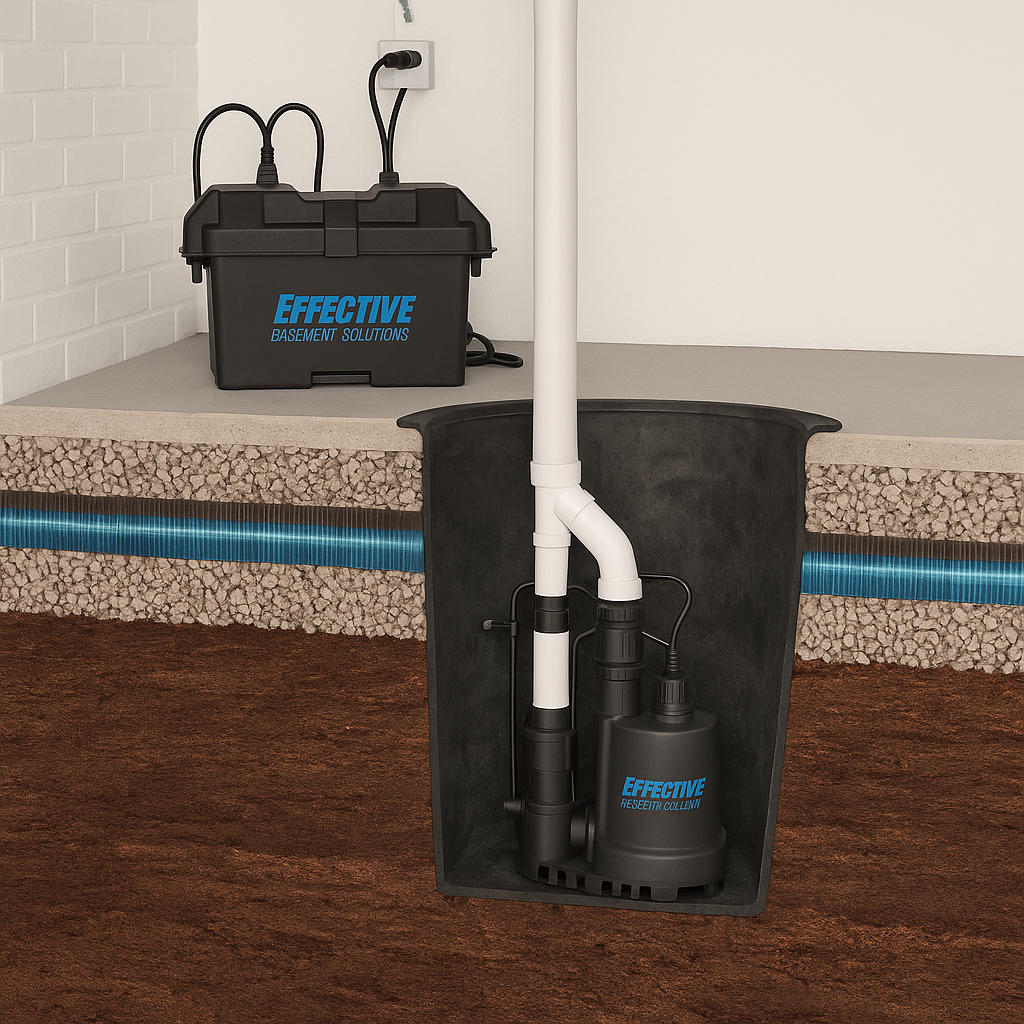
What to Do After a Basement Flood: Emergency Basement Water Removal and Mold Prevention Steps for NJ Homeowners
Experiencing a basement flood can be a distressing event for homeowners, leading to potential damage and health risks. This article provides essential steps to take immediately after a flood, focusing on emergency water removal and effective mold prevention strategies. Homeowners will learn how to manage the aftermath of a basement flood, ensuring safety and minimizing damage. The guide will cover emergency water removal steps, mold prevention strategies, when to call professionals, and how to navigate insurance claims specific to New Jersey. Understanding these processes is crucial for protecting your home and health after a flood.
Emergency Water Removal Steps:
After a basement flood, swift action is critical to mitigate damage and prevent further complications. Emergency water removal involves several key steps that ensure safety and efficiency. First, ensure that the area is safe to enter; turn off electricity and avoid contact with contaminated water. Next, use industrial pumps or wet vacuums to extract standing water effectively. Following water removal, apply antimicrobial treatments to surfaces to prevent mold growth. These steps are vital in the immediate aftermath of flooding to protect your home and health.
- Ensure Safety: Before entering the flooded area, turn off electricity and assess for hazards.
- Water Extraction: Utilize industrial pumps or wet vacuums for efficient water removal.
- Antimicrobial Treatment: Apply treatments to surfaces to inhibit mold growth.
For homeowners in New Jersey, hiring professionals for emergency water removal can be beneficial. Effective Basement Solutions offers free inspections and emergency basement water removal services, ensuring that your home is restored safely and efficiently.
Mold Prevention Strategies:
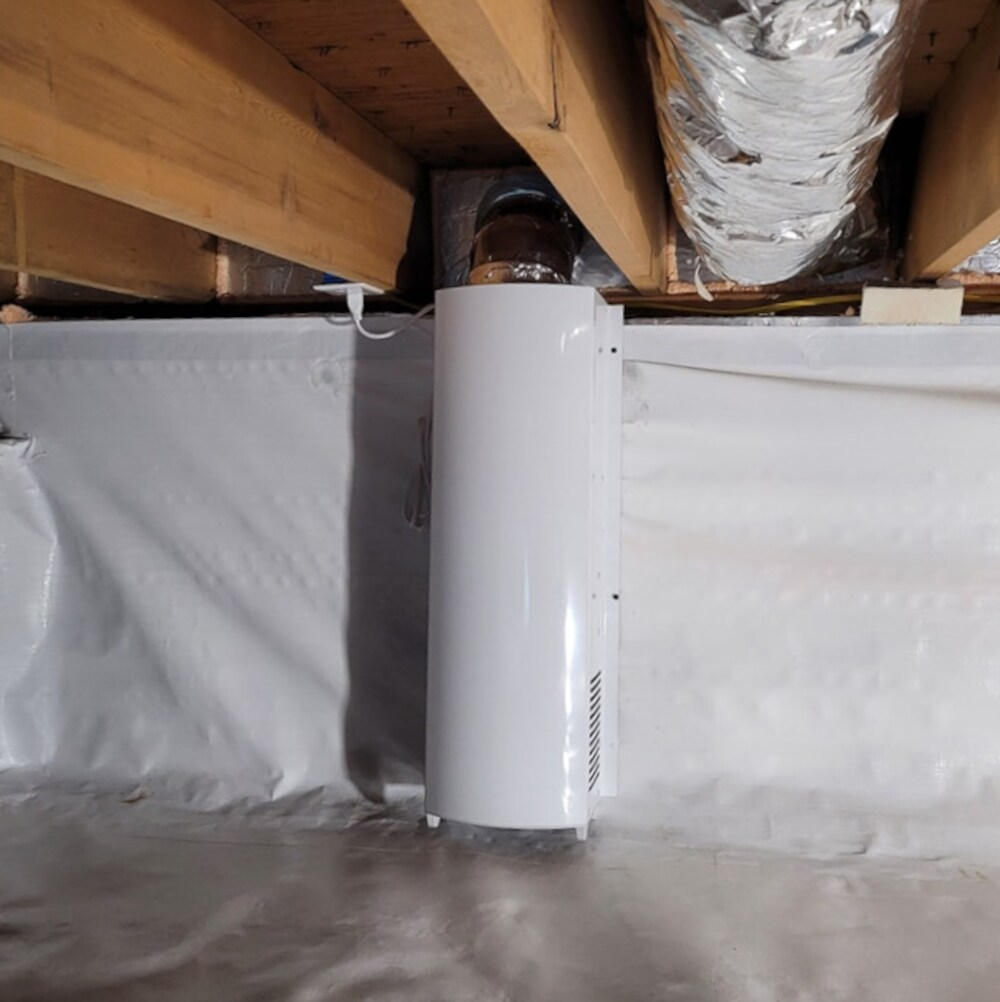
Preventing mold growth after a basement flood is essential for maintaining a healthy living environment. Mold can develop rapidly in damp conditions, leading to health issues and structural damage. To prevent mold, act quickly to dry out the area by using dehumidifiers and fans. Regularly inspect and seal any foundation cracks to prevent water intrusion. Additionally, consider using mold-resistant products during repairs to further safeguard your home.
Understanding the comprehensive strategies for mold prevention and health protection after a flood is crucial for homeowners.
Post-Flood Mold Prevention & Health Protection Strategies
Extensive water damage after major hurricanes and floods increases the likelihood of mold contamination in buildings. This report provides information on how to limit exposure to mold and how to identify and prevent mold-related health effects. Where uncertainties in scientific knowledge exist, practical applications designed to be protective of a person’s health are presented. Evidence is included about assessing exposure, clean-up and prevention, personal protective equipment, health effects, and public health strategies and recommendations. The recommendations assume that, in the aftermath of major hurricanes or floods,
Mold prevention strategies and possible health effects in the aftermath of hurricanes and major floods, 2006
- Act Quickly: Dry out the flooded area as soon as possible to prevent mold growth.
- Use Dehumidifiers: Control humidity levels to create an unfavorable environment for mold.
- Inspect and Seal Cracks: Regularly check for and seal any foundation cracks to prevent future flooding.
Effective Basement Solutions specializes in mold remediation services, helping homeowners address mold issues effectively and ensuring a safe living environment.
Additional Resources:
Homeowners facing the aftermath of a basement flood should consider seeking professional help. Hiring a mold remediation service can provide peace of mind and ensure thorough cleaning and restoration. Additionally, staying informed about local flooding risks through agencies can help homeowners prepare for future incidents.
- Professional Help: Consider hiring a professional mold remediation service for thorough cleaning.
- Stay Informed: Keep updated on local flooding risks through local agencies and resources.
- Emergency Contacts: Maintain a list of emergency contacts for rapid assistance during flooding events.
When Should You Call Professionals for Water Damage Restoration in NJ?
Knowing when to call professionals for water damage restoration is crucial for effective recovery. Homeowners should seek help if they notice recurring puddles or active leaks, as these can indicate underlying issues. Additionally, if structural cracks or mold growth are present, immediate professional intervention is necessary. Rapidly rising water levels also warrant a call to experts to prevent extensive damage.
- Recurring Puddles: Call for help if you notice persistent water accumulation.
- Structural Cracks: Seek assistance for any visible cracks in the foundation.
- Rapidly Rising Water: Immediate action is required if water levels are rising quickly.
How Do Basement Waterproofing Solutions Prevent Future Flooding?
Basement waterproofing solutions are essential for preventing future flooding and protecting your home. Various methods, such as sump pump installation and interior drainage systems, can effectively manage water intrusion. These solutions work by redirecting water away from the foundation and ensuring that your basement remains dry. Regular maintenance of these systems is crucial for long-term effectiveness.
- Sump Pump Installation: A sump pump helps remove water that accumulates in the basement.
- Interior Drainage Systems: These systems channel water away from the foundation, preventing flooding.
- Regular Maintenance: Routine checks and maintenance ensure that waterproofing systems function effectively.
Effective Basement Solutions offers comprehensive basement waterproofing services, helping homeowners safeguard their properties against future flooding.
How Can NJ Homeowners Navigate Insurance Claims After Basement Flooding?
Navigating insurance claims after a basement flood can be complex, but understanding the process can ease the burden. Homeowners should document all damage thoroughly, including photographs and written descriptions. Promptly notifying your insurance carrier is essential to initiate the claims process. Keeping a list of emergency contacts can also facilitate rapid assistance during this challenging time.
- Document Damage: Take detailed photographs and notes of all damage for your records.
- Notify Insurance Carrier: Contact your insurance provider as soon as possible to report the incident.
- Emergency Contacts: Maintain a list of contacts for quick access to assistance.
What NJ-Specific Flood Risks Should Homeowners Be Aware Of?
New Jersey homeowners should be aware of specific flood risks that can affect their properties. Common causes of flooding in the state include heavy rainfall, snowmelt, and coastal storms. Additionally, climate change is increasing the frequency and intensity of flooding events. Homeowners can take preventive measures, such as elevating their homes and investing in flood insurance, to mitigate these risks.
- Heavy Rainfall: Intense storms can lead to significant flooding in vulnerable areas.
- Snowmelt: Rapid snowmelt in spring can cause rivers to overflow and flood nearby properties.
- Climate Change: Increased flooding incidents are linked to climate change, necessitating proactive measures.
How Does Climate Change Impact Basement Flooding in New Jersey?
Climate change significantly impacts basement flooding in New Jersey, leading to more frequent and severe flooding events. Rising sea levels and increased rainfall contribute to the risk of water intrusion in homes. Homeowners must prioritize rapid water removal and consider long-term strategies, such as improved drainage systems, to combat these challenges effectively.
- Increased Flooding Incidents: Climate change is linked to more frequent flooding events.
- Rapid Water Removal: Quick action is essential to minimize damage during flooding.
- Long-Term Strategies: Investing in improved drainage systems can help mitigate future risks.
Understanding these factors is crucial for New Jersey homeowners to protect their properties and ensure safety in the face of climate-related challenges.