
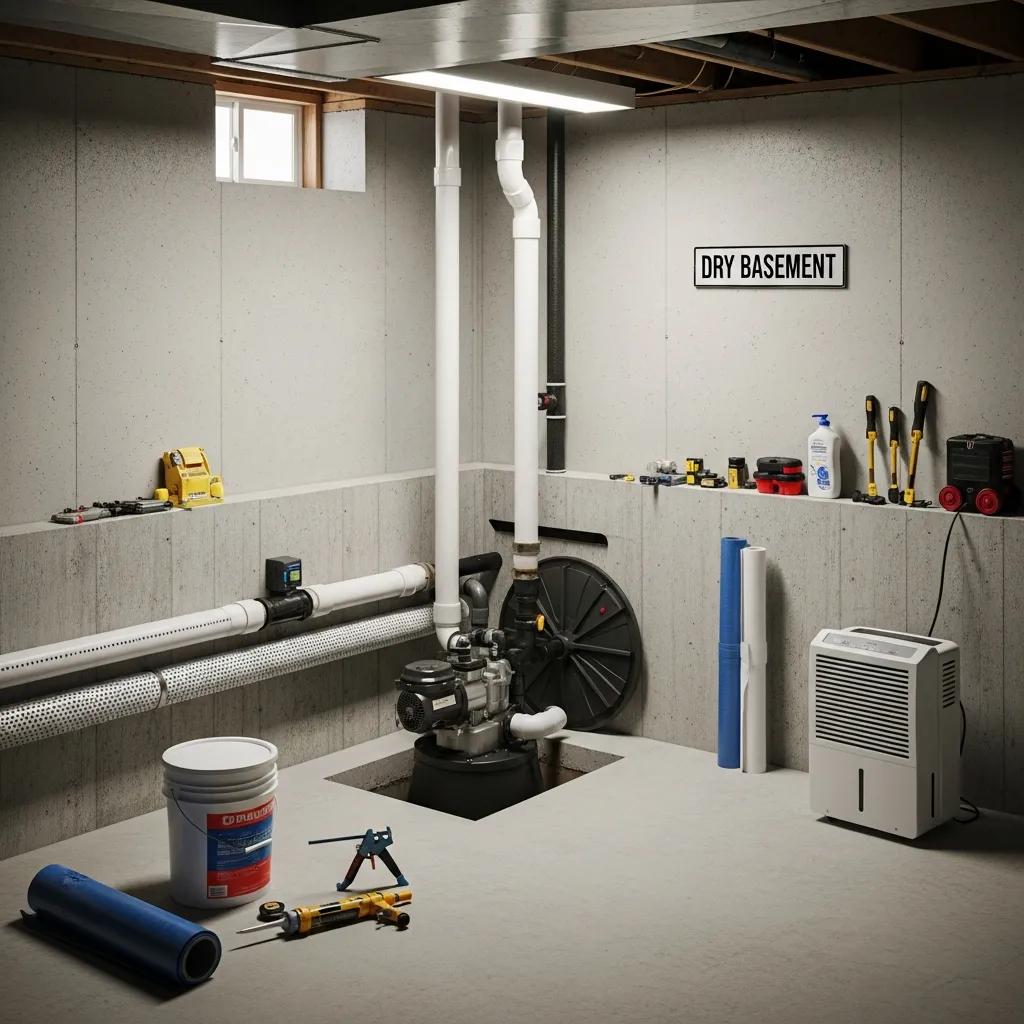
Basement Waterproofing Westfield NJ: Complete Solutions for Wet Basements, Mold, and Foundation Repair
Basement waterproofing protects home value and indoor air quality by preventing water intrusion, structural damage, and mold growth in Westfield, NJ homes. This guide explains the common basement problems local homeowners face, the mechanisms behind leaks and mold, and practical, cost-aware solutions including interior drainage, exterior excavation, sump pumps, and humidity control. Readers will learn how hydrostatic pressure, local clay soils, and poor grading create recurring issues, how professionals evaluate cost drivers, and what preventative maintenance reduces long-term risk. The article maps specific remediation and repair options—French drains, sump pump systems with battery backup, crawl space encapsulation, and foundation crack repair—and gives clear expectations for inspections, timelines, and outcomes. Throughout, technical explanations are tied to actionable homeowner steps and recommendations for getting a free, personalized consultation or estimate from a local Westfield service provider that specializes in basement waterproofing, mold remediation, and foundation repair.
What Are the Most Common Basement Problems in Westfield NJ?
Most Westfield basements experience water-related problems driven by seasonal rainfall, local soil composition, and aging home drainage systems. Basement issues commonly include seepage through walls or floors, hydrostatic-pressure-driven flooding, high relative humidity leading to condensation, visible mold growth, and foundation cracks that let water in and threaten structural integrity. Understanding the mix of surface runoff, poor grading, clogged gutters, and saturated clay soils helps homeowners prioritize solutions that address the true water source rather than chasing symptoms. Early identification reduces repair complexity and cost by allowing targeted drainage and humidity-control measures before structural repairs are required.
How Does Hydrostatic Pressure Cause Basement Leaks and Water Damage?
Hydrostatic pressure is the force groundwater exerts on foundation walls and slabs when soil becomes saturated, and it drives water through pores, cracks, and joints into basements. In Westfield, compacted clay soils retain water longer after storms, increasing lateral pressure against foundations and promoting seepage at construction joints and hairline cracks. Interior symptoms include damp walls, efflorescence mineral deposits, and seepage along the floor-wall junction; exterior signs include puddling near the foundation and poor yard grading. Preventing hydrostatic-pressure leaks depends on moving water away from foundations through improved grading, exterior drainage, or interior perimeter drains tied to a sump pump system.
What Signs Indicate Mold Growth and High Humidity in Basements?
Mold presence and high basement humidity manifest as musty odors, visible discoloration or fuzzy growth on surfaces, peeling paint or wallpaper, and persistent condensation on windows or pipes. Chronically elevated relative humidity (RH) above about 60% encourages mold growth on organic materials such as drywall, wood, and stored fabrics, and it can aggravate respiratory symptoms in sensitive occupants. Homeowners should watch for cyclical dampness after storms, recurring stains that return after cleaning, and unexplained allergy-like symptoms that improve when away from the home. Early testing and moisture control reduce remediation scope by addressing the underlying humidity or water intrusion source before mold becomes widespread.
How Much Does Basement Waterproofing Cost in Westfield NJ?
Basement waterproofing costs in Westfield vary based on the chosen approach, site access, and the severity of water intrusion; typical local projects span a range from modest sump pump additions to full exterior excavation and membrane installation. Cost is primarily driven by labor, materials, soil conditions (clay soils can increase scope), depth of excavation required, and whether foundation repairs or mold remediation are needed in tandem. Accurate bids require an on-site inspection to evaluate wall material, interior finishes, lateral soil pressure, and accessibility for equipment. Understanding the primary cost drivers helps homeowners compare quotes and choose solutions that balance upfront expense with longevity and maintenance needs.
The main cost drivers for basement waterproofing include material selection, depth and complexity of excavation, labor intensity, and additional repairs or permits. Below is a concise comparison of key solutions, their cost drivers, and typical Westfield ranges to provide budgeting context before getting an on-site estimate.
| Solution | Cost Drivers | Typical Cost Range (Westfield) |
|---|---|---|
| Interior perimeter drain + sump pump | Access to finished basement, sump pit installation, dewatering needs | Moderate range depending on finish removal |
| Exterior excavation + membrane | Depth to footing, soil disposal, landscape restoration | Higher range due to heavy excavation |
| Sump pump system (including battery backup) | Pump capacity, basin, discharge routing, battery type | Low–moderate; battery adds to cost |
| Crawl space encapsulation | Vapor barrier material, sealing, dehumidifier sizing | Moderate; depends on area and prep work |
This table clarifies that interior systems are often less disruptive and less costly initially, while exterior systems offer permanent exterior waterproofing at a higher price; homeowners should weigh lifecycle costs and local soil impacts when choosing a solution.
What Factors Influence the Price of Basement Waterproofing Services?
Several prioritized cost factors influence pricing: the extent of water entry or hydrostatic pressure, foundation wall material and condition, site access for equipment, interior finishes that must be removed, and the need for structural repairs or mold remediation. Clay soils and high groundwater levels in Westfield typically increase project complexity and can necessitate deeper drains or exterior excavation. Labor rates, warranty options, and local permitting requirements also affect the final estimate, while long-term value comes from systems that reduce recurring maintenance and protect indoor air quality. Preparing for an accurate quote means clearing work areas, documenting recurring leak locations, and noting previous repairs to inform the inspection.
How Do Different Waterproofing Methods Compare in Cost and Effectiveness?
Choosing between interior and exterior methods depends on whether the source is hydrostatic pressure, surface runoff, or a combination of issues; generally, exterior membranes plus grading fix surface runoff and reduce lateral pressure, while interior drains control groundwater that has already reached the foundation. Interior perimeter drains tied to a sump pump are cost-efficient for many Westfield homes with finished basements and localized seepage, while exterior excavation and membrane installation are more expensive but address the problem before water reaches the wall. Hybrid approaches that combine exterior correction with interior drainage often deliver the most reliable long-term protection in high-groundwater conditions. Lifecycle cost considerations include maintenance of sump pumps, potential need for battery backup, and periodic checks of drain outlets.
After reviewing cost drivers and method comparisons, many homeowners prefer to schedule a free consultation and on-site estimate so a specialist can recommend a tailored plan. A local service provider operating in Westfield, NJ, specializes in basement waterproofing, French drain installation, sump pump systems, mold remediation, foundation repair, dehumidification, and crawl space encapsulation; they offer free consultations/estimates and focus on long-term property value preservation and indoor air quality. Requesting a personalized inspection ensures any estimate accounts for Westfield-specific soil, grading, and home construction factors rather than relying on generic pricing.
What Are the Best Basement Waterproofing and Drainage Solutions for Westfield Homes?
Best solutions for Westfield basements combine site-specific drainage, hydrostatic-pressure relief, and humidity control to prevent recurring leaks and mold. Common effective components include interior and exterior French drains, sump pumps with battery backup, exterior membranes and grading correction, crack sealing where applicable, and dehumidification for occupied basements. Matching the right system to conditions — for example, prioritizing exterior methods when surface runoff or clogged exterior drains are the issue, or interior drains when groundwater is the main driver — improves outcomes and cost-effectiveness. Systems designed as coordinated assemblies, rather than single measures, deliver the most reliable protection in variable Westfield soil and weather conditions.
How Do Interior and Exterior French Drain Systems Prevent Basement Flooding?
An interior French drain collects groundwater at the floor-wall junction or under the slab and routes it to a sump pit; it is installed without disturbing exterior landscaping and works well where interior access is simpler than exterior excavation. An exterior French drain sits at or below the footing outside the foundation, intercepting water before it reaches the wall and reducing hydrostatic pressure; it requires excavation and landscape restoration but provides a proactive defense against groundwater. Each system moves water via perforated pipe placed in a gravel bed to a discharge point or sump, and both require proper slope and outlet planning to ensure reliable flow. Maintenance for each system includes periodic inspections and keeping discharge points clear to maintain performance.
In complex Westfield situations, scheduling a free inspection helps determine which drain type or combination is appropriate; a local specialist can evaluate soil, grading, and groundwater patterns to recommend the least-disruptive, most-effective system. This brief call-to-action encourages homeowners to confirm system selection with on-site observations rather than relying solely on descriptive comparisons.
Why Is Sump Pump Installation with Battery Backup Essential for Flood Prevention?
A sump pump actively removes collected groundwater from a sump basin and discharges it away from the foundation, reducing the risk of basement flooding during heavy rains or rapid melt events. Battery backup systems are essential because power outages often coincide with severe storms; a battery-backed pump can operate through hours of outage and maintain protection when primary power fails. When sizing a pump, homeowners should consider gallons per hour (GPH) at a given head height, expected inflow rates, and battery runtime for expected storm durations. Routine testing, float-switch inspection, and scheduled battery replacement are key maintenance tasks to ensure the system performs when needed.
| Solution Type | How it Works | Best For (conditions) | Pros | Cons |
|---|---|---|---|---|
| Interior French drain | Collects water at wall/floor and routes to sump | Finished basements, limited exterior access | Less landscaping disruption; faster install | May require interior finish removal |
| Exterior French drain | Intercepts groundwater outside footing | High lateral water tables, surface runoff | Reduces hydrostatic pressure before wall | Higher cost; landscape restoration |
| Sump pump + battery backup | Removes water to external discharge | Properties with subsurface inflow | Active protection during storms; backup safety | Requires maintenance and winterization |
| Exterior membrane + grading | Waterproofs wall exterior and redirects surface water | Chronic surface runoff issues | Long-term prevention; protects foundation | Most expensive; invasive during install |
This comparison helps homeowners see trade-offs between disruption, cost, and long-term effectiveness when choosing a drainage strategy for Westfield properties.
How Can Mold Removal and Remediation Improve Basement Air Quality in Westfield NJ?
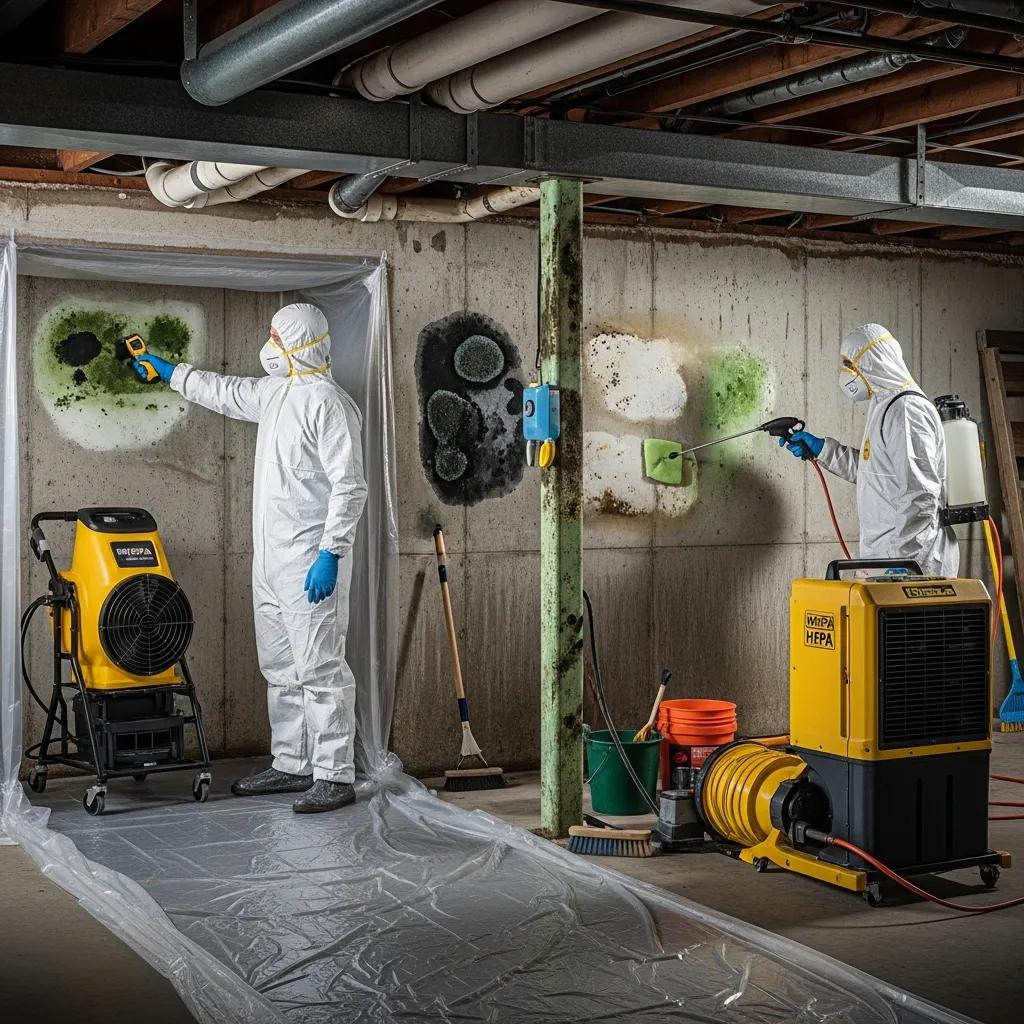
Professional mold removal and remediation remove active mold colonies, control spores, and address underlying moisture sources to restore healthier indoor air quality and reduce occupant exposure risks. Effective remediation combines diagnostic inspection, targeted removal of contaminated materials where appropriate, HEPA-filtered containment, cleaning of salvageable surfaces, and subsequent moisture-control measures like dehumidification and improved drainage. These steps not only clear visible mold but also lower airborne spore counts and humidity, reducing allergic and respiratory triggers. Remediation paired with waterproofing minimizes recurrence by ensuring the moisture source is managed rather than continually feeding new growth.
What Are the Steps for Professional Mold Inspection and Removal?
A professional mold inspection begins with a visual assessment and moisture mapping, followed by targeted sampling or testing if needed to determine species and concentration. Technicians then establish containment zones, use negative air machines and HEPA filtration to prevent cross-contamination, and remove or clean affected materials based on severity and salvageability. Post-remediation clearance testing confirms that airborne spore counts and surface conditions meet acceptable standards, and remediation reports document work performed and recommendations. Homeowner preparation typically includes clearing accessible items, following containment instructions, and planning for any necessary dry-out and drainage corrective work after remediation.
The remediation process aligns with moisture-control strategies so that clearance testing demonstrates improved air quality once repairs and dehumidification are in place. The table below summarizes typical remediation steps and expected outcomes to set realistic homeowner expectations.
| Remediation Step | What It Does | Expected Outcome / Timeframe |
|---|---|---|
| Inspection & moisture mapping | Identifies active growth and moisture sources | Clear scope within 1 day |
| Containment & filtration | Prevents spread during remediation | Reduced cross-contamination during work |
| Removal or cleaning | Eliminates mold colonies and contaminated materials | Visual clearance achieved within days |
| Dry-out & prevention | Stabilizes environment with dehumidifiers/drainage | Sustained low humidity weeks after work |
This workflow clarifies that remediation is both removal and prevention; follow-up moisture control is required to protect air quality long-term.
After professional remediation, homeowners should consider a free mold assessment or consultation to evaluate lingering moisture risks and coordinate any necessary waterproofing or encapsulation work. A Westfield-based service provider experienced in mold remediation and basement waterproofing can offer such a consultation to align air-quality improvement with durable moisture-control solutions and long-term indoor-air improvements.
How Does Crawl Space Encapsulation Help Control Moisture and Mold Growth?
Crawl space encapsulation installs a continuous vapor barrier over the ground and seals vents and penetrations, often combined with a properly sized dehumidifier, to significantly reduce moisture transfer into the living envelope. This system blocks soil moisture and humidity from rising into floor structures, reducing conditions that support mold growth and improving overall HVAC efficiency. Encapsulation also helps stabilize indoor relative humidity, protecting wood framing and insulation from long-term deterioration and reducing allergen sources. Regular monitoring and maintenance of the vapor barrier and dehumidifier ensure ongoing effectiveness and prolong the system’s benefits for air quality and home durability.
How Do Foundation Crack Repairs Protect Structural Integrity in Westfield Basements?
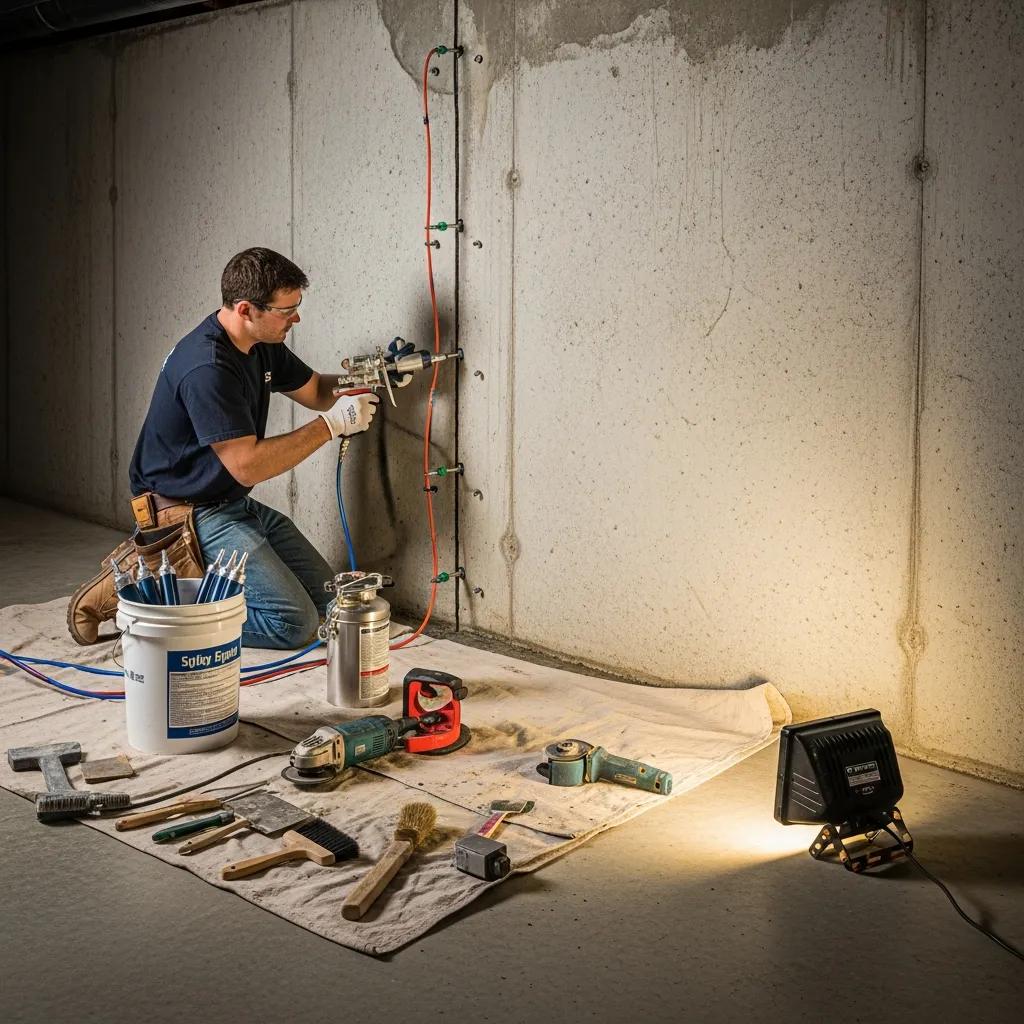
Repairing foundation cracks protects a home’s structural integrity by stopping progressive movement and preventing water infiltration that can accelerate deterioration and lead to costly failures. Different crack types signal varying urgency: hairline shrinkage cracks typically pose less immediate structural risk, while horizontal or stair-step cracks can indicate soil pressure or settlement requiring prompt intervention. Repair methods such as epoxy or polyurethane injection, sealing, and, where needed, structural underpinning restore watertightness and, in some cases, structural capacity. Combining crack repairs with proper drainage and waterproofing addresses both the symptom and the underlying cause to prevent recurrence.
What Types of Foundation Cracks Require Immediate Repair?
Crack patterns that suggest structural distress include horizontal wall cracks, large vertical openings with noticeable displacement, stair-step cracks in masonry, and cracks accompanied by active water entry or bulging walls. These patterns may indicate lateral soil pressure, foundation settlement, or hydrostatic forces requiring urgent assessment by a structural specialist to prevent progressive damage. Homeowners should watch for new or rapidly widening cracks, doors and windows that stick, or sloping floors, all of which are signs to seek professional evaluation. As a short-term measure, controlling surface water and reducing indoor humidity can limit immediate deterioration while arrangements for permanent repair are made.
How Are Foundation Cracks Sealed and Repaired Effectively?
Effective crack repair methods are matched to crack type and cause: epoxy injection restores structural continuity in many vertical or non-moving cracks, while polyurethane injections seal active leaks by forming a flexible, water-blocking foam in dynamic cracks. Surface patching can be cosmetic but is insufficient where water or movement persists; perennial protection often requires combining injection with exterior drainage or underpinning for settlement issues. Warranties and monitoring plans should be discussed with the repair professional, and integrating waterproofing ensures that repaired cracks remain dry and stable over time. Regular inspections after repair help detect any changes early and maintain structural integrity.
What Preventative Maintenance Can Westfield Homeowners Use to Avoid Basement Problems?
Preventative maintenance stops small issues from becoming expensive repairs by keeping water-managed systems functional and by controlling humidity year-round. Seasonal tasks include clearing gutters and downspouts, verifying landscape grading directs water away from the foundation, and testing sump pump operation before storm seasons. Year-round measures involve monitoring basement relative humidity, running a dehumidifier as needed to keep RH below recommended ranges, inspecting perimeter drains and interior sump pits, and scheduling periodic professional inspections when persistent or repeated issues occur. A consistent maintenance routine preserves indoor air quality and prevents mold, protects finishes and stored items, and extends the lifespan of waterproofing systems.
How Does Dehumidification Help Control Basement Humidity Year-Round?
Dehumidifiers remove excess moisture from basement air to maintain target relative humidity levels—typically 40–50% for occupied basements—to inhibit mold growth and reduce condensation on surfaces. Correct unit sizing and placement are crucial: undersized units will run continuously and fail to control humidity, while proper placement near the moisture source and good airflow maximizes efficiency. Maintenance tasks include regular filter cleaning, checking drain lines for clogs, and ensuring continuous power or a secondary power plan during outages for critical installations. Balanced humidity control also reduces HVAC load and helps maintain more consistent indoor air quality across seasons.
What Are Practical Tips for Maintaining Sump Pumps and Drainage Systems?
Routine sump pump and drainage maintenance keeps systems ready for storm events and extends service life by preventing clogging and mechanical failure. Homeowners should test pumps monthly by adding water to the basin to verify activation, inspect float switches for free movement, clean debris from the pit and intake screens, and verify discharge lines are unobstructed and routed away from foundation areas. Battery backups should be tested under load and batteries replaced per manufacturer recommendations; consider a professional check before heavy-rain seasons to confirm pump capacity and check valves are functioning. If pumps exhibit unusual noise, cycling, or slow discharge, arrange a prompt inspection to avoid failure during critical weather events.
Practical annual tasks for basement protection include:
- Gutter and Downspout Cleaning: Keep rainwater flowing away from the structure to prevent saturation near foundations.
- Grading Inspection: Ensure soil slopes away from the house to reduce surface runoff toward the foundation.
- Sump Pump Test: Fill the sump and confirm pump activation, discharge, and float operation.
A final homeowner reminder: for persistent or complex problems that combine leaks, mold, and structural concerns, request a free, on-site consultation from a local Westfield service provider that specializes in basement waterproofing, mold remediation, foundation repair, sump pump systems, dehumidification, and crawl space encapsulation. Their free inspection and estimate process helps match the right combination of repairs and preventive measures to your home’s specific soil, grading, and construction characteristics while prioritizing long-term indoor air quality and property preservation.
Frequently Asked Questions
What is the best time of year to perform basement waterproofing?
The ideal time for basement waterproofing is typically in the spring or fall. During these seasons, the weather is generally mild, allowing for easier excavation and installation of waterproofing systems. Additionally, performing waterproofing before the heavy rains of summer or winter can prevent water damage and mold growth. Homeowners should also consider scheduling waterproofing during dry periods to ensure that the ground is less saturated, which can facilitate better installation and effectiveness of the waterproofing solutions.
Can I waterproof my basement myself, or should I hire a professional?
While some minor waterproofing tasks, like sealing small cracks or applying waterproof paint, can be done by homeowners, most comprehensive waterproofing solutions require professional expertise. Professionals have the necessary tools, experience, and knowledge to assess the specific conditions of your basement and recommend the most effective solutions. They can also ensure that the work complies with local building codes and regulations, which is crucial for long-term effectiveness and property value preservation.
How long does basement waterproofing typically last?
The longevity of basement waterproofing systems can vary based on the methods used and the specific conditions of the home. Interior systems, such as sump pumps and perimeter drains, can last 5 to 10 years with proper maintenance, while exterior waterproofing methods, like membranes and drainage systems, can last 10 to 20 years or more. Regular inspections and maintenance are essential to ensure that these systems continue to function effectively and to address any issues before they escalate.
What are the signs that I need basement waterproofing?
Signs that indicate the need for basement waterproofing include visible water stains on walls or floors, musty odors, mold growth, and high humidity levels. Additionally, if you notice cracks in the foundation, especially those that are widening or accompanied by water seepage, it’s a clear sign that waterproofing is necessary. Homeowners should also be alert to recurring dampness after heavy rains or snowmelt, as these conditions can exacerbate existing issues and lead to more significant damage if not addressed promptly.
Are there any health risks associated with mold in basements?
Yes, mold in basements can pose significant health risks, particularly for individuals with respiratory issues, allergies, or weakened immune systems. Mold spores can become airborne and lead to allergic reactions, asthma attacks, and other respiratory problems. Prolonged exposure to mold can also result in more severe health issues, including chronic sinusitis and lung infections. Therefore, it is crucial to address mold growth promptly through professional remediation and to implement effective moisture control measures to prevent recurrence.
What maintenance is required after waterproofing my basement?
After waterproofing your basement, regular maintenance is essential to ensure the system remains effective. This includes checking and cleaning sump pumps, inspecting drainage systems for clogs, and monitoring humidity levels. Homeowners should also clear gutters and downspouts to ensure proper water flow away from the foundation. Additionally, periodic professional inspections can help identify any potential issues early, allowing for timely repairs and maintenance to protect your investment and maintain indoor air quality.
How can I improve indoor air quality in my basement?
Improving indoor air quality in your basement involves controlling humidity, ensuring proper ventilation, and addressing any mold issues. Using a dehumidifier can help maintain humidity levels below 50%, which inhibits mold growth. Additionally, ensuring adequate ventilation through windows or mechanical systems can help circulate air and reduce musty odors. Regular cleaning and maintenance of the space, along with professional mold remediation if necessary, will further enhance air quality and create a healthier living environment.
Conclusion
Effective basement waterproofing in Westfield, NJ, not only safeguards your home from water damage and mold but also enhances indoor air quality and preserves property value. By understanding the specific challenges posed by local soil and weather conditions, homeowners can make informed decisions about the best waterproofing solutions. Regular maintenance and professional consultations ensure long-term effectiveness and peace of mind. Contact a local expert today to schedule your free inspection and take the first step toward a dry, healthy basement.