
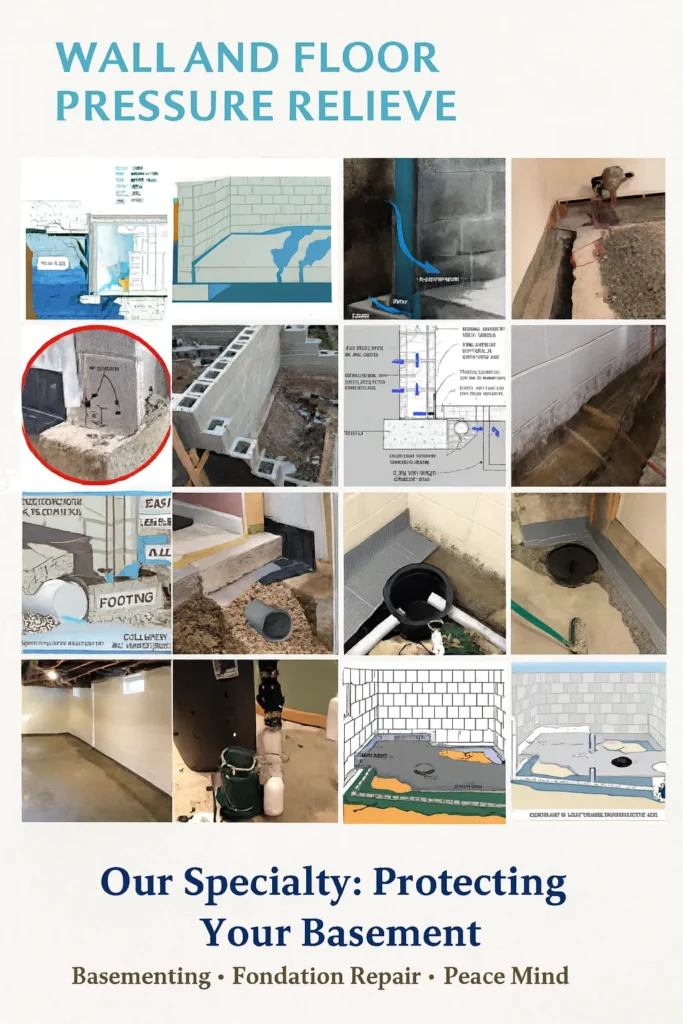
Top Basement Solutions for Homeowners in New Jersey: Effective Waterproofing and Repair Strategies
Basement waterproofing transforms damp, damaged spaces into dry, healthy environments that protect your home’s structural integrity and indoor air quality. Homeowners in New Jersey face unique challenges—from high water tables to coastal soil conditions—that demand tailored waterproofing methods, precise problem diagnosis, crawl space encapsulation, foundation crack repair, system maintenance, and clear cost planning. This article guides you through proven techniques for interior and exterior drainage, sump pump systems, French drains, crawl space solutions, structural repairs, and ongoing maintenance, while highlighting how Effective Basement Solutions’ 20+ years of expertise deliver customized protection, reliability, and peace of mind.
What Are the Most Effective Basement Waterproofing Methods in New Jersey?
Basement waterproofing is a proactive service that prevents water intrusion by diverting groundwater, sealing vulnerable surfaces, and managing hydrostatic pressure. By combining interior membrane systems, exterior barriers, and active drainage, homeowners secure dry, mold-free basements that enhance property value. Effective Basement Solutions provides tailored installations designed for New Jersey’s soil and weather conditions, ensuring long-term performance.
How Does Interior Basement Waterproofing Protect Your Home?
Interior basement waterproofing installs perforated drain piping beneath the concrete slab to capture seepage and channel it to a sump pit. This system prevents moisture migration through cracks and porous concrete, eliminating dampness at its source and reducing mold risk. For example, a typical interior drainage system can lower basement humidity by 60 percent, safeguarding finished walls and stored belongings while supporting structural strength.
What Exterior Waterproofing Techniques Are Best for New Jersey Basements?
Exterior waterproofing applies waterproof membranes and drainage panels to foundation walls from the outside to block groundwater before it reaches the concrete. Excavation exposes the wall, a polymer-modified coating seals hairline cracks, and rigid board panels direct water into a footing drain. This barrier system protects against high water tables common in coastal areas and prevents lateral pressure that can bow walls, enhancing long-term foundation stability.
How Do French Drain Systems Prevent Basement Flooding?
A French drain system consists of a perforated pipe wrapped in filter fabric and surrounded by gravel in a trench adjacent to the foundation. By collecting groundwater and channeling it away, the system reduces hydrostatic pressure and eliminates seepage paths.
| Drain Solution | Key Component | Primary Advantage |
|---|---|---|
| French Drain | Perforated pipe and gravel trench | Diverts water away from foundation |
French drains complement both interior and exterior waterproofing, ensuring that excess groundwater never accumulates near foundation walls and preparing the ground for stable, dry basements.
Why Is Sump Pump Installation Essential for Basement Flooding Solutions?
Sump pump installation equips a basin in your basement floor with an electric pump that automatically ejects collected groundwater to an external discharge point. This active mechanism prevents water buildup, protects against sudden inflows during heavy storms, and eliminates standing water that fosters mold growth. Installing a high-capacity pump ensures rapid removal, making sump pumps indispensable for New Jersey homes facing sudden runoff surges.
What Backup Systems Ensure Sump Pump Reliability During Power Outages?
Backup systems for sump pumps, such as battery-powered units or water-driven pumps, maintain flow when electricity fails. Battery backups activate the pump for several hours, while water-powered backups use municipal pressure to remove water indefinitely.
- Battery backups guarantee at least 8 hours of operation during outages.
- Water-powered backups leverage tap water pressure without relying on electricity.
- Combination systems switch automatically for uninterrupted protection.
Integrating these backups enhances system resilience, safeguarding basements even in extended power failures.
How Can Homeowners Identify and Diagnose Basement Water Problems?
Diagnosing basement water problems starts with recognizing moisture indicators, understanding underlying causes, and assessing environmental impacts on structural and health factors. Thorough inspection and early detection empower homeowners to address issues before they escalate into major repairs.
What Are the Common Signs of Basement Water Damage and Mold?
Homeowners should look for white crystalline deposits on walls (efflorescence), peeling paint, dark mold patches, musty odors, and warped floorboards. These symptoms indicate moisture intrusion, promote allergen formation, and compromise wall coatings.
- Efflorescence indicates salt migration from damp concrete.
- Dark spots signal active mold colonies feeding on organic materials.
- Musty odors reveal hidden moisture pockets that foster microbial growth.
Detecting these clues early leads to timely waterproofing interventions and healthier living spaces.
What Causes Basement Flooding in New Jersey Homes?
Basement flooding arises from heavy rainfall overwhelming grading, blocked gutters diverting water toward foundations, hydrostatic pressure pushing groundwater through pores, and sump pump failures. Coastal soil composition and storm surge events also elevate water tables near shorelines. Recognizing these root causes guides targeted solutions—whether improving exterior drainage, adding sump capacity, or reinstalling downspouts to direct roof runoff safely away from the house.
How Does High Basement Humidity Affect Structural Integrity and Health?
Elevated basement humidity above 60 percent accelerates corrosion of metal supports, softens wood framing, and fosters mold growth that releases spores into living spaces. Chronic dampness can lead to respiratory irritation, exacerbate allergies, and reduce the lifespan of stored items. Controlling moisture through dehumidifiers, proper ventilation, and waterproofing membranes protects both building materials and occupant well-being.
When Should Emergency Basement Flood Cleanup Be Considered?
Emergency flood cleanup is essential whenever standing water exceeds 1 inch in depth, sewage backup occurs, visible mold emerges within 48 hours, or electrical systems are compromised by moisture. Rapid water extraction, disinfection, and drying procedures prevent structural decay and mitigate health hazards. Engaging professional remediation within hours of a flood reduces long-term damage and restores safe conditions.
What Are the Benefits and Costs of Crawl Space Encapsulation in New Jersey?
Crawl space encapsulation involves installing a continuous vapor barrier on floors and walls, sealing vents, and insulating the perimeter to block ground moisture. This service prevents mold, pest intrusion, and energy loss while improving indoor air quality throughout the home.
How Does Crawl Space Encapsulation Prevent Mold and Moisture Issues?
Encapsulation forms an airtight barrier that stops groundwater vapor from rising into the cavity. Paired with a dehumidifier, it maintains relative humidity below 55 percent, inhibiting mold spores and wood rot. Homes with encapsulated crawl spaces report a 70 percent reduction in basement moisture and a significant drop in allergy triggers.
What Is the Typical Crawl Space Encapsulation Process?
Encapsulation follows a structured five-step procedure:
- Inspect and repair any basic structural damage.
- Apply heavy-duty polyethylene liner across floors and walls.
- Seal vents and foundation leaks with closed-cell foam.
- Install perimeter insulation to control thermal transfer.
- Add a dehumidifier to regulate moisture levels.
This systematic approach ensures complete enclosure and long-term moisture prevention.
How Much Does Crawl Space Encapsulation Cost in New Jersey?
Costs for crawl space encapsulation in New Jersey typically range from $4,000 to $8,000, depending on crawl space size, existing damage repairs, and equipment quality.
- Small crawl spaces (under 1,000 sq ft) average $4,000–$5,500.
- Larger or conditioned spaces can reach $7,000–$8,500.
- Additional repairs, such as beam replacement, may add 10–20 percent to total cost.
Transparent pricing helps homeowners budget effectively for comprehensive moisture control.
How Does Encapsulation Improve Indoor Air Quality and Energy Efficiency?
By sealing off soil vapor and blocking outdoor air leaks, encapsulation reduces airborne particulates, decreases heating and cooling loads by 10–15 percent, and supports even temperature distribution upstairs. Homeowners often report fresher air, lower utility bills, and reduced reliance on air filtration systems after encapsulation.
How Do Foundation Crack Repairs Protect Your Basement and Home?
Foundation crack repair restores structural integrity by sealing fissures that allow water entry and stress concentration. Methods vary by crack type, ensuring that walls remain plumb, water stays out, and long-term settlement is prevented.
What Are the Different Types of Foundation Cracks and Their Risks?
Foundation cracks fall into distinct categories—vertical, horizontal, diagonal, and hairline—each with unique hazards:
| Crack Classification | Risk Factor | Typical Intervention |
|---|---|---|
| Hairline | Minor seepage | Epoxy crack injection |
| Diagonal | Differential settlement | Carbon fiber reinforcement |
| Horizontal | Lateral soil pressure | Wall anchors and braces |
Identifying the crack type informs the best repair strategy, protecting both structure and basement dryness.
Which Foundation Repair Methods Are Most Effective in New Jersey?
In New Jersey’s varied soil conditions, proven methods include epoxy injection for non-structural cracks, carbon fiber strips to reinforce bowing walls, and steel pier underpinning to stabilize settling foundations. Each technique targets specific load-bearing issues, restoring wall alignment and halting water ingress through compromised sections.
How Does Foundation Repair Complement Basement Waterproofing?
Foundation repair and waterproofing work together to seal entry points and relieve soil pressure. Epoxy fills prevent moisture migration, while exterior membranes and interior drains manage groundwater around repaired walls. This integrated approach delivers both structural reinforcement and effective water management, extending the life of your home’s foundation system.
When Should Homeowners Schedule Foundation Inspections and Repairs?
Homeowners should arrange foundation inspections when cracks exceed 1/8 inch in width, basement walls show outward bowing, water intrusion recurs after waterproofing, or after significant settling events such as nearby excavation. Annual inspections help catch emerging problems early, avoiding costly emergency repairs down the line.
What Are the Key Maintenance Tips for Sump Pumps and Basement Waterproofing Systems?
Regular maintenance of sump pumps and waterproofing installations ensures reliable performance, maximizes system lifespan, and maintains a dry basement environment.
How Often Should Sump Pumps Be Serviced and Replaced?
Sump pumps require annual testing—pour water into the pit to verify auto-activation—and quarterly cleaning of the inlet screen. Complete replacement is recommended every 7–10 years to maintain peak pump efficiency and avoid unexpected failures during critical storms.
What Are the Signs of Sump Pump Failure to Watch For?
Watch for unusual motor noises, constant cycling, failure to start when the pit fills, or alarm beeps indicating power or float switch issues. Debris buildup or corroded components can hinder pump operation, signaling the need for prompt service to avoid basement flooding.
How Can Homeowners Maintain Basement Waterproofing Systems Year-Round?
Inspect foundation walls each season for new efflorescence, clear exterior gutters and downspouts of debris, ensure grading slopes away from the house, and verify that interior drains remain free of sediment. Consistent upkeep prevents small issues from evolving into water-entry emergencies.
What Are the Benefits of Battery and Water Backup Systems for Sump Pumps?
Backup systems deliver uninterrupted operation when the primary pump or power supply fails. Battery backups offer several hours of protection during outages, while water-powered backups use municipal pressure to keep removing groundwater indefinitely. Incorporating both types maximizes reliability and ensures continuous drainage under any conditions.
How Much Does Basement Waterproofing Cost in New Jersey and What Factors Affect Pricing?
Basement waterproofing costs reflect materials, labor, and site conditions, but understanding price drivers helps homeowners budget and select the optimal solution.
What Are the Average Basement Waterproofing Costs in New Jersey?
Average basement waterproofing in New Jersey runs from $4,000 to $10,000, with complete interior drainage and sump pump packages averaging $5,500.
- Basic sealant applications: $3,000–$4,500
- Interior drain tile with sump pump: $5,000–$7,000
- Exterior excavation and membrane: $8,000–$10,500
Transparent cost estimates help homeowners compare options and choose a system aligned with their needs.
How Do Interior and Exterior Waterproofing Costs Compare?
Interior and exterior waterproofing differ in scope and investment:
| Approach | Typical Investment | Scope of Work |
|---|---|---|
| Interior Drains | $5,000–$7,000 | Install drain tile, sump pump, sealants |
| Exterior Membrane | $8,000–$10,500 | Excavation, membrane application, backfill |
Interior systems cost less and work from inside, while exterior solutions provide primary barrier protection at a higher price point, ideal for persistent groundwater issues.
What Factors Influence the Price of Basement Waterproofing Services?
Costs vary based on foundation condition, soil type, home size, accessibility of work area, and selected waterproofing methods. Additional repairs—such as wall stabilization, crack injection, or waterproofing of utility penetrations—also affect total pricing. Detailed site assessments yield accurate proposals tailored to each homeowner’s property.
Are There Financing or Warranty Options Available for Homeowners?
Many waterproofing contractors offer flexible payment plans, home-improvement financing, and extended warranties covering labor and materials for up to 20 years. These options reduce upfront costs, spread investment over time, and guarantee continued system performance, providing homeowners with budgetary ease and long-term assurance.
What Are the Most Frequently Asked Questions About Basement Solutions for Homeowners?
Homeowners often seek concise guidance on preventing water intrusion, recognizing damage, evaluating investments, and scheduling maintenance. Understanding these common concerns empowers informed decisions and proactive protection of basement spaces.
How Do I Stop Water From Coming Into My Basement?
Stopping water entry requires a combination of interior drain installation, exterior membrane application, sump pump setup, and proper grading to divert surface water. Together these methods create a multi-layer defense that captures, channels, and ejects groundwater away from your foundation.
What Are the Signs of Water Damage in a Basement?
Signs include wall staining, peeling paint, efflorescence, warped flooring, musty odors, and visible mold growth. Early recognition of these indicators prompts swift intervention and prevents progressive structural and health impacts.
Is Crawl Space Encapsulation Worth the Investment?
Crawl space encapsulation delivers benefits that outweigh initial costs by reducing humidity, preventing mold, improving air quality, and lowering energy bills. Many homeowners recoup investment through energy savings and extended lifespan of structural components.
How Often Should a Sump Pump Be Serviced?
A sump pump should be tested and cleaned once a year, with component inspections each quarter. Complete pump replacement every 10 years ensures dependable operation when groundwater levels surge.
Can Basement Waterproofing Increase My Home’s Value?
Yes. Basement waterproofing can boost resale value by up to 30 percent, making properties more attractive to buyers seeking dry, usable lower levels and providing a strong return on investment through structural protection and enhanced livable space.
Protecting your New Jersey basement from water damage involves selecting the right waterproofing methods, diagnosing issues promptly, encapsulating crawl spaces, repairing foundation cracks, and maintaining sump systems. Effective Basement Solutions’ customized waterproofing services combine comprehensive expertise, durable materials, and reliable backup systems, ensuring long-lasting performance, improved indoor air quality, and preservation of your home’s structural integrity. For a tailored assessment and free consultation, reach out today to secure a dry, healthy, and valuable basement environment.
