
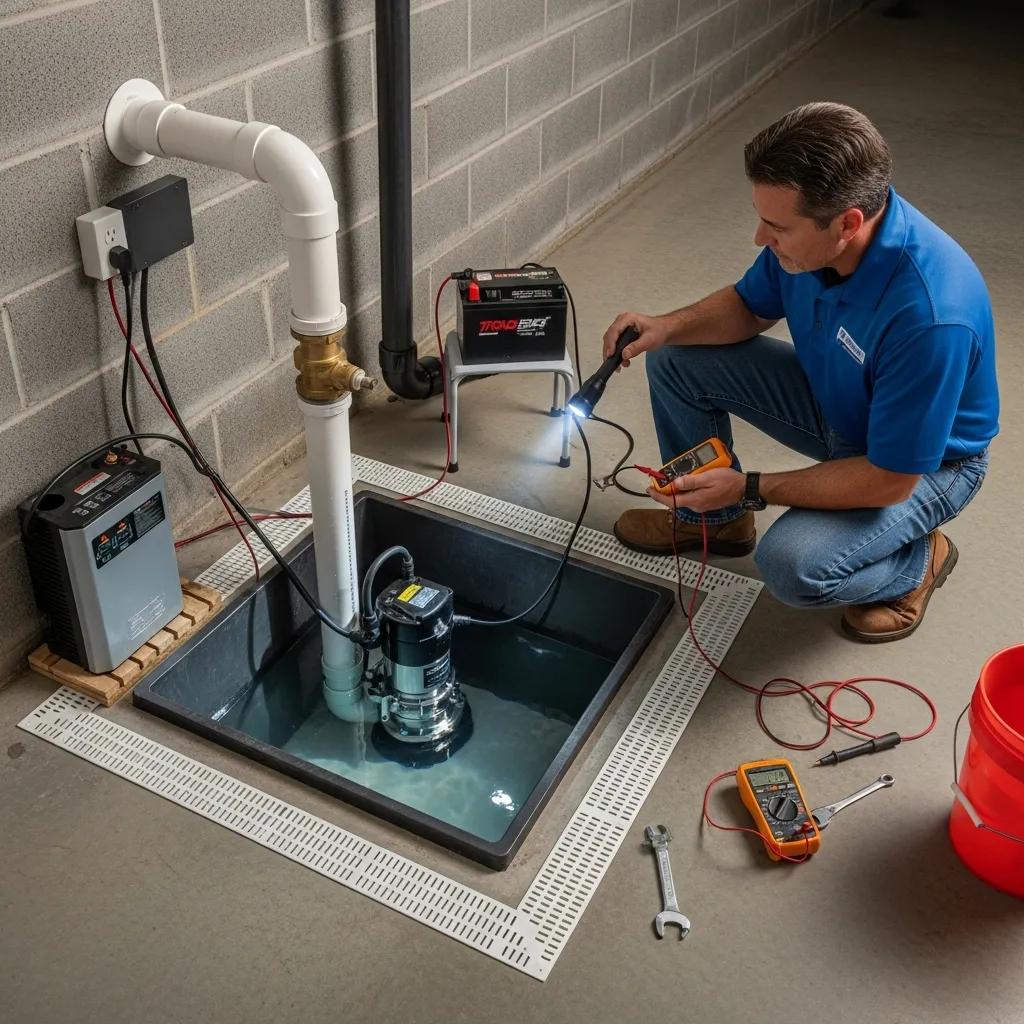
Sump Pump Repair Services in Westfield, NJ: Expert Solutions to Prevent Basement Flooding
Sump pumps play a crucial role in protecting homes from basement flooding, especially in areas prone to heavy rainfall like Westfield, NJ. This article will explore the common signs of sump pump failure, the repair process, and emergency services available to homeowners. Understanding these aspects can help you maintain your sump pump effectively and prevent costly water damage. We will also discuss the importance of choosing a reliable service provider, such as Effective Basement Solutions, which specializes in sump pump repair and maintenance. By the end of this article, you will have a comprehensive understanding of sump pump issues, repair options, and maintenance tips to keep your home safe from flooding.
What Are the Common Signs and Problems of Sump Pump Failure in Westfield?

Identifying the signs of sump pump failure is essential for homeowners to prevent water damage. Common indicators include unusual noises, frequent cycling, and water accumulation in the sump basin. Recognizing these issues early can save you from costly repairs and extensive water damage.
Beyond the most obvious signs, there are subtler indicators that can point to developing problems. For instance, if the pump takes longer than usual to clear the sump basin after a rain event, that delay can signal reduced capacity or partial clogging. Likewise, unusual vibrations, intermittent operation, or a slightly higher waterline inside the pit than normal are early warnings that should prompt a closer look. sump pump installation.
When assessing symptoms, consider recent weather and power conditions. Heavy, sustained rainfall or repeated storms can push a healthy pump to its limits and reveal weaknesses, while power interruptions can mask electrical or float switch issues until the next test. Logging when symptoms occur—during storms, after power outages, or during routine operation—helps technicians diagnose the underlying cause more quickly.
How to Identify Motor Burnout, Float Switch Issues, and Clogged Discharge Lines
Motor burnout, float switch issues, and clogged discharge lines are common problems that can lead to sump pump failure. Symptoms of motor burnout include strange noises, the pump running but not pumping water, or a complete lack of operation. Float switch issues may manifest as the pump running continuously or not activating at all. Clogged discharge lines can cause water to back up, leading to flooding in your basement. Regular inspections can help identify these problems before they escalate.
Diagnosing motor problems typically starts with isolating the pump from the electrical system and listening for abnormal sounds, such as grinding or whining. If the motor hums but the impeller does not turn, internal mechanical failure or electrical winding damage may be present. A technician can perform electrical tests and visual inspections to confirm motor condition without risking further damage.
Float switch faults are often caused by debris, restricted movement, or switch wiring issues. An accessible way to test a float switch is to manually lift the float and observe whether the pump activates reliably and then turns off when the float is lowered. If the float sticks, rubs against the pit wall, or if wiring appears corroded, the float assembly may need cleaning, repositioning, or replacement.
Clogged discharge lines commonly block at the run-out point outside the home, at inline check valves, or where the pipe changes direction. Signs include repeated cycling (short runs), poor discharge flow, or water remaining in the pit after the pump runs. Clearing or replacing the line, checking for frozen sections in cold weather, and ensuring proper slope and routing will restore flow and prevent backups.
When Does Age Affect Your Sump Pump's Performance?
The age of your sump pump significantly impacts its performance. Most sump pumps have a lifespan of about 7 to 10 years. As they age, their efficiency declines, leading to potential failures. Homeowners should consider replacing their sump pump if it is over seven years old, especially if they notice any performance issues. Regular maintenance can extend the life of your sump pump, but age is a critical factor in its reliability.
Aging components can include worn bearings, corroded housings, degraded seals, and reduced motor efficiency. Even if a pump appears to work, worn parts operate closer to failure thresholds and are more likely to fail during heavy demand. When deciding between repair and replacement, weigh the pump’s age, repair cost, and how critical continuous operation is for your home. In many cases, a newer, more efficient pump with warranty protection offers better long-term value and peace of mind.
Record keeping helps with lifecycle decisions: note installation dates, past repairs, and any service frequency. This information gives service technicians a clearer picture of the pump’s history and can guide recommendations for preventive replacement before failure occurs during extreme weather.
How Does Effective Basement Solutions Diagnose and Repair Sump Pumps?
Effective Basement Solutions employs a systematic approach to diagnose and repair sump pumps. Their experienced technicians conduct thorough inspections to identify the root cause of the problem, ensuring that repairs are effective and long-lasting.
Technicians follow a standardized checklist during inspections to avoid missing common failure points. The checklist typically includes verifying electrical connections and circuit protection, testing float operation, examining the impeller and motor for wear, inspecting the discharge and check valve for blockages, and reviewing the sump pit for debris or poor drainage. This methodical approach ensures consistent, repeatable diagnostics and helps prioritize repairs.
After diagnosing the issue, technicians explain findings and present repair or replacement options in clear terms. Homeowners receive a straightforward estimate and an explanation of how each recommended action will improve system reliability. Clear communication and visible documentation help homeowners make informed decisions and reduce surprises during the service visit.
Step-by-Step Sump Pump Repair Process: From Inspection to Testing
The repair process begins with a detailed inspection of the sump pump and its components. Technicians check for signs of wear, test the motor, and assess the float switch functionality. Once the issue is identified, necessary repairs or replacements are made. After repairs, the pump is tested to ensure it operates correctly, providing peace of mind to homeowners.
A typical on-site repair sequence starts with a risk assessment and safety check, followed by system shutoff and removal of the pump from the pit if required. Technicians then clean the pit and components, evaluate mechanical parts, and replace only the failing parts when sensible. Reassembly includes testing with a controlled water source to simulate real conditions, ensuring the pump handles expected inflow and cycles reliably without overheating or short-cycling.
Final testing includes checking the discharge flow at the discharge point, verifying the check valve operation to prevent re-entry of water, and confirming the pump shuts off at the correct float level. Some services also include demonstrating the repaired pump’s operation to the homeowner and providing simple maintenance advice to preserve the repair’s longevity.
Which Parts Are Commonly Repaired or Replaced?
Commonly repaired or replaced parts include the motor, float switch, and discharge line. The motor is crucial for pump operation, and any signs of malfunction should be addressed immediately. Float switches are essential for automatic operation, and their failure can lead to flooding. Discharge lines must be clear to ensure proper water removal from the sump basin. Regular maintenance can help identify these issues early.
Other frequently serviced components include check valves, impellers, seals, and control panels for systems with external controllers or alarms. Check valves prevent discharged water from returning to the pit and are prone to failure over time due to wear or debris. Impeller damage or clogging reduces flow and places extra strain on the motor; cleaning or replacing the impeller restores capacity. Seals prevent ground water or condensate from entering the motor housing and should be replaced if compromised to avoid catastrophic motor failure.
For homes with battery backup or combination systems, battery condition, charger function, and backup pump readiness are inspected and serviced as part of a comprehensive visit. Ensuring backup systems operate as intended is especially important for storm-prone periods or when the primary pump is under heavy load. battery water back ups
What Emergency Sump Pump Repair Services Are Available 24/7 in Westfield, NJ?

In emergencies, having access to 24/7 sump pump repair services is vital for homeowners. Effective Basement Solutions offers rapid response services to address urgent flooding issues, ensuring that your home remains protected.
Emergency service providers typically prioritize rapid assessment and temporary mitigation to stop active flooding, followed by a plan for full repair or replacement. Temporary measures might include deploying a portable pump to remove standing water, routing discharge away from the foundation, or installing a temporary check valve to prevent backflow. These stabilizing actions minimize immediate damage while allowing time for a permanent solution.
How to Get Rapid Response for Urgent Basement Flooding Issues
Homeowners can access emergency services by contacting Effective Basement Solutions directly. Their team is trained to respond quickly to urgent situations, minimizing the risk of water damage. It is essential to have a reliable service provider on speed dial, especially during heavy rainstorms.
When you call for emergency service, be ready to describe the situation: current water level, whether the pump is running, any unusual noises or smells, whether power is available, and whether the water contains sewage or hazardous materials. This information helps the emergency team prioritize resources and bring the right equipment. If safe to do so, take photos or short video clips of the sump pit and affected areas—these can expedite remote triage and ensure technicians bring appropriate parts to the first visit.
Why Emergency Repair Is Critical During Storms and Power Outages
Emergency repairs are crucial during storms and power outages, as sump pumps are often the first line of defense against flooding. Many homes experience flooding during severe weather events, making it imperative to have a functioning sump pump. Quick action can prevent extensive damage and costly repairs.
Power outages increase the importance of backup strategies. Where possible, homeowners should have a battery backup or a generator dedicated for sump pump use. During storms, municipal services may be delayed and road access limited, so early contact with a trusted local provider improves the chance of a timely response. In situations where a pump cannot be immediately repaired, temporary water removal and containment can reduce structural, electrical, and mold-related damage until permanent restoration is possible.
Why Choose Effective Basement Solutions for Sump Pump Repair in Westfield, NJ?
Choosing the right service provider for sump pump repair is essential for ensuring quality work and customer satisfaction. Effective Basement Solutions stands out due to its commitment to professional service and customer care.
Reputation and local experience matter when selecting a contractor. A company familiar with local building practices, municipal discharge rules, and Westfield’s weather patterns can recommend solutions that address root causes rather than providing short-term fixes. Additionally, locally based crews can usually provide faster follow-up and warranty service than non-local firms.
Benefits of Licensed In-House Crews and No Sales Pressure
Effective Basement Solutions employs licensed, in-house crews, ensuring that all work is performed by qualified professionals. This approach eliminates the pressure of sales tactics, allowing homeowners to make informed decisions about their sump pump repairs. The focus is on providing quality service without the stress of high-pressure sales.
Licensed technicians are trained to follow code requirements and industry best practices, which reduces the likelihood of callbacks. In-house crews maintain consistent training, parts inventories, and quality control processes that subcontracted crews may not provide. Transparent communication about options, costs, and timelines helps homeowners choose what best fits their needs without feeling rushed or upsold.
How Free Inspections and 20+ Years Experience Ensure Quality Service
With over 20 years of experience in basement waterproofing and foundation repair, Effective Basement Solutions offers free inspections to assess your sump pump’s condition. This commitment to customer service ensures that homeowners receive expert advice and quality repairs tailored to their needs.
Free inspections create an opportunity to evaluate the entire basement drainage system, not just the pump. Technicians can recommend complementary improvements—such as re-routing downspouts, adjusting grading around the foundation, or adding French drains—that reduce load on the sump pump and improve long-term performance. Experience in both corrective repairs and preventive systems allows a balanced recommendation that considers both immediate needs and future reliability.
How Can Homeowners Maintain Their Sump Pumps to Prevent Future Failures?
Regular maintenance is key to preventing sump pump failures. Homeowners should follow a maintenance checklist to ensure their sump pumps operate efficiently and effectively.
Maintenance is best performed on a regular schedule, with a more thorough check before the wet season. Basic homeowner checks include visual inspection, manual float testing, and clearing visible debris from the pit. Annual professional service should include electrical testing, impeller inspection, seal checks, and testing of any backup systems. Documentation of each service visit helps track the pump’s health and identify recurring issues early.
Essential Sump Pump Maintenance Checklist for Westfield Homes
- Inspect the Pump: Check for any visible signs of wear or damage.
- Test the Float Switch: Ensure it moves freely and activates the pump.
- Clean the Sump Basin: Remove any debris that could clog the pump.
- Check the Discharge Line: Ensure it is clear and directs water away from the foundation.
Regular maintenance can significantly extend the life of your sump pump and prevent unexpected failures. When cleaning the sump basin, remove sediment, gravel, or foreign objects that could interfere with pump operation. Check the pit cover and vents to ensure they are in good condition and not allowing debris or pests into the pit.
For the discharge line, verify that the termination point is free from obstructions and that the line slopes away from the house. If the discharge outlet is near property lines or neighbors, ensure it complies with local ordinances and does not cause downstream issues.
Preventative Tips: Battery Backup Systems and Regular Inspections
Investing in a battery backup system can provide additional protection during power outages. Regular inspections by professionals can help identify potential issues before they become significant problems. Homeowners should schedule annual maintenance checks to ensure their sump pumps are in optimal condition.
Battery backup systems come in different configurations, from simple battery-powered auxiliary pumps to integrated systems that automatically switch to backup power. Consider capacity—how long the backup should run under likely conditions—and the system’s maintenance requirements. Batteries have their own lifecycle and should be tested periodically and replaced when their performance declines.
Annual inspections should include a test run of the backup system under load, verification of charging systems, and inspection of battery terminals for corrosion. Keeping spare batteries or arranging timely battery replacement as part of a maintenance plan ensures the backup is ready when primary systems fail.
What Are the Costs and Options for Sump Pump Repair and Replacement in Westfield, NJ?
Understanding the costs associated with sump pump repair and replacement is essential for homeowners. Various factors can influence these costs, including the type of pump and the extent of repairs needed.
Costs reflect both parts and labor, the complexity of the installation, and local market rates. Simple repairs—such as replacing a float switch or clearing a blockage—are typically less expensive than motor replacement or full system upgrades. For older installations, accessing the pump or working in cramped, wet conditions can increase labor time, which affects the total cost.
Factors Influencing Repair Costs and When Replacement Is Recommended
Repair costs can vary based on the specific issue and the parts that need replacement. Common factors include the age of the pump, the type of repair required, and labor costs. If a sump pump is over seven years old and requires significant repairs, replacement may be the more cost-effective option in the long run.
When evaluating repair versus replacement, consider warranty coverage for both parts and labor, expected remaining lifespan after repair, and energy efficiency. A new pump may offer improved flow, quieter operation, and better long-term reliability, which can justify the higher up-front cost compared to repeated repairs on an aging unit.
Comparing Sump Pump Installation and Repair Services Locally
When comparing local sump pump services, homeowners should consider factors such as customer reviews, service offerings, and pricing. Effective Basement Solutions provides transparent pricing and a commitment to quality, making it a reliable choice for sump pump services in Westfield.
Ask potential contractors about emergency response times, warranty terms, and whether technicians are employees or subcontractors. Requesting references or recent project photos helps verify workmanship. A reputable contractor will provide a clear written estimate, explain alternatives, and disclose any permits or inspections required by local authorities.
How Do Local Environmental Factors in Westfield, NJ Affect Sump Pump Performance?
Local environmental factors play a significant role in sump pump performance. Understanding these factors can help homeowners make informed decisions about their sump pump systems.
Factors such as seasonal rainfall patterns, groundwater table levels, and soil types can all increase the frequency and volume of water entering a basement waterproofing services system. Seasonal freezing and thawing can also affect how surface water is routed and how quickly ground moisture migrates toward foundations. Addressing these environmental contributors is often as important as maintaining the pump itself.
Impact of Soil Types and Rainfall Patterns on Basement Water Management
Westfield’s soil types and rainfall patterns can affect how much water accumulates in basements. Clay soils, for example, retain water, increasing the likelihood of flooding. Homeowners should consider these factors when selecting a sump pump and drainage solutions.
Permeability and drainage characteristics of local soils will influence whether water arrives slowly over days or quickly during heavy storms. For soils with poor drainage, combining interior sump systems with exterior measures—like improved grading, gutters and downspouts that direct water away, and perimeter drains—creates layered defenses that reduce stress on a single component.
Integrating French Drains and Backup Pumps for Optimal Protection
Integrating French drains and backup pumps can enhance basement water management. French drains help redirect water away from the foundation, while backup pumps provide additional protection during heavy rainfall or power outages. This combination can significantly reduce the risk of flooding.
French drains, installed either inside the footing or outside the foundation, move water away from problem areas before it reaches the sump. Paired with a properly sized primary pump and a reliable backup, this approach reduces pump cycling frequency and improves system longevity. Consideration should be given to how surface and sub-surface drainage interact so that discharge points do not cause erosion or create downstream problems for neighboring properties.
How to Request a Free Sump Pump Inspection and Consultation in Westfield, NJ?
Requesting a free inspection is a straightforward process that can help homeowners assess their sump pump’s condition.
Free inspections typically include a visual and operational assessment of the sump pit and pump, testing of electrical connections and floats, and a brief walk-through with the homeowner to review observations and recommended next steps. If further diagnostic work is needed, such as motor bench testing or camera inspection of discharge lines, the technician will explain additional services and associated costs before proceeding.
Scheduling Your Inspection with Effective Basement Solutions
Homeowners can schedule their free inspection by contacting Effective Basement Solutions directly. It is advisable to provide details about any issues experienced with the sump pump to ensure a thorough evaluation.
When scheduling, mention recent symptoms, whether the pump has ever failed during a storm, and if there are existing backup systems. Early disclosure of potential access limitations—such as low ceilings, finished basements, or limited workspace—allows the service team to prepare appropriate tools and personnel.
What to Expect During Your Free Sump Pump Service Evaluation
During the evaluation, a technician will inspect the sump pump, check for any signs of wear, and assess its overall functionality. Homeowners will receive a detailed report on the pump’s condition and recommendations for any necessary repairs or maintenance.
The evaluation report commonly includes photos, a summary of findings, prioritized recommendations (immediate, near-term, optional), and a written estimate for each recommended action. Good service providers also review simple homeowner maintenance tasks and provide a suggested schedule for future inspections or replacements to maintain readiness through wet seasons.
| Service Type | Description | Cost Estimate |
|---|---|---|
| Sump Pump Repair | Fixing common issues like motor burnout or float switch problems | $150 – $500 |
| Sump Pump Replacement | Installing a new sump pump system | $800 – $1,500 |
| Free Inspection | Comprehensive evaluation of your sump pump’s condition | Free |
This table outlines the various services offered by Effective Basement Solutions, providing homeowners with a clear understanding of potential costs associated with sump pump repair and replacement.
In conclusion, understanding sump pump maintenance, repair, and the importance of choosing a reliable service provider is crucial for homeowners in Westfield, NJ. Effective Basement Solutions offers expert services to ensure your home remains protected from flooding. Proactive maintenance, knowledge of local environmental impacts, and having a trusted contractor available for emergency response will collectively reduce the risk of basement water damage and the long-term costs and disruptions associated with it.