
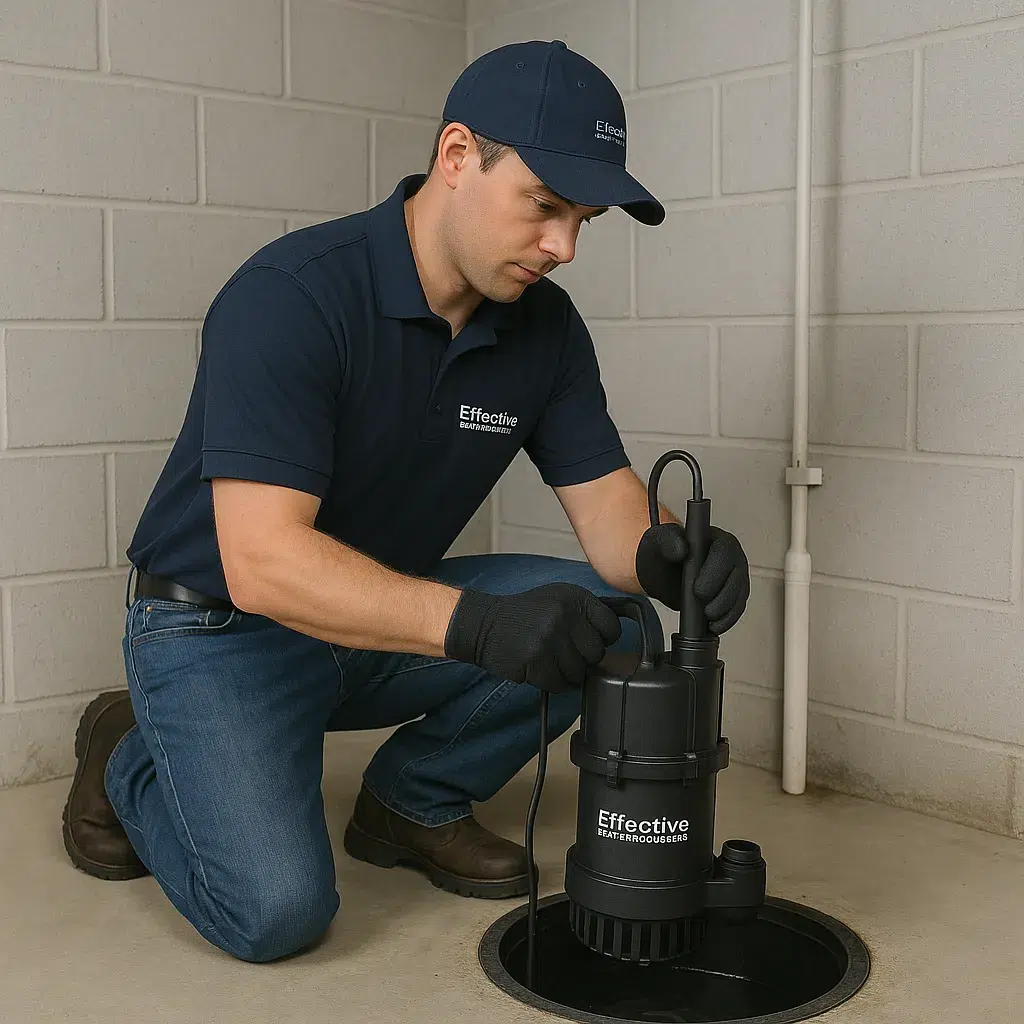
How to Troubleshoot, Repair & Maintain Common Sump Pump Issues in NJ
Basement flooding can cost New Jersey homeowners thousands in structural repairs and mold remediation each year, and sump pump repair NJ services are often the first line of defense. In this guide, you’ll discover how to diagnose…Basement flooding can cost New Jersey homeowners thousands in structural repairs and mould remediation each year, and a failing sump pump is often the first sign of trouble. In this guide, you’ll discover how to diagnose why your sump pump is not working, troubleshoot overflows and noises, repair or replace a float switch, perform essential maintenance, choose the right pump and backup system, and learn how Effective Basement Solutions can support you with expert repair, installation and free consultation services. By understanding common pump failures, preventive measures and professional triggers, you’ll gain the confidence to keep your basement dry, protect your foundation and avoid costly water damage.
Why Is My Sump Pump Not Working? Common Causes and How to Diagnose Them
A non-operational sump pump can lead to rising water in the pit and eventual flooding. Diagnosing failure quickly prevents damage and restores basement waterproofing reliability.
What Initial Checks Should I Perform for a Non-Working Sump Pump?
Start by confirming basic electrical and installation factors to rule out simple issues.
- Ensure the pump is firmly plugged into a live, dedicated outlet.
- Check the circuit breaker or fuse box for tripped breakers.
- Verify that the control panel or float switch isn’t obstructed by debris.
- Inspect the discharge pipe for kinks or blockages at the exit point.
How Do Power Outages and Electrical Issues Affect Sump Pump Operation?
Power interruptions directly stop an electric sump pump from activating, leaving basements vulnerable during storms. A sudden surge can damage motor windings or the control module, causing permanent failures. Installing a battery backup system mitigates this risk by supplying temporary power during outages, ensuring uninterrupted operation and maintaining a dry basement even when the grid fails.
What Mechanical Failures Cause Sump Pump Malfunctions?
Mechanical wear can prevent a pump from engaging or moving water effectively. Common failure modes include float switch binding, impeller corrosion and motor burnout. Understanding these parts helps pinpoint the root cause and choose the correct fix.
| Component | Failure Type | Symptom |
|---|---|---|
| Float switch | Stuck or jammed | Pump never starts or runs continuously |
| Impeller | Corroded or blocked | Reduced water flow or grinding noise |
| Motor | Burnout or seizing | No sound on activation or humming without pumping |
How Can Clogs in the Discharge Pipe or Sump Pit Cause Pump Failure?
Sediment, gravel and debris can obstruct the discharge line or pit, forcing the pump to run dry or overload. A blocked pipe leads to backpressure, which stresses the motor and can trigger an overload switch. Clearing the obstruction with a plumber’s snake or high-pressure washer restores flow, prevents repeated cycling and maintains reliable water removal.
When Is Professional Sump Pump Repair Necessary?
If initial checks and simple clearing fail to restore operation, call an expert when you observe any of these signs:
- Motor humming without pumping action
- Overheating or burning smells from the unit
- Recurring float switch problems after cleaning
- Visible corrosion on key components
- Warning alarms or failure messages on control panels
How to Fix a Sump Pump That Is Overflowing: Troubleshooting and Prevention
An overflowing sump pit can spill untreated water into your basement, inviting mould and structural damage. Identifying the cause stops the flood and restores proper drainage.
What Are the Main Reasons for Sump Pump Overflow?
Learn more about sump pump installation in NJ. Overflow occurs when water inflow exceeds pump capacity or when the pump cannot discharge effectively. Primary causes include:
- Power failure during peak inflow
- Clogged or frozen discharge lines
- Oversized water table or rapid runoff
- Missing or defective check valve
- Incorrect pit size relative to pump capacity
How Can I Clear a Clogged Discharge Pipe to Stop Overflow?
To restore discharge flow and stop overflow:
- Turn off pump power at the breaker.
- Detach the discharge hose from the pump outlet.
- Insert a flexible drain snake several feet into the line.
- Rotate and push to break up sediment or roots.
- Flush the pipe with water pressure from a garden hose.
- Reattach the hose and test pump operation.
Clearing the line relieves backpressure and allows the pump to expel water freely, preventing future overflows.
What Role Does the Check Valve Play in Preventing Overflow?
A check valve stops discharged water from re-entering the sump pit when the pump shuts off. If the valve leaks or is installed backward, water backflows, causing the pump to cycle unnecessarily and the pit to overflow.
Read the official DOE sump pump maintenance guide. The absence or malfunction of a check valve can lead to significant issues like repetitive short cycling, which can ultimately cause the pump motor to burn out.
Sump Pump Short Cycling: The Impact of Missing Check Valves… For example, if the sump pump is installed without a check valve, the water remaining in the discharge pipe will return to the sump pit. This will cause repetitive short cycling that can lead to burnout …Equipment Failures and Investigations, Unknown Author, 2021
Replacing a worn check valve ensures one-way flow and conserves pump lifespan by reducing needless runtime.
How Does a Battery Backup System Help During Power Outages?
A battery backup unit maintains pump activation when mains power fails, supplying enough current to run the pump for several hours—enough to cover short outages or let storm runoff subside. Backup options include:
- Lead-acid battery systems with charger circuits
- Sealed, maintenance-free batteries for minimal upkeep
- Integrated alarms that signal low battery or discharge events
These systems enhance basement waterproofing resilience and protect against sudden electrical disruptions.
When Should I Schedule Emergency Sump Pump Repair for Overflow Issues?
Arrange professional service immediately if you notice:
- Water levels rising above the pit rim
- Continuous running beyond normal cycle time
- Audible alarms or beeping from a backup unit
- Visible leaks at fittings or seals
What Causes a Sump Pump to Make Noise and How Can I Fix It?
Unusual pump noises often signal internal problems that, if ignored, lead to failure. Identifying sound patterns helps you apply the correct remedy.
Which Noises Indicate Mechanical Problems in the Pump?
Listen for distinct sounds to diagnose issues:
- Grinding or rattling – Impeller obstruction or loose parts
- High-pitch squeal – Belt wear or motor bearing failure
- Continuous humming – Motor jam or electrical fault
- Chattering – Rapid cycling due to float switch misalignment
How Do Float Switch Problems Lead to Unusual Pump Sounds?
A float switch stuck in the “on” position forces the pump to run dry or chatter as water levels fluctuate. Debris interference can cause the float arm to hit the pump housing, producing clacking sounds. Cleaning around the switch and ensuring free movement stops these noises and restores reliable activation.
Improper installation or debris can cause the float switch to become obstructed, leading to the pump either not activating or running continuously.
Sump Pump Installation Error: Float Switch ObstructionThe basement had recently undergone a major renovation. … the sump pump was positioned too close to the sump pump pit wall, thereby preventing the float from rising to activate the float switch …Equipment Failures and Investigations, Unknown Author, 2021
Furthermore, a float switch failing to rise can prevent the pump from initiating, leaving the sump pit to fill with water.
Sump Pump Float Switch Malfunction and Water Drainage Problems… will drop to a low level and the float switch will fail to rise, initiating a no-… water to drain back into the sump and substituting a new filter, as …Marine Aquatic Rack System Standard Operating Procedure (SOP), MP Lesoway, Unknown
Debris accumulated in the sump pit can also cause the float arm to hit the pump housing, producing clacking sounds. Cleaning around the switch and ensuring free movement stops these noises and restores reliable activation.
Can Debris or Clogs Cause Sump Pump Noise?
Yes, accumulated sand, gravel or small stones can lodge in the impeller chamber, producing a grinding noise as the motor tries to spin. Clearing the debris and flushing the sump pit removes the obstruction, silences the pump and prevents overload that could burn out the motor.
What Are the Best Solutions to Silence a Noisy Sump Pump?
To quiet an agitated pump:
- Remove and clean the impeller and housing.
- Lubricate motor bearings if the model allows.
- Realign or replace a warped float switch.
- Install vibration-dampening rubber mounts beneath the unit.
- Consider upgrading to a premium, sound-insulated submersible pump.
Implementing these fixes reduces operational noise, extends pump life and maintains a peaceful basement environment.
How to Repair or Replace a Faulty Sump Pump Float Switch
The float switch is the control mechanism that tells your pump when to activate and when to shut off. A malfunctioning switch can render the entire system unreliable.
What Is the Function of a Float Switch in a Sump Pump System?
A float switch senses rising water in the sump pit and triggers the pump motor to engage once the water reaches a set level. Once the water recedes below the cut-off point, the switch deactivates the pump. This mechanism prevents basement flooding and conserves energy by ensuring the pump only runs when needed.
How Can I Test If My Float Switch Is Working Properly?
To verify switch operation:
- Disconnect the pump from power.
- Manually lift the float arm to its “on” position.
- Listen for the pump motor engaging.
- Lower the float slowly and ensure the motor stops.
- Inspect wiring for cracks or moisture damage.
What Are Common Float Switch Problems and Their Symptoms?
- Sticking in down position – No pump activation, rising water.
- Binding at high position – Continuous pump run, motor overheating.
- Water-logged float – Erratic on/off cycling and chattering.
- Electrical connector corrosion – Intermittent or no response.
When Should I Repair vs. Replace the Float Switch?
Repair is viable when:
- Float body is intact but has debris or binding issues.
- Wiring insulation is undamaged and connectors are clean.
Replacement is recommended when:
- Float has cracks or permanent waterlogging.
- Electrical contacts are corroded beyond cleaning.
- The switch fails intermittent tests after cleaning.
How Do Professional Float Switch Repair Services Work?
Expert technicians assess switch performance, disassemble the unit, clean and lubricate moving parts, test electrical continuity and replace worn connectors. If a switch is beyond repair, they install OEM-grade replacements calibrated to your pump model. This service restores accurate activation thresholds and extends overall system longevity.
What Is the Best Sump Pump Maintenance Guide to Prevent Common Issues?
Regular maintenance preserves pump efficiency, prevents unexpected breakdowns and prolongs equipment life.
Why Is Regular Sump Pump Maintenance Essential for Longevity?
Consistent servicing removes debris, verifies mechanical and electrical integrity, and detects early wear. Preventative care reduces the risk of motor burnout, float switch failures and discharge line blockages, safeguarding your basement against flooding and avoiding costly emergency repairs.
How Do I Perform a DIY Sump Pump Cleaning and Inspection?
Follow these steps to keep your pump in peak condition:
- Turn off power and disconnect the pump.
- Remove the unit from the pit and flush out sediment.
- Inspect the impeller, inlet screen and float switch for debris.
- Clean housing, check valves and discharge lines.
- Reinstall the pump, reconnect power and test a full cycle.
A thorough quarterly cleaning prevents common clog-related failures.
What Should Be Included in an Annual Sump Pump Servicing Checklist?
An annual professional checklist covers:
- Motor amperage draw and voltage readings.
- Float switch calibration and movement clearance.
- Check valve integrity and backflow prevention.
- Discharge hose condition and proper pitch.
- Battery backup system health and charger performance.
How Can I Winterise My Sump Pump to Avoid Seasonal Failures?
As temperatures drop, frozen discharge lines or power interruptions become more likely. To winterise:
- Insulate and heat tape exposed pipes.
- Test battery backup under load.
- Clear gutters and downspouts to reduce inflow.
- Verify alarm and remote monitoring functions.
When Should I Schedule Professional Maintenance or Replacement?
Arrange professional service when:
- Pump age exceeds 7–10 years typical lifespan.
- You notice creeping drop in pump performance.
- Alarms or manual tests reveal inconsistencies.
- You prepare for heavy rainfall or winter storms.
How to Choose the Right Sump Pump and Backup System for Your Home
Selecting the ideal pump type and backup configuration ensures reliable, long-term basement protection.
What Are the Differences Between Submersible and Pedestal Sump Pumps?
| Component | Submersible Pump | Pedestal Pump |
|---|---|---|
| Installation | Fully submerged in sump pit | Motor mounted above pit |
| Noise level | Quieter due to underwater operation | Louder motor noise |
| Service access | Requires lifting out for maintenance | Easy motor access above pit |
| Lifespan | Shorter—more exposure to moisture | Longer—motor kept dry |
How Do Battery Backup Systems Protect Against Power Outages?
Battery backups supply power when mains fail, allowing the pump to continue operation for hours. They include charger circuits that maintain full battery levels and alarms that warn of low voltage. Installing a backup unit prevents basement flooding during storms and ensures continuous water removal when you need it most.
What Factors Should I Consider When Selecting Pump Capacity and Size?
Key criteria include:
- Expected maximum inflow rate (gallons per hour).
- Pit diameter and depth relative to pump dimensions.
- Vertical lift height to discharge location.
- Power supply voltage and dedicated circuit availability.
- Backup system integration compatibility.
Accurate sizing prevents overwork, cycling issues and inadequate removal capacity.
When Is It Time to Replace an Old or Failing Sump Pump?
Replace your pump if you observe:
- Excessive rust or corrosion on the housing.
- Motor drawing high ampere levels or overheating.
- Recurring mechanical clogs despite cleaning.
- Float switch malfunctions even after servicing.
- Age beyond the manufacturer’s rated lifespan.
Timely replacement restores full reliability and energy efficiency.
How Can Professional Installation Ensure Proper Sump Pump Function?
Expert installers verify pit dimensions, calibrate float activation levels and slope the discharge line for optimal drainage.
They connect backups and alarms, test power circuits and register service warranties. This thorough approach minimises installation errors and sets the foundation for long-term pump performance.
How Does Effective Basement Solutions Help New Jersey Homeowners Fix Sump Pump Issues?
Effective Basement Solutions specialises in tailored sump pump repair, maintenance and installation, backed by local expertise and comprehensive service offerings.
What Comprehensive Sump Pump Repair and Maintenance Services Are Offered?
Our technicians deliver:
- Full diagnostic assessments with moisture mapping.
- Float switch, impeller and motor repairs or replacements.
- Check valve installation and discharge line clearing.
- Battery backup system setup and testing.
- Scheduled maintenance plans and seasonal inspections.
How Does Local New Jersey Weather Affect Basement Waterproofing Needs?
Heavy spring rains, summer downpours and winter freeze‐thaw cycles increase groundwater pressure against foundation walls. Coastal storms can elevate flood risk, making reliable sump pump performance essential for New Jersey homeowners to prevent water ingress and mould growth.
What Are the Benefits of Requesting a Free Consultation?
A complimentary assessment offers:
- On-site evaluation of your sump pump system.
- Customised recommendations for repairs or upgrades.
- Transparent cost estimates with no obligation.
- Expert advice on preventative waterproofing strategies.
How Have Local Case Studies Demonstrated Successful Sump Pump Repairs?
Recent projects include:
- Restoring a failing float switch to protect a Hoboken basement from seasonal flooding.
- Installing battery backup systems in a Burlington County home, securing peace of mind during summer storms.
- Replacing corroded impellers in a Montclair cellar, eliminating grinding noises and costly cycling.
How Can I Contact Effective Basement Solutions for Emergency Sump Pump Service?
For urgent repairs, simply call our 24/7 dispatch line or complete our service request form. Our team responds promptly, arriving fully equipped with replacement parts and diagnostic tools to restore your pump quickly and prevent basement water damage.
Effective Basement Solutions combines industry-leading expertise with preventive focus and local insight, ensuring New Jersey homeowners maintain dry, healthy basements. Request your free consultation today and secure reliable sump pump performance before the next storm arrives.

r5h5bi