
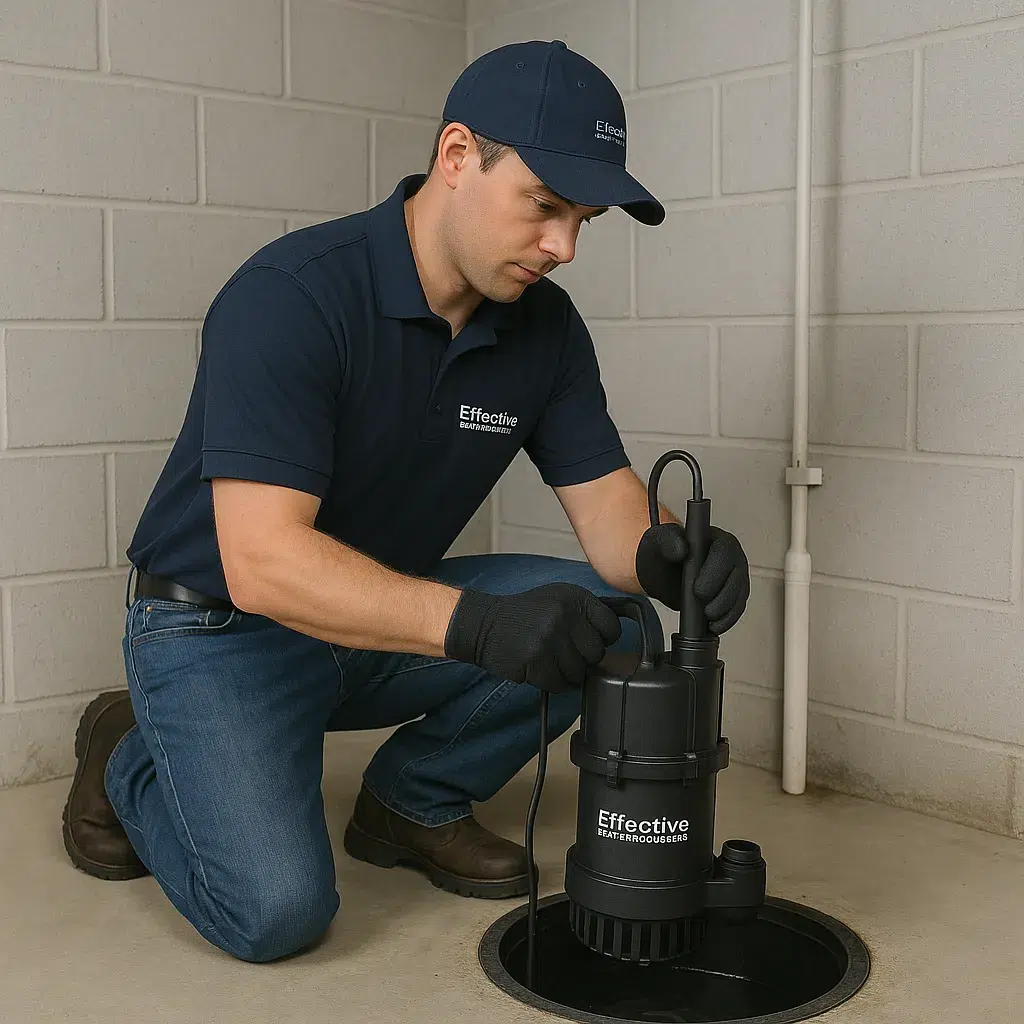
How to Maintain Your Sump Pump: Essential Care, Troubleshooting, and Repair Guide
Maintaining your sump pump is the best defense against basement flooding, mold growth, and costly foundation damage—all common challenges for New Jersey homeowners. In this guide, you’ll discover why routine sump pump maintenance matters, how to perform step-by-step inspections, what to do when things go wrong, when to replace aging equipment, and how professional Sump Pump Maintenance and Repair Services from effectivewaterproofing.com can protect your home. We’ll cover:
- Core concepts and key components that make up a reliable sump pump system
- A complete maintenance checklist with cleaning, testing, and troubleshooting steps
- Troubleshooting common malfunctions and emergency backup solutions
- Replacement guidelines, lifespan factors, and local service advantages
- Best practices for battery backup systems and integrating sump pump care into broader basement waterproofing
By following these strategies, you’ll extend your pump’s lifespan, prevent basement water issues, and gain peace of mind knowing your home is defended against New Jersey’s wet seasons.
What Is Sump Pump Maintenance and Why Is It Important?
Sump pump maintenance combines inspection, cleaning, and functional testing to ensure your pump activates when water levels rise. Proper servicing prevents basement flooding, protects against mold proliferation, and safeguards foundation integrity. For New Jersey homeowners facing heavy rainfall and high water tables, preventative care minimizes emergency repairs and restoration costs.
Regular maintenance also verifies that internal parts—such as the float switch and impeller—operate smoothly, reducing wear and extending the typical 7–10-year lifespan. By detecting issues early, you preserve structural health and avoid expensive water damage restoration. This proactive approach aligns with the mission of effectivewaterproofing.com to educate and offer free consultations for tailored sump pump solutions.
What Are the Key Components of a Sump Pump?
A sump pump’s functionality depends on several critical parts working in concert:
- Float switch that senses rising water and triggers activation
- Impeller that moves water through the discharge system
- Discharge pipe channeling water away from the foundation
- Check valve preventing backflow into the pit
Each component’s reliability ensures continuous performance. Understanding these parts allows targeted inspections that keep your pump responsive under pressure.
How Does Regular Maintenance Prevent Basement Flooding and Water Damage?
Routine servicing removes debris, tests safety features, and verifies discharge flow to avoid clogs. Clean float switches activate without obstruction, while inspected impellers push water efficiently. By eliminating blockages and confirming backup readiness, maintenance directly prevents basement flooding and expensive remediation costs.
How Often Should You Service Your Sump Pump?
Experts recommend at least annual inspections, with additional checks before spring and fall wet seasons. High-usage systems or properties near flood-prone areas may benefit from quarterly reviews. Consistent scheduling upholds peak performance and aligns with professional standards for preventing water intrusion.
What Is the Complete Sump Pump Maintenance Checklist?
A systematic checklist ensures no critical task is overlooked. Follow this sequence each inspection cycle to uphold optimal performance.
- Clean the sump pit and remove debris.
- Inspect and test the float switch and impeller.
- Check discharge pipe and check valve for blockages.
- Verify power supply and battery backup.
These steps cover core system functions. Completing them regularly dramatically lowers the risk of malfunction and basement flooding.
To illustrate the impact of each task, consider this breakdown of input and expected outcome:
| Task | Component | Outcome |
|---|---|---|
| Clean sump pit | Sump pit inlet | Debris-free pit prevents float obstruction |
| Test float switch and impeller | Float switch | Reliable activation under rising water |
| Inspect discharge pipe and check valve | Discharge line | Uninterrupted water flow away from home |
| Verify power and battery backup | Power supply | Continuous operation during outages |
How Do You Clean the Sump Pit and Remove Debris?
Begin by disconnecting power at the breaker. Scoop out grit, gravel, and sediment using a wet-dry vacuum or hand scoop. Rinse the pit walls with a garden hose and clear any loose material. Ensure the float moves freely without rubbing against pit walls or debris.
How to Test and Inspect the Float Switch and Impeller?
Lift the float by hand to simulate rising water; the pump should activate immediately. With power off, remove the pump and check the impeller for wear or algae buildup. Clear any obstructions and confirm smooth rotation before reinstallation.
How to Check the Discharge Pipe and Check Valve for Blockages?
Inspect the external discharge line for ice, leaves, or debris. Open the check valve housing to ensure the flap moves freely. Remove any material that could impede water ejection and compromise basement protection.
How to Verify Power Supply and Battery Backup Systems?
Confirm the primary power cord is undamaged and outlet connections are secure. Test the battery backup by simulating a power outage—switch off the circuit breaker and observe automatic activation of the secondary pump. Replace batteries showing low voltage under load.
What Are the Most Common Sump Pump Problems and How Can You Fix Them?
Understanding failure modes helps you troubleshoot effectively and avoid emergencies. The table below maps frequent issues to root causes and corrective actions.
| Symptom | Cause | Correction |
|---|---|---|
| Continuous running | Stuck float switch | Clean or replace float mechanism |
| Strange grinding noises | Impeller obstruction | Remove debris and lubricate moving parts |
| Clogged discharge or air lock | Debris in line or trapped air | Flush line and bleed trapped air |
| Failure during power outage | No backup system or dead battery | Install or replace battery backup components |
What Causes a Sump Pump to Run Continuously or Make Strange Noises?
Continuous operation often stems from a float switch jammed in the “on” position or a malfunctioning check valve allowing water to re-enter the pit. Grinding or rattling noises usually indicate debris caught in the impeller housing. Clearing the obstruction and testing the switch restores normal cycling.
How to Troubleshoot Clogged Discharge Pipes and Air Locks?
If water backs up in the pit, inspect the discharge outlet for blockages, then flush the pipe with a hose at high pressure. To clear an air lock, elevate the pipe’s end higher than the pump discharge, allow water to flow until air vents, then reseat to normal height.
What Are the Signs of Float Switch or Impeller Malfunction?
A float switch failure is indicated by non-activation when water rises or by toggling on and off erratically. Impeller issues manifest as low flow rates, unusual sounds, or visible corrosion. Visual inspection and manual testing confirm the component needing repair or replacement.
How to Handle Power Failures and Prevent Basement Flooding?
Rapid response to outages requires a reliable battery backup or water-powered backup system. Install a secondary pump powered by a deep-cycle marine battery and test quarterly. Keep replacement batteries on hand to ensure uninterrupted operation during storms.
When to Replace Your Sump Pump: Lifespan, Signs & Tips
Choosing replacement over repair hinges on age, performance, and repair costs. A clear understanding of lifespan and failure indicators supports smarter decisions.
What Is the Average Lifespan of a Sump Pump?
Most submersible sump pumps last between seven and ten years when routinely maintained. Pedestal models often endure 10–12 years due to easier cooling and fewer submerged parts. Proper servicing can extend these service intervals by up to 30 percent.
What Are the Key Signs Your Sump Pump Is Failing?
- Persistent rust or corrosion on the pump housing
- Failure to activate during float testing
- Unusual vibrations or loud humming noises
- Age exceeding recommended service life
How to Choose Between Repairing and Replacing Your Sump Pump?
Estimate repair cost relative to a new unit’s price and remaining lifespan. Minor float switch fixes or impeller cleaning may cost under a hundred dollars, while motor rewinds or full seal replacements approach the price of a new pump. When repair exceeds 50 percent of replacement cost, investing in a new unit offers better long-term value.
What Are the Benefits of Professional Replacement Services in New Jersey?
Local specialists at effectivewaterproofing.com bring region-specific expertise in soil conditions, water tables, and building codes. Professional installation ensures correct pump sizing, proper discharge routing, and warranty compliance—delivering reliable operation without guesswork.
How Can Professional Sump Pump Maintenance and Repair Services Help You?
Engaging qualified technicians provides peace of mind and expert care beyond DIY capabilities. Professional services include detailed inspection, advanced repairs, and emergency response.
What Does a Professional Sump Pump Inspection Include?
A full inspection covers electrical safety, float switch calibration, impeller integrity, discharge piping, check valve function, and battery backup performance. Technicians document wear patterns, recommend corrective actions, and provide a service report for ongoing maintenance planning.
How Do Expert Repairs Extend Your Sump Pump’s Lifespan?
Professionals replace worn seals, upgrade check valves, rebalance float assemblies, and apply manufacturer-approved lubricants. These targeted interventions restore efficiency, reduce energy use, and postpone costly motor replacements.
When Should You Schedule Emergency Sump Pump Services?
Emergency service is warranted when the pump fails during heavy rainfall, when water infiltrates living spaces, or when backup systems malfunction. Rapid on-site response prevents escalating flood damage and structural distress.
How to Book Reliable Sump Pump Repair Services in New Jersey?
To arrange a free consultation or emergency visit, contact the team at effectivewaterproofing.com. Their local presence guarantees timely support and tailored sump pump solutions for New Jersey homeowners.
What Are the Best Practices for Maintaining Backup Power Systems for Your Sump Pump?
A dependable backup system defeats power-outage-related failures and ensures continuous basement protection. Proper upkeep and testing keep secondary pumps ready when mains power drops.
Why Is a Battery Backup System Essential for Sump Pumps?
Battery backup systems activate the pump during outages, preventing water accumulation when primary power is unavailable. Given that power failures often coincide with storms, a secondary pump powered by a deep-cycle battery is vital to avoid basement flooding.
How to Maintain and Test Your Battery Backup System?
Inspect battery voltage monthly and perform a simulated outage quarterly by switching off the main power. Check terminals for corrosion, top up water levels in flooded-cell batteries, and replace batteries that fail to hold charge under load.
What Are the Different Types of Backup Systems Available?
Homeowners can choose between battery-powered backups, which offer reliable performance for several hours, or water-powered systems that use municipal pressure to drive a secondary pump. Each option has distinct installation requirements and maintenance needs.
How Does Sump Pump Maintenance Fit Into Complete Basement Waterproofing Solutions in New Jersey?
Integrating sump pump care with broader waterproofing strategies delivers maximum defense against moisture, mold, and foundation damage. A holistic approach ensures every element works in harmony to keep basements dry.
How Does Proper Maintenance Prevent Mold and Foundation Damage?
Consistently clearing debris, testing components, and ensuring discharge efficiency stops water intrusion that feeds mold colonies and undermines concrete integrity. Dry basements resist structural shifting and indoor air quality issues, safeguarding both your home and health.
What Other Basement Waterproofing Services Complement Sump Pump Maintenance?
Interior French drains, foundation crack sealing, and exterior membrane installations work alongside a well-maintained sump pump system. These complementary services manage surface and subsurface water flow, reducing sump pump workload and enhancing long-term protection.
Why Choose Local New Jersey Experts for Basement Waterproofing and Sump Pump Care?
New Jersey’s diverse soil types and seasonal weather patterns require tailored solutions. Local specialists understand municipal regulations, typical water table fluctuations, and effective drainage routes, delivering reliable, code-compliant installations and maintenance schedules.
Maintaining your sump pump with structured inspections, cleaning routines, and timely repairs ensures your basement stays dry and your foundation remains sound. By following this guide and partnering with the professionals at effectivewaterproofing.com for expert Sump Pump Maintenance and Repair Services, you safeguard your home against unexpected flooding and costly damage. Implement these best practices now to enjoy years of reliable performance, reduced energy use, and uninterrupted peace of mind.

j3nneb