
Sump Pump Installation Cost in NJ: What Homeowners Should Expect
Installing a sump pump is a crucial step for homeowners in New Jersey, especially in areas prone to flooding. Understanding the costs associated with sump pump installation can help you make informed decisions and budget effectively. This article will delve into the various factors influencing sump pump installation costs, the installation process, and what homeowners can expect in terms of pricing. Additionally, we will explore the importance of professional installation and how Effective Basement Solutions can assist with free inspections to ensure your basement remains dry and protected.
Factors Influencing Costs:
Several factors can significantly impact the cost of sump pump installation in New Jersey. These include the type of sump pump, the complexity of the installation, and local labor rates. Understanding these elements can help homeowners anticipate their expenses and make informed choices.
- Pump Type: The type of sump pump you choose can greatly affect the overall cost. Submersible sump pumps tend to be more expensive than pedestal pumps due to their design and efficiency.
- Excavation Complexity: If your basement requires extensive excavation or modifications to accommodate the sump pump, this will increase labor costs.
- Labor Rates: Local labor rates can vary, impacting the total installation cost. It’s essential to get quotes from multiple contractors to ensure competitive pricing.
Installation Process Expectations:
When installing a sump pump, homeowners can expect a systematic process that includes several key steps. Understanding these steps can help you prepare for the installation day and ensure everything goes smoothly.
- Assessment: A professional will assess your basement to determine the best location for the sump pump and evaluate any necessary modifications.
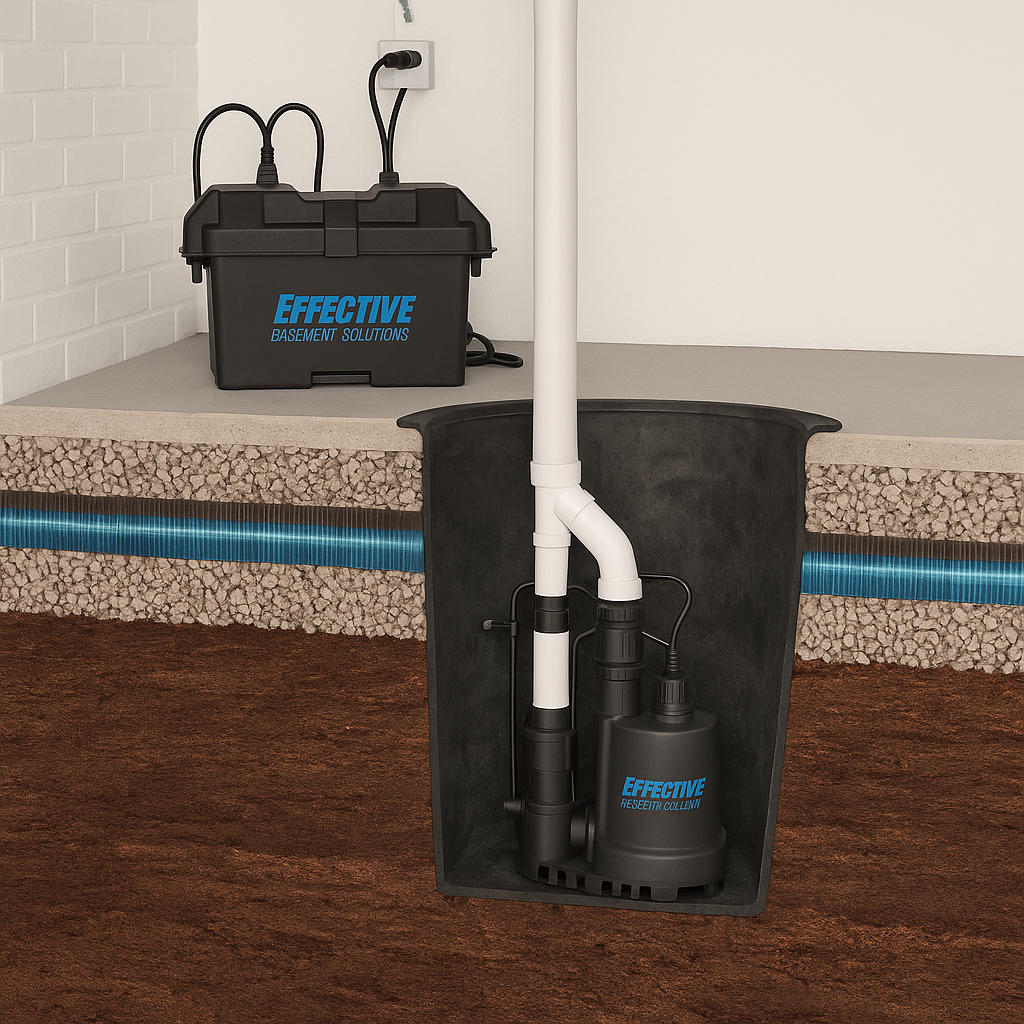
- Installation: The installation typically involves digging a sump pit, placing the pump, and connecting it to a discharge pipe that directs water away from the foundation.
- Testing: After installation, the system will be tested to ensure it operates correctly and efficiently.
What Factors Influence the Cost to Install a Sump Pump in New Jersey?
The cost of installing a sump pump in New Jersey can vary based on several specific factors. Understanding these can help homeowners budget effectively.
- Pump Type: Different types of sump pumps, such as submersible and pedestal pumps, come with varying price points. Submersible pumps are generally more expensive but offer better performance.
- Labor Rates: The cost of labor can fluctuate based on the contractor’s experience and the region’s market rates.
- Excavation Complexity: If your basement has a high water table or requires significant excavation, this will increase the overall cost.
How Do Sump Pump Types Affect Installation Pricing?
The type of sump pump you choose plays a significant role in determining installation costs. Submersible sump pumps, which are installed below the water level, typically cost more due to their advanced features and efficiency. In contrast, pedestal sump pumps, which are mounted above the sump pit, are generally less expensive but may not be as effective in high-water situations. Additionally, battery backup sump pumps can add to the cost but provide essential protection during power outages.
What Role Does Basement Waterproofing Play in Overall Costs?
Basement waterproofing is an essential consideration when installing a sump pump. The methods used for waterproofing can significantly affect the overall installation costs. Interior waterproofing systems, which involve sealing walls and floors, are often less expensive than exterior systems that require excavation and drainage installation. However, investing in comprehensive waterproofing can lead to long-term savings by preventing water damage and mold growth.
Effective waterproofing is not just about installation; it also involves thoughtful design, as highlighted by experts.
Cost-Effective Basement Waterproofing Design
basement waterproofing design. It discusses why it is required to allow the design of a cost-effective waterproofing system
Ground water assessment and the design of basement waterproofing, 2023
What Are the Average Prices for Different Sump Pump Systems in NJ?
When considering sump pump installation, it’s essential to understand the average prices associated with different systems. Here’s a breakdown of typical costs:
| Sump Pump Type | Average Installation Cost | Features |
|---|---|---|
| Submersible Pump | $1,200 – $2,500 | Efficient, suitable for high water tables |
| Pedestal Pump | $800 – $1,500 | Cost-effective, easier to maintain |
| Battery Backup Pump | $1,000 – $1,500 | Provides power during outages |
These prices can vary based on the specific features and installation requirements of each system.
How Much Does a Standard Basement Sump Pump Cost?
The cost of a standard basement sump pump installation typically ranges from $800 to $2,500, depending on the type of pump and the complexity of the installation. Homeowners should consider both the initial installation costs and potential long-term savings from preventing water damage.
What Is the Price Range for Battery Backup Sump Pumps?
Battery backup sump pumps are an essential investment for homeowners concerned about power outages during heavy rain. The price for these systems generally ranges from $1,000 to $1,500, depending on the brand and features. Investing in a battery backup system can provide peace of mind, ensuring your sump pump continues to operate even when the power goes out.
When Do NJ Homeowners Need a Sump Pump?
Homeowners in New Jersey should consider installing a sump pump if they experience any of the following conditions:
- Frequent Basement Flooding: If your basement regularly accumulates water during heavy rains, a sump pump is essential.
- High Water Table: Homes located in areas with a high water table are at greater risk of flooding and should have a sump pump installed.
- Signs of Water Intrusion: Visible signs of water damage, such as mold or dampness, indicate the need for a sump pump.
What Are the Signs of Basement Water Intrusion?
Identifying signs of water intrusion early can save homeowners from costly repairs. Common indicators include:
- Visible Water Damage: Stains on walls or ceilings can indicate water intrusion.
- Mold Growth: The presence of mold or mildew is a clear sign of excess moisture.
- Damp Smells: A musty odor in the basement often suggests water issues.
How Does NJ’s Water Table Impact Flooding Risks?
New Jersey’s water table can significantly impact flooding risks for homeowners. Areas with a high water table are more susceptible to flooding, especially during heavy rainfall. Understanding your local water table levels can help you assess the need for a sump pump and other flood prevention measures.
Research further emphasizes the unique flooding challenges faced by New Jersey homeowners due to environmental factors.
New Jersey Coastal Flooding & Sea Level Rise Impacts
This study presents an assessment of the potential impacts of sea level rise on the New Jersey, USA coastal region. We produce two projections of sea level rise for the New Jersey coast over the next century and apply them to a digital elevation model to illustrate the extent to which coastal areas are susceptible to permanent inundation and episodic flooding due to storm events.
The potential impacts of sea level rise on the coastal region of New Jersey,
USA, M Oppenheimer, 2008
What Are the Maintenance and Replacement Costs for Sump Pumps in NJ?

Maintaining your sump pump is crucial for ensuring its longevity and effectiveness. Regular maintenance can cost between $100 and $300 annually, depending on the service provider. Homeowners should also be aware that sump pumps typically need replacement every 5 to 7 years, with replacement costs ranging from $800 to $2,500.
How Often Should a Sump Pump Be Replaced?
Sump pumps should generally be replaced every 5 to 10 years, depending on usage and maintenance. Regular inspections can help identify when a replacement is necessary, ensuring your basement remains protected from water damage.
What Are Typical Sump Pump Repair and Maintenance Expenses?
Repair and maintenance costs for sump pumps can vary widely. Homeowners can expect to pay between $100 and $300 for routine maintenance, while repairs may range from $150 to $500, depending on the issue. Regular maintenance is essential to prolong the life of your sump pump and prevent costly repairs.
How Does Effective Basement Solutions Support NJ Homeowners with Free Inspections?
Effective Basement Solutions offers free inspections to help New Jersey homeowners assess their basement’s waterproofing needs. This service includes a thorough evaluation of your basement’s condition and recommendations for the best solutions to prevent water intrusion.
What Does the Free Basement Inspection Include?
During a free basement inspection, homeowners can expect:
- Visual Checks: Inspectors will look for signs of water damage and structural issues.
- Moisture Measurements: Tools will be used to measure moisture levels in the basement.
- Recommendations: Homeowners will receive tailored advice on waterproofing solutions.
How Can a Free Inspection Help Prevent Costly Water Damage?
A free inspection can help identify potential issues before they escalate into significant problems. By addressing water intrusion early, homeowners can save on costly repairs and maintain the integrity of their homes.
What Are Common Questions About Sump Pump Installation Costs in NJ?
Homeowners often have questions regarding sump pump installation costs. Here are some common inquiries:
- What is the average cost of a sump pump installation?
- How can I reduce installation costs?
- Are there financing options available for sump pump installation?
Can Homeowners Install a Sump Pump Themselves?
While some homeowners may consider a DIY approach to sump pump installation, it is generally recommended to hire a professional. Proper installation is crucial for ensuring the system functions effectively and complies with local regulations.
What Is the Lifespan of a Typical Sump Pump?
The average lifespan of a sump pump is between 5 to 10 years, depending on usage and maintenance. Regular inspections and timely repairs can help extend the life of your sump pump.
What Are the Common Questions About Sump Pump Installation Costs in NJ?
Homeowners frequently ask about the costs associated with sump pump installation. Understanding these costs can help you budget effectively and make informed decisions about your basement’s waterproofing needs.