
NJ Sump Pump Replacement Services: Keep Your Basement Flood-Free
Basement flooding threatens one in five New Jersey homes each year, causing mold, structural damage, and health hazards if left unchecked. This comprehensive guide explains how sump pump replacement in NJ helps homeowners identify key failure signs, evaluate pump types, navigate professional installation, understand costs, integrate battery backups, and implement maintenance routines. You’ll learn how to protect your foundation and air quality while avoiding unexpected repair bills. Read on to discover practical solutions and expert insights that keep your basement dry and safe.
New Jersey Flood Facts
Floods are among the most frequent natural hazards in New Jersey, with approximately 20% of flood insurance claims originating from moderate- to low-risk areas. The state’s unique geography, including high water tables and coastal exposure, contributes to its vulnerability to water-related property damage, with heavy rainfall and flash floods occurring frequently.
This research directly supports the article’s initial claim about the prevalence and risks of basement flooding in New Jersey homes.
What Are the Key Signs You Need Sump Pump Replacement in New Jersey?
Recognizing when a sump pump is nearing the end of its service life prevents costly basement damage and mold growth. Replacement becomes critical if you observe continuous cycling, total pump inactivity, or recurring basement dampness. Early detection improves water management and reduces risks to your home’s foundation. Understanding these warning signs lays the groundwork for choosing the right replacement system.
How to Recognize Sump Pump Failure Symptoms Like Constant Running or No Activation
Sump pump failure often begins with unusual operating patterns that signal mechanical wear or electrical issues.
- The pump runs continuously without shutting off after water removal.
- The motor fails to start despite rising water in the basin.
- You hear grinding or rattling noises during normal cycling.
- Frequent on/off cycling occurs in quick succession.
Continuous cycling indicates a worn float switch or clogged discharge line, while no activation suggests electrical faults. These symptoms directly impact basement dryness and point toward replacement over repair.
What Basement Water Damage and Mold Risks Indicate a Failing Sump Pump?
- Visible damp patches or peeling paint on foundation walls
- Musty odors or active mold growth along floor joints
- Rusty or corroded hardware near the sump pit
- Increased allergy symptoms among occupants
Unchecked moisture fosters mold colonies that degrade indoor air quality and erode structural elements. Identifying these water damage indicators underscores why timely replacement protects both health and home integrity.
How Long Do Sump Pumps Typically Last in NJ Homes?
Most residential sump pumps in New Jersey operate reliably for seven to ten years under normal conditions.
- Heavy-duty submersible units often last 8–12 years with proper maintenance
- Pedestal pumps typically last 7–10 years before motor wear appears
- Battery backup systems have a shorter lifespan of 3–5 years per battery
- Water-powered models endure 10–15 years but depend on municipal pressure
Lifespan variations depend on usage frequency, power fluctuations, and pit cleanliness. Knowing expected service life helps homeowners plan for proactive replacement and avoid emergency failures.
How Long Do Sump Pumps Last?
The average lifespan of a residential sump pump typically ranges from 7 to 10 years. This duration can be influenced by several factors, including the frequency of use, the quality of the pump’s installation, and the consistency of routine maintenance.
This information verifies the article’s statement regarding the typical service life homeowners can expect from their sump pumps.
Which Types of Sump Pumps Are Best for Replacement in NJ Homes?
Choosing the right replacement pump type ensures reliable basement protection and efficient performance. Submersible, pedestal, battery backup, and water-powered pumps each offer distinct advantages for different basement conditions, water volumes, and power reliability. Understanding their features empowers informed decisions that optimize long-term durability and cost-effectiveness.
What Are the Differences Between Submersible, Pedestal, and Battery Backup Sump Pumps?
Below is a comparison of common pump types to clarify their power source, location, and ideal basement scenarios.
| Pump Type | Power Source | Key Advantage |
|---|---|---|
| Submersible | AC electricity | Quiet operation and high flow capacity |
| Pedestal | AC electricity | Easier maintenance with motor above pit |
| Battery Backup | Battery + AC | Continuous function during power loss |
| Water-Powered | Municipal water | Never loses power but slows water flow |
Submersible units handle large volumes quietly, whereas pedestal pumps suit small pits with limited space. Backup and water-powered pumps prevent flooding during electrical outages, meeting New Jersey’s frequent storm challenges.
What Are the Benefits of Water-Powered Sump Pumps for New Jersey Basements?
Water-powered pumps use municipal water pressure to evacuate basin water continuously, eliminating reliance on electricity.
- Zero risk of power-outage failures during severe weather
- No battery maintenance or replacement costs
- Environmentally friendly with no electrical draw
- Automatic operation whenever household water supply remains active
This mechanism offers a fail-safe alternative that complements primary submersible or pedestal pumps. Its independence from electrical circuits reduces overall basement flooding risk.
How to Choose the Right Sump Pump Type Based on Your Basement’s Needs
Selecting a pump involves evaluating water volume, pit dimensions, power reliability, and budget:
- Measure average drainage volume after heavy rain events.
- Check pit size and depth to ensure motor clearance.
- Assess local power outage frequency and duration.
- Compare upfront cost versus long-term maintenance expenses.
Matching pump features to basement conditions improves operational efficiency and minimizes life-cycle cost. A balanced choice ensures steady performance and fewer emergency service calls.
How Does the Professional Sump Pump Replacement Process Work in New Jersey?
Professional installation combines technical expertise, local code compliance, and safety protocols to deliver reliable basement protection. Experienced technicians follow industry-approved steps that safeguard structural integrity while optimizing system performance and pump longevity.
What Are the Step-by-Step Installation Procedures for Sump Pump Replacement?
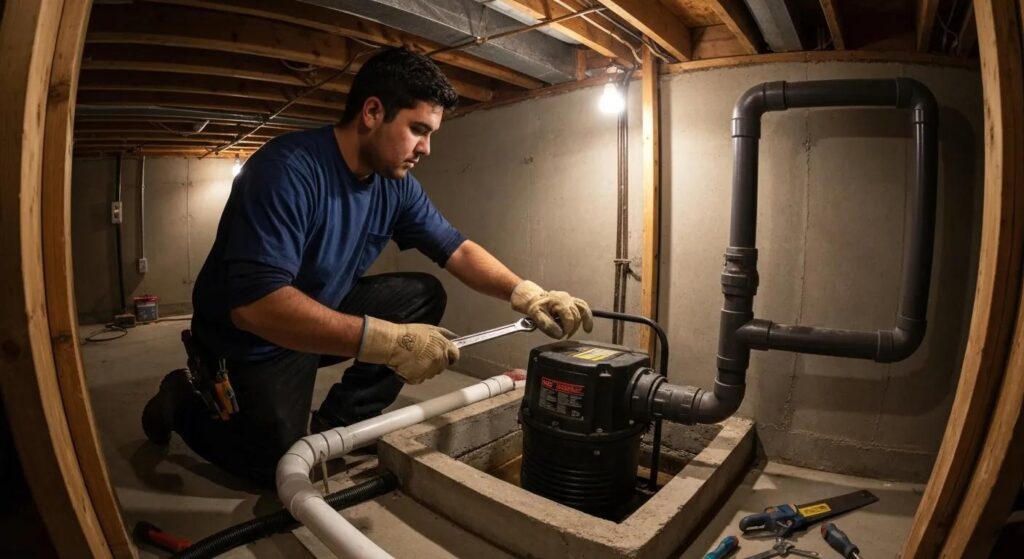
- Evaluate existing pit, discharge line, and electrical connections.
- Remove the old pump, inspect basin for debris, and clean thoroughly.
- Install new pump with correct float-switch height and check-valve orientation.
- Connect discharge piping, ensuring proper slope away from foundation.
- Test run the pump through several full cycles under supervision.
These precise steps ensure correct alignment, secure fittings, and uninterrupted water removal. Thorough testing confirms system readiness against heavy precipitation.
Why Is Professional Installation Important for Effective Basement Protection?
- Correct float-switch setup avoids short-cycling and dry runs
- Proper discharge line pitch reduces backflow risk
- Secure electrical wiring minimizes shock and motor burnout
- Code-compliant permits ensure legal basement alterations
Professional credentials and licensed workmanship guarantee that replacement meets New Jersey building regulations and withstands severe weather challenges.
What Permits and Local Regulations Affect Sump Pump Replacement in NJ?
New Jersey municipalities often require permits for electrical and plumbing modifications associated with sump pump replacement:
- Electrical permit for motor circuit installation and GFCI protection
- Plumbing permit for discharge connection to storm drains or dry wells
- Inspection to verify backflow prevention and basin relocation
- Compliance with township guidelines on water discharge distance
Securing the right approvals ensures legal operation, prevents fines, and maintains home resale value while supporting community stormwater management plans.
What Is the Cost of Sump Pump Replacement in NJ and What Factors Affect Pricing?
Understanding the typical investment and cost drivers helps homeowners budget accurately and avoid surprise fees. Replacement price reflects pump specifications, labor complexity, permitting, and optional backup features that enhance reliability.
How Much Does Sump Pump Replacement Typically Cost in New Jersey?
Most sump pump replacements in NJ range between $1,200 and $2,500, including equipment and labor.
- Standard submersible pump replacement: $1,200–$1,800
- Pedestal pump swap: $1,000–$1,400
- Battery backup integration: additional $400–$800
- Water-powered backup addition: $600–$1,200
Regional labor rates and permit fees can shift final costs. Early estimates help homeowners compare quotes and schedule replacements before emergency conditions arise.
| Cost Factor | Impact on Price | Typical Range |
|---|---|---|
| Pump Type | Higher flow and backup types increase cost | +$400–$1,000 |
| Labor Complexity | Hard-to-access pits or multiple stories | +$200–$600 |
| Permits & Inspections | Local fees and inspection visits | $100–$300 |
| Backup Features | Battery or water-powered backup options | +$400–$1,200 |
Each variable contributes to overall investment but also adds layers of protection and peace of mind. Itemized quotes promote transparency and align expectations.
How Much Does Sump Pump Installation Cost?
The national average cost for installing a new sump pump is approximately $1,400, with total project expenses generally ranging from $500 to $4,000. These costs are influenced by factors such as the specific type of pump chosen, whether a sump basin is already present, and regional labor rates.
This citation provides a verified cost range for sump pump installation and replacement, aligning with the article’s discussion on pricing factors in New Jersey.
Are There Financing or Warranty Options Available for NJ Homeowners?
New Jersey homeowners can leverage financing plans and extended warranties to manage upfront costs:
- Low-interest financing through home improvement loans
- Manufacturer’s limited warranties covering pump components
- Service contracts for annual inspections and pump cleanings
- Bundled packages including waterproofing and mold remediation
Why Is Battery Backup Sump Pump Replacement Crucial for NJ Homes?
Battery backup systems guarantee continuous basement protection when storms interrupt power, safeguarding against heavy rainfall and storm surge events common in New Jersey’s climate. Integrating backup pumps elevates readiness and prevents costly flood damage.
How Do Battery Backup Systems Protect Basements During Power Outages?
Battery backup pumps automatically activate when primary AC-powered units lose electricity, ensuring uninterrupted water removal.
- Instant switchover prevents seconds-long delays
- Alarm notification signals battery charge levels
- Multiple batteries extend run time during prolonged outages
- Regular self-tests confirm system readiness
What Are the Installation and Maintenance Requirements for Battery Backup Pumps?
Proper integration and upkeep of backup systems maximize effectiveness and lifespan:
- Install backup unit on dedicated battery tray beside primary pump
- Use sealed lead-acid batteries rated for deep-cycle applications
- Replace batteries every 3–5 years or as performance declines
- Schedule annual inspections to test switchover and charge circuits
Routine maintenance ensures backup readiness when main power is unavailable, reducing risk of basement flooding.
When Should NJ Homeowners Consider Upgrading to a Battery Backup Sump Pump?
Homeowners should upgrade if they experience any of the following conditions:
- Frequent summer storms with extended power outages
- Previous basement flooding incidents during blackouts
- High-value finished basement or living space below grade
- Desire for comprehensive coverage alongside generator or transfer switch
How Can Regular Maintenance Extend the Life of Your Replacement Sump Pump in NJ?
Routine maintenance preserves pump performance, prevents unexpected failures, and extends service life beyond manufacturer estimates. A proactive maintenance schedule ensures that your replacement investment continues to deliver reliable basement protection.
What Are the Essential Sump Pump Maintenance Tasks for New Jersey Basements?
Keeping your pump in top condition involves a simple seasonal checklist:
- Clear debris and sediment from the sump pit every three months
- Test float switch movement and lubricate pivot points
- Inspect discharge line for clogs, ice buildup, or backflow issues
- Verify alarm systems and battery levels on backup units
How Often Should You Schedule Professional Inspections and Repairs?
Expert inspections every 12 months catch developing issues before they escalate:
- Check motor amperage draw to detect electrical faults
- Measure flow rate against pump specifications
- Tighten fittings and replace worn check valves
- Update permit documentation and system records
What Are Common Sump Pump Problems That Maintenance Can Prevent?
Routine care prevents these frequent failure points:
- Float switch jams leading to dry-run motor burnout
- Corroded or cracked discharge lines causing leaks
- Worn impellers reducing flow capacity
- Battery sulfation in backup systems hampering charge
Why Choose Effective Basement Solutions for Your Sump Pump Replacement Needs in New Jersey?
Effective Basement Solutions combines decades of regional experience with certified technicians to deliver tailored sump pump replacement services that protect your home and family. Our proven approach emphasizes quality, transparency, and long-term reliability.
What Expertise and Certifications Does Effective Basement Solutions Offer?
Our team brings specialized credentials and industry recognition:
- Licensed plumbers and electricians certified by NJ state boards
- Member of the Basement Health Association for waterproofing best practices
- Factory-authorized installers for leading pump brands
- Ongoing training in code updates and stormwater management
How Do Customer Reviews and Local Case Studies Demonstrate Our Success?
Homeowners across New Jersey praise our prompt response and lasting results:
- Completed a submersible and battery backup upgrade in Morris County that prevented flooding during a major storm
- Restored a garage-level basement in Essex County with new pedestal pump and discharge reroute
- Delivered emergency replacements within 24 hours for multiple Bergen County residents
How Can You Request a Free Consultation for Sump Pump Replacement in NJ?
Contact our New Jersey office to arrange a no-obligation assessment:
Provide basic basement details and your preferred appointment window, and our specialists will perform an on-site evaluation. You’ll receive a transparent quote outlining pump options, cost breakdown, and recommended maintenance schedule. Start safeguarding your home today with expert guidance.
Basement flooding poses serious risks, but timely sump pump replacement and upgrades convert vulnerability into protection.
By recognizing failure signs, selecting the right pump type, relying on professional installation, budgeting accurately, adding backup systems, and maintaining your equipment, you ensure lasting dryness and peace of mind for your New Jersey home.
Partnering with Effective Basement Solutions brings the expertise and certifications necessary to keep your basement safe through every storm.
Through proactive measures and clear service plans, homeowners gain reliable flood prevention and sustained foundation health year after year.