Basement Waterproofing in Union County NJ: Costs & Solutions
Basement waterproofing NJ refers to the set of methods used to prevent groundwater and surface water from entering and damaging a home’s below-grade spaces. This guide explains how common systems work, why New Jersey homeowners face specific moisture risks, and which solutions provide lasting protection, improved indoor air quality, and preserved property value. Readers will learn typical cost ranges, how to diagnose hydrostatic pressure and foundation cracks, and the practical pros and cons of interior versus exterior approaches. The article maps inspection and estimating steps, compares structural repair options, and outlines storm-preparedness measures tailored to NJ’s climate. Throughout, we use industry terms like interior French drain installation, sump pump installation, crawl space encapsulation, and dehumidification system installation to help homeowners evaluate options and make informed choices.
How Much Does Basement Waterproofing Cost in NJ?
Basement waterproofing NJ costs depend on the method, site conditions, and extent of structural repair needed; costs scale with labor, materials, and access complexity. The mechanism driving price is a combination of system components—membranes, perforated piping, sump pits—and the reason for installation, such as hydrostatic pressure or finished-basement preservation. Homeowners gain value through avoided repair expenses, reduced mold risk, and improved habitability. The next subsections break down cost drivers, how to get precise estimates, and typical price ranges so readers can compare options sensibly.
What Factors Influence NJ Basement Waterproofing Prices?
Several primary factors influence basement waterproofing prices in New Jersey: site accessibility, extent of water intrusion, foundation condition, and soil/drainage characteristics. Hydrostatic pressure and poor lot grading increase labor and material needs, while finished basements require careful protection of finishes and clean-up, adding to cost. Permitting, required structural repairs (for example, crack injection or wall stabilization), and the need for exterior excavation also raise budgets. Understanding these drivers helps homeowners anticipate why two quotes can vary and prepares them to ask focused questions during inspections.
- Key cost drivers include labor, materials, site access, and severity of water damage.
- Soil type and hydrostatic pressure directly increase system complexity and expense.
- Finished basements typically cost more than unfinished basements due to restoration work.
These cost drivers set realistic expectations and lead directly into how to obtain accurate, site-specific estimates.
How to Get Accurate Basement Waterproofing Estimates in New Jersey?
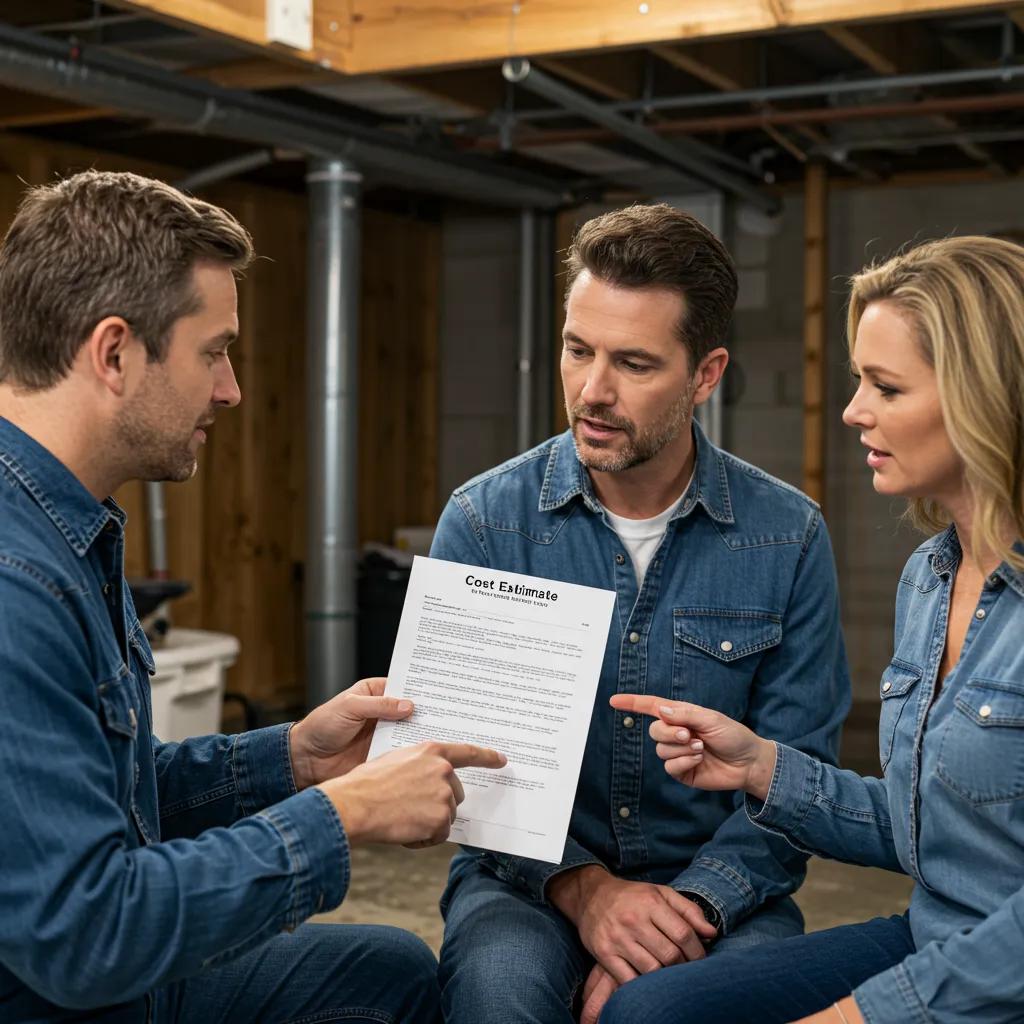
An accurate waterproofing estimate requires a professional inspection that documents moisture sources, maps cracks, and measures grading and groundwater levels. Inspectors typically use moisture meters, look for efflorescence and seepage lines, check sump pump operation, and evaluate exterior drainage; homeowners should prepare by photographing leaks and noting history. Comparing quotes requires checking scope detail: included materials, warranty terms, and any structural repair line items. Armed with clear documentation and uniform questions, homeowners can compare bids apples-to-apples and choose the solution that aligns with both risk and budget.
- Document: Take photos of leaks and note frequency and weather correlation.
- Ask: Request detailed scope and materials list from each contractor.
- Compare: Ensure warranties, maintenance, and cleanup are explicitly listed.
These preparation steps reduce surprises and streamline the decision process toward appropriate solutions and pricing.
What Are the Typical Price Ranges for Different Waterproofing Methods?
Below is a clear, scannable comparison of typical method costs in New Jersey that highlights when prices escalate. Interior systems commonly cost less than full exterior excavation, while structural repairs or deep underpinning increase expenses substantially. Expect variability by county, home age, and finish level.
| Solution | Cost Range (NJ) | Typical Factors Affecting Price |
|---|---|---|
| Interior French drain + sump system | $3,000 – $10,000 | Basement finish, square footage, pit/sump pump quality |
| Sump pump (installation) | $800 – $2,500 | Pump type, discharge piping, battery backup requirement |
| Exterior waterproofing (membrane + drainage) | $8,000 – $25,000+ | Excavation depth, soil conditions, foundation repairs |
| Crawl space encapsulation + dehumidifier | $2,500 – $8,000 | Crawl space size, vapor barrier grade, dehumidifier capacity |
| Foundation repair (crack injection, carbon fiber) | $1,000 – $15,000+ | Crack severity, wall bowing, underpinning need |
This table shows approximate ranges; site inspection gives precise pricing. For a site-specific estimate, homeowners should request a free inspection and free estimate from a qualified provider to factor in unique conditions and warranty options.
Which Basement Waterproofing Companies Are Trusted in New Jersey?
Choosing a trusted basement waterproofing NJ company requires evaluating warranties, crew model, and documented results from local projects. Trusted providers explain diagnosis clearly, offer transparent scopes, and back systems with meaningful, transferable warranties; they also maintain quality through trained crews and documented safety protocols. The following H3s help homeowners compare companies, highlight a specific company’s UVPs from available information, and suggest where to find reliable reviews.
What Makes Effective Basement Solutions a Leading NJ Waterproofing Company?
Effective Basement Solutions positions itself as an NJ operator offering interior French drain installation, sump pump systems, exterior waterproofing, dehumidification and crawl space encapsulation, and foundation repair. Their value propositions include a 30-year transferable warranty, a 12-month mold-free certificate, a policy of using in-house trained crews (no subcontractors), and free inspections and estimates. These trust signals aim to reduce buyer friction and support long-term protection and resale value. Homeowners comparing providers should verify similar written guarantees and inquire about in-house training and warranty transfer terms.
Effective Basement Solutions has been serving New Jersey for over 20 years, offering comprehensive basement waterproofing and foundation protection services. (effectivewaterproofing.com)
They provide a range of services, including sump pump installations, French drain systems, and structural reinforcement, addressing common issues like moisture intrusion and foundation damage. (mapquest.com)
Their in-house trained crews (no subcontractors) deliver clean, lasting results, ensuring homes remain dry and structurally sound. (guildquality.com)
They offer a 30-year transferable warranty, a 12-month mold-free certificate, and free inspections and estimates. (effectivewaterproofing.com)
Customer reviews highlight their professionalism and quality of work. (reviews.birdeye.com)
Homeowners can contact them at (800) 957-0075 or visit their website at www.effectivewaterproofing.com for more information.
The Leaking Basement Epidemic: Causes, Remediation, and Ramifications
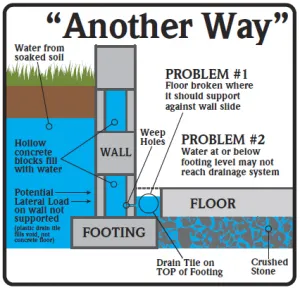
The prevalence of the leaking basement epidemic in the United States can be readily appreciated by consulting local Yellow Pages listings for ‘Waterproofing Contractors.’ This paper examines the causes, financial consequences, and mitigation strategies of this issue, drawing upon a detailed case history. It posits that basement failures are typically systemic, involving multiple contributing factors. Among these, the deterioration and subsequent loss of functionality of downspout drains are particularly significant. This problem is exacerbated by suboptimal design choices that result in walls incapable of withstanding the lateral loads imposed by hydrostatic pressures. Remedial measures range from proactive maintenance to structural reinforcement of walls. However, increased public awareness of the underlying causes and associated liabilities is a prerequisite, which could be effectively fostered through more focused attention during property transfer processes.
The Leaking Basement Epidemic–Causes, Cures and Consequences
How Do NJ Companies Compare on Warranty and Service Quality?
Warranties vary widely across providers in scope and transferability; typical distinctions are system warranties, labor warranties, and transferable product guarantees tied to installation standards. Read contracts for exact coverage—does the warranty include pump failure, clogging, or mold remediation? Service quality also depends on maintenance plans, response time for failures, and availability of battery backup solutions. Comparing these attributes helps homeowners weigh short-term price against long-term protection and resale value.
- Warranty comparisons should include duration, transferability, and covered components.
- Evaluate service plans for routine maintenance and emergency response.
- Confirm whether warranty claims require scheduled maintenance documentation.
Understanding these warranty and service nuances prepares homeowners to prioritize long-term reliability over the cheapest initial bid.
Where to Find Verified Reviews and Testimonials for NJ Waterproofing Services?
To assess provider reputation, seek verified sources and project-level details showing before/after results and recent feedback. Look for photos of completed projects, specifics about solving similar NJ issues, response to negative reviews, and evidence of ongoing maintenance relationships. Red flags include vague project descriptions, lack of clear warranty documentation, or complaints about unresponsive follow-up.
- Check industry review platforms and local business profiles for recent 2024–2025 reviews.
- Look for project photos and detailed descriptions that match your home type.
- Watch for consistent themes in reviews: punctuality, communication, and clean work sites.
These verification steps lead naturally to comparing technical solutions and deciding which systems fit a given NJ property.
What Are the Most Effective Basement Waterproofing Solutions in NJ?
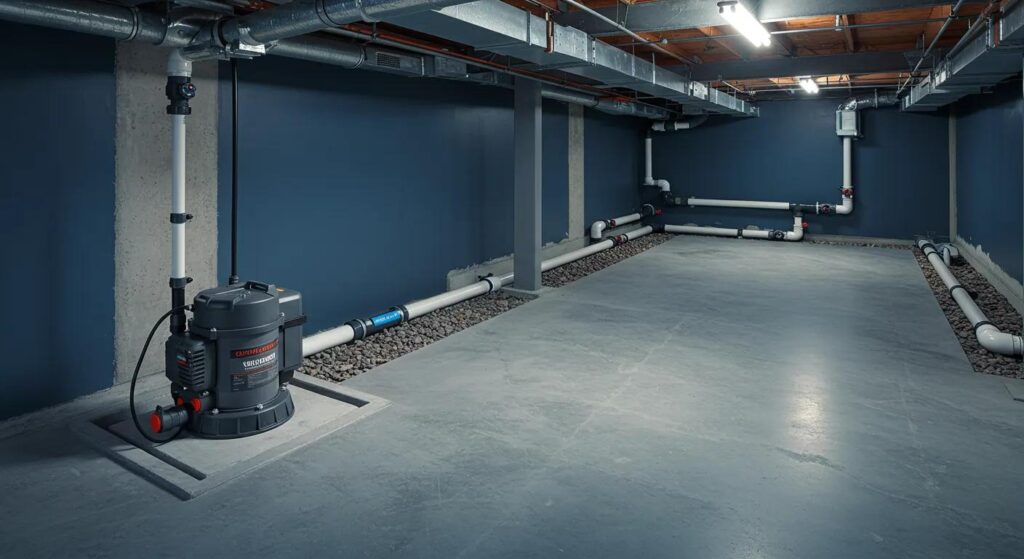
Effective basement waterproofing NJ integrates methods tailored to the cause of water entry: interior drainage for groundwater, sump pumps for active removal, exterior membranes for high hydrostatic pressure, and dehumidification or encapsulation for long-term humidity control. Each system combines specific components—perforated pipes, drainage mats, sump pits, pumps, membranes, and vapor barriers—to reduce infiltration and improve indoor air quality. The next subsections break down interior French drains, sump pumps, exterior waterproofing, and encapsulation so homeowners can match solutions to conditions.
Introductory breakdown of components and benefits is summarized in the table below.
| Solution | Components (parts) | Primary Benefit |
|---|---|---|
| Interior French drain installation | Perforated pipe, gravel, drainage mat, sump pit | Redirects footing water to sump, minimally invasive |
| Sump pump systems | Sump pit, submersible pump, discharge piping, battery backup | Active removal of collected groundwater, storm resilience |
| Exterior waterproofing | Excavation, waterproof membrane, drainage board, exterior drain pipe | Prevents water reaching foundation walls, addresses hydrostatic pressure |
| Dehumidification & crawl space encapsulation | Vapor barrier, seam sealing, dehumidifier unit, insulation | Controls humidity, reduces mold and radon ingress |
How Does Interior French Drain Installation Protect NJ Basements?
An interior French drain collects groundwater at the footing and channels it through perforated pipe to a sump pit where a pump expels it away from the foundation. The mechanism reduces hydrostatic pressure on walls and floors and is often the most cost-effective retrofit for finished basements. Typical installation involves saw-cutting a narrow channel, placing a drain matrix and pipe, backfilling with drainage aggregate, and connecting to a sump system; maintenance focuses on keeping the sump pump functional. For many NJ homes with rising groundwater or seepage, interior drains provide dependable protection without full exterior excavation.
This drainage explanation leads directly to the complementary role of sump pumps for active water removal.
Why Are Sump Pump Systems Essential for NJ Basement Flood Prevention?
Sump pump systems remove water collected by drains and are essential in NJ where heavy storms and high groundwater can overwhelm passive drainage. Pumps come in submersible and pedestal types; submersibles are quieter and sit in the pit, while pedestal pumps are easier to service. Battery backup systems provide resilience during power outages, and smart monitoring adds remote alerts for failures. Routine maintenance—annual testing, float inspection, and discharge line checks—extends pump life and prevents costly basement flooding.
- Choose pump capacity and horsepower based on sump pit inflow and expected storm intensity.
- Include battery backup for storm-season resilience.
- Schedule maintenance annually to preserve reliability.
Maintaining a reliable sump pump is a critical step before considering exterior excavation solutions.
When Is Exterior Waterproofing Recommended for NJ Homes?
Exterior waterproofing—excavating to apply membranes and install exterior drains—is recommended when hydrostatic pressure is severe, foundation walls are extensively damaged, or interior solutions cannot control persistent seepage. The exterior barrier prevents water from contacting the foundation, offering a durable long-term defense, but it involves higher cost and greater disruption. Trade-offs include permitting, landscape restoration, and the potential to correct outside grading issues while excavating. For homes with chronic exterior runoff or structural wall issues, exterior systems provide a permanent layer of protection that supplements interior measures.
This comparison naturally connects to non-drainage approaches that improve basement environment and health.
How Do Dehumidification and Crawl Space Encapsulation Improve Basement Health?
Crawl space encapsulation and basement dehumidification control relative humidity, reduce mold growth, and improve indoor air quality by sealing moisture sources and mechanically removing water vapor. Encapsulation installs a continuous vapor barrier and seals vents and penetrations, while dehumidifiers sized to the space maintain recommended humidity setpoints (typically 45% or lower). Benefits include reduced allergen levels, improved HVAC efficiency, and lower radon migration risk when combined with proper mitigation. Regular monitoring and maintenance—filter changes and condensate checks—ensure ongoing performance.
- Target humidity: 30–50% for mold prevention and comfort.
- Combine encapsulation with dehumidification for best IAQ outcomes.
- Routine maintenance protects equipment and preserves certification where offered.
These IAQ improvements complement structural waterproofing by addressing moisture that supports mold and air-quality problems.
How Can NJ Homeowners Identify and Solve Common Basement Water Problems?
Homeowners can diagnose basement water problems by observing symptoms, documenting patterns, and applying targeted fixes that address the source rather than only the symptom. The diagnostic process links visible signs—cracks, efflorescence, musty odors—to underlying causes like hydrostatic pressure or poor grading. The following H3s detail signs to watch for, mold detection steps, and best-fit solutions for wet basements so owners can triage issues and decide when professional intervention is required.
What Are the Signs of Hydrostatic Pressure and Foundation Cracks in NJ Basements?
Hydrostatic pressure shows as seepage at the floor-wall joint, bulging walls, or persistent dampness even after dry weather; foundation cracks vary from hairline (often cosmetic) to horizontal or stair-step cracks that indicate structural movement. Inspect for active water streaks, bowing, or widening cracks and mark changes over time to detect progression. Immediate structural evaluation is advised for horizontal cracks or visible wall movement because these signal load-related failure. Monitoring and documenting these signs helps professionals prescribe appropriate repairs, from grout injection to carbon fiber reinforcement or underpinning.
- Vertical hairline cracks: often non-structural but warrant monitoring.
- Horizontal cracks or bulging walls: structural concern needing prompt action.
- Active seepage or bulging: indicates hydrostatic pressure and a need for drainage solutions.
Recording these signs prepares homeowners for informed discussions during inspections.
How to Detect Mold and Musty Smells in NJ Basements?
Mold detection begins with sensory cues—musty odors and visible discoloration—and proceeds with surface testing or professional air sampling when health concerns exist. Quick DIY screening includes visual inspection in corners, behind stored items, and in HVAC return areas; look for fuzzy growth, staining, or water stains that correlate with humidity spikes. Professional assessments quantify spore counts and identify remediation scope; integrated moisture control through waterproofing and dehumidification typically prevents recurrence. Early detection and source-focused remediation reduce health risks and property damage.
- Inspect: Check behind stored items and along walls for visible mold.
- Measure: Use a hygrometer to track humidity trends over weeks.
- Test: Consider professional testing if occupants have symptoms or growth is extensive.
These detection steps point directly to remediation options that target the moisture source.
What Are the Best Wet Basement Solutions for New Jersey Homes?
Matching diagnosis to remedy is the most effective strategy: interior French drains and sump pumps solve groundwater seepage, exterior waterproofing addresses persistent external pressure, and dehumidification with encapsulation controls humidity-driven mold. For minor leaks, sealants and localized crack injection may suffice as interim measures, but don’t ignore root causes like poor grading or clogged gutters. Implementing a combination—source control, drainage, and humidity management—delivers the most durable outcome for NJ homes.
- For groundwater seepage: interior drains + sump pump.
- For severe exterior pressure: exterior membrane + drainage.
- For humidity and mold: encapsulation + dehumidifier.
This decision-tree approach helps homeowners choose targeted, cost-effective solutions that address both symptoms and sources.
What Foundation Repair Options Are Available for NJ Basements?
Foundation repair options for NJ basements range from minimally invasive carbon fiber straps to heavy-duty underpinning, with each method serving distinct structural needs. Repairs work by either reinforcing wall tension, adding vertical support, or stabilizing settlement-prone footings; selecting the correct technique depends on wall movement, soil conditions, and loading. The H3 subsections explain carbon fiber reinforcement, steel I-beams, and underpinning so homeowners understand mechanisms, trade-offs, and expected outcomes.
How Do Carbon Fiber Straps Reinforce Basement Walls in NJ?
Carbon fiber straps reinforce walls by applying high-tensile strips that arrest bowing and distribute lateral loads without major excavation. The method bonds straps to the interior wall surface, returning the wall to a safer alignment with minimal disruption and rapid installation. Advantages include low cost relative to structural bracing, quick installation, and reduced impact on finished basements. Maintenance is minimal, and straps typically provide a durable, long-term reinforcement when combined with drainage solutions that reduce hydrostatic forces.
These benefits help homeowners weigh carbon fiber against heavier bracing options for moderate wall movement.
When Are Steel I-Beams Used for Bowing Wall Support?
Steel I-beams are applied when walls require rigid, load-bearing support to counteract significant lateral pressure or when carbon fiber straps are insufficient. Beams are installed vertically from footing to floor joist, often requiring careful positioning and temporary bracing during installation. The approach is more invasive and costlier than straps but offers a permanent, heavy-duty solution for severe bowing or load concerns. Consider beams when walls show progressive movement or when structural loads demand a mechanical load path to preserve integrity.
This evaluation sets the stage for the most invasive option: underpinning for settlement issues.
What Is Foundation Underpinning and When Is It Needed in NJ?
Underpinning strengthens or extends foundations by adding deeper supports—such as mini-piles or helical piers—when soil settlement or the need for deeper footings compromises bearing capacity. It’s typically required for significant settlement, for foundations needing deeper load transfer, or when remodeling requires new footing depths. Underpinning involves geotechnical assessment, permitting, and staged installation; costs and timeline are higher but the result restores structural stability. A short case-style example: underpinning corrected progressive settlement in a home with failing shallow footings, eliminating ongoing differential movement.
- Underpinning suits severe settlement and big structural corrections.
- Methods include mini-piles and helical piers chosen by soil conditions.
- Expect permitting and longer timelines than surface repairs.
Understanding underpinning helps homeowners evaluate long-term structural strategies versus surface fixes.
How Does Weather and Regional Climate Affect Basement Waterproofing in New Jersey?
New Jersey’s seasonal storms, variable groundwater tables, and prevalence of older homes with shallow footings create specific waterproofing needs that influence system selection and maintenance frequency. Climate drives the choice between robust sump/battery backup systems and exterior membranes, and it increases the importance of storm-season preparedness. The next H3s discuss vulnerabilities of older foundations, storm preparation checklists, and recent waterproofing trends that improve resilience in the 2024–2025 market.
What Basement Waterproofing Challenges Are Unique to Older NJ Homes?
Older NJ homes often have shallow footings, limited exterior drainage, and original construction that predates modern waterproofing, making them vulnerable to seepage and settlement. Retrofit solutions include interior French drains, targeted foundation repairs like carbon fiber straps, and selective underpinning when settlement is advanced. Cost/time trade-offs favor interior systems for less disruption, but comprehensive exterior fixes may be required for chronic exterior runoff. Recognizing these age-related vulnerabilities guides retrofit planning and budgeting.
These retrofit considerations lead directly to practical storm preparation steps for homeowners.
How Should NJ Homeowners Prepare Basements for Storms and Heavy Rain?
Preparing basements for storms includes cleaning gutters and downspouts, verifying grading, testing sump pump operation with a simulated inflow, and ensuring battery backup is functional. Temporary measures—moving valuables off floors and using sandbags at low-entry points—can reduce immediate damage during extreme events. After storms, homeowners should inspect for new seepage, check sump discharge paths, and document any changes for insurance or contractor assessment. A proactive checklist reduces emergency repairs and supports faster recovery.
- Clean gutters and ensure downspouts discharge away from foundation.
- Test sump pump and battery backup before storm season.
- Move valuables and use temporary barriers as needed.
These storm-readiness steps align with broader trends in waterproofing technology focused on resilience.
What Are the Latest Trends in NJ Basement Waterproofing Technology?
Recent 2024–2025 trends include smart and remotely monitored sump pumps that provide alerts, advanced drainage membranes and panel systems that simplify installation, and integrated IAQ solutions combining dehumidifiers with encapsulation and radon-resistant techniques. Predictive maintenance enabled by remote monitoring reduces failure risk during storms, while improved membrane materials extend service life. These technologies increase upfront costs modestly but deliver measurable reductions in emergency repairs and long-term maintenance.
- Smart monitoring improves early-failure detection and rapid response.
- New drainage panels speed installations with reliable flow paths.
- Integrated IAQ approaches combine moisture control with radon and mold mitigation.
Adopting these trends enhances system resilience and aligns with best practices for NJ climates.
What Are the Benefits of Choosing Effective Basement Solutions for NJ Waterproofing?
Effective Basement Solutions offers distinct homeowner protections aimed at long-term peace of mind, combining warranty and service features with in-house execution and free inspections to reduce friction during decision-making. Their three primary trust signals are a 30-year transferable warranty, a 12-month mold-free certificate, and use of in-house trained crews rather than subcontractors.
| Warranty/Service | What It Covers | Value to Homeowner |
|---|---|---|
| 30-Year Transferable Warranty | Long-term system coverage with transfer options on sale | Enhances resale value and long-term protection |
| 12-Month Mold-Free Certificate | Remediation commitment if mold returns within coverage period | Immediate assurance of IAQ improvement after service |
| In-House Trained Crews | Company-employed technicians (no subcontractors) | Consistency of workmanship and accountability |
This table clarifies what each offering typically covers and why each item increases homeowner confidence when selecting a waterproofing partner. To schedule service, Effective Basement Solutions offers free basement inspection and free estimate appointments to evaluate site-specific needs and provide written proposals.
How Does a 30-Year Transferable Warranty Provide Long-Term Peace of Mind?
A 30-year transferable warranty binds the system performance to written terms over three decades and allows the warranty to move with property ownership, enhancing buyer confidence. Transferability typically requires notification and may have conditions like recorded maintenance, so homeowners should understand claim procedures and any required upkeep. Such long-term coverage shifts risk away from the homeowner and can add market value by signaling a reliable installed system. Reviewing warranty exclusions and required maintenance clarifies the realistic protection it provides.
This warranty discussion connects into the specifics of the mold-free certificate that complements system guarantees.
What Is Included in the 12-Month Mold-Free Certificate?
A 12-month mold-free certificate generally commits the provider to remediate mold growth tied to moisture issues addressed by the service within the coverage window. The certificate typically defines remediation triggers, homeowner responsibilities for maintaining humidity controls, and response timelines for inspections and corrective work. This short-term assurance gives homeowners immediate peace of mind after waterproofing and underscores the importance of ongoing dehumidification and maintenance. Confirming scope and conditions is essential before relying on the certificate.
Understanding these protections highlights the role of consistent in-house crews in delivering quality outcomes.
How Do In-House Trained Crews Ensure Quality and Safety?
In-house trained crews provide consistent execution because technicians are trained to company standards, use standardized materials, and follow documented safety and quality protocols. This contrasts with subcontractor models where variability in workmanship can complicate warranty claims and long-term accountability. In-house teams also streamline communication during projects and typically follow formal QA checklists, improving reliability and reducing rework. For homeowners, this model simplifies scheduling, clarifies responsibility, and supports clearer warranty enforcement.
This operational consistency ties directly to how homeowners can schedule an inspection and what to expect during the process.
How to Schedule a Free Basement Inspection and Estimate in NJ?
Scheduling a free basement inspection and estimate typically starts with a service request and results in an on-site evaluation that documents moisture sources, structural concerns, and recommended solutions. Expect an inspection to take 30–90 minutes depending on home complexity; the inspector will measure moisture, map cracks, check grading, and discuss system options with the homeowner. After inspection, a written estimate outlines scope, materials, timeline, and warranty terms to help compare options. Preparing photos and a brief leak history before the visit speeds the process and improves estimate accuracy.
- Request: Contact the provider to schedule a free inspection.
- Inspect: On-site evaluation with measurements and problem mapping.
- Estimate: Receive a written proposal including scope and warranties.
These next steps give homeowners a clear path from diagnosis to an actionable, warrantied solution for their basement waterproofing needs.

sy3q20