
Professional Sump Pump Installation in NJ: Complete Guide to Basement Flood Protection
By Gianfranco Arcari, Effective Basement Solutions
When it comes to protecting your home from basement flooding, effective sump pump installation is a crucial element. This comprehensive guide will walk you through the essential aspects of sump pump systems, including installation procedures, maintenance tips, and common issues homeowners face in New Jersey. Basement flooding can lead to extensive damage, promoting mold growth and structural damage, making it imperative to understand the benefits of sump pumps. By exploring the installation processes and the needed equipment, you can better protect your home and family. We will cover the necessity of a sump pump, how it works, and the best practices to maintain one, ensuring your basement remains dry and safe.
Comprehensive Guide to Basement Flood Protection through Sump Pump Installation in New Jersey
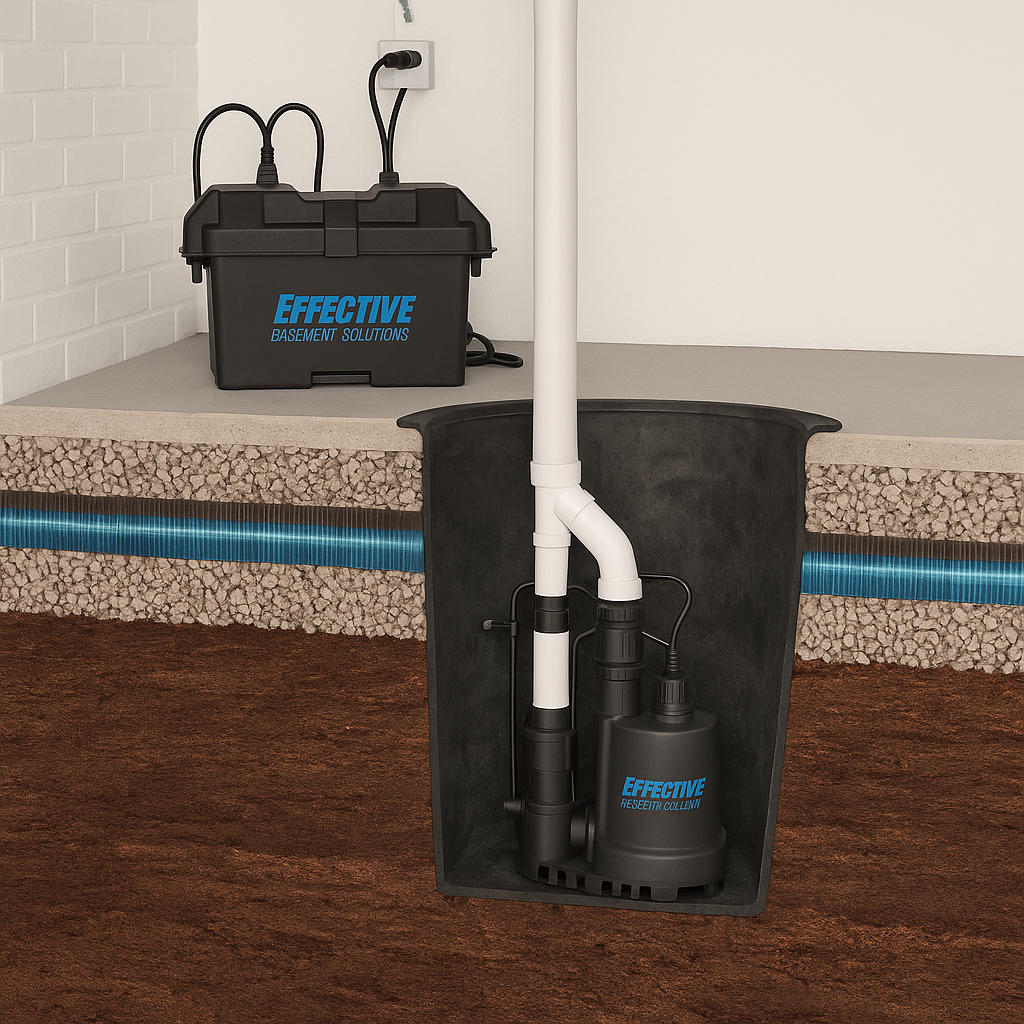
Sump pumps are a critical component in basement flood protection, especially in areas prone to heavy rainfall and high water tables like New Jersey. These devices function by collecting excess water that has accumulated in a sump basin, typically located in the lower part of the basement, and pumping it outside away from the foundation. By effectively managing water intrusion, sump pumps prevent flooding and water damage while safeguarding your home’s structural integrity. Moreover, professional installation ensures that the system works reliably—an essential factor for any homeowner looking to protect their property.
Types of Sump Pumps: Submersible vs. Pedestal
Submersible Sump Pumps
Submersible sump pumps are installed below the water line inside the sump basin, submerged in the water they pump. They offer several benefits, including quieter operation since the motor is underwater and insulated by the basin. Submersible pumps are generally more powerful and capable of handling larger volumes of water, making them ideal for high water table areas. Their design allows them to be hidden from view, preserving the aesthetics of finished basements. However, the motor’s submerged position makes maintenance, such as cleaning or repairs, more difficult and potentially costly. Additionally, these pumps often come with a higher upfront price compared to pedestal models.
Pedestal Sump Pumps
In contrast, pedestal sump pumps feature a motor mounted above the sump basin, which stays dry, while only the pump impeller is submerged. This configuration makes pedestal pumps easier to service and maintain since the motor is accessible without removing it from the basin. They typically boast a longer lifespan due to the motor remaining dry during operation. Pedestal pumps are usually less expensive than submersible options, making them attractive for budget-conscious homeowners. However, they tend to be louder during operation, less powerful for heavy pumping needs, and the exposed motor can be an eyesore in finished basements.
Which Type Is Best for NJ Homes?
For New Jersey homeowners, the choice between submersible and pedestal sump pumps depends largely on basement type and flood risk. Submersible pumps are frequently recommended for finished basements, where quiet operation and aesthetics matter, as well as for areas prone to high water tables and frequent flooding requiring powerful pumping capability. Pedestal pumps are a suitable choice for unfinished basements or crawl spaces where noise and appearance are less of a concern and when the budget is limited. Consulting with a sump pump contractor NJ can help determine the best option tailored to your home’s needs.
Installation Procedures:
The installation of a sump pump involves several key steps to ensure optimal performance. Initiating with a thorough site assessment is vital for understanding the water flow and determining the appropriate pump size and type for installation. This is followed by digging a sump basin in a suitable location, ensuring the system is deep enough to collect water effectively. The next step includes placing the sump pump within the basin and connecting it to the discharge line, which directs water away from the house. Finally, testing the system ensures it operates properly by simulating conditions that mimic rain or groundwater influx.
The Sump Pump Installation Process: Step-by-Step
Site Assessment and Sump Pit Location
The process begins with a professional evaluation of your basement and property to identify areas where water accumulates or invades. This assessment determines the best location for the sump pit, typically in the lowest point of the basement floor or near foundation drains to optimize water collection.
Excavation and Pit Installation
Once the location is confirmed, excavation starts. A hole is dug to create the sump pit, which is lined with a durable sump basin designed to hold the pump and collected water. This step requires careful attention to soil conditions and stability.
Pump Placement and Discharge Line Setup
The chosen sump pump—submersible or pedestal—is installed in the basin. The discharge pipe is connected, directing water safely away from the home’s foundation to prevent re-entry. The piping includes a check valve to stop backflow.
Testing and Final Inspection
After installation, the system undergoes rigorous testing. Water is added to the basin to ensure the pump activates correctly, discharging water efficiently away from the home. A final inspection guarantees compliance with local regulations and best practices.
Typically, professional sump pump installation in NJ takes between 4 to 8 hours depending on complexity. Homeowners should be aware that permits may be required in New Jersey for sump pump installation, depending on local ordinances. Your sump pump contractor NJ will manage these requirements and inform you of what to expect during the installation process.
Maintenance Tips:
Regular maintenance is crucial for keeping your sump pump operational and ensuring it effectively mitigates flooding risks. Homeowners should check the pump at least once a year, inspecting for any debris or blockages in the sump basin. It’s also important to test the float switch, ensuring it moves freely and activates the pump appropriately. For added reliability, consider a backup power source, especially in areas prone to severe weather. Additionally, clean the pump annually and check the discharge line to prevent clogs, which can lead to catastrophic failures during heavy rains.
Necessary Equipment:
When it comes to sump pump installation, having the right equipment is essential. Homeowners should consider the following necessary components for effective installation:
- Sump Pump: Choose between submersible and pedestal sump pumps based on your basement’s needs.
- Sump Basin: A strong, durable basin to hold the pump. It should be large enough to accommodate water accumulation.
- Discharge Pipe: This pipe directs water from the sump pump away from your home’s foundation.
- Check Valve: Prevents water from flowing back into the sump pump after it has been pumped out.
- Float Switch: A vital component that signals the pump to turn on and off based on water levels.
Common Issues Faced:
While sump pumps are generally reliable, several common issues may arise during their operation. These include:
- Power Outages: During storms, power outages can disable the pump, making battery backup systems essential for reliability.
- Clogs: Debris can clog the pump or the discharge line, leading to decreased efficiency or pump failure.
- Installation Errors: Improper installation can lead to systems that do not function correctly, emphasizing the need for professional installation.
- Wear and Tear: Over time, components can fail due to normal wear and tear, necessitating regular maintenance and inspections.
Battery Backup Sump Pump Systems: Your Safety Net
Battery backup sump pump systems are increasingly critical in New Jersey due to frequent power outages caused by severe storms, especially when sump pumps are most needed. A battery backup ensures continued operation even when electricity is lost, safeguarding your basement from flooding during critical events.
How Battery Backup Systems Work
These systems typically include a secondary pump powered by a battery. The backup pump activates automatically if the primary pump fails or loses power. The battery is connected to a charger that maintains its charge when mains power is available, providing instant backup when required.
Battery Types and Runtime
Common battery types include deep cycle marine batteries, which are robust and designed for long discharge cycles, and maintenance-free sealed batteries which require less upkeep. Runtime depends on battery capacity and pump demand but typically ranges from 4 to 10 hours of operation, sufficient for most power outages. Homeowners should consult a qualified sump pump contractor NJ to select the appropriate backup system for their needs.
Maintenance Tips for Backup Systems
Battery backup systems require regular inspection to maintain reliability. Batteries should be tested every 3 to 6 months for charge capacity. Terminals must be kept clean and connections secure. Replace batteries according to manufacturer recommendations, usually every 3 to 5 years, to ensure the backup system is ready when needed.
What Causes Basement Flooding in New Jersey and How Can a Sump Pump Help?
Basement flooding in New Jersey is often caused by heavy rainfall, snowmelt, or groundwater high levels, particularly in low-lying areas. Hydrostatic pressure, which occurs when water accumulates around the foundation, can force water through cracks and porous materials in the basement walls. A sump pump helps alleviate these dangers by removing the accumulated water before it reaches a damaging level. The mechanism of the pump involves not just the removal of water, but also the prevention of potential mold issues, safeguarding your family’s health in the process.
Sump Pump Replacement: When to Upgrade Your System
Average Lifespan of a Sump Pump
Most sump pumps have a lifespan of approximately 7 to 10 years, depending on usage frequency, maintenance, and environmental conditions. Homeowners should be mindful of their pump’s age and performance to anticipate replacement needs.
Warning Signs Your Sump Pump Needs Replacement
Key indicators include persistent cycling on and off, failure to activate during water accumulation, excessive noise, visible corrosion, or signs of rust and leaking. If you experience frequent mechanical breakdowns or your pump struggles with usual water volumes, it is wise to consult with a sump pump contractor NJ about replacement.
Benefits of Upgrading to a Modern System
New sump pumps incorporate advanced technology for improved efficiency, quieter operation, and longer durability. Modern models often have energy-efficient motors, advanced float switches, and integration capabilities with smart home systems for alerts. Upgrading can reduce maintenance frequency and enhance flood protection reliability.
Which Are the Best Sump Pump Brands for Basement Protection in NJ?
Choosing the right sump pump can be a daunting task, given the variety of brands available. Some of the best sump pump brands recommended for basement flood protection in New Jersey include:
- Zoeller: Known for its reliability and performance.
- Wayne: Offers energy-efficient models with excellent warranties.
- Liberty Pumps: Provides a range of options from premium to budget-friendly models.
Each of these brands features various models catering to different needs, ensuring homeowners can find a suitable option based on their specific requirements.
How Much Does Professional Sump Pump Installation in NJ Cost?
The cost of professional sump pump installation in New Jersey varies based on several factors, including the type of pump, the complexity of the installation, and the regional labor rates. Generally, homeowners can expect to pay between $1,200 and $2,500 for a complete installation, which includes the pump, basin, discharge system, and labor. While this investment can seem significant, the protection it offers against potential water damage makes it invaluable. For comprehensive solutions, consider exploring Effective Basement Solutions, which offers various waterproofing services.
Available Financing and Insurance Options for Basement Waterproofing
Homeowners often worry about the costs associated with sump pump installation, but there are various financing options available to ease this burden. Many banks offer home improvement loans specifically for the purpose of basement waterproofing. Additionally, some insurance policies may cover a portion of the installation costs or provide reimbursement for water damage repairs, depending on your policy specifics. It’s essential to review your options to secure the most cost-effective arrangement.
What Are the Steps for Professional Sump Pump Installation and Maintenance?
Professional sump pump installation and maintenance involve clear, structured steps that homeowners can expect:
- Assessment: Evaluate potential water intrusion sites and select the correct pump.
- Installation: Fit the sump basin and connect the pump and discharge piping.
- Testing: Ensure the system works properly by simulating flooding conditions.
- Maintenance: Regular inspections and cleaning to keep the pump operational.
Each step is crucial to ensuring that your sump pump functions effectively to protect your home from flooding.
Recommended Maintenance Schedule and Emergency Repair Services
To keep your sump pump running efficiently, homeowners should adhere to a recommended maintenance schedule. This includes:
- Monthly Check: Ensure the pump is clean and operational.
- Seasonal Inspections: Check the pump and discharge line before wet seasons.
- Emergency Repairs: Know local emergency repair services to get immediate help when issues arise.
It’s also beneficial to establish a relationship with a reliable local waterproofing company that can assist with any unexpected repairs. For comprehensive basement waterproofing services, consider consulting professionals who understand the local climate challenges.
| Service Type | Frequency | Action Required |
|---|---|---|
| Monthly Check | Monthly | Inspect pump and clean |
| Inspection | Seasonally | Check functionality pre-rainy season |
| Emergency Repairs | As Needed | Contact local service immediately |
This schedule will keep your sump pump in optimal condition, providing peace of mind against potential flooding.
How to Handle Emergency Basement Water Removal in New Jersey?
When water intrusion occurs, immediate action is essential to minimize damage. Homeowners should first turn off electrical supplies to the basement and contact a local emergency water removal service. If feasible, utilizing a wet/dry vacuum can help remove smaller amounts of water temporarily until professional help arrives. Additionally, understanding the extent of the damage is necessary for insurance claims and future prevention planning.
Signs You Need Emergency Sump Pump Repair or Water Removal
Recognizing the signs that you may need emergency sump pump repair or water removal is crucial. Look for:
- Unusual Sounds: Loud noises from your sump pump can indicate mechanical issues.
- Water Accumulation: If water begins to accumulate in your basin more than usual, it can signal a failing pump.
- Frequent Cycling: If your pump cycles too frequently, it may be working harder than necessary, indicating a potential problem.
Act promptly to address these issues to prevent further damage.
Choosing Reliable Emergency Waterproofing Services Near Me in NJ
When selecting emergency waterproofing services, consider the following criteria:
- Experience: Look for companies with a history of successful flood prevention solutions.
- Reputation: Check customer reviews and testimonials to gauge reliability and service quality.
- Certifications: Ensure that the service provider is certified and insured, providing peace of mind during emergencies.
Opt for a local company familiar with the unique challenges posed by New Jersey’s climate, as they can provide the most effective strategies for prevention.
What Basement Waterproofing Solutions Complement Sump Pump Installation?
To enhance the effectiveness of sump pump installations, several complementary waterproofing solutions can be employed. French drains, for example, help direct groundwater away from the foundation, reducing pressure on the sump pump. Additionally, sealing basement walls and floors with hydraulic cement can further prevent water infiltration. Each of these methods works synergistically with sump pumps to ensure maximum protection from flooding.
Effective Basement Waterproofing Methods to Prevent Flood Damage
Incorporating effective basement waterproofing methods can significantly reduce the risk of flood damage. Key strategies include:
- Proper Grading: Ensure the landscaping slopes away from the foundation.
- Installing Gutters: Properly functioning gutters and downspouts prevent water from pooling near the foundation.
- Waterproof Coatings: Using waterproof paint or sealants on basement walls keeps moisture at bay.
Adopting these methods alongside sump pump installation fortifies your basement against potential water damage.
How Waterproofing Reduces Mold and Moisture Risks After Flooding
Waterproofing not only prevents flooding but also plays a vital role in reducing mold and moisture risks. Mold thrives in damp environments, and even small amounts of standing water can promote rapid mold growth. Implementing efficient waterproofing methods eliminates excess moisture, thereby minimizing the chances of mold outbreaks. Long-term health can be safeguarded by ensuring a dry environment and routine maintenance of waterproofing systems.
Related Basement Protection Services
To achieve the best protection for your basement, sump pump installation should be combined with other core waterproofing services. For comprehensive basement protection, consider our basement waterproofing services in Union County, NJ. If you’re experiencing foundation issues, explore our foundation repair solutions in Union County. For exterior drainage solutions, learn about our French drain installation services in Union County. To protect your crawl space, see our crawl space encapsulation services in Union County.
Service Areas Across Union County, NJ
Clark, NJ: Clark residences often face flooding risks due to seasonal storms and the area’s soil composition, making sump pump installation an important preventive measure.
Cranford, NJ: Cranford’s mix of older homes and newer developments requires customized sump pump solutions to ensure long-lasting basement flood protection.
Westfield, NJ: Homes in Westfield benefit from professional sump pump systems due to high water tables and frequent spring rains common to the area.
Scotch Plains, NJ: Scotch Plains homeowners increasingly utilize sump pumps alongside waterproofing techniques to combat groundwater intrusion and preserve home value.
Frequently Asked Questions (FAQ)
How long does sump pump installation take?
Professional sump pump installation typically takes between 4 to 8 hours depending on the complexity of the basement and the required system.
Do I need a permit for sump pump installation in NJ?
Permit requirements vary by municipality in New Jersey. Most professional sump pump contractors NJ will handle obtaining any necessary permits during installation.
How often should I test my sump pump?
It is recommended to test your sump pump at least once every three months to ensure it is working properly, especially before the rainy season.
What size sump pump do I need for my basement?
Sump pump size depends on factors such as the amount of water inflow expected and basin size. A contractor can recommend the appropriate horsepower based on your home’s specific needs.
Can I install a sump pump myself or should I hire a contractor?
While DIY installation is possible for some experienced homeowners, hiring a professional sump pump contractor NJ is advised to ensure compliance with local codes, proper setup, and reliable operation.
Why Choose Effective Basement Solutions for Your NJ Sump Pump Installation?
Choosing the right professionals for your sump pump installation is as crucial as the quality of the pump itself. Effective Basement Solutions specializes in basement waterproofing and foundation repair services in New Jersey. Their expertise ensures that each installation is tailored to the specific environmental challenges of your area, providing peace of mind and robust flood protection for your home.
Free Inspection Offer and Personalized Flood Risk Assessment
Effective Basement Solutions offers a free inspection to evaluate your basement’s flood risk. Through a thorough assessment, their experts can identify potential vulnerabilities and recommend tailored solutions to protect your home effectively. This personalized approach ensures that each client receives the necessary support to address their specific needs.
Customer Testimonials and Proven Flood Protection Success Stories
Homeowners who have partnered with Effective Basement Solutions often share positive experiences, emphasizing the effectiveness of their services. Numerous testimonials highlight the company’s dedication to quality installations and responsive customer service. These success stories demonstrate the value of investing in professional sump pump installation and basement waterproofing, showcasing tangible results that protect homes from flooding.