Basement Waterproofing Parsippany NJ | Effective Basement Solutions: Comprehensive Guide to Protect Your Home
Basement waterproofing is essential for homeowners in Parsippany, NJ, as it protects against water intrusion and potential damage. This comprehensive guide will explore the causes of basement leaks, effective prevention methods, and the various waterproofing solutions available. Homeowners often face challenges such as mold growth, structural damage, and decreased property value due to water issues. Understanding how to address these problems can save time and money in the long run. In this article, we will cover the common causes of basement leaks, the benefits of sump pump installation, the costs associated with waterproofing, and how to choose the right service provider.
What Causes Basement Leaks in Parsippany and How Can They Be Prevented?
Basement leaks can arise from various sources, primarily due to hydrostatic pressure and foundation issues. Understanding these causes is crucial for effective prevention. Water intrusion can lead to significant damage, including mold growth and structural instability. By implementing preventive measures, homeowners can protect their basements from moisture-related problems.
Common Basement Leak Sources and Moisture Issues in Parsippany Homes
In Parsippany, common sources of basement leaks include:
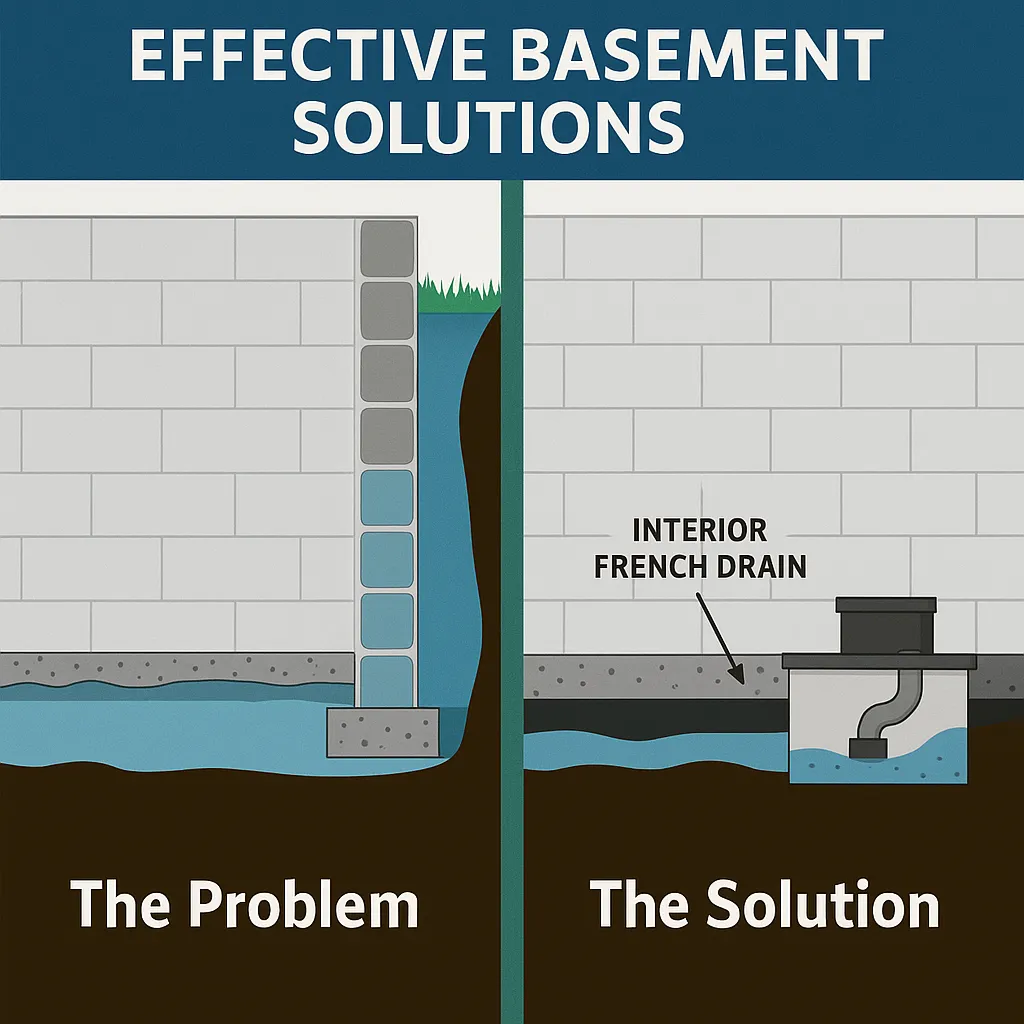
- Hydrostatic Pressure: This occurs when water in the soil exerts pressure on foundation walls, leading to cracks and leaks.
- Foundation Cracks: Over time, foundations can develop cracks due to settling or shifting, allowing water to seep in.
- Poor Drainage: Inadequate drainage systems can cause water to pool around the foundation, increasing the risk of leaks.
Addressing these issues early can prevent costly repairs and maintain a dry, safe basement.
Understanding the science behind hydrostatic pressure and its impact on basement integrity is crucial for effective waterproofing strategies.
Waterproofing Membranes & Hydrostatic Pressure for Basements
A test method is proposed to assess the vapour and water permeability of waterproofing membranes under hydrostatic pressure. The novelty of the method is that for a given basement, the test method can be used to determine the required permeability of the waterproofing membrane.
Proposed performance-based laboratory test method for measuring vapour and water permeability of waterproofing membranes under hydrostatic pressure, 2004
Effective Moisture Control Techniques for New Jersey Basements
To effectively control moisture in basements, homeowners can employ several techniques:
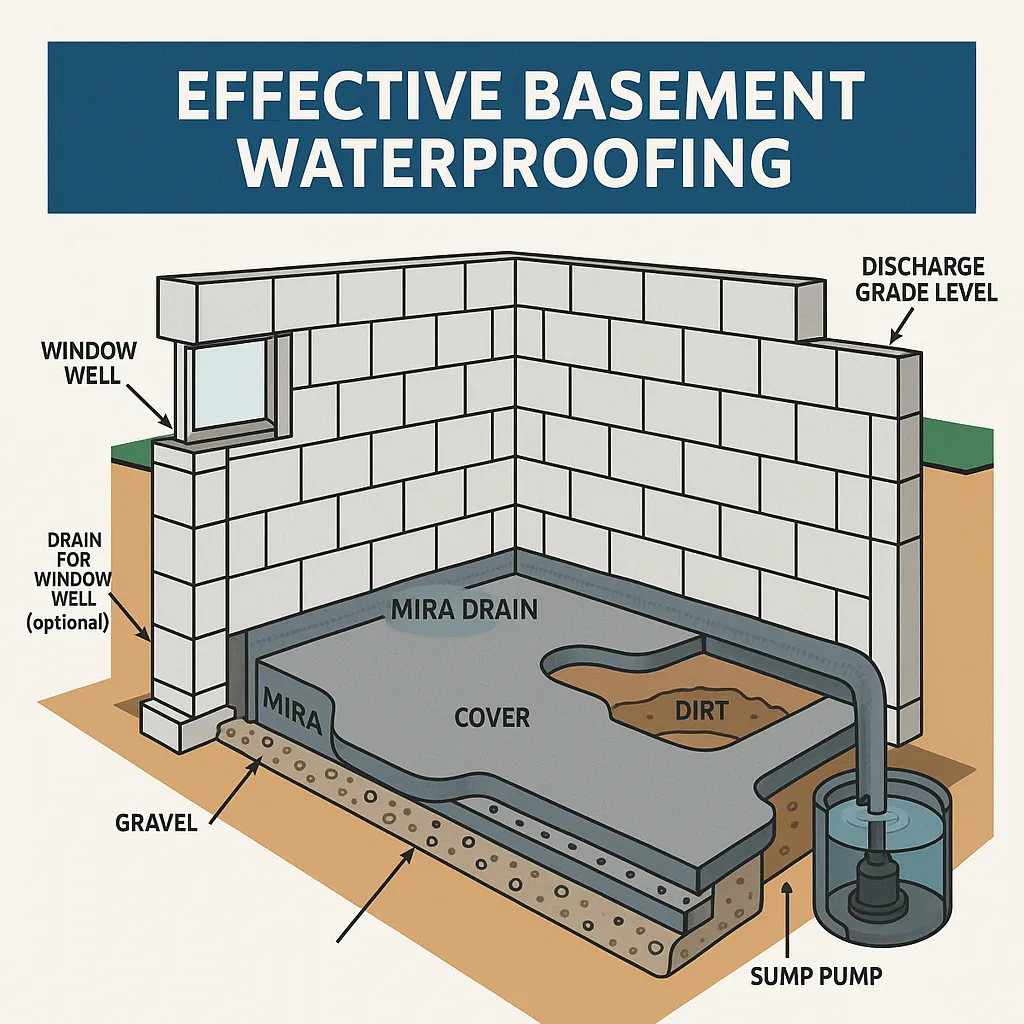
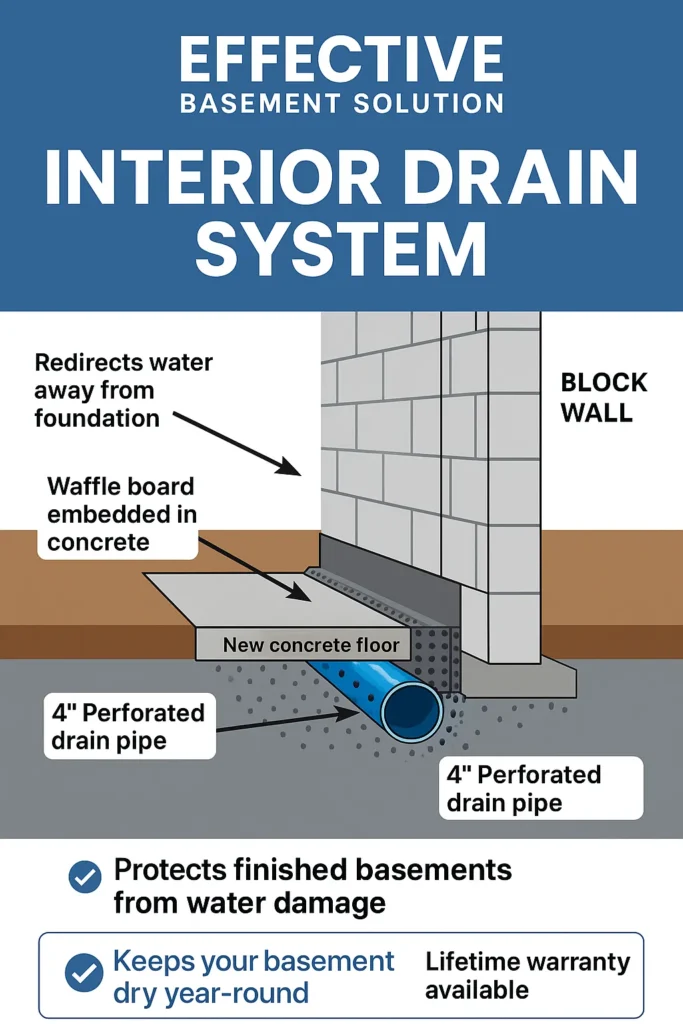
- Interior French Drains: These systems collect water and direct it away from the foundation, reducing hydrostatic pressure.
- Sump Pumps: Installing a sump pump can actively remove water that accumulates in the basement, preventing flooding.
- Dehumidification Systems: Using dehumidifiers helps maintain optimal humidity levels, reducing the risk of mold growth.
Implementing these moisture control techniques can significantly enhance the protection of basements in New Jersey.
Innovative drainage solutions, such as French drains, play a vital role in managing stormwater and preventing water accumulation around foundations.
Residential Stormwater Management with French Drain Driveways
By developing an easy-to-incorporate drainage system, a large portion of stormwater that would normally flow into the street can be contained within the property beneath the driveway. The goal is to design a system which can perform its double-duty of being a residential driveway as well as being a stormwater containment and infiltration system with enough void volume to accommodate most, if not all, rainstorm events.
Designing a Modular French Drain Driveway: Addressing the Impact of Stormwater Runoff from Residential Communities, 2023
How Does Sump Pump Installation Protect Your Parsippany Basement?
Sump pump installation is a critical component of basement waterproofing, providing active water removal and protection against flooding. Understanding the benefits of sump pumps can help homeowners make informed decisions about their basement protection strategies.
Benefits of Sump Pumps for Basement Flood Prevention
Sump pumps offer several key benefits:
- Automatic Operation: Most sump pumps operate automatically, activating when water levels rise, ensuring continuous protection.
- Mold Prevention: By keeping basements dry, sump pumps help prevent mold growth, which can pose health risks.
- Long-Term Cost Savings: Investing in a sump pump can save homeowners from expensive repairs associated with water damage.
These benefits make sump pumps an essential part of any basement waterproofing plan.
Further research supports the significant role of sump pumps in mitigating water intrusion and protecting residential properties.
Sump Pump Effectiveness for Residential Infiltration/Inflow Reduction
City of Columbus, Ohio has chosen a source control approach to solve wet weather sanitary sewer overflow problems and achieve Ohio EPA consent decree requirements. The source control approach includes lining private sanitary laterals, redirecting roof downspouts to streets, and installing voluntary sump pumps in residential homes. Past studies and monitoring have demonstrated the effectiveness of lateral lining on reducing private source infiltration/inflow (I/I), however not sufficient monitoring has been performed on effectiveness of sump pump.
Monitoring Effectiveness of Sump Pump on Reducing Private Infiltration/Inflow, 2018
When Is Sump Pump Installation Necessary in Parsippany Homes?
Sump pump installation is particularly necessary in the following situations:
- Recurring Water Issues: Homes that experience frequent flooding or water accumulation should consider installing a sump pump.
- High Water Table Conditions: Properties located in areas with high water tables are at greater risk for basement flooding and can benefit from sump pump systems.
Recognizing these conditions can help homeowners take proactive measures to protect their basements.
What Are the Costs and Options for Basement Waterproofing in Parsippany NJ?
Understanding the costs and options for basement waterproofing is essential for homeowners looking to protect their properties. Various methods are available, each with its own cost implications.
Understanding Waterproofing Basement Cost Factors in Parsippany
Several factors influence the cost of basement waterproofing, including:
- Size of the Basement: Larger basements typically require more materials and labor, increasing overall costs.
- Extent of Damage: Homes with significant water damage may require more extensive repairs, impacting the final price.
- Type of Waterproofing Method: Different methods, such as interior or exterior waterproofing, come with varying costs.
By understanding these factors, homeowners can better prepare for the financial aspects of waterproofing.
Comparing Basement Waterproofing Methods and Warranties
When considering waterproofing options, homeowners should compare different methods and their associated warranties. Common methods include:
| Method | Cost Range | Warranty Length |
|---|---|---|
| Interior Waterproofing | $1,500 – $3,000 | 5-10 years |
| Exterior Waterproofing | $3,000 – $6,000 | 10-20 years |
| Sump Pump Installation | $1,000 – $2,500 | 5-10 years |
This comparison highlights the importance of selecting a method that fits both budget and long-term protection needs.
How Does Foundation Waterproofing Enhance Basement Protection in Parsippany?
Foundation waterproofing is a vital aspect of basement protection, enhancing structural integrity and preventing water intrusion. Understanding its benefits can help homeowners make informed decisions about their waterproofing strategies.
Signs You Need Foundation Waterproofing Services
Homeowners should be aware of the following signs that indicate the need for foundation waterproofing:
- Visible Water Stains: Stains on walls or floors can indicate water intrusion and the need for waterproofing.
- Musty Odors: Persistent musty smells often signal mold growth due to moisture issues.
- Mold Growth: The presence of mold is a clear indicator that waterproofing measures are necessary.
Recognizing these signs early can prevent further damage and costly repairs.
Foundation Repair and Waterproofing Solutions Offered by Effective Basement Solutions
Effective Basement Solutions provides comprehensive waterproofing services, including:
- Comprehensive Waterproofing Services: Tailored solutions to address specific moisture issues in basements.
- Sump Pump Installation: Professional installation of sump pumps to ensure effective water removal.
- Structural Reinforcement Techniques: Methods to strengthen foundations and prevent future water intrusion.
These services are designed to provide homeowners with peace of mind and a dry, safe basement.
What Are the Best Practices for Basement Leak Repair in Parsippany?
Repairing basement leaks requires a systematic approach to ensure long-lasting results. Understanding best practices can help homeowners effectively address leaks and prevent future issues.
Step-by-Step Basement Leak Repair Process
The process for repairing basement leaks typically involves:
- Diagnosing the Source: Identifying the exact location and cause of the leak is crucial for effective repair.
- Choosing Repair Materials: Selecting appropriate sealants and materials is essential for a successful repair.
- Applying the Repair Material: Proper application techniques ensure that the repair is effective and durable.
Following these steps can lead to successful leak repairs and a more resilient basement.
Preventing Mold and Structural Damage After Leak Repair
After repairing leaks, homeowners should take steps to prevent mold and structural damage:
- Controlling Humidity: Maintaining low humidity levels can help prevent mold growth.
- Ensuring Good Ventilation: Proper airflow is essential for drying out any residual moisture.
- Regular Inspections: Periodic checks can help identify potential issues before they escalate.
Implementing these strategies can protect the integrity of the basement after repairs.
How to Choose the Right Basement Waterproofing Service in Parsippany NJ?
Selecting the right basement waterproofing service is crucial for effective protection. Homeowners should consider several factors when making their choice.
Evaluating Local Waterproofing Contractors and Service Quality
When evaluating contractors, homeowners should consider:
- Accreditation and Certifications: Ensure the contractor has the necessary qualifications and licenses.
- Experience in Local Area: Local contractors are often more familiar with regional issues and solutions.
- Warranty Terms: Understanding warranty coverage can provide insight into the contractor’s confidence in their work.
These criteria can help homeowners find a reliable and effective waterproofing service.
Importance of Free Inspections and Customized Solutions
Free inspections are a valuable service offered by many contractors, allowing homeowners to receive tailored solutions based on their specific needs. Benefits include:
- Thorough Assessment: A detailed evaluation of the basement can identify potential issues.
- Tailored Repair Plans: Customized solutions ensure that the unique needs of each basement are addressed.
- Building Homeowner Confidence: Free inspections can help homeowners feel more secure in their decision-making process.
By prioritizing these factors, homeowners can choose a waterproofing service that meets their needs effectively.