
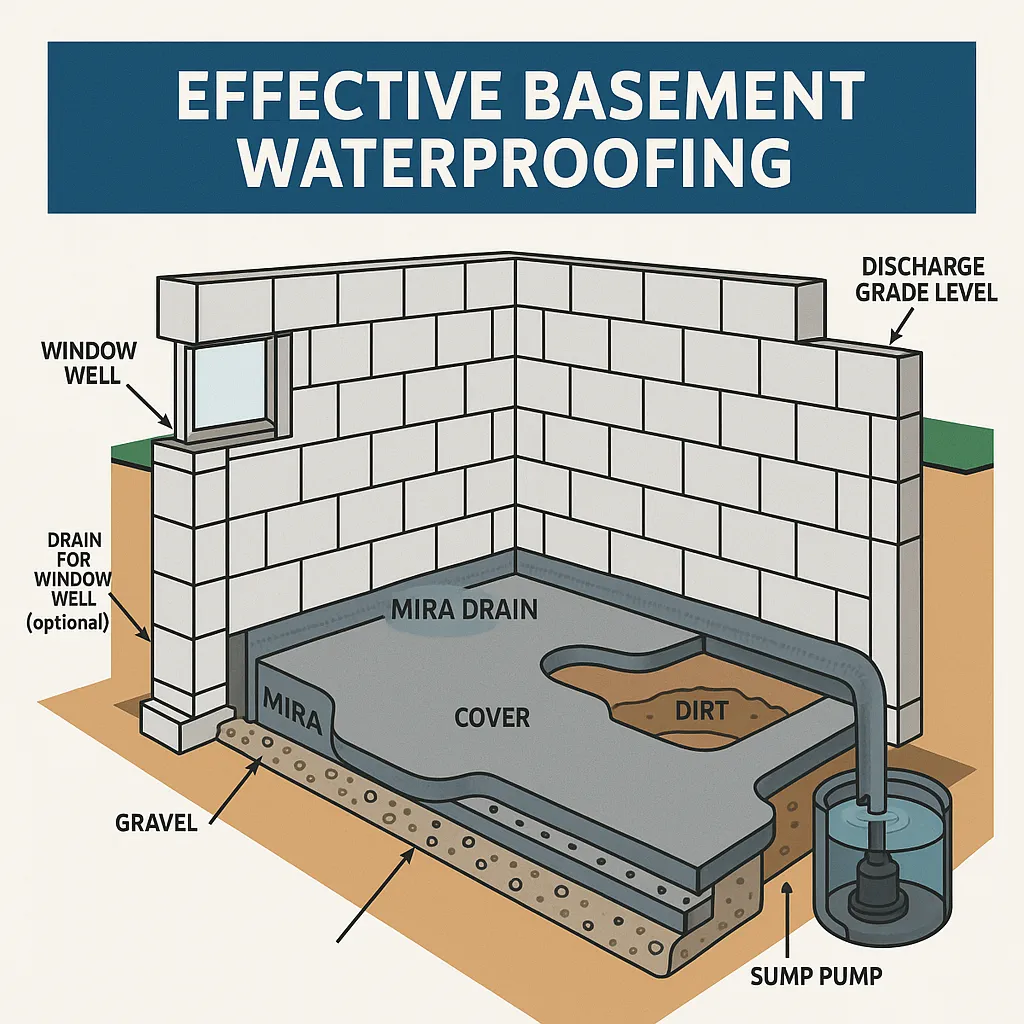
Basement Waterproofing in Mountainside, NJ: Trusted French Drain & Wet-Basement Repair
Living in Mountainside, NJ means dealing with seasonal moisture and groundwater that can threaten both your home’s structure and your family’s health. This guide explains what causes basement leaks, the repair options that actually work, and why a professional approach matters. You’ll find clear information about French drains, sump pumps, moisture-control strategies, typical costs, and financing options so you can make an informed decision to keep your basement dry.
Stopping water intrusion protects a building’s structure and helps prevent health issues from mold and damp conditions.
Preventing Basement Leaks: Structural & Health Benefits of Waterproofing
Water leakage is a leading cause of common building defects. It causes dampness, metal corrosion, fungal growth, and deterioration of concrete, and it also harms a structure’s appearance. Moisture creates unpleasant living conditions and can negatively affect occupants’ health. Preventing leakage can eliminate a large share of building defects, so choosing the right waterproofing method is critical to a structure’s safety and longevity.
Comparative study of conventional and modern waterproofing techniques, AN Ghadge, 2016
What Causes Basement Water Leaks in Mountainside, NJ?
Basement leaks in Mountainside usually come down to a few common problems: hydrostatic pressure, poor surface drainage, and blocked gutters. Hydrostatic pressure builds when groundwater surrounds the foundation and presses against walls and floors, forcing water through cracks. Improper grading or landscaping can send surface water toward your home instead of away from it. Clogged gutters and downspouts allow water to overflow and pool at the foundation, worsening the problem.
Common Sources of Basement Moisture and Water Intrusion
Identifying where moisture comes from is the first step in stopping it. Typical sources include:
- Hydrostatic Pressure : Groundwater that accumulates around the foundation creates pressure that can push water through joints and tiny cracks.
- Foundation Cracks : Cracks in walls or footings let water in, especially during heavy rain or rapid snowmelt.
- Plumbing Leaks : Leaking pipes, fixtures, or appliance connections introduce moisture inside the basement and raise humidity.
Once you pinpoint the source, you can choose targeted repairs rather than temporary fixes.
How Rising Groundwater Levels Impact Basements in Mountainside
When groundwater rises, hydrostatic pressure increases and the risk of seepage grows. Local soils — particularly clay or saturated ground — hold water close to the foundation and slow drainage, making problems worse. Improper grading, missing downspout extensions, and poor site drainage further increase the chance of basement flooding.
In many cases homeowners can limit risk through repeated short-term measures such as regrading and adding surface drains, but persistent high water tables usually require a planned waterproofing approach that addresses both surface and subsurface drainage.
How Does French Drain Installation Prevent Basement Flooding?
A French drain reduces hydrostatic pressure by collecting groundwater and channeling it away from your foundation. The system uses a perforated pipe surrounded by gravel (and often wrapped in filter fabric) to capture water and move it to a safe outlet. Properly installed, a French drain lowers the water table around the foundation and cuts the chance that water will force its way into your basement.
Typical installation steps include excavating a trench at or just below footing level, placing filter fabric and drainage aggregate, installing the perforated pipe with the correct slope, and connecting the outlet to an approved discharge point. Installation timing and complexity vary by site conditions; contractors usually assess access, existing landscaping, and the building foundation before recommending the optimal layout and schedule.
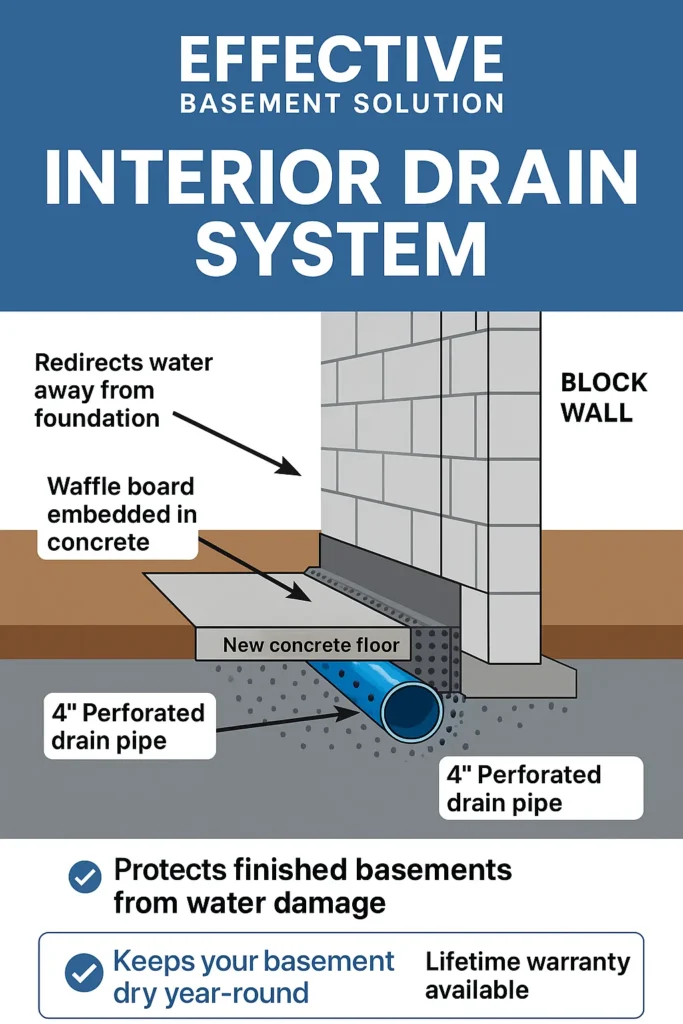
Key Components and Functionality of French Drain Systems
A typical French drain relies on a few essential parts that work together to control moisture:
- Perforated Pipe : Collects groundwater and routes it away from the foundation.
- Drainage Gravel : Surrounds the pipe to promote flow and keep debris from settling in.
- Filter Fabric : Prevents soil from clogging the gravel and pipe, helping the system last longer.
Knowing these components helps you appreciate why correct installation and maintenance matter.
For long-term performance, inspect the visible parts of exterior drains seasonally and confirm that outlet points remain clear. Interior tie-ins should be checked after heavy storms; if you notice slow drainage or standing water, have a professional evaluate possible blockages or settling.
Benefits of Hiring French Drain Contractors in Mountainside, NJ
Bringing in experienced local contractors delivers several key advantages:
- Expertise and Local Knowledge : Contractors familiar with Mountainside understand soil types, seasonal water behavior, and effective local solutions.
- Quality Installation : Professionals follow proper drainage profiles, materials specs, and installation techniques to avoid common failures.
- Long-Term Protection : A correctly installed system reduces future risk and gives you reliable, lasting performance.
Effective Basement Solutions specializes in these services and helps homeowners get durable protection from basement flooding.
When you request estimates, expect the contractor to provide a written scope that explains materials, access requirements, expected timelines, and warranty terms. Clear documentation makes it easier to compare bids and confirm that proposed solutions match the identified cause of wetness rather than treating symptoms alone.
What Are Effective Wet Basement Repair Techniques in Mountainside, NJ?
Several proven techniques address wet basements depending on the cause and severity:
- Sump Pump Installation : Removes collected water automatically to prevent standing water and lower humidity.
- French Drain Installation : Redirects groundwater away from the foundation to reduce pressure and seepage.
- Crawl Space Encapsulation : Seals and conditions the crawl space to stop moisture migration into living areas.
These solutions can be combined and customized for the best long-term results.
A common approach pairs an exterior French drain with an interior sump and lined discharge to handle both subsurface flow and incidental interior seepage. Crawl space encapsulation is often added where vapor migration or high humidity is a persistent concern, improving whole-house indoor air quality and energy performance when integrated properly.
Comparing Interior and Exterior Waterproofing Solutions
Waterproofing can be handled from the inside or the outside, and each approach has a different focus:
- Interior Waterproofing : Manages water that has already entered — usually with sump pumps, interior drains, and sealants.
- Exterior Waterproofing : Prevents water from reaching the foundation by excavating, installing membranes, and improving exterior drainage.
Exterior work tends to cost more because of excavation, but it often provides the most complete protection. Interior systems are effective where excavation isn’t feasible or as a less invasive alternative.
To decide which approach fits your property, evaluate long-term goals, landscaping impacts, and whether the source of water is surface runoff or a high water table. A combined strategy may be the best trade-off between cost and durability for many homes in the region.
Role of Basement Sump Pump Installation in Moisture Control
A sump pump is a frontline defense: it removes water that collects in the sump basin and prevents flooding during heavy rain or rapid snowmelt. By keeping standing water out of the basement, sump pumps also reduce humidity and the risk of mold. Regular testing and a properly routed discharge line ensure dependable performance when you need it most.
Consider discussing backup options with your contractor so the pump will continue working during power outages. Simple safeguards and a tested discharge route reduce the chance of failure at critical times.
How Can Homeowners Control Basement Moisture and Prevent Mold Growth?
Homeowners can take practical steps to reduce moisture and stop mold before it starts:
- Control Indoor Humidity : Keep indoor humidity below 60% — lower if anyone in the home has allergies or asthma.
- Ensure Proper Ventilation : Good airflow dries damp spots and prevents moisture buildup.
- Regular Inspections : Check for leaks, stains, and musty odors so problems are caught early.
Combining these habits with structural waterproofing gives the best protection against mold and moisture.
Understanding Basement Moisture Science and Mold Risks
Moist basements create the ideal conditions for mold, which can harm indoor air quality and trigger respiratory problems and allergies. Mold needs moisture, food (building materials), and the right temperature to grow — so controlling moisture is the most effective prevention strategy. Learn the warning signs of mold and act quickly to address moisture sources.
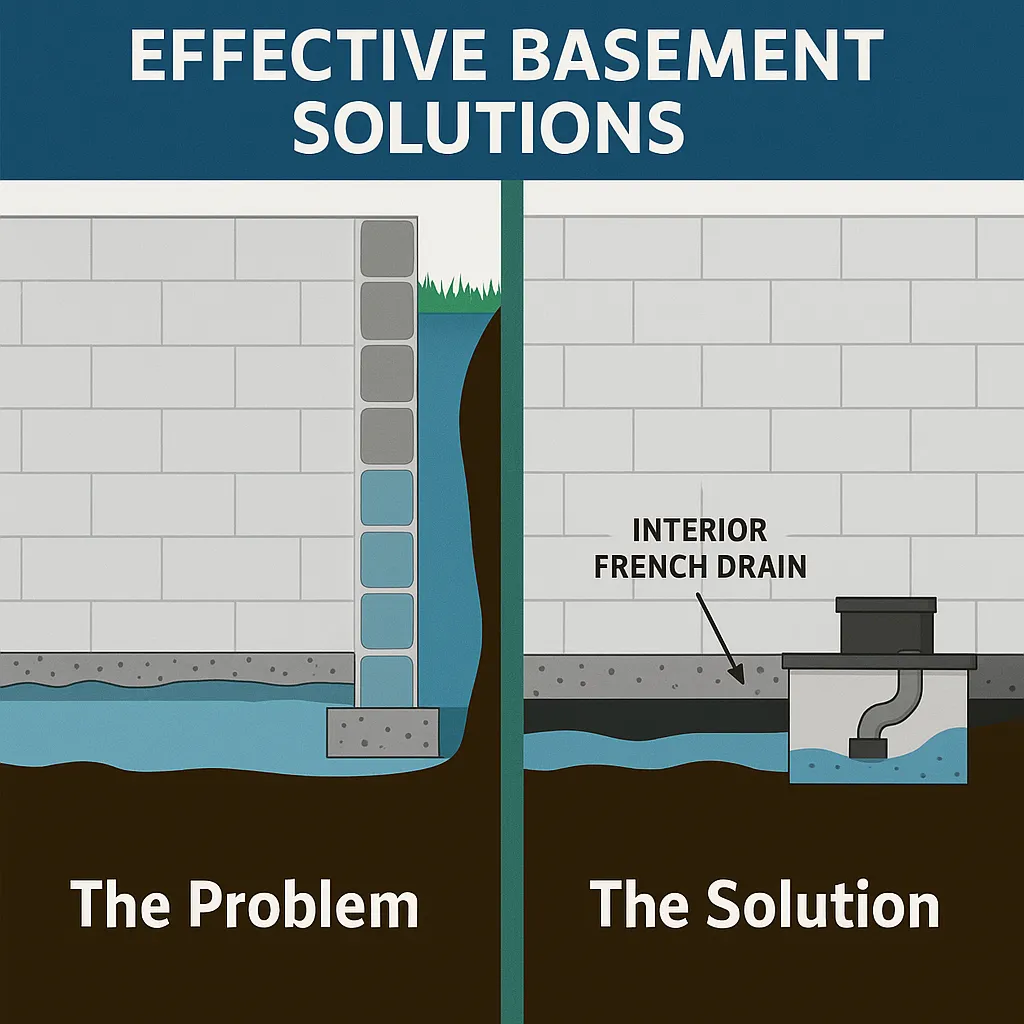
Practical Mold Prevention Strategies for Wet Basements
To reduce mold risk in a wet basement, consider these practical measures:
- Install Waterproofing Systems : A comprehensive system reduces the moisture that fuels mold growth.
- Maintain Humidity Levels : Use dehumidifiers during humid months to keep conditions dry.
- Improve Ventilation : Increase airflow in problem areas to help materials dry faster.
When combined, these steps form an effective defense against mold and moisture damage.
What Are the Costs and Financing Options for Basement Waterproofing in Mountainside, NJ?
The cost of basement waterproofing in Mountainside varies by approach and scope. Basic interior systems often start near $3,000, while full exterior membrane installs can exceed $20,000. Many companies provide free inspections and offer financing or payment plans to help spread the cost — ask for a detailed estimate to compare options.
When comparing quotes, request itemized proposals that list labor, materials, and warranties, plus any expected restoration work for landscaping or concrete. Timeline estimates and clear payment terms help you avoid surprises and choose a contractor offering a balance of quality and value.
Factors Influencing Basement Leak Repair Pricing
Several variables affect repair costs, including:
- Size of the Basement : Larger spaces typically need more materials and labor.
- Extent of Water Damage : Deeper or longer-standing damage requires more extensive repairs.
- Type of Waterproofing Method : Interior drainage, exterior membranes, and other approaches vary in material and labor expense.
Knowing these factors helps you budget and compare contractors’ proposals.
Available Financing Solutions for Waterproofing Projects
Homeowners can often choose from several financing options:
- Flexible Payment Plans : Contractors commonly offer plans that let you pay over time.
- Third-Party Financing Options : Lenders may provide loans tailored to home-improvement projects.
- Free Inspection Requirement : Many companies start with a free inspection so you understand the scope before committing funds.
Discuss financing early in the process to find a plan that fits your budget.
Which Local Regulations and Permits Affect Basement Waterproofing in Mountainside, NJ?
Local rules and permits can affect how waterproofing work is done. Common requirements include:
- Licensed Contractors Required : Many towns require licensed professionals for waterproofing and related construction.
- Minimum Slope Requirement : Proper grading is mandated to ensure water drains away from the foundation.
- Sump Pump Discharge Regulations : Local codes may limit where you can discharge sump water to avoid creating problems for neighbors or public drains.
Checking local rules early prevents delays and ensures the work meets code.
Overview of Mountainside, NJ Construction Codes for Waterproofing
Mountainside follows building codes that affect waterproofing methods and approvals. Key points include:
- Compliance with Local Codes : Ensure your contractor follows local standards for safety and effectiveness.
- Importance of Permits : Permits document legal compliance and can prevent future disputes when selling or insuring the home.
- Safety Regulations : Proper procedures protect both residents and workers during excavation and installation.
Working with a knowledgeable contractor simplifies meeting these requirements.
How to Obtain Necessary Permits for Basement Repairs
Getting the right permits usually involves a few straightforward steps:
- Request a Free Inspection : Many contractors start with a no-cost inspection to outline the work and permit needs.
- Prepare for the Inspection : Gather property documents, previous repair records, and any relevant plans.
- Coordinate with Local Authorities : Your contractor or you should contact the building department to confirm required permits and submission steps.
Following these steps helps move the project forward smoothly and legally.
Why Choose Effective Basement Solutions for Your Waterproofing Needs in Mountainside, NJ?
Choosing Effective Basement Solutions means working with a team focused on practical, long-lasting results:
- Expertise and Experience : The company knows local conditions and proven waterproofing techniques.
- Certified Technicians : Technicians are trained and certified to deliver consistent, code-compliant work.
- Tailored Solutions : Plans are customized to each home’s needs rather than one-size-fits-all fixes.
Those qualities make Effective Basement Solutions a dependable choice for protecting homes from water damage.
Customer Testimonials and Successful Case Studies
Homeowners consistently praise the company’s professionalism and results. Testimonials and case studies show projects completed on time, with fewer callbacks and measurable reductions in basement moisture — evidence that the approaches used are effective and trusted locally.
Case summaries often explain the original problem, the chosen remedy, and the post-installation results so prospective customers can see how similar issues were resolved and what to expect during and after the work.
Our Expertise in French Drain Installation and Wet Basement Repair
Effective Basement Solutions focuses on French drain installs and wet-basement repairs, combining durable installation techniques with mold-remediation capabilities when needed. That full-service approach helps homeowners address moisture at its source and restore healthy indoor conditions.
The team typically documents pre-work conditions, provides clear before-and-after photos, and offers guidance on ongoing maintenance to preserve the investment over time.
How to Maintain a Dry Basement: Tips for Long-Term Waterproofing Success
Keeping your basement dry takes regular care. Helpful practices include:
- Regular Maintenance Checks : Inspect systems periodically to catch issues early.
- Humidity Control : Run dehumidifiers during humid seasons to stabilize moisture levels.
- Gutter Care : Clean gutters and downspouts so water flows away from the foundation.
These simple habits extend the life of your waterproofing system and reduce future repair needs.
Routine Maintenance of French Drains and Sump Pumps
Routine care keeps drainage systems reliable. Recommended practices include:
- Monthly Visual Checks : Look for visible blockages, standing water, or damage.
- Quarterly Functional Tests : Run the sump pump to verify it starts and discharges properly.
- Annual Professional Inspections : Have a pro evaluate system condition and recommend any needed maintenance.
Regular attention reduces the chance of unexpected failures when heavy rains arrive.
If a pump runs frequently or the drain shows signs of sediment, arrange a professional cleaning or assessment rather than relying on quick DIY fixes; early corrective action is less costly than full system replacement.
Seasonal Basement Moisture Control Practices
Season-specific tasks help you stay ahead of moisture problems year-round:
- Spring Cleaning of Gutters : Clear debris so melting snow drains away from the foundation.
- Summer HVAC Servicing : Keep HVAC systems tuned to control humidity effectively.
- Winter Crack Sealing : Inspect and seal cracks before freeze-thaw cycles can widen them.
These seasonal checks protect your basement as weather changes.
Frequently Asked Questions
What are the signs that my basement may have a moisture problem?
Look for water stains on walls or floors, a persistent musty smell, visible mold, peeling paint or wallpaper, and condensation on windows. Puddles or damp spots after rain are a clear sign that water is entering. Regular visual checks help you spot issues early.
How often should I perform maintenance on my sump pump?
Check your sump pump every three months: inspect the basin, clear the discharge line, and run a test to confirm it activates. An annual professional inspection is also wise to catch wear or electrical issues before they cause failure.
Can I waterproof my basement myself, or should I hire a professional?
Some DIY fixes can help short-term, but professionals bring diagnostic depth, code knowledge, and installation standards that improve long-term success. For persistent leaks or systems that require excavation, hiring a pro usually saves time and money over the life of the repair.
What is the average lifespan of a French drain system?
A well-installed French drain can last 30 to 50 years, depending on soil conditions, materials quality, and maintenance. Regular checks to keep the pipe and gravel clear will help the system reach that lifespan.
Are there any health risks associated with basement moisture?
Yes. Moist basements encourage mold growth, which can worsen asthma, allergies, and other respiratory issues. Excess moisture can also attract pests that further affect indoor air quality. Address moisture promptly to protect health.
What financing options are available for basement waterproofing projects?
You can look into contractor payment plans, third-party financing, home-improvement loans, and occasional promotional offers with low or deferred interest. Ask your contractor about available programs and whether any grant or assistance options apply to your situation.
How can I improve drainage around my home to prevent basement leaks?
Ensure the ground slopes away from your foundation (the industry often recommends an outward grade), keep gutters and downspouts clear, and extend downspouts at least 6 feet from the house. Consider adding a French drain, dry well, or landscaping swales to move water away from the structure.
Conclusion
Investing in basement waterproofing protects your home from structural damage and health hazards. By understanding the causes of leaks and choosing proven solutions like French drains, sump pumps, and proper drainage, you can keep your basement dry and safe. Professional services deliver reliable installation and long-term protection — contact a trusted local specialist to start with a free inspection and a clear plan.
For best results, document pre-work conditions, get a written estimate that includes warranties, and schedule routine maintenance after installation. Taking these practical steps helps preserve your investment and maintain a healthy, dry living environment.