
Interior vs. Exterior Basement Waterproofing: Comprehensive Guide to Methods, Costs, and Solutions for NJ Homeowners
Basement waterproofing is a critical concern for homeowners, especially in regions like New Jersey where moisture issues are prevalent. This comprehensive guide explores the differences between interior and exterior basement waterproofing methods, their costs, and the solutions available to NJ homeowners. Understanding these methods is essential for preventing water damage, mold growth, and structural issues in your home. Many homeowners face challenges with water intrusion, which can lead to significant repair costs and health risks. This article will delve into the common causes of basement water problems, compare waterproofing techniques, analyze costs, and provide actionable steps for addressing these issues. By the end, you will have a clear understanding of the best waterproofing solutions for your home.
Understanding Basement Water Problems in NJ
Basement water problems are a common issue in New Jersey, often caused by heavy rainfall, poor drainage, and high groundwater levels. Homeowners may notice signs such as damp walls, musty odors, and visible mold growth. These issues can lead to significant structural damage if not addressed promptly. Understanding the common causes of water intrusion is crucial for effective prevention and remediation. Factors such as soil composition, foundation design, and landscaping can all contribute to water accumulation around the foundation. Addressing these issues early can save homeowners from costly repairs and health risks associated with mold and mildew.
Research further emphasizes how various environmental and construction factors contribute to the moisture levels affecting building foundations.
Understanding Basement Moisture Causes & Foundation Solutions
1. The rationality of the constructive solution of foundations and plinths of buildings depends on the amount of moisture in the soil. It is influenced by the level of groundwater, atmospheric precipitation, the quality of the vertical planning of the area around the building, the quality of construction work when forming a paving in the near-wall part of the building and the presence of hard coatings in the improvement of the area around the building.
Retrospective analysis of wall waterproofing structures to determine the main directions of the relevant restoration work, O Semko, 2023
Comparing Waterproofing Techniques
When it comes to basement waterproofing, homeowners typically have two main options: interior and exterior waterproofing. Each method has its own advantages and is suited for different situations.
Interior Waterproofing
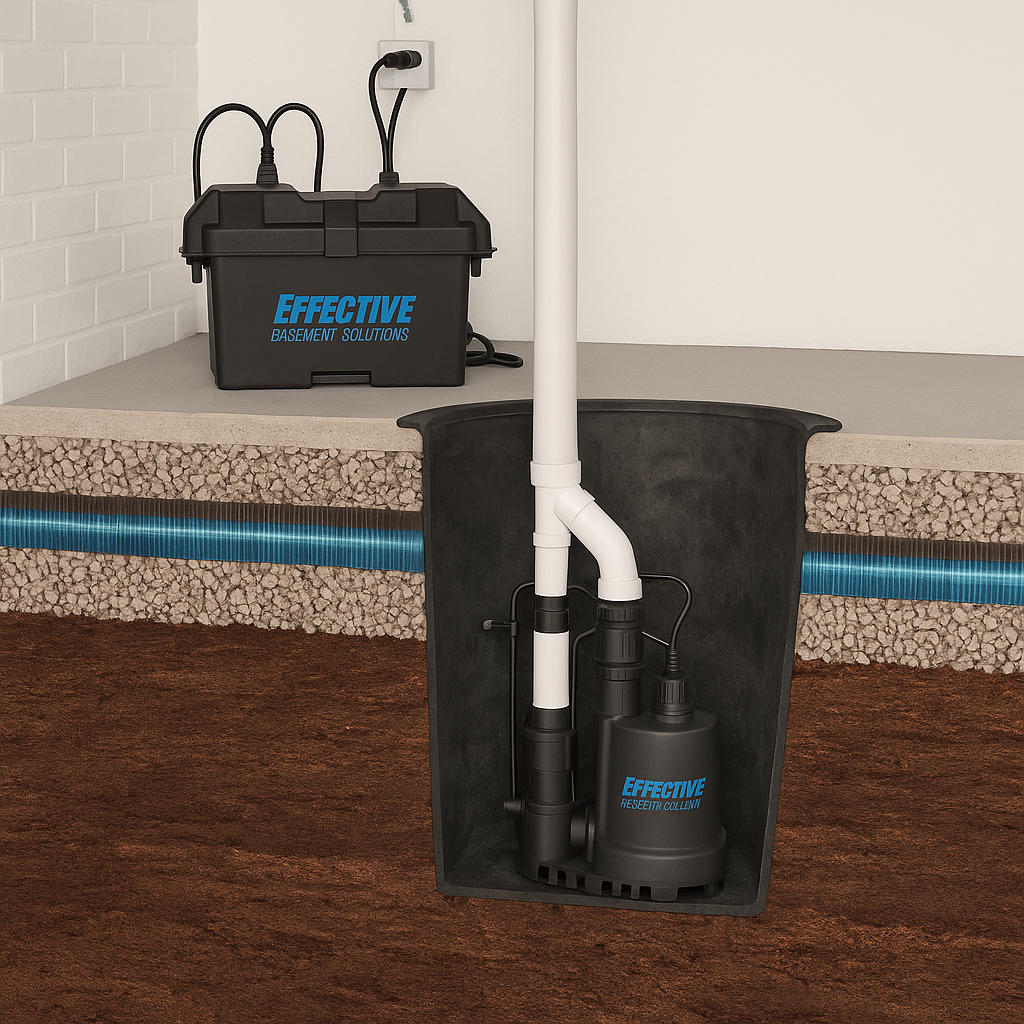
Interior waterproofing involves applying solutions within the basement to prevent water from entering. This method often includes the installation of sump pumps, drainage systems, and waterproof coatings. Interior waterproofing is generally less invasive and can be completed more quickly than exterior methods. The cost for interior waterproofing typically ranges from $1,500 to $5,000, depending on the complexity of the system and the size of the basement. This method is ideal for homes with existing water issues that need immediate attention.
Exterior Waterproofing
Exterior waterproofing, on the other hand, involves excavating around the foundation to apply a waterproof membrane. This method is more comprehensive and addresses the root cause of water intrusion by preventing water from reaching the foundation. The cost for exterior waterproofing typically ranges from $3,000 to $15,000, making it a more significant investment. However, it is often the best long-term solution for preventing water problems in the future. This method is particularly effective for homes with chronic water issues or those located in areas with high groundwater levels.
Cost Analysis
Understanding the costs associated with different waterproofing methods is essential for homeowners. Below is a breakdown of the costs and benefits of both interior and exterior waterproofing methods.
| Method | Cost Range | Benefits |
|---|---|---|
| Interior Waterproofing | $1,500 – $5,000 | Quick installation, less invasive, immediate results |
| Exterior Waterproofing | $3,000 – $15,000 | Long-term solution, addresses root causes, prevents future issues |
The costs can vary based on factors such as the size of the basement, the severity of the water problem, and the specific solutions chosen. Homeowners should obtain multiple estimates to ensure they are getting a fair price for the work needed.
Health Implications of Basement Moisture
Moisture in basements can lead to serious health implications, particularly due to mold growth. Mold thrives in damp environments and can cause respiratory issues, allergies, and other health problems. Maintaining a dry basement is crucial for the health of the occupants. Regular inspections and prompt remediation of water issues can help prevent mold growth and protect the health of your family.
Steps to Address Basement Water Issues
Homeowners can take several steps to address basement water issues effectively:
- Inspect for Signs of Water Intrusion: Regularly check for damp spots, mold, and musty odors.
- Research Waterproofing Options: Understand the differences between interior and exterior waterproofing methods.
- Contact Professionals for Inspections: Hiring a qualified contractor can provide insights into the best solutions for your specific situation.
For those considering professional help, Effective Basement Solutions offers free inspections to assess your basement’s waterproofing needs. Contact us at +1 800-957-0075 to schedule your inspection.
Choosing a Contractor
Selecting the right contractor for basement waterproofing is crucial. Homeowners should look for professionals with experience and expertise in the field. It’s important to verify licensing and insurance, as well as to check customer reviews and references. A reputable contractor will provide a detailed estimate and explain the waterproofing process clearly.
What Are the Key Differences Between Interior and Exterior Basement Waterproofing?
The key differences between interior and exterior basement waterproofing lie in their approach and effectiveness. Interior waterproofing focuses on managing water that has already entered the basement, while exterior waterproofing prevents water from reaching the foundation in the first place. Homeowners should consider their specific needs, budget, and the severity of their water issues when choosing between these methods.
How Does Interior Waterproofing Work to Prevent Basement Water Damage?
Interior waterproofing works by creating barriers and drainage systems that redirect water away from the basement. This includes the installation of sump pumps that collect and remove water, as well as drainage systems that channel water away from the foundation. By managing water that enters the basement, homeowners can prevent damage and maintain a dry environment.
What Are the Main Exterior Waterproofing Techniques and Their Benefits?
Exterior waterproofing techniques include excavation, the application of waterproof membranes, and the installation of drainage systems around the foundation. These methods provide a comprehensive solution by preventing water from reaching the foundation. The benefits include long-term protection against water intrusion, reduced risk of mold growth, and improved structural integrity.
Which Basement Waterproofing Methods Are Best for NJ Homes?
The best basement waterproofing methods for NJ homes depend on the specific water issues faced by the homeowner. For homes with existing water problems, interior waterproofing may be the best immediate solution. However, for long-term prevention, exterior waterproofing is often recommended. Homeowners should consult with professionals to determine the most effective approach for their situation.
How Do Sump Pumps and Interior Drainage Systems Protect Your Basement?
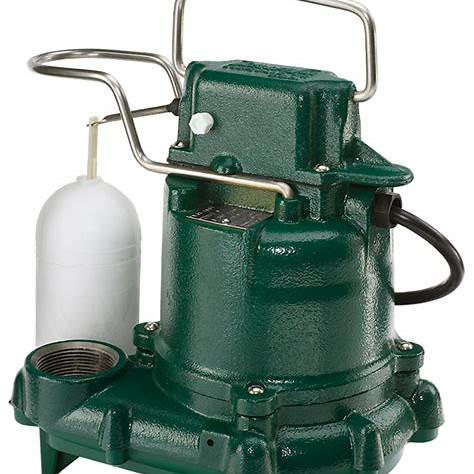
Sump pumps and interior drainage systems are essential components of interior waterproofing. Sump pumps collect water that enters the basement and pump it out, while drainage systems channel water away from the foundation. Together, these systems help maintain a dry basement and prevent water damage.
What Exterior Solutions Like Excavation and Membrane Application Are Effective?
Exterior solutions such as excavation and membrane application are effective in preventing water from reaching the foundation. Excavation allows for the installation of a waterproof membrane that acts as a barrier against water intrusion. This method is particularly beneficial for homes in areas with high groundwater levels or chronic water issues.
What Are the Typical Costs and Financing Options for Basement Waterproofing in New Jersey?
Typical costs for basement waterproofing in New Jersey vary based on the method chosen. Interior waterproofing generally costs between $1,500 and $5,000, while exterior waterproofing can range from $3,000 to $15,000. Homeowners should explore financing options available through contractors, which may include payment plans or financing through third-party lenders.
How Much Does Interior Waterproofing Cost Compared to Exterior Methods?
Interior waterproofing is typically less expensive than exterior methods, making it a more accessible option for homeowners facing immediate water issues. However, while the initial investment for exterior waterproofing is higher, it often provides a more comprehensive solution that can save homeowners money in the long run by preventing future water problems.
What Financing Plans and Warranties Are Available for Waterproofing Services?
Many contractors offer financing plans to help homeowners manage the costs of waterproofing services. Additionally, warranties may be available for the work performed, providing peace of mind that the investment is protected. Homeowners should inquire about these options when obtaining estimates.
How Can NJ Homeowners Identify Signs of Basement Water Problems Early?
Identifying signs of basement water problems early can prevent more significant issues down the line. Homeowners should look for:
- Damp Walls: Visible moisture on walls can indicate water intrusion.
- Musty Odors: A persistent musty smell often signals mold growth.
- Visible Mold: Any signs of mold should be addressed immediately.
Regular inspections and prompt action can help maintain a dry and healthy basement.
What Are Common Indicators of Water Intrusion and Foundation Issues?
Common indicators of water intrusion and foundation issues include cracks in the foundation, water stains on walls, and pooling water around the foundation. Homeowners should take these signs seriously and seek professional help to assess the situation.
How Does Crawl Space Waterproofing Help Prevent Moisture and Mold?
Crawl space waterproofing is essential for preventing moisture buildup and mold growth in homes with crawl spaces. This process typically involves sealing the crawl space, installing vapor barriers, and ensuring proper drainage. By maintaining a dry crawl space, homeowners can protect their homes from moisture-related issues.
What Are the Mold Risks Associated with Basement Moisture and How Can They Be Prevented?
Mold risks associated with basement moisture include respiratory issues, allergies, and structural damage. To prevent mold growth, homeowners should ensure proper ventilation, address any water intrusion promptly, and consider using dehumidifiers in damp areas. Regular inspections can also help identify potential mold issues before they become severe.
What Mold Prevention Guidelines Should NJ Homeowners Follow?
NJ homeowners should follow these mold prevention guidelines:
- Maintain Low Humidity: Keep indoor humidity levels below 60%.
- Ensure Proper Ventilation: Use exhaust fans in bathrooms and kitchens.
- Address Water Issues Promptly: Repair leaks and address water intrusion immediately.
By following these guidelines, homeowners can significantly reduce the risk of mold growth in their basements.
What Are the NJ Basement Waterproofing Regulations and Permit Requirements?
In New Jersey, basement waterproofing projects may require permits depending on the scope of work. Homeowners should check with local building authorities to ensure compliance with regulations. Understanding these requirements can help avoid potential fines and ensure the work is completed to code.
Which Permits Are Needed for Interior and Exterior Waterproofing Projects?
Permits for interior and exterior waterproofing projects may vary by municipality. Typically, exterior waterproofing projects require excavation permits, while interior projects may not require permits unless structural changes are made. Homeowners should consult with their contractor to determine the necessary permits for their specific project.
How Do NJ-Specific Regulations Impact Waterproofing Solutions?
NJ-specific regulations can impact waterproofing solutions by dictating the methods and materials that can be used. Homeowners should work with licensed contractors familiar with local regulations to ensure compliance and optimal results.
How to Schedule a Free Basement Inspection with Effective Basement Solutions?
Scheduling a free basement inspection with Effective Basement Solutions is simple. Homeowners can contact us at +1 800-957-0075 to arrange a convenient time for an inspection. Our team will assess your basement’s waterproofing needs and provide tailored solutions to address any issues.
What Does a Professional Basement Inspection Include?
A professional basement inspection typically includes a thorough assessment of the basement for signs of water intrusion, mold growth, and structural issues. Inspectors will evaluate the drainage systems, foundation, and overall condition of the basement to provide a comprehensive report and recommendations for waterproofing solutions.
How to Prepare Your Home for an Inspection and What to Expect Next?
To prepare for a basement inspection, homeowners should clear the area of any clutter and ensure easy access to all parts of the basement. During the inspection, the contractor will assess the condition of the basement and discuss any findings with the homeowner. After the inspection, homeowners can expect a detailed report outlining the recommended waterproofing solutions and associated costs.