

Interior Drain Tile Installation for Wet Basements: Comprehensive Basement Waterproofing Solutions in New Jersey
Wet basements can be a significant concern for homeowners, particularly in regions like New Jersey where heavy rainfall and rising groundwater levels are common. Interior drain tile systems offer an effective solution to manage water intrusion and protect your home from moisture damage. This article will explore the installation process of interior drain tiles, the benefits they provide, and how they compare to other waterproofing solutions. Homeowners often face challenges such as foundation cracks and poor drainage, which can lead to costly repairs and health risks associated with mold growth. By understanding the mechanisms of interior drain tile systems, you can make informed decisions to safeguard your property. We will cover the installation techniques, the benefits for homeowners, and the importance of professional services like those offered by Effective Basement Solutions.
Interior Drain Tile Installation for Wet Basements in New Jersey
Interior drain tile systems are designed to collect and redirect water away from your basement, preventing moisture buildup and potential damage. These systems consist of perforated pipes installed along the perimeter of the basement floor, which capture water and channel it to a sump pump for removal. In New Jersey, where basements are prone to flooding, understanding the importance of these systems is crucial for homeowners. The installation of interior drain tiles not only protects your home but also enhances its value by preventing water-related issues.
Overview:
An interior drain tile system functions by utilizing gravity to direct water flow. When water seeps into the basement, it enters the perforated pipes, which are strategically placed to capture water from the walls and floor. The collected water is then pumped out of the basement, effectively managing moisture levels. This system is essential for maintaining a dry and healthy living environment, especially in areas with high water tables or heavy rainfall.
Installation Techniques:
The installation of an interior drain tile system involves several critical steps to ensure effectiveness and longevity. Each phase of the installation process is vital for achieving optimal results.
Initial Assessment:
Before installation begins, a thorough assessment of the basement is conducted. This involves identifying potential water entry points, assessing the overall condition of the basement, and determining the best placement for the drain tiles. A comprehensive inspection is crucial to ensure that all factors contributing to water intrusion are addressed.
Excavation:
The excavation process is a key step in installing drain tiles. A trench is dug around the perimeter of the basement, typically 6 to 8 inches wide and deep enough to accommodate the drain tiles. Proper excavation techniques are essential to avoid damaging existing structures and to ensure that the drain tiles are positioned correctly for optimal water flow.
Drain Tile Installation:
Once the trench is prepared, the installation of the drain tiles begins. Perforated pipes are placed in the trench, surrounded by gravel to facilitate drainage. The gravel acts as a filter, preventing sediment from clogging the pipes while allowing water to flow freely into the system. Proper installation is critical to ensure that the system functions effectively.
Sump Pump Integration:
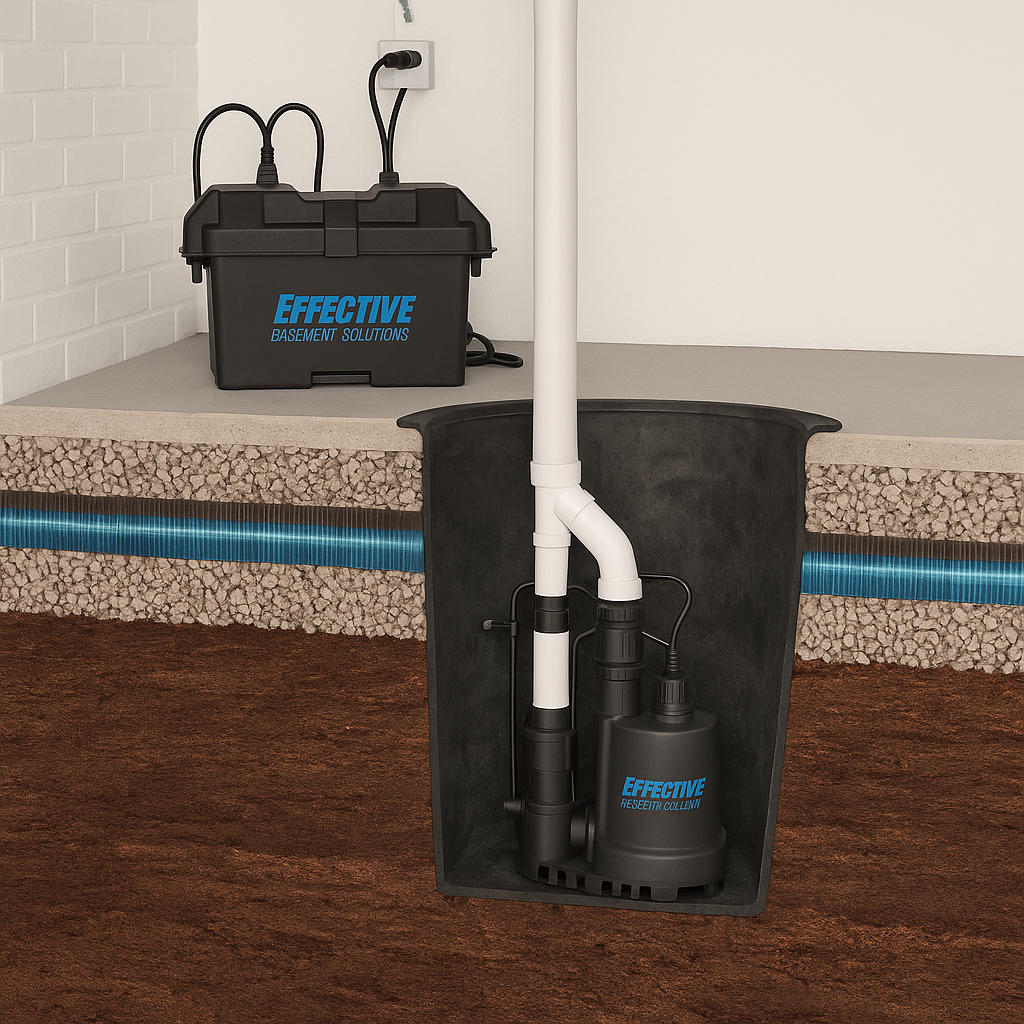
Integrating a sump pump with the drain tile system is essential for effective water removal. The sump pump is installed at the lowest point of the basement, where it can efficiently pump out the collected water. Homeowners can choose from various types of sump pumps, including submersible and pedestal models, depending on their specific needs and preferences.
Sealing and Finishing:
After the drain tiles and sump pump are installed, the trench is backfilled with gravel and soil. This process restores the basement’s usability while ensuring that the system remains functional. Sealing any cracks or gaps in the foundation is also crucial to prevent future water intrusion.
Final Inspection:
A final inspection is conducted to ensure that the entire system is functioning correctly. This includes checking the sump pump’s operation, verifying that water is being effectively redirected away from the basement, and identifying any remaining issues that need to be addressed. Professional oversight during this phase is essential to guarantee the system’s reliability.
Effective Basement Waterproofing Solutions in New Jersey:
In addition to interior drain tile systems, there are various waterproofing solutions available for homeowners in New Jersey. These include exterior drainage systems, waterproof membranes, and foundation repairs. Each solution has its unique benefits and limitations, making it essential for homeowners to understand their options.
Benefits for Homeowners:
Interior drain tile systems offer several advantages for homeowners, making them a popular choice for basement waterproofing.
- Cost-Effectiveness: Interior drain tiles are often more affordable than exterior drainage systems, providing a budget-friendly solution for managing basement moisture.
- Minimal Disruption: The installation process typically involves less disruption to the landscaping and exterior of the home compared to exterior systems.
- Long-Term Value: By preventing water damage and mold growth, interior drain tiles help maintain the structural integrity of the home, ultimately preserving its value.
For homeowners seeking reliable basement waterproofing solutions, hiring Effective Basement Solutions can provide peace of mind. Their expertise in basement waterproofing and foundation repair ensures that your home is protected from water intrusion.
What Causes Basement Water Intrusion in New Jersey Homes?
Understanding the causes of basement water intrusion is crucial for effective prevention. Several factors contribute to this issue, particularly in New Jersey.
- Hydrostatic Pressure: When the ground becomes saturated with water, hydrostatic pressure builds up against the foundation walls, leading to leaks and seepage.
- Foundation Cracks: Over time, foundation cracks can develop due to settling or shifting soil, allowing water to enter the basement.
- Poor Drainage Systems: Inefficient drainage systems can exacerbate water intrusion issues, particularly during heavy rainfall.
How do environmental factors and rising groundwater levels affect basements?
Environmental factors play a significant role in basement water intrusion. Heavy rainfall, melting snow, and rising groundwater levels can all contribute to increased moisture levels in the soil surrounding a home’s foundation. Homeowners must be aware of these factors to implement effective waterproofing solutions.
What role do foundation cracks and poor drainage play in water intrusion?
Foundation cracks and inadequate drainage systems are primary contributors to water intrusion in basements. Cracks allow water to seep into the basement, while poor drainage can lead to water pooling around the foundation. Addressing these issues is essential for preventing water damage and maintaining a dry basement.
How Does Interior Drain Tile Installation Prevent Wet Basement Problems?
Interior drain tile systems are designed to effectively manage water intrusion and prevent wet basement problems. By capturing and redirecting water away from the foundation, these systems reduce hydrostatic pressure and minimize the risk of leaks.
What is an interior drain tile system and how does it work?
An interior drain tile system consists of perforated pipes installed around the perimeter of the basement. These pipes collect water that seeps into the basement and direct it to a sump pump for removal. This system is essential for maintaining a dry and healthy living environment.
How do sump pump systems integrate with interior drain tiles?
Sump pump systems work in conjunction with interior drain tiles to effectively manage water removal. The sump pump is activated when water levels rise, pumping the collected water out of the basement and preventing flooding.
What Are the Step-by-Step Processes for Installing Interior Drain Tile Systems?
The installation of interior drain tile systems involves several key steps:
- Assessment: Conduct a thorough evaluation of the basement to identify water entry points.
- Excavation: Dig a trench around the perimeter of the basement for the drain tiles.
- Installation: Place perforated pipes in the trench and surround them with gravel.
- Sump Pump Integration: Install a sump pump at the lowest point of the basement.
- Sealing: Backfill the trench and seal any foundation cracks.
- Final Inspection: Ensure the system is functioning correctly.
How is subfloor drainage installed to manage basement water removal?
Subfloor drainage is installed by placing perforated pipes beneath the basement floor, allowing water to be collected and directed to a sump pump. This method is effective for managing water removal and preventing moisture buildup.
What foundation drainage repairs are necessary during installation?
During the installation of interior drain tiles, it may be necessary to address any existing foundation issues. This can include sealing cracks, reinforcing weak areas, and ensuring that the foundation is structurally sound.
How Do Interior Drain Tile Systems Compare to Exterior Drainage Solutions?
Interior drain tile systems and exterior drainage solutions each have their advantages and disadvantages. Interior systems are often more cost-effective and less disruptive, while exterior systems may provide additional protection against water intrusion.
What are the benefits and limitations of interior versus exterior drainage?
Interior drainage systems offer several benefits, including lower installation costs and minimal disruption. However, they may not be as effective in areas with severe water intrusion issues, where exterior systems may be more appropriate.
Which solution is best suited for New Jersey basements?
The best solution for New Jersey basements depends on various factors, including the severity of water intrusion, the home’s foundation, and the homeowner’s budget. Consulting with a professional can help determine the most effective approach.
What Are the Costs and Financing Options for Basement Waterproofing Systems?
The costs of basement waterproofing systems can vary widely based on the chosen solution and the extent of the work required. Homeowners should consider financing options to make these essential repairs more manageable.
What factors influence the cost of interior drain tile installation?
Several factors can influence the cost of installing interior drain tiles, including the size of the basement, the extent of water damage, and local market rates for labor and materials.
Are financing plans available for subfloor drainage and sump pump installation?
Many companies offer financing plans for subfloor drainage and sump pump installation, making it easier for homeowners to manage the costs associated with these essential services.
How Can Mold Risks Be Reduced Through Effective Basement Waterproofing?
Effective basement waterproofing can significantly reduce the risk of mold growth by managing moisture levels. By preventing water intrusion, homeowners can create a healthier living environment and protect their property.
How does basement water intrusion lead to mold growth?
Basement water intrusion creates a damp environment that is conducive to mold growth. Mold thrives in moist conditions, making it essential for homeowners to address water issues promptly.
What moisture control methods accompany interior drain tile systems?
Moisture control methods that complement interior drain tile systems include the use of vapor barriers, dehumidification systems, and regular inspections to ensure the system is functioning correctly.
What Maintenance and Troubleshooting Are Required for Interior Drain Tile Systems?
Regular maintenance is essential for ensuring the longevity and effectiveness of interior drain tile systems. Homeowners should schedule inspections to check for clogs, sump pump functionality, and overall system performance.
How often should sump pumps and drainage systems be inspected?
Sump pumps and drainage systems should be inspected at least once a year to ensure they are functioning correctly. Homeowners should also check the system after heavy rainfall or flooding events.
What common issues arise and how are they resolved?
Common issues with interior drain tile systems include clogging, sump pump failures, and hydrostatic pressure problems. Regular maintenance and prompt repairs can help resolve these issues and keep the system functioning effectively.
Why Choose Effective Basement Solutions for Your Basement Waterproofing Needs in New Jersey?
Choosing Effective Basement Solutions for your basement waterproofing needs ensures that you receive expert guidance and high-quality service. Their local expertise and commitment to customer satisfaction make them a trusted choice for homeowners in New Jersey.
What do recent NJ homeowner testimonials say about our services?
Homeowners in New Jersey have praised Effective Basement Solutions for their professionalism, thorough inspections, and effective waterproofing solutions. Positive feedback highlights the importance of choosing a reliable service provider for basement waterproofing.
How do our free inspections and expert consultations work?
Effective Basement Solutions offers free inspections and expert consultations to help homeowners assess their basement waterproofing needs. During the evaluation, a professional will identify potential issues and recommend appropriate solutions tailored to the homeowner’s specific situation.