
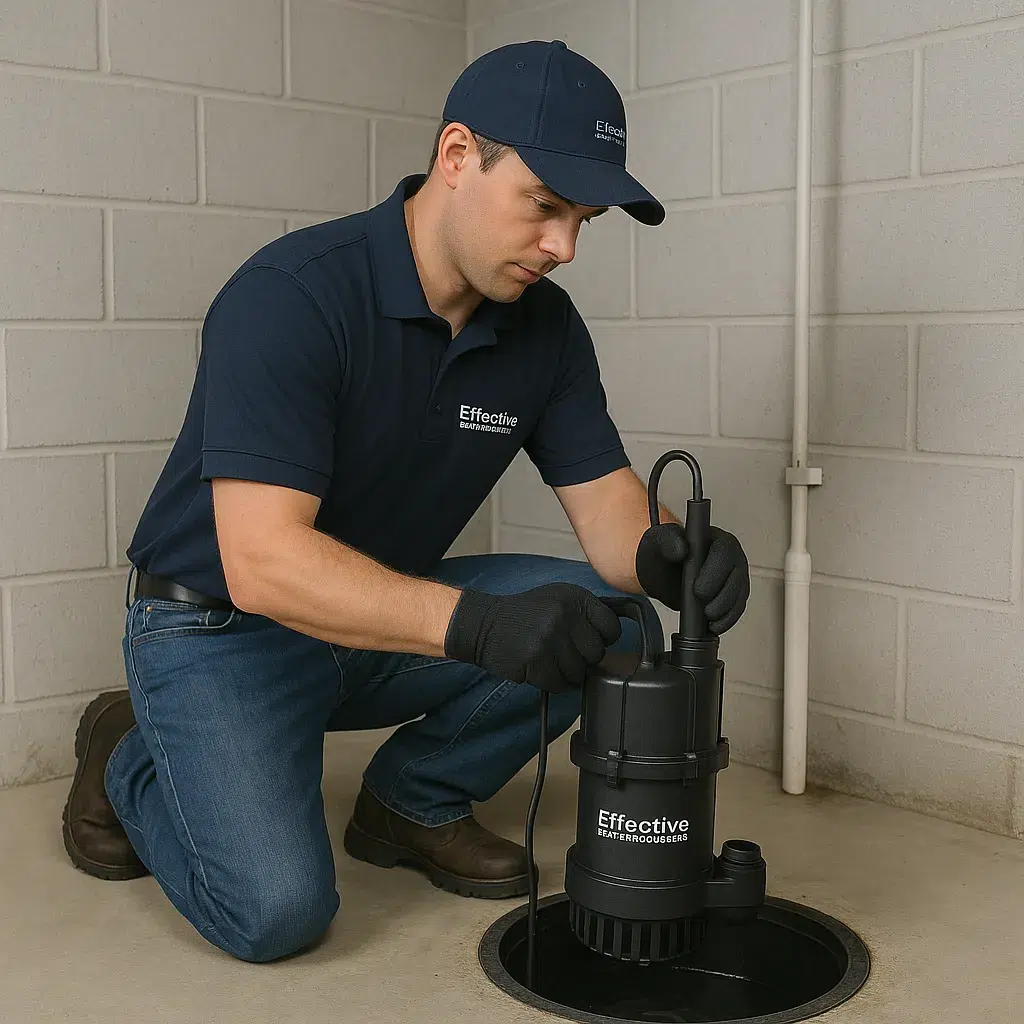

Installing a Sump Pump: Complete Guide to Protect Your Basement from Flooding and Water Damage
Sump pump installation NJ services from Effective Basement Solutions protect homes from flooding, hydrostatic pressure, and long-term basement water damage.
New Jersey homeowners face persistent threats from rising groundwater and heavy rainfall that often inundate basements and compromise structural integrity. Installing a sump pump offers a proven solution by collecting water in a dedicated pit and diverting it away from your foundation. In this guide, you will discover what causes basement water problems in New Jersey, how a sump pump works, which types suit local homes, the professional installation process, cost considerations, maintenance strategies, complementary waterproofing solutions, and how to request a free consultation. By following these insights, you can install a sump pump effectively and safeguard your home from flooding, mold growth, dampness, and foundation damage.
What Causes Basement Water Problems in New Jersey Homes?
Basement water problems arise when soil saturation and poor drainage allow water to seep through foundation cracks, porous walls, and floor joints. In New Jersey, heavy spring rains, snowmelt, and a high water table create persistent hydrostatic pressure against basement walls. For example, properties built on clay or shale soils experience slower runoff, which increases wall seepage. Addressing these causes requires both drainage improvements and interior solutions such as sump pump installation to relieve pressure and prevent moisture intrusion.
How Does Basement Flooding Affect Your Home’s Foundation and Air Quality?
Basement flooding directs hydrostatic force against foundation walls, often widening existing cracks and accelerating structural settlement. As water accumulates, it releases dust, spores, and volatile compounds that lower indoor air quality and provoke respiratory issues. Persistent moisture can undermine concrete footings and wooden sill plates, leading to uneven floors and sticking doors. Mitigating these risks early with a sump pump installation reduces foundation stress and maintains healthier basement air by keeping humidity below condensation thresholds.
What Are Common Signs of Mold and Dampness in Basements?
Visible mold patches, peeling paint, and efflorescence (white mineral deposits) on walls signal dampness caused by water intrusion. Musty odors often accompany elevated relative humidity above 60 percent, encouraging fungal growth on stored items and structural wood. Warped floorboards or soft spots in concrete may also indicate persistent moisture. Identifying these signs promptly helps prioritize sump pump installation and other waterproofing measures to halt mold proliferation and protect indoor air quality.
Why Is New Jersey’s Climate a Challenge for Basement Waterproofing?
New Jersey’s coastal proximity and seasonal freeze-thaw cycles intensify foundation stress and water infiltration risk. Winter snowpack melting in spring can overwhelm yard grading and exterior drains, forcing water against basement walls. Summer thunderstorms add intermittent heavy downpours that local gutter systems may not handle efficiently. Given these fluctuating conditions, interior drainage with a sump pump system provides reliable protection year-round by actively removing water that external systems cannot fully control.
What Is a Sump Pump and How Does It Work to Prevent Basement Flooding?
A sump pump is a mechanical device installed in a sump pit that automatically removes accumulated groundwater before it floods a basement. When moisture enters through foundation joints, it flows into the pit by gravity. A float switch senses when water reaches a set level and triggers the pump motor to move water upward through a discharge pipe. The diverted water flows away from the building footings, preventing hydrostatic pressure buildup, mold growth, and structural damage.
An Examination of Sump Pumps: Classifications and Uses
The second category of pump is designated as the sump pump, employed to evacuate water that has collected within a sump pit. Sump pumps are frequently utilised in basements and crawl spaces to avert flooding. They are typically installed within a pit excavated into the floor, and the pump is activated when the water level in the pit attains a predetermined height.
What Is the Role of the Sump Pit in Water Collection?
The sump pit serves as a collection basin for excess groundwater entering a basement. Typically excavated below the basement floor, the pit channels water from perimeter drains or wall weep holes into a central location. This containment allows the pump to concentrate removal at a single point and prevents water from spreading across the floor. Ensuring the pit is properly sized and lined with gravel helps maintain free flow and prevents silt accumulation that could clog the pump.
How Does the Float Switch Automatically Activate the Pump?
A float switch comprises a buoyant float attached to an electrical switch that rises with the water level in the sump pit. When water reaches the activation threshold, the float lifts and closes the circuit, powering the pump motor. As the pump expels water through the discharge pipe, the float descends and eventually opens the circuit to stop the motor once the pit is drained. This automatic mechanism ensures continuous protection without manual intervention.
Why Is the Discharge Pipe Essential for Water Removal?
The discharge pipe channels pumped water from the sump pit to a safe drainage area away from the foundation. By routing water beyond the splash-out zone—typically at least six meters from the house—this pipe prevents re-entry of moisture around footings. A check valve within the pipe prevents backflow when the pump stops, maintaining efficiency and reducing motor strain. Proper pipe routing also safeguards landscaping and prevents groundwater pooling near the foundation.
What Are the Different Types of Sump Pumps Available?
| Pump Type | Power Source | Primary Advantage |
|---|---|---|
| Submersible Pump | Electricity | Quiet operation and high capacity |
| Pedestal Pump | Electricity | Easy maintenance and longer motor life |
| Battery Backup Pump | Rechargeable Cell | Operation during power outages |
| Combination System | Dual (Electric + Battery) | Continuous protection even in storms and outages |
Which Types of Sump Pumps Are Best for New Jersey Basements?
Selecting the right sump pump depends on basement size, water volume, and power reliability. In New Jersey’s variable weather, combining primary and backup systems delivers optimal flood protection. Choosing between submersible, pedestal, battery backup, or combination systems involves weighing installation cost, performance, noise, and ease of maintenance. A professional assessment can determine which pump type aligns with soil conditions, house elevation, and homeowner priorities.
What Are the Benefits and Drawbacks of Submersible Sump Pumps?
Submersible pumps sit entirely within the sump pit, providing quiet, effective water removal at volumes up to several thousand liters per hour. Benefits include compact design, minimal noise transfer, and a sealed motor that resists corrosion. Drawbacks involve more complex installation and potentially higher repair costs if excavation of the pit is required. Regular inspection of seals and motor housing ensures long-term reliability in high-water-table areas.
How Do Pedestal Sump Pumps Compare in Cost and Performance?
Pedestal pumps feature a motor mounted above the sump pit, keeping the electrical components dry and simplifying maintenance access. They typically cost less than submersible units and deliver adequate flow for moderate drainage needs. Performance is lower when handling large volumes, and noise can echo through living spaces. Ideal for shallow pits or garages, pedestal pumps suit homeowners seeking straightforward servicing and reduced initial investment.
Why Are Battery Backup Sump Pumps Crucial During Power Outages?
Battery backup pumps activate when primary electric power fails, ensuring continuous water removal during storms that often coincide with outages. These systems draw from sealed lead-acid batteries and can run for several hours or until water recedes. Having a backup pump prevents basement flooding when electricity is unavailable and extends peace of mind. Periodic battery checks and replacements maintain readiness before severe weather events.
What Are Combination Sump Pump Systems and Their Advantages?
Combination systems pair a primary submersible pump with a battery backup unit, delivering uninterrupted flood protection under all conditions. When grid power is available, the electric pump manages water removal. In the event of an outage, the battery backup seamlessly takes over without manual switching. This dual configuration safeguards against both mechanical failure and power disruption, making it the preferred choice for New Jersey basements at high risk of flooding.
How Is Professional Sump Pump Installation Performed?
Professional installation ensures accurate pit excavation, correct pump placement, and compliant electrical connections. Trained technicians assess soil type, basement layout, and existing drainage before determining pit depth and pump capacity. They install perimeter drains leading into the pit, fit the pump, run discharge piping with check valves, and hook into a dedicated electrical circuit. Finally, they perform a system test under various water levels to verify reliable operation and document installation details for homeowner records.
What Are the Step-by-Step Stages of Installing a Sump Pump?
- Excavate a sump pit at the lowest basement point to the required depth.
- Install gravel bedding and secure a prefabricated liner or cast-in-place basin.
- Connect interior French drain piping or wall weep holes to channel water into the pit.
- Position the sump pump and mount the float switch assembly.
- Run discharge pipe through wall penetrations and fit a check valve.
- Wire the pump to a dedicated GFCI-protected electrical outlet.
- Test pump activation, float movement, and discharge flow under simulated flooding.
When Is DIY Installation Feasible and When Should You Hire Experts?
Installing a sump pump yourself can save on labor if you have plumbing and electrical experience. DIY suitability arises when working with existing pits, using plug-in pumps, and minimal piping. Complex soil conditions, cutting concrete slabs, and rewiring circuits require professional expertise.
Consider hiring specialists when:
- You need to cut or core drill concrete floors for pit creation.
- Local building codes demand permits and inspected electrical work.
- High water tables demand precise pump capacity calculations.
In these scenarios, professional installation reduces the risk of errors that lead to failures.
Sump Pump Failure: Causes and Prevention
Sump pumps have failed in some instances, but it is generally recognised that the failure is due to improper installation, lack of maintenance, or a substandard sump pump.
How Does Proper Installation Prevent Future Pump Failures?
Correct pit sizing, reliable float switch positioning, and proper check valve installation directly influence pump longevity. Adequate gravel bedding prevents silt from clogging impellers, while securing piping reduces vibration and joint stress. A dedicated electrical circuit with surge protection protects the motor from voltage spikes. By adhering to manufacturer guidelines and local codes, professional installation minimizes wear and tear and helps avoid premature mechanical issues.
What Are the Typical Costs of Sump Pump Installation in New Jersey?
Installation costs vary based on excavation complexity, pump type, and labor rates. Industry data indicates that new sump pump installations average around £2,000 in the UK, while New Jersey homeowners typically invest between USD 2,000 and USD 3,000 due to local labor and permit requirements. Budgeting for premium features such as battery backup or combination systems can raise costs by 20–30 percent but adds crucial flood protection during storms.
What Factors Influence the Price of New Sump Pump Installation?
| Component | Impact on Cost | Details |
|---|---|---|
| Pit Excavation | High | Depth and soil hardness dictate labor time |
| Pump Type | Medium–High | Submersible versus pedestal or backup units |
| Discharge Piping | Medium | Length and routing through walls |
| Electrical Work | Medium | GFCI circuit installation and permits |
| Labor Rates | High | Varied by region and installer experience |
How Does Replacement Cost Compare to New Installation?
Replacing an existing pump generally costs 40–60 percent less than installing a new system because no pit excavation is required. Replacement typically involves removal of the old unit, inspection of the basin, installation of a matching pump, and minimal piping modifications. Homeowners should compare replacement quotes against service life remaining on current pumps—often seven to ten years—to decide whether full system upgrades offer better value.
Are There Financing or Consultation Options Available?
Many homeowners benefit from flexible financing plans that spread installation costs over 12 to 24 months with low interest rates. EffectiveWaterproofing.com offers free consultations to assess site conditions, provide customized quotes, and explore payment options. During the consultation, you can request detailed cost breakdowns, discuss warranty extensions, and learn about package discounts on combined waterproofing services.
How Should You Maintain and Troubleshoot Your Sump Pump for Longevity?
Regular maintenance ensures reliable performance and extends the useful life of your sump pump system. Annual inspections reduce the risk of unexpected failures by identifying wear, silt buildup, or float switch malfunctions. A proactive approach to cleaning, testing, and component replacement guards against motor burnout and helps uphold basement dryness even during heavy precipitation events.
What Is the Recommended Sump Pump Maintenance Schedule for New Jersey?
- Quarterly visual checks of the pit for debris and sediment.
- Semi-annual testing of float switch movement and pump activation.
- Annual inspection of discharge piping, check valve, and seal integrity.
- Battery replacement every three to five years for backup units.
How Can You Identify and Fix Common Sump Pump Problems?
Common issues such as intermittent cycling, low discharge flow, and unusual noises often stem from:
- Clogged Impeller – Remove debris and flush the pump housing.
- Stuck Float – Clear surrounding gravel and ensure free float movement.
- Backflow – Replace or adjust the check valve to prevent reversal.
- Power Interruptions – Test GFCI outlet and inspect wiring connections.
Why Is Battery Backup Maintenance Essential?
Battery backup units rely on sealed lead-acid batteries that degrade over time and under heavy discharge cycles. Regular voltage checks ensure sufficient charge to run the pump during outages. Cleaning corrosion from terminals and replacing batteries every three to five years prevents backup failure when it is needed most. Maintaining a ready backup system offers an extra safeguard against basement flooding during storms.
Which Basement Waterproofing Solutions Best Complement Your Sump Pump
Comprehensive basement protection often combines sump pump systems with additional waterproofing methods. While a sump pump manages interior water, exterior drainage and encapsulation measures stop moisture at its source. Integrating solutions such as French drains, foundation repairs, and crawl space encapsulation creates a multi-layer defense that keeps basements dry and healthy.
How Do French Drain Systems Work with Sump Pumps?
An interior French drain consists of perforated piping laid in a gravel-filled trench around the perimeter of the basement floor. Water from walls and floor joints enters the pipe, flows by gravity into the sump pit, and is pumped out. This synergy prevents pooling along walls and directs water efficiently to the sump pump. Combining French drains with a quality pump system ensures thorough water removal even during heavy precipitation.
When Is Foundation Repair Necessary Alongside Sump Pump Installation?
Foundation repair becomes critical when structural cracks allow significant water ingress or when wall bowing indicates soil pressure problems. Techniques such as carbon fiber reinforcement, steel beam installation, or epoxy injection seal cracks and restore stability. Pairing these repairs with sump pump installation addresses both water entry and underlying structural issues, extending the life of the foundation and the pump system.
What Are the Benefits of Crawl Space Encapsulation?
Encapsulation seals a crawl space with a vapor barrier and often includes dehumidification and drainage to control moisture at ground level. This process stops damp soil from transferring humidity into living spaces and prevents wood rot, mold growth, and pest infestations. When used with a sump pump, encapsulation ensures that water is managed properly at both interior and subfloor levels, creating a healthier overall environment.
How Can New Jersey Homeowners Request a Free Sump Pump Installation Consultation?
New Jersey homeowners can begin flood protection by contacting EffectiveWaterproofing.com for a free, no-obligation consultation. During this process, specialists assess basement conditions, discuss water history, and recommend tailored drainage solutions. You will receive a detailed report with cost estimates, pump type recommendations, and optional waterproofing enhancements to suit your property’s unique needs.
What Information Should You Prepare for Your Consultation?
Before the consultation, gather:
- A description of past basement water incidents and timing.
- Photos of any visible cracks, efflorescence, or mold.
- Details on existing drainage, sump pits, or pumps.
- Property age, soil type, and any recent landscaping changes.
How Does EffectiveWaterproofing.com Support New Jersey Homeowners?
EffectiveWaterproofing.com combines decades of local expertise with advanced sump pump technologies and complementary waterproofing methods. Specialists deliver custom interior and exterior solutions, transparent pricing, and reliable service backed by satisfaction guarantees. By drawing on regional experience and proven installation processes, the company helps homeowners achieve lasting basement dryness, improved air quality, and foundation protection.
Installing a sump pump is the most effective way to relieve hydrostatic pressure, prevent flooding, and eliminate basement dampness. When paired with targeted waterproofing methods, a professionally installed system transforms vulnerable spaces into dry, healthy areas. Regular maintenance and backup battery testing ensure uninterrupted performance through New Jersey’s unpredictable weather. Contact EffectiveWaterproofing.com today to secure a free consultation and safeguard your home against water damage.
Handbook of Pumps and Pumping Systems: Maintenance and Efficiency
This handbook addresses the principles, design, application, and maintenance of pumps and pumping systems. It offers a comprehensive overview of pump technology, encompassing various pump types, their characteristics, and their applications. The text also discusses pump selection, installation, operation, and maintenance, alongside pump efficiency and reliability.
