
French Drain Installation Cost & What to Expect: Comprehensive Guide for New Jersey Homeowners
French drains are essential for managing water drainage around homes, particularly in areas prone to flooding or water intrusion. Understanding the costs associated with French drain installation is crucial for homeowners in New Jersey who want to protect their basements and foundations. This guide will provide insights into the various factors influencing installation costs, the materials used, and the overall process involved. Homeowners often face challenges related to water damage, which can lead to costly repairs and health issues like mold growth. By investing in a French drain system, you can mitigate these risks effectively. This article will cover the installation costs, factors influencing pricing, the impact of material types, and the installation process, ensuring you have a comprehensive understanding of what to expect.
Understanding French Drain Installation Costs
The cost of installing a French drain can vary significantly based on several factors. Typically, homeowners can expect to pay between $1,500 and $4,000 for installation, depending on the complexity of the project and the specific requirements of their property. Factors such as the length of the drain, soil conditions, and labor costs can all influence the final price. It is essential to have a professional assessment to determine the exact needs of your property, as this can help avoid unexpected expenses later on. Hiring a reputable company like Effective Basement Solutions can ensure that the installation is done correctly and efficiently.
Factors Influencing Pricing
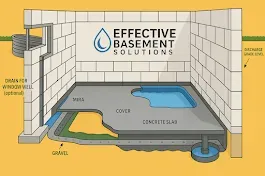
Several key factors can affect the pricing of French drain installation:
- Length of Drain: The longer the drain, the more materials and labor will be required, increasing the overall cost.
- Soil Type: Different soil types can complicate the installation process. For example, rocky or clay-heavy soils may require more extensive excavation and labor.
- Labor Complexity: The complexity of the installation, including any necessary permits or additional features like sump pumps, can also impact pricing.
Understanding these factors can help homeowners budget effectively for their French drain installation.
Impact of Material Types
The materials used in the installation of a French drain can significantly influence the overall cost. High-quality materials may have a higher upfront cost but can provide better long-term performance and durability. Common materials include:
- Perforated Pipe: Essential for allowing water to flow into the drain system.
- Gravel: Used to surround the pipe, facilitating drainage and preventing clogs.
- Geotextile Fabric: Helps to filter out soil and debris, extending the life of the drainage system.
Investing in quality materials can lead to fewer maintenance issues and a more effective drainage system.
Role of Basement Waterproofing Costs
Basement waterproofing is often closely linked to French drain installation. The costs associated with waterproofing can vary, but they typically range from $1,000 to $3,000. This additional expense is crucial for ensuring that the entire basement remains dry and protected from water intrusion. A comprehensive approach that includes both French drain installation and waterproofing can provide homeowners with peace of mind and long-term protection against water damage.
Installation Process
The installation process for a French drain involves several key steps:
- Site Survey: A professional will assess the property to determine the best location for the drain.
- Excavation: The area where the drain will be installed is excavated to the appropriate depth.
- Pipe Installation: Perforated pipes are laid in the trench, allowing water to flow into the system.
- Backfilling: The trench is backfilled with gravel and soil, ensuring proper drainage and stability.
This systematic approach ensures that the French drain functions effectively and meets the specific needs of the property.
Step-by-Step Procedures for Installing a Perimeter Drain
Installing a perimeter drain involves detailed procedures to ensure optimal performance:
- Excavation Depth: The trench must be dug to a depth that allows for proper drainage away from the foundation.
- Material Preparation: All materials, including pipes and gravel, should be ready before installation begins.
- Final Restoration: After installation, the area should be restored to its original condition, ensuring that landscaping and other features are not disrupted.
Following these steps carefully can lead to a successful installation that protects your home from water damage.
Typical Duration of Installation
The duration of a French drain installation can vary based on several factors, including the size of the project and the complexity of the site. Typically, homeowners can expect the installation to take anywhere from 1 to 3 days. Factors that can affect the timeline include:
- Site Conditions: Difficult terrain or existing structures can prolong the installation process.
- Weather: Inclement weather can delay excavation and installation work.
- Crew Size: A larger crew can often complete the work more quickly than a smaller team.
Planning ahead and scheduling the installation during favorable conditions can help ensure a smooth process.
What Factors Influence French Drain Installation Cost in New Jersey?
In New Jersey, specific factors can influence the cost of French drain installation:
- Local Regulations: Compliance with local building codes and regulations can add to the overall cost.
- Soil Conditions: The unique soil conditions in different areas of New Jersey can affect excavation and installation.
- Labor Rates: Varying labor rates across the state can impact the total installation cost.
Understanding these local factors can help homeowners make informed decisions about their drainage solutions.
How Do Material Types Affect Drainage System Installation Price?
The choice of materials for a drainage system can significantly impact installation costs. Higher-quality materials may come with a higher price tag but can offer better performance and longevity. Key considerations include:
- Pipe Quality: Using durable, high-quality pipes can prevent future issues and reduce maintenance costs.
- Gravel Types: The type of gravel used can affect drainage efficiency and overall system performance.
- Long-Term Cost Implications: Investing in quality materials can lead to lower long-term costs due to reduced maintenance and replacement needs.
Choosing the right materials is essential for ensuring a successful and cost-effective drainage solution.
What Role Does Basement Waterproofing Cost Play in Overall Pricing?
Basement waterproofing costs play a significant role in the overall pricing of French drain installation. Homeowners should consider the following:
- Cost Ranges for Waterproofing: Waterproofing can range from $1,000 to $3,000, depending on the extent of the work needed.
- Impact on Overall Pricing: Combining waterproofing with French drain installation can lead to a more comprehensive solution, potentially saving money in the long run.
- Importance of Comprehensive Solutions: A holistic approach to basement protection can prevent future water damage and associated costs.
Investing in both French drains and waterproofing can provide homeowners with a robust defense against water intrusion.
How Is the French Drain Installation Process Conducted?
The French drain installation process is conducted through a series of well-defined steps:
- Site Survey: A thorough assessment of the property is conducted to determine the best drainage solution.
- Excavation: The area is excavated to create a trench for the drain.
- Pipe Installation: Perforated pipes are installed to facilitate water flow.
- Backfilling: The trench is backfilled with gravel and soil to ensure proper drainage.
This structured approach ensures that the installation is effective and meets the specific needs of the property.
What Are the Step-by-Step Procedures for Installing a Perimeter Drain?
Installing a perimeter drain involves several critical steps:
- Excavation Depth: The trench must be deep enough to allow for proper drainage away from the foundation.
- Material Preparation: All necessary materials should be on hand before installation begins.
- Final Restoration: After installation, the area should be restored to its original condition, ensuring minimal disruption to landscaping.
Following these procedures can lead to a successful installation that protects your home from water damage.
How Long Does the Installation Typically Take in New Jersey?
In New Jersey, the installation of a French drain typically takes between 1 to 3 days. Factors that can influence this timeline include:
- Site Conditions: Difficult terrain or existing structures can prolong the installation process.
- Weather: Inclement weather can delay excavation and installation work.
- Crew Size: A larger crew can often complete the work more quickly than a smaller team.
Planning ahead and scheduling the installation during favorable conditions can help ensure a smooth process.
What Are the Key Benefits of Professional French Drain Installation?
Hiring professionals for French drain installation offers several key benefits:
- Expertise and Compliance: Professionals ensure that the installation meets all local regulations and standards.
- Warranty and Quality Assurance: Many professional services offer warranties, providing peace of mind for homeowners.
- Long-Term Cost Savings: Proper installation can prevent future issues, saving homeowners money in the long run.
Choosing a professional service can lead to a more effective and reliable drainage solution.
How Does a French Drain Prevent Basement Water Intrusion and Mold Growth?
A French drain prevents basement water intrusion by redirecting water away from the foundation. This is achieved through:
- Hydrostatic Pressure Reduction: By managing water flow, French drains reduce the pressure that can lead to leaks and flooding.
- Moisture Level Control: Maintaining appropriate moisture levels helps prevent mold growth and other water-related issues.
- Mold Prevention: By keeping basements dry, French drains significantly reduce the risk of mold and mildew.
This proactive approach to water management is essential for maintaining a healthy home environment.
Why Choose Expert Waterproofing Services Over DIY Solutions?
Opting for expert waterproofing services offers several advantages over DIY solutions:
- Expertise and Compliance: Professionals have the knowledge and experience to ensure that installations meet all local regulations.
- Warranty and Quality Assurance: Many professional services provide warranties, ensuring that the work is done correctly.
- Long-Term Cost Savings: Professional installations can prevent future issues, saving homeowners money in the long run.
Investing in professional services can lead to a more effective and reliable drainage solution.
How to Maintain Your French Drain for Longevity and Efficiency?
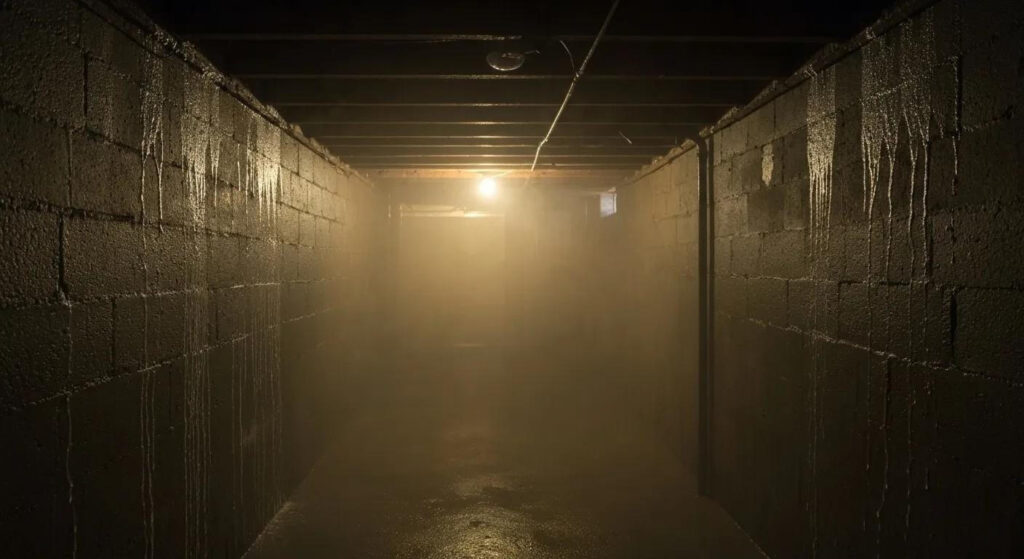
Maintaining your French drain is crucial for ensuring its longevity and efficiency. Key maintenance tips include:
- Regular Inspections: Schedule annual inspections to check for clogs and ensure proper function.
- Cleaning Tips: Regularly clean the drain and surrounding areas to prevent debris buildup.
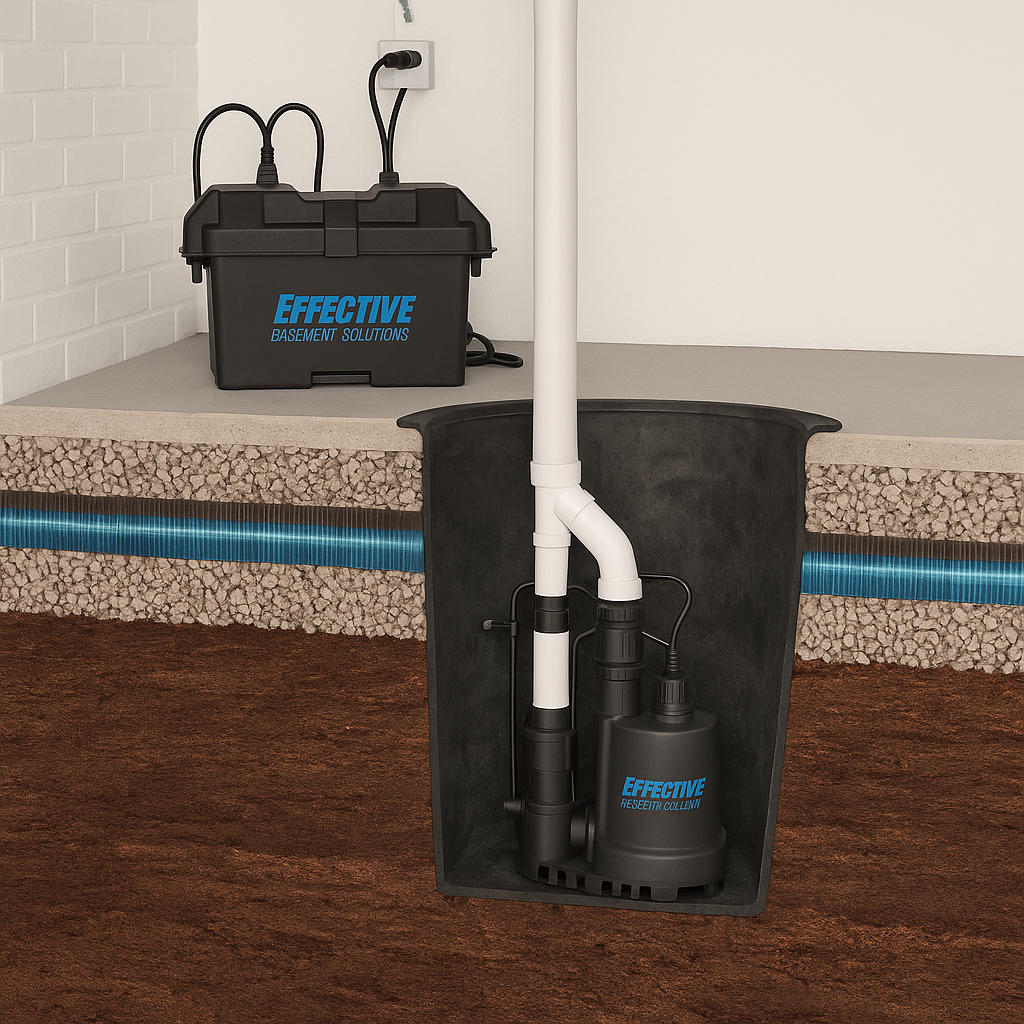
- Sump Pump Maintenance: If your system includes a sump pump, ensure it is functioning correctly and serviced regularly.
These maintenance practices can help extend the life of your French drain and ensure it continues to protect your home.
What Are the Best Practices for French Drain Maintenance in NJ Homes?
To ensure the effectiveness of your French drain, consider the following best practices:
- Annual Inspections: Schedule yearly inspections to identify potential issues before they become major problems.
- Outlet Flow Verification: Regularly check that the outlet is clear and water is flowing freely.
- Surface Soil Buildup Removal: Keep the area around the drain clear of soil and debris to maintain proper drainage.
Implementing these best practices can help ensure your French drain remains effective over time.
How Often Should You Schedule Inspections and Repairs?
Homeowners should schedule inspections and repairs for their French drains at least once a year. Key considerations include:
- Seasonal Inspections: Conduct inspections before and after heavy rain seasons to ensure the system is functioning properly.
- Signs Indicating Repairs: Look for signs of water intrusion or dampness in the basement, which may indicate a need for repairs.
- Maintenance Tips: Regular maintenance can prevent costly repairs and ensure the system operates efficiently.
By staying proactive with inspections, homeowners can avoid significant water damage and associated costs.
What Are the New Jersey Environmental Regulations Affecting French Drain Installation?
In New Jersey, several environmental regulations can impact French drain installation. Key considerations include:
- Permitting Requirements: Homeowners may need to obtain permits before installation, depending on local regulations.
- Compliance with Local Regulations: Ensuring compliance with local building codes is essential for a successful installation.
- Environmental Considerations: Homeowners should be aware of any environmental regulations that may affect drainage systems.
Understanding these regulations can help homeowners navigate the installation process more effectively.
Which NJDEP Guidelines Impact Drainage System Installation?
The New Jersey Department of Environmental Protection (NJDEP) has guidelines that can impact drainage system installation. Key points include:
- Guidelines for Installation: NJDEP provides specific guidelines to ensure that drainage systems are installed correctly and safely.
- Impact on Local Ecosystems: Homeowners should consider how their drainage systems may affect local ecosystems and water quality.
- Compliance Requirements: Adhering to NJDEP guidelines is essential for ensuring that installations meet environmental standards.
Familiarizing yourself with these guidelines can help ensure a successful and compliant installation.
How Do EPA Mold Prevention Resources Relate to Basement Waterproofing?
The Environmental Protection Agency (EPA) provides resources that can help homeowners understand the importance of basement waterproofing in mold prevention. Key connections include:
- Mold Prevention Strategies: The EPA outlines effective strategies for preventing mold growth, including proper drainage and ventilation.
- Importance of Moisture Control: Maintaining appropriate moisture levels is crucial for preventing mold and ensuring a healthy living environment.
- Comprehensive Approach: A holistic approach to basement waterproofing can significantly reduce the risk of mold growth.
By following EPA guidelines, homeowners can better protect their homes from water damage and mold.
How Can You Request a Free Inspection from Effective Basement Solutions?
Requesting a free inspection from Effective Basement Solutions is a straightforward process. Homeowners can follow these steps:
- Contact Methods: Reach out via phone or email to schedule an appointment.
- Inspection Process: A professional will visit your property to assess your drainage needs.
- Benefits of the Inspection: The inspection will provide valuable insights into your drainage system and any necessary improvements.
Taking advantage of this free inspection can help homeowners make informed decisions about their drainage solutions.
What Does the Free Inspection Include for French Drain Services?
The free inspection offered by Effective Basement Solutions includes several key components:
- Property Evaluation: A thorough assessment of the property to identify potential drainage issues.
- Visual Walk-Through: A detailed walk-through of the property to discuss findings and recommendations.
- Written Proposal: Homeowners will receive a written proposal outlining the recommended services and associated costs.
This comprehensive inspection can help homeowners understand their options for improving their drainage systems.
What Are the Typical Cost Ranges and Pricing Breakdown for French Drain Installation?
Typical cost ranges for French drain installation can vary based on several factors. Homeowners can expect to see:
- Overall Cost Estimates: Installation costs typically range from $1,500 to $4,000.
- Cost per Linear Foot: The average cost per linear foot can range from $50 to $100, depending on materials and labor.
- Cost Breakdown: A detailed breakdown of costs can help homeowners understand where their money is going and make informed decisions.
Understanding these cost ranges can help homeowners budget effectively for their French drain installation.
How Does Installation Cost Vary by Drainage Pipe Types and Materials?
The installation cost of French drains can vary significantly based on the types of drainage pipes and materials used. Key considerations include:
- Types of Pipes: Different types of pipes, such as PVC or corrugated, can have varying costs and performance characteristics.
- Material Quality: Higher-quality materials may come with a higher price tag but can offer better long-term performance.
- Labor Complexity: The complexity of the installation can also affect costs, with more intricate systems requiring more labor.
Choosing the right materials is essential for ensuring a successful and cost-effective drainage solution.
What Additional Expenses Should NJ Homeowners Expect?
In addition to the primary installation costs, homeowners should be aware of potential additional expenses, including:
- Permits: Depending on local regulations, homeowners may need to obtain permits, which can add to the overall cost.
- Restoration Costs: After installation, there may be costs associated with restoring the landscape or other features.
- Ongoing Maintenance: Homeowners should budget for regular maintenance to ensure the system continues to function effectively.
Being aware of these additional expenses can help homeowners plan their budgets more effectively.
How to Choose the Right French Drain Installation Service in New Jersey?
Choosing the right French drain installation service is crucial for ensuring a successful project. Key factors to consider include:
- Experience and Expertise: Look for a company with a proven track record in drainage solutions.
- Cost Transparency: Ensure that the company provides clear and detailed estimates for their services.
- Warranty Options: A reputable company should offer warranties on their work, providing peace of mind for homeowners.
Taking the time to research and choose the right service can lead to a more effective and reliable drainage solution.
What Questions Should You Ask Potential Waterproofing Contractors?
When interviewing potential waterproofing contractors, consider asking the following questions:
- Qualifications and Licensing: Ensure that the contractor is properly licensed and qualified to perform the work.
- Experience: Inquire about their experience with similar projects and their success rates.
- Pricing: Ask for detailed estimates and any potential additional costs that may arise during the project.
These questions can help homeowners make informed decisions when selecting a contractor for their drainage needs.
How Do Customer Testimonials and Reviews Influence Your Choice?
Customer testimonials and reviews can play a significant role in the decision-making process. Key insights include:
- Focus on Problem-Solution-Outcome: Look for reviews that detail how the contractor addressed specific issues and the outcomes achieved.
- Reassurance of Quality: Positive reviews can provide reassurance about the quality of work and customer service.
- Local Experience: Contractors with local experience may have a better understanding of regional challenges and solutions.
Considering customer feedback can help homeowners choose a contractor that meets their needs and expectations.