
NJ Basement Waterproofing: Costs, Solutions & Choosing the Best Pros
Basement waterproofing is the combination of techniques and systems designed to prevent water intrusion, control groundwater, and protect a home’s foundation and indoor air quality. In New Jersey, waterproofing is especially critical because regional climate patterns, seasonal snowmelt, and local soil conditions increase hydrostatic pressure against foundations, accelerating leaks and moisture problems that compromise both structure and health. This article explains why New Jersey basements face elevated risk, how to recognize early warning signs, which waterproofing solutions are most effective, and how to evaluate cost versus long-term return on investment. Readers will also find practical guidance on choosing a reliable contractor and seasonal maintenance steps that extend system life and reduce repair costs. Throughout the piece we integrate NJ-specific technical details—like clay soil behavior and stormwater timing—plus concrete solution comparisons and inspection checklists to help homeowners make informed decisions.
Why Are NJ Basements Especially Vulnerable to Water Damage?
Basements in New Jersey are vulnerable because the state’s precipitation patterns and prevalent soil types combine to increase groundwater and lateral pressure on foundations. Hydrostatic pressure from saturated soils and seasonal groundwater rise forces water into small foundation cracks and porous materials, making even well-built basements susceptible to slow leaks and sudden intrusion. Older foundations and certain local construction practices add risk by providing more points of entry where soil movement can open gaps. Understanding these regional drivers explains why preventive waterproofing and drainage planning are fundamental to protecting property and indoor air quality in NJ homes.
How Does New Jersey’s Climate Affect Basement Moisture?
New Jersey’s climate features moderate-to-high annual precipitation with concentrated storm events and seasonal snow accumulation that melts in spring, producing rapid groundwater rise and surface runoff. Heavy rainstorms and late-winter/early-spring snowmelt elevate the water table, which magnifies hydrostatic pressure on foundations and increases the chance of seepage through joints, cracks, and porous masonry. Freeze-thaw cycles can widen small fissures over multiple seasons, turning minor leaks into chronic moisture sources unless managed by drainage and waterproofing systems. Recognizing this seasonal pattern helps homeowners time inspections, test sump pumps before storms, and prioritize drainage work before peak runoff periods.
What Soil and Foundation Issues Increase Basement Risks in NJ?
Many New Jersey properties sit on clay or fine-grained soils that retain water and expand, increasing lateral pressure against foundation walls and promoting crack formation. Compacted or poorly draining backfill and low-grade slopes near the house prevent surface runoff from moving away, funneling water toward foundation perimeters instead. Foundation defects—hairline cracks, settling-induced gaps at wall-floor joints, or deteriorated masonry—become conduits for water under pressure, and these defects often require both moisture-control systems and structural assessment.
Identifying soil type and grading problems is a key step in selecting interior or exterior waterproofing approaches that address both cause and symptom.
Foundation Waterproofing Techniques: Capillary Blocking, Membranes, and Drainage for Hydrostatic Pressure
This project analyzes foundation waterproofing. This project details three basic waterproofing techniques: capillary blocking, membrane application, and drainage systems. The effectiveness of these techniques is evaluated in the presence of hydrostatic pressure.
An Analysis of Waterproofing Systems and Materials, 2008
What Are the Common Signs and Dangers of a Wet Basement in New Jersey?
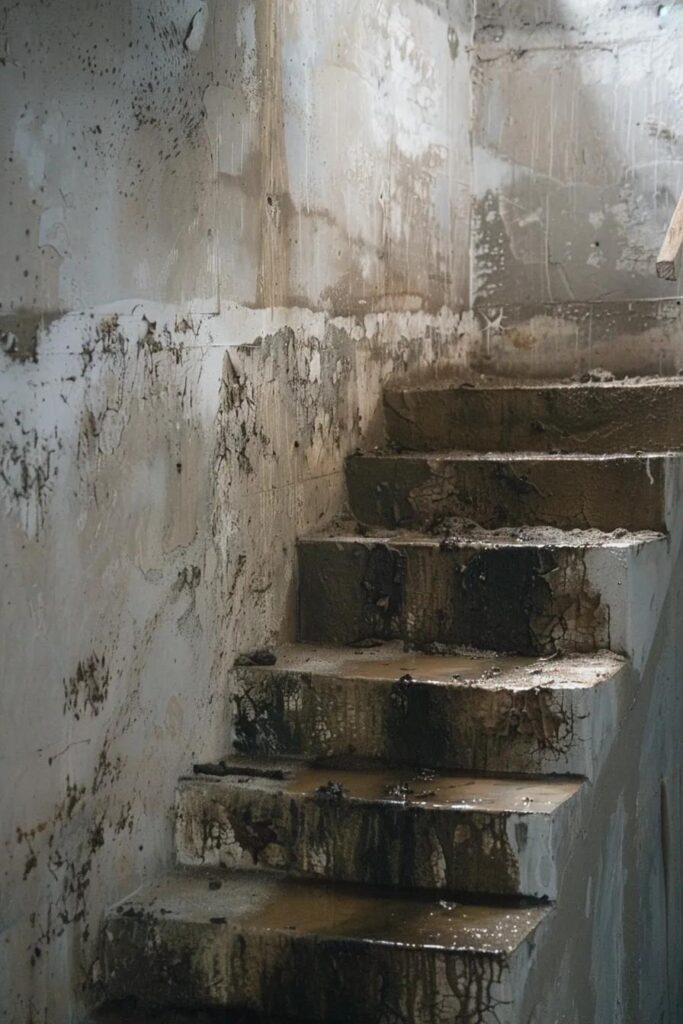
A wet basement shows both visible and subtle signs that, unchecked, lead to structural damage and health risks. Moisture encourages mold growth, degrades wood framing and insulation, and corrodes mechanical systems; it can also lower home value and create costly remediation projects. Homeowners should learn typical indicators so they can act early—prompt detection often saves substantial repair costs and restores safe indoor air quality.
The next paragraphs will detail how moisture damages building components and provide a concise visual checklist for quick homeowner inspections.
How Can Basement Water Damage Lead to Structural and Health Problems?
Water intrusion promotes biological growth like mold and mildew, which degrades indoor air quality and can trigger or worsen respiratory issues among household members. Prolonged moisture causes wood rot in framing and sill plates, reduces insulation effectiveness, and accelerates corrosion of metal fasteners and HVAC components, affecting system performance and safety.
Structural elements weakened by rot and repeated freeze-thaw damage can lead to settlement or compromised load paths, increasing repair complexity and cost. Understanding these mechanisms underlines the importance of early mitigation, because preventing moisture is far less expensive and disruptive than replacing damaged structural materials or remediating widespread mold.
What Are the Visible Signs of Basement Moisture and Mold Growth?
Alleviating Basement Water Pressure: Techniques for Hydrostatic Pressure and Infiltration
Recommendations are offered for alleviating water pressure, particularly in basement environments where hydrostatic pressure can increase significantly. Techniques are described for stopping water infiltration by applying negative side waterproofing solutions.
Remediating basement leaks, 2007
Homeowners can detect basement moisture through a set of observable cues that indicate current or past water intrusion and biological growth. Common signs include staining or efflorescence on masonry, peeling paint or blistering drywall finishes, and small puddles or persistent damp spots near foundation joints. Other indications are visible mold colonies—fuzzy or slimy growths on surfaces—and a musty odor that persists after apparent drying, which often signals hidden moisture behind finishes.
- Common visible signs of basement moisture include staining, efflorescence, peeling finishes, and puddling.
- Biological indicators include fuzzy mold colonies, dark staining on wood, and persistent musty odors.
- Mechanical clues include intermittent sump pump activation, warped flooring, and slow-draining floor areas.
These visible and olfactory cues form a quick homeowner checklist for early detection and prompt decision-making, and they naturally lead into choosing targeted waterproofing solutions that address the identified failure modes.
What Basement Waterproofing Solutions Are Most Effective for NJ Homes?
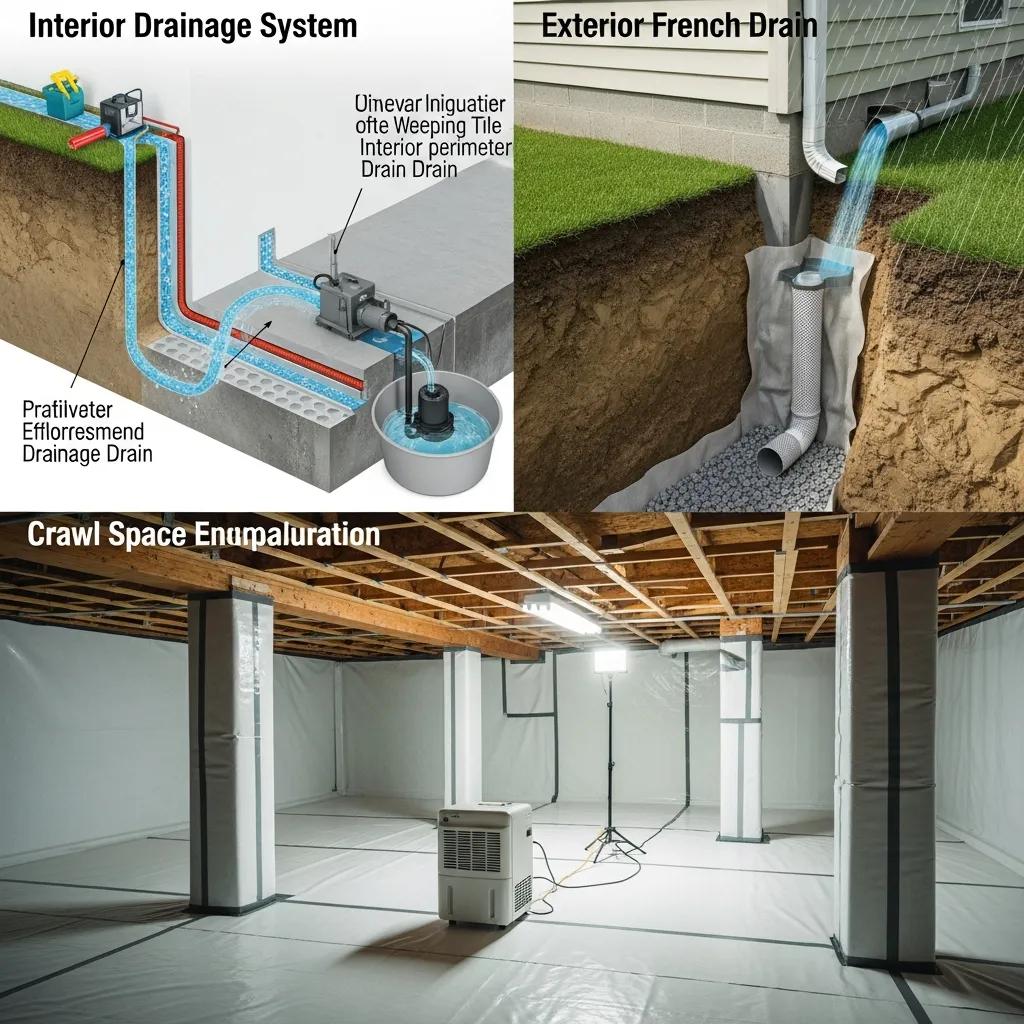
Effective basement waterproofing for New Jersey homes targets both groundwater control and interior humidity management to counter regional hydrostatic pressure and soil-driven risks. Solutions generally fall into interior drainage systems with sump pumps, exterior drainage like French drains, crawl space encapsulation and dehumidification for air quality, and structural reinforcement where foundation cracks or settlement exist. Each approach addresses different failure points—interior systems manage water that has already breached the wall, exterior systems reduce the water load against the foundation, and encapsulation plus dehumidification control humidity and related air-quality concerns. Choosing the right combination depends on soil conditions, access, scope of damage, and homeowner goals for usable basement space or long-term protection.
Different waterproofing methods suit different problems; the table below compares common options and helps homeowners match approach to need.
| Solution | Best for | Maintenance Needs |
|---|---|---|
| Interior drainage system | Basements with interior seepage and limited exterior access | Regular sump pump checks and occasional cleanouts |
| Sump pump with battery backup | Properties prone to power outages during storms | Battery tests and pump service annually |
| French drain (exterior) | High groundwater and poor external grading | Periodic inspection of outlet and surface grading |
| Crawl space encapsulation | Moist crawl spaces, radon reduction, and air-quality control | Dehumidifier servicing and vapor barrier inspection |
How Do Interior Drainage Systems and Sump Pumps Protect Basements?
Interior perimeter drainage systems collect groundwater that enters along the floor-wall joint and channel it to a sump basin where a pump expels it away from the foundation, reducing hydrostatic pressure and preventing standing water.
Sump pumps are the active component that removes collected water; pairing them with battery backups provides resilience during storms when power outages are likely. Proper installation includes a routed discharge, check valves to prevent backflow, and accessible basins for maintenance, while expected lifespan depends on pump quality and usage patterns. Regular testing and a maintenance routine—inspecting float switches, cleaning screens, and verifying battery state—ensure the system performs when needed and avoid surprises during peak runoff seasons.
What Role Do French Drains, Crawl Space Encapsulation, and Dehumidification Play?
Exterior French drains intercept and redirect groundwater before it exerts pressure on the foundation, which can prevent seepage when grading and downspout management are insufficient. Crawl space encapsulation creates a sealed barrier against ground moisture, often combined with a dedicated dehumidifier to control relative humidity and improve basement/crawl space air quality while reducing mold risk. Dehumidifiers target high-humidity environments and protect finishes, stored items, and HVAC efficiency; they work best as part of an integrated plan that includes drainage and sealing. Integrating exterior and interior methods yields the most durable outcome: exterior work lowers water load while interior systems and humidity control manage residual moisture for a dry, usable basement.
Effective Basement Solutions implements these methods as real-world services for New Jersey homeowners, offering interior drainage systems, sump pump installation with battery backup, French drain installation, crawl space encapsulation, dehumidification systems, and structural reinforcement as examples of comprehensive waterproofing approaches. Their in-house crews install and service these systems to address the specific soil and climate challenges described above. Presenting these services as examples helps homeowners visualize how a tailored combination of measures can control groundwater, protect air quality, and preserve finished basement spaces.
| System Component | Typical Role | Lifespan / Notes |
|---|---|---|
| Sump pump | Removes collected interior groundwater | 5–15 years depending on usage and maintenance |
| Interior perimeter drain | Channels seepage to sump basin | Low visibility, periodic flushing recommended |
| Battery backup unit | Keeps pump operational during outages | Battery replacement and testing required |
How Much Does Basement Waterproofing Cost in New Jersey and What Is the ROI?
Basement waterproofing costs vary because projects range from targeted leak repair to full-system installations, and site-specific factors—access, soil type, foundation condition, and landscape disruption—drive pricing differences. While exact quotes require an on-site inspection, homeowners can plan by understanding cost drivers: labor and materials for drainage systems, excavation for exterior work, and structural repairs when foundation reinforcement is needed. Investing in waterproofing produces ROI through avoided repair bills, reduced mold remediation costs, improved usable square footage, and increased buyer confidence at resale. Knowing which components contribute most to costs helps homeowners prioritize work that protects structure and health while maximizing long-term value.
What Factors Influence Basement Waterproofing Prices in NJ?
Several variables commonly change the scope and cost of waterproofing projects in New Jersey, with soil composition and access near the top of the list because they determine whether exterior excavation is feasible and how extensive drainage modifications must be. Labor intensity is another major driver: complex foundation repairs and structural reinforcement require skilled crews, while interior drainage and sump pump installs are often less invasive but may still require careful demolition and finish repairs. Landscaping, permits, and site restoration add to cost when exterior work is required, and homeowners should factor in ongoing maintenance needs such as pump servicing and dehumidifier upkeep when evaluating lifetime cost.
- Site access affects labor and equipment needs and therefore changes project cost.
- Soil type, especially clay soils, often increases the need for extensive drainage work.
- Structural repairs and foundation reinforcement significantly increase scope and price.
Understanding Hydrostatic Pressure and Waterproofing Membrane Integrity
Like roofing, waterproofing technology has experienced an exponential increase in complexity and sophistication. The primary threat to the integrity of a waterproofing membrane comes from liquid water pressure, often exacerbated by hydrostatic conditions.
The manual of below-grade waterproofing systems, 2000
| Service Component | Typical Cost Driver | Impact on ROI / Property Value |
|---|---|---|
| Interior drainage & sump pump | Labor access and pump quality | Protects finishes and increases usable square footage |
| French drain (exterior) | Excavation depth and landscape restoration | Reduces water load and can prevent future foundation repairs |
| Structural reinforcement | Extent of cracks and settlement | Directly preserves structural integrity and resale value |
How Does Waterproofing Increase Home Value and Save Money Long-Term?
Waterproofing increases a home’s marketability by reducing buyer concerns about moisture and mold, documenting remediation, and expanding usable basement square footage—factors that can support higher sale prices and faster closings. Long-term savings appear as avoided costs for mold remediation, structural repair, and repeated cosmetic fixes, and warranties or maintenance records enhance buyer confidence. For example, converting a previously damp basement into a dry, usable living area not only adds functional space but also protects mechanical systems installed in basements, which preserves equipment life and minimizes early replacement costs. Homeowners should view waterproofing as a protective investment: it stabilizes value and reduces the likelihood of surprise expenses that erode equity.
How Do You Choose the Right Basement Waterproofing Company in New Jersey?
Selecting the right contractor requires evaluating licensing, crew model, warranties, references, and the transparency of estimates to ensure quality and accountability. A licensed, in-house crew model reduces coordination errors, improves workmanship consistency, and simplifies warranty follow-up compared with heavy subcontracting arrangements. Homeowners should request documented examples of past projects, clear scopes of work, and written warranties, and they should compare multiple inspections to understand recommended scopes and alternatives. The following paragraphs identify specific qualities to look for and explain why in-house licensing matters for long-term reliability.
What Qualities Should NJ Homeowners Look for in Waterproofing Experts?
Homeowners should prioritize licensed professionals who provide clear, itemized estimates and written warranties, because documentation clarifies scope and sets expectations for performance. Local experience and references matter: documented before-and-after examples and client referrals demonstrate a contractor’s ability to solve problems specific to New Jersey soils and climate. Insurance coverage and transparent permitting practices protect homeowners from liability and ensure code compliance, while a no-pressure approach to estimates makes it easier to evaluate options calmly. Asking targeted questions during a free inspection—about expected timelines, required restoration, and maintenance responsibilities—helps homeowners compare proposals on an apples-to-apples basis and choose a partner they trust.
- Verify licensing and insurance to guard against liability.
- Request itemized estimates and written warranties for clarity.
- Ask for local references and documented project examples to confirm experience.
These checklist items help homeowners screen providers efficiently and prepare them to evaluate technical recommendations during on-site inspections.
Why Is Choosing an In-House Licensed Crew Important for Quality and Trust?
In-house licensed crews provide direct accountability: the same company controls hiring, training, and quality checks, reducing the risk of workmanship variability associated with multiple subcontractors. This model simplifies communication because project managers coordinate with employees they supervise, improving schedule adherence and consistency in finishing details. Warranty and follow-up service are typically easier to arrange with in-house teams since the original installers remain employed by the company and are available for callbacks.
Effective Basement Solutions exemplifies this approach by emphasizing licensed, in-house crews, a no-sales-pressure inspection process, clean workmanship, and free inspections as attributes homeowners should expect from reputable providers.
How Can NJ Homeowners Maintain a Dry Basement Year-Round?
Maintaining a dry basement is an active process of seasonal checks, routine maintenance of mechanical systems, and periodic professional inspections to catch small issues before they become costly. Key actions include managing gutters and grading to keep surface water away, testing and servicing sump pumps before storm season, and running dehumidifiers during humid months to keep relative humidity below mold-friendly thresholds. A documented maintenance schedule preserves warranty validity, extends system lifespans, and reduces the risk of surprises during heavy rainfall or snowmelt. The next sections provide a seasonal checklist and explain the benefits of regular professional inspections.
What Seasonal Tips Help Prevent Basement Water Problems in NJ?
A seasonally organized maintenance plan targets the times when specific risks are highest: spring thaw, summer storms, fall leaf buildup, and winter freeze events each require different preventative steps. In spring, homeowners should inspect for winter damage, clean downspouts, and test sump pump operation ahead of snowmelt; summer priorities include monitoring for heavy storm runoff and ensuring exterior drains remain clear. In fall, clearing gutters and checking grading are essential to prepare for winter precipitation, and in winter, insulating exposed pipes and protecting pump outlets from freezing reduces secondary water-damage risks. Following this seasonal rhythm helps homeowners catch evolving problems tied to NJ’s climate before they escalate into major repairs.
- Spring: Test sump pump operation and inspect for winter damage around foundation perimeters.
- Summer: Monitor heavy rain events and clear any debris blocking exterior drainage.
- Fall: Clean gutters and downspouts and verify soil grading guides water away from the foundation.
Implementing these seasonal tasks reduces emergency repairs and keeps waterproofing systems functioning effectively through the year.
| Task | Frequency | Benefit |
|---|---|---|
| Sump pump test | Quarterly / before storm season | Ensures reliable operation during peak runoff |
| Gutter and downspout cleaning | Biannually (spring/fall) | Prevents clogs that redirect water toward foundation |
| Dehumidifier maintenance | Seasonally or as needed | Controls humidity to prevent mold and preserve finishes |
How Does Regular Inspection and Maintenance Extend Waterproofing Effectiveness?
Regular inspections detect early signs of failure—clogged drains, failing pump float switches, or minor cracks—that can be corrected before becoming major structural problems, preserving both system performance and warranty coverage. Professional inspections typically include checking sump pump condition, verifying discharge routing, inspecting perimeter drains where visible, assessing dehumidifier performance, and evaluating exterior grading and downspout function. Catching small issues early avoids the compounding effects of moisture on framing, insulation, and finishes, and documented maintenance builds a service history valuable to future buyers. Adopting an annual or biannual professional checkup schedule balances cost with protection, delivering peace of mind and long-term savings.
- Schedule professional inspections at least annually to preserve warranties and detect issues.
- Perform routine pump and dehumidifier maintenance to avoid failures during critical periods.
- Keep a written maintenance log to document service history and improve resale transparency.
These maintenance habits complete the homeowner’s strategy for long-term dryness and protection against NJ-specific moisture risks.
This article has walked through why New Jersey basements are vulnerable, how to recognize danger signs, which waterproofing methods work best in the region, what influences cost and ROI, how to select qualified professionals, and how to maintain systems over time.
For New Jersey homeowners seeking a professional assessment, a free inspection from a licensed, in-house team can clarify the exact scope of work needed to protect structure and indoor air quality.
