
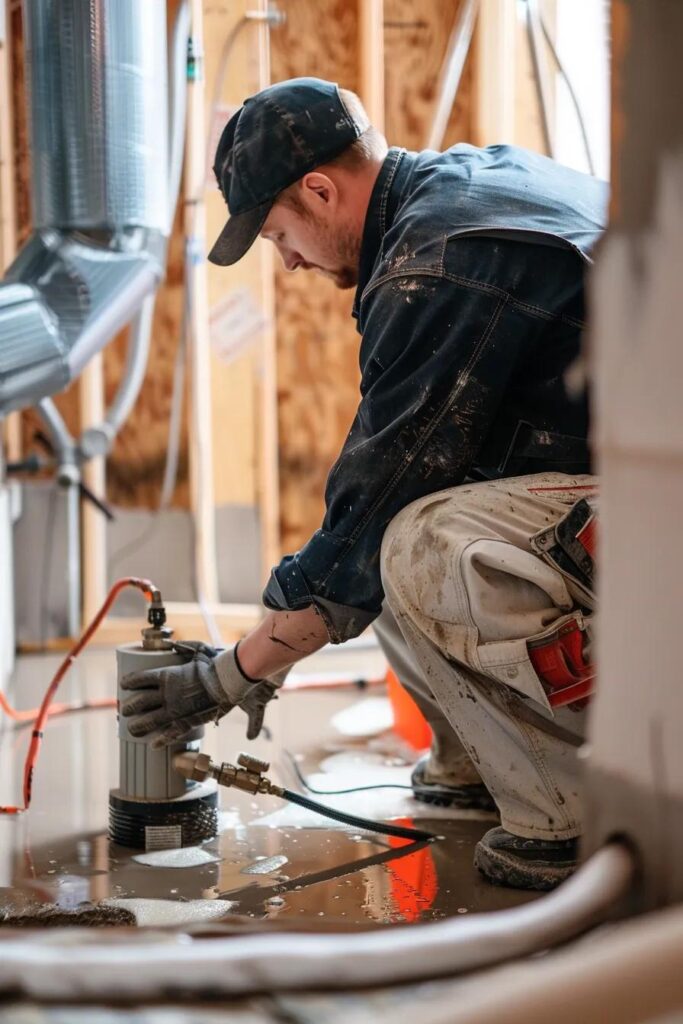
Sump Pump Installation in New Jersey: Expert Solutions to Protect Your Basement
Installing a sump pump means placing a pit, pump, and discharge line that actively moves groundwater and storm runoff away from your foundation to stop basement flooding, mold, and structural problems. In New Jersey — where heavy seasonal storms, a high water table, and fast snowmelt raise flood risk — a professional installation ensures dependable protection and discharge routing that meets local codes. This guide walks through how sump pumps work, which pump types and backup options suit New Jersey homes, the professional installation process, cost drivers and realistic price expectations, plus the maintenance needed to keep a system reliable year after year. You’ll also see how sump pumps work with French drains, crawl space encapsulation, and dehumidification as part of a complete waterproofing plan. Throughout, we note local considerations for sump pump installation NJ, battery backup sump pump NJ recommendations, and the practical steps homeowners should expect when scheduling a free inspection or installation.
Why Is Professional Sump Pump Installation Essential for New Jersey Homes?
Professional installation gets the pit size, pump choice, and discharge routing right so the system performs during storms and power outages. Licensed installers assess hydrostatic pressure, yard grading, and existing drainage to design a system that manages groundwater instead of just hiding symptoms — which lowers the chance of repeat basement intrusion. Properly placed check valves and correctly routed discharge lines stop return flow, and correct electrical work plus battery backup keep the system running when the power goes out. DIY installations often end up with undersized pits, no backup power, or poorly routed discharge that causes icing or neighborhood runoff problems. Given New Jersey’s weather and water-table challenges, professional work also provides the documentation and warranty coverage homeowners need for claims, resale, and code compliance.
Below are the primary reasons hiring a pro matters in New Jersey, and what they deliver for homeowners.
- Right-sized systems and correct pump selection for reliable removal during peak inflow events.
- Discharge and check valve design that prevents backups and foundation saturation.
- Licensed installation with warranty, documentation, and accountability for future service or insurance needs.
Together, these points show why investing in professional sump pump installation reduces flood risk, limits long-term repair costs, and improves overall system reliability. Next, we explain the common causes of basement flooding in NJ that make these measures necessary.
What Causes Basement Flooding and Water Damage in NJ?
Basements flood in New Jersey for several predictable reasons: intense rain, fast snowmelt, and a naturally high water table that increase hydrostatic pressure against foundations. Grading problems — compacted soil, incorrect lot slope, and clogged gutters — concentrate surface runoff at foundation walls and can overwhelm shallow drainage. Blocked downspouts or poor yard drainage can steer roof runoff toward foundation seams, and during heavy storms municipal storm systems sometimes become overwhelmed, creating localized basement flooding. Climate trends toward more intense precipitation mean older drainage layouts may no longer be adequate. Knowing these drivers helps homeowners and technicians pick pump capacity, pit depth, and complementary fixes like French drains or grading corrections before installation planning begins.
This causes summary leads into how a properly installed sump pump mechanically prevents flooding and mold by collecting and removing groundwater away from the foundation.
How Does a Sump Pump Prevent Basement Flooding and Mold?
A sump pump protects a basement by collecting water in a pit and pumping it through a discharge line away from the foundation before moisture reaches living spaces and encourages mold. Core components — sump pit (basin), float switch, pump motor, check valve, and discharge pipe — work together: water enters the pit, the float triggers the pump, the pump expels water through the discharge, and the check valve stops return flow. This cycle lowers hydrostatic pressure around the foundation and limits prolonged dampness that allows mold to grow on porous surfaces. Regular monitoring and properly sized discharge routing also prevent pooling at the discharge point and avoid creating secondary moisture issues on the property. That mechanical chain is why component selection and installation detail matter for long-term protection.
With the basics covered, the next section compares pump types and backup options homeowners should consider for New Jersey conditions.
What Are the Different Types of Sump Pumps and Backup Systems?
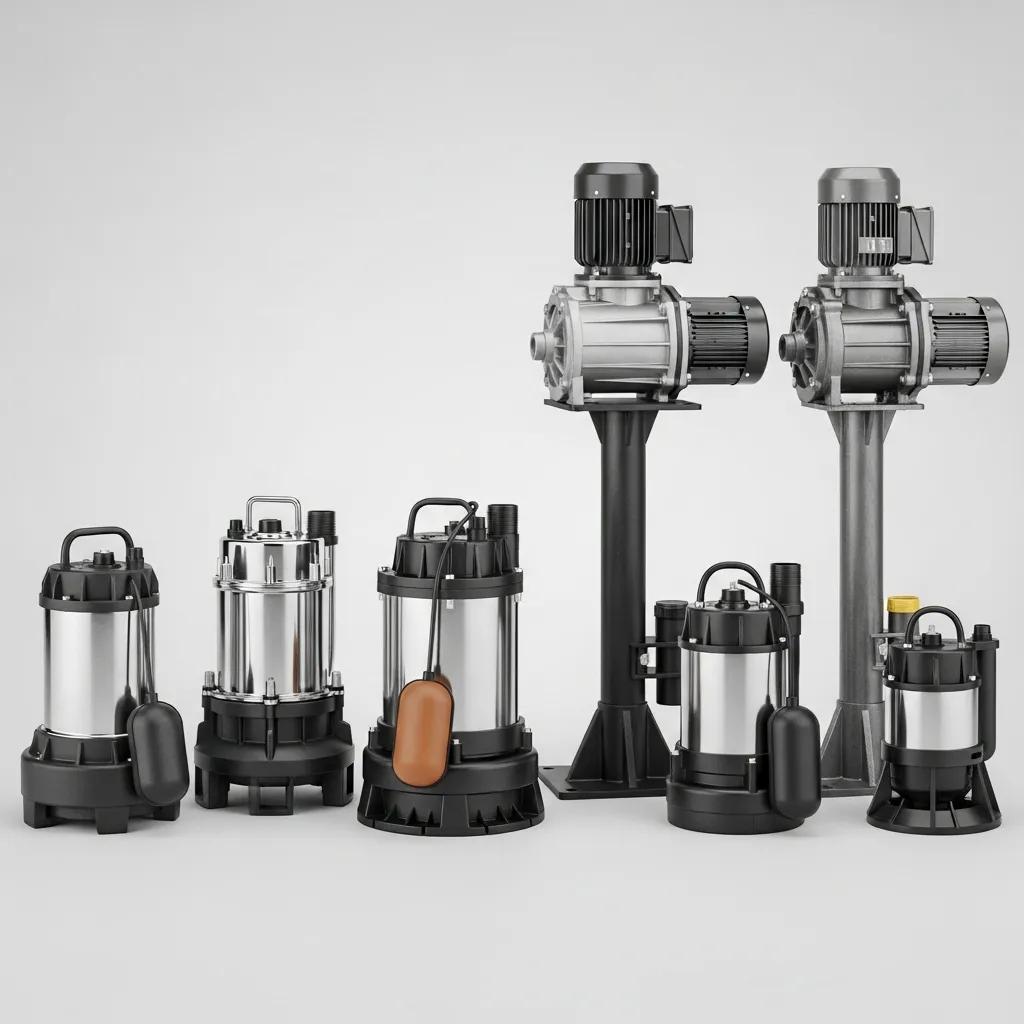
Picking the right sump pump means weighing submersible, pedestal, battery-backup, and water-powered options by capacity, lifespan, noise, and how they match your home’s flooding profile. Submersible pumps sit in the pit and are quieter with higher capacity for frequent or heavy inflow. Pedestal pumps have the motor above the pit, making motor access easier but usually offering less capacity and more noise. Battery-backup systems keep water moving during power outages — a common storm-time problem — and water-powered backups can work where municipal water pressure and local codes allow. Proper sizing accounts for head (vertical lift), gallons per hour at that head, and expected inflow; pairing a primary high-capacity pump with a battery backup gives redundancy and lowers failure risk during extreme events.
The table below compares common pump and backup types so homeowners can quickly see trade-offs and choose the right setup for their property.
| Pump Type | Power Source | Typical Lifespan | Best Use Case | Cost Range |
|---|---|---|---|---|
| Submersible sump pump | Electric (submerged) | 7–15 years depending on duty | High-capacity removal for frequent flooding | Moderate–High |
| Pedestal sump pump | Electric (motor above pit) | 8–12 years with maintenance | Low-frequency use and easy motor access | Low–Moderate |
| Battery-backup sump pump | Battery + charger + control | 3–7 years for battery; system lasts longer | Ensures operation during power outages | Adds to primary system cost |
| Water-powered backup | Municipal water pressure | Long for mechanical parts; dependent on water | Backup when power outages are prolonged and permitted | Varies; depends on installation complexity |
This comparison highlights how submersible and pedestal choices affect noise, capacity, and access, while backup systems address power-loss vulnerabilities and guide the redundancy homeowners should require. The next subsection focuses on submersible versus pedestal designs to help pick the primary pump.
How Do Submersible and Pedestal Sump Pumps Compare?
Submersible and pedestal pumps differ mainly by motor placement, performance, and maintenance needs, so each fits different flood-risk profiles. Submersible pumps sit in the pit and deliver higher flow rates with quieter operation — a common choice for basements with frequent water or a high water table. Pedestal pumps keep the motor above the pit, making motor service and swaps easier, but they’re louder and generally lower-capacity, suitable for homes with only occasional minor seepage. Lifespan depends on build quality and duty cycle: submersible units can handle sustained use but require pit access for replacement, while pedestal pumps allow simpler motor replacement without disturbing the basin. Evaluate typical inflow and how much maintenance you’re willing to do to decide between quiet, high-capacity performance or easier motor service.
This comparison sets up why battery backups matter in New Jersey, where storms often cause power outages during peak inflow events.
Why Is a Battery Backup Sump Pump Important for NJ Homes?
Battery backups are critical in New Jersey because storms frequently combine heavy rain with power outages — and without backup power your primary pump can’t protect your basement at the worst time. A battery system senses loss of mains power and runs a secondary pump on battery, giving you hours (or longer, depending on the system) until power returns or flooding subsides. Backup options include standalone battery systems operating a dedicated secondary pump, integrated units that use the same pump via an inverter, or generator tie-ins for extended outages. Regular battery testing and scheduled replacement are essential to ensure backups are ready when needed and to prevent catastrophic basement flooding during storms.
With types and backup strategies understood, the next section describes the professional installation process from inspection through testing.
What Is the Step-by-Step Process for Professional Sump Pump Installation?
Professional installation follows a predictable sequence: inspection and site assessment, pit sizing and excavation, pump and backup selection, discharge routing and check valve installation, electrical hookup, testing, and homeowner orientation. Each step evaluates how the home drains, selects components matched to expected inflow and lift needs, and documents the system so it performs reliably and complies with local codes. Discharge routing commonly requires running above-grade piping to a safe dispersal point away from the foundation and neighbors; licensed technicians size check valves and piping to prevent backflow and freezing. Final testing includes simulated inflow, verifying float operation, and showing homeowners how to test and maintain the system. This workflow reduces installation errors and produces a predictable, dependable system.
Here’s a clear, numbered outline of the core installation steps so homeowners know what to expect on a typical job.
- Site assessment and inspection: Evaluate basement conditions, inflow sources, existing drainage, and power availability.
- Pit sizing and excavation: Cut or form a sump pit sized for expected inflow and pump access.
- Pump and backup selection and installation: Mount the primary pump and backup, install float switches, and secure the check valve.
- Discharge routing and electrical hookup: Route discharge pipe away from the foundation and complete dedicated electrical circuit and battery backup wiring.
- Testing and homeowner orientation: Test operation with simulated inflow, explain routine tests, and provide documentation and warranty details.
This sequence clarifies task order and timing so homeowners understand each phase of the project. Next, we explain how Effective Basement Solutions runs a free inspection as part of that assessment.
How Does Effective Basement Solutions Conduct a Free Inspection?
Effective Basement Solutions offers a free, no-obligation inspection that looks for water entry points, evaluates existing drainage and sump condition, verifies electrical availability, and recommends when French drains or crawl space encapsulation make sense. During the visit, licensed technicians inspect foundation conditions, estimate required lift and pit depth, review discharge routing options, and identify obstacles like concrete penetrations or finished floors that affect excavation. The inspector provides a written estimate with clear options for pump type, backup systems, and any waterproofing work, and usually lays out expected timelines and next steps. Because the company uses a licensed in-house crew, the inspection directly informs an installation plan the same crew can execute — improving continuity and accountability.
This explanation of the free inspection leads into the key installation steps performed by licensed in-house technicians.
What Are the Key Installation Steps by Licensed In-House Technicians?
Licensed in-house technicians handle site prep, precise pit cutting or excavation, secure pump mounting, check valve installation, discharge piping routing, and dedicated electrical hookups, followed by system testing and cleanup. The crew ensures the pit basin rests on a suitable base, seals concrete rims as needed, and routes piping through foundation walls with freeze-resistant details when above-grade discharge is used. Electrical work includes installing a dedicated circuit, GFCI protection where required, and wiring the battery backup so it charges and transfers automatically during outages. All systems are tested to confirm float operation, pump cycling, and battery transfer.
Because the team is in-house, quality checks and warranty paperwork are straightforward, and technicians will walk homeowners through routine tests and recommended maintenance intervals at project completion.
How Much Does Sump Pump Installation Cost in New Jersey?
Costs in New Jersey vary by pump type, pit work complexity, discharge routing, backup systems, and any needed electrical or structural work. Expect a range rather than a single price. Major cost drivers include whether a new pit must be cut through concrete, the choice between pedestal and submersible pumps, adding a battery backup or generator tie-in, the distance and complexity of discharge piping, and integration with French drains or foundation repair. For accurate pricing, an in-home inspection is essential because local conditions and finish repairs (patching concrete, floor restoration) affect labor and materials. Effective Basement Solutions provides free, no-obligation inspections and itemized quotes that break down components and labor so homeowners can compare options transparently.
The table below outlines common cost factors, typical ranges, and homeowner actions that influence price during budgeting and quoting.
| Cost Factor | Typical Range | Influence Level | Homeowner Action |
|---|---|---|---|
| Pump type and capacity | Moderate to High | High | Select pump based on inflow and head requirements following inspection |
| Pit excavation and concrete work | Low to High | High | Confirm whether concrete cutting or floor restoration is necessary |
| Battery backup system | Moderate | Medium-High | Decide on backup runtime and battery type based on outage risk |
| Discharge routing complexity | Low to Moderate | Medium | Identify routing options and avoid causing runoff issues on site |
| Additional waterproofing (French drain, encapsulation) | Moderate to High | High | Integrate complementary systems when recommended for long-term protection |
This table shows installation costs depend on technical variables and scope rather than a single flat fee. The next subsection explains the specific factors that most influence cost and gives low/medium/high complexity scenarios.
What Factors Influence Sump Pump Installation and Replacement Costs?
Key cost variables include accessibility of the installation area, whether concrete cutting is required, pump capacity and backup options, and whether additional waterproofing must be integrated. Low-complexity jobs — an accessible utility room, an existing pit in good condition, and a short discharge run — are mainly pump and labor and sit at the lower end of local ranges. Medium-complexity jobs may require cutting finished concrete, longer discharge runs, and adding a battery backup, increasing labor and materials. High-complexity scenarios include finished basements needing floor restoration, extensive finish removal, or integration with interior French drains and foundation repairs — these raise labor and material costs significantly. Sharing photos and notes about existing conditions before inspection helps installers give accurate, tailored quotes.
After understanding these drivers, homeowners will want to know how to get an accurate quote and use the available free inspections.
How Can Homeowners Get Accurate Quotes and Free Inspections?
To get accurate quotes, schedule an in-person inspection where technicians assess inflow patterns, measure lift, verify electrical access, and identify integration opportunities with other waterproofing systems. Before the visit, prepare photos, note prior flooding incidents, and document existing sump equipment or pump model numbers to help the inspector evaluate options quickly. The inspector provides a written estimate that itemizes pump choice, backup options, excavation needs, discharge routing, and any recommended complementary work; that estimate becomes the basis for scheduling and contract terms. Because Effective Basement Solutions offers free, no-obligation inspections and tailored quotes, homeowners can compare options without pressure and choose licensed in-house installation by the same team that inspected the property.
How Can You Maintain Your Sump Pump for Long-Term Basement Protection?
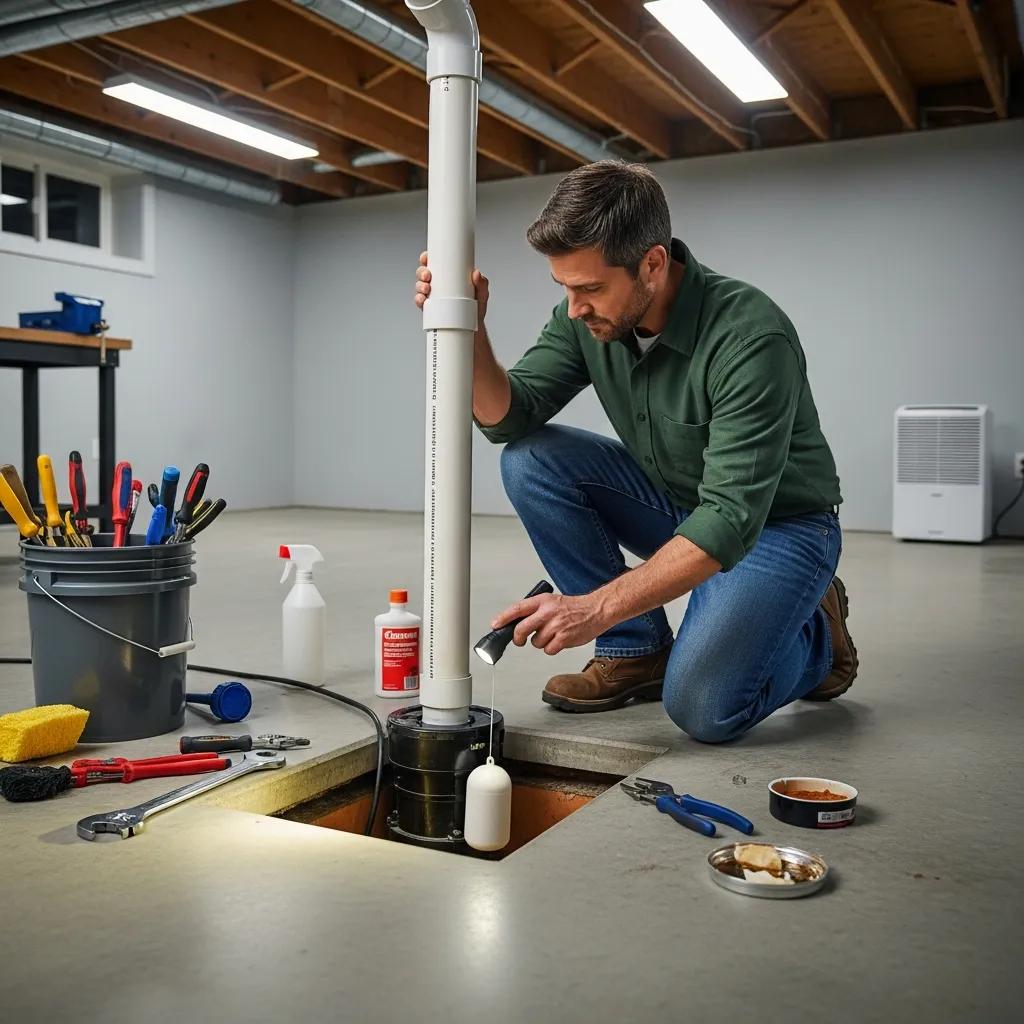
Routine maintenance keeps a sump pump reliable and greatly reduces the chance of failure during critical storms. A mix of DIY checks and professional service offers the best balance of cost and reliability.
The checklist below lists common maintenance tasks, how often to do them, whether they’re DIY or usually professional, and expected time.
| Maintenance Task | Frequency | DIY vs. Professional | Expected Time |
|---|---|---|---|
| Visual and power check | Monthly | DIY | 5–10 minutes |
| Float switch test (pour water) | Monthly | DIY | 5 minutes |
| Battery backup load test | Every 6 months | Professional recommended | 15–30 minutes |
| Full system inspection and cleaning | Annually | Professional | 30–60 minutes |
| Check valve and discharge verification | Annually or after storms | Professional | 15–30 minutes |
This table clarifies which tasks homeowners can handle and which are best left to licensed technicians, helping plan maintenance that preserves system reliability. The next subsection explains recommended practices and why they matter.
What Are the Recommended Sump Pump Maintenance Practices?
Recommended maintenance includes a monthly quick check of the float and power, semi-annual battery checks for backup systems, and an annual professional inspection that covers pit cleaning and performance testing. Keep a maintenance log of tests, battery changes, and service dates so both homeowners and technicians can spot trends that signal wear and plan proactive replacement instead of emergency fixes.
For a monthly check, pour water into the pit to confirm the float triggers the pump and water discharges properly — a simple test that checks mechanical and electrical function.
For battery backups, perform load tests periodically and replace batteries on the manufacturer’s recommended schedule to avoid failure during prolonged outages.
Annual professional service typically includes removing debris from the pit, verifying check valve operation, and ensuring discharge piping and above-grade routing are clear and frost-resistant. Together, these steps extend pump life and reduce emergency repair risk.
When Should You Consider Sump Pump Repair or Replacement in NJ?
Consider repair or replacement when a pump shows repeated short-cycling, unusual noises, fails during test runs, or reaches typical end-of-service lifespans that raise failure risk.
Signs like strange motor sounds, frequent cycling on minimal inflow, or inability to handle expected peak flow during tests mean the pump needs professional diagnosis and likely repair.
Lifespans vary by use and quality, but planning replacement before a pump fails — especially for heavily used primary pumps — reduces the chance of basement flooding and costly mold remediation.
If a pump consistently fails inspections or recurring repair costs approach the price of replacement, investing in a modern, efficient pump plus a battery backup usually provides better long-term reliability and lower lifecycle cost.
How Does Sump Pump Installation Integrate with Other Basement Waterproofing Services?
Sump pumps are often one component of a complete waterproofing strategy that includes interior French drains, exterior drainage fixes, crawl space encapsulation, and dehumidification to lower overall moisture and protect the structure.
French drains collect sub-surface water and route it to the sump pit, reducing seepage and hydrostatic pressure on foundation walls; installing a French drain with a sump pump creates a dependable sub-surface management system.
What Is the Role of French Drain Systems in Complementing Sump Pumps?
A French drain uses a perforated pipe set in gravel to capture sub-surface water and channel it to the sump pit, significantly lowering hydrostatic pressure on foundation walls and stopping water entry at seam points. During installation, sequencing matters: the trench and perforated pipe are placed at footing level (or interior perimeter) so sub-surface flows enter the drain and feed the sump. With the French drain collecting water passively and the pump removing it actively, the sump system can handle collected groundwater consistently and reduce the chance localized seepage bypasses protection. A properly designed French drain therefore improves sump pump effectiveness and offers a durable long-term solution for foundation pressure control.
How Do Crawl Space Encapsulation and Dehumidification Enhance Basement Protection?
Crawl space encapsulation installs a vapor barrier and creates a sealed environment that stops ground moisture from migrating into crawl spaces and adjoining basements, while dehumidifiers remove moisture from the air to keep humidity in a safe range. Reducing baseline moisture infiltration lowers the amount of water the sump pump must handle during normal conditions, which reduces pump cycles and wear.
Dehumidification improves indoor air quality, cuts mold risk, and helps protect wood framing, insulation, and finishes — all of which complements the sump pump’s water-control role. Together, encapsulation and dehumidification form a holistic moisture-management approach that extends the life of mechanical components and lowers long-term maintenance and remediation costs.
Why Choose Effective Basement Solutions for Your Sump Pump Installation?
Effective Basement Solutions is a local New Jersey expert in basement waterproofing and foundation repair with licensed, in-house crews that install sump pumps and related systems using durable, high-capacity components.
The company emphasizes free inspections to assess site-specific needs and produces tailored recommendations that cover immediate sump pump installation and longer-term waterproofing work like French drains and crawl space encapsulation.
Using an in-house crew means the same technicians who inspect your property handle installation and service, creating accountability, consistent workmanship, and straightforward warranty management.
Key benefits Effective Basement Solutions offers New Jersey homeowners seeking sump pump installation include:
- Licensed in-house crew for consistent workmanship and simpler warranty follow-up.
- Free, no-obligation inspection that yields a tailored plan covering drainage, pump sizing, and backup needs.
- An integration-focused approach that aligns sump pump installation with French drains, encapsulation, and dehumidification.
These advantages show how a full-service provider can simplify project continuity and long-term care. The next subsection explains the benefits of the licensed, in-house crew model in more detail.
What Are the Unique Advantages of Our Licensed, In-House Crew?
A licensed, in-house crew delivers quality control because technicians follow unified training, use consistent materials, and are accountable for both inspection findings and final installation. This model reduces communication gaps that can happen when inspections are handed off to subcontractors, and it simplifies scheduling and service follow-up since the same team documents the job and returns for warranty work. In-house crews also maintain consistent safety practices, parts inventories, and standardized checklists, which produces predictable timelines and clearer cost estimates. For homeowners, that continuity means fewer surprises, easier warranty resolution, and peace of mind that the people who inspected the issue are the ones who execute the fix.
That operational description leads to an evidence-focused summary of review themes from local homeowners without quoting individuals.
What Do New Jersey Homeowners Say About Our Service?
Public reviews and homeowner feedback commonly praise timeliness, clear communication, and solid workmanship when a provider pairs thorough inspection with consistent installation crews. Effective Basement Solutions reports similar themes in client feedback: homeowners highlight responsiveness during scheduling, clear written estimates that explain options and costs, and confidence from receiving a documented plan tailored to their property. While we don’t reproduce individual quotes here, aggregated review themes emphasize the value homeowners place on reliable performance during severe weather and the convenience of a single company handling inspection, installation, and follow-up. We encourage readers to check the company’s review profiles and local listings to read detailed ratings and comments.
How Can You Request a Free Sump Pump Inspection Today?
Requesting a free inspection is simple: contact the provider, schedule an on-site visit, and prepare basic information that helps the inspector evaluate conditions efficiently. Typical scheduling channels include the online contact form or the local business listing. Before the visit, gather photos of the basement, any existing sump equipment, and a short history of past water events to speed the assessment.
When scheduling, confirm availability windows and whether technicians will need access to utilities or finished areas; clear communication reduces delays on the day of the visit. The inspection is no-obligation and results in a written estimate that details pump options, recommended waterproofing, and a proposed timeline for installation if you choose to proceed.
Use this short checklist to make scheduling easy and ensure the inspection is productive.
- Gather photos and notes: Take images of visible water stains, existing sump equipment, and basement layouts.
- Choose a scheduling channel: Use the provider’s website form or local business listing to request an appointment.
- Confirm access details and timing: Note any special entry instructions or interior constraints for the inspector.
- Review the written estimate: Expect an itemized, no-obligation quote with recommended options and timelines.
This low-friction scheduling process sets expectations for what follows. The next subsection describes the on-site assessment flow and the deliverables homeowners should expect.
What Is the Easy Process to Schedule Your Inspection?
Scheduling is usually as easy as providing contact details, preferred time windows, and a brief description of the water issue. Many providers offer online scheduling or booking through their local business listing. Lead times depend on season and demand, with weekday appointments often more available. Pick time windows that allow the inspector to do a full walkthrough and measurements without interruption. If your basement has finished areas, mention that when booking so the inspector brings protective coverings and the right equipment. Sharing photos and a short history of past flooding reduces on-site assessment time and helps produce a more accurate written quote after inspection.
That overview leads into what to expect during the free sump pump assessment and the materials you’ll receive afterward.
What Should You Expect During Your Free Sump Pump Assessment?
During the free assessment the inspector does a visual walkthrough, estimates pit depth and required lift, evaluates discharge routing options, checks electrical access, and determines whether complementary services like French drains or encapsulation are recommended.
The inspector documents observed entry points, tests any existing pump, and notes structural details that affect excavation and finish work. You’ll receive a written estimate that itemizes components, labor, and optional enhancements. Deliverables usually include a recommended pump type and capacity, backup options, a projected timeline, and next steps for scheduling installation if you choose to move forward. The estimate is no-obligation so you can compare options. Clear communication and a documented plan help you make informed decisions and ensure any installation is based on a thorough, site-specific evaluation.
This service-focused explanation wraps up the guide and gives homeowners a clear path to schedule inspection and installation when they’re ready.
Frequently Asked Questions
1. How often should I perform maintenance on my sump pump?
Perform monthly visual checks and float switch tests to confirm operation. Test battery backup systems every six months and schedule a full professional inspection and cleaning each year. Keeping a maintenance log helps track tests, battery changes, and service dates so you can spot trends and extend the life of your pump.
2. What are the signs that my sump pump needs repair or replacement?
Look for unusual noises, frequent short-cycling, or failure to activate during tests. If the pump struggles with expected inflow or shows corrosion or leaks, contact a professional. Also consider replacement when a pump approaches its typical 7–15 year lifespan to avoid unexpected failures and costly water damage.
3. Can I install a sump pump myself, or should I hire a professional?
Some homeowners attempt DIY installation, but we strongly recommend a professional — especially in New Jersey where local codes and site-specific conditions matter. Pros ensure proper sizing, routing, and compliance, reducing future problems. They also provide warranties and documentation that can be important for insurance and resale. A licensed technician will recommend the best system for your home.
4. How does a sump pump integrate with other waterproofing systems?
A sump pump is one part of a broader waterproofing plan that can include French drains, crawl space encapsulation, and dehumidifiers. French drains direct groundwater to the sump pit, reducing pressure on foundation walls. Encapsulation prevents moisture from entering crawl spaces, and dehumidifiers help maintain healthy humidity levels. Together, these systems improve long-term protection against water damage.
5. What should I expect during a sump pump installation?
A licensed technician will start with a site assessment to determine the right pump size and type. Installation typically includes excavating or preparing a pit, installing the pump and backup, routing discharge piping, and completing electrical connections. After installation, the system is tested and the technician explains maintenance and operation. This thorough process ensures reliable performance and code compliance.
6. Are battery backup sump pumps necessary in New Jersey?
Yes. Battery backups are highly recommended in New Jersey because storms often cause power outages. A backup ensures your sump pump continues to operate when the main power fails, protecting your basement during heavy rain or snowmelt. Regular testing and scheduled battery replacement keep backups reliable.
7. How can I prepare for a sump pump inspection?
Gather photos of visible water damage, existing sump equipment, and a brief history of past flooding incidents to help the technician assess your situation faster. Ensure the inspector has access to the basement and any areas that might affect installation, such as electrical outlets or finished spaces. Clear communication about your concerns helps the technician recommend tailored solutions.
Conclusion
Professional sump pump installation in New Jersey delivers dependable protection against basement flooding, mold, and structural damage. By understanding pump types, backup options, and the installation and maintenance process, homeowners can make informed choices that safeguard their property. Don’t wait for the next storm — schedule your free sump pump inspection today to protect your home. Explore our expert solutions and take the first step toward a dry, secure basement.

gt5j42