Prevent Water Damage: Chatham NJ Basement Waterproofing Solutions
Basement waterproofing protects a home’s foundation and living spaces from water intrusion, mold growth, and structural damage, and it is especially important for properties in Chatham, NJ where local conditions increase moisture risk. This guide explains why Chatham basements commonly experience leaks and hydrostatic pressure, outlines the effective waterproofing solutions available, and helps homeowners recognize warning signs that require professional attention. Readers will learn how interior drainage systems, French drains, sump pump installations, crawl space encapsulation, and dehumidification work together to keep basements dry and healthy. The article also describes cost drivers and maintenance options so homeowners can plan budgets and long-term protection. Finally, we highlight how a local provider with licensed in-house crews, free inspections, and warranty-backed work integrates these solutions for lasting results. Throughout, target terms such as basement waterproofing Chatham NJ, sump pump installation Chatham NJ, and French drain systems Chatham NJ are used to connect readers to actionable guidance.
Why Do Chatham NJ Homes Need Basement Waterproofing?
Basement waterproofing is the set of methods that prevent groundwater and surface water from entering foundation spaces; it works by redirecting water away from the foundation, relieving hydrostatic pressure, and controlling interior moisture levels to protect structural integrity and indoor air quality. In Chatham, NJ these systems matter because regional rainfall patterns, local soil types, and seasonal freeze-thaw cycles combine to drive water toward foundation walls. Effective waterproofing reduces mold risk, prevents damage to finishes and stored belongings, and maintains property value. Below is a concise list of the most common local causes and how they contribute to water intrusion.
- Heavy seasonal rainfall: Intense spring and summer storms increase surface runoff toward homes.
- High groundwater levels: Elevated water tables exert hydrostatic pressure on foundation walls.
- Clay-rich soils: Poorly draining soils expand and retain moisture close to foundations.
These local factors often act together, so solutions that address both water entry and interior humidity are essential. Understanding these drivers leads directly to choosing the correct combination of interior drainage, exterior grading, and mechanical controls like sump pumps for long-term dryness.
What Local Soil and Climate Challenges Affect Basements in Chatham NJ?
Local soil composition and climate patterns determine how water moves near foundations, and in Chatham many yards contain patches of clay or mixed soils that slow drainage and hold moisture next to footings. This retained moisture increases hydrostatic pressure during wet periods, pushing water through cracks and joints; freeze-thaw cycles then widen openings and worsen seepage. Seasonal storm clusters and occasional heavy downpours create repeated stress on drainage systems, making both proactive grading and internal drainage essential for resilience. Homeowners should think in terms of managing both surface runoff and subsurface groundwater to reduce long-term risk and protect indoor air quality.
What Are Common Basement Problems in Chatham NJ?
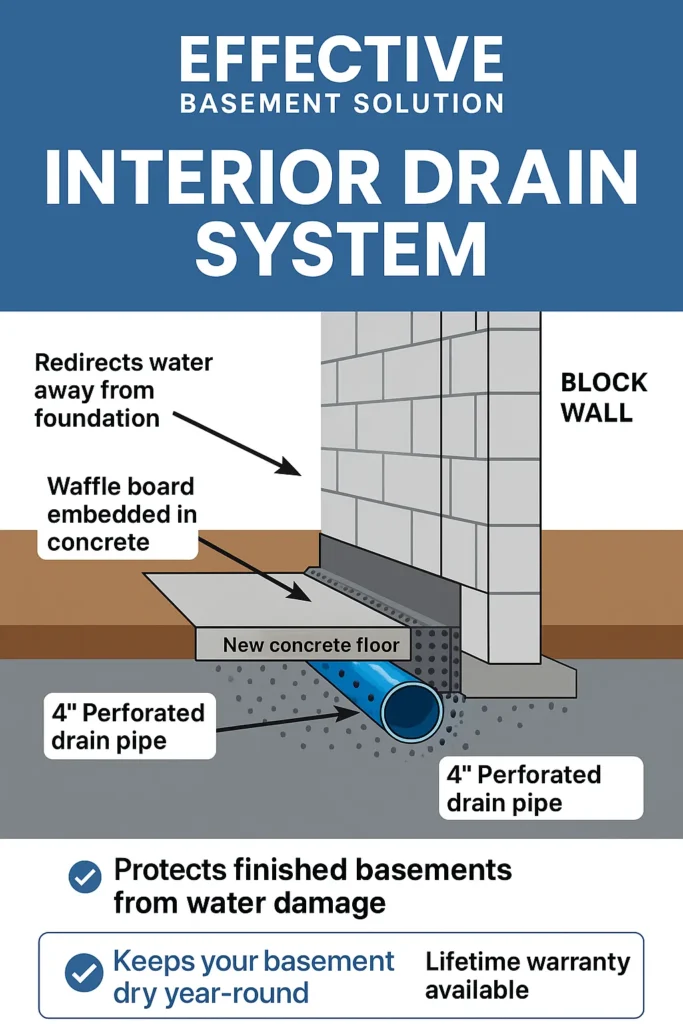
Common basement problems in Chatham present as visible damage, health-related indicators, and structural warning signs that require different levels of intervention. Visible issues include hairline cracks, efflorescence on masonry, peeling paint, and occasional standing water after storms. Health-related indicators are musty odors and mold growth on organic materials, which point to chronic moisture problems requiring humidity control and remediation. Structural signs such as bowing walls or doors that stick indicate load-bearing issues or prolonged hydrostatic pressure and usually demand structural reinforcement alongside waterproofing. Early identification of the specific problem guides the appropriate solution, from targeted interior drainage to wall stabilization.
What Basement Waterproofing Services Does Effective Basement Solutions Offer in Chatham NJ?
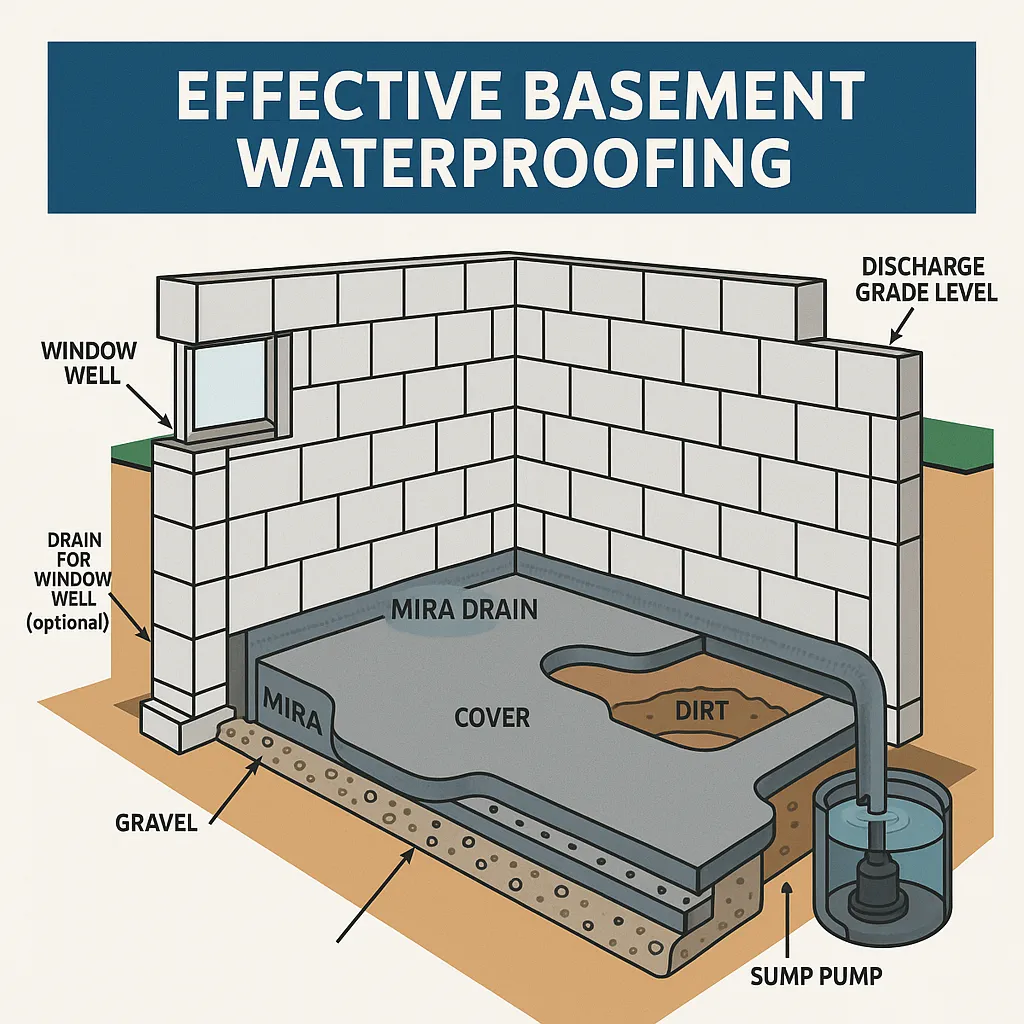
Basement waterproofing services combine mechanical systems, drainage installations, and moisture-control treatments to create a coordinated defense against water entry and humidity-related damage. Core service categories include interior drainage systems that capture and redirect water, sump pump installations that remove collected water, French drain systems (interior or exterior) that intercept groundwater, crawl space encapsulation to isolate underlying spaces, dehumidification to manage humidity, and structural reinforcement where walls or foundations show stress. Each service targets a mechanism — for example, interior drainage lowers interior water levels while encapsulation prevents moisture migration — and together they preserve both structure and indoor air quality. Below is a compact comparison of typical service components to clarify purpose and expectations.
Introductory table: service components and purpose.
| Service Component | Characteristic | Typical Purpose |
|---|---|---|
| Sump Pump | Mechanical pump + basin | Prevents basement flooding by removing collected water |
| Interior French Drain | Perimeter drain tile, below slab | Redirects groundwater to sump for removal |
| Exterior French Drain | Trench + perforated pipe outside foundation | Intercepts groundwater before it contacts the foundation |
| Crawl Space Encapsulation | Vapor barrier + sealing | Controls moisture, improves air quality, protects insulation |
This comparison helps homeowners see which elements are complementary and when a combined approach is appropriate. After assessing site-specific drivers such as soil and access, professionals design a system that integrates these components for reliable performance.
For homeowners in Chatham seeking evaluation, Effective Basement Solutions offers free inspections and performs installations using licensed in-house crews with warranty-backed work. The company emphasizes in-house crews (no subcontractors) and integrates interior drainage, sump pump systems, French drains, crawl space encapsulation, dehumidification, and structural reinforcement into comprehensive plans. The free inspection identifies which combination of services is appropriate and helps homeowners understand expected outcomes before committing to work.
How Do Sump Pump Installations Prevent Basement Flooding?
A sump pump installation prevents basement flooding by collecting infiltrating water in a dedicated basin and mechanically discharging it away from the foundation, thereby lowering the interior groundwater level and relieving hydrostatic pressure on walls and slabs. Typical installations pair a perforated drain tile or collection channel with a sump basin; when water rises, the pump activates and sends discharge through an exterior-safe route, reducing the chance of standing water. Using a reliable float switch and, where appropriate, backup power solutions, helps ensure operation during storms and power outages. Regular maintenance — checking pump operation, cleaning the basin, and testing backup systems — preserves function and prevents unexpected failures.
What Are the Benefits of French Drain Systems for Chatham Basements?
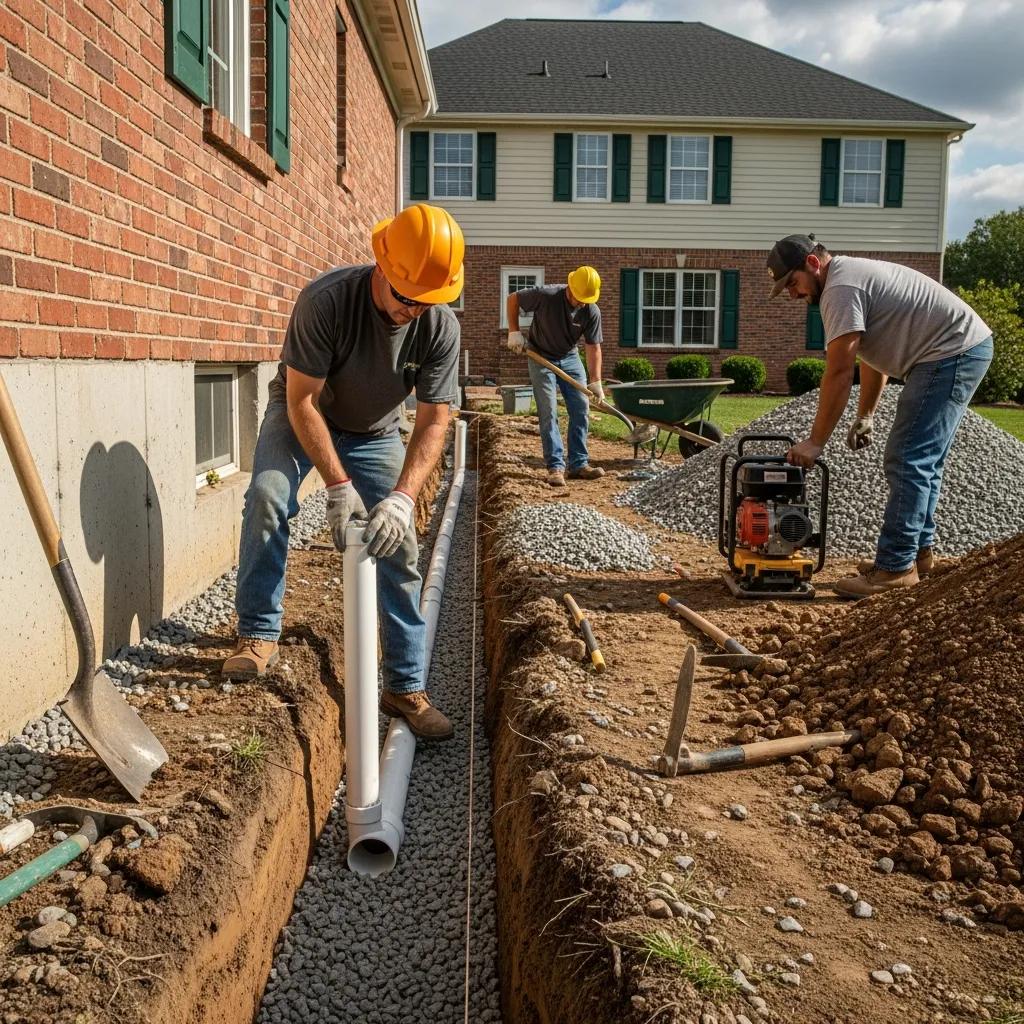
French drain systems redirect groundwater away from foundations by providing a controlled pathway for water to flow to a safe discharge point or to a sump basin, reducing lateral pressure on foundation walls and limiting seepage. Interior French drains are installed along the footing under the basement slab to capture water already inside the structure, while exterior French drains intercept water before it reaches the foundation; each choice balances cost, disruption, and effectiveness. In many Chatham properties, interior systems provide effective protection with less exterior disturbance, while exterior systems offer longer-term prevention when site access allows. Properly designed French drains lower water infiltration risk and extend the life of foundation systems when combined with discharge and pump management.
How Does Effective Basement Solutions Ensure Quality and Trust in Chatham NJ?
Quality assurance in basement waterproofing rests on consistent workmanship, transparent process steps, and post-installation protection such as warranties; systems must be installed correctly to perform for years. Effective Basement Solutions emphasizes licensed in-house crews and a no-subcontractor policy to maintain control over training, quality checkpoints, and accountability on every project. During project planning, the company documents the chosen solution and expected performance, and warranty terms are presented to homeowners so they understand coverage for workmanship and materials. These trust-building elements — licensed crews, free inspections, and warranty-backed work — help homeowners make informed decisions and reduce the risk of misapplied solutions.
What Makes Our Licensed In-House Crews Reliable?
Licensed in-house crews provide reliability through consistent training, oversight, and adherence to process controls that ensure every component is installed to specification. Using dedicated teams means supervisors can enforce quality checkpoints such as proper drain gradient, correct pump basins, and secure sealing of vapor barriers, which directly affect long-term performance. Accountability also improves scheduling and site communication, reducing delays and miscoordination common when multiple subcontractors are involved. For homeowners, this translates into clearer timelines, predictable workmanship, and a single point of responsibility for follow-up and warranty service.
How Do Free Inspections and Warranties Protect Homeowners?
A free inspection provides a no-cost, expert assessment that identifies root causes, recommends targeted solutions, and clarifies expected outcomes so homeowners make informed choices rather than reactive repairs. Typical inspections evaluate visible signs, moisture readings, soil and grading conditions, and existing drainage performance; inspectors then outline recommended interventions and follow-up steps. Warranties reduce homeowner risk by defining coverage for materials and workmanship, creating a framework for corrective action if systems fail within the warranty period. Scheduling a free inspection is a low-friction first step that documents conditions and gives homeowners a transparent plan before work begins.
What Are the Signs You Need Basement Waterproofing in Chatham NJ?
Recognizing early warning signs allows homeowners to act before minor moisture issues escalate into structural or health problems; common indicators include visible water, persistent dampness, and signs of structural stress. Quick identification and time-sensitive action can prevent mold proliferation, property loss, and higher repair costs. The list below summarizes typical signs and their implications.
- Standing water or consistent dampness: indicates active leakage or poor drainage.
- Mold or musty odors: signals chronic moisture and potential air quality issues.
- Cracks, efflorescence, or peeling finishes: evidence of water migration through masonry.
These signs differ in urgency: standing water and new, widening cracks are immediate triggers for professional inspection, while recurring dampness and musty smells indicate a need for humidity control and remediation planning.
Introductory table: signs with severity and recommended next steps.
| Indicator | Severity/Urgency | Recommended Next Step |
|---|---|---|
| Standing water | High | Schedule immediate professional inspection |
| New or growing cracks | High | Document and seek structural assessment |
| Persistent musty odor | Medium | Test for mold and evaluate humidity control |
| Efflorescence | Low-Medium | Monitor and assess for waterproofing need |
How to Identify Basement Leaks, Mold, and Structural Issues Early?
Early identification starts with a simple visual and sensory checklist performed seasonally and after heavy storms; look for water stains, damp flooring, peeling paint, visible mold, and new cracks in walls or floors. Use a flashlight to inspect seams and corners where water tends to enter, and note any changes in door or window operation that indicate shifting or swelling. For mold concerns, small surface testing or professional assessment can verify contamination and inform remediation. Taking photos and dates helps track progression and supports a focused inspection by a professional when problems are confirmed.
When Should You Schedule a Professional Inspection?
Schedule a professional inspection immediately after any standing water event, on noticing new or expanding cracks, or when mold odors persist despite cleaning; these triggers indicate active water intrusion or ongoing humidity issues. Additionally, consider inspections before major home transactions or renovations that alter grading or drainage to prevent unexpected moisture issues. For at-risk properties—those with past seepage, low lot grades, or known high groundwater—an annual or biennial inspection keeps systems in working order. Preparing a simple list of symptoms and recent weather history before the inspector arrives speeds diagnosis and helps prioritize effective remedies.
How Much Does Basement Waterproofing Cost in Chatham NJ?
Basement waterproofing cost varies with the chosen solution, basement condition, site accessibility, and the extent of structural work required; typical ranges reflect differences in materials, labor intensity, and system longevity. Interior drainage systems with sump pumps often present a cost-effective option with moderate disruption, while exterior membrane work and excavation raise costs due to excavation and landscaping restoration. Below is an EAV-style comparison of common solutions to help homeowners estimate relative costs, lifespan, disruption level, and maintenance needs.
Introductory table: solution comparison with attributes.
| Solution Type | Typical Cost Range | Lifespan | Disruption Level | Maintenance Needs |
|---|---|---|---|---|
| Interior Drain + Sump Pump | Moderate ($$) | 10–25 years | Low–Moderate | Regular pump checks |
| Exterior Membrane | Higher ($$$) | 20–40 years | High (excavation) | Periodic exterior inspections |
| Sump Pump Only | Low–Moderate ($$) | 7–15 years | Low | Annual pump testing |
| Dehumidifier | Low ($) | 5–10 years | Minimal | Filter changes, condensate checks |
What Factors Influence Basement Waterproofing Pricing?
Primary pricing factors include the extent of water intrusion, basement square footage and layout, solution complexity (interior vs. exterior), access for equipment and excavation, and any required structural repairs or permit work. Soil conditions and lot grading can add cost when exterior interventions or significant excavation are needed. Additional elements such as choosing higher-end pumps, backup systems, or integrating dehumidification will increase the project scope and price. Collecting several detailed estimates and confirming what each includes — labor, materials, restoration — helps compare options on an apples-to-apples basis.
Introductory list: cost-influencing factors.
- Basement size and finish level: Larger or finished basements require more work.
- Solution type: Exterior excavation and membrane systems cost more than interior drains.
- Accessibility: Limited access or required landscaping restoration increases labor costs.
These factors determine both initial investment and long-term ownership costs, so align solution selection with performance needs and budget constraints. After reviewing options, homeowners can schedule a free inspection to get a tailored estimate and an implementation timeline.
Are There Maintenance Plans to Ensure Long-Term Protection?
Maintenance plans typically include periodic sump pump testing, cleaning of interior drain channels and basins, dehumidifier service such as filter replacement, and visual inspections of seals and wall finishes; regular maintenance extends system life and preserves warranty conditions. Recommended service cadences commonly range from annual check-ups for mechanical systems to seasonal monitoring of humidity during humid months. A formal maintenance plan bundles scheduled visits and priority service, reducing the chance of failure during critical weather events. Investing in routine care is often more cost-effective than addressing system failures after damage occurs.
Maintenance tasks checklist:
- Test sump pump operation and float switch: Ensure reliable activation.
- Clean sump basin and intake areas: Prevent debris-induced failure.
- Service dehumidifier filters and condensate lines: Maintain humidity control.
What Do Chatham NJ Homeowners Say About Our Basement Waterproofing Services?
Local case studies and homeowner feedback illustrate outcomes and common themes such as improved dryness, clearer communication, and reliable follow-up, helping prospective clients understand practical benefits. Effective Basement Solutions reports using licensed in-house crews and providing free inspections to diagnose problems and recommend integrated systems that address root causes rather than temporary fixes. Testimonials often highlight reduced basement moisture, elimination of recurring leaks, and the reassurance of warranty-backed work. Below are short case-style descriptions that demonstrate problem → solution → result patterns.
Introductory list: typical homeowner outcomes from local projects.
- Eliminated recurring seepage: Interior drain and sump system stopped seasonal water entry.
- Controlled humidity and mold reduction: Encapsulation plus dehumidification addressed musty odors.
- Stabilized bowed wall: Structural reinforcement combined with drainage halted progression.
Can Local Case Studies Demonstrate Our Proven Results?
A typical local case study follows a clear progression: a homeowner reports standing water and mold; a free inspection identifies high groundwater and inadequate interior drainage; a combined interior French drain with a new sump pump and dehumidifier is installed; follow-up shows dry conditions and resolved musty odors. Measurable outcomes include elimination of visible seepage and stabilized indoor humidity levels, and projects usually include documented before/after assessments. These short case narratives help homeowners see the logical connection between diagnosis, selected interventions, and achieved outcomes.
How Do Customer Testimonials Reflect Our Service Quality?
Testimonials commonly emphasize timely communication, thorough explanations during the free inspection, and confidence in licensed in-house crews that perform the work without subcontractor handoffs. Homeowners often note that clear warranty terms and post-installation support reduced anxiety about long-term performance. While individual experiences vary, recurring themes are improved basement dryness, fewer maintenance headaches, and appreciation for a single accountable team. If you’re experiencing basement issues, consider requesting a free inspection to receive a tailored plan and transparent next steps from a local provider.
This article has outlined the causes, diagnostic signs, service options, cost considerations, and outcomes associated with basement waterproofing in Chatham, NJ, providing homeowners with the information needed to choose and maintain effective solutions.
Frequently Asked Questions
What is the best time of year to schedule basement waterproofing in Chatham NJ?
The ideal time for basement waterproofing in Chatham, NJ, is typically during the fall or early spring. These seasons often provide milder weather conditions, making it easier for contractors to work without the complications of extreme temperatures or heavy rainfall. Scheduling during these times can also help ensure that your basement is protected before the heavy rains of spring or the freeze-thaw cycles of winter set in. Additionally, planning ahead allows for better availability of contractors and materials.
How long does a typical basement waterproofing installation take?
The duration of a basement waterproofing installation can vary based on the complexity of the project and the specific solutions being implemented. Generally, most installations can be completed within one to three days. Simple projects, such as sump pump installations or interior drainage systems, may take less time, while more extensive work, like exterior drainage systems or structural reinforcements, could take longer. It’s best to consult with your contractor for a more accurate timeline based on your specific needs.
Can I waterproof my basement myself, or should I hire a professional?
While some minor waterproofing tasks, like applying sealants or installing a dehumidifier, can be done by homeowners, most comprehensive waterproofing solutions require professional expertise. Professionals have the necessary tools, experience, and knowledge to assess the unique conditions of your basement and implement effective solutions. DIY methods may not address underlying issues, leading to potential failures and costly repairs down the line. Hiring a licensed contractor ensures that the job is done correctly and comes with warranties for peace of mind.
What should I expect during a free inspection for basement waterproofing?
During a free inspection, a qualified technician will assess your basement for signs of water intrusion, moisture levels, and structural integrity. They will examine visible areas, check for cracks, and evaluate existing drainage systems. The inspector may also take moisture readings and discuss any concerns you have. After the assessment, they will provide a detailed report outlining the findings and recommend appropriate waterproofing solutions tailored to your specific situation. This process helps you make informed decisions about necessary interventions.
Are there any long-term maintenance requirements after waterproofing?
Yes, long-term maintenance is essential to ensure the effectiveness of your waterproofing system. Regular tasks include testing sump pumps, cleaning drainage channels, and servicing dehumidifiers. Homeowners should also visually inspect the basement for any new signs of moisture or structural issues. Establishing a maintenance plan with your contractor can help schedule these tasks and ensure that your waterproofing system continues to function optimally, preventing future problems and extending the lifespan of the installed solutions.
What are the environmental impacts of basement waterproofing materials?
Many modern basement waterproofing materials are designed to be environmentally friendly, minimizing their impact on the surrounding ecosystem. For instance, products like water-based sealants and non-toxic drainage systems are commonly used. Additionally, proper waterproofing can help reduce energy consumption by improving indoor air quality and reducing the need for heating and cooling. When selecting materials, it’s advisable to discuss eco-friendly options with your contractor to ensure that your waterproofing project aligns with your environmental values.
Conclusion
Investing in basement waterproofing solutions in Chatham, NJ, safeguards your home from water damage, mold growth, and structural issues, ensuring a healthier living environment. By understanding local challenges and implementing effective strategies like sump pump installations and French drain systems, homeowners can achieve lasting protection and peace of mind. Don’t wait for minor issues to escalate; schedule a free inspection today to explore tailored solutions for your basement. Trust in licensed professionals to deliver quality workmanship and warranty-backed services for your home.