
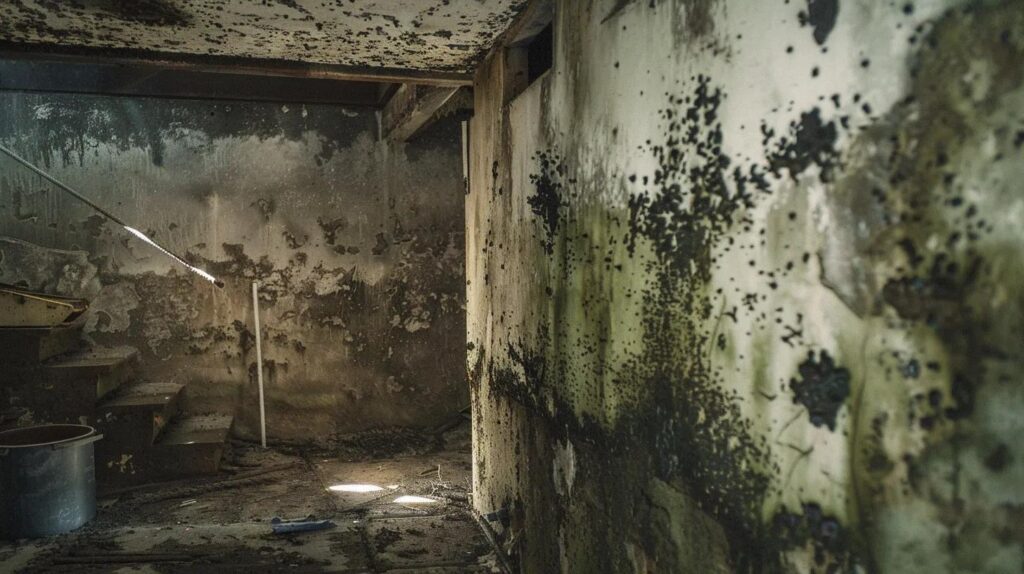
Finding Mold in Your Home: How to Recognize, Test, and Remediate Mold for Safe Living
Have you noticed a persistent musty odor or dark spots on your basement walls? Recognizing the first signs of mold growth and understanding how to test and remediate it are essential steps for maintaining a healthy home environment. In this guide, you will learn how to spot visible and hidden mold, why basements are especially vulnerable, and whether DIY test kits or professional inspections are right for you. We’ll explore remediation processes, preventive measures such as basement waterproofing and humidity control, health implications of mold exposure, and how Effective Basement Solutions supports New Jersey homeowners with expert services and free consultations.
What Are the Most Common Signs of Mold in Your House?
Visible mold growth and odors are the most reliable early warnings of fungal infestation in your home, indicating moisture problems that demand prompt attention. Recognizing these signals can prevent structural damage and health risks by guiding you to the right testing and remediation approach.
How to Identify Visible Mold Growth and Dark Spots
Visible mold growth appears as patches or streaks on damp surfaces, often presenting in shades of black, green, or white. These colonies feed on organic materials like wood, paper, and fabric, leading to surface discoloration and material breakdown.
- Look for fuzzy or velvety patches on walls, ceilings, and around windows.
- Inspect corners, baseboards, and behind furniture where airflow is limited.
- Note any peeling paint or bubbling wallpaper as signs of moisture accumulation.
- Use a torch to reveal subtle mold textures hidden in crevices.
These observations highlight moisture sources that can fuel hidden colonies, prompting a closer examination of concealed areas.
What Does Mold Smell Like and Why Is It Important?
Mold emits a distinct musty or earthy odor caused by microbial volatile organic compounds (mVOCs) released during growth. Detecting this smell early often precedes visible signs and pinpoints hidden infestations.
Because vapors travel through air ducts and cracks, encountering a persistent musty scent is a reliable indicator that mold spores are present. Identifying and addressing the source of this odor stops further spread and prepares the area for targeted testing techniques.
How Can Hidden Mold Be Detected in Your Home?
Hidden mold often grows behind walls, under flooring, or inside ductwork where moisture and nutrients meet out of sight. Detecting these concealed colonies requires combining sensory clues with specialized tools.
- Use moisture meters to measure elevated water content in drywall or wood.
- Listen for dripping sounds that suggest plumbing leaks behind surfaces.
- Check HVAC systems for visible mold on coils or in condensate pans.
- Employ infrared thermography to reveal temperature anomalies caused by dampness.
These methods uncover unseen growth and set the stage for precise mold testing or professional inspection services.
What Health Symptoms Indicate Mold Exposure?
Mold exposure can trigger a range of respiratory and allergic reactions, underscoring the importance of early detection and removal. The table below outlines common symptom categories, associated impacts, and recommended actions for occupants.
| Symptom Category | Impact | Recommended Action |
|---|---|---|
| Respiratory Irritation | Coughing, wheezing, shortness of breath | Increase ventilation and test indoor air quality |
| Allergic Reactions | Sneezing, itchy eyes, nasal congestion | Use HEPA filters and remove affected materials |
| Chronic Fatigue | Persistent tiredness, headaches | Consult medical professional and remediate mold |
| Asthma Exacerbation | More frequent or severe asthma attacks | Seal leaks, install dehumidifiers |
Adverse Health Effects of Indoor Molds
A comprehensive literature review highlights that exposure to high levels of indoor mold can lead to injury and dysfunction across multiple organ systems, including respiratory, hematological, immunological, and neurological systems, even in immunocompetent individuals. The review emphasizes that many studies link damp or moldy indoor conditions to increased incidence and severity of respiratory issues like asthma, wheezing, and rhinosinusitis.
This research directly supports the article’s discussion on the wide range of health symptoms and impacts associated with mold exposure, including respiratory irritation, allergic reactions, and chronic fatigue.
These health signals reinforce the need for comprehensive inspection and remediation protocols before symptoms worsen.
Why Is Mold Common in Basements and How Does It Develop?
Basements provide the ideal environment for mold growth due to cool temperatures, poor ventilation, and frequent moisture intrusion. Understanding the root causes in this domain guides effective prevention and treatment strategies.
What Causes Mold Growth in Basements: Leaks, Humidity, and Condensation
Mold thrives where water accumulates on surfaces, and basements often experience:
- Water leaks from cracked foundation walls or faulty plumbing.
- High humidity levels exceeding 60 percent due to damp soil and lack of airflow.
- Condensation on cold basement walls and windows when warm indoor air meets cooler surfaces.
Identifying these factors helps homeowners prioritize repairs and environmental controls to halt mold development and protect structural integrity.
Which Types of Mold Are Found in Basements and How Are They Identified?
Several mold species commonly colonize basements, each presenting unique characteristics and health considerations.
| Mold Species | Common Appearance | Toxicity Level |
|---|---|---|
| Stachybotrys chartarum | Dark green to black | Potentially toxic |
| Cladosporium | Olive-green or brown | Allergenic |
| Penicillium | Blue or white velvety | Moderate allergen |
Characteristic coloration and texture guide initial identification, while professional sampling confirms exact species and toxicity for tailored remediation plans.
How Does Poor Ventilation and Moisture Contribute to Mold Problems?
Inadequate airflow prevents moisture evaporation, trapping humid air against cold surfaces and creating condensation hotspots. Over time, these damp zones become breeding grounds for mold spores carried through ambient air. Improving ventilation and reducing moisture not only dries out susceptible areas but also disrupts the lifecycle of mold, preventing new colonies from forming.
Identify, Test, and Remediate Mold for a Safer Home
Testing for mold verifies the presence, extent, and species involved, guiding appropriate remediation. Choosing between DIY kits and professional inspections depends on accuracy requirements, health concerns, and size of the suspected infestation.
What Are the Pros and Cons of DIY Mold Test Kits?
DIY mold test kits offer a low-cost, quick way to collect surface or air samples, but they have limitations in accuracy and risk of false negatives.
- Easy to use with swabs or petri dishes that capture spores.
- Provide initial indication of mold presence without expert fees.
- Lack professional calibration, leading to inconclusive or misleading results.
- Cannot identify hidden mold behind walls or under flooring.
Understanding these trade-offs helps homeowners decide when to escalate to certified inspection services for reliable analysis and safety.
Why Is Professional Mold Inspection in New Jersey Recommended?
Professional mold inspection in New Jersey ensures compliance with state regulations for areas exceeding 10 square feet and offers comprehensive assessment through certified methods.
State-certified inspectors use calibrated equipment, advanced sampling techniques, and laboratory analysis to detect both visible and hidden mold. Their findings guide precise remediation strategies, offer legal documentation for insurance claims, and establish accountability for lasting results.
What Does a Professional Mold Inspection Include?
A professional mold inspection typically follows these steps to deliver a complete evaluation:
- Visual assessment of all accessible areas and moisture sources.
- Moisture mapping using meters and infrared scanning.
- Air and surface sampling for laboratory identification of species and spore counts.
- Written report detailing infestation extent, species identified, and recommended remediation actions.
- Post-remediation testing to confirm successful removal and safe indoor air quality.
This structured process ensures that every mold node is uncovered and addressed for a durable solution.
What Is the Mold Remediation Process and When Should You Call Professionals?
Effective remediation removes existing mold colonies, prevents spore spread, and restores healthy conditions. Large infestations or toxic species warrant professional intervention.
When Is Professional Mold Remediation Essential?
Professional mold remediation becomes essential when:
- Infested areas exceed 10 square feet or span multiple rooms.
- Toxic species like Stachybotrys chartarum are detected.
- Occupants suffer severe allergic or respiratory reactions.
- Underlying structural issues, such as foundation cracks, facilitate recurring growth.
Engaging experts at this stage prevents health hazards and ensures that every trace of mold and moisture source is eliminated.
What Are the Step-by-Step Stages of Mold Removal?
The standardized remediation workflow includes:
- Containment – Isolate the affected zone to prevent spore migration.
- Filtration – Use HEPA air scrubbers to capture airborne spores.
- Removal – Safely discard mold-infested materials following disposal regulations.
- Cleaning – Apply antimicrobial treatments to remaining surfaces.
- Repair – Fix leaks, seal cracks, and restore structural elements.
- Verification – Conduct post-remediation testing to confirm mold levels are safe.
This protocol ensures a systematic approach to restore a healthy indoor environment.
How Much Does Mold Remediation Cost and What Factors Affect Pricing?
Several variables influence the overall cost of mold removal, guiding homeowners in budgeting and planning.
| Cost Factor | Influence on Pricing | Typical Range |
|---|---|---|
| Infestation Size | Larger areas require more labor and materials | $1,125–$3,345 for 10–50 sq ft |
| Mold Species | Toxic varieties need specialized containment | +15–25 percent for black mold |
| Accessibility | Hard-to-reach locations add labor costs | +10 percent for concealed areas |
| Structural Repairs | Foundation cracks or leaks need rebuilding | Varies by repair scope |
Awareness of these elements empowers homeowners to secure accurate quotes and anticipate investment in lasting solutions.
How Can You Prevent Mold Growth and Protect Your Home Long-Term?
Prevention focuses on controlling moisture, improving ventilation, and reinforcing barriers against water intrusion. These measures form a comprehensive defense that supports lasting basement health.
How Does Basement Waterproofing Help Prevent Mold?
Basement waterproofing applies sealants, membranes, and drainage systems to stop water ingress through foundation walls and floors. By creating a continuous moisture barrier, waterproofing eliminates the primary fuel source for mold growth and stabilizes indoor humidity.
Continued monitoring of waterproofing integrity ensures that these protective measures remain effective over time.
What Are Effective Humidity Control and Ventilation Strategies?
Maintaining indoor humidity below 60 percent and encouraging air circulation are key to deterring mold.
- Install dehumidifiers rated for basement floor area.
- Use exhaust fans in laundry rooms and bathrooms.
- Keep windows and vents open when outdoor conditions permit airflow.
- Add passive vents or energy-recovery ventilators for fresh air exchange.
A Brief Guide to Mold, Moisture, and Your Home
This guide from the U.S. Environmental Protection Agency (EPA) explains that molds produce allergens, irritants, and sometimes mycotoxins, which can cause allergic reactions, asthma attacks, and irritation of the eyes, skin, nose, throat, and lungs. It emphasizes that controlling moisture indoors by fixing leaks, maintaining proper ventilation, and using dehumidifiers is crucial for preventing mold growth and its associated health problems.
This guide reinforces the article’s sections on the health effects of mold exposure and provides authoritative recommendations for preventing mold growth through moisture control and ventilation strategies.
How Should You Maintain Your Basement to Avoid Future Mold?
Regular basement upkeep reinforces preventive measures and catches emerging issues early.
- Inspect plumbing and foundation walls quarterly for leaks.
- Remove debris and clutter to allow full airflow.
- Reapply waterproof coatings every few years.
- Conduct seasonal moisture meter checks at critical locations.
Proactive maintenance preserves the home’s dry conditions, guarding against mold resurgence.
What Are the Health Effects of Mold Exposure and How Can You Stay Safe?
Mold exposure can affect air quality and trigger varied health reactions, making protective actions and medical guidance essential for at-risk individuals.
What Respiratory and Allergic Symptoms Are Caused by Mold?
Mold-related air contaminants can aggravate respiratory and immune responses, as detailed below.
| Symptom Category | Impact | Recommended Safety Measure |
|---|---|---|
| Nasal Congestion | Blocked sinuses and sinus pressure | Wear N95 mask during remediation |
| Wheezing | Tightness in chest, difficulty breathing | Use portable air purifier |
| Skin Irritation | Red rashes and itchiness | Avoid direct contact with infested areas |
| Throat Irritation | Scratchy or sore throat | Rinse mouth and stay hydrated |
Implementing these measures reduces immediate symptoms while professional remediation restores safe air quality.
Is Black Mold Always Toxic and How Can It Be Identified?
Not all black-colored mold produces toxins. While Stachybotrys chartarum is known for mycotoxin release, other species may appear dark without harmful compounds. Professional sampling and laboratory analysis are required to confirm toxicity, ensuring appropriate containment and removal strategies.
Distinctive features such as slimy texture and location on high-cellulose materials often signal toxic strains, guiding remediation experts to employ enhanced safety protocols.
Testing the Toxicity of Stachybotrys chartarum in Indoor Environments—A Case Study
This study investigated the toxicity of a specific strain of Stachybotrys chartarum found in an apartment building, using ecotoxicological tests and instrumental analytical methods. It found the analyzed strain to be moderately to slightly toxic, identifying spirocyclic drimanes as key metabolites, but noted the absence of highly toxic satratoxins in the sample. The research underscores that not all strains of S. chartarum are highly toxic and that toxicity can vary based on factors like the culture medium.
This study provides verified information regarding the toxicity of Stachybotrys chartarum, supporting the article’s nuanced explanation that not all black-colored mold produces harmful toxins and that professional analysis is crucial for confirmation.
When Should You Seek Medical Advice for Mold-Related Health Issues?
Homeowners should consult healthcare providers if they experience:
- Persistent respiratory symptoms lasting more than two weeks.
- New or worsening asthma attacks after spending time indoors.
- Unexplained allergic reactions or skin rashes.
- Systemic symptoms such as chronic fatigue, headaches, or flu-like signs.
Early medical evaluation in conjunction with mold remediation protects vulnerable individuals and ensures comprehensive recovery.
How Does Effective Basement Solutions Support New Jersey Homeowners with Mold Issues?
Effective Basement Solutions specializes in localized mold inspection, testing, and remediation combined with basement waterproofing to deliver holistic moisture control for New Jersey residences. Our expertise and free consultation service build trust and guide homeowners through each stage of mold management.
What Mold Inspection and Remediation Services Are Offered in New Jersey?
Our services include:
- Certified visual and air-sampling inspections by state-licensed technicians.
- Laboratory analysis of collected samples for accurate species identification.
- Full-service remediation following industry best practices and local regulations.
- Integration of basement waterproofing solutions to address root causes.
- Post-project verification testing to confirm safe indoor air quality.
These comprehensive offerings ensure that every aspect of mold and moisture control is addressed under one roof.
How to Request a Free Mold Consultation and Professional Assessment
Homeowners in New Jersey can secure a complimentary consultation by contacting Effective Basement Solutions via phone or online request form. During this assessment, our specialists conduct a preliminary evaluation of basement conditions, discuss concerns, and outline a tailored inspection and remediation plan with transparent pricing.
Engaging our free consultation connects you with trusted expertise and a clear path to a dry, mold-free home.
What Are Real Case Studies of Successful Mold Remediation in New Jersey Basements?
Our project portfolio demonstrates tangible results:
- Eliminated black mold in a Bergen County basement by combining interior drainage and targeted remediation.
- Resolved recurring Cladosporium issues in a Newark home through foundation crack sealing and dehumidifier installation.
- Restored healthy air quality in a Princeton townhouse following multi-zone containment and professional cleaning.
Maintaining a safe, mold-free home begins with timely detection, accurate testing, and effective remediation combined with preventive measures. Trust in proven expertise and free consultations to guide you through every step toward healthier indoor living.
Engage today to safeguard your basement, protect your health, and enjoy peace of mind without hidden fees or uncertainty.