NJ Basement Waterproofing: Expert Solutions for Lasting Protection
Basement waterproofing protects a home’s structure, indoor air quality, and long-term value by preventing groundwater intrusion and controlling moisture. This guide explains the common basement water problems New Jersey homeowners face, the waterproofing and foundation repair services available, and practical steps to get an accurate, transparent estimate in 2025. Readers will learn how interior and exterior drainage systems work, when to use French drains and sump pumps with battery backup, and why crawl space encapsulation and dehumidification matter for health and energy efficiency. The article also covers structural reinforcement methods for bowing walls, transparent cost drivers that affect quotes in New Jersey, and best practices for emergency waterproofing when active leaks or floods occur. Throughout, the content highlights how licensed contractors implement these solutions and how to request a free inspection to get a customized plan and written estimate. Keywords such as waterproofing companies in NJ, basement waterproofing NJ, French drain installation NJ, and foundation repair NJ are integrated naturally to assist homeowners searching for reliable, localized guidance.
What Are the Most Common Basement Water Problems in NJ?
Basement water problems in New Jersey typically arise from a few recurring mechanisms: hydrostatic pressure pushing groundwater into foundations, surface runoff overwhelming exterior drainage, and condensation from high indoor humidity. Hydrostatic pressure is the force exerted by saturated soil against foundation walls and slabs; when that pressure exceeds a structure’s defenses, seepage and active leaks occur, leading to visible water, damp walls, or periodic flooding. Surface runoff and poor grading cause rainwater to collect around foundations rather than flow away, increasing the frequency of seepage after heavy storms. Condensation and elevated relative humidity inside basements create persistent dampness that supports mold and mildew growth even without visible leaks. Understanding these mechanisms helps homeowners target the right interventions—drainage, pressure relief, or moisture control—so remediation addresses the cause, not just the symptom.
Signs that a New Jersey basement needs attention include efflorescence on walls, standing water after storms, musty odors, and peeling paint or crumbled mortar. Left unaddressed, these symptoms can progress to wood rot, rusted mechanical systems, and compromised indoor air quality that affects occupants. Seasonal and geographic patterns in New Jersey—coastal influence, high water table pockets, and localized heavy rainfall—make proactive assessment and targeted solutions important. The following list summarizes common problems and the primary remedy approach for each to clarify homeowner action.
- Basement leaks caused by hydrostatic pressure are primarily resolved by drainage solutions that relieve and redirect groundwater.
- Sump pump failures and power-loss vulnerability are addressed with redundant pumping systems and battery backup units.
- Condensation and chronic humidity require encapsulation and mechanical dehumidification to maintain safe relative humidity levels.
These problem–solution pairings guide homeowners toward the most appropriate next step, which often begins with a professional inspection to diagnose the dominant water source and recommend a durable repair strategy.
What Causes Basement Leaks and Flooding in New Jersey Homes?
Basement leaks and flooding in New Jersey homes commonly stem from hydrostatic pressure, compromised exterior drainage, and foundation defects such as cracks or settling. Hydrostatic pressure increases when soil becomes saturated, forcing water through tiny voids, mortar joints, or cracks in concrete and block walls, which manifests as weeping or small steady drips. Poor grading, clogged gutters, and downspouts that discharge near the foundation concentrate surface runoff at the house perimeter, elevating the risk of basement seepage during storms. Additionally, aging foundations with hairline cracks or compromised waterproofing membranes allow groundwater to penetrate where modern drainage systems are absent. These causes often coexist—surface runoff raises the local water table, which intensifies hydrostatic pressure and exploits any foundation defects—so a comprehensive diagnostic approach is necessary to prioritize corrective actions.
A methodical inspection identifies failure points by mapping moisture sources, measuring moisture content, and evaluating exterior site drainage; this diagnostic process establishes the sequence of repairs needed to restore a dry basement. Remediation typically combines exterior grading corrections, gutter and downspout improvements, and installation of interior or exterior drainage systems to relieve pressure. For many New Jersey homes, the combination of high water table areas and older foundations means installers must tailor drainage designs to soil conditions and limited exterior access. Addressing these root causes reduces recurrence and forms the basis for long-term protection rather than short-term fixes.
Leaking Basements: Etiology, Remediation, and Structural Ramifications
This paper examines the causes, remedies, and consequences of basement water infiltration, encompassing issues such as bowed basement walls and the installation of drainage systems adjacent to basement walls. It underscores the structural implications of water intrusion.
The Leaking Basement Epidemic—Causes, Cures and Consequences, 2006
How Do Basement Moisture and Mold Affect NJ Homeowners?
Basement moisture and resultant mold growth affect New Jersey homeowners in three primary ways: occupant health, structural integrity, and property value. Elevated humidity and persistent dampness provide a hospitable environment for mold and mildew, which release spores and volatile compounds that can trigger allergic reactions and respiratory symptoms in sensitive individuals. Beyond health, prolonged moisture exposure accelerates wood rot, corrodes metal components, and degrades finishes and stored belongings, increasing repair costs and diminishing usable space. From a financial perspective, chronic moisture and documented mold issues can lower resale value and complicate disclosures during real estate transactions, making early remediation a prudent investment.
Stopping mold growth requires controlling both moisture sources and humidity levels; effective approaches combine moisture exclusion (drainage, repaired cracks) with humidity control (encapsulation, dehumidifiers) to keep relative humidity below mold-promoting thresholds. Timely documentation of moisture conditions and professional remediation steps also supports insurance interactions and resale transparency. For homeowners concerned about health impacts, coordinated work with dehumidification and encapsulation specialists not only removes current mold drivers but also establishes environmental controls that reduce future risk.
Which Basement Waterproofing Services Do NJ Companies Offer?
Basement waterproofing companies in New Jersey offer a suite of complementary services designed to prevent groundwater intrusion, manage interior water, and control humidity. Core options include interior drainage systems and French drain installation to redirect groundwater, sump pump systems with optional battery backup to actively remove collected water, crawl space encapsulation and dehumidification to control below-grade moisture and improve air quality, and foundation repair methods such as wall anchors or carbon-fiber reinforcement to address structural movement. Each service targets specific failure modes: drainage relieves hydrostatic pressure, sump pumps handle collected water, encapsulation stops soil-driven moisture and vapor, and foundation repairs restore structural stability. When combined thoughtfully, these services deliver dry basements, reduced mold risk, and improved home comfort.
The table below compares these main services by the problem they address and the typical homeowner benefit to make selection clearer.
| Service | Typical Problem Addressed | Typical Outcome/Benefit |
|---|---|---|
| French drain (interior/exterior) | Hydrostatic pressure and groundwater seepage | Redirects water away from foundation; reduces seepage and wall dampness |
| Sump pump system (with battery backup option) | Collected interior water and storm surge | Active water removal during heavy influx and power loss protection |
| Interior drainage system (perimeter channel) | Basal seepage and localized leaks | Captures and conveys water to sump for reliable drainage |
| Crawl space encapsulation | Soil vapor, humidity, and pest ingress | Lower humidity, improved HVAC efficiency, reduced mold risk |
| Dehumidification systems | High relative humidity and condensation | Maintain targeted RH to inhibit mold and protect belongings |
| Foundation repair (anchors/straps/piers) | Bowing walls, large cracks, settling | Restores structural integrity and prevents progressive damage |
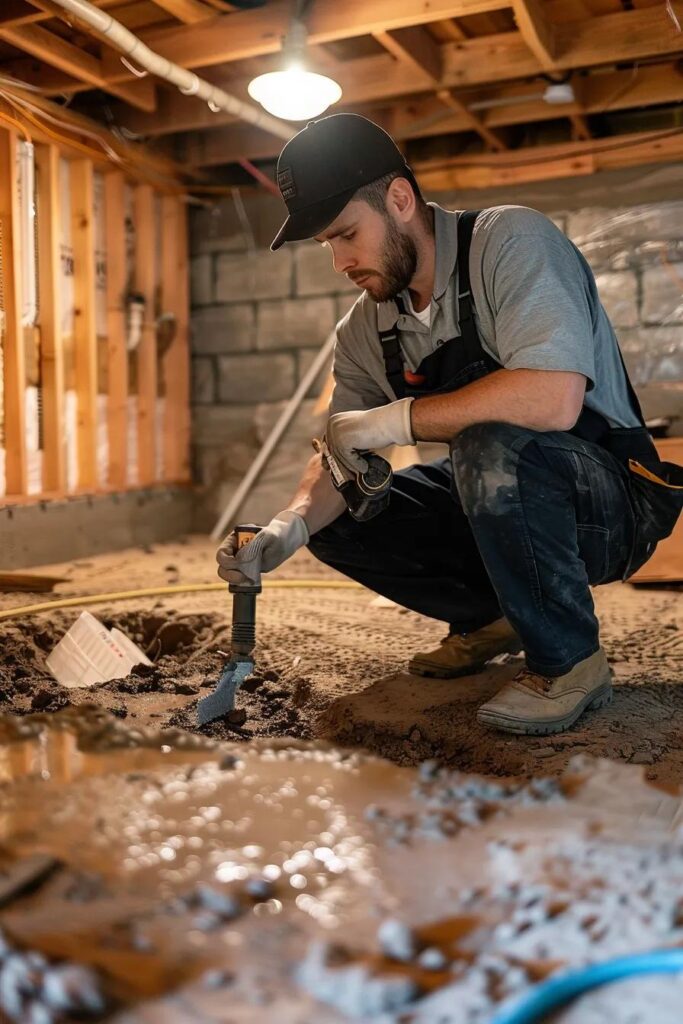
Effective Basement Solutions implements these services with licensed, in-house crews trained to customize systems for New Jersey homes and to avoid subcontracting variability. For French drain and interior perimeter installations, the team evaluates soil conditions and access before selecting interior or exterior placement, then installs perforated pipe, aggregate, and drainage channels sized for the local hydrostatic load. Sump pump installations include a durable sump basin and the option of battery backup to ensure operation during storms and outages; the company configures high-capacity pumps and tests redundancy protocols on-site. Crawl space encapsulation combines a polyethylene vapor barrier, sealed HVAC penetrations, and paired dehumidification to maintain stable RH targets, while foundation reinforcement is approached with minimally invasive anchors or carbon-fiber systems depending on wall condition. Effective Basement Solutions offers free inspections to diagnose needs, delivers a written estimate that outlines scope and warranty, and customizes systems to local NJ site conditions—call the listed contact number to schedule a no-obligation inspection and receive a tailored plan.
How Does French Drain Installation Prevent Basement Flooding in NJ?
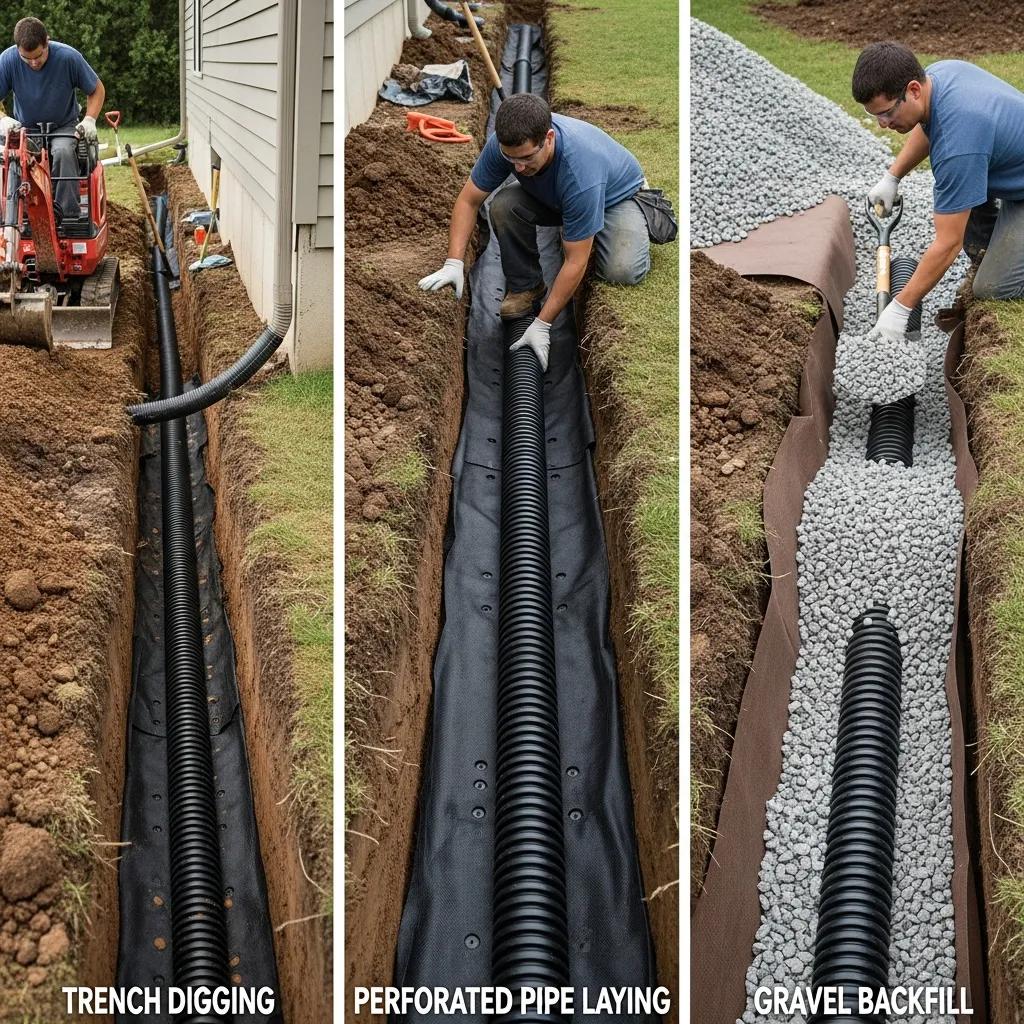
A French drain prevents basement flooding by intercepting and redirecting groundwater that otherwise builds hydrostatic pressure against foundation walls. The system typically consists of a perforated pipe surrounded by gravel and a filter fabric that collects water along the foundation perimeter and conveys it to a discharge point or to a sump basin where a pump can remove it. Interior French drains (perimeter channels) work when exterior excavation is impractical, capturing water that enters at the wall-floor joint and channeling it to the sump, while exterior French drains prevent saturation outside the foundation before it reaches the wall. Properly sized pipe, correct slope, and attention to soil type—clay soils retain more water, sandy soils drain more freely—ensure the system performs in New Jersey conditions where seasonal saturation varies.
Installation timelines and access considerations influence method selection; interior systems can be completed without full exterior excavation and often require 1–3 days of work depending on basement layout, while exterior systems are more invasive but reduce interior disruption and relieve pressure at the source. Regular inspection of discharge points and ensuring gutters/drains complement the system maintain long-term performance. Understanding site-specific soil behavior and hydrostatic patterns is essential to design a French drain that provides durable relief from groundwater pressure.
Hydrostatic Pressure Mitigation for Subterranean Environments: Enhancing Usability of Below-Grade Spaces
Hydrostatic Pressure Relief (HPR) provides an innovative approach to long-term water management in subterranean environments by mitigating hydrostatic pressure. This technology is essential for optimizing the occupancy and utility of basements and similar below-grade structures, thereby preventing water ingress and preserving structural integrity.
Relief of hydrostatic pressure to maximise the occupancy of underground spaces, 2016
What Are the Benefits of Sump Pump Systems and Battery Backup in NJ Homes?
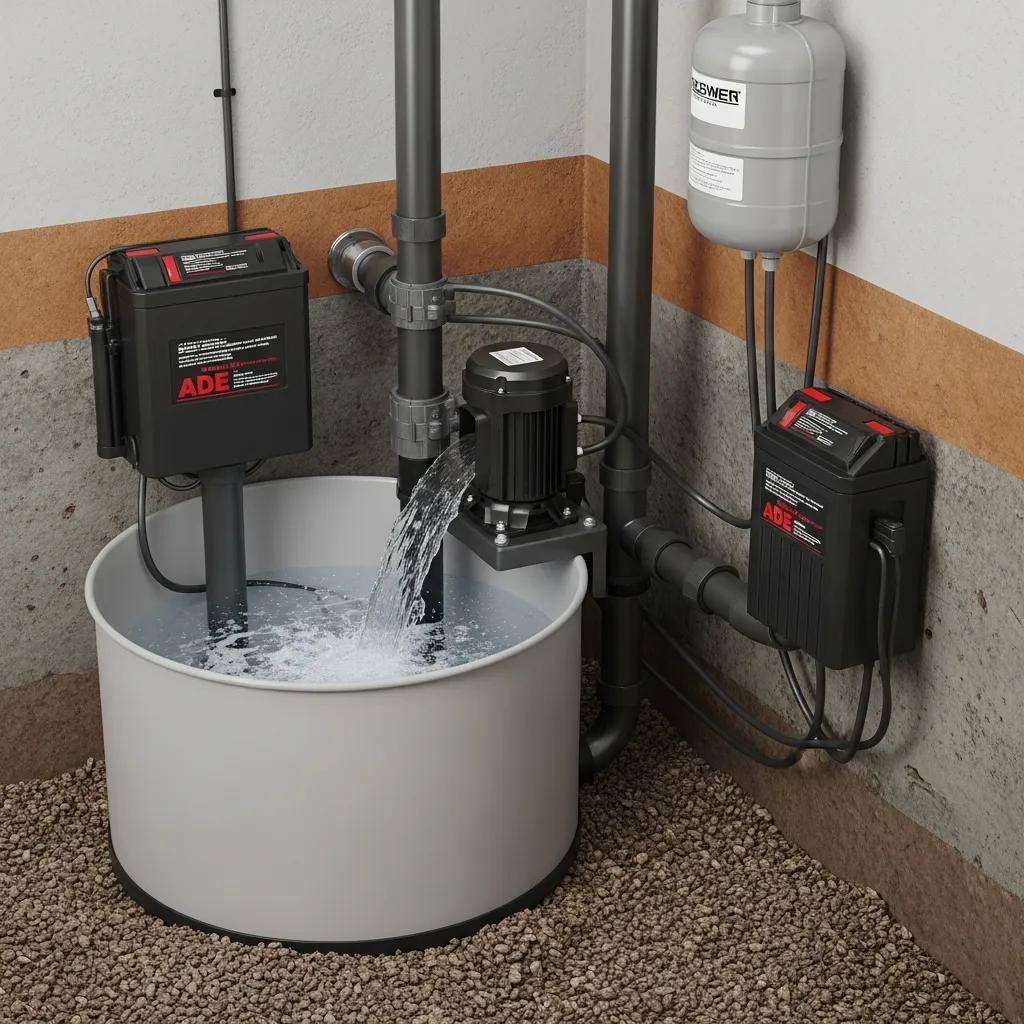
Sump pump systems remove collected groundwater from interior drainage systems and prevent basement flooding during heavy storms or high groundwater periods. A sump basin collects water from perimeter drains or low points, and the pump automatically activates to discharge water away from the foundation; submersible pumps offer quiet operation and higher capacity, while pedestal pumps provide easier access for maintenance. Battery backup units add resilience when storms cause both heavy inflow and power outages—without backup, homeowners risk failure during peak need times. Choosing the correct pump capacity, float switch configuration, and discharge routing is critical to avoid recurring failures and to manage surges effectively.
Routine maintenance—annual testing, cleaning of the basin, and verifying backup charge—ensures reliability; homeowners with frequent events may opt for redundant pumps or alarm systems that alert them to elevated water levels. Effective Basement Solutions installs robust sump systems matched to the predicted inflow and offers battery backup options as part of a comprehensive protection plan. During the free inspection, technicians evaluate required pump capacity, battery needs, and maintenance plans to provide transparent recommendations and a written estimate that includes installation scope and warranty coverage.
Sump Pump Backup Power: Safeguarding Basements Against Power Disruptions
The principal function of this system is to provide auxiliary power to a residence’s sump pump infrastructure during electrical grid failures. This is especially pertinent for dwellings constructed prior to 2000, thereby guaranteeing uninterrupted operation of critical basement water management mechanisms.
Residential Emergency Backup Power Supply and Hazard Detector, 2000
How Can Crawl Space Encapsulation and Dehumidification Improve NJ Home Health and Energy Efficiency?
Crawl space encapsulation and dehumidification combine to transform a moisture-prone underfloor void into a controlled environment that protects structure, mechanical systems, and indoor air quality. Encapsulation involves installing a continuous polyethylene vapor barrier over floor and wall surfaces, sealing vents and penetrations, and insulating rim joists to prevent warm, humid air from contacting cool surfaces and condensing. When paired with a correctly sized dehumidifier, the system maintains relative humidity at levels that inhibit mold and reduce moisture-driven energy losses through HVAC ducts and subfloor conduction. The net effect for New Jersey homes is improved occupant comfort, lower HVAC strain, and reduced risk of mildew and pest intrusion, which can translate into lower operating costs and fewer maintenance issues.
Implementing an encapsulation system requires attention to grading and any water sources under the crawl space; addressing exterior drainage and penetration points first prevents trapped water beneath the vapor barrier. Monitoring and servicing the dehumidifier and verifying seals periodically ensure continued performance, especially across NJ seasonal swings when humidity and temperature gradients change. Homeowners often find encapsulation pays dividends in stabilized indoor humidity, fewer basement odors, and better overall home performance.
- Crawl space encapsulation improves home health by reducing mold and allergen risk through moisture control.
- Encapsulation supports energy efficiency by preventing conditioned air losses through ductwork and subfloors.
- Combining encapsulation with dehumidification offers sustained humidity control and easier maintenance.
These benefits make encapsulation a strategic upgrade for homes with chronic subfloor moisture or those seeking improved indoor air quality and longevity of structural components.
Why Is Crawl Space Encapsulation Important for NJ Homeowners?
Crawl space encapsulation matters for New Jersey homeowners because regional humidity and seasonal temperature changes can drive moisture into subfloor cavities, promoting mold, pest ingress, and energy loss. By creating an impermeable barrier and sealing air pathways, encapsulation isolates the crawl space from moist soil vapor and outdoor air, lowering relative humidity and reducing the likelihood of condensation on framing and mechanical systems. The improved environment protects floor joists and subfloor materials from rot and reduces the burden on HVAC systems that otherwise condition air exchanged through vents or leaky ductwork. For homes with mechanicals located in the crawl space, encapsulation also prolongs equipment life by reducing corrosion and moisture-related failures.
A successful encapsulation project includes a continuous vapor barrier, sealed penetrations, and strategic insulation of rim joists and ductwork, along with a properly sized dehumidifier to manage residual moisture. Periodic inspection of seals and the dehumidification system ensures long-term performance; when paired with exterior drainage corrections, encapsulation becomes a lasting component of a home’s moisture management strategy.
How Do Basement Dehumidification Systems Prevent Mold and Improve Air Quality?
Basement dehumidification systems control indoor relative humidity by mechanically removing moisture from the air, maintaining levels that inhibit mold spore germination and growth. Targeting an RH range typically below about 50%—adjusted for seasonal comfort—reduces condensation on cool surfaces and prevents the sustained wet microenvironments where mold thrives. Dehumidifier selection depends on basement volume, expected moisture load, and drainage options; whole-basement units with built-in condensate pumps or hardwired drains help manage continuous loads without daily attention. Effective placement allows treated air to circulate through the space, while integration with encapsulation or HVAC returns distributes drier air to adjacent living areas.
Maintenance includes filter cleaning and periodic servicing to retain capacity and efficiency; neglecting maintenance can reduce dehumidifier output and allow humidity to drift into unsafe ranges. Combined with moisture-excluding measures—drainage, repaired wall cracks, and controlled discharge—dehumidification delivers a reliable line of defense against mold formation and improves overall indoor air quality for occupants and stored items.
What Foundation Repair Solutions Are Available for NJ Basements?
Foundation repair solutions for New Jersey basements address both structural distress and the underlying moisture forces that cause movement. Common methods include wall anchors that tie unstable walls to stable soil, carbon-fiber or composite straps and strips to reinforce and straighten bowing masonry, and helical piers or push piers to stabilize and lift settled foundations and slabs. Each technique targets a specific failure mode: anchors and straps resist lateral pressure from saturated backfill, while pier systems transfer building loads to deeper, competent soils, correcting settlement. Selecting the appropriate method depends on the cause analysis, the degree of movement, and access constraints; combined waterproofing and structural repair yields better long-term outcomes than isolated fixes.
Comprehensive evaluation prior to repair should document crack patterns, measure wall deflection, and correlate moisture events with structural change to ensure repairs address root causes. Many homeowners benefit from a staged plan that stabilizes structure and then implements drainage and humidity controls to prevent recurrence. Properly executed repairs restore both structural reliability and peace of mind while preparing the home for reduced maintenance needs in the years ahead.
- Foundation repair choices depend on the failure mode, access, and the need to address moisture as a contributing factor.
- Structural reinforcement methods restore stability and allow safe reuse of basement areas.
- Coordinating waterproofing with foundation work prevents future movement caused by cycles of saturation and drying.
This coordinated approach limits rework and often reduces total lifecycle costs compared with tackling structure and moisture separately.
How Do Structural Reinforcement Services Fix Bowing Walls and Cracks?
Structural reinforcement services correct bowing walls and large foundation cracks through a combination of stabilization and restraint systems that redistribute forces away from failing elements. Wall anchors provide an external tieback by anchoring through soil to a plate that draws the wall inward, offering gradual correction without extensive interior disruption. Carbon-fiber straps are affixed to the wall surface to resist further inward movement; they are minimally invasive and suitable for moderate bowing where anchoring is unnecessary. Helical piers and steel push piers address vertical settlement by transferring loads below unstable near-surface soils to deeper, load-bearing strata; these piers can also be used to lift and re-level settled slabs or foundations in a controlled manner.
Repair timelines, expected wall straightening outcomes, and monitoring plans vary by method; most projects include follow-up inspections and, when appropriate, instrumentation to track movement. Proper installation by licensed crews ensures anchor pulls and pier load testing meet design specifications, limiting recurrence and reducing the need for additional interventions.
When Should NJ Homeowners Consider Foundation Repair?
Homeowners should consider foundation repair when they observe red-flag symptoms such as persistent, widening cracks, visible wall bowing or rotation, doors and windows that stick due to shifting frames, or uneven floors indicating settlement. Emergency indicators include rapidly advancing cracks, water infiltration coinciding with structural movement, or cracks appearing in multiple planes that suggest active load redistribution; these conditions warrant immediate professional evaluation. Even smaller signs—hairline cracks with cyclical moisture patterns—deserve inspection because identifying moisture as a root cause can allow less invasive corrective measures if addressed early. Combining moisture remediation with structural stabilization reduces the chance of recurring distress and preserves the long-term integrity of the foundation.
A licensed inspection that includes crack mapping, deflection measurement, and moisture correlation provides the evidence needed to prioritize repairs and choose the least invasive effective solution. Timely action often prevents escalation to more costly underpinning or major demolition and reconstruction.
How Much Does Basement Waterproofing Cost in New Jersey?
Basement waterproofing cost in New Jersey varies widely based on the chosen system, the severity of moisture intrusion, foundation condition, and site access; typical project ranges reflect these variables rather than a fixed price. As a concise guideline, modest interior drainage and sump pump installations for routine seepage can be significantly less expensive than full exterior excavation with membrane replacement, while foundation repairs or extensive crawl space encapsulation add to scope and cost. Cost drivers include basement square footage and complexity, the depth and saturation of surrounding soils, the need for structural repairs, required permits or utility relocations, and material choices such as high-capacity pumps or premium vapor barriers. Presenting a narrow numeric range here risks inaccuracy; instead, homeowners should rely on a free, on-site inspection to obtain an accurate, written estimate tailored to their property’s unique conditions.
The table below explains major cost drivers, how each attribute affects price, and why on-site assessment reduces uncertainty for homeowners.
| Factor | Attribute | Cost Impact |
|---|---|---|
| Basement size | Square footage and layout complexity | Larger or more complex basements increase labor and materials |
| Severity of damage | Extent of water intrusion and structural repair needs | Greater severity requires more extensive systems and raises cost |
| Accessibility | Crawl space, narrow egress, or finished basements | Restricted access increases labor time and specialty equipment |
| Soil conditions | Clay vs. sand, depth to water table | Challenging soils may require deeper or more robust systems |
| Permitting & utilities | Required municipal permits or utility relocation | Adds administrative costs and potential delays |
Effective Basement Solutions uses a no-cost inspection policy to produce an accurate written estimate that reflects these site-specific factors and to explain warranty coverage and system options. During the inspection, licensed technicians evaluate basement layout, moisture mapping, soil conditions, and any necessary structural work to prepare a transparent proposal. The company emphasizes clear scope descriptions and warranty terms, including available long-term warranties, so homeowners understand the lifecycle value of the selected solution rather than focusing solely on upfront price.
What Factors Affect the Cost of Waterproofing Services in NJ?
Several specific variables influence the cost of waterproofing projects in New Jersey and explain why estimates can vary across properties. Basement square footage and complexity directly scale labor and materials; irregular layouts, multiple levels, or finished basements require more remediation time and potential restoration. The severity of water intrusion—episodic leaks versus chronic flooding—changes the system scope, often adding sump capacity, redundant pumps, or structural repairs for severe cases. Accessibility impacts time and equipment; tight crawl spaces, finished areas, or locations near utilities raise labor effort and may necessitate protective work to preserve interior finishes. Soil and site conditions, including degree of saturation and presence of ledge or bedrock, affect whether exterior excavation or deeper drainage channels are feasible. Municipal permitting, required inspections, and local code compliance are additional cost contributors for some exterior or structural repairs.
Understanding these factors early helps homeowners evaluate bids and compare like-for-like scopes rather than price alone. Clear documentation and a written scope from the inspecting contractor reduce ambiguity and help prioritize measures that deliver the best long-term protection.
How Can Free Inspections Help NJ Homeowners Get Accurate Estimates?
Free inspections reduce uncertainty by allowing licensed technicians to observe conditions firsthand, measure moisture and wall movement, and correlate visible symptoms to root causes—information that remote or photo-based assessments cannot reliably capture. During an on-site visit, inspectors perform moisture meter readings, map cracks and efflorescence, check grading and gutter performance, and evaluate subgrade conditions, all of which inform a tailored remediation plan. The inspection yields documented findings and a written estimate that outlines recommended systems, materials, timeline, and warranty details, enabling homeowners to compare proposals with clear parameters rather than vague price ranges. By identifying whether the home requires interior drainage, exterior excavation, encapsulation, or structural reinforcement, inspections prioritize cost-effective solutions and prevent over- or under-specification.
A transparent inspection process fosters homeowner confidence by clarifying which measures are essential versus optional, and by defining follow-up steps and maintenance expectations. Requesting a no-cost inspection is the most reliable path to an accurate budget and an effective, long-lasting waterproofing solution.
Why Choose Licensed Waterproofing Companies Like Effective Basement Solutions in NJ?
Selecting a licensed waterproofing company matters because license and in-house workmanship together create accountability, consistent quality, and clearer warranty responsibility. Licensed crews are bound to regulatory and safety standards and have formal training and oversight that subcontracted labor can lack. Effective Basement Solutions emphasizes a licensed, in-house crew to maintain consistent workmanship, streamline communication, and ensure warranty adherence because when crews are employees rather than subcontractors, responsibility for long-term service is clearer. Additionally, long-term warranties—such as multi-decade coverage—signal confidence in materials and installation quality and provide homeowners with tangible protection against future failures. Choosing a licensed firm that documents scope, materials, and warranty terms reduces transactional risk and simplifies future service requests.
Homeowners should vet contractors for license status, written warranties, proof of in-house crews, and transparent inspection policies. A contractor that combines these elements with a no-cost inspection and a detailed, itemized estimate helps homeowners make informed decisions and reduces the chance of surprise costs or performance gaps later on.
The table below compares warranty and service attributes to illustrate homeowner value when choosing licensed, in-house crews versus other common approaches.
| Entity (Warranty/Service) | Attribute (Coverage/Term) | Value (Homeowner Benefit) |
|---|---|---|
| 30-year warranty | Long-term coverage for specified systems | Reduces long-term risk and supports resale value |
| Licensed in-house crew | Direct employment and oversight | Consistent workmanship and clear accountability |
| Free inspections | No-cost diagnostic visits and written estimates | Accurate scope and transparent pricing |
| Customized NJ solutions | Site-specific system design | Better performance in local soils and climate |
What Are the Benefits of Hiring an In-House Licensed Crew in NJ?
Hiring an in-house licensed crew delivers predictable workmanship, streamlined communication, and clearer warranty responsibility because the company directly manages training, quality control, and scheduling. In-house crews allow supervisors to enforce standardized installation protocols, document progress consistently, and maintain direct lines for post-installation service requests. For homeowners, this reduces the risk of corners being cut when subcontractors juggle multiple employers or when responsibility becomes diffuse after installation. Licensed crews also typically follow local codes and safety procedures, ensuring work complies with municipal requirements and that any permits and inspections are coordinated professionally.
This model supports better post-installation support because warranty and service obligations remain with the company that installed the system rather than a transient subcontractor, simplifying follow-up repairs and accountability. Asking contractors about their crew model, license status, and warranty handling during the inspection clarifies expectations up front.
How Does a 30-Year Warranty Provide Long-Term Basement Protection?
A 30-year warranty offers homeowners extended assurance that specified workmanship and materials will perform over multiple decades, transferring risk from the homeowner to the contractor for covered failures. Long-term warranties typically define coverage elements—materials, labor, or both—and include terms for claim procedures and maintenance responsibilities; understanding these limits is crucial for realistic expectations. For many homeowners, a longer warranty provides resale value and signals the contractor’s confidence in their methods and products. However, warranties require homeowners to follow maintenance recommendations and keep documentation to support future claims, and they may include conditions or exclusions for certain damage types.
When evaluating warranties, homeowners should request written terms that clarify what is covered, for how long, and how claims are handled. Effective Basement Solutions offers multi-decade warranty options paired with its licensed in-house installation model to provide long-term protection and a single accountable party for service. Storing the warranty documentation and asking about transferability at the time of sale further preserves the warranty’s value for future owners.
How Do NJ Homeowners Request a Free Basement Waterproofing Inspection?
Requesting a free basement waterproofing inspection typically involves three straightforward steps: contact the chosen licensed provider to schedule a site visit, prepare basic property information and photos if available, and arrange access for the technician at the scheduled time. During scheduling, provide the home’s general location, a brief description of symptoms (visible leaks, dampness, or past flooding), and any known history such as finished basement areas or recent repairs. The inspection appointment usually takes one to two hours for a thorough diagnostic assessment and results in documented findings and a written proposal. Scheduling with a licensed company that offers free inspections reduces upfront cost barriers and fosters transparent decision-making based on observed conditions.
Effective Basement Solutions encourages homeowners to call the listed contact number to schedule a no-cost inspection, during which licensed technicians document moisture sources, recommend prioritized actions, and deliver a written estimate including warranty options. Preparing basic information and photos before the visit accelerates the diagnostic process and helps the crew plan the onsite evaluation effectively.
- Provide your address and a brief description of basement issues when you call or leave a message.
- Schedule a convenient inspection time and prepare the basement by clearing stored items from affected areas.
- Receive documented findings and a written estimate that outlines recommended work, timeline, and warranty terms.
These steps simplify the process and set expectations for what homeowners should provide and expect from the inspection.
What to Expect During a Professional Basement Inspection in New Jersey?
During a professional basement inspection in New Jersey, technicians perform a structured checklist that includes visual assessment of walls, floors, and finishes; moisture meter readings to quantify dampness; mapping and measurement of cracks; evaluation of grading, gutters, and downspouts outside; and inspection of existing drainage or sump pump systems. Inspectors document findings with photographs, note potential structural concerns, and correlate moisture patterns to likely sources such as hydrostatic pressure or surface runoff. The visit often includes discussion of accessible repair options and preliminary cost drivers, followed by a written report and a timeline for a detailed estimate. Expect transparency about what is known versus what requires further testing or excavation, and insist on a written scope that separates essential repairs from optional upgrades.
This diagnostic approach provides homeowners with actionable information and a clear roadmap for remediation, helping prioritize measures that address root causes and preventive maintenance to reduce recurrence.
How Can NJ Homeowners Prepare for Their Waterproofing Service?
Preparing for waterproofing service reduces project delays and protects homeowner property by following a few practical steps before crews arrive. Clear the basement work area of stored items, furniture, and valuables so installers have unobstructed access to walls, floors, and any utility penetrations; moving boxes and shelving away from walls also lets crews assess and treat the full foundation perimeter. Secure pets and ensure safe access to the work area, and identify electrical panels and shutoffs if crews need temporary power adjustments for equipment. Photographs and notes about prior leak locations help technicians confirm problem areas and compare conditions post-repair. Finally, review the written estimate and warranty terms before work begins and ask the installer to confirm daily cleanup practices and expected working hours.
This preparation streamlines installation, reduces risk of accidental damage to personal items, and helps contractors complete work efficiently while honoring warranty conditions.
What Are the Best Practices for Emergency Basement Waterproofing in NJ?
Best practices for emergency basement waterproofing in New Jersey prioritize occupant safety, rapid water removal, and documentation for insurance and recovery planning. Immediate homeowner actions include ensuring electrical safety by shutting off power to affected basement circuits if standing water is present, removing valuable items to higher ground, and documenting damage with timestamped photos and notes. Rapid-response services provide temporary stabilization—portable pumps, temporary barriers, and tarps—to limit further water entry and buy time for permanent repairs. Coordinating with restoration specialists for drying and decontamination is important if water is contaminated or if prolonged saturation threatens structural components. Clear documentation of all emergency steps and professional mitigation work supports insurance claims and the transition to permanent waterproofing and repairs.
Emergency protocols are designed to protect life and property first, then to stabilize the structure so permanent measures can be planned and implemented with less risk of repeat damage.
- Prioritize safety: avoid electrical hazards and moving water near powered equipment.
- Initiate rapid removal: use pumps to remove standing water and begin dewatering measures.
- Document and coordinate: photograph damage, contact restoration professionals, and preserve records for insurance.
How Do Rapid Response Services Protect NJ Homes from Severe Flooding?
Rapid response services protect homes from severe flooding by stabilizing conditions, removing standing water quickly, and implementing temporary measures that reduce ongoing ingress. Professional teams deploy portable pumps and dewatering rigs to remove surface water, then implement temporary barriers or patching to limit fresh inflow while assessing structural risk. Immediate drying with commercial fans and targeted humidification control slows secondary damage such as mold growth and wood deformation, and teams often coordinate with structural specialists to evaluate shoring needs if walls or load-bearing elements show movement. Rapid documentation and interim protective measures preserve salvageable materials and maintain a clear record for later permanent repairs and insurance claims.
These steps are critical in the hours and days after severe flooding to avoid extended saturation that can escalate repair complexity and cost, and to enable efficient transition to full waterproofing solutions.
When Should NJ Homeowners Call for Emergency Waterproofing?
Homeowners should call for emergency waterproofing when they encounter rapidly rising water, visible structural movement such as new or accelerating wall bowing, contaminated water exposure, or electrical hazards in flooded areas. Rapidly rising water that threatens finished spaces or mechanical systems requires immediate pumping and professional mitigation to protect equipment and limit loss. Structural movement concurrent with water infiltration indicates a destabilizing condition that warrants prompt specialist assessment to prevent collapse or major structural failure. When water is contaminated with sewage or hazardous substances, professional decontamination is necessary to ensure occupant safety and regulatory compliance. Document all emergency actions and notify insurance carriers promptly to facilitate claims and recovery planning.
Prompt professional intervention in these scenarios protects life and property and reduces the risk of long-term structural damage that can be more expensive and invasive to remediate later on.
This article has detailed the common causes of basement water problems in New Jersey, described the full range of waterproofing and foundation repair services available, explained crawl space and dehumidification benefits, clarified cost drivers and the value of free inspections, and outlined emergency response best practices. For homeowners ready to get a precise assessment, Effective Basement Solutions provides licensed in-house crews, customized solutions for New Jersey homes, free inspections, and multi-decade warranty options—call the listed contact number to schedule a no-obligation inspection and receive a written estimate tailored to your property.
Frequently Asked Questions
What are the signs that my basement needs waterproofing?
Homeowners should look for several key indicators that their basement may require waterproofing. Common signs include visible water stains on walls, musty odors, efflorescence (white powdery residue) on surfaces, and dampness or standing water after heavy rains. Additionally, peeling paint, crumbling mortar, and mold growth are significant red flags. If you notice any of these symptoms, it’s advisable to schedule a professional inspection to assess the situation and determine the best course of action to prevent further damage.
How long does the waterproofing process take?
The duration of the waterproofing process can vary significantly based on the specific solutions being implemented and the complexity of the project. Generally, interior drainage systems and sump pump installations can be completed within one to three days. However, more extensive projects, such as exterior excavation or foundation repairs, may take longer, potentially spanning several days to a week. A licensed contractor can provide a more accurate timeline after assessing your property and discussing the necessary work involved.
Are there any maintenance requirements after waterproofing?
Yes, regular maintenance is essential to ensure the effectiveness of waterproofing systems. Homeowners should periodically check sump pumps to ensure they are functioning correctly, clean gutters and downspouts to prevent clogs, and inspect drainage systems for blockages. Additionally, monitoring humidity levels in the basement and ensuring that dehumidifiers are operational can help prevent moisture buildup. Scheduling annual inspections with a licensed contractor can also help identify any potential issues before they escalate, ensuring long-term protection for your basement.
Can I waterproof my basement myself?
While some homeowners may attempt DIY waterproofing solutions, it is generally recommended to hire a licensed professional for effective and lasting results. DIY methods may not address the root causes of water intrusion and can lead to further complications if not done correctly. Professionals have the expertise, tools, and knowledge of local building codes to implement comprehensive waterproofing solutions tailored to your specific situation. Investing in professional services can save you time, money, and stress in the long run.
What should I do if I experience a basement flood?
If you experience a basement flood, prioritize safety by turning off electricity to affected areas and avoiding contact with standing water. Remove valuable items and document the damage with photos for insurance purposes. Use pumps or wet vacuums to remove water quickly, and consider contacting a professional water damage restoration service for assistance. After the immediate response, it’s crucial to address the underlying causes of flooding, such as drainage issues or foundation problems, to prevent future occurrences.
How can I choose the right waterproofing company?
Choosing the right waterproofing company involves several key considerations. Look for licensed and insured contractors with a solid reputation and positive customer reviews. Request detailed estimates that outline the scope of work, materials used, and warranty options. It’s also beneficial to ask about their experience with similar projects and whether they provide free inspections. A reputable company will be transparent about their processes and will prioritize your needs, ensuring you receive effective and reliable waterproofing solutions.
Conclusion
Effective basement waterproofing is essential for protecting your home from moisture damage, enhancing indoor air quality, and preserving property value. By understanding common water problems and the range of professional solutions available, homeowners can make informed decisions that lead to long-term peace of mind. Don’t wait for water issues to escalate; schedule your free inspection today to receive a tailored plan that meets your specific needs. Trust in licensed experts to ensure your basement remains dry and secure for years to come.
