
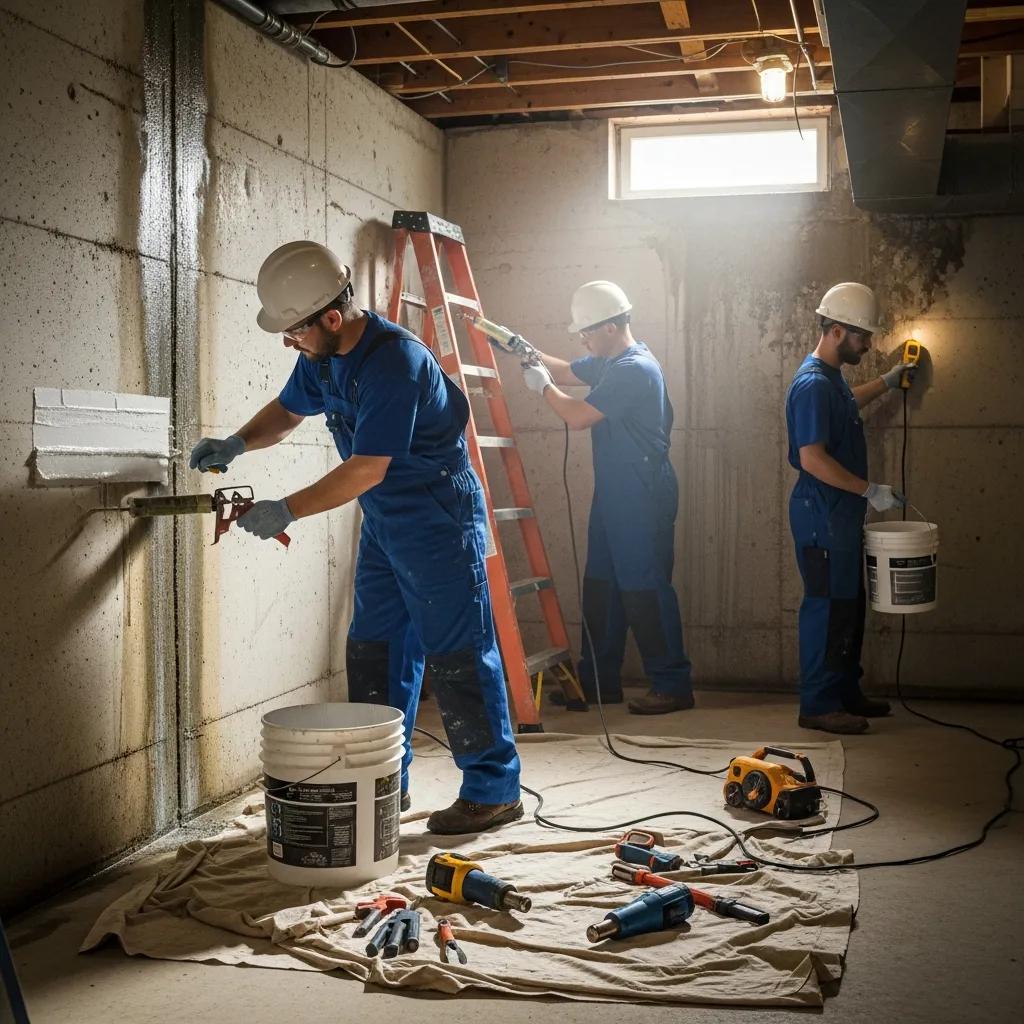
Basement Waterproofing Services in Berkeley Heights, NJ: Professional Wet Basement Repair Solutions for Homeowners
Basement waterproofing is essential for homeowners in Berkeley Heights, NJ, as it protects against water damage and enhances the structural integrity of homes. Nestled amidst the picturesque Watchung Reservation, Berkeley Heights presents unique challenges for homeowners. Its varied topography, from rolling hills to gentle slopes, coupled with local soil conditions and seasonal weather patterns, significantly influences groundwater movement and drainage. This article will explore the common causes of wet basements, effective waterproofing solutions tailored for the local environment, and the importance of professional wet basement repair. Homeowners often face challenges such as mold growth, structural damage, and decreased property value due to water intrusion. Understanding these issues and their solutions can help maintain a safe and dry living environment. We will cover the causes of wet basements, the best waterproofing solutions, the role of sump pumps, the necessity of French drains, and the importance of foundation repair.
Managing Water on Berkeley Heights' Varied Terrain
The unique geography of Berkeley Heights, characterized by its rolling hills, valleys, and proximity to the Watchung Reservation, creates specific water management challenges for homeowners. Properties situated on hillsides often contend with significant surface runoff and subsurface water flow, increasing hydrostatic pressure on foundation walls. Conversely, homes in lower elevations or valley floors can experience water pooling and a higher water table, making them susceptible to basement flooding. Local soil compositions, which can vary from sandy loam to more clay-rich soils, also play a crucial role in how water drains or is retained around foundations. Addressing these diverse conditions requires a nuanced approach, often combining interior and exterior waterproofing strategies specifically adapted to the property’s elevation and surrounding landscape.
What Are the Common Causes of Wet Basements in Berkeley Heights, NJ?
The common causes of wet basements in Berkeley Heights, NJ include:
- Hydrostatic Pressure: Accumulation of groundwater against foundation walls can drive moisture through cracks, a common issue for homes at lower elevations or at the base of slopes.
- Poor Surface Grading: Inadequate grading can lead to water pooling around the foundation, exacerbated on properties with uneven terrain.
- Clogged Gutters and Defective Downspouts: These can exacerbate water infiltration risks, especially during heavy rainfall common in our region.
- Soil Movement: Expansive clay soils, found in various parts of Berkeley Heights, can swell and contract, causing foundation movement and cracks.
- Foundation Damage: Environmental forces, material shortcomings, and biological intrusions can alter soil support and load-bearing capacity, particularly on sloped properties where soil stability is critical.
Addressing these issues through waterproofing and proper drainage solutions is essential to prevent water-related problems in basements.
How Does Hydrostatic Pressure Affect Basement Walls?
Hydrostatic pressure affects basement walls by developing when groundwater accumulates against them, driving moisture through pores and cracks, which accelerates deterioration. This pressure can lead to basement dampness, mold growth, and undermine the strength of concrete. For homes in Berkeley Heights, especially those at the base of slopes or in areas with high water tables, mitigating hydrostatic pressure is crucial. To mitigate these effects, installing interior drain tiles and sump pump systems can relieve hydrostatic pressure and divert water away from the foundation, preserving its integrity.
What Role Do Foundation Cracks and Poor Drainage Play?
Foundation cracks and poor drainage play significant roles in foundation damage. Cracks can arise from soil movement, such as expansive clay swelling and contracting, which exerts forces on foundation walls. Poor drainage, caused by issues like inadequate grading or clogged gutters, can lead to hydrostatic pressure, driving moisture through foundation cracks and accelerating deterioration. This combination can result in basement dampness, mold growth, and compromised structural integrity. Effective waterproofing and drainage solutions are essential to mitigate these risks and protect the foundation, particularly for Berkeley Heights homes on varied terrain where water flow can be unpredictable.
Which Basement Waterproofing Solutions Are Best for Berkeley Heights Homes?
The best basement waterproofing solutions for Berkeley Heights homes include:
- Sump Pump Installation – To manage water accumulation, especially critical for properties in lower elevations or prone to high water tables.
- French Drain Installation – For effective water diversion away from the foundation, particularly beneficial for homes on slopes to manage uphill runoff.
- Crawl Space Encapsulation – To prevent moisture intrusion in crawl spaces, crucial for homes built on uneven terrain where damp soil can be a constant issue.
- Dehumidification Systems – To control humidity levels and improve air quality, especially important in basements that experience persistent dampness due to local conditions.
- Structural Reinforcement – To address any foundational issues that may arise from soil movement or hydrostatic pressure, common challenges on varied Berkeley Heights terrain.
| Service | Description | Benefits |
|---|---|---|
| Sump Pump Installation | A system that collects and removes excess water from the basement, vital for managing water accumulation in low-lying areas. | Prevents flooding and water damage, protecting homes from the impact of heavy rainfall and rising water tables. |
| French Drain Installation | A drainage system that directs water away from the foundation, highly effective for diverting surface and subsurface water on sloped properties. | Reduces hydrostatic pressure and moisture infiltration, preserving foundation integrity on varied terrain. |
| Crawl Space Encapsulation | Sealing the crawl space to prevent moisture intrusion, particularly important for homes on uneven ground where crawl spaces are exposed to damp soil. | Improves air quality and prevents mold growth, creating a healthier indoor environment. |
For homeowners in Berkeley Heights, effective waterproofing solutions are crucial for maintaining a dry and healthy living environment. Effective Basement Solutions specializes in these services, ensuring that homes are protected from water damage.
What Are the Benefits of Interior Basement Waterproofing Systems?
The benefits of interior basement waterproofing systems include safeguarding your home from costly water damage, enhancing indoor air quality, and preserving the structural integrity of the foundation. These systems help relieve hydrostatic pressure, divert water away from footings, and prevent issues like mold growth and deterioration of concrete. For Berkeley Heights homes, interior systems are particularly effective in managing water that has already penetrated the foundation, offering a reliable defense against persistent dampness and ensuring a dry, healthy, and safe living environment.
How Does Exterior Waterproofing Protect Against Water Intrusion?
Exterior waterproofing protects against water intrusion by addressing hydrostatic pressure, which occurs when groundwater accumulates against foundation walls. This pressure can drive moisture through cracks and pores, leading to deterioration. Effective waterproofing solutions, such as proper grading, drainage systems, and sump pumps, help divert water away from the foundation, preserving its integrity and preventing issues like basement dampness and mold growth. By managing water flow and reducing pressure on foundation walls, exterior waterproofing plays a crucial role in maintaining a dry and stable environment for the home, especially for properties in Berkeley Heights exposed to significant surface runoff or high water tables.
How Can Sump Pump Installation Prevent Basement Flooding in Berkeley Heights?
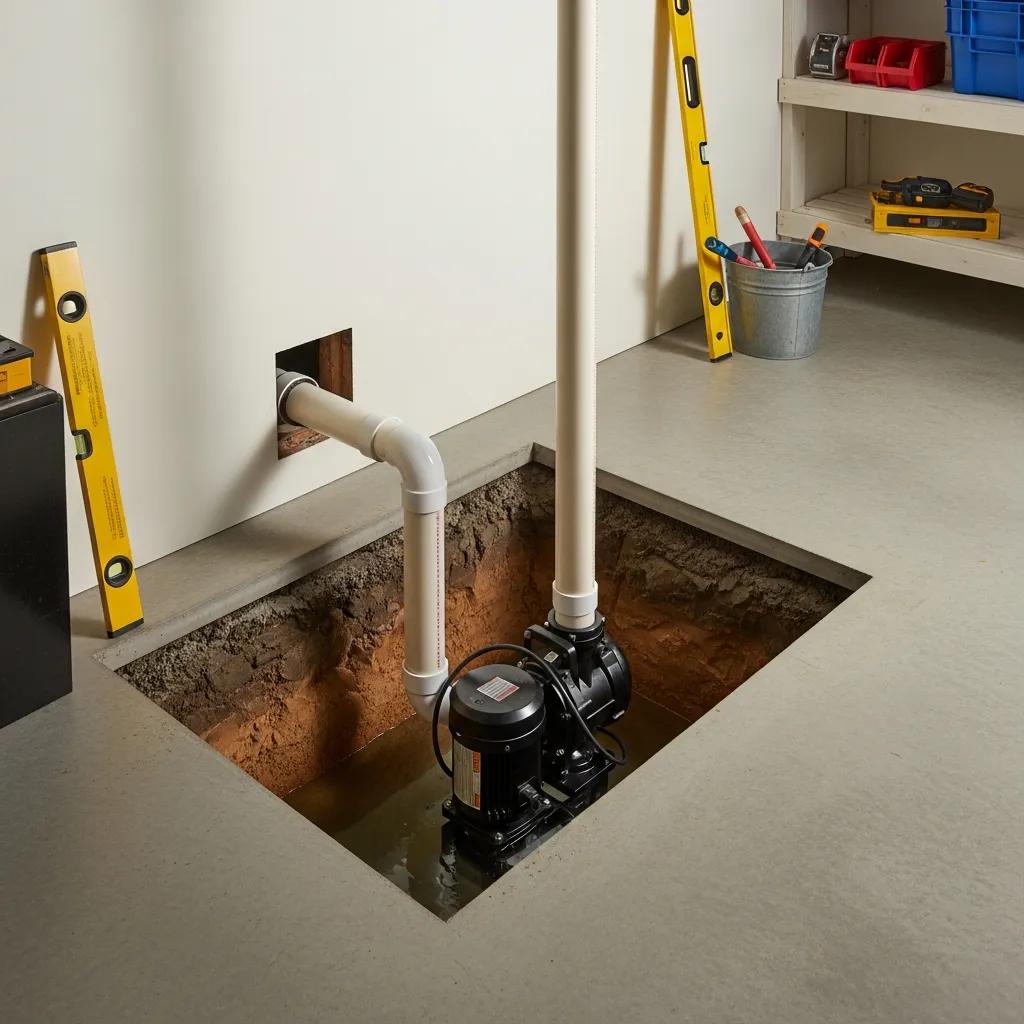
Sump pump installation can prevent basement flooding in Berkeley Heights by effectively managing water intrusion. A sump pump collects and removes excess water that accumulates in the basement, particularly during heavy rainfall or when the water table rises. For homes situated in lower elevations or at the base of slopes, where water naturally collects, a sump pump is an indispensable defense. This proactive measure helps maintain a dry environment, protecting the home from costly water damage and enhancing indoor air quality. By ensuring that water is efficiently drained away from the foundation, sump pumps play a crucial role in safeguarding the structural integrity of the home.
What Types of Sump Pumps Are Available for Installation?
There are several types of sump pumps available for installation, including submersible pumps, which are placed underwater in the sump pit, and pedestal pumps, which are mounted above the pit. Each type has its advantages, with submersible pumps being quieter and more efficient, while pedestal pumps are easier to service. Homeowners in Berkeley Heights should consider their specific needs, the volume of water they expect to manage, and the potential for power outages (making battery backup systems a wise choice) when selecting a sump pump.
How Often Should Sump Pumps Be Maintained for Optimal Performance?
Regular maintenance of sump pumps is essential for optimal performance. Homeowners should check their sump pumps at least once a year to ensure they are functioning correctly. This includes testing the pump, cleaning the sump pit, and inspecting the discharge line for clogs. Additionally, replacing the battery in battery backup systems and ensuring that the pump is free of debris will help maintain its efficiency and longevity, providing reliable protection against flooding in Berkeley Heights’ varied weather conditions.
Why Is French Drain Installation Essential for Effective Water Management?
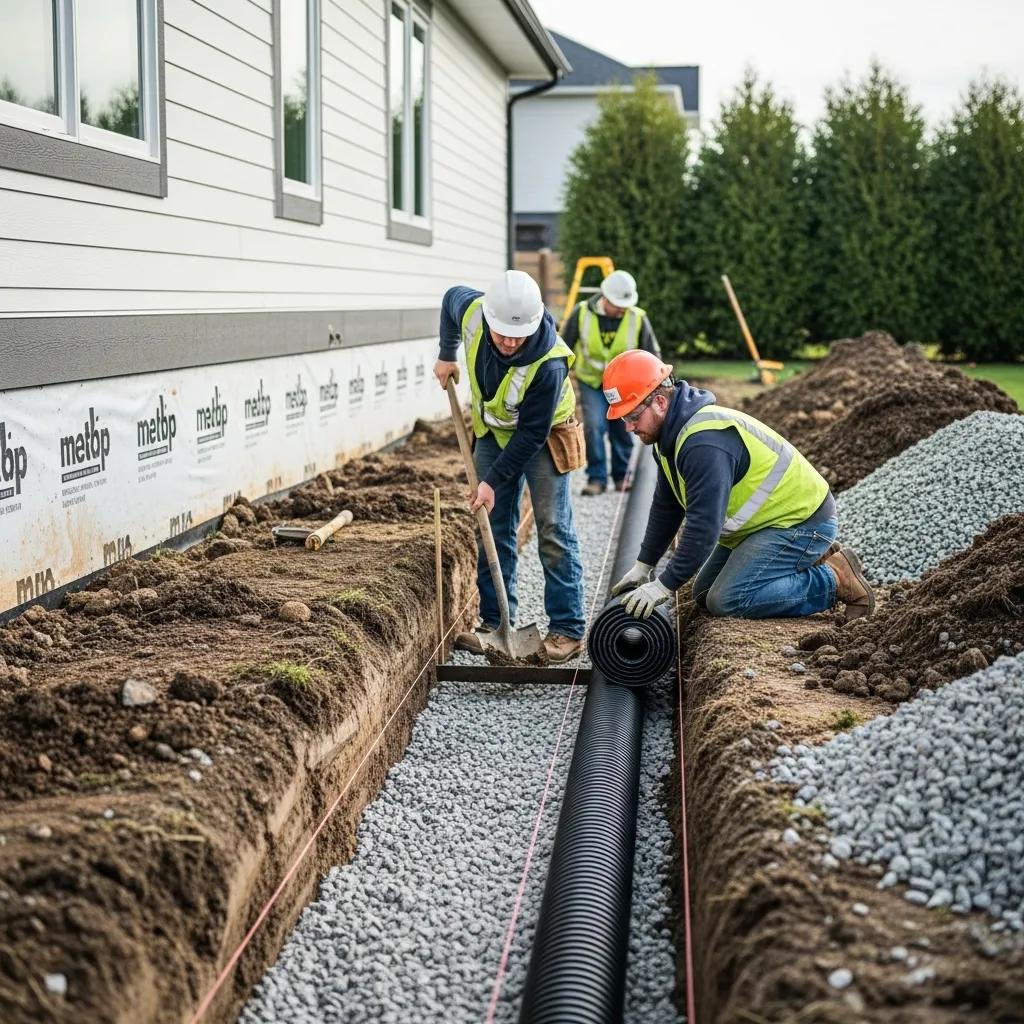
French drain installation is essential for effective water management because it helps to relieve hydrostatic pressure by directing groundwater away from foundation walls. This prevents moisture infiltration, which can lead to basement dampness, mold growth, and deterioration of concrete strength. For Berkeley Heights properties, especially those on slopes or with significant surface runoff, French drains are crucial for diverting water before it reaches the foundation. Proper drainage solutions, like French drains, are crucial in maintaining the integrity of the foundation and ensuring a dry indoor environment.
What Are the Differences Between Interior and Exterior French Drains?
Interior French drains are installed within the basement or crawl space, collecting water that seeps through the foundation walls. In contrast, exterior French drains are placed around the perimeter of the foundation, directing water away from the home before it can infiltrate. Both systems are effective, but their application depends on the specific water management needs of the property and the source of water intrusion. For homes on hillsides in Berkeley Heights, exterior French drains are often vital for intercepting uphill runoff, while interior systems address water that has already breached the foundation.
While both interior and exterior drainage systems offer benefits, their comparative effectiveness in managing water pressure is a key consideration for homeowners.
Sump Pumps & Interior/Exterior Basement Drains
sump pump and pit should be considered.) A drain installed inside the footings is not as effective as one installed outside, but it should eliminate water pressure.
Making basements dry, 1970
How Do French Drains Complement Other Waterproofing Systems?
French drains complement other waterproofing systems by effectively managing water drainage around the foundation. They help alleviate hydrostatic pressure by directing groundwater away from the foundation, which is crucial in preventing water intrusion and related damage. This drainage system works alongside other methods, such as sump pumps and interior drain tiles, to create a comprehensive waterproofing solution that protects the structural integrity of the home. For Berkeley Heights homes, integrating French drains with other systems provides a robust defense against the varied water challenges posed by the local terrain and weather.
When Is Foundation Repair Necessary for Berkeley Heights Basements?
Foundation repair is necessary for Berkeley Heights basements when signs of foundation problems are detected, such as:
- Cracks in the foundation: Vertical, horizontal, or stair-step cracks indicate different types of structural stress that may require repair, often exacerbated by soil movement on sloped properties.
- Sticking doors and windows: This can signal uneven settling due to foundation movement, a common issue in areas with varied soil conditions.
- Uneven floors or sloping surfaces: These issues suggest foundation settlement or heaving, which can be influenced by fluctuating moisture levels in the soil.
- Exterior signs of distress: Visible gaps at the base of siding, separation between brick veneer and window frames, or tilting chimneys can indicate foundation problems.
- Cracks in masonry chimneys or sinking ground: These may reflect differential settlement or soil compaction issues, particularly relevant in areas with diverse geological features like Berkeley Heights.
Early detection of these signs can prompt a comprehensive foundation inspection to prevent minor issues from becoming major repairs.
What Are the Signs of Foundation Damage Related to Water Issues?
Signs of foundation damage related to water issues include:
- Visible Gaps: Gaps at the base of siding or separation between brick veneer and window frames, often caused by soil erosion or expansion due to water.
- Cracks in Masonry: Diagonal cracks in chimneys or other masonry structures, indicating stress from water-induced soil movement.
- Uneven Floors: Floors that dip, slope, or develop tripping hazards, a direct result of foundation settlement caused by saturated soils.
- Separation: Gaps under baseboards or separation between walls and floors, signaling structural shifts due to water damage.
- Soil Erosion: Erosion around footing perimeters or pooling water indicating inadequate drainage, a frequent problem on Berkeley Heights’ varied terrain.
- Sinking Ground: Sunken soil near foundations or patios, indicating soil compaction changes due to excessive moisture.
These signs can indicate underlying issues with foundation stability and may require inspection and repair.
Which Repair Techniques Address Cracks and Structural Problems?
The repair techniques that address cracks and structural problems include:
- Epoxy Injection – Used for sealing vertical cracks resulting from concrete shrinkage, restoring the integrity of the foundation.
- Reinforcement – Required for horizontal cracks that signal lateral pressure from soil or hydrostatic forces, often seen in basements experiencing significant water pressure.
- Underpinning – Necessary for addressing stair-step cracks that reflect differential settlement, providing additional support to stabilize the foundation.
These methods help restore wall integrity and stabilize the foundation, offering lasting solutions for Berkeley Heights homeowners.
Indeed, the effectiveness of epoxy injection lies in its ability to not only seal cracks but also to structurally reinforce the concrete.
Epoxy Injection for Basement Structural Repair
However, the primary objective of the epoxy injection method is to restore the structural integrity and the resistance to penetration of the concrete element by aggressive liquids.
Crack Repair by Epoxy–Injection Method vs. Gravity Feed Method, 2025
What Are the Costs and Long-Term Benefits of Basement Waterproofing in Berkeley Heights, NJ?
The costs of basement waterproofing in Berkeley Heights, NJ, vary depending on the extent of work required, but typically range from $3,000 to $10,000 or more depending on the scope of waterproofing and repairs. The long-term benefits include safeguarding your home from costly water damage, enhancing indoor air quality, and providing transferable warranties that boost property marketability. Such warranties often range from 10 to 30 years, depending on the contractor and system installed, assuring potential buyers of the waterproofing work’s reliability and protecting your investment over time. For specific cost details, further information would be needed.
How Does Professional Waterproofing Increase Home Value and Air Quality?
Professional waterproofing increases home value by preventing water damage and mold growth, which can lead to costly repairs and decreased property appeal. It also enhances indoor air quality by controlling humidity levels and reducing the risk of mold-related health issues. Overall, effective waterproofing protects the structural integrity of the home and contributes to a healthier living environment, making it a valuable investment for any Berkeley Heights homeowner.
What Factors Influence the Cost of Waterproofing and Repairs?
The cost of waterproofing and repairs is influenced by several factors, including:
- Foundation Damage Causes: Environmental forces, material shortcomings, and biological intrusions that alter soil support and load-bearing capacity can affect repair costs, especially in areas with dynamic soil conditions like Berkeley Heights.
- Soil Conditions: The presence of expansive clay soils can lead to cyclical heaving and settlement, necessitating specific soil stabilization techniques and increasing costs.
- Water Damage and Hydrostatic Pressure: Accumulation of groundwater against foundation walls can lead to moisture infiltration, requiring waterproofing solutions like drain tiles and sump pumps, with costs varying based on severity.
- Extent of Damage: The severity and type of foundation cracks (vertical, horizontal, stair-step) dictate the complexity and cost of repairs.
- Structural Integrity: The need for additional structural support or underpinning due to foundation movement can significantly increase costs.
- Inspection Findings: The results of a comprehensive foundation inspection can reveal the necessary repairs and waterproofing measures, impacting overall costs.
These factors collectively determine the scope and expense of waterproofing and repair projects.
Landscape Integration for Water Management in Berkeley Heights
Effective water management in Berkeley Heights extends beyond traditional basement waterproofing to include thoughtful landscape integration. Given the town’s varied terrain, strategic landscaping can significantly reduce the amount of water reaching your foundation. Proper grading around your home, ensuring a gentle slope away from the foundation, is fundamental in diverting surface water. Incorporating rain gardens, which are designed to collect and absorb rainwater runoff, can be an eco-friendly and effective solution for managing excess moisture. Permeable pavers for driveways and walkways allow water to seep into the ground rather than running off, reducing the load on drainage systems. Additionally, strategic planting of native vegetation can help absorb ground moisture and stabilize soil, further protecting your home’s foundation from water-related issues. By combining these landscape techniques with professional waterproofing, Berkeley Heights homeowners can achieve a comprehensive and sustainable water management strategy.
Berkeley Heights Neighborhoods We Serve
Our expert basement waterproofing services are tailored to meet the specific needs of various neighborhoods throughout Berkeley Heights, understanding that each area presents its own unique challenges due to topography, soil, and home age.
- Mountain Park: Known for its elevated properties, often requiring advanced exterior drainage and retaining wall solutions to manage hillside runoff and prevent erosion.
- The Glens: Homes nestled in valleys or lower elevations frequently face hydrostatic pressure challenges, making interior drainage systems and high-capacity sump pumps essential.
- Columbia Park: A mix of older and newer homes, where foundation age and varied construction types demand tailored solutions, from crack repair to comprehensive waterproofing.
- Town Center Area: Properties in the heart of Berkeley Heights, where proximity to commercial areas and older infrastructure can influence water management needs, often requiring solutions for aging foundations.
- Fairmount Avenue Corridor: Homes along this stretch often experience unique drainage patterns due to road grading and surrounding topography, necessitating customized exterior waterproofing plans.
No matter where you are in Berkeley Heights, our team has the local expertise to provide effective and lasting waterproofing solutions.
Berkeley Heights Customer Success Story Framework
We believe in showcasing the real-world impact of our work. Below is a framework for a typical customer success story, demonstrating how we help Berkeley Heights homeowners overcome their water challenges.
The Challenge: [Homeowner's Name/Family, Neighborhood]
Describe the specific water problem the homeowner was facing (e.g., “The Miller family in Mountain Park experienced persistent basement leaks after heavy rains, leading to mold growth and unusable space due to their home’s hillside location.”)
The Solution: [Our Services Provided]
Detail the waterproofing and repair solutions implemented (e.g., “Our team conducted a thorough inspection, identifying significant hydrostatic pressure. We installed an exterior French drain system to divert uphill runoff, coupled with an interior perimeter drainage system and a high-capacity sump pump to manage any remaining moisture.”)
The Results: [Positive Outcomes]
Explain the benefits and improvements the homeowner experienced (e.g., “Within weeks, their basement was completely dry, free of mold, and transformed into a healthy, usable living area. The family now enjoys peace of mind, even during the heaviest storms.”)
Client Testimonial:
“We couldn’t be happier with the results! Effective Basement Solutions truly understood the unique challenges of our Berkeley Heights home. Our basement is now a dry, safe space, and the team was professional and efficient from start to finish.”
Frequently Asked Questions About Basement Waterproofing in Berkeley Heights
1. What are the common causes of wet basements in Berkeley Heights?
Common causes include hydrostatic pressure from groundwater, poor surface grading, clogged gutters, soil movement (especially expansive clay soils), and existing foundation damage. Berkeley Heights’ varied terrain and seasonal weather patterns often exacerbate these issues.
2. How does hydrostatic pressure affect basement walls in our area?
Hydrostatic pressure develops when groundwater accumulates against foundation walls, driving moisture through pores and cracks. This is particularly prevalent in Berkeley Heights homes at lower elevations or at the base of slopes, leading to dampness, mold, and concrete deterioration.
3. What role do foundation cracks and poor drainage play in Berkeley Heights homes?
Foundation cracks, often caused by soil movement on varied terrain, provide entry points for water. Poor drainage, due to inadequate grading or clogged gutters, leads to water pooling and increased hydrostatic pressure, forcing water through these cracks and compromising structural integrity.
4. Which basement waterproofing solutions are best for Berkeley Heights homes?
The best solutions often include a combination of sump pump installation, French drain systems (interior or exterior), crawl space encapsulation, dehumidification systems, and structural reinforcement, all tailored to the specific challenges of your property’s location and terrain.
5. How can sump pump installation prevent basement flooding in Berkeley Heights?
Sump pumps collect and remove excess water that accumulates in the basement, especially during heavy rainfall or when the water table rises. They are crucial for maintaining a dry environment and protecting homes from costly water damage, particularly in low-lying areas of Berkeley Heights.
6. Why is French drain installation essential for effective water management in Berkeley Heights?
French drains are essential for relieving hydrostatic pressure by directing groundwater away from foundation walls. For Berkeley Heights properties, especially those on slopes, they are vital for intercepting and diverting surface and subsurface water before it can infiltrate the foundation.
7. When is foundation repair necessary for Berkeley Heights basements?
Foundation repair is necessary when you observe signs like cracks in the foundation, sticking doors and windows, uneven floors, visible gaps at the base of siding, or sinking ground. These often indicate structural stress exacerbated by water issues common in our area.
8. What are the costs and long-term benefits of basement waterproofing in Berkeley Heights, NJ?
Costs typically range from $3,000 to $10,000+, depending on the scope. Long-term benefits include preventing costly water damage, enhancing indoor air quality, increasing property value, and providing transferable warranties that boost marketability and protect your investment.
9. How do Berkeley Heights' unique terrain and soil conditions impact waterproofing needs?
The town’s hills, slopes, and varied soil types (including expansive clays) significantly influence water flow and retention. Homes on slopes need robust exterior drainage for runoff, while those in valleys require solutions for high water tables and hydrostatic pressure, necessitating customized approaches.
10. What maintenance is required for basement waterproofing systems in Berkeley Heights?
Regular maintenance is key. For sump pumps, annual checks, pit cleaning, and discharge line inspections are vital. For drainage systems, ensuring clear channels and addressing any blockages from debris or soil is important. Battery backups should also be tested and replaced as needed to ensure continuous protection.
We Also Serve These Nearby Communities
Beyond Berkeley Heights, our expert basement waterproofing services extend to various communities across Union and Morris County, ensuring more homeowners can protect their properties from water damage.
- Summit, NJ Basement Waterproofing (a short drive from Berkeley Heights)
- Scotch Plains, NJ Basement Waterproofing (just south of Berkeley Heights)
- Chatham, NJ Basement Waterproofing (a neighboring town to the north)
- Springfield, NJ Basement Waterproofing (located east of Berkeley Heights)
For a complete list of our service areas, please View all service areas.