
Key Benefits of Foundation Crack Repair and Crawl Space Waterproofing
Keeping your basement dry is important in Teaneck. Water intrusion can harm structure, promote mold, and make space unusable. This guide outlines typical leak causes, proven waterproofing methods, and practical maintenance so your basement remains dry and healthy.
Key Takeaways
- Professional basement waterproofing prevents structural damage and reduces mold risk.
- Hydrostatic pressure and foundation cracks are common leak drivers.
- Interior drain systems with reliable sump pumps manage most intrusions.
- Crawl space humidity often contributes to basement moisture.
- Sealing cracks and encapsulating crawl spaces stops water entry and improves air quality.
- Mold control begins with moisture management and timely repairs.
- Simple steps—fix leaks, use dehumidifiers, inspect regularly—help keep basements dry.
- Costs vary by scope and chosen solutions.
- Ongoing maintenance protects your investment and prevents larger repairs.
What Causes Basement Water Intrusion in Teaneck Homes?
Water finds paths into foundations when groundwater or surface runoff is mismanaged. Hydrostatic pressure, foundation cracks, and poor drainage are typical causes. Saturated soil forces water through small openings, while settling or grading problems direct runoff toward foundations. If ignored, these issues cause damage and mold.
Recognizing how soil moisture and external site conditions affect foundation performance is a key step in choosing the right waterproofing approach.
Foundation Waterproofing & Soil Moisture Control
The effectiveness of foundation and plinth design depends heavily on soil moisture. Groundwater levels, precipitation, how the yard is graded near the house, the quality of nearby paving and construction work, and the presence of hard surfaces all influence how wet the building base becomes. To develop practical structural solutions that keep plinths dry, researchers reviewed historical design options for wall waterproofing and identified the main directions for restoration and prevention work.
Retrospective analysis of wall waterproofing structures to determine the main directions of the relevant restoration work, O Semko, 2023
Common Basement Leak Sources and Signs
Find the leak source early to reduce repair time and cost. Common warning signs include:
- Hydrostatic Pressure: Saturated soil pressing on foundation walls.
- Visible Damp Spots: Dark patches on walls or floors.
- Mold Growth: Musty odors or visible mold indicating ongoing moisture.
Addressing these signs quickly limits structural damage and health risks.
How Crawl Space Conditions Affect Basement Moisture
Crawl spaces influence basement humidity. High humidity, poor ventilation, and missing insulation allow moisture to move into living areas. Encapsulation with a vapor barrier, improved ventilation, and insulation reduce humidity and the risk of moisture transfer. Regular crawl-space inspections are part of effective moisture control.
Which Basement Waterproofing Methods Are Best for Teaneck Properties?
Choose methods based on water source and home layout. Common, effective options include:
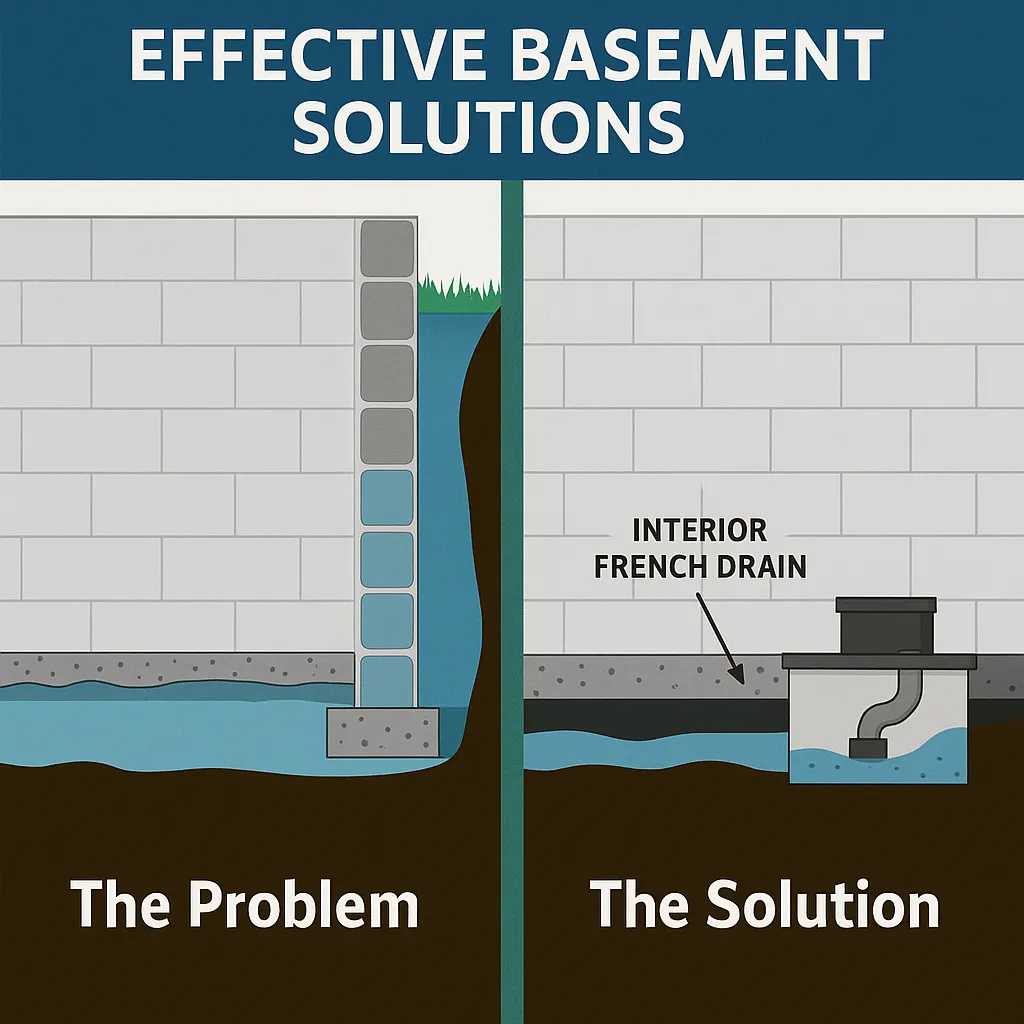
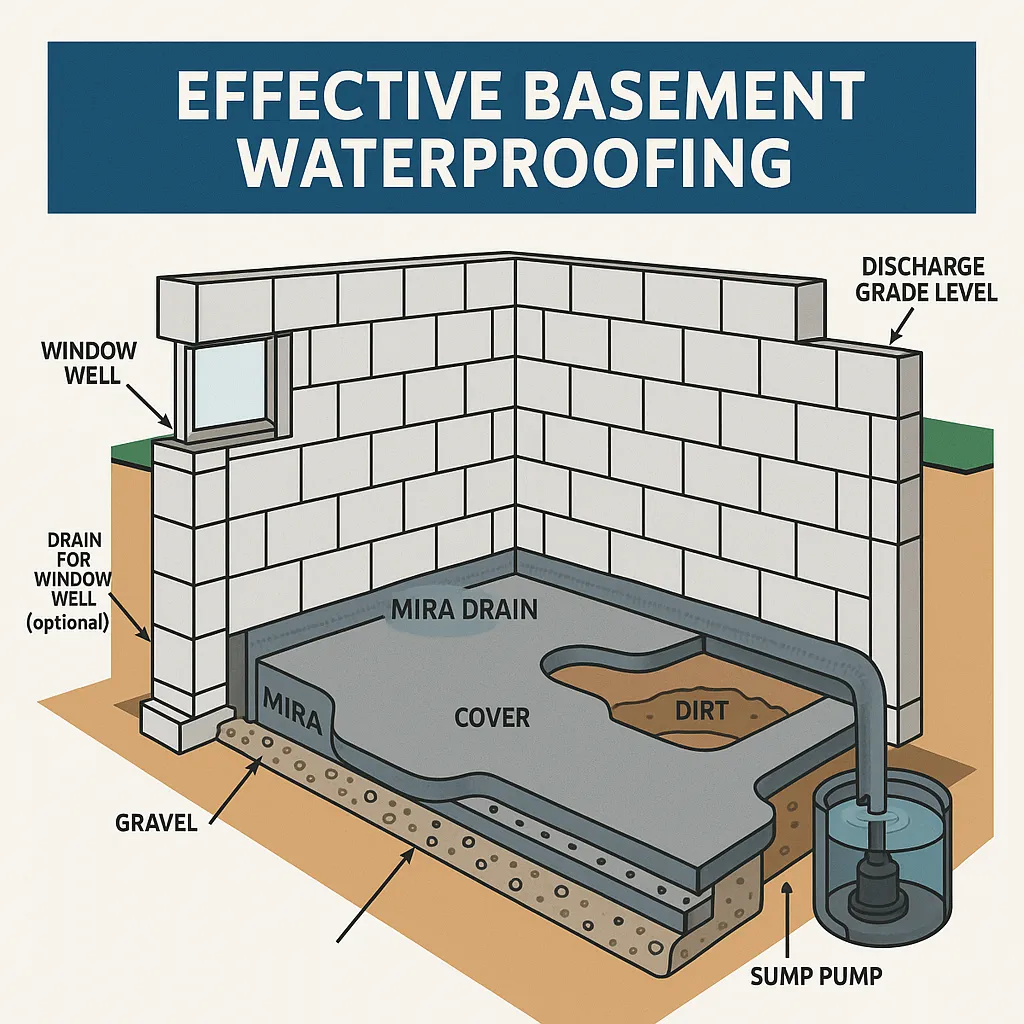
- Interior Drain Tiles: Perimeter drains inside the footing channel water to a sump.
- Sump Pump Systems: Properly sized pumps remove collected water and prevent flooding.
- Moisture Barriers: Wall and floor barriers limit vapor and make spaces more usable.
These approaches are often combined for long-term protection.
Interior Drainage Systems and Sump Pump Installation Explained
Interior drains collect water that reaches the foundation and direct it to a sump pit where a pump discharges it away from the house. Correct installation and routine checks—clear drains, proper pit sizing, and regular pump testing—are essential. In outage-prone areas, battery backups or secondary pumps add protection.
Field projects and monitoring programs have examined how sump pumps reduce residential water infiltration and identified ways to improve their performance in wet-weather scenarios.
Sump Pump Effectiveness for Residential Water Infiltration
The City of Columbus took a source-control route to reduce sanitary sewer overflows, using measures like lining private laterals, redirecting downspouts, and installing voluntary residential sump pumps. While lateral lining showed clear reductions in infiltration, monitoring on sump pumps required a pilot study. In that pilot, 118 sump pumps were installed with 25 monitored for more than 18 months starting November 2016 to quantify peak infiltration/inflow reductions and to identify ways to boost sump pump effectiveness.
Monitoring Effectiveness of Sump Pump on Reducing Private Infiltration/Inflow, 2018
Crack Repair and Crawl Space Encapsulation Techniques
Sealing foundation cracks with epoxy or polyurethane restores integrity and reduces leaks. Encapsulating crawl spaces with a continuous vapor barrier, sealing vents, and adding insulation lowers moisture and improves indoor air quality. Combining crack repair with encapsulation protects the foundation and the home’s health.
How Can Mold Prevention Improve Health in Wet Basements?
Mold control begins with moisture control. Mold can trigger respiratory problems and allergies, so remove moisture sources: fix leaks, run dehumidifiers, and ensure ventilation. These measures reduce mold risk and improve indoor air quality.
Understanding Mold Risks from Basement Moisture
Moist, poorly ventilated basements allow mold to spread quickly. Identify sources—leaks, condensation, or high humidity—and address them promptly. Regular checks and timely repairs are the best defenses against mold growth.
Effective Moisture Control Strategies for Mold Prevention
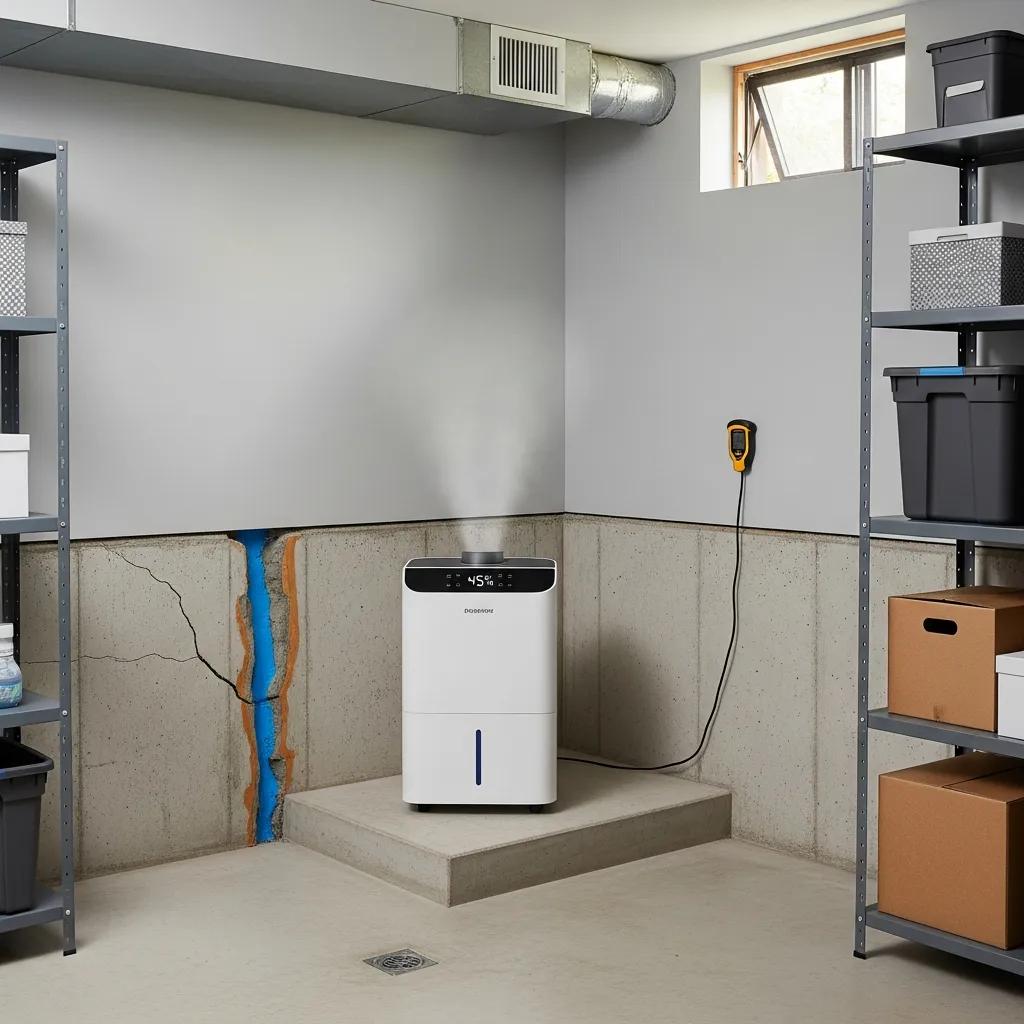
Adopt a few consistent practices:
- Fixing Leaks: Repair active leaks or seepage points promptly.
- Using Dehumidifiers: Keep basement humidity within a safe range.
- Regular Inspections: Check basements and crawl spaces seasonally and after storms.
These steps protect materials and keep basements healthier.
What Are the Cost and Maintenance Tips for Basement Waterproofing in Teaneck?
Costs depend on method and severity. Use these estimates as a baseline and get a professional on-site assessment for precise pricing.
Estimating Costs for Waterproofing and Foundation Repair Services
| Service | Cost Estimate | Maintenance Tips |
|---|---|---|
| Interior Drainage System | $1,500 – $3,000 | Check drains for clogs and keep the collection area clear. |
| Sump Pump Installation | $800 – $2,500 | Test monthly and maintain a reliable battery backup where needed. |
| Crack Repair | $500 – $1,500 | Watch for new cracks and address them quickly. |
Routine upkeep—testing pumps, clearing gutters, and watching for new damp spots or peeling paint—extends system life and reduces unexpected repairs.
For more information, see basement waterproofing services, learn about basement waterproofing, or review waterproofing solutions from Effective Basement Solutions.
Frequently Asked Questions
What are the long-term benefits of basement waterproofing?
Waterproofing preserves structure, improves air quality, reduces mold risk, and can increase usable space and property value. Consistent maintenance keeps those benefits in place.
How often should I inspect my basement for moisture issues?
Inspect at least twice a year—spring and fall—and after heavy storms or rapid snowmelt. Look for damp spots, odors, or new cracks.
Can I waterproof my basement myself, or should I hire a professional?
DIY work can address minor cracks, but comprehensive solutions—managing hydrostatic pressure, installing interior drains, or sump pumps—are best done by professionals.
What is the role of a sump pump in basement waterproofing?
A sump pump removes collected water and prevents flooding. It should be tested regularly and have a backup option where outages are possible.
Are there any signs that indicate I need basement waterproofing?
Visible damp spots, persistent musty odors, peeling paint, mold, or rust suggest moisture problems that merit inspection and possible waterproofing.
What maintenance is required for waterproofing systems?
Test sump pumps, clear drainage channels, inspect discharge lines, monitor humidity, and use dehumidifiers as needed. Routine care prevents failures.
How does basement waterproofing affect home insurance?
Waterproofing can reduce risk and sometimes lower premiums. Check with your insurer—documented systems may be viewed favorably.
Conclusion
Investing in basement waterproofing in Teaneck protects your home from water damage, improves air quality, and preserves value. Understand the causes, choose the right repairs and systems, and keep up regular maintenance. Schedule professional inspections when needed to ensure lasting protection tailored to your home.