Basement Waterproofing Services in Piscataway, NJ: Effective Solutions for Moisture Control and Flood Prevention
Basement waterproofing is essential for Piscataway homeowners to prevent water damage and mold. This article explains causes of water intrusion, effective waterproofing and mold-prevention strategies, plus local regulations and cost considerations to help residents choose the right solutions.
Key Takeaways
- Basement waterproofing in Piscataway, NJ, prevents water damage and mold growth in homes.
- Common causes of basement water intrusion include foundation cracks and hydrostatic pressure.
- Effective waterproofing methods include sump pumps, French drains, and crawl space encapsulation.
- Regular foundation inspections help identify potential water intrusion issues early.
- Mold prevention integrates with waterproofing through humidity management and mold-resistant materials.
- Eco-friendly materials and smart sump pumps enhance waterproofing and sustainability.
- Local regulations and costs impact basement waterproofing projects in Piscataway.
- Professional sump pump installation costs range from $1,000 to $3,000, offering long-term protection.
What Causes Basement Water Intrusion in Piscataway Homes?
Water intrusion can cause structural damage and health issues. Primary causes are foundation cracks, faulty downspouts, and hydrostatic pressure that forces moisture through openings during heavy rain. Recognizing these causes helps homeowners act before damage grows.
Common sources of basement leaks and moisture problems
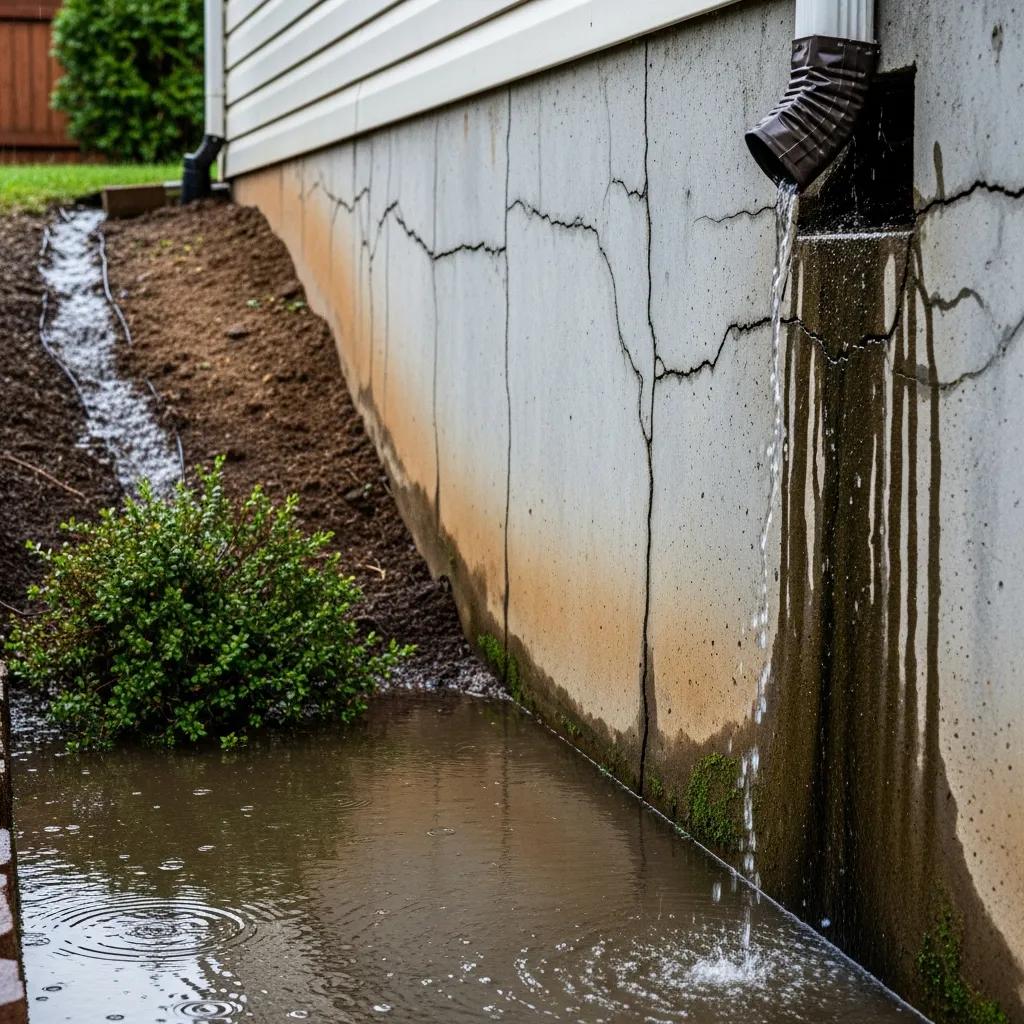
Identifying common sources of basement leaks is the first step in addressing moisture issues. Key contributors include:
- Hydrostatic Pressure: Water buildup in surrounding soil pushes moisture through cracks.
- Foundation Cracks: Settling or shifting can create gaps that allow water entry.
- Poor Drainage: Inadequate exterior drainage leads to pooling near the foundation.
Recognizing these sources enables targeted waterproofing and reduces repair costs down the line.
How groundwater and foundation issues contribute to water intrusion
Rising groundwater increases pressure on foundations and can force leaks. Compromised foundations with cracks and gaps worsen the problem by giving water an easy entry path. Regular inspections of foundations and surrounding grades can reveal issues early and inform repairs or drainage upgrades.
Which Basement Waterproofing Methods Are Best for Piscataway Properties?
Several effective waterproofing methods can help protect Piscataway homes from water intrusion. The best options include:
- Sump Pump Installation: A sump pump removes collected water from the basement, reducing flood risk.
- French Drain Installation: Channels water away from the foundation to lower hydrostatic pressure.
- Crawl Space Encapsulation: Vapor barriers and sealing prevent moisture entry and reduce mold risk.
Effective Waterproofing offers specialized services in these areas to tailor solutions to each home.
Interior drainage systems and sump pump installation explained
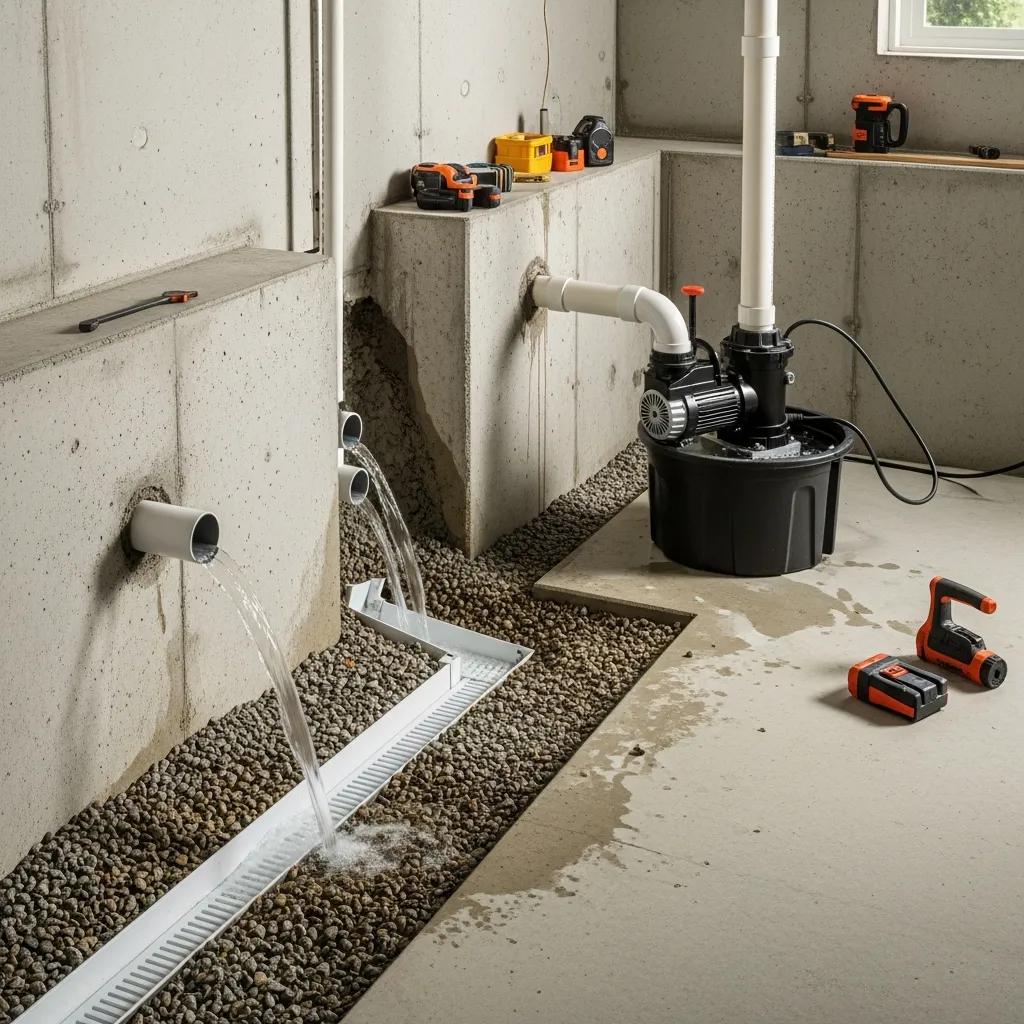
Interior drainage systems gather seepage and direct it to a sump pump that discharges water away from the house. Typical components include perimeter trenching, a gravel filter bed, and selecting a pump sized for the home’s needs. Proper design keeps basements dry during storms and seasonal groundwater rises.
Crawl space waterproofing and foundation repair options
Crawl space waterproofing uses encapsulation, dehumidification, and, when needed, structural reinforcement to prevent moisture and mold. Sealing with vapor barriers and adding dehumidifiers keeps humidity low, while targeted foundation repairs stop recurring leaks.
How Can Mold Prevention Be Integrated with Basement Waterproofing?
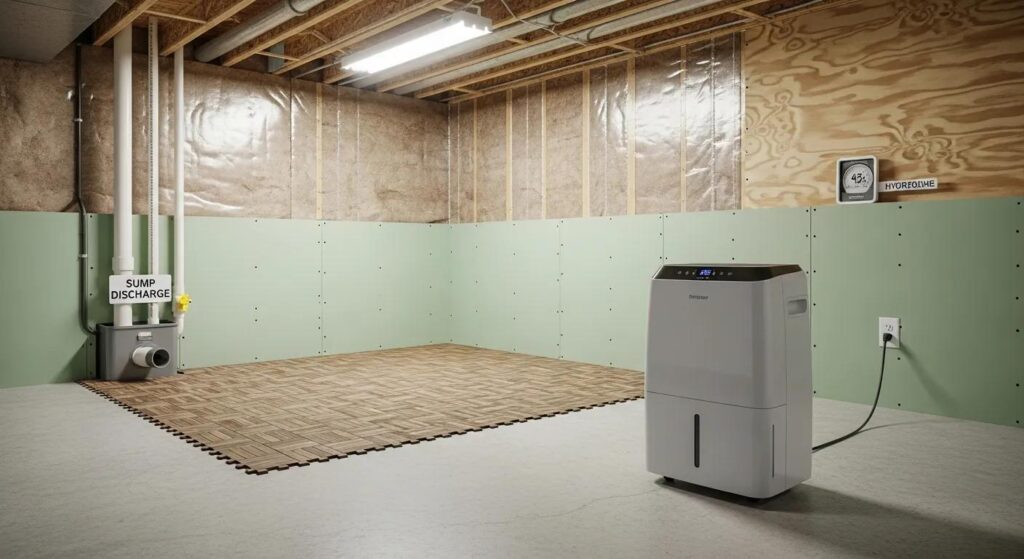
Mold prevention must accompany waterproofing because persistent humidity and moisture foster mold. Effective strategies include:
Understanding the severe implications of water damage, especially after significant weather events, further emphasizes the importance of robust mold prevention.
Flood & Hurricane Mold Prevention Strategies
Extensive water damage after major hurricanes and floods increases the likelihood of mold contamination in buildings. This report provides information on how to limit exposure to mold and how to identify and prevent mold-related health effects.
Mold prevention strategies and possible health effects in the aftermath of hurricanes and major floods, 2006
- Humidity Management: Keeping indoor humidity levels below 60% helps prevent mold growth.
- Regular Inspections: Routinely check for moisture and early signs of mold so you can act quickly.
- Use of Mold-Resistant Materials: Mold-resistant paints and materials reduce future risk during renovations.
Combining these practices with proper waterproofing creates a healthier, longer-lasting living space.
Linking moisture control to mold growth prevention strategies
Controlling moisture is essential to stop mold. Key strategies include:
- Controlling Indoor Humidity Levels: Use dehumidifiers and ventilation to maintain appropriate humidity.
- Ensuring Proper Ventilation: Airflow in basements and crawl spaces reduces condensation and damp spots.
- Using Dehumidifiers: These devices lower humidity, making conditions unfavorable for mold.
Implementing moisture-control measures prevents mold recurrence and protects indoor air quality.
Eco-friendly materials and smart sump pump technology benefits
Eco-friendly materials and smart sump pumps improve waterproofing while reducing environmental impact. Benefits include:
- Minimizing Environmental Impact: Sustainable materials lower the carbon footprint of repairs and upgrades.
- Improving Indoor Air Quality: Non-toxic, mold-resistant materials support healthier homes.
- Automatic Operation of Sump Pumps: Smart pumps detect water and run efficiently, offering reliable protection.
These options protect property and align with sustainable living goals.
What Are the Local Regulations and Costs for Basement Waterproofing in Piscataway, NJ?
Understanding local codes and costs is important when planning basement waterproofing. Compliance with building permits and water standards ensures systems function safely and legally. Project complexity and materials affect price, so get professional estimates to confirm scope and permitting needs.
Understanding NJ water supply standards and permits
New Jersey requires adherence to certain water supply standards and permits for waterproofing work that affects drainage or discharge. Homeowners should verify permit requirements and follow code to avoid delays and ensure the solution is durable.
Typical cost ranges and value of professional sump pump installation
Professional sump pump installation typically ranges from $1,000 to $3,000, depending on system complexity and site conditions. A properly installed pump provides reliable flood protection and can be a cost-effective investment compared with repair costs after water damage.
To further explore options for your home, consider reviewing basement waterproofing services in your area.
Frequently Asked Questions
What are the signs that my basement may need waterproofing?
Look for visible water stains on walls or floors, musty odors, mold growth, peeling paint, efflorescence (white powdery residue), or high humidity. These signs warrant a closer inspection and timely repair.
How often should I inspect my basement for water issues?
Inspect basements at least twice a year (spring and fall) and after heavy rain or snowmelt. Check for moisture, foundation cracks, and drainage problems so you can address issues early.
Can I waterproof my basement myself, or should I hire a professional?
Minor tasks—like sealing small cracks or improving exterior grading—can be DIY, but comprehensive systems (sump pumps, French drains, encapsulation) usually require a professional to ensure effectiveness and code compliance.
What is the lifespan of a sump pump?
Sump pumps typically last 5–10 years depending on use and maintenance. Regular cleaning and checks extend life; upgrading to a smart pump can add reliability and features.
Are there eco-friendly options for basement waterproofing?
Yes—use non-toxic sealants, mold-resistant paints, sustainable insulation, and energy-efficient smart pumps to reduce environmental impact while maintaining protection.
What should I do if I find mold in my basement?
Address the moisture source first, then clean small mold patches with appropriate cleaners or hire professional remediation for larger infestations. After removal, use ventilation, dehumidification, and waterproofing to prevent recurrence.
Conclusion
Investing in basement waterproofing services in Piscataway, NJ, helps prevent water damage and mold while protecting property value. By addressing the root causes—improving drainage, installing pumps, sealing crawl spaces, and managing humidity—homeowners can secure a dry, healthy home. Consult professionals for tailored solutions and permit guidance.